对等关税政策

Search documents
哈佛之后特朗普要对加州高校下手?被爆将大规模撤销该州联邦资助、涉所有研究拨款
Hua Er Jie Jian Wen· 2025-06-06 19:22
美国总统特朗普可能要总和他作对的民主党铁票仓加州施加"财政制裁",数千亿美元的研究资金、基建 项目和教育投资可能受到冲击。 美东时间6月6日周五,据美媒报道,多名消息人士透露,特朗普政府正准备大规模撤销联邦政府给予加 州的资金支持,可能最早本周五开始行动。各政府机构已被要求开始识别,哪些联邦政府拨款的项目可 以扣留拨发给加州的资金。 Issa表示,他向这些焦虑的大学代表传达的信息很明确:提供具体的拨款项目细节和理由,他就会支 持,"我不会为不削减(开支)而游说"。 在财政施压的同时,加州与特朗普政府的法庭对抗也在升级。据新华社报道,加州是美国首个就关税问 题起诉特朗普政府的州,此前以州政府和州长纽森的名义,于4月16日向加州北区联邦地区法院提起诉 讼,指控联邦政府依据《国际紧急经济权力法》实施所谓"对等关税"政策违法,并称此举损害各州、消 费者和企业的广泛利益。 加州高铁项目成"靶子" 在传出加州面临特朗普政府"财政制裁"的消息前,最近特朗普和加州的关系已经越来越剑拔弩张。 上月,因为一名跨性别运动员参加了一场体育赛事,特朗普就威胁要停止对加州的联邦政府资助。加州 链接洛杉矶与旧金山的高铁项目近来一再成为"靶 ...
莫迪软了?印度连收2个噩耗,美加联合施压,美商务部长把话说死
Sou Hu Cai Jing· 2025-06-03 09:05
特朗普的关税大战,坚持到现在依旧没有见到太多的收效,眼瞅着中国啃不动,特朗普又开始迫其他国 家交作业。 6月3日,美国总统特朗普在社交媒体发文,再次推销自己的对等关税政策,并且做出了解释,把自己伪 装成一个受害者称,其他国家对美国征收高额关税,却不允许美国反击,这么下来,美国的经济就没有 生存的机会了。与此同时,路透社公布了一则致美国谈判伙伴的信函,告诫这些国家目前美国政府已经 没有耐心了,要求各国代表在6月4日本周三之前必须给出最好的谈判报价。 为了配合特朗普的威胁,美国商务部长将第一刀砍向了印度,指出印度的做法激怒了美国,指责印度经 常从俄罗斯出购买军事武器,还指责印度加入了金砖国家,更是跟着金砖国家一起转向摆脱美元霸权 尤其是在美国的对等关税搬出之前,印度就率先赶往美国愿意妥协,虽然印度方面做出了极大的让步, 但是美国还是一步不让,这也导致谈判被搁置了下去,如今美国旧事重提逼迫印度妥协,按照印度以往 的操作手段,在美国的胡萝卜加大棒的威胁下,用不了多久就软了会向美国妥协。继续做他的骑墙派。 美商务部长霍华德·卢特尼克表示,这些问题特朗普已经给摆在了桌前要求印度政府解决,还特地强调 预计在不久的将来,印度 ...

特朗普又发出新威胁!哪些因素影响未来贸易谈判
Di Yi Cai Jing· 2025-05-31 09:34
Group 1: Trade Policy Uncertainty - The Trump administration's potential increase of tariffs on steel and aluminum imports from 25% to 50% raises trade policy uncertainty [1][8] - The Oxford Economics economist Edward Allenby indicates that the courts are playing a larger role in determining tariff levels, which may further exacerbate trade policy uncertainty [1] Group 2: US-UK Economic Prosperity Agreement - The US and UK reached a non-legally binding "Economic Prosperity Agreement" (EPD) on May 8, which has raised concerns among international law experts regarding its terminology [3] - The EPD does not eliminate reciprocal tariffs but lowers tariffs on certain industries such as automobiles, steel, aluminum, and pharmaceuticals [3] Group 3: US-China Trade Negotiations - A joint statement from the US and China on May 12 outlines mutual commitments to cancel and modify tariffs, with the US agreeing to eliminate 91% of tariffs on Chinese goods [4] - China will also suspend or cancel non-tariff retaliatory measures against US goods [4] Group 4: Impact of Legal Challenges - The US International Trade Court ruled that Trump overstepped his authority regarding global tariffs, but the appeals court temporarily stayed this ruling, allowing tariffs to remain in effect [7] - The ongoing legal battles between the Trump administration and US federal courts are influencing the progress of international negotiations [5][7] Group 5: Global Trade Dynamics - Countries like Japan, India, and South Korea are reassessing their negotiation strategies with the US following the suspension of tariffs on China [6] - India's plan to impose retaliatory tariffs on US goods worth $1.91 billion indicates a shift in its trade stance under Prime Minister Modi [6]
欧佩克+或超预期增产 美、布两油短线跳水!
Jin Shi Shu Ju· 2025-05-30 12:32
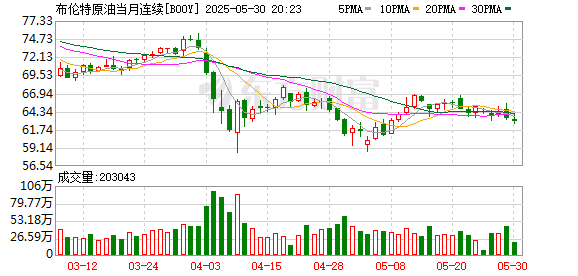
Group 1 - Oil prices for both WTI and Brent fell by nearly $1, with a daily decline of 1.00%, primarily due to OPEC+ potentially discussing an increase in oil production exceeding 411,000 barrels per day at their upcoming meeting [2] - OPEC+ members have been increasing production faster than previously planned, with Saudi Arabia and Russia aiming to punish overproducing allies and regain market share [2] - The announcement of a potential increase in production has led to a significant drop in oil prices, with analysts suggesting that the actual impact of any announcement may be limited [2][3] Group 2 - The spread between the expiring Brent July futures contract and the more liquid August contract narrowed, with the latter rising by 30 cents to $63.65, as investors anticipated OPEC+'s production increase decision [3] - A report from JPMorgan indicated that the global oil surplus has expanded to 2.2 million barrels per day, necessitating price adjustments to stimulate supply response and restore balance [3] - The reinstatement of tariffs from the Trump era has contributed to a decline in oil prices by over 10% since April 2, with ongoing trade disputes creating market uncertainty [4]
反转了,懂王又要出手?
大胡子说房· 2025-05-30 11:52
首先是28号,纽约传来重磅消息: 位于纽约的美国国际贸易法院 阻止了特朗普在4月2日"解放日"宣布的关S政策生效 ,并裁定特朗 普对向美国出口多于进口的国家征收全面关税的行为越权。 最近两天,有关懂王对等关税的消息是反转又反转。 美国国际贸易法院认为: 美国总统无权对几乎所有贸易伙伴征收全面关税;美国国会将"不受限制的关税权力"授予 总统违反宪法 如果这个裁定被认可,那这就意味着,懂王的关S政C不合法,关S政C就执行不了。 所以在这则裁决出现之后,懂王马上就提交了上诉状。 果然,在这则消息传出来不到一天,就又出现了新消息—— 美国联邦巡回上诉法院批准特朗普政府的请求,暂时搁置美国国际贸易法院此前做出的禁 止执行特朗普政府依据《国际紧急经济权力法》对多国加征关税措施的行政令的裁决。 也就说,联邦法院其实还是给了懂王机会, 接下来双方还要提交书面辩论,懂王的关税政策到底 执不执行,还得看暂缓之后的判决。 虽然此刻懂王的对等关税政C看似悬而未决,甚至有被强制裁定不合规的可能性。 但我认为懂王的关税大招,后面还会卷土重来 原因有几点: 第一,懂王可以拖时间 上诉之后,这类案件会上诉到联邦巡回法院,甚至最高法院。 在这 ...

日本国债持续遇冷,财务省或就发债事宜探询市场意见
Sou Hu Cai Jing· 2025-05-27 05:46
Group 1 - Japan's overseas assets reached a historical high, but it lost its position as the world's largest net creditor nation for the first time in 34 years, with a net external asset balance of 533.05 trillion yen [1] - The Japanese government is stabilizing bond issuance despite rising long-term bond yields, which may increase debt servicing costs and pressure on expenditures [1] - The depreciation of the yen has led to an increase in both foreign assets and liabilities, with asset growth outpacing liabilities due to expanded overseas business investments [1] Group 2 - Japanese companies maintained strong foreign direct investment appetite in 2024, particularly in the US and UK, with significant funds flowing into finance, insurance, and retail sectors [3] - The shift towards direct investment over foreign bonds indicates a longer-term commitment, making it harder to quickly repatriate funds in times of risk [3] - Japan's economic minister expressed intentions to reach consensus with the US during the upcoming G7 summit, proposing conditions such as expanding agricultural imports and simplifying automotive import procedures [3] Group 3 - The Japanese government bond market experienced significant volatility, with a lack of bids leading to increased attention compared to US Treasuries [4] - Concerns over fiscal stability and reduced demand from life insurance companies have contributed to a scarcity of buyers in the Japanese bond market [4] - Investor confidence in traditional safe assets has been shaken, with ongoing market unease due to inflationary pressures and a lack of substantial macroeconomic policy responses [4]
全球市场波动或将加剧,中国资产有望成为避风港
AVIC Securities· 2025-05-26 02:05
Market Overview - Following the implementation of the "reciprocal tariff" policy on April 2, 2025, global stock market volatility increased significantly, with a rapid decline followed by a quick recovery approximately one week later[7] - As of May 22, 2025, most major markets have returned to and exceeded their levels from April 2, 2025, likely due to short-term economic support from global export surges during the 90-day exemption period[8] Economic Concerns - The increase in global tariff levels and the intensification of de-globalization are expected to hinder global demand in the medium term, despite the recent market performance suggesting otherwise[8] - The uncertainty surrounding President Trump's administration and unresolved risks related to U.S. debt have resurfaced as market focal points, potentially ending the low volatility phase observed since May[8] U.S. Tariff Policy - On May 23, 2025, President Trump proposed a 50% tariff on EU products starting June 1, 2025, raising concerns about a potential escalation in the U.S. tariff war, which led to a collective decline in European and American stock markets[10] - Moody's downgraded the U.S. sovereign credit rating on May 16, 2025, marking the first downgrade in over a decade, which may amplify market negative sentiment in the short term[10] Debt Market Reactions - Following the downgrade, U.S. Treasury yields across all maturities rose, indicating investor concerns about government debt and interest burdens, although market risk appetite remained relatively stable[11] - The downgrade has resulted in a loss of the highest Aaa rating from all three major international credit rating agencies for the U.S., reflecting deteriorating fiscal conditions compared to similarly rated countries[12] Investment Recommendations - The overall A-share market's price-to-earnings ratio stands at 18.96, a decrease of 0.47% from the previous week, indicating a potential shift in valuation trends[6] - The report suggests that Chinese assets may become a safe haven amid increasing global market volatility, positioning them favorably for investors seeking stability[1]
韩媒报道:石破帽是第一个与美国建立“谈判”团队的人
Sou Hu Cai Jing· 2025-05-25 06:26
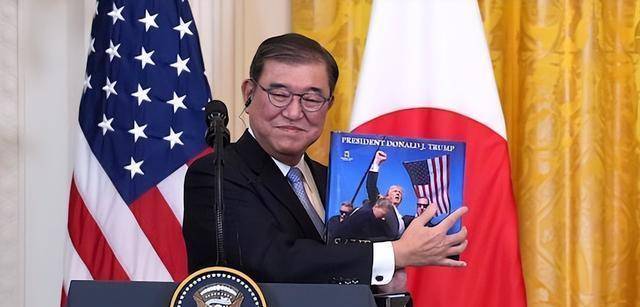
有时候,命运的齿轮就在某个不经意的瞬间发生转动。你有没有注意到,国际风云变幻时,总有人在关键节点做出关键动作?日本首相石破茂,这 一次居然成了美国关税谈判的"第一个吃螃蟹的人"。 是日本主动出击争取利益,还是不得不低头接受现实?"最后的朋友"成了日本对美策略的新标签,这背后又藏着多少无奈和算计?石破茂的选择, 到底是高明的外交艺术,还是历史惯性的延续?日本的在这场关税风暴中到底会往哪里走? "日本首相石破茂成为率先组建谈判团队与美国对话的国家领导人。"这一决定在全球范围内引发了不小的关注。美国总统特朗普对等关税政策刚一 落地,日本立刻被点名成了"第一谈判国"。 日本的反应之快,连美国贸易代表都公开称赞:"日本很快就参加了谈判,所以我们会优先考虑他们。"一时间,"最后的朋友"成了日本对美新姿态 的写照。 日本这次的策略很有意思。石破茂没有选择和其他国家一样打"对等关税"或者"报复性关税"的牌,而是强调"日本是美国最后的朋友",试图用情感 牌换取实际利益。 日本经济再生大臣赤泽龙生,被任命为谈判组组长,这个决定也被外界解读为"铁杆亲信主导"的信号。石破茂还亲自出面,组建了一个包含所有内 阁成员的综合工作组,显示出 ...
耐克决定在美国涨价
第一财经· 2025-05-23 03:08
Core Viewpoint - Nike plans to increase product prices in the U.S. starting in early June, with expected price hikes ranging from $2 to $10 [1][4]. Group 1: Price Increase Details - The price increase will coincide with the start of Nike's next fiscal year, which ends on May 31 [2]. - Nike's price adjustments will vary by product category, with shoes priced between $100 and $150 seeing a $5 increase, while shoes over $150 may increase by $10. Certain products, such as Jordan brand apparel, children's shoes, and shoes priced below $100, will not be affected [4]. - Nike has informed retail partners about the price increase, which will affect wholesale prices starting in July [4]. Group 2: Financial Performance and Market Impact - In March, Nike reported a revenue of $11.269 billion for the third quarter of fiscal year 2025, a 9% year-over-year decline. The fourth quarter is expected to see a further decline in revenue and a gross margin compression of 400-500 basis points [5]. - The decline in performance is attributed to accelerated clearance of outdated inventory, reduced supply of classic styles, and the impact of tariff policies [5]. - Nike's stock price dropped 14% on the day the "reciprocal tariff" policy was announced, resulting in a market capitalization loss of over $13.8 billion [3]. Group 3: Supply Chain and Strategic Adjustments - Approximately 50% of Nike's footwear is produced in Vietnam, 27% in Indonesia, and 18% in China, making the company vulnerable to rising costs from overseas sourcing [3]. - Nike is expanding its sales channels by resuming direct sales on Amazon, which it had previously halted due to concerns over counterfeit products [5]. - A report by McKinsey & Company indicated that 84% of sports goods executives are worried about the geopolitical environment's impact on their businesses, particularly regarding pricing and supply chain management [5].


美国4月份关税收入翻倍,川普却高兴不起来,白宫关门难以避免
Sou Hu Cai Jing· 2025-05-22 08:04
靠着关税,老美4月份赚了一大笔,但特朗普却怎么也高兴不起来。 按照美国财政部的说法,4月份特朗普政府斩获关税总额163亿美元,跟3月份的87.5亿美元相比,增长86%,跟去年同期的71亿美元相比,超了一倍还多。 然而,这跟特朗普的期望值比起来,依旧差得有点远,更严重的问题是,极度缺钱的特朗普政府,可能又又又要关门了。 关税收入翻倍还不够,特朗普的野心有多大?为何白宫再次面临"关门危机"? 今天我们就来谈谈这些问题,码字不易,欢迎点赞,转发,收藏。 4月2日起,特朗普政府实施"对等关税"政策,对57个贸易伙伴加征10%到49%不等的关税。 一夜之间,特朗普政府的关税收入大增,根据美国财政部的预算结果,每天美国从关税中获得的收入超过5亿美元。 但特朗普是怎么说的? 当初特朗普曾夸下海口,说"美国靠关税赚了一大笔钱,每天20亿美元"。 每天20亿美元和每天5亿美元,实在差得不少。 而且这背后还存在一个逻辑: 进口的商品少了,关税收入当然也会减少,这就相当于把稳定的长期现金流变成了一波"快财"。 美国现在最大的问题,特朗普最大的烦恼是啥? 就俩字——缺钱!或者换俩字——太穷! 这种相当于饮鸩止渴的收入增加方式,特朗普 ...