
期现结合

Search documents
丙烯期货、期权上市脚步临近 烯烃产业企业迎来风险管理新“利器”
Qi Huo Ri Bao· 2025-07-18 00:42
Core Insights - The upcoming listing of propylene futures and options is expected to provide risk management tools for the propylene industry, which is currently facing multiple challenges [1][7]. Industry Overview - Jiangsu and Shandong provinces are key regions for propylene production and sales in China, with Shandong accounting for 36% of the national propylene circulation [2]. - Shandong's propylene production capacity is projected to reach 14.48 million tons by 2025, representing 21% of the national total [2]. - The propylene industry has undergone significant changes, with pricing power shifting from local refineries to PDH (Propane Dehydrogenation) enterprises since 2021 [2]. Market Challenges - The industry is experiencing high supply levels due to rapid capacity expansion, leading to a capacity utilization rate lingering between 74% and 77% [2]. - The current market conditions have resulted in limited profit margins for most downstream products, with only butyl alcohol showing significant profitability [2][3]. - Companies like Binhua New Materials are facing pressures from fluctuating raw material prices, particularly due to international market dynamics [3]. Risk Management Strategies - Leading companies are adopting various strategies to manage risks in the absence of propylene futures, including upstream and downstream collaboration, inventory management, and adjusting production rates [4]. - Companies like Shenghong Petrochemical are leveraging diverse raw material sources and flexible logistics to mitigate risks [4][6]. - The establishment of a mature futures hedging system by companies such as Jingbo Petrochemical is helping to manage price volatility and production costs [5]. Future Outlook - The introduction of propylene futures and options is expected to enhance the industry's risk management capabilities and fill the existing gap in the C3 (propylene) industry chain [7][10]. - The market is anticipated to shift from a focus on scale expansion to efficiency optimization, with companies increasingly prioritizing cost control and resource allocation [8][10]. - The new futures tools will facilitate a transition to a pricing model based on futures prices plus basis adjustments, reducing negotiation costs and stabilizing long-term partnerships [9].
探索期现结合新路径 赋能广州民企发展 “期货衍生品市场赋能广州民企高质量发展专题培训”在羊城举办
Qi Huo Ri Bao Wang· 2025-07-16 16:32
Core Viewpoint - The training on futures derivatives market aims to enhance the risk management capabilities of private enterprises in Guangzhou, contributing to the high-quality development of the local economy [1][2][7]. Group 1: Training and Participation - The training event, held on July 15, attracted over 100 representatives from local private enterprises and government agencies [1]. - The event was organized under the guidance of the Guangdong Securities Regulatory Bureau and the Guangzhou Municipal Bureau of Industry and Information Technology [1]. Group 2: Economic Contribution of Private Enterprises - Private enterprises account for over 95% of market entities in Guangzhou, contributing to over 80% of new employment, 70% of innovation outcomes, and approximately 50% of imports and exports [1]. - In the first quarter of this year, the added value of Guangzhou's private economy reached 327.94 billion yuan, a year-on-year increase of 4.6%, representing 43.5% of the city's GDP, marking a five-year high [1]. Group 3: Importance of Futures Market - The futures derivatives market plays a crucial role in price discovery, risk management, and resource allocation [2]. - Utilizing futures tools can help private enterprises lock in costs, hedge risks, and stabilize operations, transitioning from passive to proactive risk management [2][3]. Group 4: Challenges Faced by Enterprises - Despite strong growth, private enterprises in Guangzhou face challenges such as cost fluctuations, exchange rate risks, and insufficient resilience in supply chains [1][3]. Group 5: Practical Applications and Strategies - The training emphasized the importance of understanding and utilizing derivatives for effective risk management, with a focus on inventory, capacity, and order risk management [4]. - Companies are encouraged to establish systematic hedging mechanisms and utilize a professional team for effective risk management [6]. Group 6: Future Outlook - The Dalian Commodity Exchange aims to build a world-class trading platform, enhancing services and supporting private enterprises in Guangzhou with better risk management tools [6]. - The collaboration between government and enterprises is expected to facilitate the integration of finance and the real economy, promoting the widespread use of futures derivatives among private enterprises [8].
政企联动 共探期现结合新路径
Qi Huo Ri Bao Wang· 2025-07-10 18:22
Group 1 - The core viewpoint emphasizes the importance of futures markets in supporting the high-quality development of the real economy, particularly through the integration of futures and spot markets [2][3][6] - The Dalian Commodity Exchange (DCE) and local authorities are actively promoting the use of futures tools to help enterprises manage risks associated with price fluctuations in key industries such as equipment manufacturing and petrochemicals [2][4] - The DCE aims to position Dalian as a leading hub for innovative services in bulk commodities within Northeast Asia, leveraging its existing logistics and trade networks [5][7] Group 2 - The training session highlighted the significant role of futures markets in stabilizing enterprise operations and enhancing regional economic development, with over 60 representatives from government and financial institutions participating [1][7] - The DCE's iron ore futures have become a crucial pricing reference for the global steel industry, indicating the growing influence of Dalian's futures market on international negotiations [3][4] - Successful case studies from Zhejiang province demonstrate the effectiveness of integrating futures and spot trading, which Dalian aims to replicate to enhance its competitive edge [4][6]
看正大玻璃如何靠“金融钥匙”破局
Qi Huo Ri Bao Wang· 2025-07-03 01:08
Core Viewpoint - The article highlights how Zhengda Glass has successfully transformed its traditional manufacturing model by integrating futures trading, allowing the company to navigate market uncertainties and enhance its operational efficiency [1][5][14]. Group 1: Historical Development - Zhengda Glass was established in 1980 and has evolved from a small glass factory to a significant player in the national glass industry, leveraging advanced production techniques and a focus on quality [2][4]. - The company faced severe challenges during the 2007-2008 glass price crash, leading to significant inventory issues and financial strain [3][2]. - In response to the crisis, Zhengda Glass adopted unconventional measures, such as recycling unsold glass, to manage costs and reduce inventory [3][4]. Group 2: Adoption of Futures Market - Zhengda Glass began exploring the futures market in 2012, initially viewing it as a high-risk tool, but shifted to actively participating by 2014 when it became a delivery warehouse for glass futures [5][6]. - The decision to engage with the futures market was driven by the need to improve inventory management and enhance the efficiency of glass trade [5][6]. - The company developed a unique "three-dimensional integration" model that combines futures trading with its production and sales processes, allowing for better risk management and resource allocation [6][9]. Group 3: Strategic Implementation - In 2023, Zhengda Glass utilized its futures trading strategies to navigate market fluctuations, successfully locking in profits and managing costs during periods of price volatility [7][9]. - The company demonstrated its ability to adapt by selling glass futures to hedge against price drops while simultaneously managing raw material costs through futures contracts [7][8]. - Zhengda Glass's operational efficiency improved significantly, with quarterly profit margin fluctuations reduced from ±15% to ±5%, and inventory turnover rates increased from 6.3 times in 2019 to 9.8 times in 2024 [15]. Group 4: Future Outlook and Innovations - Zhengda Glass established a specialized trading subsidiary in 2023, integrating its operations with futures trading to enhance its service offerings and create new revenue streams [16][17]. - The company is actively promoting a "cooperative hedging" model among small and medium-sized glass processing enterprises, fostering collaboration and shared risk management [17]. - Looking ahead, Zhengda Glass aims to deepen its engagement with the futures market, leveraging data analysis for strategic planning and operational efficiency [17].
凝聚期货力量 为广西铝产业转型发展破局
Qi Huo Ri Bao Wang· 2025-07-01 16:40
Core Viewpoint - The aluminum processing industry in Baise, Guangxi, is facing significant challenges due to a lack of pricing power and rising processing costs, leading to many companies operating at a loss and urgently needing risk management tools and pricing autonomy [2][3][4]. Industry Challenges - Baise's aluminum processing fees have fallen below the cost line for several months, with processing fees historically between 200-300 RMB/ton, while the breakeven point is 360 RMB/ton [2]. - Local aluminum processing companies rely on external market prices, specifically the Foshan South Storage price, which limits their ability to negotiate and manage price volatility [2][3]. - Many companies have reported continuous losses, with a 37 percentage point decline in profit margins year-on-year for those using traditional pricing models [2][3]. Risk Management Issues - The majority of local aluminum processing firms lack professional futures hedging teams, making it difficult to manage risks associated with price fluctuations [3]. - There is a shortage of skilled professionals in small and medium-sized enterprises, hindering their ability to effectively utilize futures markets for risk management [3]. - The scarcity of regional delivery warehouses limits the ability of companies to engage in physical delivery and risk control through futures markets [3]. Industry Development Initiatives - Baise is actively constructing a cross-border industrial chain that includes importing bauxite, alumina, aluminum processing, and exporting aluminum products [4]. - The establishment of the Guangxi Aluminum Products Storage and Trading Center aims to enhance competitiveness in the China-ASEAN aluminum industry [4]. - Companies like Jili Baikuang Group are focusing on financial tools to hedge risks and manage procurement costs, including developing dynamic pricing models [5][6]. Financial Innovations - The introduction of financial products such as "Hedging Loans" by local banks is helping small and medium enterprises manage risks more effectively [7]. - The development of an "in-transit warehouse" system is expected to reduce logistics costs significantly, enhancing the efficiency of the aluminum supply chain [8]. - The establishment of a regional pricing benchmark for aluminum products is underway, which will help stabilize pricing and improve market transparency [8]. Green Transformation Opportunities - The aluminum industry in Guangxi is transitioning towards high-end, intelligent, and green development, focusing on recycled aluminum and new metallurgical materials [9]. - The upcoming launch of futures and options for casting aluminum alloy is anticipated to provide financial innovation and support for the recycling aluminum sector [9][10]. - Companies are optimistic about future growth due to national policy support and the long-term development prospects of the industry [10][11].
原木期货首个合约将迎来交割
Qi Huo Ri Bao Wang· 2025-06-26 20:14
Group 1 - The first contract for log futures, LG2507, is approaching physical delivery, with market participants showing increased understanding and preparation for the delivery process [1] - Multiple enterprises have expressed willingness to participate in the LG2507 contract delivery, despite a seasonal downturn in the real estate market affecting demand [2][3] - The Dalian Commodity Exchange has organized several mock deliveries in key log delivery regions to ensure a smooth delivery process, increasing the maximum delivery capacity and enhancing inspection capabilities [3] Group 2 - Companies like Shandong Longsheng Import and Export Co., Ltd. have actively engaged in mock deliveries to familiarize themselves with the delivery process and ensure readiness for the upcoming physical delivery [4] - Training sessions for industry clients on log delivery rules and processes have been conducted, indicating a proactive approach to educating market participants [5] - The introduction of standardized measurement methods for logs, such as the "national standard measurement," is gaining acceptance among downstream processing enterprises, promoting transparency and reducing transaction friction [8][9] Group 3 - The log futures market is seen as a tool for risk management, with companies increasingly adopting hedging strategies to mitigate price volatility [11] - The integration of futures and spot markets is viewed as a future direction for the industry, with calls for companies to embrace futures trading and enhance their understanding of risk management tools [12] - The overall sentiment in the industry is positive, with expectations that log futures will contribute to the healthy development of the log industry and improve operational efficiency [10][11]
“‘稳企安农 护航实体’——氯碱行业绿色可持续发展 期现结合赋能氯碱产业”主题会议在山东济南成功举办
Qi Huo Ri Bao Wang· 2025-06-26 08:36
Group 1 - The conference titled "Stable Enterprises and Safe Agriculture: Empowering the Chlor-Alkali Industry through Green Sustainable Development" was successfully held, gathering over 80 experts and representatives from the chlor-alkali industry to discuss new trends, opportunities, and challenges in the sector [1][2] - The importance of the chlor-alkali industry as a crucial part of the basic chemical sector was emphasized, highlighting its stability as vital for the real economy [1][2] - The use of futures as a risk management tool was discussed, with a focus on how it can help companies effectively respond to market price fluctuations and enhance operational stability [1][2] Group 2 - The Secretary-General of the Futures Association highlighted the irreplaceable role of the futures market in serving the real economy and promoting industrial upgrades, noting the significant achievements of chlor-alkali companies in Shandong Province through practical experience in the futures market [2] - The Executive Vice President of the Chlor-Alkali Industry Association provided an analysis of the current operational status of the chlor-alkali industry’s upstream and downstream product chains, emphasizing the importance of futures tools for future development [2] - A detailed presentation on how futures tools can empower caustic soda companies for innovation and breakthroughs was given, showcasing new development ideas for companies in a complex market environment [2] Group 3 - A roundtable forum was held, featuring discussions among industry leaders on current market conditions, issues and experiences in the practice of futures and spot combination, and future development trends in the chlor-alkali industry [3] - The successful hosting of the conference provided a valuable platform for communication and cooperation within the chlor-alkali industry, promoting the in-depth application of the futures-spot combination concept [3] - Future collaboration among various stakeholders was emphasized to contribute to the prosperous development of the chlor-alkali industry [3]

企业已从“被动对冲”转向“主动管理”
Qi Huo Ri Bao Wang· 2025-06-26 01:13
Core Insights - The polyester industry in Fujian has significantly increased the application of futures and options tools for risk management, especially amid heightened market price volatility [1][4] - Leading companies in the polyester sector, such as Fuhai Chuang and Baihong, have deepened their use of futures tools, with both companies possessing delivery warehouse qualifications [1][2] - The shift from passive risk hedging to proactive value management is evident, as companies leverage futures and options not only for risk management but also to reconstruct cost advantages [4] Group 1: Industry Trends - The polyester industry benefits from comprehensive coverage of upstream and downstream futures products, allowing companies to optimize operations using these tools [2] - Many factories have developed hedging experience with PTA and short fibers, indicating a strong awareness of futures [2] - The integration of spot and futures trading models provides differentiated services, enhancing the industry's risk resilience in a low-profit environment [2][3] Group 2: Service Providers - Industry service providers like Guomao Chemical and Huixing Industrial are empowering polyester companies through diverse service models, including customized risk management and cross-market trade services [3] - These service providers are facilitating a transition from simple trading to integrated trade and manufacturing, helping companies stabilize production and manage price risks effectively [3][4] - The application of innovative collaborative models, such as "self-management + cooperative production," is helping companies mitigate price volatility risks and achieve strategic breakthroughs [4]

油脂油料衍生品工具筑牢产业发展“防护堤”
Zheng Quan Ri Bao· 2025-06-22 15:16
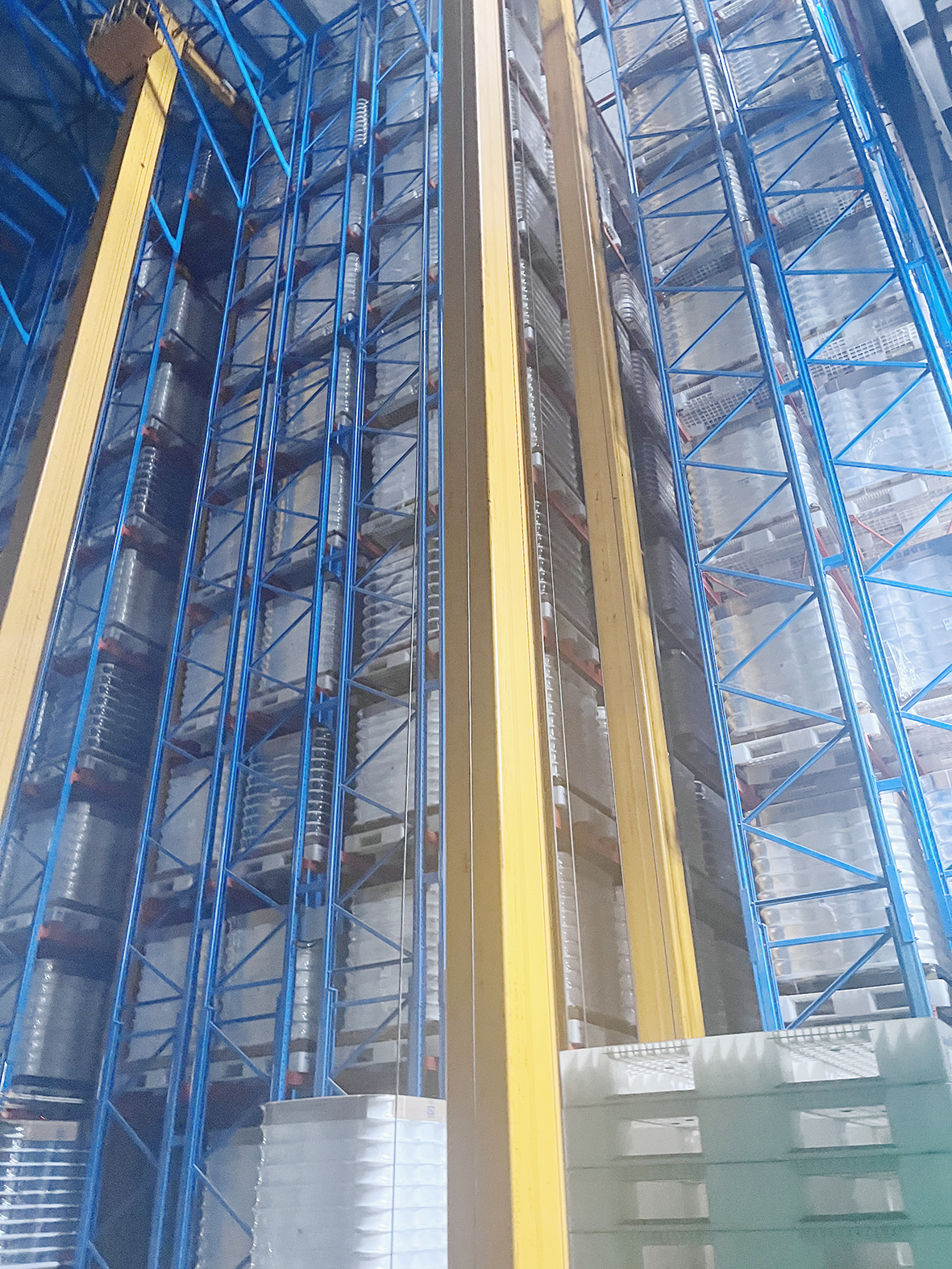
Core Insights - The oilseed and oil industry is significantly influenced by natural factors and international market trends, leading to substantial price volatility, which impacts upstream and downstream sectors as well as daily life [1] - The futures market provides effective risk management tools for oilseed and oil-related enterprises, with the introduction of various derivatives like futures and options for rapeseed oil and meal [1][4] - The increasing maturity of the futures market has led to more companies actively using these tools to stabilize operations and manage risks [2] Group 1: Risk Management - Companies utilize futures contracts to hedge against price fluctuations, ensuring stable raw material supply and controllable costs [2] - The integration of futures tools with spot operations allows companies to build more resilient business models and optimize resource allocation [2][3] - The "basis trading" strategy helps companies synchronize sales and raw material procurement, effectively mitigating risks from price volatility [3] Group 2: Industry Collaboration - Futures and options products promote collaborative development across the oilseed and oil industry, with futures prices serving as a key reference for production planning [4] - Farmers can secure sales prices through forward contracts with processing companies, ensuring stable income [4] - The collaborative approach among industry players fosters a risk-sharing mechanism, enhancing competitiveness and ensuring the supply of essential agricultural products [4] Group 3: Future Outlook - The Zhengzhou Commodity Exchange aims to continuously support industry enterprises in effectively utilizing futures tools to stabilize the development of the supply chain [5]
当原木遇上期货:一把“金融钥匙”解开全国统一大市场建设难题
Xin Hua Cai Jing· 2025-06-17 07:13
Core Viewpoint - The introduction of lumber futures is becoming a new tool for companies to mitigate market risks, promoting the standardization and development of the industry, and advancing the construction of a unified national market [1][6]. Industry Status: From "Profitable" to "Break-even" - The average monthly import volume at Lianyungang Port has decreased from 600,000 cubic meters in 2021 to around 300,000 cubic meters this year [2]. - Companies are experiencing significant declines in purchasing volumes, with some reporting a drop of over 50% in ship purchases, from about 8 ships per month to 2-3 ships [2]. - Profit margins in the lumber industry have drastically reduced, with companies now aiming to break even rather than making profits [2]. Shift in Production and Strategy - Companies are adjusting their production focus, reducing traditional product lines and increasing the production of packaging pallets and other products [3]. - The production capacity of some companies has decreased significantly, with annual output dropping from 1.5 million cubic meters to 400,000 cubic meters [3]. Empowerment through Futures Tools - The launch of lumber futures has enabled companies to actively manage price risks, transitioning from a passive to an active defense strategy [4]. - Companies like Fuhan Wood Industry are forming specialized teams to utilize financial tools for reducing price volatility risks [4]. New Ecosystem Supporting Unified National Market Construction - The futures market is seen as a means to establish a unified pricing system across the country, which is crucial for standardizing trade practices [6]. - The introduction of national standards for lumber measurement is expected to reduce discrepancies and disputes in trade, facilitating smoother transactions [6][7]. - Companies are increasingly adopting digital measurement technologies to enhance the accuracy and efficiency of lumber inspections [6][7]. Conclusion - The lumber industry is undergoing a profound structural adjustment, with many companies moving towards a new model that combines futures and spot trading [6]. - The establishment of a transparent and efficient national market is emerging, driven by the integration of futures trading into traditional lumber business practices [7].