
注册制改革

Search documents
十大维度透视“十四五”资本市场新变化,这份“成绩单”亮眼!
Zhong Guo Zheng Quan Bao· 2025-09-24 03:32
Core Insights - The capital market reforms during the "14th Five-Year Plan" period have made significant progress, including the full implementation of the registration system for stock issuance and the enhancement of investor protection [1][3][21]. Group 1: Registration System Reform - The registration system reform has been deeply advanced, with total financing in the stock and bond markets reaching 57.5 trillion yuan, and the proportion of direct financing increasing by 2.8 percentage points to 31.6% compared to the end of the "13th Five-Year Plan" [3]. Group 2: Establishment of Beijing Stock Exchange - The China Securities Regulatory Commission (CSRC) has promoted the establishment of the Beijing Stock Exchange (BSE) to serve innovative small and medium-sized enterprises, with 276 companies currently listed on the BSE and over 14,000 companies served by the New Third Board [4][5]. Group 3: Market Stability and Investor Protection - The CSRC has prioritized maintaining market stability, implementing new policies and reforms in key areas such as issuance, listing, mergers and acquisitions, trading, and delisting [7][8]. - The cash dividends from A-share listed companies reached 10.6 trillion yuan over the past five years, which is 2.07 times the amount raised through IPOs and refinancing during the same period [8]. Group 4: Support for Technological Innovation - Over 90% of newly listed companies during the "14th Five-Year Plan" period are high-tech enterprises, with strategic emerging industries now accounting for over half of the A-share market [10]. - The market capitalization of technology companies among the top 50 companies has increased from 18 to 24 since the end of the "13th Five-Year Plan" [11]. Group 5: Growth of ETF Products - The number of listed ETFs has grown from 370 to 1,282, with total assets increasing from 1.1 trillion yuan to over 5 trillion yuan, making it the largest ETF market in Asia [14]. Group 6: Long-term Capital Inflows - By the end of August this year, various long-term funds held approximately 21.4 trillion yuan of A-share circulating market value, a 32% increase compared to the end of the "13th Five-Year Plan" [15]. Group 7: High-level Opening Up - The capital market has seen significant progress in high-level institutional opening up, with the number of foreign-controlled institutions increasing and the investment scope for qualified foreign institutional investors expanding [21][22][23]. - By the end of August 2025, 907 foreign institutions had obtained qualified foreign institutional investor status, holding a total of 949.3 billion yuan [26].
含“科”量提升,资本市场加速助力科技创新
Sou Hu Cai Jing· 2025-09-22 13:11
Group 1 - The market capitalization of the technology sector in A-shares has surpassed 25%, significantly higher than the combined market capitalization of the banking, non-bank financial, and real estate sectors [1][3] - The number of technology companies among the top 50 by market capitalization has increased from 18 at the end of the 13th Five-Year Plan to 24, nearly half of the total [3] - Over 90% of newly listed companies in recent years are technology firms or firms with high technological content, indicating a significant increase in the capital market's focus on technology [3] Group 2 - The launch of the Sci-Tech Innovation Board in 2019 has created a fast track for hard tech companies, supported by continuous policy initiatives such as the "16 Articles for Sci-Tech Innovation" and "8 Articles for the Sci-Tech Innovation Board" [3][5] - The deepening of the registration system reform has significantly improved the efficiency of the listing process, allowing unprofitable companies with strong core technologies and sufficient patent reserves to access the capital market [3][5] - The total market capitalization of A-shares exceeded 100 trillion yuan for the first time in August, marking a new milestone [4] Group 3 - The regulatory framework for the capital market has been solidified over the past five years, with a total of 10.6 trillion yuan distributed through dividends and buybacks, an increase of over 80% compared to the 13th Five-Year Plan [5] - The number of administrative penalties for financial fraud, market manipulation, and insider trading has increased, with 2,214 cases resulting in fines totaling 41.4 billion yuan, reflecting a 58% and 30% increase respectively compared to the previous period [5] - The overall R&D investment in China is projected to exceed 3.6 trillion yuan in 2024, a 48% increase from 2020, with the total number of R&D personnel ranking first in the world [5][6]

A股不再是5年前的A股了
Zhong Guo Xin Wen Wang· 2025-09-22 13:07
Group 1 - The core viewpoint highlights a significant shift in the A-share market, where technology companies now dominate the rankings, with the technology sector accounting for over 25% of the market capitalization, surpassing the combined market share of banking, non-bank financials, and real estate [1][3] - By the end of the 13th Five-Year Plan, only 18 of the top 50 companies were in the technology sector, but this number has increased to 24, indicating a strong presence of tech firms in the market [3] - Over 90% of newly listed companies in recent years are technology firms or have high technological content, reflecting a growing emphasis on technology in the capital market [3] Group 2 - The launch of the Sci-Tech Innovation Board in 2019 has provided a fast track for hard tech companies, supported by continuous policy initiatives such as the "16 Articles on Sci-Tech Innovation" and "8 Articles on the Sci-Tech Innovation Board" [3] - The deepening of the registration system reform has significantly improved the efficiency of listings, allowing unprofitable tech companies to go public if they possess strong core technologies and sufficient patent reserves [3][6] - In August, the total market capitalization of the A-share market surpassed 100 trillion yuan for the first time, marking a new milestone [4] Group 3 - The regulatory framework for the capital market has been solidified over the past five years, with a comprehensive system established to support stable development [6] - Companies have distributed a total of 10.6 trillion yuan in dividends and buybacks, representing an increase of over 80% compared to the 13th Five-Year Plan [6] - The number of administrative penalties for financial fraud, market manipulation, and insider trading has increased, with 2,214 cases resulting in fines totaling 41.4 billion yuan, reflecting a 58% and 30% increase respectively compared to the previous period [6] Group 4 - During the 14th Five-Year Plan, the capital market has achieved both quantitative growth and qualitative improvement, transitioning from a finance and real estate-dominated market to one led by technology companies [7] - China's overall innovation capability has significantly strengthened, with R&D investment expected to exceed 3.6 trillion yuan in 2024, a 48% increase from 2020 [7] - The number of high-tech enterprises has surpassed 500,000, an increase of 83% since 2020, indicating a robust growth in innovation-driven companies [7]
吴清:进一步完善发行上市、并购重组等制度安排
IPO日报· 2025-09-22 10:47
Core Viewpoint - The article emphasizes the achievements and future responsibilities of China's capital market development during the "14th Five-Year Plan" period, highlighting the need for continuous innovation and risk prevention in capital market construction [3]. Group 1: Achievements in Capital Market - Over the past five years, significant progress has been made in the capital market, with the A-share market's resilience and risk resistance notably enhanced, as evidenced by the Shanghai Composite Index's annualized volatility decreasing by 2.8 percentage points to 15.9% [3]. - The market capitalization of the technology sector now accounts for over 25% of the A-share market, with the number of technology companies in the top 50 by market capitalization increasing from 18 to 24 since the end of the "13th Five-Year Plan" [3]. Group 2: Regulatory Improvements - The transition from pilot to full implementation of the stock issuance registration system has been achieved, with various measures introduced to optimize the listing, merger, and investment processes, including the "Six Merger Rules" which have supported 230 major asset restructurings [4]. - The quality and investment value of listed companies have been enhanced, with a total of 10.6 trillion yuan distributed to investors through dividends and buybacks over the past five years, representing an increase of over 80% compared to the "13th Five-Year Plan" [5]. Group 3: Future Directions - The focus will be on improving the adaptability and inclusiveness of the capital market system, with reforms in the Sci-Tech Innovation Board and Growth Enterprise Market aimed at better supporting innovative enterprises [4]. - The next steps will involve deepening comprehensive reforms in investment and financing, enhancing the adaptability and inclusiveness of foundational systems, market functions, and regulatory enforcement to promote efficient resource allocation [6].
帮主郑重:下周A股能不能破局?六大信号看透震荡中的机会
Sou Hu Cai Jing· 2025-09-21 16:45
Core Viewpoint - The A-share market is experiencing fluctuations around the 3900-point mark, with expectations for potential opportunities and risks in the upcoming week [1] Policy Outlook - Key highlights for the upcoming week include a press conference from the State Council Information Office, with three potential positive developments: 1. Financial policy adjustments, including the central bank's recent change to "multiple price bidding" for reverse repos, signaling targeted liquidity support 2. Enhanced industrial policies, with significant documents expected for sectors like energy storage, smart connected vehicles, and semiconductors 3. New consumer stimulus policies potentially being introduced before the National Day holiday, focusing on tourism and retail subsidies [3] - Recent regulatory reforms, such as the registration system reform, are expected to facilitate the entry of quality companies while allowing weaker firms to exit more easily [3] Market Sentiment and Technical Analysis - The market sentiment has cooled, with the fear and greed index dropping from 75 to 62, indicating reduced enthusiasm among investors [5] - The Shanghai Composite Index has been consolidating around the 3900-point level for over half a month, with the 3850-point mark being crucial for market stability [4] - The ChiNext Index has reached new highs, but caution is advised as the MACD indicator shows signs of weakening momentum [4] Capital Flow - Northbound capital has shown significant inflows, with a net purchase of nearly 40 billion in September, primarily targeting technology growth stocks such as communication equipment and semiconductors [4] - Traditional consumer sectors like home appliances and textiles are experiencing reduced interest from these investors [4] Investment Strategy - Recommended positioning includes maintaining a 60% base position with 30% in flexible capital, focusing on technology growth sectors like semiconductors and robotics, which benefit from both capital inflows and policy support [5] - Defensive strategies should consider undervalued blue-chip stocks, banks, insurance, and gold sectors, which tend to perform well during interest rate cuts [5] - Caution is advised regarding high-valuation technology stocks and industries sensitive to tariff impacts, as these may pose risks [5] Key Signals to Monitor - Important signals to watch include whether northbound capital can exceed a net inflow of 8 billion in a single day, if the Shanghai Composite Index can maintain above 3850 points, and whether trading volume in technology stocks can increase [6]
中国证监会机构司司长赵山忠:持续完善适配科创企业发展的监管制度和市场生态
Zheng Quan Ri Bao· 2025-09-19 15:45
Group 1 - The core viewpoint emphasizes the continuous deepening of capital market reforms by the China Securities Regulatory Commission (CSRC) to support the development of technology innovation enterprises [1] - The CSRC has implemented various policies, including the "National Nine Articles," to promote long-term capital inflow into the market and enhance the regulatory framework for technology innovation [1][2] - The focus is on creating a favorable capital market ecosystem that encourages long-term investments, particularly from insurance funds and pension funds, to support technology innovation [2] Group 2 - The financing side has seen reforms in issuance and listing processes, making it easier for technology innovation enterprises to go public without the requirement of sustained profitability [3] - The number of significant asset restructurings among technology innovation enterprises has increased since the introduction of the "Six Merger Articles," indicating a more active merger and acquisition environment [3] - The capital market's investment and financing reforms are gradually enhancing the support system for technology innovation, fostering a virtuous cycle among technology, industry, and finance [3] Group 3 - Public funds are recognized as a crucial force in supporting technology innovation, with the CSRC promoting the development of equity funds and guiding the industry towards a return-oriented approach [4] - As of August this year, the scale of public fund management and equity funds has significantly increased compared to the beginning of the year, contributing to a stable capital market and the growth of residents' wealth [4] - The positive cycle of capital market stability and technology innovation development is accelerating [4] Group 4 - Private equity and venture capital funds are identified as key drivers of technology innovation, providing essential funding and facilitating resource integration through mergers and acquisitions [5] - The CSRC has been actively reforming the private equity and venture capital sector to optimize the ecosystem and enhance the support for technology innovation [5] - Over 90% of companies listed on the Sci-Tech Innovation Board and more than half on the Growth Enterprise Market have received capital support from private equity and venture capital funds, indicating a strong investment trend in early-stage and hard technology [5]
资本活水润边疆:新疆资本市场的发展成果与时代答卷
2 1 Shi Ji Jing Ji Bao Dao· 2025-09-19 07:31
Economic Transformation - Xinjiang's economy has undergone significant changes under national policy guidance, with the market capitalization of A-share listed companies reaching 809.31 billion yuan, a 4.05% increase since the beginning of the year [1] - The establishment of a multi-tiered capital market system has facilitated the transition from traditional industries to strategic emerging industries, showcasing the successful implementation of financial market reforms [1][2] Capital Market Development - The number of listed companies in Xinjiang has grown to 61 by September 2025, positioning it among the leaders in the northwest region [2] - The capital market has evolved from being dominated by agriculture, energy, and basic industries to encompassing various sectors, including technology and consumer goods [3][5] Industry Growth and Diversification - New energy and new materials have become significant components of Xinjiang's capital market, with companies like Goldwind Technology and Daqo New Energy leading the way [5][6] - The rise of technology and consumer sectors is evident, with companies such as Xiling Information and Lian Technology making notable contributions [5] Financial Support and Investment - Capital markets have played a crucial role in supporting traditional industries' transformation and the growth of emerging sectors, with companies like Zhongtai Chemical successfully utilizing capital market tools for industry upgrades [7] - The establishment of the Science and Technology Innovation Board has provided critical opportunities for technology companies, enhancing the overall economic landscape [9][10] Policy and Regulatory Environment - The China Securities Regulatory Commission has implemented supportive policies for western region enterprises, easing financing challenges through IPO green channels and registration system reforms [14] - The ongoing reforms in the capital market are expected to provide more diverse financing channels and efficient capital allocation for Xinjiang enterprises [10][14]

AI芯片准独角兽收购上市公司
3 6 Ke· 2025-09-18 23:18
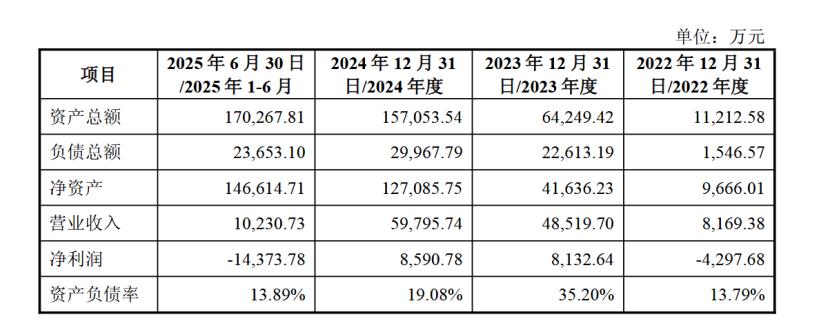
Core Viewpoint - The acquisition of Tianpu Co., Ltd. by Zhonghao Xinying has generated significant market interest, with Tianpu's stock hitting a historical high following the announcement of the acquisition plan [1][2]. Group 1: Acquisition Details - Zhonghao Xinying plans to gain control of Tianpu Co. through a series of acquisition transactions, with its founder Yang Gongyifan becoming the actual controller of Tianpu [1][2]. - The acquisition involves two steps: a share transfer where Zhonghao Xinying acquires 10.75% of shares and an increase in capital amounting to 1.521 billion yuan [3]. - After the capital increase, Zhonghao Xinying and Hainan Xinfan will collectively hold 50.01% of Tianpu's shares, establishing Yang Gongyifan as the new actual controller [3][4]. Group 2: Market Reactions and Speculations - The market has speculated about Zhonghao Xinying's potential asset injection into Tianpu, but Tianpu has clarified that there are no plans for asset injection [2][4]. - The transaction has drawn comparisons to other acquisition cases, with experts noting that it does not constitute a backdoor listing, as Zhonghao Xinying is first acquiring control of the major shareholder [2][4]. Group 3: Financial and Operational Implications - The new controller, Yang Gongyifan, aims to leverage Tianpu's automotive industry qualifications to expand into the new energy vehicle sector [4]. - The acquisition is expected to enhance the quality of the listed company, with supplementary agreements signed regarding share transfer payments and performance compensation [4][5]. Group 4: Regulatory Considerations - The acquisition may trigger a mandatory tender offer due to Zhonghao Xinying's shareholding exceeding 30%, which could increase transaction costs and compliance risks [5][7]. - Recent regulatory changes emphasize the need for significant synergy between the acquired company and the acquirer, which could impact the approval of the transaction [5][8]. Group 5: Zhonghao Xinying Overview - Zhonghao Xinying, established in October 2020, focuses on high-performance AI chips and has raised over 1.7 billion yuan since its inception [9][10]. - The company has experienced fluctuating financial performance, with revenues of 0.82 billion yuan in 2022 and a net profit of 8.89 million yuan in 2024, but reported a loss of 143 million yuan in the first half of 2025 [12].
今年A股再融资总额超八千亿元
Yang Zi Wan Bao Wang· 2025-09-15 10:33
Group 1 - The A-share refinancing market has seen significant activity in 2023, with total funds raised reaching 800.21 billion yuan, a substantial increase of 258.7% compared to 223.12 billion yuan in the previous year [1] - The private placement market has been particularly strong, with 108 projects completed, raising a total of 756.43 billion yuan, marking a growth of 337.1% year-on-year [1] - There have been 29 convertible bond projects completed, with a total fundraising amount of 43.78 billion yuan [1] Group 2 - The growth trend in the private placement market appears to be sustainable, with 424 private placement proposals disclosed this year, averaging an expected fundraising of 1.10 billion yuan each [1] - The manufacturing and high-tech industries are the main drivers of refinancing, with numerous projects in the chemical, machinery, hardware, and semiconductor sectors [1] - In the chemical industry, 11 companies completed private placements, while the machinery and hardware sectors each had 10 companies complete similar transactions [1] Group 3 - The dominance of private placements in the refinancing market is attributed to their large financing scale, high approval efficiency, and flexible use of funds, along with regulatory support for economic development [2] - The key reasons for the warming of the refinancing market this year include the resonance of policies and market conditions, with the registration system reform significantly optimizing the refinancing process and lowering financing thresholds for companies [2] - The demand for funds has surged due to economic recovery and the need for industrial upgrades, particularly in strategic areas such as new energy and semiconductors, where companies need to overcome technological bottlenecks [2]
今年以来A股再融资规模逾8000亿元 较去年全年增幅高达258.7%
Cai Jing Wang· 2025-09-12 10:54
Group 1 - The A-share refinancing market has seen significant activity in 2023, with total funds raised reaching 800.21 billion yuan, a 258.7% increase compared to last year's total of 223.12 billion yuan [1] - The surge in refinancing is attributed to a combination of policy and market factors, including the optimization of the refinancing process through the registration system reform and increased funding needs in sectors like new energy and semiconductors [1][2] - The private placement market has been particularly strong, with 108 projects completed, raising 756.43 billion yuan, marking a 337.1% increase from the previous year [1] Group 2 - Three main factors driving the refinancing market's growth include improved macro policy environment, increased internal demand from companies due to economic recovery, and ample market liquidity with institutional investors actively participating [2] - The number of disclosed private placement plans has reached 424, with an average expected fundraising of 1.10 billion yuan per project [2] - The manufacturing and high-tech industries are the primary drivers of refinancing, with significant activity in sectors such as chemicals, machinery, and semiconductors [3] Group 3 - The characteristics of the refinancing market in 2023 include a notable rebound in private placements and a targeted flow of funds towards technological innovation [3] - The active refinancing market enhances the capital market's ability to serve the real economy, supporting companies in expanding investments and upgrading technology [3] - The allocation of refinancing funds towards key areas like technological innovation and green low-carbon initiatives promotes economic structure optimization and fosters new productive forces [3]