
隐私保护

Search documents
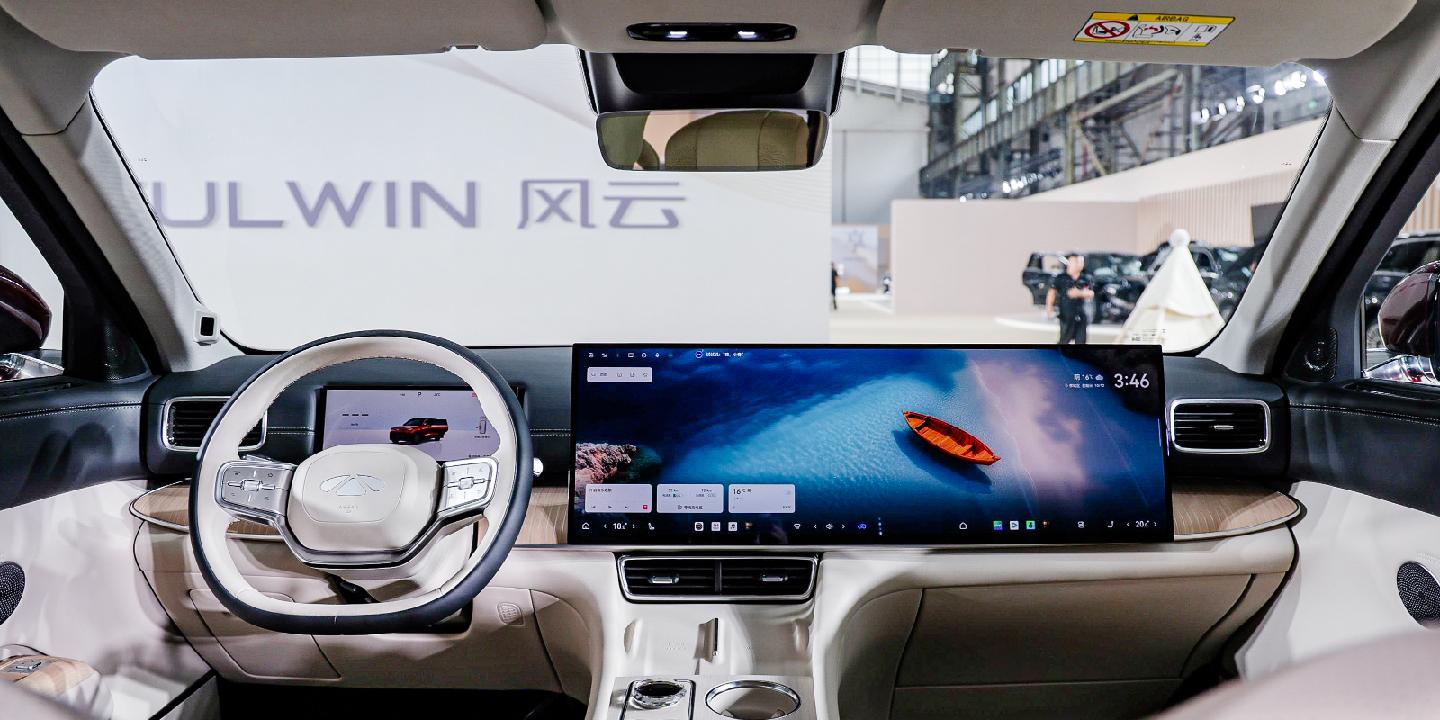
汽车数据安全监管趋严,奇瑞打出“隐私保护牌”
Jing Ji Guan Cha Wang· 2025-10-15 12:08
Core Insights - Chery's Fengyun T11 has officially started pre-sales, positioning "privacy protection" as its core selling point, contrasting with the trend of data collection in mainstream smart vehicles [2] - The global smart automotive industry is entering a critical period of reshaping privacy protection rules, with user privacy expected to become a significant competitive arena [2][8] Data Privacy and Technology - The rapid proliferation of smart vehicles has transformed them into massive data collection platforms, raising concerns about user privacy [3] - Fengyun T11 features four core privacy protection functions, supported by a comprehensive technology system that integrates hardware security, encryption, local processing, and zero-trust principles [3] - The account information isolation function exemplifies the application of the zero-trust security concept in vehicle systems, ensuring that user data remains protected from cross-account leakage [3][4] Regulatory Environment - China's data security regulatory framework has evolved, making privacy protection a mandatory requirement for automotive companies [5][6] - A complete legal system for automotive data security has been established, providing clear legal boundaries for data processing activities [5] - Recent inspections revealed data security vulnerabilities in several vehicle models, highlighting the need for compliance with data protection regulations [7] Global Trends - The global landscape for data privacy protection regulations is also intensifying, with the EU's Data Act granting users greater control over vehicle-generated data [8] - China's initiative to establish an international standard for privacy protection in smart mobility services marks a significant step in global privacy regulation [8] - Privacy protection is becoming a key dimension for assessing automotive companies' market competitiveness, shifting from a compliance cost to a means of building brand trust and creating value [8]

夫妻可互查房产车辆,平衡财产知情权与隐私保护
Xin Jing Bao· 2025-10-13 11:32
Core Points - Starting from January 1, 2026, couples in Guangdong Province will be able to mutually check each other's real estate and vehicle ownership [1][2] - The new regulation aims to enhance the transparency of marital property rights and reduce information asymmetry between spouses [1][2] Group 1: Legal Framework - The Guangdong Provincial People's Congress passed the "Implementation Measures for the Women's Rights Protection Law," which allows one spouse to inquire about the other's property status with valid identification [1] - This regulation is a significant step in safeguarding the right to know about marital property, which is crucial for equitable treatment of shared assets [1][2] Group 2: Social Implications - The policy reflects the evolving nature of marriage and family relationships in response to economic development, recognizing the importance of real estate and vehicles as major family assets [2] - By allowing mutual property checks, the regulation aims to foster fairness and transparency in financial matters, potentially reducing hidden asset issues during divorce proceedings [1][2] Group 3: Limitations and Challenges - The mutual inquiry is limited to real estate and vehicles, excluding bank accounts and securities, which balances the right to know with privacy concerns [2] - Implementation challenges include ensuring fair and transparent inquiry processes and preventing potential misuse of the rights granted [2]
“家人出门一举一动都被拍着,听说画面被转发了”,上海女子将邻居告上法庭
Huan Qiu Wang· 2025-10-13 03:13
Core Viewpoint - The rise of electronic security devices, such as video doorbells, has led to privacy concerns and conflicts among neighbors, prompting legal intervention to resolve disputes [1][2]. Group 1: Incident Overview - A resident, Ms. Zhao, expressed discomfort after her neighbor, Mr. Zhang, installed a video doorbell that captured footage of her family's movements, leading her to seek legal action for its removal [2][3]. - Mr. Zhang installed the device to prevent package theft, believing it would only capture footage under specific conditions, but did not consider the privacy implications for Ms. Zhao [2][3]. Group 2: Legal Mediation - To address the dispute, a judge from the Shanghai Changning District People's Court conducted a community-based mediation session, emphasizing the balance between safety and privacy rights as outlined in the Civil Code of the People's Republic of China [4]. - The judge facilitated a site visit to assess the camera's coverage and identified additional underlying issues, such as the placement of shoe cabinets in shared spaces, which contributed to the conflict [4]. Group 3: Resolution - The mediation resulted in Mr. Zhang agreeing to remove the video doorbell, while Ms. Zhao acknowledged his intentions for home security, leading to a mutual understanding [4]. - Both parties reached an agreement to reorganize their shoe cabinets to avoid occupying public space, effectively resolving both the overt and covert conflicts [4].
国产AI眼镜退货率超三成,Meta能触发iPhone时刻吗?
3 6 Ke· 2025-10-09 23:24
Core Insights - Meta has launched three different AI glasses at the Meta Connect developer conference, positioning them as a significant step towards consumer-level AI and AR technology [1] - Mark Zuckerberg and Kevin Kelly predict that smart glasses will replace most smartphones, creating a "transparent mirror world" that lacks privacy [3] Market Trends - The AI glasses market is experiencing explosive growth, with JD.com reporting a more than 10-fold increase in transaction volume year-on-year for the first half of 2025, and a 54.9% increase in global shipments to 2.555 million units in Q2 2025 [5][6] - Despite the market's growth, high return rates for AI glasses are a concerning trend, with return rates around 30% on platforms like JD.com and Tmall, and as high as 40%-50% on Douyin, primarily due to functionality issues [6] Product Innovations - Meta's new Ray-Ban Display features a color display on the inner side of the right lens and a Meta Neural Band for gesture control, enhancing user interaction and functionality [8] - The core value of AI glasses lies in their ability to provide "data accumulation + decision support" based on user preferences and past behaviors, although they currently lack a compelling core feature to attract consumers [10] Privacy and Security Concerns - Privacy issues surrounding AI glasses, particularly regarding unauthorized recording, remain a significant concern, with suggestions for stronger notification mechanisms and user control over recording features [11][16] - Legal experts emphasize the need for compliance with data privacy laws, advocating for minimal data collection and user consent for sensitive information [17][18]


库克的14年,与乔布斯的14年
Sou Hu Cai Jing· 2025-10-09 10:46
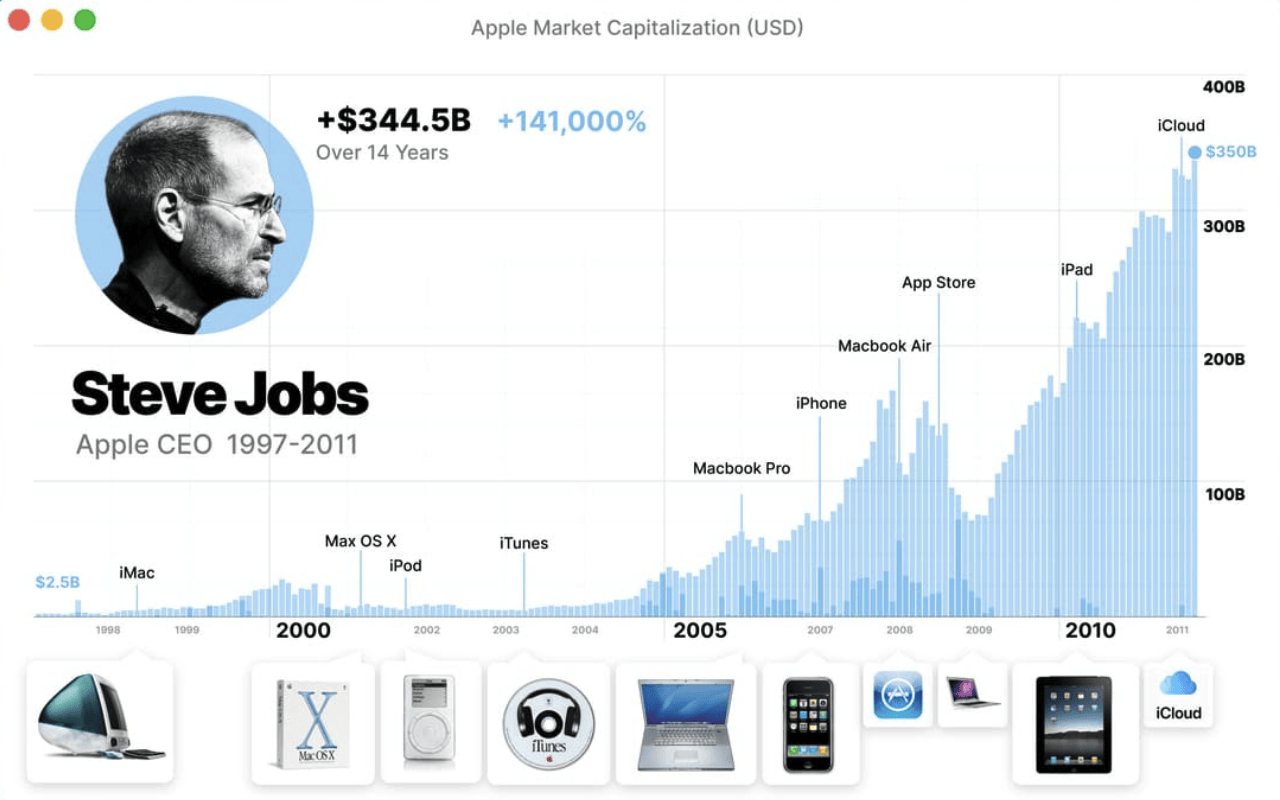
Core Insights - The article compares the leadership tenures of Steve Jobs and Tim Cook at Apple, highlighting their respective impacts on the company's growth and innovation. Group 1: Steve Jobs Era (1997-2011) - Under Steve Jobs, Apple transformed from a struggling company with a market value of $250 million to a valuation of $344.5 billion, achieving a staggering growth rate of 141,000% [3]. - The introduction of iconic products such as iMac, iPod, iPhone, and iPad during Jobs' tenure exemplified Apple's revival and innovation [3]. - Investing in Apple during Jobs' leadership would have yielded returns of approximately 10 to over 100 times [3]. Group 2: Tim Cook Era (2011-Present) - Since Tim Cook took over, Apple's market value surged from $347 billion to over $3.1 trillion, marking a growth of 9,000% [5]. - Although no groundbreaking products like the iPhone or iPad were launched, Cook introduced significant innovations such as AirPods, Apple Watch, Apple Pay, M-series chips, and Vision Pro [5]. - Cook's leadership is characterized by the transformation of Jobs' innovations into sustainable consumer electronics dominance [5]. Group 3: Future Outlook and Initiatives - Apple aims to achieve carbon neutrality in its operations by 2030, investing heavily in renewable materials and closed-loop manufacturing [6]. - Privacy has been redefined as a core brand differentiator, with initiatives like app tracking transparency and edge AI [6]. - Discussions about Cook's potential succession are underway, with John Ternus, the current hardware chief, being a possible successor [6].

当汽车成为智能终端,如何为“轮子上的数据”制定共识标准
Zhong Guo Xin Wen Wang· 2025-09-28 06:45
Core Insights - The automotive industry is transitioning from traditional mechanical products to smart vehicles integrated with AI, IoT, and big data, necessitating the establishment of global standards for automotive data and compliance [1] Group 1: Challenges in International Markets - Chinese electric vehicles (EVs) face complex regulatory challenges when entering international markets, including data security certifications and privacy protection, in addition to traditional safety and emissions tests [2] - In 2024, global EV sales are projected to reach 18.24 million units, with China exporting 2.01 million units, highlighting the importance of compliance with varying international standards [2] Group 2: Standardization Efforts - International standardization bodies are working towards unified solutions to address the fragmentation of standards, with a focus on "net zero emissions standards" that encompass renewable energy use, circular economy principles, and digital trust [3] - The International Organization for Standardization (ISO) is set to release the ISO14060 standard, which will help organizations transparently disclose their emission reduction paths and carbon neutrality commitments [3] Group 3: Industry Initiatives - Two international collaborative mechanisms were launched to tackle standard fragmentation: the "World New Energy Vehicle Safety and Sustainable Standards Collaboration Group," focusing on safety and sustainability, and the "Automotive Data Cross-Border Working Group," which will develop standards for data flow and sharing [4] - Hainan Province has established over 1,000 kilometers of open testing roads to provide specialized testing services for EVs, supporting the upcoming policy framework for testing and compliance in the Hainan Free Trade Port [4]
卖通话录音换钱,这个奇葩应用爆火
3 6 Ke· 2025-09-26 02:59
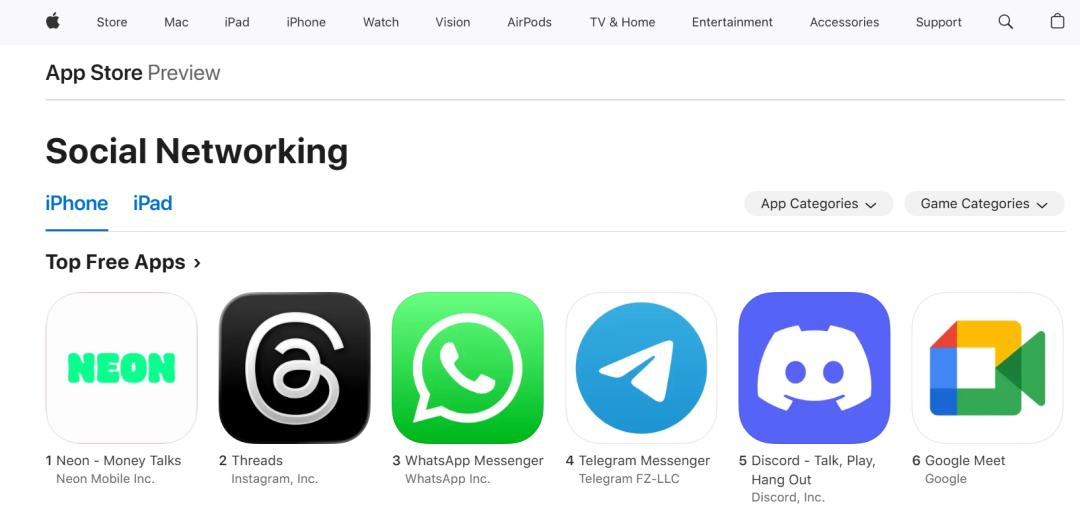
Core Insights - Neon is gaining popularity as an application that allows consumers to sell their personal data, contrasting with the growing public concern over data privacy [1][5] - The app has reached the top of the social networking category in the US App Store and ranks third among free apps overall, following Google Gemini and ChatGPT [1] Business Model - Neon positions itself as a tool for monetizing personal data through AI, claiming users can earn "hundreds or thousands of dollars" annually by recording and selling their phone calls to "trusted AI companies" [5][7] - The app charges users 30 cents per minute for calls between two Neon users and 15 cents per minute if only one user is on Neon, with a maximum earning potential of $30 per day per user [5] Privacy and Legal Concerns - The app's terms of service indicate that it may capture both incoming and outgoing call records, raising concerns about compliance with wiretapping laws [6][7] - Legal experts suggest that the marketing language used by Neon may be designed to circumvent legal requirements for consent from both parties in a conversation [6][7] - Users grant Neon extensive rights over their recordings, including the ability to sell, use, and distribute the data without clear disclosure on how AI companies will utilize it [7] Data Security Risks - There are significant risks associated with the potential misuse of voice data, including the possibility of creating AI-generated voice scams [9] - Neon has not disclosed which AI companies it sells data to, and like many data-driven companies, it faces risks related to data breaches [9] Industry Context - The rise of applications like Neon reflects a shift in consumer attitudes towards privacy, as some individuals are willing to trade their personal data for monetary compensation [6][10] - The increasing prevalence of AI tools collecting user data raises broader concerns about privacy in the digital age, as users may unknowingly compromise their personal information [10]
2023丨直击 TikTok 听证会,日益收紧的包围圈
晚点LatePost· 2025-09-26 00:35
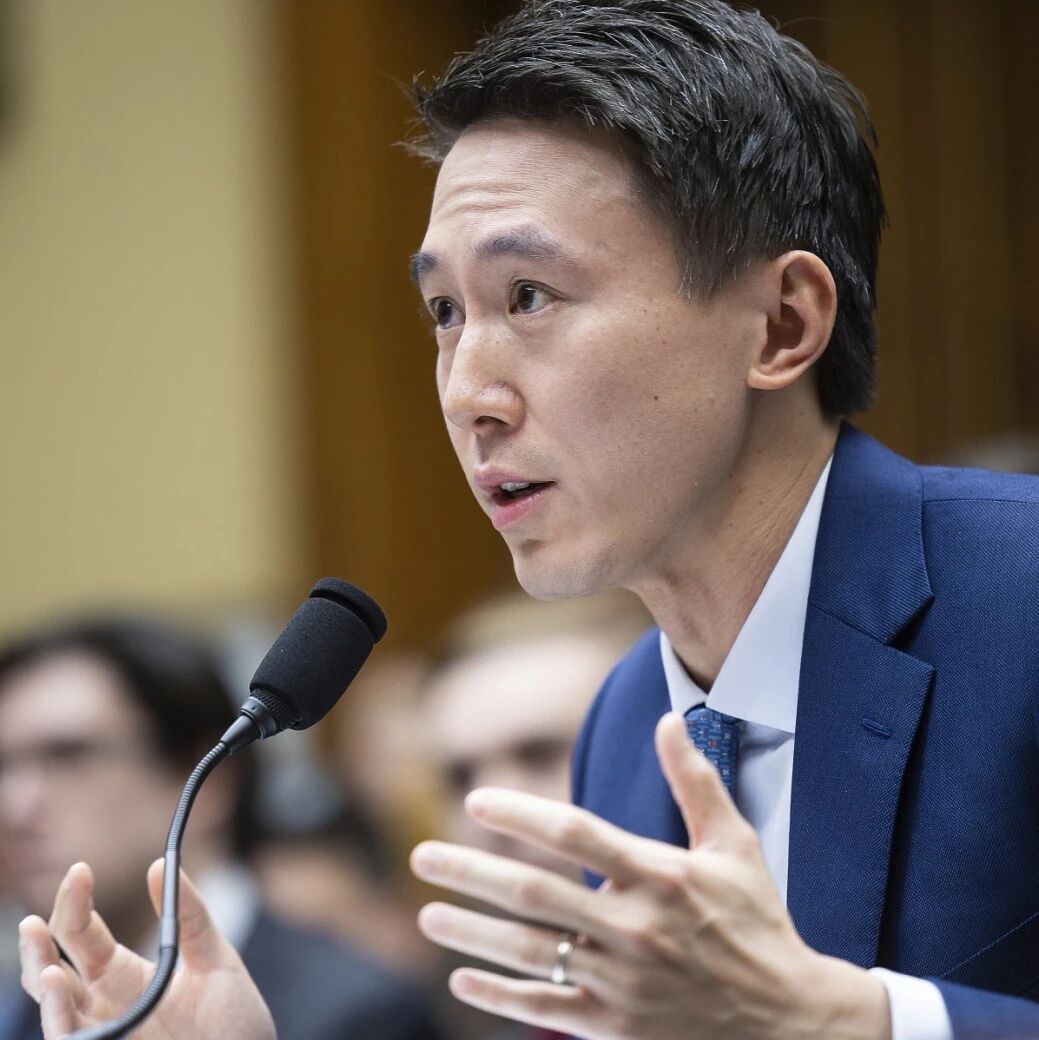
Core Viewpoint - TikTok faces significant challenges in the U.S. due to increasing scrutiny from lawmakers and potential legislative actions that could lead to its breakup or ban, reflecting a growing resistance to globalization in a politically charged environment [3][5][6]. Group 1: Hearing Overview - The U.S. Congress held a hearing on TikTok, marking the first time in three years that the company’s CEO, Shou Zi Chew, attended to address concerns about data privacy and national security [3][4]. - The hearing lasted nearly five hours, during which Chew struggled to provide detailed answers due to frequent interruptions from lawmakers, highlighting the contentious nature of the inquiry [4][9]. - Lawmakers expressed concerns that TikTok poses a serious threat to American citizens by potentially allowing foreign governments to access sensitive data and influence content [7][8]. Group 2: User Engagement and Growth - TikTok has become deeply embedded in American society, with approximately 150 million monthly users, a threefold increase since 2020, and daily active users exceeding 80 million [5][39]. - Despite its growth, TikTok's penetration rate in the U.S. remains at about 24%, significantly lower than Douyin's (its Chinese counterpart) 54% [42]. Group 3: Legislative Environment - The Biden administration has provided TikTok with two options: either divest its U.S. operations or face a ban, reflecting a bipartisan consensus in Congress regarding the platform's risks [5][38]. - Recent legislative proposals, such as the RESTRICT Act, aim to empower the government to ban foreign applications deemed a threat to national security, with bipartisan support [38]. Group 4: Data Security Measures - TikTok is implementing the "Texas Project," which involves migrating its U.S. operations to Oracle's servers in Texas, aiming to alleviate concerns over data security and foreign access [46][50]. - The project is expected to cost TikTok between $700 million to $1 billion annually, with a focus on establishing a firewall for U.S. user data [46][50]. Group 5: Challenges and Comparisons - TikTok's advertising revenue generation is significantly lower than that of competitors like Facebook, with the platform struggling to monetize its user base effectively [42][43]. - The platform's e-commerce initiatives in the U.S. have been slow to develop, with plans for expansion being postponed due to regulatory pressures and competitive challenges [44][46].
借道“无障碍”,AI助手可能在盯着你
创业邦· 2025-09-25 04:27
Core Viewpoint - The article emphasizes that 2025 will be a pivotal year for AI Agents, highlighting the shift from traditional language models to more versatile AI Agents capable of performing complex tasks through simple natural language commands [4][6]. Group 1: AI Agent Development - The rise of AI Agents is driven by the increasing capabilities of mobile devices, with predictions indicating that by 2027, global AI mobile penetration will reach approximately 40%, with an expected shipment of 522 million units [9]. - Major tech companies, including Apple, are launching their own AI models, such as Apple Intelligence, while domestic manufacturers like Xiaomi and OPPO are also entering the market with their versions [9]. - The challenge lies in overcoming app isolation, as different applications typically prevent data sharing, necessitating either API agreements or the use of accessibility permissions to enable AI operations [11]. Group 2: Security and Privacy Concerns - The use of accessibility permissions raises significant privacy risks, as AI applications can potentially access sensitive information, including payment passwords and chat records [6][12]. - There are two main technical paths for AI Agent development: an interface model that requires cooperation between app developers and a non-interface visual solution that utilizes system-level permissions [11]. - The article notes that while the interface model is safer, it is also more complex and costly due to the need for adaptation across different devices [12]. Group 3: Market Potential and Growth - The AI Agent market is projected to grow from $5.1 billion in 2024 to $47.1 billion by 2030, with a compound annual growth rate of 44.8% [17]. - A survey indicated that over half of respondents have encountered data privacy and security issues, with 60.09% believing that AI could uncontrollably collect and process personal information [17]. Group 4: Regulatory and Industry Response - The article suggests that proactive measures are essential for managing AI risks, with companies needing to enhance their awareness of privacy issues [19]. - Recommendations include defining the minimum data required for specific functions and establishing data quality management standards to ensure data integrity and security [19][21]. - Regulatory bodies are encouraged to adopt agile governance strategies to address the rapid evolution of technology and its associated risks, ensuring a balance between user protection and innovation [21].

汇量科技(01860):业绩加速增长,飞轮效应持续显现
Guosen International· 2025-09-22 09:19
Investment Rating - The report maintains a "Buy" rating for the company with a target price of HKD 20.9, up from a previous target of HKD 12.8 [1][4][7] Core Insights - The company reported a revenue of USD 938 million for the first half of 2025, representing a year-on-year growth of 47%, and a net profit of USD 32 million, which is a 3.4 times increase compared to the previous year [1][2] - The revenue from the advertising technology business reached USD 929 million, also growing by 47.6%, with the programmatic advertising platform Mintegral contributing USD 897 million, a growth of 48.6% [2][3] - The report highlights that the strengthening of antitrust policies is creating more opportunities for the industry, despite a slowdown in global economic growth [2] - The mixed monetization strategy is becoming mainstream, combining various revenue sources such as ads, subscriptions, and in-app purchases, which enhances revenue diversity [3] Financial Performance Summary - For 2025, the expected earnings per share (EPS) are projected at USD 0.06, with subsequent years forecasted at USD 0.08 for 2026 and USD 0.10 for 2027 [1][4] - The company’s revenue is expected to grow from USD 1,054.1 million in 2023 to USD 2,093.1 million in 2025, reflecting a growth rate of 38.8% [5][11] - Adjusted net profit is forecasted to increase significantly from USD 19.1 million in 2023 to USD 99.9 million in 2025, with a growth rate of 102.5% [5][11] Market Dynamics - The report notes that the advertising industry continues to grow despite challenges, driven by advancements in AI and machine learning technologies that enhance user targeting without compromising privacy [2][3] - The introduction of smart bidding products has significantly contributed to revenue growth, with over 80% of Mintegral's total revenue coming from this product line in the first half of 2025 [3]