
去美元化

Search documents
金价「过山车」下的众生相:有人抵押房产「豪赌」、日赚20万,有人排队2小时卖金避险
36氪· 2026-02-03 15:55
Core Viewpoint - The article discusses the recent dramatic fluctuations in gold prices, highlighting a significant drop of over $1,000 per ounce after reaching a peak of nearly $5,600 per ounce, leading to a surge in retail gold sales as investors react to the volatility [4][18]. Group 1: Market Reactions - Following the price drop, there was an unusual increase in foot traffic at gold stores, with long lines for selling gold, indicating a rush among investors to liquidate their holdings [5][8]. - A specific case is mentioned where a Beijing investor, holding 200 grams of gold, expressed regret over not selling at a higher price, illustrating the emotional impact of market volatility on individual investors [10][12]. - The article notes that while some investors are eager to cash out, others remain cautious and are observing the market, reflecting a divide in investor sentiment [12][16]. Group 2: Price Volatility - Gold prices experienced a staggering drop of 9.25% in a single day, falling below the psychological threshold of $5,000, and subsequently reaching around $4,500, marking a nearly 20% decline from the peak [19]. - Silver prices also saw significant volatility, dropping from a high of $121.647 to below $80, with a maximum retracement exceeding 30% [21]. Group 3: Underlying Factors - The article attributes the recent price movements to a combination of geopolitical risks, such as U.S. threats towards Venezuela and Iran, and fluctuating monetary policy expectations, particularly concerns over a "hawkish" monetary stance [23]. - The ongoing trend of "de-dollarization" is mentioned, with European pension plans selling U.S. debt, which keeps gold attractive as an alternative reserve asset [24]. Group 4: Institutional Predictions - Different institutions have varying outlooks on gold prices; Citic Securities predicts gold could rise to $6,000 per ounce by 2026, driven by strong demand and supply shortages, while Citigroup warns that current prices may have overextended, predicting a potential decline as risk aversion fades [25].

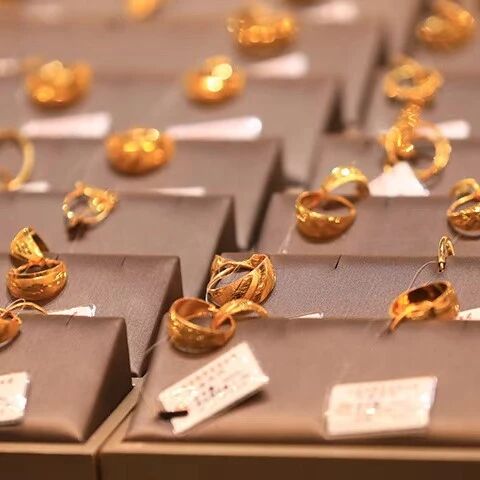
黄金还能涨多久,真是牛市吗,背后藏着全球大变局
Sou Hu Cai Jing· 2026-02-03 15:42
Core Viewpoint - The article discusses the potential for a long-term bull market in gold from 2025 to 2040, driven by structural changes in globalization, the erosion of dollar hegemony, and a renewed trust in physical assets like gold and silver [5][9][10] Group 1: Economic Context - The article highlights that 2025 will not just be about economic data but a public test of global order, with frozen foreign reserves and weaponized dollars leading to intertwined financial sanctions and military actions [3] - Since 2010, various crises such as the European debt crisis, quantitative easing, and geopolitical tensions have created fractures in the global system, indicating a shift from globalization to a "winter" phase [3][5] Group 2: Gold and Silver Market Dynamics - Gold is described as the ultimate measure of value, with its price expected to rise as global order deteriorates, reflecting a response to uncertainty rather than just inflation [5] - The article predicts that gold will experience a long-term bull market, supported by three main factors: the structural breakdown of the globalization system, the erosion of dollar dominance due to "monetary sanctions," and a renewed trust in physical assets [5][9] - Silver is also expected to see significant price increases due to its dual role as both an industrial and precious metal, which could amplify its price movements during market stress [5] Group 3: Investment Strategy and Policy Implications - Investment strategies should shift from short-term trading to structural allocation, focusing on asset stability, liquidity flexibility, and diversification of hedging tools in an era of uncertainty [9] - There is a call for stronger institutional responses to global credit restructuring, emphasizing the need for a balance between financial sovereignty, trade security, and resource reserves [9][10] Group 4: Public Awareness and Education - The article stresses the importance of public financial education to help individuals make informed decisions during market volatility, as many may panic and incur losses without proper knowledge [10] - It concludes that while the bull market in gold may be lengthy, there will always be opportunities for market reconstruction, urging stakeholders to understand trends and manage risks effectively [10]
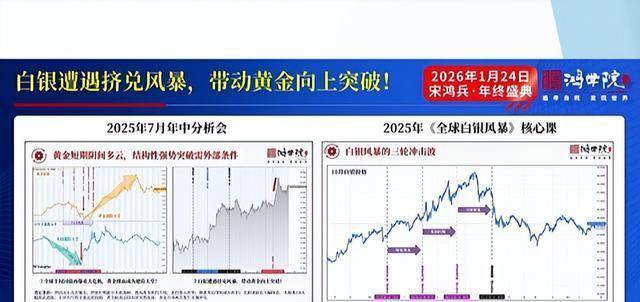
白银一天暴跌 26%,黄金神话正在走向哪一步?
Sou Hu Cai Jing· 2026-02-03 15:20
1 月底,贵金属市场经历了一次让无数人彻夜难眠的暴跌。 不只是黄金,白银的跌幅更是触目惊心。 黄金盘中最大跌幅超过 12%,最终单日收跌 9% 以上; 白银更惨,盘中一度暴跌 36%,最终收跌 26%,一天蒸发掉了 四分之一市值。 对普通旁观者来说,这只是屏幕上一串跳动的数字; 但对大量加了杠杆的投资者而言,这是一场直接清零的灾难。 在贵金属交易中,40 倍、50 倍杠杆并不罕见。 意味着什么? 只要价格回撤 2%–3%,本金就会被系统强制平仓,一夜归零。 这不是"浮亏",而是直接出局。 一、历史从不缺席,只是换了主角 凤凰网财经在报道中提到一个被反复验证的规律: 黄金和白银的每一次疯狂上涨,结局几乎都异常惨烈。 第一次:1979—1980 年 狂欢只持续了很短时间。 两个月后: 随后,是长达 20 年的横盘与阴跌。 第二次:2010—2011 年 结果呢? 黄金:从 200 美元涨到 850 美元,约 4 倍 白银:从 6 美元涨到 50 美元,近 10 倍 黄金 腰斩 白银 暴跌 2/3 黄金:1000 → 1921 美元 白银:再次冲到 50 美元 黄金回撤 45% 白银跌去 70% 历史一次又一次告诉 ...

美元兑人民币将贬值到1美元换5.5元人民币,或许只需要5到10年?
Sou Hu Cai Jing· 2026-02-03 14:42
Core Viewpoint - The global economic landscape has shifted significantly, with the Chinese economy gaining strength and the yuan expected to appreciate against the dollar in the coming years [1][22]. Economic Comparison - The nominal GDP of the US is projected to reach $31.8 trillion by 2026, while China's is expected to be around $20.6 trillion. However, when adjusted for purchasing power parity (PPP), China's economy is estimated at $38.2 trillion, surpassing the US by approximately 30.8% [3]. - The disparity in purchasing power indicates that the yuan's value is underestimated, as the cost of living in China is lower compared to the US [3]. Currency Dynamics - The current undervaluation of the yuan is not sustainable, and the exchange rate is expected to realign with purchasing power parity over time, although this process may be slow and subject to fluctuations [5]. - The US faces high living costs and significant federal debt, which complicates its monetary policy and may weaken the dollar in the long run [7]. Trade Surplus and Investment - In 2025, China achieved a trade surplus of $1.19 trillion, reflecting global confidence in "Made in China" products despite external trade barriers [9]. - The influx of dollars from this surplus is expected to increase demand for the yuan, contributing to its appreciation [9]. Future Projections - Various institutions predict that by the end of 2026, the USD/CNY exchange rate could range from 6.7 to 7.0, with some optimistic forecasts suggesting it could reach 6.85 [11]. - The Chinese government is implementing policies to boost consumer spending and attract foreign investment, which will further strengthen the yuan [13]. Structural Changes - China's economic structure is evolving from low-value exports to high-tech products, enhancing its bargaining power and supporting the yuan's appreciation [16]. - The anticipated depreciation of the dollar is linked to the US's reliance on monetary policy to stimulate growth, which may lead to a long-term decline in dollar demand [14]. Wage Growth and Automation - Wages in China's manufacturing sector are steadily rising, driving companies to invest in automation and improving productivity, which strengthens the overall economy [20]. - This wage growth is distinct from inflation-driven increases in the US, indicating a more sustainable economic model in China [20]. Long-term Outlook - The yuan is expected to gradually appreciate towards 5.5 against the dollar over the next 5 to 10 years, driven by China's economic stability and growth [22]. - As global capital seeks safe havens, China's economic certainty is viewed as a significant asset, positioning the yuan for future strength [22].
A股流动性与风格跟踪月报(202602):成长占优,大小盘表现差异收敛-20260203
CMS· 2026-02-03 14:32
Market Style Outlook - The report continues to recommend a growth style as the market is still in the spring rally phase, with the performance gap between large and small caps expected to narrow, favoring large caps first and then small caps. Recommended indices include CSI 1000, ChiNext 50, CSI 300 Quality, and CSI 800 Information [1][4][11] - Historical data from 2016 to 2025 indicates that small-cap and growth styles have a higher winning probability in February, particularly due to the upcoming Two Sessions, which historically boosts small-cap performance due to increased market risk appetite [4][11][12] Liquidity and Capital Supply-Demand - In February, incremental capital is expected to continue net inflow, with foreign capital likely to remain net inflow before the holiday and financing expected to return post-holiday. The macro liquidity environment is anticipated to remain stable and ample [2][4][26] - The stock market saw a net outflow of tracked funds in January, with financing becoming the main source of incremental capital, while ETF experienced significant net redemptions. However, new equity fund issuance has rebounded, indicating a potential recovery in risk appetite for financing funds [2][4][26] Market Sentiment and Capital Preference - In January, the overall A-share risk premium initially decreased and then increased, with technology style being relatively dominant. Small-cap growth and Sci-Tech 50 indices saw significant trading activity, while large-cap growth style remained less concentrated [3][4][11] - The report highlights that the market's risk appetite is expected to remain high leading up to the Two Sessions, which typically favors small-cap stocks due to their greater elasticity [4][11][15] Fundamental Analysis - The manufacturing PMI for January recorded at 49.3, indicating a return to contraction territory, with both production and demand showing signs of cooling. The report emphasizes the ongoing structural contradiction of insufficient domestic demand, which will continue to be a focus for policy efforts [16][17][18] - The report notes that while the price index has strengthened, the demand side has weakened more significantly, suggesting a need for policies aimed at expanding domestic demand [16][17][18] External Liquidity - The report discusses the potential impact of the newly nominated Federal Reserve Chairman's policies, which may lead to a stronger dollar in the short term, putting pressure on A-share cyclical styles. However, sectors like technology and AI, which are driven by industrial trends, are expected to be less affected [20][23][24] Capital Market Dynamics - The report indicates that foreign capital tends to significantly increase holdings before the holiday, with a tendency to slow or reverse net inflows post-holiday. This pattern is attributed to new capital allocation and rebalancing strategies by foreign investors at the beginning of the year [26][27]
巴克莱坚定看多黄金中长期走势:核心逻辑没变,大跌是交易过渡拥挤后的修正
Zhi Tong Cai Jing· 2026-02-03 14:26
Core Viewpoint - The article discusses the ongoing volatility in gold and silver prices, highlighting significant divergences in mid-term price forecasts among major investment banks. Barclays expresses a bullish long-term outlook for gold, viewing the current market correction as a necessary pause rather than the end of a bull market [2][3]. Group 1: Short-term Correction - Barclays attributes the recent gold price correction to excessive short-term technical trading and marginal changes in policy expectations. Key technical indicators suggest that gold was in an "overheated" state, leading to a necessary market correction as speculative positions were unwound [3][4]. - The nomination of Kevin Walsh as the Federal Reserve Chair has been interpreted as a signal for potentially more stable monetary policy, providing short-term support for the dollar and exerting pressure on gold prices [3]. - The correction has reduced the risk premium in gold prices, with the premium dropping from 40% to around 20%, which is considered a more reasonable range [3]. Group 2: Valuation Debate - The market is currently debating whether gold is in a bubble, with Barclays estimating the fair value of gold at approximately $4,000 per ounce. Despite a 20% premium, this is seen as sustainable and fundamentally different from a bubble [5]. - Historical patterns show that deviations from fair value are common, and the current premium remains within a standard deviation of historical norms, indicating that there is still room for the premium to persist [5]. - The primary drivers of the current premium are inflation and policy uncertainty, with Barclays noting that a 1% increase in the U.S. CPI could lead to a 5% rise in gold prices [5][6]. Group 3: Long-term Supportive Forces - Four structural forces are identified as supporting the ongoing bull market for gold: macroeconomic policy environment, reserve diversification, structural trends of de-dollarization and currency depreciation, and historical patterns of bull markets [7][8]. - The global macro policy environment, including anticipated interest rate cuts and fiscal expansion, is expected to weaken the dollar, which typically supports gold prices [8]. - Central banks are diversifying their reserves away from the dollar, increasing their gold purchases, which is further supported by private capital investments in gold [9]. - The long-term trends of de-dollarization and currency depreciation are expected to provide persistent demand for gold, as more countries are using non-dollar currencies for trade [10]. Group 4: Investment Strategy - Barclays recommends a differentiated investment strategy, advising investors to avoid chasing short-term price spikes and to wait for better entry points around $4,400 to $4,500 per ounce [13]. - For professional investors seeking higher returns, focusing on core assets within the gold industry is suggested, as certain mining stocks are expected to outperform in a rising gold price environment [14][15]. - The strategic value of gold is emphasized, as it serves not only as a hedge against inflation but also as a safeguard against policy risks and currency depreciation [17][18].
ETF日报:黄金遭受40年以来最大回撤,但长期的配置逻辑没有发生重大改变
Xin Lang Cai Jing· 2026-02-03 14:21
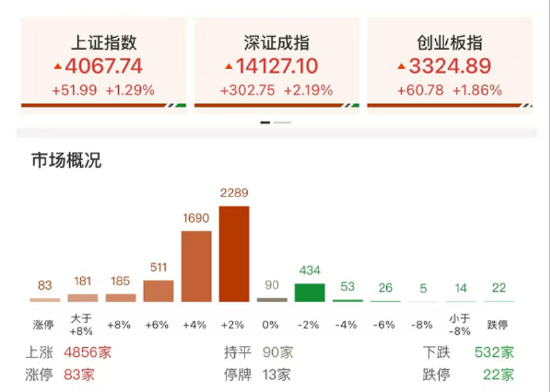
Market Overview - The market rebounded today with the Shanghai Composite Index and ChiNext Index both rising over 1%, while the Shenzhen Component Index increased by over 2% [1][13] - The total trading volume in the Shanghai and Shenzhen markets was 2.54 trillion yuan, a decrease of 40.5 billion yuan compared to the previous trading day [1][13] - Key sectors showing strong performance included commercial aerospace and space photovoltaics, while precious metals and AI applications were also active [1][13] Economic Outlook - Despite recent volatility, the long-term pricing logic for the market remains intact, with expectations for continued strong performance this year [1][13] - New productive forces are becoming the engine for economic growth, with the stock market's share of "new economy" increasing [1][13] - A-shares are considered attractive in terms of valuation compared to major global markets, with low foreign capital positions and the establishment of long-term domestic fund mechanisms [1][13] - Policy emphasis on expanding domestic demand and stimulating consumption is expected to lead to systematic improvements in corporate profitability [1][13] Investment Recommendations - Investors are advised to consider the CSI A500 ETF (159338) for a diversified exposure to leading companies across various industries [1][14] - A "dumbbell" strategy combining technology and dividends is suggested as a satellite investment approach [1][14] Gold Market Insights - Gold has experienced its largest drawdown in 40 years, but the long-term investment logic remains unchanged, presenting potential opportunities for positioning [16][17] - The recent nomination of Waller as Fed Chair has influenced gold and silver prices, leading to significant market adjustments [16][17] - JP Morgan and Deutsche Bank predict that gold prices could reach $6,000 per ounce this year, indicating a bullish long-term outlook despite short-term volatility [17] Space Photovoltaics Sector - Space photovoltaics are recognized as a reliable and sustainable power source for spacecraft, with "photovoltaics + energy storage" becoming standard in space power systems [19][21] - The domestic photovoltaic industry has established a competitive edge through a complete industrial chain and continuous technological innovation [21] - Investment opportunities in the space photovoltaics sector are highlighted, with recommendations for the photovoltaic ETF (159864) to capture the full industry chain [10][21] Hong Kong Market Dynamics - The Hong Kong market experienced a sharp decline but gradually recovered, influenced by rumors regarding potential tax adjustments in the financial and internet sectors [11][23] - The outlook for the Hong Kong market remains cautious, with expectations for liquidity pressures and the need for breakthroughs in AI technology to drive growth [11][23] - Investors are encouraged to consider Hong Kong technology ETFs (513020) or internet ETFs (513720) for potential exposure [11][23]
2026/2/3:市场主流观点汇总-20260203
Guo Tou Qi Huo· 2026-02-03 14:07
Report Summary 1. Report Purpose - The report aims to objectively reflect the research views of futures and securities companies on various commodity varieties, track hot - spot varieties, analyze market investment sentiment, and summarize investment driving logics [1] 2. Data Source and Selection - The closing price data are from the previous Friday, and the weekly changes are the changes in the closing prices of the previous Friday compared with those of the Friday before last. Data sources include wind and Guotou Futures [1][2] 3. Market Data 3.1 Commodities - **Positive Growth**: Silver closed at 27941.00 with a weekly increase of 11.92%; crude oil at 470.80 with a 6.54% increase; gold at 1161.42 with a 4.10% increase; palm oil at 9240.00 with a 3.70% increase; PVC at 5063.00 with a 2.89% increase; copper at 103680.00 with a 2.31% increase; aluminum at 24560.00 with a 1.11% increase; methanol at 2320.00 with a 0.96% increase; and soybean meal at 2767.00 with a 0.58% increase [2] - **Negative Growth**: Coking coal at 1155.50 with a - 0.13% change; iron ore at 791.50 with a - 0.44% change; rebar at 3128.00 with a - 0.45% change; glass at 1056.00 with a - 0.75% change; corn at 2271.00 with a - 1.26% change; ethylene glycol at 3913.00 with a - 2.10% change; live pigs at 11220.00 with a - 2.98% change; PTA at 5270.00 with a - 3.27% change; and polysilicon at 47140.00 with a - 7.06% change [2] 3.2 A - shares - **Positive Growth**: The SSE 50 closed at 3066.50 with a 1.13% increase; the CSI 300 at 4706.34 with a 0.08% increase; and the Hang Seng Index at 27387.11 with a 2.38% increase [2] - **Negative Growth**: The CSI 500 closed at 8370.52 with a - 2.56% change [2] 3.3 Overseas Stocks - **Positive Growth**: The FTSE 100 closed at 10223.54 with a 0.79% increase; the S&P 500 at 6939.03 with a 0.34% increase [2] - **Negative Growth**: The Nasdaq Composite Index closed at 23461.82 with a - 0.17% change; the French CAC40 at 8126.53 with a - 0.20% change; and the Nikkei 225 at 53322.85 with a - 0.97% change [2] 3.4 Bonds - Chinese 2 - year treasury bonds had a yield of 1.39 with a - 0.86bp change; 10 - year treasury bonds had a yield of 1.82 with a - 1.81bp change; and 5 - year treasury bonds had a yield of 1.58 with a - 2.7bp change [2] 3.5 Foreign Exchange - The euro - US dollar exchange rate closed at 1.19 with a 0.19% increase; the US dollar central parity rate was 6.97 with a - 0.36% change; and the US dollar index was 97.12 with a - 0.40% change [2] 4. Commodity Views 4.1 Macro - financial Sector 4.1.1 Stock Index Futures - **Strategy Views**: Among 7 institutions' views, 2 are bullish, 2 are bearish, and 3 expect a sideways trend [3] - **Bullish Logics**: Abundant liquidity in Q1, central bank's structural interest - rate cuts, upward - revised corporate profit expectations, improving fundamentals, ongoing core drivers of the spring market, and capital flowing into low - valuation sectors [3] - **Bearish Logics**: Sharp decline in precious metals, nomination of Waller for Fed Chair increasing hawkish expectations, decline in January's manufacturing PMI, insufficient economic demand, and profit - taking in the capital market [3] 4.1.2 Treasury Bond Futures - **Strategy Views**: Among 7 institutions' views, 0 are bullish, 1 is bearish, and 6 expect a sideways trend [3] - **Bullish Logics**: Central bank's large - scale reverse repurchase operations, increased capital flowing back to the bond market due to stock market uncertainties, good primary - market demand for bonds, and geopolitical risks increasing risk - aversion sentiment [3] - **Bearish Logics**: Uncertainties around the Spring Festival, supply pressure of government bonds in 2026, and the need to observe the impact of allocation forces on market demand and pricing [3] 4.2 Energy Sector 4.2.1 Crude Oil - **Strategy Views**: Among 8 institutions' views, 1 is bullish, 1 is bearish, and 6 expect a sideways trend [4] - **Bullish Logics**: Geopolitical risks in the Middle East, impact of the US cold wave on production, OPEC+ suspending production increases until the end of Q1, and a weak US dollar trend [4] - **Bearish Logics**: Forecast of oversupply in 2026 by IEA and EIA, non - OPEC countries' continuous production expansion, potential over - production in Venezuela, high geopolitical premium in current prices, and weak terminal demand [4] 4.3 Agricultural Products Sector 4.3.1 Soybean Meal - **Strategy Views**: Among 7 institutions' views, 0 are bullish, 0 are bearish, and 7 expect a sideways trend [4] - **Bullish Logics**: Concerns about drought in Argentina, strong short - term Brazilian basis, inventory reduction before the festival, and relatively strong spot prices [4] - **Bearish Logics**: Expected high soybean production in Brazil, high future arrivals, decline in US soybean prices, weak demand from the breeding industry, and a 70% year - on - year increase in domestic commercial inventory [4] 4.4 Non - ferrous Metals Sector 4.4.1 Copper - **Strategy Views**: Among 7 institutions' views, 1 is bullish, 1 is bearish, and 5 expect a sideways trend [5] - **Bullish Logics**: Potential US interest - rate cuts, supply disruptions in global copper mines, weakening copper concentrate processing fees, and long - term growth in copper consumption [5] - **Bearish Logics**: Concerns about Fed's tightening policies after Waller's nomination, weakening sentiment due to precious - metal decline, increasing global visible inventory, and profit - taking before the Spring Festival [5] 4.5 Chemical Sector 4.5.1 Soda Ash - **Strategy Views**: Among 7 institutions' views, 0 are bullish, 3 are bearish, and 4 expect a sideways trend [5] - **Bullish Logics**: Macro - policies to counter deflation and involution, industry's willingness to stabilize prices, and pre - festival downstream procurement before the cancellation of export tax rebates on photovoltaic glass [5] - **Bearish Logics**: New production capacity increasing supply pressure, low - price and rigid - demand procurement by downstream, high enterprise inventory, and oversupply in the photovoltaic glass industry [5] 4.6 Precious Metals Sector 4.6.1 Gold - **Strategy Views**: Among 7 institutions' views, 0 are bullish, 0 are bearish, and 7 expect a sideways trend [6] - **Bullish Logics**: Long - term trend of de - dollarization, repeated geopolitical tensions in the Middle East, and central banks' long - term gold - buying behavior [6] - **Bearish Logics**: Nomination of hawkish Waller for Fed Chair, increased margin requirements by exchanges, and profit - taking from previous speculative trading [6] 4.7 Black Sector 4.7.1 Coking Coal - **Strategy Views**: Among 7 institutions' views, 1 is bullish, 0 is bearish, and 6 expect a sideways trend [6] - **Bullish Logics**: Geopolitical tensions increasing energy commodity premiums, downstream winter - storage replenishment, and expected supply contraction due to pre - festival mine closures [6] - **Bearish Logics**: Lack of fundamental support for price increases, low auction transaction rates, high Mongolian coal imports, and low steel - mill iron - water production [6]
普通投资者还能否参与贵金属交易?
Sou Hu Cai Jing· 2026-02-03 13:52
"银行上调贵金属交易门槛是为了保护客户,很多人现在才想着购买黄金和白银,投机属性太强了。反 过来想,如果现在还没有贵金属仓位,我觉得这样的投资者还是不要参与了,目前贵金属结束了单边上 涨,进入了震荡阶段,黄金和白银在此之前已经涨了超过一年,在这样长的时间内还没有参与,说明投 资者对贵金属认知不足,这种情况亏钱几乎是必然的。"一位银行人士坦言。 国泰海通研报认为,贵金 属价格受到交易拥挤、新任美联储主席和美股科技股下跌压制。新任美联储主席提名已产生,其执政路 径对美元、美债等具有重要影响。展望2026年,央行购金和黄金ETF持仓份额的上升,将继续成为支撑 黄金价格的重要因素。伦敦白银租赁利率有所下降,但美国白银库存下降速度较快。 中邮证券研报表 示,长期来看,去美元化的进程不会转向,此次调整不是贵金属牛市的结束,耐心等待价格转向的时 点。(界面) 来源:滚动播报 ...
“降息+缩表”强美元的路子
Sou Hu Cai Jing· 2026-02-03 13:01
Core Viewpoint - The combination of interest rate cuts and balance sheet reduction by the Federal Reserve could reshape the credibility of the dollar, maintaining high growth and low inflation while minimizing asset bubbles [1]. Group 1: Economic Context - The dollar's credibility has been built on three pillars: unmatched economic and military strength, a deep and open financial market, and its status as the primary global reserve and settlement currency. Recent issues have emerged in these areas [3]. - The U.S. federal debt-to-GDP ratio has surged to over 120% due to massive fiscal stimulus post-COVID, undermining the Fed's independence and market confidence in the dollar's value stability [3]. - Asset bubbles have been exacerbated by low interest rates and extensive quantitative easing (QE), which have not translated into broad productivity gains or real income growth, leading to increased wealth inequality [3]. - The trend of de-dollarization has been highlighted by actions such as the freezing of Russian foreign reserves, which has led to surges in commodity prices [3]. Group 2: Policy Mechanism - The simultaneous use of interest rate cuts and balance sheet reduction is not merely additive; it aims to leverage their distinct effects on different economic layers, akin to a precise surgical operation [4]. - Traditional QE has resulted in excess liquidity trapped within the financial system, failing to effectively reach the real economy, leading to a "liquidity trap" [4]. - Balance sheet reduction plays a crucial role by decreasing excess reserves in the banking system, compelling financial institutions to allocate funds more actively towards higher-yielding assets [4]. Group 3: Impact on the Real Economy - By lowering risk-free rates and borrowing costs through interest rate cuts, the Fed can effectively stimulate investment and consumption in the real economy [5]. - The combination of balance sheet reduction and interest rate cuts aims to direct liquidity towards goods and services rather than financial assets, helping to alleviate supply-demand imbalances and support low inflation [5]. Group 4: Asset Bubble Control - The root of asset bubbles lies in the excess, cheap, and mismatched liquidity within the financial system, with QE distorting the yield curve and encouraging risk-seeking behavior [6]. - Balance sheet reduction directly removes the foundational currency—reserves—from the financial system, reducing the "ammunition" available for speculation [7]. - A moderate and managed interest rate cut can provide necessary cushioning for the real economy during the rational adjustment of asset prices, preventing systemic risks from market volatility [7]. Group 5: Rebuilding Credibility - The combination of interest rate cuts and balance sheet reduction sends a clear signal that the Fed is striving to regain its role as a guardian of inflation and financial stability, moving away from a fiscal-dominated approach [9]. - This approach aims to correct the excesses of past QE and uphold monetary discipline, while also encouraging necessary fiscal reforms to control deficit levels [9]. Group 6: Global Implications - As the dollar is a global currency, any significant policy shift by the Fed will trigger substantial global capital flows, potentially leading to capital outflows and currency depreciation in emerging markets with high external debt and low foreign reserves [10]. - Interest rate cuts may lead to new rounds of arbitrage trading, resulting in capital inflows into high-risk assets and creating new instability [10].