人民币国际化

Search documents
特朗普还没启程访华,中国突然亮出黄金家底,这盘棋,下得太妙!
Sou Hu Cai Jing· 2025-12-09 04:07
前不久,特朗普亲口确认,自己将于2026年4月对中国进行国事访问。这不仅是他第二任期的重要外交 行动,也被视为中美关系走向"务实合作"的关键信号。然而,特朗普的访华专机还没起飞,中国央行就 在12月7日"亮"出了一张沉甸甸的底牌——最新公布的黄金储备数据,瞬间让全世界看清了这步棋的精 妙之处。 今年国际金价已突破历史高点逾50次,累计涨幅超过60%。瑞银甚至预测,到2026年,金价可能冲上 5000美元/盎司。但我们的增持节奏却异常稳健——每月"低量多次"补仓,既避免冲击市场,又悄然筑 牢安全垫。这种"不疾不徐、目标坚定"的操作,恰恰体现了中国金融战略的长远眼光。 说到底,特朗普访华只是一个契机,而连续13个月的黄金增持,才是我们早已布下的战略棋局。当美元 信用日渐褪色,当世界都在寻找新的金融锚点,中国用真金白银积攒的底气,就是未来在国际舞台上掌 握话语权的硬实力。接下来的经贸博弈,且看我们如何以实力争取主动,以定力赢得未来! 我们的连续增持,绝非盲目跟风,而是步步为营的战略布局。数据显示,目前中国黄金储备市值已攀升 至3106亿美元,占外汇储备比重升至9.28%,双双刷新历史纪录。与此同时,我国外汇储备总额 ...

人民币在错综复杂的国际环境中稳步前行
Sou Hu Cai Jing· 2025-12-09 02:04
the the state of the AND STORE THE and and the company e No t 2017-01-11 the state of the ME Spec 前行支撑:内生韧性与政策调控的双重保障 在错综复杂的外部环境中,人民币之所以能保持稳步前行态势,核心在于国内经济基本面提供的"硬核支撑"与政策调控形成的"稳定锚"。经济基本面是汇率 走势的根本决定因素,2025年前三季度我国国内生产总值同比增长5.2%,这一增速在全球主要经济体中保持领先。进入四季度,各地通过提振消费、推进 重大项目投资、强化企业支持等政策冲刺全年目标,经济延续稳中有进态势。产业层面的数据更凸显结构性韧性:11月官方制造业PMI环比回升至49.2,高 技术制造业PMI连续10个月位于50的临界点以上,有色金属冶炼、铁路船舶航空航天设备等行业的生产经营活动预期指数均超过57.0%,处于较高景气区 间。 外贸韧性与结汇需求形成的市场支撑尤为显著。尽管10月出口同比出现短期回落,但前10个月出口累计同比增长6.2%,显示我国外贸在全球贸易放缓背景 下仍具较强竞争力。四季度作为传统结汇高峰,出口企业的结汇需求 ...
业内人士建言深化京港协同赋能金融高水平开放
Zhong Guo Jin Rong Xin Xi Wang· 2025-12-09 01:47
转自:新华财经 新华财经北京12月9日电(记者刘玉龙)近日,"深化京港协同,赋能金融高水平开放——资产管理行业在'十五五'开放格局下的发展机遇"金融街论坛系列 活动在北京举办。参会人士分析了京港金融市场互联互通的重要性,普遍认为全球金融格局正经历深刻转变,香港金融市场的作用更加突出,是海内外金融 机构进行全球资产配置、促进科技创新的重要市场。 香港大学副校长、金融学讲座教授林晨在主旨演讲时表示,过去几年,区块链技术革新推动了跨境支付结算体系升级,是金融基础设施领域的重大事件。相 比传统跨境支付结算方式,基于区块链的跨境支付在耗时、成本、流程等方面更加具备优势,而未来黄金、美股、美债或将成为资产上链的重点方向。 全国社会保障基金理事会原副理事长王忠民在主旨演讲时指出,当前,香港金融市场的功能作用主要体现在三个方面。一是供应链金融或者产业链金融领 域,伴随全球科技产业链的变迁,也牵动金融服务体系和产品的变革,香港市场能够提供一个好的应用场景。二是要充分应用香港金融市场成熟的金融风险 管理工具缓释、对冲风险。三是要把一些创新产品在香港市场试点,更好的推动金融创新。 活动的圆桌论坛环节,参会人士围绕"跨境资产管理中的 ...

尘埃落定,中美实力步入对等新阶段,黄金储备数据公布,美元主导地位受冲击
Sou Hu Cai Jing· 2025-12-08 22:11
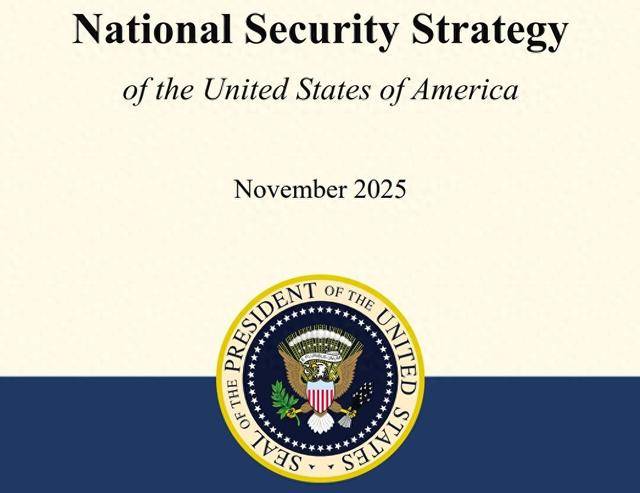
Group 1 - The latest U.S. National Security Strategy acknowledges China as a world power nearly equal to the U.S., marking a significant shift in U.S. foreign policy [1][3] - The U.S. is strategically retracting its global influence, focusing more on its own hemisphere, which has been humorously referred to as a transition from "global leader" to "hemispheric leader" [1][3] - This acknowledgment of China's status is seen as a tactical move to foster domestic political unity against China and to pressure allies in Europe and the Indo-Pacific to take a stand [3] Group 2 - China's central bank has been increasing its gold reserves, with a total of 74.12 million ounces as of November 2025, reflecting a clear strategy to hedge against risks and reduce reliance on U.S. Treasury bonds [5][7] - The share of gold in China's foreign exchange reserves has risen to 7%, indicating a significant increase in the importance of gold as a financial asset for China [7] - The trend of "buying gold and selling U.S. debt" is not merely an investment adjustment but a strategic move to counter U.S. financial dominance and enhance the credibility of the Chinese yuan [7][9] Group 3 - The issuance of sovereign bonds denominated in yuan by Russia signifies a shift in global financial dynamics, moving away from traditional currencies like the dollar and euro [9] - Over 75% of trade between China and Russia no longer uses the dollar, indicating a broader trend of "de-dollarization" that is causing concern in the U.S. [9][12] - The U.S. faces significant economic challenges, including a national debt exceeding $37 trillion, which is prompting a shift in global financial strategies [12][14] Group 4 - China's approach to countering U.S. challenges is characterized by patience and strategic depth, focusing on reducing U.S. debt holdings while enhancing trade relationships with Southeast Asia and the EU [14][15] - The gradual decline of the dollar's dominance in global reserves is evident, with countries increasingly diversifying their reserves and exploring local currency settlements in trade [17] - The ongoing changes in the global financial landscape suggest a slow but certain transition away from dollar dependency, as countries like India and Brazil increase their gold reserves and explore alternative currencies [17]
数字货币专家解读:机遇与方向在哪?|数字金融专家出席演讲
Sou Hu Cai Jing· 2025-12-08 20:44
Core Insights - The recent launch of the multilateral digital currency bridge project has sparked significant interest in digital currencies, positioning them as a focal point in the financial sector [1] Group 1: Expert Opinions - Huang Yiping emphasizes the need to clearly distinguish between central bank digital currencies (CBDCs) and digital assets like Bitcoin, highlighting that the digital yuan is a sovereign-backed legal currency with inherent value, unlike the volatile Bitcoin [3] - Ouyang Weimin stresses the importance of adhering to fundamental principles in digital currency innovation, warning against "pseudo-innovation" that detaches from practical realities, and advocating for deep integration with the real economy [3] - Wu Xiaoqiu presents a perspective that prioritizes financial openness and the internationalization of the renminbi, suggesting that while digital currencies are important, they should not distract from broader strategic financial reforms [3] Group 2: Digital Currency Advantages - Digital currencies have demonstrated efficiency and low costs in cross-border payments, with the multilateral digital currency bridge enabling interbank settlements among multiple countries [4] - The consensus among the experts points towards a core direction of "compliance innovation and serving the real economy," which is essential for understanding the development logic of digital currencies [4]
2026年大类资产配置展望:宽松延续、AI渗透与大国博弈长期化
Zhong Guo Zheng Quan Bao· 2025-12-08 20:27
Core Viewpoint - In 2026, the global economic environment is expected to remain accommodative, with a focus on corporate profitability driving equity markets, while investors should be cautious of risks amid market volatility [1][2]. Macroeconomic Outlook - China's economy is projected to maintain stable growth in 2026, with moderate inflation and a focus on industrial transformation and balancing development with security [1]. - The U.S. economy is anticipated to achieve a "soft landing," with manageable short-term inflation pressures, while the AI technology revolution continues to be a core driver across economic cycles [2]. Equity Market Insights - The A-share market is entering a phase where growth will depend more on actual corporate earnings rather than valuation expansion, following a valuation recovery in 2025 [2]. - Investment strategies should focus on four main paths: growth sectors with sustained momentum, globally competitive leading companies, areas with improved supply-demand dynamics, and new opportunities from the industrialization of frontier technologies [2]. Fixed Income Strategy - The bond market is expected to maintain a range-bound pattern in 2026, supported by a loose funding environment and potential resumption of government bond purchases by the central bank [3]. - Credit bonds remain attractive due to stable institutional demand, with a recommended strategy of focusing on medium to short-duration bonds with favorable yields [3]. Alternative Assets - Gold is projected to continue its bull market in 2026, supported by expanding U.S. fiscal deficits, a Federal Reserve rate cut cycle, and ongoing central bank purchases [4]. - The commodity market is expected to trend upwards, with significant opportunities in precious metals, non-ferrous metals, and agricultural products due to changing supply dynamics and favorable liquidity conditions [5]. Quantitative Strategies - The environment for excess returns in stock quantitative strategies is expected to be favorable, with a significant portion of private equity funds now allocated to quantitative strategies [5]. - Market-neutral products are anticipated to provide stable alpha returns by effectively isolating systemic risks in a low-interest-rate environment [5].
美承认中美实力持平后,央行狂囤黄金,俄也主动发行人民币主权债
Sou Hu Cai Jing· 2025-12-08 16:11
Group 1 - The U.S. has publicly acknowledged that its strength is now on par with China's, marking a significant shift in strategic perception and prompting global financial market reactions [2][4][8] - The International Monetary Fund's report for 2024 indicates that China's economy, measured by purchasing power parity, has maintained its position as the largest in the world for several consecutive years [4] - In key indicators such as manufacturing output and total goods trade, China continues to lead, while the U.S. is losing its traditional economic advantages [6] Group 2 - Following the U.S. statement, global central banks have accelerated their gold purchases, with the World Gold Council reporting a net purchase of 337 tons in Q3 2024, a 28% increase from the same period in 2023 [10][12] - China's central bank has notably increased its gold reserves by over 200 tons from November 2023 to September 2024, reaching a total of 2,367 tons [10] - Other emerging markets, including India and Brazil, are also increasing their gold reserves significantly, with India's total reaching 895 tons by Q3 2024 [12] Group 3 - Russia has initiated the issuance of its first sovereign bonds denominated in RMB, with a total issuance planned for December 2025, marking a strategic financial move in the context of U.S.-China power balance [17][20] - The share of RMB in bilateral trade between Russia and China has surpassed 45% in the first half of 2024, providing a solid foundation for the issuance of RMB-denominated bonds [20][22] - The issuance has attracted significant interest, with over 300 billion yuan in subscriptions for 15 billion yuan of bonds, indicating a growing demand for RMB assets [22][25] Group 4 - The interplay of the U.S. acknowledgment of power parity, the gold accumulation by central banks, and Russia's issuance of RMB bonds is driving a shift towards a more diversified international financial order [27][29] - The dominance of the U.S. dollar is weakening, as countries diversify their reserve assets and the internationalization of the RMB progresses [27][29] - Gold is regaining its core reserve status, with predictions of over 1,000 tons of net gold purchases by central banks in 2025, highlighting its importance for financial security [29][31]
关于吴清主席在中证协会员大会致辞的点评:业绩面、政策面、资金面共同驱动券商站上价值竞争新起点
Shenwan Hongyuan Securities· 2025-12-08 13:43
Investment Rating - The report rates the securities industry as "Overweight," indicating an expectation for the industry to outperform the overall market [3]. Core Insights - The securities industry is increasingly recognized for its importance in the capital market, serving as a financing hub and guiding the reallocation of household savings. Since the beginning of the 14th Five-Year Plan, securities firms have assisted nearly 1,200 technology innovation companies in going public and facilitated over 51 trillion yuan in domestic equity and debt financing [3]. - The report emphasizes the need for securities firms to enhance their service capabilities to the real economy through a "three-in-one" model of investment research, investment, and investment banking, particularly focusing on key national priorities such as artificial intelligence and green energy [3]. - The report highlights the ongoing transformation of household wealth allocation from real estate to the stock market, driven by demographic changes and economic factors, positioning securities firms as key players in this transition [3]. - The report discusses the global asset reallocation opportunities and the role of securities firms in enhancing the weight and pricing power of the renminbi in global asset allocation [3]. - The report anticipates a shift in competition within the securities industry from price-based to value-based, with a differentiation between leading comprehensive brokers and regional specialty brokers [3]. - The report suggests that the securities industry is poised for a new phase of growth driven by improved performance, clearer policies, and the easing of financial pressures, with a notable mismatch between fundamentals and stock prices [3]. Summary by Sections Industry Overview - The securities industry has played a crucial role in supporting the real economy and facilitating significant capital market activities, including the listing of technology firms and extensive financing efforts [3]. Market Dynamics - The report notes a significant shift in household asset allocation trends, with a growing preference for stock investments over real estate, influenced by various economic factors [3]. Competitive Landscape - The report outlines a future competitive landscape characterized by two types of firms: leading comprehensive brokers focusing on value creation and regional brokers specializing in niche markets [3]. Investment Outlook - The report expresses optimism about the securities industry's future, driven by favorable market conditions and regulatory support, suggesting a potential revaluation of the sector [3].



特朗普还没启程访华,中国突然公布黄金库存,连续13个月增持黄金,美国霸权地位已不保
Sou Hu Cai Jing· 2025-12-08 12:44
现在的中国外汇储备家底相当厚实,11月末达到33464亿美元,连续四个月站稳3.3万亿美元,创下近十年新高。一边是持续增持黄金,一边是悄悄减少美债 持有,中国正在用实际行动重构外储"安全垫"。更关键的是,中国还推出了黄金税收新政,让黄金从普通商品变成重要金融工具,再加上"上海金"定价机 制,慢慢争夺全球黄金定价权,这都是在为人民币国际化打基础。 中国的动作已经引发连锁反应,菲律宾、巴西等国也跟着增持黄金,越来越多国家意识到美元体系靠不住,黄金的战略价值正在回归。与此同时,人民币在 国际市场上越来越吃香,大宗商品人民币结算比例不断提升,周边国家发行的人民币债券同比增长四倍,连柬埔寨都把黄金存到中国金库。这说明中国不是 靠强制推销,而是用稳定和规则赢得了信任,这正是美国霸权最缺的东西。 最近国际舞台上的大戏接连上演,一边是特朗普放出2026年4月访华的风声,外界纷纷猜测他想拉中国帮忙稳住美债;另一边中国央行12月7日突然晒出黄金 储备成绩单,截至11月末已连续13个月增持,总量达到7412万盎司。这看似不相关的两件事,实则是中美战略博弈的最新注脚,而美国维持多年的霸权地 位,正在这场无声的较量中悄然松动。 要读懂 ...
突发特讯!央行公布黄金储备,美元大动脉被切,引爆国际舆论
Sou Hu Cai Jing· 2025-12-08 12:10
Core Insights - The recent increase in China's gold reserves and Russia's issuance of RMB-denominated sovereign bonds signal a shift in global currency dynamics, potentially impacting the international status of the US dollar [1][3][5] Group 1: US Strategic Shift - The US is refocusing its strategic priorities towards the Western Hemisphere, emphasizing "America First" and requiring allies to take on more defense responsibilities [3][5] - This strategy reflects a combination of resource concentration in areas with higher returns while maintaining influence through maritime routes and financial sanctions [3][5] - The US acknowledges China as a near-peer competitor while aiming to avoid direct conflict, allowing for strategic flexibility [3][5] Group 2: China's Gold Reserve Strategy - China's official gold reserves reached 74.12 million ounces by November 2025, increasing by 30,000 ounces, continuing a trend of accumulation since late 2024 [5][7] - This strategy aims to reduce reliance on dollar-denominated assets and enhance the role of gold as a stable reserve asset, thereby managing market expectations [7][9] - The consistent disclosure of reserve data helps anchor market expectations and supports a pricing structure that enhances China's influence in global markets [7][9] Group 3: Russia's RMB Sovereign Bonds - Russia's issuance of RMB-denominated sovereign bonds, totaling 20 billion yuan, marks a significant shift in financing channels from traditional dollar or euro systems to the RMB [9][11] - This move is expected to attract entities holding RMB into a sovereign-backed asset pool, enhancing the credibility and appeal of RMB assets [9][11] Group 4: Challenges to the Dollar - The dollar's strength is rooted in its clearing network and legal protections, but the increasing use of RMB in commodity transactions poses a long-term challenge [11][13] - A decline in the dollar's transaction frequency could lead to higher costs for maintaining global capital inflows, complicating the US's financial position [11][13] - The diminishing effectiveness of economic sanctions as alternative financing channels develop could further weaken the dollar's dominance [11][13] Group 5: Future of Currency Dynamics - The transition towards a more fragmented currency landscape suggests that the dollar's singular dominance is shifting towards a multi-currency system [16][18] - For businesses and investors, diversifying currency exposure and incorporating risk variables into financial models will be crucial in navigating this evolving landscape [16][18] - The internationalization of the RMB hinges on establishing a robust framework for accessible, holdable, hedged, and exit-capable assets [18]