二次元经济

Search documents
上海社零增速“回正”,这些新增长点持续发力
Di Yi Cai Jing Zi Xun· 2025-06-25 13:23
Group 1 - Shanghai's total retail sales of consumer goods reached 687.21 billion yuan in the first five months of 2025, marking a year-on-year growth of 1.4%, the first positive growth this year [1] - In May alone, Shanghai's retail sales totaled 151.67 billion yuan, with a year-on-year increase of 7.5%, an acceleration of 4.9 percentage points compared to April [1] - The recovery in retail sales is attributed to a combination of policies and activities, reflecting an overall economic recovery and improved consumer expectations [1][2] Group 2 - The "old-for-new" policy and related activities, including the "618" shopping festival, have significantly boosted consumer enthusiasm, contributing to the positive growth in retail sales [2] - From January to May, Shanghai's retail sales of goods reached 603.62 billion yuan, with a year-on-year increase of 1.9%, driven by strong growth in categories such as grain and oil (12.6%) and home appliances (8.2%) [2] - The implementation of a three-tier subsidy system for the "old-for-new" policy has led to over 11 million orders and sales exceeding 26 billion yuan, with a 100% month-on-month increase in recent home appliance orders [2][3] Group 3 - The "Five-Five Shopping Festival" launched in May featured nearly 100 shopping malls and around 3,600 brands, leading to significant retail growth in jewelry (12.7%), clothing (9.3%), and cosmetics (4.0%) [3] - The local cosmetics industry is experiencing rapid growth, with the "Oriental Beauty Valley" achieving an output value of 50.85 billion yuan in 2024, becoming a major hub for the cosmetics industry in Shanghai [3] Group 4 - The "Action Plan" outlines six major initiatives to enhance consumption, including increasing income for urban and rural residents, improving service quality, and promoting new consumption types [4] - The plan emphasizes the development of "self-indulgent consumption" and the cultivation of new consumption patterns, such as digital entertainment and health-related services [4][5] - The focus on service consumption is seen as a new growth point, with a need to align services more closely with consumer demands [5] Group 5 - Shanghai plans to allocate 500 million yuan in fiscal funds to stimulate service consumption, with 360 million yuan specifically for the restaurant sector, aiming to enhance the quality of dining experiences [5][6] - The city aims to leverage its cultural and creative industry advantages to attract more consumers and stimulate both service and physical consumption [6] - Strategies include promoting high-end cultural IP resources and integrating cultural events with consumer activities to create sustainable consumption patterns [6]
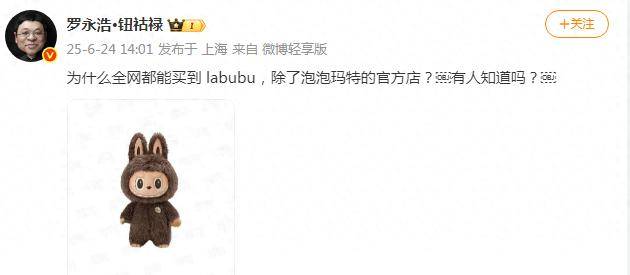
罗永浩抢不到!LABUBU,中国故事待续
Sou Hu Cai Jing· 2025-06-24 09:24
Core Viewpoint - The LABUBU craze, driven by its unique appeal and celebrity endorsements, has sparked significant consumer interest and market dynamics, raising questions about its sustainability and potential risks in the blind box economy [2][4][10]. Group 1: Product and Market Dynamics - LABUBU, created by Hong Kong artist Long Jiasheng, gained popularity after its commercial launch in collaboration with Pop Mart in 2019, leveraging celebrity endorsements to enhance its visibility [4][10]. - The product has seen extreme consumer behavior, including fights among buyers in the UK and long queues in the US, indicating a high demand and cultural impact [2][10]. - A sculpture of the original LABUBU sold for 1.08 million RMB, showcasing the product's high market value and collectible status [2]. Group 2: Investment and Financial Implications - Fund managers express confusion over the blind box economy, traditionally focusing on established brands like Moutai and Wuliangye, indicating a potential gap in understanding new market trends [5]. - The financialization of collectible toys like LABUBU is being compared to previous trends in sneaker and digital collectibles speculation, raising concerns about market stability and the potential for a bubble [12][14]. - The collectible nature of LABUBU is driven by a niche audience, primarily young consumers, who are motivated by passion rather than investment potential, suggesting a need for caution in treating these products as financial assets [12][14]. Group 3: Cultural and Social Impact - The LABUBU phenomenon is part of a broader trend in the "二次元经济" (secondary dimension economy), appealing to younger consumers through personalized and trendy products [9][10]. - Concerns about the addictive nature of blind box products and their impact on youth have been raised, although regulatory measures have been implemented to mitigate risks [16][20]. - The success of LABUBU reflects a growing trend of Chinese cultural products gaining global traction, emphasizing the need for innovative approaches to leverage China's manufacturing capabilities and creative potential [20].

武商集团(000501) - 000501武商集团投资者关系管理信息20250611
2025-06-12 10:10
Group 1: Wuhan Duty-Free Store Operations - The Wuhan duty-free store began trial operations on May 30, 2025, with a total investment of CNY 80.8 million, where Wangfujing Group holds 51% and Wushang Group holds 49% of the joint venture [1] - The store covers an area of approximately 1,800 square meters and has signed contracts for over 100 international brands across various categories including cosmetics, fine wines, electronics, and cultural products [1] - The opening of the duty-free store is expected to enhance consumer experience and attract inbound consumption, contributing to the commercial development of Wushang MALL and surrounding areas [1] Group 2: New Xiangyang Wushang MALL Development - The existing Xiangyang Wushang MALL lease will expire on October 31, 2027, leading to the decision not to renew the contract [2] - The new commercial complex aims to strengthen market competitiveness and sustainable development, with plans for completion in 2027 [2] - The project will facilitate a smooth transition from the old to the new model, introducing flagship stores and filling commercial gaps in the region [2] Group 3: Innovation and New Business Ventures - Wushang Group is diversifying into multiple sectors, establishing "Jiangtun Tianmu" and "Jiangtun Fund" to explore emerging industries [2] - The company is innovating its business model by developing a comprehensive jewelry brand matrix and expanding self-operated businesses in dining and entertainment [2] - The group is also advancing its digital transformation through the establishment of Wuhan Jiangtun Digital Technology Co., focusing on smart retail solutions [2] Group 4: Performance of Wushang Dream Era and Nanchang Wushang MALL - Wushang Dream Era is performing well, while Nanchang Wushang MALL, which opened in April 2023, is still in the process of improving operational efficiency [3] - Wushang Dream Era focuses on family-oriented social platforms and has introduced several first stores for various brands, enhancing consumer engagement [3] - Nanchang Wushang MALL emphasizes high-end luxury brands and features a collection of prestigious names and gourmet dining options [3]

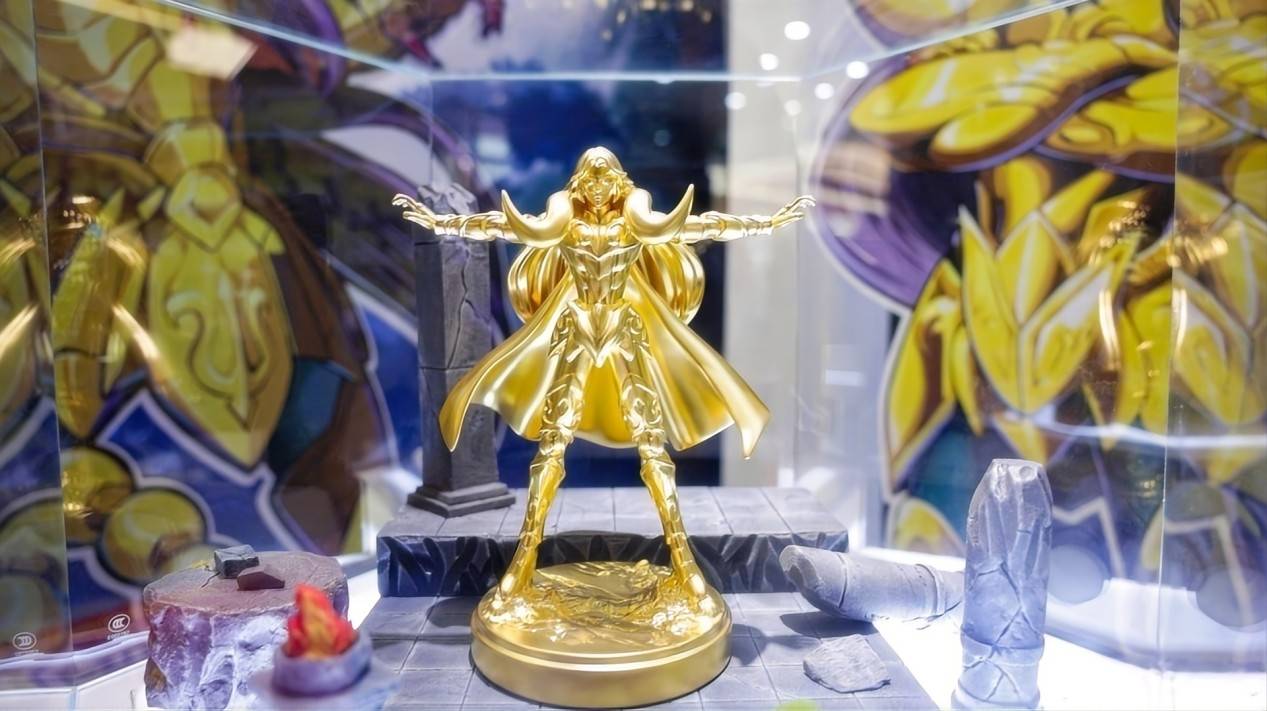
黄金手办,能否持续“收割”年轻人?
Sou Hu Cai Jing· 2025-06-04 09:23
五月份,老凤祥与《圣斗士星矢》推出联名产品,上市短短两周,系列产品已创下近亿元销售,其中最受关注的666克黄金手办售价88万元,限量30件被抢 购一空。当年轻人心目中的两大"顶流"黄金、谷子联手,商业价值似乎一触即发。 据悉,当前老凤祥的黄金手办在黄牛渠道已经攀升至百万级别。 而老凤祥也不是唯一一家开始做二次元生意的金店。比如周大福与Chiikawa联名转运珠,发售当日脱销,迪士尼系列累计销量超200万件;潮宏基与三丽 鸥、《哆啦A梦》《蜡笔小新》等IP的联名。 截至目前为止,各大黄金品牌的克价都在900甚至1000元上摇摆不下,另一头,谷子经济与整个二次元生意也蒸蒸日上,2024年中国谷子经济市场规模达 1689亿元,同比增长40.63%。 一场"双向救赎"? 虽然黄金与二次元经济在消费市场上俘获了一票年轻人的心,但细究一番,二者各有苦楚,这或许也是"黄金手办"诞生的根本原因。 先看黄金。随着国际金价变幻莫测,黄金品牌的克价一波三折,越来越多的消费者对买黄金出现抵触心理,尤其是首饰类。2024年1月到9月,金饰消费持续 疲软,7月金银珠宝零售额(主要是金饰)同比下降了6%。 今年一季度,黄金首饰消费量继续低 ...


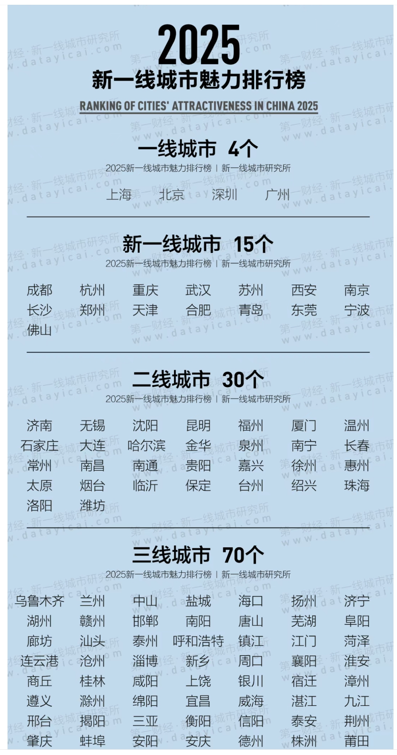
新一线城市榜单,临沂紧追烟台重回二线城市的信号
Qi Lu Wan Bao· 2025-05-31 07:59
Core Insights - The 2025 "New First-Tier Cities Charm Ranking" highlights the increasing differentiation among cities in China as they transition to a consumption-driven society, with cities like Linyi and Heze showing significant improvements in their rankings [1][9] - The ranking methodology emphasizes commercial consumption over traditional economic indicators like GDP, reflecting a shift in urban competitiveness [3][4] Group 1: Ranking Overview - Linyi has returned to the second-tier city status, ranking closely behind Yantai, and has jumped 8 places from the previous year, while Heze has surged 20 places [1] - The ranking includes 15 new first-tier cities and 30 second-tier cities, with Linyi and Heze being notable examples of cities that have improved their standings significantly [2] Group 2: Evaluation Criteria - The ranking system prioritizes third-sector activities, particularly commercial consumption, over industrial output, indicating a shift towards a more service-oriented urban economy [3][4] - New metrics introduced in the ranking include factors such as the scale of live-streaming influencers, online business diversity, and nighttime economic activity, reflecting the evolving nature of urban attractiveness [4][5] Group 3: Economic Indicators - Linyi's retail sales reached 343.38 billion yuan in 2024, ranking fourth in Shandong, while its economic output is significantly lower than Yantai's, indicating untapped consumption potential [6][7] - The city has a third-sector contribution of 51.2% to its GDP, which is comparable to other industrial cities, suggesting a balanced economic structure [7][8] Group 4: Urban Development Trends - The ranking reflects a broader trend where cities with strong service sectors and vibrant consumer markets are becoming more attractive, especially to younger populations [5][8] - Linyi's logistics and transportation infrastructure has facilitated economic dynamism, with a notable increase in online retail sales driven by live-streaming commerce [8][9] Group 5: Consumption as an Economic Driver - Consumption is increasingly recognized as a primary engine for economic growth in China, with consumer spending contributing 82.5% to GDP growth in 2023 [8][9] - The shift towards a consumption-oriented economy is evident as cities adapt to new consumer preferences and market dynamics, with Linyi's rise serving as a case study [9]
上海次元漫游节探索以IP重构消费场景
Zhong Guo Xin Wen Wang· 2025-05-24 01:09
Core Insights - The Shanghai government is exploring innovative consumption scenarios led by a "youthful" approach, particularly in the Yangpu District, through events like the Shanghai Dimension Roaming Festival [1] - The festival targets Generation Z and focuses on three consumer segments: niche users, the broader subculture community, and youth, aiming to enhance regional consumption and cultural industry synergy [1][3] - The event features various IP-themed exhibitions and activities, promoting the integration of cultural and economic development in the area [1][3] Group 1 - The Shanghai Dimension Roaming Festival attracted numerous visitors and involved collaboration with leading brands in the subculture sector [1] - The festival includes over ten key projects that emphasize national trends and cultural themes, enhancing consumer offerings and increasing consumption [1] - The "Beautiful Life Festival" by Paper Games created an immersive cultural experience, showcasing the unique charm of game IPs [2] Group 2 - The event's design includes specialized installations and experiences that reflect the characteristics of different IPs, allowing visitors to engage in immersive activities [2] - The central art installation, "Light and Shadow Carousel," symbolizes joy and purity, highlighting the idea that gaming is not just entertainment but a way to discover and pursue beauty in life [2] - The Yangpu District aims to attract young consumers by developing digital, youthful, and immersive environments, linking IPs with economic growth [3]
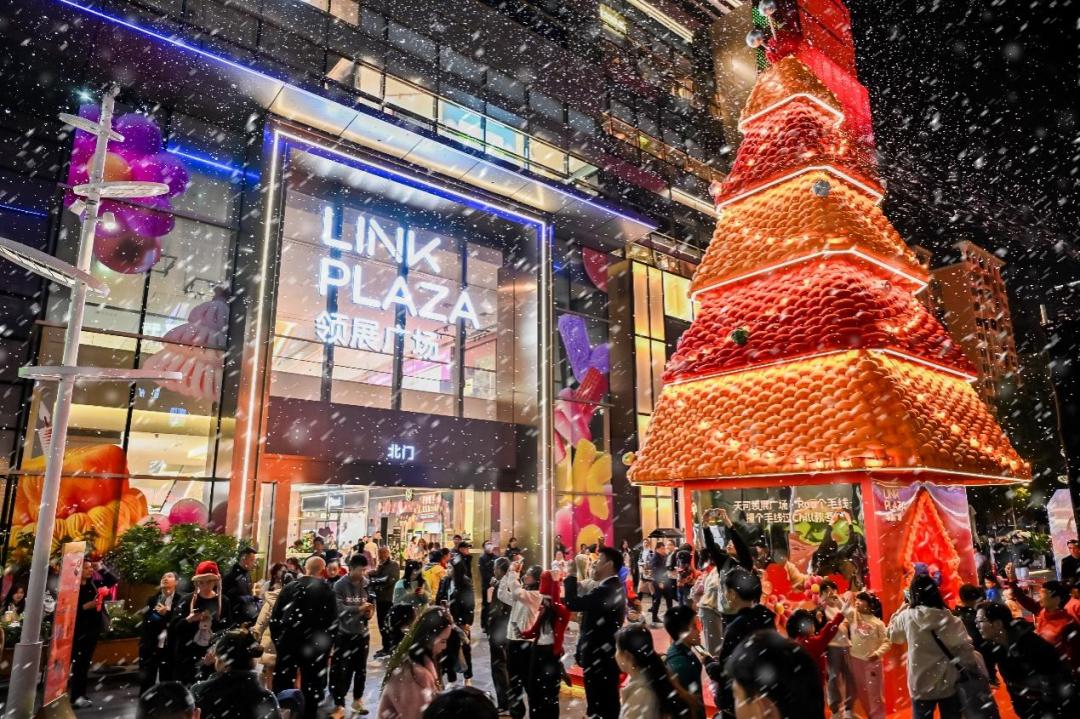
广佛商业调改,卷起来了!
3 6 Ke· 2025-05-19 03:11
Group 1 - The commercial market in Guangzhou and Foshan is becoming increasingly competitive, with various new projects and renovations being launched to attract consumers [1] - Guangzhou Tianhe Ling Exhibition Plaza is undergoing significant renovations with an investment of over 3 billion yuan, aiming for a 31% increase in annual sales and a 37% increase in foot traffic in 2024 [2][4] - The project is focusing on enhancing the shopping experience through thematic floor designs and introducing over 100 new brands, including several first stores in the region [4][5] Group 2 - Guangzhou Liying Plaza is set for a comprehensive upgrade in 2025, with a focus on fashion and innovative retail experiences, aiming to attract the Z generation [9][11] - The project will enhance its IP exposure and optimize traffic flow to improve the shopping atmosphere [11][12] - Guangzhou PO PARK Oriental Baotai is also undergoing a transformation to appeal to younger consumers, with 51 brand upgrades planned for 2024 [13][14] Group 3 - Guangzhou Baixin Plaza has seen a significant brand overhaul with over 170 brands replaced, leading to a 25% increase in foot traffic and a 20% increase in sales [22][24] - The plaza is focusing on enhancing its entertainment and dining offerings, including the introduction of popular new restaurants and entertainment venues [26][28] - The project is leveraging its location near the Baiyun Station to capitalize on increased foot traffic [23] Group 4 - Guangzhou Meilin M•LIVE Tian Di is expanding its outdoor and night economy offerings, with a 11.54% increase in annual sales to 5.8 billion yuan [35][37] - The project has introduced 30 new dining brands, significantly enhancing its culinary offerings [39][40] - The plaza is also developing new outdoor spaces to attract visitors and enhance the overall shopping experience [40][41] Group 5 - Guangzhou Fashion Tianhe is investing over 2.6 billion yuan in renovations to enhance its unique underground commercial experience [41][42] - The project is focusing on integrating cultural and artistic elements into its shopping environment, aiming to attract a diverse consumer base [45][46] - The plaza is also enhancing its entertainment offerings with new sports and social spaces [44] Group 6 - Guangzhou Poly Plaza is undergoing hardware and software upgrades to improve customer experience, resulting in a 15% increase in foot traffic and sales [47][52] - The project is focusing on enhancing its facilities and introducing new brands to maintain its competitive edge [48][49] - The plaza has achieved a 100% occupancy rate with over 30 new brands introduced [52] Group 7 - Foshan Nanhai Vanke Plaza is focusing on creating a park-like commercial environment, with significant upgrades to its outdoor spaces [53][54] - The project has introduced 55 new brands, including 27 first stores in the region, to cater to local consumer preferences [57][58] - The plaza is maintaining a high occupancy rate of 98% despite market challenges, showcasing its strong market position [58]
二次元O展,闷声发大财
3 6 Ke· 2025-05-15 11:40
Core Insights - The article discusses the resurgence of offline ACG (Anime, Comic, and Games) economy through the rise of "Only Exhibitions" (O Exhibitions), which cater to niche audiences and provide a platform for fan interactions and commerce [1][30] - The decline of traditional large-scale ACG events has led to a shift towards smaller, more specialized O Exhibitions, which are gaining popularity among fans [2][30] Group 1: O Exhibition Characteristics - O Exhibitions are defined by their focus on specific IPs or themes, allowing only related fan creations and merchandise, making them highly targeted and appealing to niche audiences [2][4] - Unlike larger commercial ACG events, O Exhibitions are more flexible in scale and theme, often providing a more intimate experience for attendees [2][4] - The content of O Exhibitions has diversified, including various activities such as themed food events and interactive games, which cater to the evolving interests of fans [4][6] Group 2: Market Dynamics - The popularity of O Exhibitions has surged due to the postponement of major events like CP30, leading to a significant increase in the number of O Exhibitions held across the country [5][30] - In May alone, there were over 70 O Exhibitions of the "National乙" (domestic otome games) type, indicating a robust demand for such events [5][6] - O Exhibitions are often organized by fans with limited professional experience, leading to a diverse range of operational practices and financial outcomes [11][13] Group 3: Consumer Behavior and Pricing - The target demographic for O Exhibitions is predominantly female, particularly younger audiences, who are willing to pay for niche experiences [22][30] - Ticket prices for O Exhibitions have increased significantly, with some events charging upwards of 600 yuan for special experiences, reflecting a shift in consumer willingness to pay [16][22] - Despite rising costs, consumers are becoming more accepting of higher ticket prices, indicating a potential for profitability in the O Exhibition market [16][30] Group 4: Challenges and Future Outlook - The O Exhibition market faces challenges such as inconsistent quality and potential scams, as some events are organized by non-fans or companies seeking profit [29][30] - The sustainability of O Exhibitions as a revitalizing force in the ACG economy remains uncertain, as they must balance niche appeal with broader market demands [30][31] - The future success of O Exhibitions will depend on the ability of organizers to maintain quality experiences while navigating the complexities of fan culture and commercial interests [30][31]

杭州赚钱却不在杭州花?消费十强的“吊车尾”寻求破局
2 1 Shi Ji Jing Ji Bao Dao· 2025-05-13 10:18
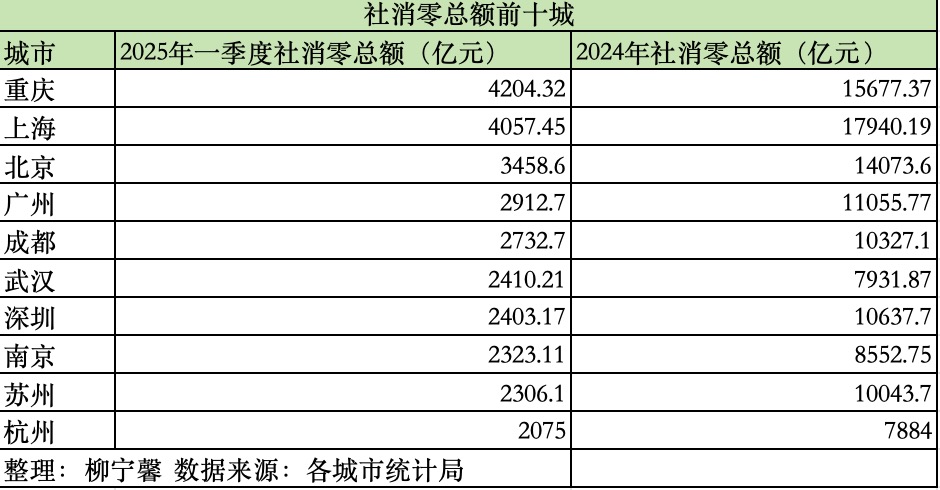
Core Insights - Hangzhou is experiencing a paradox where it has high per capita consumption but lower total retail sales compared to other major cities, indicating that residents earn but do not spend their money locally [1][4][5] Group 1: Consumption Data - In Q1 2024, Hangzhou's total retail sales reached 207.5 billion yuan, a year-on-year increase of 6.3%, ranking it 10th among Chinese cities [2] - By 2024, Hangzhou's total retail sales are projected to be 788.4 billion yuan, maintaining its position as the 10th largest city in terms of retail sales [4] - The per capita consumption expenditure in Hangzhou for 2024 is expected to be 52,996 yuan, surpassing Shanghai and making it the highest in the country [3] Group 2: Reasons for Consumption Discrepancy - Hangzhou's high per capita consumption is attributed to a cultural tendency towards investment and property ownership, leading to lower consumer spending [5][6] - High-end consumption is often directed to Shanghai and other nearby cities, resulting in a lower total retail sales figure for Hangzhou [4][5] - The lack of high-end consumption venues and a relatively high debt rate among residents contribute to the lower total retail sales [5][6] Group 3: Future Strategies - The local government aims to enhance consumption through initiatives like the "City of Events and Shopping Paradise" plan, targeting a retail sales goal of over 900 billion yuan by 2027 [6][7] - Experts suggest that Hangzhou should leverage its strengths in digital economy and artificial intelligence to attract young consumers and international tourists [7] - The city is focusing on revitalizing shopping districts by incorporating elements that appeal to younger demographics, such as anime and technology [8][11] Group 4: Urban Development and Consumer Experience - Hangzhou is actively upgrading its traditional shopping areas to improve consumer experience and attract more visitors [13][15] - The city is implementing a comprehensive urban renewal plan that includes enhancing the functionality and accessibility of shopping districts [15] - Despite the vibrant shopping scene, there are complaints about the enclosed nature of some commercial spaces, which affects the overall shopping experience [12][13]
溢价数倍,单克重超2000元,阻止不了二次元“为爱买金”
3 6 Ke· 2025-04-22 12:19
Core Viewpoint - The article discusses the rising trend of collaboration between gold brands and ACG (Anime, Comic, Game) IPs in China, driven by increasing gold prices and a shift in consumer behavior among younger generations [2][6][11]. Group 1: Market Trends - Gold prices have recently surpassed 800 yuan, with gold jewelry prices exceeding 1,000 yuan per gram, indicating a strong market demand [2]. - The collaboration between gold brands and ACG IPs has become a significant trend in the past two years, with multiple brands launching joint products to attract younger consumers [6][7]. - The World Gold Council's 2024 report highlights that gold jewelry remains a major segment in China's jewelry retail, with over one-third of sales coming from consumers aged 18 to 34 [15][19]. Group 2: Brand Collaborations - Major gold brands like Lao Feng Xiang, Chao Hong Ji, and Zhou Da Fu have increased their collaborations with ACG IPs, launching various product lines that appeal to fans [11][19]. - Lao Feng Xiang has announced five collaboration series since 2024, including limited-edition items from popular franchises like "Mobile Suit Gundam" and "Saint Seiya" [7][24]. - Zhou Da Fu has also expanded its collaborations, with notable partnerships including "Black Myth: Wukong" and "Chiikawa," reflecting a growing trend among traditional brands to engage with younger audiences [11][19]. Group 3: Consumer Behavior - The younger generation's interest in gold is influenced by traditional beliefs that equate gold purchases with savings, which has been reinforced in a volatile market environment [15][19]. - The article notes that the appeal of ACG IPs significantly enhances the attractiveness of gold products, leading to increased sales even for non-collaborative items that resonate with popular characters [15][31]. - Despite rising gold prices, which have made gold products more expensive, the emotional connection to IPs drives consumers to continue purchasing these items, often leading to long queues at stores during product launches [31][33]. Group 4: Sales Strategies - Gold brands are employing various sales strategies, including promotional bundles and limited-edition releases, to enhance consumer engagement and drive sales [29][31]. - The design and pricing of collaborative products vary based on the target audience, with some items priced at several thousand yuan while others are more affordable, catering to a broader consumer base [19][26]. - The article emphasizes the importance of understanding consumer demographics and preferences in designing collaborative products to maximize brand impact and sales [31][37].