品牌价值

Search documents
电梯广告应尊重消费者
Jing Ji Guan Cha Wang· 2025-11-13 08:36
Core Viewpoint - The recent action by a Shanghai university student to shut down over 100 elevator advertisements highlights public dissatisfaction with intrusive advertising in shared spaces, reflecting a deeper resentment towards the commercialization of public areas and the prevalence of low-quality information [2][3]. Group 1: Public Sentiment and Advertising Impact - The student’s protest against elevator ads signifies a growing public frustration with the incessant noise and repetition of advertisements, which have transformed elevators from transitional spaces into noisy environments [2]. - The shift in public perception regarding elevator ads has evolved from initial acceptance to widespread negativity, primarily due to the "loud + brainwashing loop" approach that brands have adopted [2][3]. - Psychological studies indicate that while mere exposure can enhance brand recognition, it often comes with negative emotions when brands invade rather than attract consumer attention [2][3]. Group 2: Marketing Practices and Brand Value - The prevalence of simplistic advertising reflects a laziness in marketing strategies, where advertisers focus on exposure and click rates while neglecting the aesthetic value of ads [3]. - Brands that treat consumers as passive receivers of information risk losing the communicative value of their advertising, which can lead to negative repercussions if product quality does not meet consumer expectations [3]. - Effective advertising should be seen as a gift of content to the audience rather than an imposition, emphasizing the need for brands to respect consumer intelligence and preferences [3][4]. Group 3: Economic Implications and Industry Reflection - The competition for consumer attention in elevator spaces has significant economic implications, as evidenced by the leading position of companies like Focus Media in the elevator advertising sector, which has shown remarkable cash flow capabilities [4]. - The incident involving the university student serves as a catalyst for brands and advertisers to reconsider their strategies, questioning whether aggressive advertising methods are sustainable for long-term consumer trust [4]. - The influence of brands extends beyond transactions; it necessitates social interaction and value co-creation, highlighting the importance of fostering a respectful and culturally rich public space [4].



会员资讯 | 张家港铜业公司“TG-ZJG铜冠”牌A级铜注册成功
Xin Lang Cai Jing· 2025-11-12 13:04
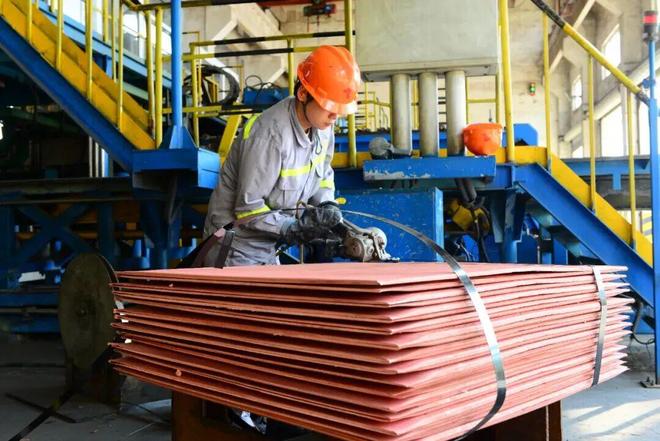
来源:市场资讯 (来源:中国再生金属) 在推进产品注册过程中,该公司严格对标ISO国际标准及《上海期货交易所有色金属交割商品管理规 定》,全面加强QEHS管理体系建设,通过持续强化现场操作、优化工艺参数、严把检验关等措施,实 施全流程精细化管控。产品自进入市场以来,该公司凭借优良的品质赢得市场广泛认可,为"TG-ZJG铜 冠"牌A级铜成功注册奠定了坚实的基础。 该公司将秉承"追求一流品质、满足客户需求"理念,依托上海期货交易所的平台优势,不断完善全链条 质量管控与标准化生产体系,持续加强品牌质量管理,提升品牌价值,进一步增强抵御市场风险的能 力,为企业高质量发展不断注入新动能。 资讯来源:中国有色金属报 资讯监督:张 琳 010-63963867 资讯投诉:杨 璐 010-63963866 11月11日,张家港联合铜业有限公司生产的"TG-ZJG铜冠"牌A级铜在上海期货交易所注册成功,标志着 该公司A级铜产品正式获得期货市场的权威"质量认证",跻身于高标准高质量行列,可用于相关期货合 约的履约交割。此次注册成功,将有效提高该公司品牌影响力、市场竞争力及溢价能力,进一步提升主 产品市场流通性和利润增长点。 ...
上海家化的转机,福瑞达们的困局
Xin Lang Cai Jing· 2025-11-12 05:46
Core Insights - The Chinese beauty industry is at a critical juncture, transitioning from rapid growth driven by channels and traffic to a focus on brand value and operational excellence [1] - Recent financial reports from leading domestic beauty companies reveal a divide: some are struggling with transformation pains, while others are rebounding due to strong brand value [1] Group 1: Performance Challenges - Beitaini reported a revenue of 3.464 billion yuan for the first three quarters of 2025, a year-on-year decline of 13.78%, with a net profit of 272 million yuan, down 34.45% [2] - In Q3, Beitaini's revenue was 1.092 billion yuan, a decline of 9.95%, but net profit increased by 136.55% to 25.22 million yuan due to cost-cutting and a shift to high-quality growth [3] - Beitaini's operating costs decreased by 15.75% to 889 million yuan, while sales expenses were 1.838 billion yuan, down 8.55% [6] - Furuida's revenue for the first three quarters was 2.597 billion yuan, down 7.34%, with a net profit of 142 million yuan, a decrease of 17.19% [7] - The brand Yailabo's revenue fell by 28.93% in Q3, indicating a significant decline from its peak performance in 2023 [11] Group 2: Successful Turnarounds - Shanghai Jahwa achieved a revenue of 4.961 billion yuan in the first three quarters of 2025, a 10.8% increase, with net profit soaring by 149.1% to 405 million yuan [12] - The company reported a Q3 revenue of 1.482 billion yuan, up 28.3%, reversing a previous decline [12] - The turnaround is attributed to a strategic focus on core brands and effective brand activation under new CEO Lin Xiaohai, emphasizing brand value as a growth strategy [15][18] Group 3: Industry Trends - The beauty industry is shifting towards a focus on brand value and ecosystem building, moving away from reliance on external factors like channels and marketing [19][23] - New brands face challenges due to the fragmentation of channels and rising costs, leading to a need for deeper brand connections with consumers [19][21] - Established brands like Shanghai Jahwa demonstrate resilience through strong brand recognition and emotional connections with consumers, allowing for rapid recovery when strategic adjustments are made [22] - The industry must prioritize building a multi-brand ecosystem and sustainable financial practices, as seen in Beitaini's recent focus on profitability [24]


老铺黄金(6181.HK):如何理解超预期的提价?坚定打造东方奢侈品品牌
Ge Long Hui· 2025-11-11 21:09
Core Viewpoint - The company has implemented its third price increase of the year on October 26, with gold prices rising sharply, reflecting its commitment to becoming the leading brand in high-end gold jewelry [1][2] Pricing Strategy - The price increase for gold products is approximately 24%-30% for plain gold and 16%-26% for diamond-studded products, which is significantly higher than previous increases of 6%-10% and 12.5% earlier this year [1][2] - The average price per gram for plain gold products is now around 1600 RMB, while diamond-studded products range from 2100 to 2200 RMB, indicating a clear premium over the market price of approximately 900 RMB [1][2] Financial Performance - The gross margin is expected to rebound to over 40% in Q4, with the second half of the year maintaining a gross margin of around 38%, showing significant improvement compared to Q3 [2][4] - The company anticipates that the adjusted net profit margin will reach 20%-23% in the medium term, indicating an upward trend in profitability [4][6] Market Positioning - The company aims to attract a growing customer base primarily from high-net-worth individuals, with a focus on maintaining its luxury brand image and avoiding mass-market appeal [3][4] - The high-end gold jewelry market is projected to expand, with the market size expected to reach 900 billion RMB in 2024, driven by the increasing value retention attributes of gold [3][4] Expansion Strategy - The company plans to optimize existing stores domestically while opening 3-4 new stores overseas, particularly in high-end markets such as Hong Kong, Macau, Japan, and Singapore [4][5] - Recent store openings in major luxury shopping centers indicate a strategic focus on high-end retail environments [4][5] Valuation Outlook - The company is expected to align its valuation with international luxury brands like Hermès and LVMH, with potential upward adjustments in its price-to-earnings (PE) ratio [5][6] - Projected revenues for 2025-2027 are 252.8 billion, 333.7 billion, and 413.9 billion RMB, with corresponding net profits of 48.1 billion, 65.1 billion, and 81.5 billion RMB, reflecting substantial growth [6]
西贝回应“一个月闭店10家”,仍有新店陆续开业
Di Yi Cai Jing· 2025-11-11 02:20
Core Insights - The frequent closures of Xibei restaurants may be related to the pre-prepared food controversy in September this year [1][2] - Xibei has stated that opening and closing stores is a normal business practice in the restaurant industry, and they are dynamically adjusting the number of stores based on operational conditions [1] - Despite closures, Xibei continues to open new locations, with eight new stores planned to open by the end of the year [1] Store Adjustments - Xibei has closed stores in cities such as Shenzhen, Shantou, and Yiwu as part of its normal operational adjustments [1] - The company is committed to upgrading services, optimizing dishes and prices, and enhancing customer feedback mechanisms to improve dining experiences [1] Response to Pre-prepared Food Controversy - Following the pre-prepared food controversy, Xibei acknowledged a significant gap between its production processes and customer expectations, leading to adjustments in food preparation methods [2] - The company has shifted to more on-site cooking to better meet customer demands [2] Promotions and Customer Engagement - Xibei has implemented various promotions, including issuing discount coupons to attract customers after the controversy [3][4] - The adjustments in menu items, such as switching to on-site cooking for children's meals, aim to enhance customer satisfaction [3] - The issuance of no-threshold and minimum purchase coupons has been effective in increasing foot traffic and sales in stores [4] Long-term Brand Implications - While short-term promotions have successfully increased customer traffic, there are concerns about the long-term impact on brand perception [4] - Continuous discounting may lead consumers to perceive a mismatch between quality and price, potentially undermining the brand's high-end image [4]
中国电动汽车_2025 年独家调研,中国与国际车企电动汽车技术差距对比-China EV_ Proprietary survey 2025, Part 3. 10-year anniversary, Bonus edition – China vs. International OEMs‘ EV technology gap
2025-11-10 03:35
Summary of Key Points from the Conference Call Industry Overview - **Industry**: Chinese Electric Vehicle (EV) Market - **Focus**: Comparison between Chinese OEMs and international OEMs regarding EV technology and consumer preferences Core Insights 1. **Shift in Consumer Preferences**: Over the past decade, Chinese consumers have transitioned from favoring German and Japanese internal combustion engine (ICE) vehicles to embracing Chinese EVs, prioritizing value over brand loyalty [2][16][17] 2. **Value Definition**: Current consumer preference for Chinese brands is driven by perceived value for money, which includes build quality, energy efficiency, and advanced technologies like ADAS and smart cockpit systems [2][17] 3. **Upgrade Aspirations**: Chinese consumers are increasingly willing to raise their car budgets to purchase the best vehicle they can afford, with a strong focus on advanced EV technologies [3][18] 4. **Technology Adoption**: Chinese consumers have been early adopters of intelligent driving technologies, with a notable gap in product offerings from foreign OEMs due to their underestimation of the EV trend [4][20] 5. **Perceived Technological Leadership**: A survey indicates that Chinese OEMs are perceived to be five years ahead of Western peers in EV technology, particularly in battery technology and speed to market [5][6] 6. **Government Support**: The success of Chinese OEMs is attributed to strong government support, market competition, and a corporate culture that emphasizes agility and hard work [5][6] 7. **Competitive Landscape**: The competitive gap between Chinese and Western OEMs may be wider than perceived, with Western OEMs needing to focus on cost reduction and organizational restructuring to catch up [6] Market Projections 1. **Sales Growth**: China's auto sales in the first half of 2025 have exceeded expectations, with forecasts indicating an 8% growth in industry wholesale volumes, reaching approximately 29.5 million units [8] 2. **EV Sales Growth**: The long-term outlook for EVs remains strong, with expected sales growth of around 30% in 2025, driving EV penetration to 57% [9] Investment Implications 1. **Cautious Sector Outlook**: Despite positive trends, the sector is viewed cautiously due to potential pricing pressures and intense competition within the domestic market [8][9] 2. **Company Ratings**: BYD and Xiaomi are rated as Outperform, while XPeng, Li Auto, and NIO are rated as Market-Perform [9] Valuation Comparisons - A detailed valuation comps table shows various metrics for companies like BYD, XPeng, and NIO, indicating their market cap, EV/EBITDA, and P/E ratios, which reflect the competitive positioning of these companies in the market [10] Additional Insights 1. **Brand Building Challenges**: While Chinese OEMs are agile in technology adoption, they face challenges in building strong brands, which are essential for maintaining price premiums as technology commoditizes [4][21] 2. **Consumer Behavior**: The shorter history of car ownership in China makes vehicle purchases more discretionary, emphasizing lifestyle choices over necessity [19] This summary encapsulates the key points discussed in the conference call, highlighting the evolving landscape of the Chinese EV market and the implications for both consumers and investors.


又一重要指数来了!中证诚通品牌价值指数启动编制
2 1 Shi Ji Jing Ji Bao Dao· 2025-11-06 13:05
Core Insights - The eighth China Enterprise Forum was held in Beijing, showcasing significant achievements in brand building among Chinese enterprises through the release of the "Top 100 Chinese Enterprise Brand Value" list [1] - The forum initiated the compilation of the "China Securities and Trust Brand Value Index," focusing on high-quality development of state-owned enterprises (SOEs) and private enterprises [3] Group 1: Brand Value Index Development - The "China Securities and Trust Brand Value Index" will emphasize functional value leadership and reflect the overall landscape of Chinese brand development, using the "Top 100" list as a key reference [3] - The evaluation system will incorporate sustainable development capabilities, ensuring the index's credibility and relevance by adjusting for companies with negative public sentiment or potential risks [3] - A financial data-driven model will be established to evaluate brand capabilities of listed companies, focusing on excess profits to identify high-quality investment targets with strong brand moats [3] Group 2: Future Functions of the Brand Value Index - The index aims to extend the value of the brand list and enhance market guidance through a dynamic, data-driven format, increasing the visibility and influence of the brand value list [4] - It will guide resource allocation and support national brand strategies by developing ETF products based on the brand value index, aiding in optimizing state-owned economic structures [4] - The index is expected to create a virtuous cycle of brand value creation and realization, contributing to the high-quality development of SOEs by fostering a "brand benchmark - value discovery - resource aggregation" model [4] Group 3: Rongtong Fund Overview - Rongtong Fund, established in 2001, has distributed nearly 40 billion yuan to investors since inception, with an average return of 38.72% for its active equity products in the first three quarters of this year [5] - Following the acquisition by China Chengtong, Rongtong Fund has focused on serving state-owned capital operations and enhancing investor satisfaction through a dual-driven development strategy [5] - The fund has developed a range of thematic indices and products, including the China Chengtong Central Enterprise Dividend Index and the Central Enterprise ESG Index, reflecting a clear focus on asset management and structural adjustment [5][6]

飞天茅台河南市场 “价稳” 背后的品牌韧性与根基
Sou Hu Cai Jing· 2025-11-06 05:45
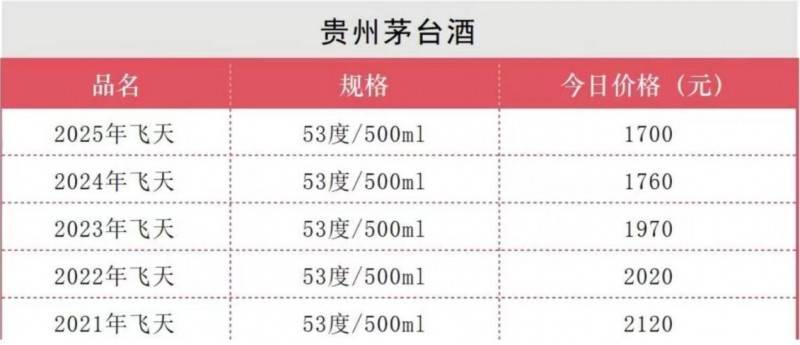
Core Insights - The price dynamics of Feitian Moutai in Henan, China's largest liquor consumption province, serve as an important indicator for the industry, showing stability in both wholesale and retail prices despite promotional activities [1][3] Price Trends - The wholesale price for 2025 Feitian Moutai (53 degrees/500ml) is reported at 1700 yuan per bottle, while retail prices in Zhengzhou and Nanyang are 1919 yuan and 1950 yuan respectively [1][2] - Historical price data shows a downward trend in Moutai prices from 2021 to 2025, with the 2021 price at 2120 yuan and the 2025 price at 1700 yuan [2] Market Dynamics - The stability in prices is attributed to a deep transformation in the consumption structure in Henan, where Moutai is increasingly chosen for significant occasions, with 40% of bottles used for weddings and family gatherings [3] - Moutai's brand value is highlighted by its ranking as the 7th most valuable brand in the "2025 China Enterprise Brand Value TOP 100" list, with a value of 468.718 billion yuan [3] Investment Perspective - Moutai's market performance is reflected in its strong position in the capital market, with a market value of 26.364 billion yuan, leading the food and beverage sector [4] - Institutional investors are optimistic about Moutai's future, with 28 brokerages recommending the stock, citing strategic adaptations in distribution and customer engagement as key factors for stability [4] Strategic Outlook - Moutai is building long-term competitiveness through a balanced approach, focusing on cultural dissemination, market penetration, and channel reforms [5] - The price data and consumption patterns in Henan illustrate Moutai's resilience and ability to adapt to market changes, reinforcing its brand value [5]

能源电力及新能源车企26家登中国企业品牌价值百强榜
Zhong Guo Dian Li Bao· 2025-11-06 05:38
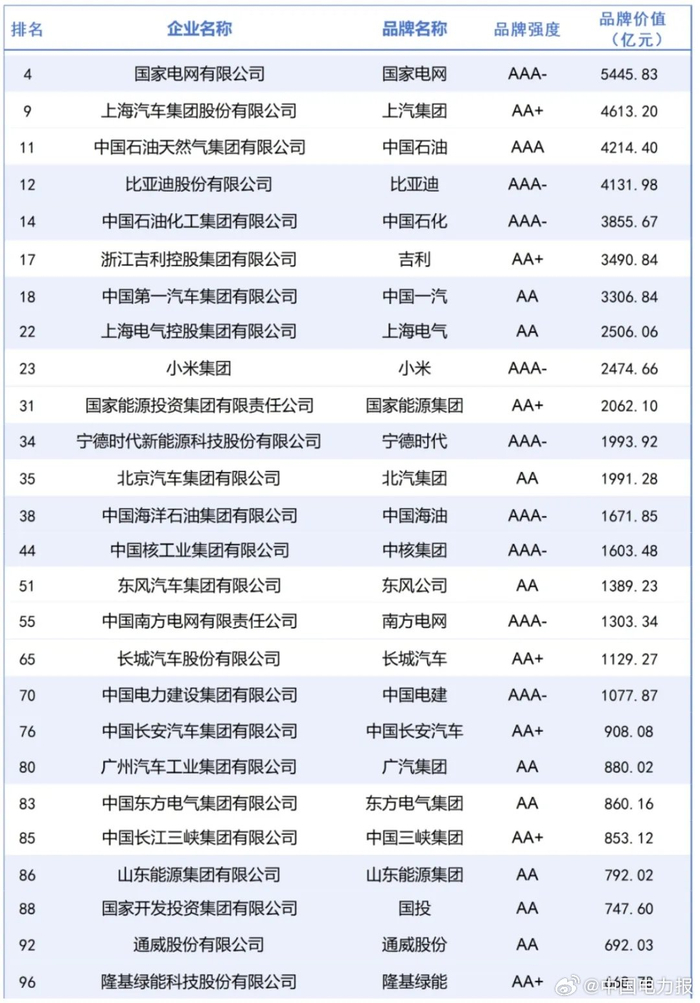
Core Insights - The 8th China Enterprise Forum held from November 3 to 4 in Beijing released the "2025 China Enterprise Brand Value TOP 100 List," showcasing 26 companies from the energy, electricity, and new energy vehicle sectors [1] - The total brand value of the TOP 100 companies reached 19.35 trillion yuan, marking an 8.48% year-on-year increase, reflecting the resilience, potential, and vitality of the Chinese economy [1] - The report highlighted significant growth in brand value across various sectors, with the information technology industry leading with a total value of 3.85 trillion yuan and a growth rate of 16.26% [1] Energy and Electricity Sector - Major players in the energy and electricity sector, such as State Grid, China Petroleum, and Sinopec, demonstrated strong brand strength and value [1] - The brand values of key companies in the sector include: - State Grid: 544.58 billion yuan - China Petroleum: 421.44 billion yuan - Sinopec: 385.57 billion yuan [2] - The energy sector is part of the "first tier" of brand value alongside information technology, finance, equipment manufacturing, automotive, and consumer goods, collectively accounting for nearly 75% of the total brand value growth [1] New Energy Vehicles - New energy vehicle companies like BYD, Geely, and China FAW also ranked prominently, showcasing their brand strength and value [1] - Notable brand values in the new energy vehicle sector include: - BYD: 413.20 billion yuan - Geely: 349.08 billion yuan - China FAW: 330.68 billion yuan [2] - The presence of leading battery and energy storage companies like CATL further emphasizes the sector's growth potential [1]




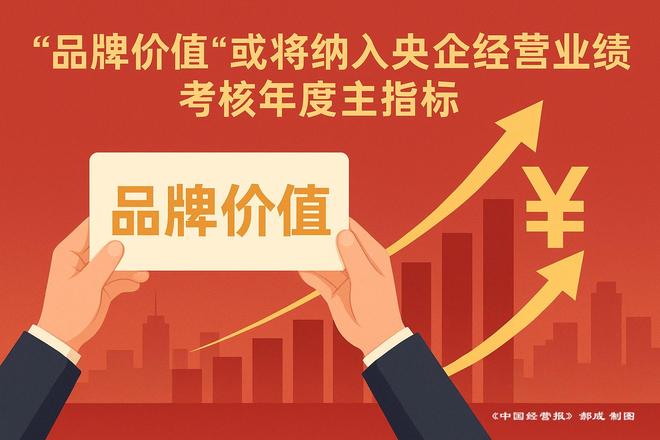
“品牌价值”或将纳入央企经营业绩考核年度主指标
Zhong Guo Jing Ying Bao· 2025-11-05 14:31
Core Insights - The State-owned Assets Supervision and Administration Commission (SASAC) is enhancing the application of brand value evaluation models and results, aiming to incorporate "brand value" into more annual performance assessment indicators for central enterprises [2] - The "2025 Central Enterprises Brand Value Report" indicates that brand is a core competitive strength and a crucial soft power for enterprises, with brand value being a significant asset and a measure of growth quality and overall strength [2] - Central enterprises are becoming the "core engine" driving the growth of China's brand value, with an average annual growth rate of over 15%, significantly outpacing the overall growth of the top 100 Chinese enterprises' brand values [2][3] Group 1 - The report highlights that the excess returns of central enterprises are a key support for the enhancement of brand value, showcasing their superior ability to generate economic profits compared to other enterprises [3] - Brand strength is identified as the main focus for the next phase of brand value enhancement for central enterprises, despite the overall growth in brand value [3] - There are existing gaps in brand ecosystem construction, emerging industry layout, and global operational capabilities when compared to globally recognized brands [3] Group 2 - The phased goals and timeline for brand building among central enterprises are becoming clearer, with a roadmap outlined in the "Guiding Opinions on Accelerating the Construction of World-Class Enterprises" [3] - By 2030, it is expected that the awareness of brand leadership among central enterprises will significantly increase, with widespread implementation of brand-strengthening strategies and substantial enhancement of brand value [4] - By 2035, the brand influence, competitiveness, and leadership of central enterprises are projected to significantly improve, resulting in a number of globally recognized and valuable brands [4]