电动化

Search documents
零跑汽车与宝马集团高层在杭会面交流
Huan Qiu Wang· 2026-02-27 10:10
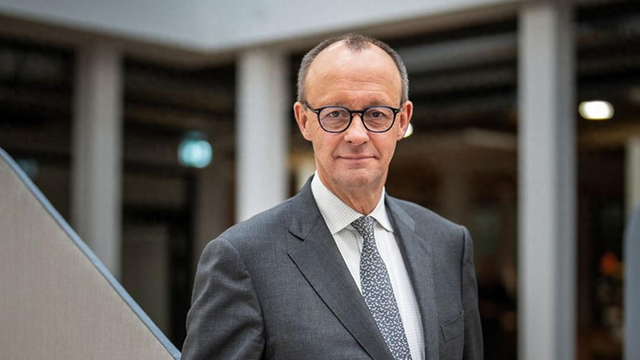
Group 1 - German Chancellor Merz visited Hangzhou with around 30 executives from leading German companies in sectors such as automotive, chemicals, machinery manufacturing, and artificial intelligence [1] - During the visit, the German delegation engaged in discussions with several Chinese companies, including Leap Motor [1] - Leap Motor's Chairman Zhu Jiangming highlighted the unique characteristics of both German and Chinese automotive companies, suggesting that their collaboration could yield synergistic benefits [3] Group 2 - Zhu Jiangming noted that Germany is the best-selling region for Leap Motor's products overseas, indicating strong market performance [3] - The automotive industry is undergoing a significant transition towards electrification and intelligence, making the dialogue between Germany and China's new energy vehicle sector particularly noteworthy [3] - Leap Motor has established a partnership with Stellantis to form Leap Motor International, expanding its international presence to 35 countries with over 800 outlets and aiming to export more than 67,000 units by 2025, positioning itself as a leader in overseas sales among new energy vehicle companies [4]



“日本企业治理的分水岭”,传丰田将出售3万亿日元战略持股
Sou Hu Cai Jing· 2026-02-27 09:52
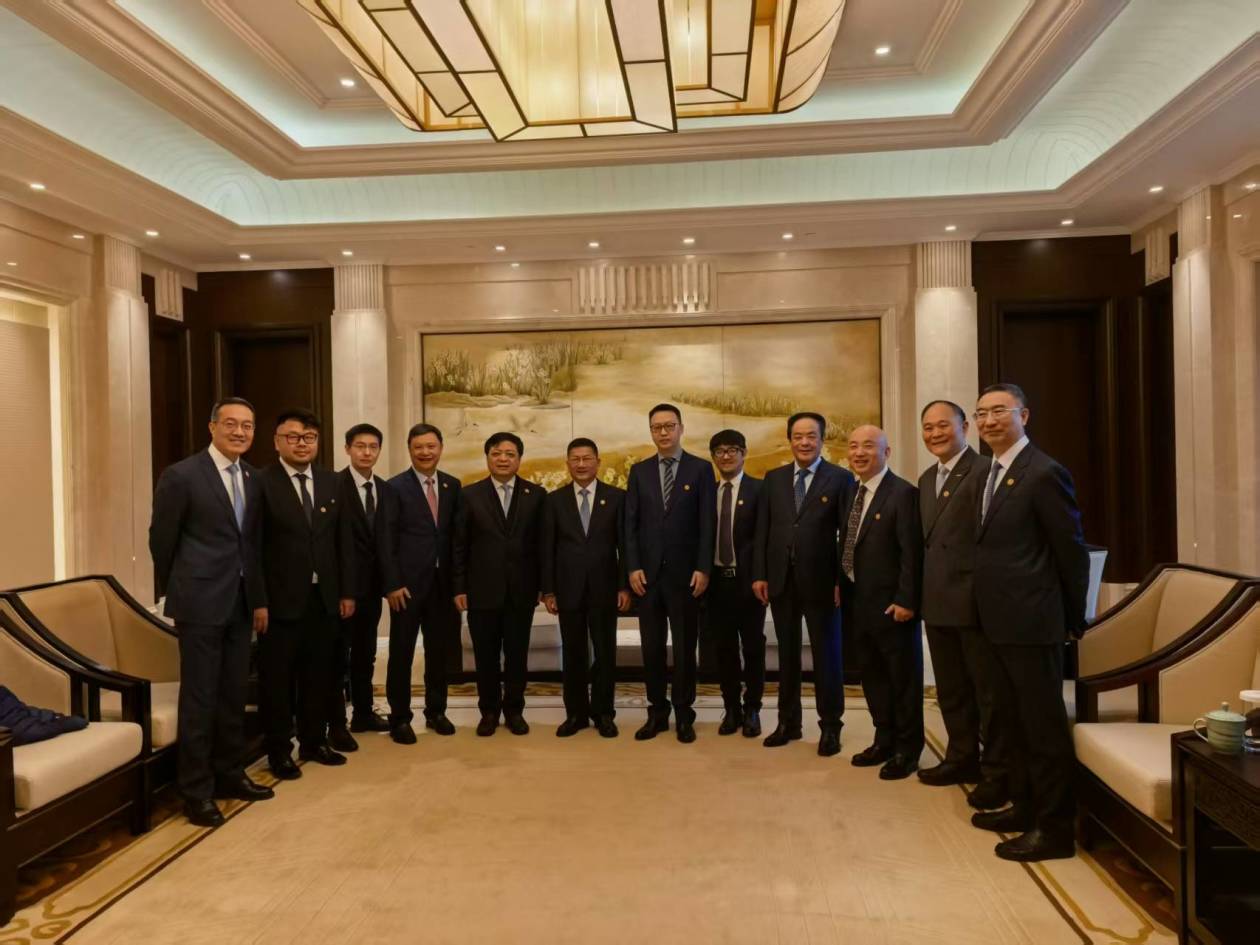
Core Viewpoint - Toyota Motor Corporation plans to sell approximately 3 trillion yen (about 132 billion RMB) of strategic holdings related to banks and insurance companies, aiming to demonstrate its commitment to corporate governance reform [1][3]. Group 1: Strategic Shareholding Sale - The sale may involve direct sales of shares or secondary sales to other investors, with the timing and scale potentially changing based on shareholder circumstances [1]. - Toyota's decision to divest is seen as a significant step in Japan's corporate governance reform, as regulatory bodies have been encouraging companies to reduce entrenched cross-shareholding relationships [3]. Group 2: Cross-Shareholding Context - Cross-shareholding, a practice where companies hold shares in each other, has a long history in Japan, providing stability for smaller companies but also leading to a lack of innovation and transformation among larger firms [3]. - Critics argue that this conservative approach has hindered Japanese automakers' progress in electrification and smart technology [3]. Group 3: Regulatory Influence - In March 2023, the Tokyo Stock Exchange began promoting governance reforms, including addressing cross-shareholding issues, which influenced Toyota's announcement to reduce its cross-shareholding ratio [3]. - Toyota plans to lower its stake in affiliated companies to 20% to raise funds for investments in emerging technologies [3]. Group 4: Investor Relations - The timing of Toyota's strategic shareholding reduction coincides with activist investor Elliott Management opposing Toyota's tender offer for Toyota Industries Corporation, claiming the offer price is too low and lacks transparency [4]. - Due to insufficient support from shareholders, Toyota has extended the deadline for the tender offer to March 2 [5].

经纬恒润2025年扭亏为盈,总资产首破百亿
Ju Chao Zi Xun· 2026-02-27 02:35
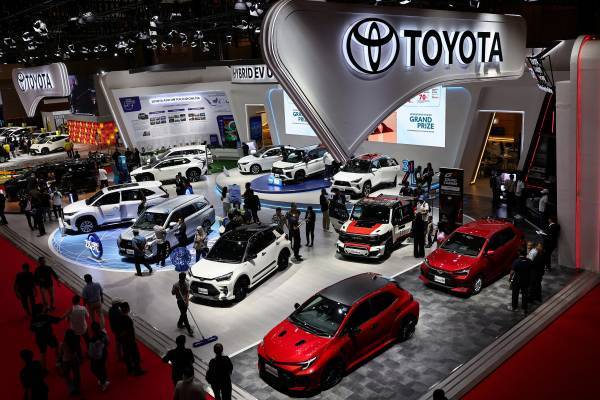
Core Viewpoint - The company achieved a significant turnaround in its financial performance for the year 2025, reporting a net profit after previously incurring losses, driven by increased revenue and effective cost control measures [2][3]. Financial Performance - The company reported total operating revenue of 684,809.71 million yuan for 2025, representing a year-on-year growth of 23.59% [2]. - The net profit attributable to shareholders reached 99,537.5 million yuan, a substantial increase of 64,985.57 million yuan compared to the previous year, marking a return to profitability [2]. - The net profit attributable to shareholders after deducting non-recurring gains and losses was 30,559.4 million yuan, up by 64,896.01 million yuan year-on-year [2]. - Basic earnings per share improved to 0.88 yuan from a loss of 4.78 yuan in the previous year [2]. - The weighted average return on equity was 2.43%, an increase of 14.76 percentage points from -12.33% in the prior year [2]. Asset and Equity Position - As of the end of 2025, total assets amounted to 1,043,260.42 million yuan, reflecting a growth of 10.9% from the beginning of the year [2]. - Shareholders' equity attributable to the parent company was 412,961.76 million yuan, slightly down by 1.29% from the start of the year [2]. - The net asset value per share was 36.84 yuan, an increase of 0.66% compared to the beginning of the year [2]. - The total number of shares was 11,995.9 million, showing a minor decrease of 0.01% [2]. Key Drivers of Performance - The turnaround in net profit was primarily attributed to the release of research and development results and an expansion in revenue scale, particularly from new products like domain controllers and upgraded existing products [3]. - Cost reduction and efficiency improvement measures began to show results, with the application of AI tools, domestic substitution, and smart manufacturing leading to effective cost control and an increase in gross margin, alongside a significant reduction in expense ratios [3].

德国总理携汽车巨头访华背后
Zhong Guo Qi Che Bao Wang· 2026-02-27 01:47
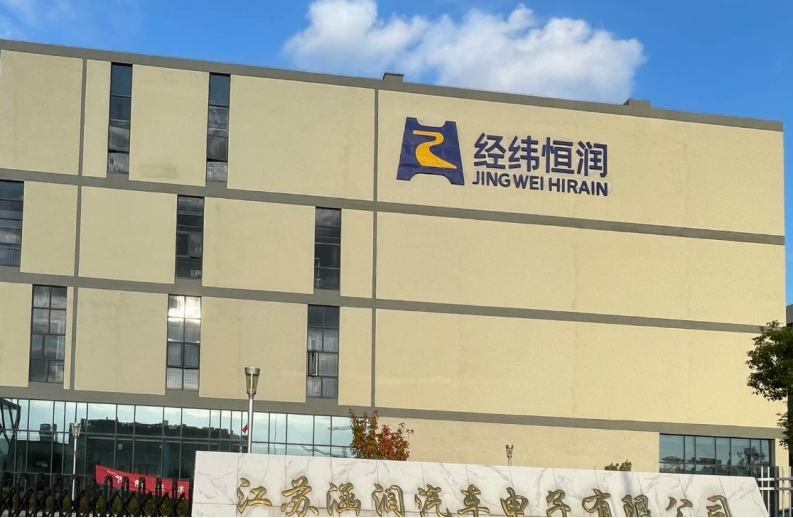
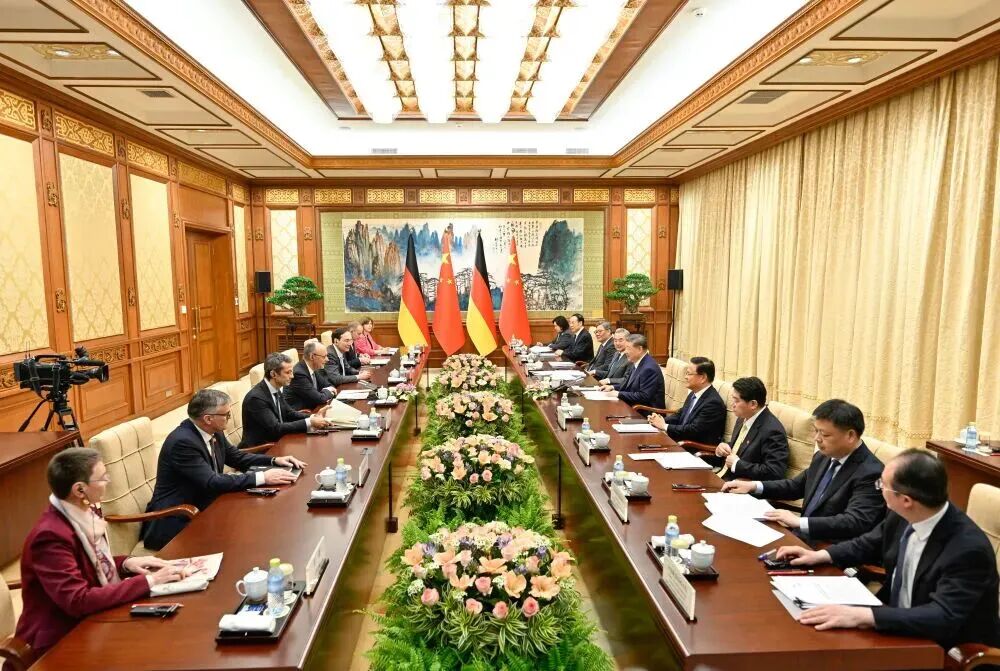
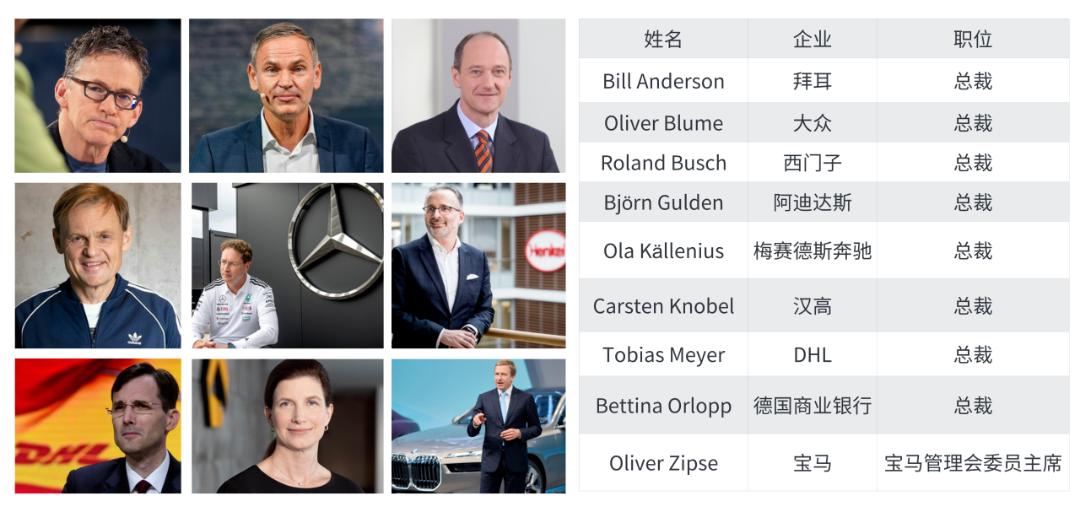
Group 1 - German Chancellor Merz's first visit to China since taking office is significant, with a delegation of around 30 top executives from major German companies, marking the most luxurious trade delegation since Merkel's era [2][3] - The visit reflects the strong confidence and pragmatic choices of the German business community regarding cooperation with China [3] - Executives from German automotive companies emphasize the irreplaceable nature of the Chinese market, with BMW's chairman stating that ignoring China would jeopardize future economic success [4][5] Group 2 - Substantial cooperation projects were established during the visit, with over ten commercial agreements reached in sectors such as automotive, machinery, energy, logistics, and finance [5] - The automotive sector is highlighted as a key area of focus, with German car manufacturers recognizing the importance of the Chinese market for their global competitiveness [7] - The collaboration direction has shifted from traditional manufacturing to technology synergy, extending into areas like battery technology, smart driving, and green low-carbon initiatives [8]
默茨访华,德国汽车更依赖中国了
3 6 Ke· 2026-02-27 01:47
Core Insights - The visit of German Chancellor Merz to China, accompanied by leaders from Volkswagen, Mercedes-Benz, and BMW, signifies a shift in the dynamics of Sino-German cooperation, particularly in the automotive sector, highlighting Germany's increasing dependence on China for technology and market access [1][3][19] Group 1: Trade and Economic Relations - China has become Germany's largest trading partner, with trade volume reaching €251.8 billion in 2025, where Germany imported €170.6 billion from China and exported only €81.8 billion, resulting in a trade deficit of nearly €90 billion [11] - The automotive sector, which accounts for 13% of German industrial employment and 17% of exports, shows a significant trade imbalance, with Chinese electric vehicles and components flooding the German market while German car sales in China decline [11][14] - From 2022 to 2025, German car manufacturers' market share in China is projected to decrease by an average of 33%, with BMW and Mercedes-Benz experiencing declines of 42% and 35% respectively [11] Group 2: Technological Collaboration - The partnership between BMW and CATL focuses on cross-border industrial data usage, which is crucial for stabilizing BMW's electric supply chain, indicating a shift from "market for technology" to "co-creation of technology" [3][6] - Mercedes-Benz's collaboration with Momenta emphasizes practical applications of technology, showcasing the deepening of Sino-German automotive cooperation [6] - The discussions at the Sino-German Economic Advisory Committee highlighted topics such as electrification, green manufacturing, and localized supply chains, indicating a strategic elevation of cooperation from corporate to national levels [6] Group 3: Market Dynamics and Strategic Shifts - German automakers are increasingly investing in local operations in China, with Volkswagen committing over €20 billion to its Hefei base and BMW investing over €10 billion in a battery center in Shenyang, reflecting their reliance on the Chinese market for future growth [14] - Chinese brands like BYD are making significant inroads into the German market, with BYD's electric vehicle deliveries projected to increase by 706.2% by 2025, indicating a competitive shift in the automotive landscape [11][14] - The structural advantages of China's electric vehicle and battery sectors compel German companies to adapt, as they recognize that success in China is essential for success in other markets [14][19] Group 4: Future Outlook - The cooperation between China and Germany is expected to deepen, with German automakers accelerating their localization strategies and Chinese brands leveraging this partnership to expand into the European market [16][19] - The mutual recognition of automotive standards and collaboration in areas like green manufacturing and chip technology will enhance the competitiveness of both nations in the global automotive market [17][19] - The evolving dynamics suggest that while Germany seeks to maintain a strong political stance, the economic realities reveal a deep-seated dependency on China, particularly in the automotive sector [14][19]

宝马7系最高降27万元,豪华车“低头”也是一种新生
Xin Jing Bao· 2026-02-27 01:24
Group 1 - The core message highlights that the price reduction of the BMW 7 Series, with a maximum discount of 270,000 yuan, reflects a strategic decision by traditional luxury brands in response to the pressures of electrification and market restructuring in the high-end automotive sector in China [1][2] - The price adjustment is driven by inventory pressures faced by traditional dealers due to the transition to new energy vehicles and supply chain adjustments, with BMW's projected sales in China for 2025 expected to decline by 12.5% [1][2] - The rise of domestic high-end electric vehicles, such as Huawei's Five Dimensions, NIO ET9, and Xpeng X9, is intensifying competition for the BMW 7 Series, prompting a reevaluation of pricing strategies as luxury now encompasses smart experiences and user ecosystems [1][2] Group 2 - The price reduction of the BMW 7 Series is part of a broader trend in the luxury car market, where competitors like the Mercedes S-Class and Audi A8L have also introduced various discount policies, indicating a shift in consumer behavior towards valuing product strength and price alignment over brand premiums [2][3] - Despite the price cuts, BMW maintains its competitive edge in areas such as chassis tuning, powertrain technology, and manufacturing processes, ensuring that the new 7 Series retains essential luxury features [2][3] - The transition from a "brand premium battle" to a "value competition" in the luxury car market emphasizes the need for traditional luxury brands to innovate and enhance user value while balancing brand integrity and customer expectations [3]
伯特利:系列点评十三拟收购豫北转向控股权,智能电动齐驱-20260227
Guolian Minsheng Securities· 2026-02-27 00:25
Investment Rating - The report maintains a "Buy" rating for the company [3] Core Insights - The company plans to acquire a 50.9727% stake in Yubei Steering, which will enhance its competitiveness in the steering business. The acquisition is valued at no more than 2.2 billion yuan, with a maximum payment of 1.121 billion yuan. If Yubei Steering's audited net assets fall below 930 million yuan by the end of 2025, the valuation will be adjusted accordingly [9] - Yubei Steering is expected to generate 3.179 billion yuan in revenue and a net profit of 151 million yuan in 2025, with a net profit margin of 4.75%. This acquisition is projected to bring nearly four times the revenue increment to the company's steering business, improving its technical capabilities, revenue scale, market share, and profitability [9] - The company is actively expanding its smart and electric vehicle technologies, becoming the first domestic supplier to mass-produce line control braking systems and electric parking brakes (EPB). It has 109 projects in research for line control braking systems and 181 for electric systems as of the first three quarters of 2025 [9] - The company is also advancing its global footprint, with a production base in Mexico and plans for a facility in Morocco starting in 2024 [9] - The company is positioned as a leader in the line control chassis sector and is making strides in humanoid robotics, with several subsidiaries and investments in this area [9] Financial Projections - Revenue is projected to grow from 9.937 billion yuan in 2024 to 18.76 billion yuan in 2027, with growth rates of 33.0%, 24.2%, 22.6%, and 23.9% respectively [3][10] - Net profit attributable to shareholders is expected to increase from 1.209 billion yuan in 2024 to 2.005 billion yuan in 2027, with growth rates of 35.6%, 9.1%, 22.2%, and 24.3% respectively [3][10] - Earnings per share (EPS) is forecasted to rise from 1.99 yuan in 2024 to 3.31 yuan in 2027, with corresponding price-to-earnings (PE) ratios of 27, 25, 20, and 16 [3][10]

伯特利(603596):系列点评十三:拟收购豫北转向控股权,智能电动齐驱
Guolian Minsheng Securities· 2026-02-26 15:13
Investment Rating - The report maintains a "Buy" rating for the company [3] Core Insights - The company plans to acquire 50.9727% of Yubei Steering, which will enhance its competitiveness in the steering business. The acquisition is valued at no more than 2.2 billion yuan, with a maximum payment of 1.121 billion yuan. If Yubei Steering's audited net assets fall below 930 million yuan by the end of 2025, the valuation will be adjusted accordingly [9] - The company is actively expanding its smart and electric vehicle technologies, becoming the first domestic supplier to mass-produce line-controlled braking systems and achieving significant project advancements in both smart and electric vehicle sectors [9] - The company is also progressing in its robotics business, establishing subsidiaries focused on humanoid robots and related technologies, indicating a strategic diversification into high-growth areas [9] Financial Forecasts - Projected revenue for 2024 is 9.937 billion yuan, with a growth rate of 33.0%. By 2027, revenue is expected to reach 18.76 billion yuan, with a growth rate of 23.9% [3][10] - The net profit attributable to shareholders is forecasted to be 1.209 billion yuan in 2024, growing to 2.005 billion yuan by 2027, reflecting a compound annual growth rate of 24.3% [3][10] - Earnings per share (EPS) is expected to increase from 1.99 yuan in 2024 to 3.31 yuan in 2027, with corresponding price-to-earnings (PE) ratios decreasing from 27 to 16 over the same period [3][10]
伯特利丨拟收购豫北转向控股权 智能电动齐驱【国联民生汽车 崔琰团队】
汽车琰究· 2026-02-26 15:12
Core Viewpoint - The company plans to acquire a 50.9727% stake in Yubei Steering, becoming its controlling shareholder, which is expected to enhance its competitiveness in the steering business [2][3]. Group 1: Acquisition and Business Impact - The acquisition of Yubei Steering is valued at no more than 2.2 billion yuan, with a maximum payment of 1.121 billion yuan. There is a commitment to adjust the valuation if Yubei Steering's audited net assets fall below 930 million yuan by the end of 2025 [3]. - Yubei Steering's main business includes automotive steering systems and mechatronic components, with projected revenue of 3.179 billion yuan and a net profit of 151 million yuan by 2025. This acquisition is expected to provide nearly a fourfold increase in the company's steering business revenue [3]. - The acquisition is anticipated to improve the company's technical capabilities, revenue scale, market share, and profitability in the automotive steering sector, thereby enriching its product line in automotive safety systems [3]. Group 2: Strategic Developments - The company is actively expanding its smart and electric vehicle technologies, becoming the first domestic supplier to mass-produce line control braking systems. It has 109 projects under research as of the first three quarters of 2025 [3]. - The company is also the first in China to achieve mass production of EPB (Electronic Parking Brake) systems, with 181 projects in research as of the first three quarters of 2025, and plans to expand production capacity to alleviate bottlenecks [3]. - The company has established a production base in Mexico, with a project to produce 4 million lightweight components annually, and is planning a base in Morocco to further its globalization efforts [3]. Group 3: Financial Projections - The company has adjusted its revenue forecasts for 2025-2027 to 12.345 billion yuan, 15.14 billion yuan, and 18.76 billion yuan, respectively, with net profits projected at 1.319 billion yuan, 1.612 billion yuan, and 2.005 billion yuan [5][6]. - The earnings per share (EPS) are expected to be 2.17 yuan, 2.66 yuan, and 3.31 yuan for the years 2025, 2026, and 2027, respectively, with corresponding price-to-earnings (PE) ratios of 25, 20, and 16 [5][6].

德国总理访华,中德车企释放三点未来合作方向
Guan Cha Zhe Wang· 2026-02-26 12:11
(文/观察者网 张家栋 编辑/高莘) 2月25日至2月26日,德国总理默茨正式开启就任以来的首次访华之旅,在全球经济格局动荡、产业链重 构与地缘政治不确定性上升的背景下,这被外界视为一次具有风向标意义的访问。 第二点是,三家企业对中国角色的定位发生变化。在外企高管眼中,中国不再仅仅是"全球最大汽车市 场",而是被明确定位为技术创新策源地与产业标准塑造者。 德国总理默茨 联合日报 双方会晤中,中方表示,双方应做相互支持的可靠伙伴,坚持互尊互信、开放合作;要做开放互利的创 新伙伴,加强发展战略对接,支持人才、知识与技术双向流动,在人工智能等前沿领域深化对话合作, 共同维护产业链供应链稳定畅通;还要做相知相亲的人文伙伴。 德方表示,作为全球三大经济体中的两个,中德贸易不仅关系两国繁荣,也惠及世界,双方机遇与风险 并存,应在维护自身利益基础上加强伙伴关系,在多领域实现互利共赢。 在双方达成共识的政治与贸易新局面下,汽车产业的重要性进一步凸显。作为中德经贸往来最具规模与 技术含量的支柱产业之一,该行业既承载着双边贸易体量,也连接着电动化、智能化与绿色转型等前沿 议题,成为双方深化创新合作与稳定产业链供应链的关键抓手。 ...