经济结构转型

Search documents
内需走弱,结构优化
Minmetals Securities· 2025-10-21 08:46
Overseas Macro - Emerging market manufacturing is recovering, with the global manufacturing PMI at 50.8 in September, a slight decrease of 0.1 percentage points from August, but still above the expansion threshold[5] - The US consumer confidence index has dropped for three consecutive months, indicating weakening consumer expectations and potential pressure on future demand[7] - European inflation has risen again, with the EU CPI and core CPI both increasing by 2.6% year-on-year in September, reflecting the impact of US tariff policies on prices[9] Domestic Macro - China's GDP grew by 4.8% year-on-year in Q3, with a cumulative growth of 5.2% for the first three quarters, showing strong resilience overall[12] - External demand remains strong while internal demand is weak, with consumption contributing 2.7 percentage points, investment 0.9 percentage points, and net exports 1.2 percentage points to GDP growth[13] - Fixed asset investment fell by 6.8% year-on-year in September, with manufacturing investment down by 1.9% and real estate investment down by 21.2%[17] Policy Outlook - Uncertainty remains, with signs of monetary and fiscal easing emerging; the Federal Reserve cut rates by 25 basis points to a range of 4.00%–4.25% in September[27] - China's policy is expected to continue as planned, focusing on targeted fiscal measures and a more neutral monetary stance in Q4[33] Asset Performance - Precious metals surged, with gold spot prices rising by 14.8% and silver by 31.1%, both reaching historical highs due to Fed rate cuts and trade tensions[34] - The Chinese stock market adjusted due to increased trade negotiation risks, despite a generally positive global market response to Fed easing[34]
今日视点:人民币资产全球“圈粉”的三重影响
Zheng Quan Ri Bao· 2025-10-20 23:06
Core Insights - The global attractiveness of RMB assets has significantly increased, with overseas entities holding over 10 trillion RMB in domestic financial assets, and RMB bonds and stocks being included in mainstream global asset trading indices [1] Group 1: Financial Market Impact - The rise in attractiveness of RMB assets is expected to attract more foreign capital into China's stock and bond markets, injecting valuable incremental funds into the market [2] - This influx of capital will help repair asset prices, enhance market liquidity, and lower transaction costs, leading to a more effective pricing mechanism [2] - Institutional investors, regardless of their background, tend to prefer fundamentally strong and transparently governed large-cap blue-chip stocks, which will further optimize the investor structure in the A-share market [2] Group 2: Corporate Financing and Innovation - The popularity of RMB assets means that Chinese companies, especially high-quality ones, will have better access to global capital, thereby widening their financing channels [3] - A broader investor base can lead to more favorable pricing, reducing corporate financing costs [3] - The participation of global institutional investors can address certain shortcomings of indirect financing in supporting technological innovation, thereby stimulating overall innovation vitality in society [3] Group 3: Policy Autonomy and International Financial Influence - The increased attractiveness of RMB assets is likely to reduce China's dependence on foreign exchange reserves, enhancing monetary policy autonomy [4] - The People's Bank of China can focus more on domestic economic cycles and development needs rather than passively following overseas central banks [4] - As more global indices include Chinese assets, China's asset allocation will shift from being an "optional" choice to a "standard" inclusion, potentially expanding China's influence in financial rule-making [4]
人民币资产全球“圈粉”的三重影响
Zheng Quan Ri Bao· 2025-10-20 17:22
Core Insights - The global attractiveness of RMB assets has significantly increased, with overseas entities holding over 10 trillion RMB in domestic financial assets, and RMB bonds and stocks being included in mainstream global asset trading indices [1] Group 1: Financial Market Impact - The rise in attractiveness of RMB assets is expected to attract more foreign capital into China's stock and bond markets, injecting valuable incremental funds into the market [2] - This influx of capital will help restore asset prices, enhance market liquidity, and lower transaction costs, leading to a more effective pricing mechanism [2] - Institutional investors, regardless of their domestic or foreign background, tend to favor fundamentally strong and transparently governed large-cap stocks, which will further optimize the investor structure in the A-share market [2] Group 2: Corporate Financing and Innovation - The popularity of RMB assets means that Chinese companies, especially high-quality ones, will have better access to global capital, thereby broadening their financing channels [3] - A wider investor base can lead to more favorable pricing, reducing corporate financing costs and supporting technological innovation [3] - The participation of global institutional investors can help address certain shortcomings of indirect financing in supporting innovation, thereby energizing the overall innovation capacity of society [3] Group 3: Policy Autonomy and International Financial Influence - The increased attractiveness of RMB assets is likely to reduce China's dependence on foreign exchange reserves, enhancing the autonomy of monetary policy [4] - The People's Bank of China can focus more on domestic economic cycles and development needs rather than passively following foreign central banks [4] - As more global indices include Chinese assets, the weight of these assets in global asset allocation is expected to rise, which will enhance China's influence in financial rule-making [4]
重点关注四中全会及中美进展
Xin Da Qi Huo· 2025-10-20 01:54
Report Industry Investment Rating No relevant content provided. Core Viewpoints - The effect of anti-involution is minimal, and the year-on-year growth rates of PPI and M1 are rising due to low bases. The economic data in October is crucial. Exports maintained resilience in September, but the growth rate is expected to decline significantly in Q4. The central government has allocated 500 billion yuan to local governments, and the economic growth rate is expected to pick up in Q4 [1]. - The Fourth Plenary Session is expected to focus on emerging technology, supply chain security, and economic restructuring. The "15th Five-Year Plan" will provide specific policy measures. Sino-US relations are at a critical juncture, and the market may be hit if the leaders do not meet in late October or early November [2]. - The sales area of new homes in 30 large and medium-sized cities has seasonally rebounded but is still far below the historical level. The housing market remains pessimistic. The bond market is expected to be volatile and bullish, with the stock market being the main risk [3]. Summary by Directory 1. Next Week's Key Focus: The Fourth Plenary Session and Sino-US Relations (1) Anti-involution Effect is Minimal, and the Domestic Economy Remains Sluggish - Exports grew by 8.3% year-on-year in September, continuing to show resilience. However, the growth rate is expected to decline in Q4 due to the high base. High-frequency data shows that exports in October may be lower than in September [12]. - The effect of anti-involution is minimal, as shown by the PPI. The year-on-year growth rate of PPI has been rising for five months, mainly due to the low base. The economic data in October is crucial [14]. - The year-on-year growth rate of M1 is also affected by the low base. The domestic economy remains weak, as shown by the social financing and credit data. The government has allocated 500 billion yuan to local governments, and the economic growth rate is expected to pick up in Q4 [17]. (2) The 15th Five-Year Plan and Sino-US Relations - The Fourth Plenary Session is expected to focus on emerging technology, supply chain security, and economic restructuring. The "15th Five-Year Plan" will provide specific policy measures [21]. - Sino-US relations are at a critical juncture, with the leaders expected to meet during the APEC Summit in late October or early November. The market may be hit if the leaders do not meet and the US imposes 100% tariffs. China will implement new rare earth export control measures on December 1 [21]. 2. Real Estate Market Tracking: New Home Sales are Far Below the Seasonal Level - The sales area of new homes in 30 large and medium-sized cities has seasonally rebounded but is still far below the historical level. First-tier cities are weak, second-tier cities are similar to last year, and third-tier cities are higher than in 2023 [3]. - The listing price index of second-hand homes has continued to decline, with the decline accelerating in second- and third-tier cities. The overall trend of the real estate market remains pessimistic [3]. 3. Treasury Bonds: Continue to Run Strongly - The bond market has been volatile this week, with the Sino-US confrontation increasing market risk aversion and benefiting the bond market. The bond market is expected to be volatile and bullish, with the stock market being the main risk [34].
为何技术创新不断进步但工业企业利润率下降?白重恩释疑
Sou Hu Cai Jing· 2025-10-19 02:56
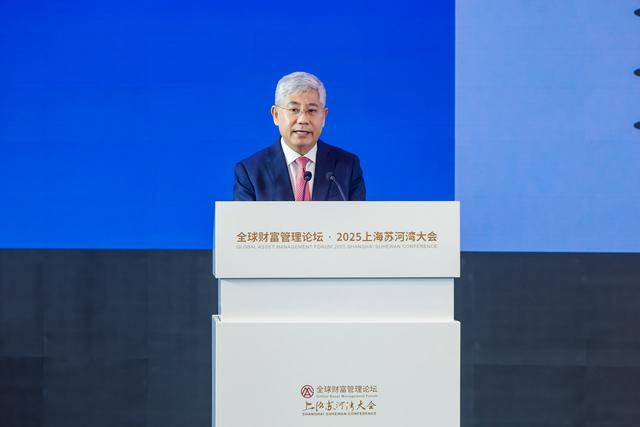
Core Insights - The Global Wealth Management Forum held on October 19 focused on "The Future Path Under Global Changes," highlighting the contrast between technological innovation and declining profit margins in industrial enterprises, attributed to China's economic structural transformation pains [1][3]. Economic Growth Potential - China has significant long-term growth potential, with emerging economies generally showing higher growth prospects. Chinese enterprises exhibit strong innovation capabilities, and the economy is in need of transformation [3]. Current Economic Challenges - In the short term, China's economy is facing challenges due to structural transformation pains, leading to a decline in industrial profit margins. The high growth rate of manufacturing investment is crucial for maintaining growth, with a projected year-on-year increase of 9.2% in 2024, which is expected to stimulate domestic demand [3]. Supply and Demand Imbalance - There is a notable issue where demand in the economy is rapidly shrinking, while supply capacity continues to increase, leading to an imbalance. This situation necessitates a focus on enhancing resident consumption as a key development goal, transitioning from high-speed growth to high-quality development [3].

前三季度,新增社会融资规模超30万亿元——金融支持实体力度保持稳固
Xin Hua Wang· 2025-10-18 23:23
Core Insights - The financial statistics released by the People's Bank of China indicate a robust financial support for the real economy, driven by a moderately loose monetary policy [1] Monetary Supply and Financing - As of the end of September, the M2 balance reached 335.38 trillion yuan, with a year-on-year growth of 8.4%, maintaining a high growth rate despite last year's high base [2] - The total social financing stock was 437.08 trillion yuan, showing a year-on-year increase of 8.7%, which is 0.7 percentage points higher than the same period last year [2] - In the first three quarters, the cumulative increase in social financing amounted to 30.09 trillion yuan, which is 4.42 trillion yuan more than the previous year [2] Credit Structure and Loan Growth - By the end of September, the balance of RMB loans was 270.39 trillion yuan, reflecting a year-on-year growth of 6.6% [3] - In the first three quarters, RMB loans increased by 14.75 trillion yuan, with household loans rising by 1.1 trillion yuan and corporate loans increasing by 13.44 trillion yuan [3] - The loan structure is improving, with significant growth in medium to long-term loans for both households and enterprises, particularly in key industries like equipment manufacturing and high-tech manufacturing [3][4] Policy Support and Cost of Financing - The average interest rate for newly issued corporate loans was approximately 3.1% in September, which is about 40 basis points lower than the same period last year, indicating a stable decline in financing costs [5] - Recent policies aimed at reducing interest costs for personal consumption loans and service industry loans have further stimulated demand [5] - Adjustments in housing purchase policies in major cities have led to a rebound in personal housing loan demand, with the average interest rate for new personal housing loans also at approximately 3.1%, down about 25 basis points year-on-year [5] Economic Outlook - The internal and external environments are showing signs of stabilization and improvement, with positive changes in corporate operations, consumer spending, and trade [6] - The monetary policy is expected to continue supporting the real economy in the fourth quarter, alongside active fiscal policies and the gradual realization of previously introduced measures [6] - Long-term structural transformation and industrial upgrades in the Chinese economy are anticipated to progress steadily, leading to a more balanced supply-demand relationship in the real economy [6]
2025年9月通胀点评:政策效果持续扩散,核心CPI与PPI同比继续上升
Orient Securities· 2025-10-16 07:32
Inflation Trends - Core CPI in September increased by 0.9% year-on-year, continuing its upward trend, significantly outperforming the overall CPI which decreased by 0.3% due to falling pork prices[6] - Industrial consumer goods prices rose by 1.8%, marking the fifth consecutive month of growth, driven partly by rising prices of gold and copper[6] Price Dynamics - Gold jewelry and platinum prices increased by 42.1% and 33.6% year-on-year, respectively, reflecting the impact of international commodity price fluctuations[6] - The PPI decline narrowed to 2.3% year-on-year in September, with significant contributions from coal processing and black metal smelting industries, reducing the downward pressure on PPI by approximately 0.34 percentage points[6] Consumer Behavior - The shift from a "price war" to a "value war" in consumer goods indicates an improvement in supply quality, with household appliance CPI trends diverging from copper price movements[6] - Strong demand for personalized and upgraded products is evident, with prices for certain categories like arts and crafts increasing by 14.7% year-on-year[6] Economic Outlook - The report suggests that the main drivers of economic growth are shifting from external demand to high-quality domestic demand, indicating a structural transformation in the economy[6] - Future inflation dynamics will largely depend on internal policies, with expectations for continued support for domestic demand through fiscal and monetary measures[6]
西班牙经济展现活力与韧性(国际视点)
Ren Min Ri Bao· 2025-10-14 22:12
Economic Performance - Spain's GDP grew by 2.8% year-on-year in Q1 and 2.7% year-on-year in Q2, outperforming the Eurozone average and market expectations, making it one of the best-performing economies in the Eurozone for the first half of the year [1][2] - The GDP growth rate for Spain is projected to reach 3.2% in 2024, with a forecasted range of 2% to 3% for 2025 [2] Tourism Sector - The tourism sector, accounting for approximately 70% of Spain's economy, has seen a significant recovery, with over 66.8 million international visitors in the first eight months of the year, a 3.9% increase from the previous year [2] - In August alone, Spain welcomed over 11.3 million international travelers, with expectations to surpass 100 million for the year [2] - Chinese tourists have notably increased, with 444,000 visitors from China in the first seven months, marking an 11.9% year-on-year growth [2][3] Agriculture and Food Industry - Spain is a major agricultural producer in the EU, being the fourth largest producer and the largest exporter of fruits and vegetables [3] - The export value of fresh fruits and vegetables increased significantly in the first half of the year, with 84% of exports going to the EU market, totaling approximately 5.57 million tons [3] - Spain's agricultural exports to China grew by 24.2% in Q1, highlighting the increasing importance of the Chinese market [3] Structural Transformation - Spain is actively pursuing economic structural transformation, focusing on green and digital transitions to foster new growth drivers [4][7] - The government has committed to investing €20 billion in digital transformation initiatives, including 5G network expansion and data center development [7] Energy Sector - Spain aims to increase the share of renewable energy in total energy consumption to 42% by 2030, supported by the EU recovery fund [6] - The country has seen significant growth in wind and solar energy installations, with over 5 million kilowatts added in the first half of the year [6] Bilateral Cooperation with China - Spain's trade with China reached $50.1 billion in 2024, with a 3.2% year-on-year increase, making China Spain's largest trading partner outside the EU [8] - The cooperation spans various sectors, including agriculture, renewable energy, and technology, contributing to mutual economic benefits [9]

旅游等产业快速复苏 中西经贸走深走实 西班牙经济展现活力与韧性(国际视点)
Ren Min Ri Bao· 2025-10-14 22:09
Economic Performance - In the first half of the year, Spain's GDP grew by 2.8% year-on-year in Q1, surpassing the Eurozone average, and continued to show strength with a 0.7% quarter-on-quarter growth and 2.7% year-on-year growth in Q2, making it one of the best-performing economies in the Eurozone [1] - Spain's GDP growth rate is projected to reach 3.2% in 2024, with a per capita GDP of approximately $35,000, and is expected to maintain a growth rate between 2% and 3% in 2025 [2] Sector Contributions - The tertiary sector, particularly tourism, plays a crucial role in Spain's economy, accounting for about 70% of GDP. In the first eight months of the year, Spain welcomed over 66.8 million international tourists, a 3.9% increase year-on-year, with August alone seeing over 11.3 million visitors [2] - Spain is a major agricultural producer, known as the "basket of Europe," being the fourth largest in the EU and the largest fruit and vegetable exporter. In the first half of the year, fresh fruit and vegetable exports increased significantly, with 84% of exports going to the EU market [3] Structural Transformation - Spain is actively pursuing economic structural transformation, focusing on green and digital transitions. The government aims to increase the share of renewable energy in total energy consumption to 42% by 2030, with significant investments in wind and solar energy [4] - The "Spain Digital 2026" strategy includes a commitment of €20 billion to enhance 5G network coverage and data center construction, with over 70% of SMEs receiving subsidies for digital transformation [5] Bilateral Cooperation - Spain and China have deepened their economic and trade relations, with bilateral trade reaching $50.1 billion in 2024, a 3.2% increase year-on-year. In the first eight months of this year, trade exceeded $36.585 billion, up 10.1% year-on-year, with Spain's agricultural products gaining popularity in China [6] - Chinese enterprises are actively involved in Spain's renewable energy projects, providing technical support and financing, while Spanish automotive manufacturers collaborate with Chinese partners on electric vehicle technology [7]
关键时刻!A股会怎么走?六大公募投研人士火线解读
天天基金网· 2025-10-13 01:48
2025年10月9日,沪指一度站上3900点,这是自2015年牛市以来时隔十年的重要突破,引 发市场广泛关注。 这一关口在当下有何重要意义?背后的主要驱动因素有哪些?后续哪些板块或行业有机会? 市场风险在哪里? 为此,记者采访了博时基金权益投资一部投资总监兼基金经理曾豪,永赢基金权益投资部联 席总经理、永赢锐见进取基金经理李文宾,嘉实信息产业基金经理李涛,诺安精选回报基金 经理吴博俊、上银基金经理陈博,富荣基金研究部/权益投资部总经理、基金经理郎骋成。 牛市来了还没上车?上天天基金APP搜索777注册即可领500元券包,优选基金10元起投!限 量发放!先到先得! A股可能迈入全新发展阶段 沪指时隔十年一度突破 3900点,对此你怎么看? 李涛: 此次突破不仅仅是数字的跨越,更是经济复苏、资本市场回稳向好、投资信心提升的 有力佐证。需要注意的是,虽然市场整体上行,但分化明显,这反映当前市场仍处于结构化 行情中。 李文宾: 这是 A股步入新发展阶段的重要标志。这一突破反映了资本市场投资逻辑的根本转 变,即从过去依赖流动性驱动和与传统投资驱动型经济挂钩,转向以新质生产力和中国优质 企业为核心。此外,市场结构的优化、 ...