高阶智驾

Search documents
舜宇光学科技(02382.HK):1H25业绩超预期 盈利能力同比改善明显
Ge Long Hui· 2025-08-23 12:00
Core Viewpoint - The company reported a slight earnings beat in 1H25, driven by improved profitability and a shift towards high-end products in mobile optics and automotive sectors [1]. Financial Performance - In 1H25, the company achieved revenue of 19.65 billion yuan, with year-on-year and quarter-on-quarter growth of 4% and 1% respectively [1]. - The net profit attributable to shareholders was 1.65 billion yuan, reflecting a year-on-year increase of 53% and a quarter-on-quarter increase of 2% [1]. - The gross margin improved to 19.8%, up 2.6 percentage points year-on-year and 0.5 percentage points quarter-on-quarter [1]. Product Development and Trends - The company continues to optimize its product structure, with mobile-related revenue growing by 2% in 1H25 despite a decline in shipment volumes for mobile lenses and camera modules [1]. - The average selling price (ASP) for mobile products increased by approximately 20% year-on-year, driven by a higher proportion of high-end products [1]. - The automotive lens shipments grew by 21.7% year-on-year, with module revenue increasing by about 35%, attributed to the accelerated penetration of Advanced Driver Assistance Systems (ADAS) [1]. Emerging Business Opportunities - The company is making strides in XR, handheld imaging, and machine vision sectors, with successful trials in virtual imaging lenses for AR and maintaining a leading position in AI glasses imaging modules [2]. - The company is capitalizing on the tourism economy and hardware-software innovations in handheld imaging, expanding its market presence [2]. - In machine vision, the company is broadening its application scope, with growing business in robotic systems for lawn care and logistics [2]. Profit Forecast and Valuation - The company is expected to continue its profit improvement trend, with net profit forecasts for 2025 and 2026 raised by 3% and 4% to 3.62 billion yuan and 4.26 billion yuan respectively [2]. - The current stock price corresponds to a P/E ratio of 21.9 times for 2025 and 18.4 times for 2026, with a target price of 99.2 HKD, indicating a potential upside of 25% [2].

港股通汽车ETF(159323)午后涨近2%,小鹏汽车大涨6%领跑一众持仓股
Mei Ri Jing Ji Xin Wen· 2025-08-11 06:35
Group 1 - The core viewpoint of the articles highlights the positive performance of the Hong Kong stock market, particularly in the automotive sector, driven by the upcoming launch of XPeng's new electric vehicle model and the favorable market conditions for car sales [1][2][3] Group 2 - XPeng Motors' CEO announced that the company's first "super electric vehicle," the XPeng X9, will be launched in Q4 2023, with over 1,000 test vehicles already deployed and a cumulative testing mileage exceeding 20 million kilometers [1] - The XPeng X9 is classified as a seven-seat plug-in hybrid electric vehicle, indicating a strategic move towards expanding its product offerings in the EV market [1] - XPeng Motors has also expanded its charging infrastructure, adding 86 self-operated charging stations in July, which includes various types of fast-charging stations [1] Group 3 - Guohai Securities forecasts that the vehicle replacement policy will boost passenger car sales in 2024 and continue to support automotive consumption in 2025, particularly benefiting high-quality car manufacturers [2] - The report recommends several automotive companies, including Li Auto, Geely, BYD, and Great Wall Motors, as they are expected to benefit from the high-end market segment [2] - The Hong Kong Stock Connect Automotive ETF (159323) focuses on the Hong Kong automotive sector, featuring a higher concentration of passenger vehicles and new energy vehicle manufacturers compared to similar indices in A-shares [2]
汽车行业周报:理想I8、乐道L90正式上市 重卡7月持续同比高增
Chan Ye Xin Xi Wang· 2025-08-05 05:19
Core Viewpoint - The automotive sector in A-shares underperformed the Shanghai Composite Index during the week of July 28 to August 1, 2025, with a decline of 2.4% compared to the index's drop of 0.9% [1] Group 1: Market Performance - The automotive sector index saw a weekly trading volume decrease, with sub-sectors such as passenger cars, commercial vehicles, parts, and automotive services experiencing declines of -3.4%, -0.5%, -2.1%, and -4.2% respectively [1] - In the Hong Kong stock market, major automotive companies like Li Auto, Xpeng, NIO, Leap Motor, and Geely experienced significant declines, with respective changes of -14.0%, -5.3%, -0.1%, -6.9%, and -9.2% [1] Group 2: Heavy Truck Sales - Heavy truck sales in July 2025 showed a year-on-year increase of approximately 42%, with wholesale sales reaching about 83,000 units [2] - Cumulative wholesale growth for heavy trucks from January to July 2025 was reported at 11%, with continuous year-on-year growth from April to July, and an expanding growth rate each month [3] Group 3: New Vehicle Launches - Li Auto launched its first pure electric SUV, the Li i8, on July 29, 2025, with prices ranging from 321,800 to 369,800 yuan. The vehicle features a dual-motor intelligent four-wheel drive system and offers two battery capacities with ranges of 670 km and 720 km [4] - NIO's flagship SUV, the L90, was launched on July 31, 2025, with prices between 265,800 and 299,800 yuan. The vehicle is built on a 900V pure electric architecture and offers a maximum power of 440 kW for the four-wheel drive version [5][6] Group 4: July Sales Data - Various automotive companies reported their July sales figures, with Leap Motor exceeding 50,000 units for the first time, and Li Auto delivering 30,731 vehicles. Xpeng reported a year-on-year increase of 229% with 36,717 units delivered [7] - BYD's total vehicle sales reached 344,300 units in July 2025, slightly up from 342,400 units in the same month last year, with pure electric and plug-in hybrid sales contributing significantly [7] Group 5: Industry Outlook - The automotive sector is expected to benefit from the continuation of the vehicle trade-in policy in 2025, which is anticipated to support upward automotive consumption [8] - Companies positioned for high-end development, such as Li Auto, Geely, and BYD, are expected to benefit from the ongoing strategic shift towards higher quality offerings [8] - The penetration of advanced driving assistance systems is projected to increase, benefiting leading manufacturers and related component suppliers [8]




七月流火上的中国汽车惊人之语
汽车商业评论· 2025-08-03 23:07
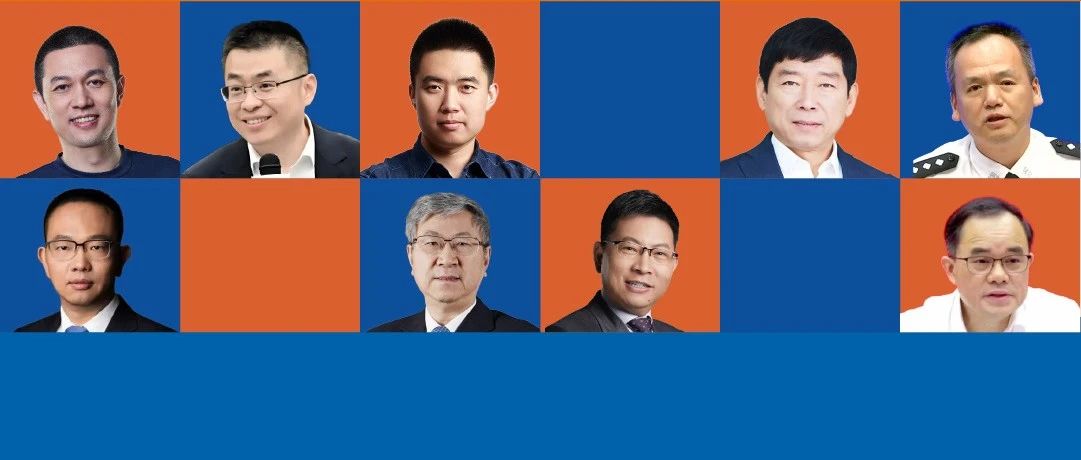
Core Viewpoint - The article discusses the intense competition and challenges within the Chinese automotive industry in July 2025, highlighting various industry leaders' statements and actions that reflect the sector's collective anxiety regarding transformation and market dynamics [5]. Group 1: NIO's Financial Transparency and Strategy - NIO's CEO Li Bin addressed the company's cumulative losses exceeding 100 billion RMB, emphasizing that the financial reports are transparent and clean, with losses primarily attributed to R&D and charging infrastructure investments [8][9]. - Li Bin compared NIO's financial approach to household renovations, stating that the company fully expenses R&D costs rather than amortizing them over time, which contributes to the perception of high losses [9][12]. - He criticized the industry's trend of increasing vehicle weight due to larger batteries, arguing that heavier vehicles cause more damage to roads and pose safety challenges [12][13]. Group 2: Huawei's Marketing Reflection - Huawei's executive Yu Chengdong clarified a misunderstanding regarding a "driving while sleeping" incident, using the opportunity to reflect on the company's marketing shortcomings and the need for better communication of product features [15][16]. Group 3: Great Wall's Recruitment Initiative - Great Wall's Chairman Wei Jianjun launched a "35+ recruitment campaign," promoting the idea that being over 35 is not a career dead-end but a new beginning, aiming to combat age-related anxiety in the workforce [19][20]. - This initiative reflects a broader recognition of the value of experienced employees in the automotive industry's transformation [19]. Group 4: Industry Warnings and Concerns - Bosch's executive Wu Yongqiao warned that offering high-level intelligent driving features for free could lead to a disaster for the industry, as it undermines the financial viability of R&D investments [36][37]. - He highlighted the contradiction of declining profits amidst rising revenues, urging the industry to adopt sustainable business models that allow for the recovery of R&D costs [37][38]. Group 5: Chery's Candidness on Industry Practices - Chery's Chairman Yin Tongyue openly discussed the company's cautious approach to technology and market competition, criticizing the industry's price wars and advocating for a more dignified international presence [25][26]. - He emphasized the importance of maintaining a positive image for Chinese automotive brands abroad and avoiding destructive competition [26][27]. Group 6: New Developments in the Automotive Sector - The establishment of the new China Chang'an Automobile Group marks a significant development in the industry, with ambitions to achieve a production and sales scale of 5 million vehicles by 2030, focusing on electric vehicles [40][41]. - The new entity aims to leverage its substantial resources and capabilities to become a top global automotive brand [41].

大众造增程车,丰田建电池厂,合资车企正在上演“生存式进化”
Hua Xia Shi Bao· 2025-08-01 10:41
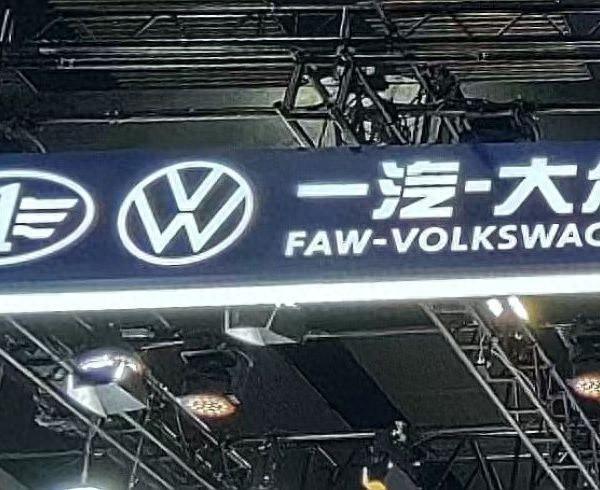
Core Insights - The Chinese automotive market is undergoing a silent transformation, with joint venture automakers rebounding after three years of declining market share, showing a significant recovery in the first half of 2025 [2][3] - The resurgence of joint venture brands is attributed to their strategic restructuring and adaptation to market trends, including deep operations in the fuel vehicle market and localization of new energy technologies [2][4] Joint Venture Recovery - In the first half of 2025, major joint venture automakers reported impressive sales figures, with FAW-Volkswagen achieving a cumulative sales of 436,100 units, a 3.5% year-on-year increase, and FAW Toyota seeing a 16% increase with 377,800 units sold [3] - The strong performance of fuel vehicles has been a key driver of this recovery, with models like the Volkswagen Sagitar and Magotan showing significant sales growth [3][4] Pricing Strategy - The adjustment of pricing strategies has been crucial for the recovery of the fuel vehicle market, with average promotional discounts for joint venture fuel vehicles reaching 23.1% in June 2025, nearly doubling from 13% in 2023 [4] - Many joint venture automakers have adopted a "one price" strategy, enhancing product competitiveness and reshaping consumer preferences [4] Channel Optimization - The optimization of distribution channels has injected strong momentum into terminal sales, with FAW-Volkswagen focusing on dealer return on investment and prioritizing channel health in its strategic agenda [4] - FAW Toyota's direct sales model for the Corolla has alleviated pricing competition among dealers while enhancing service quality [4] Localization and R&D - Joint venture automakers are restructuring their competitiveness through deep localization strategies, with a focus on local R&D and decision-making processes [6][8] - The shift towards local teams leading product development is evident, with new models like Nissan's N7 being entirely developed by Chinese teams [6] Dynamic Technology Adjustments - The ability to dynamically adjust technology routes is a significant aspect of the transformation, with Volkswagen's recent embrace of range-extended technology marking a notable shift in strategy [7] - The market is witnessing a surge in range-extended vehicle sales, with a 78.7% year-on-year increase in 2024, indicating a growing acceptance of this technology [7] Electric Vehicle Surge - Joint venture automakers are preparing for a wave of electric vehicle launches, leveraging local technology platforms to regain market influence [8][9] - Major brands are collaborating with Chinese tech companies to enhance their smart driving systems, ensuring competitiveness in the electric vehicle market [9] Conclusion - The rebound of joint venture automakers is not coincidental; it reflects a survival evolution in the Chinese market, where local technology and consumer demands are reshaping the automotive landscape [10]


头部玩家格局加速重塑,智驾行业圈地运动不断升级
Jing Ji Guan Cha Wang· 2025-07-19 04:38
Core Insights - The smart driving sector is experiencing a "land grab" phase as major players prepare for an imminent explosion in advanced intelligent driving technology [2] - BMW China has partnered with Momenta to develop a China-specific intelligent driving solution, marking another instance of collaboration between automakers and intelligent driving companies [2][4] - The development model for intelligent driving has shifted towards collaboration between automakers and intelligent driving solution providers, moving away from the previous focus on in-house development [2][5] Industry Dynamics - Several intelligent driving solution companies, including Huawei, Momenta, and Horizon Robotics, have emerged as leaders in the field, each forming partnerships with various automakers [3][8] - The competition has intensified, with a notable shift towards high-level intelligent driving capabilities, as "point-to-point" driving becomes the new benchmark for assessing advanced driving capabilities [6][8] - The trend of "intelligent driving equality" is emerging, with leading automakers like BYD pushing for widespread adoption of intelligent driving technologies, putting pressure on slower-moving companies [5][6] Company Collaborations - BMW began recruiting suppliers for advanced driver assistance systems in early 2025, with Momenta winning the bid [4] - Automakers are increasingly opting to collaborate with leading intelligent driving solution providers to quickly address their technological gaps [5][6] - Momenta has secured partnerships with major luxury brands, including BMW, Mercedes-Benz, and Audi, enhancing its credibility in the market [7] Market Positioning - Momenta has achieved significant market share, with 60.1% in the domestic third-party intelligent driving supplier market, followed by Huawei with 29.8% [7] - The competitive landscape is evolving, with a focus on deepening partnerships between automakers and intelligent driving suppliers, moving towards equity-based collaborations [9] - Companies like Lightyear and Yuanrong Qixing are gaining traction, with Lightyear aiming for a million units of advanced driving solutions by 2025 [8][9]

余承东称尚界将搭载华为高阶智驾
第一财经· 2025-07-11 02:11
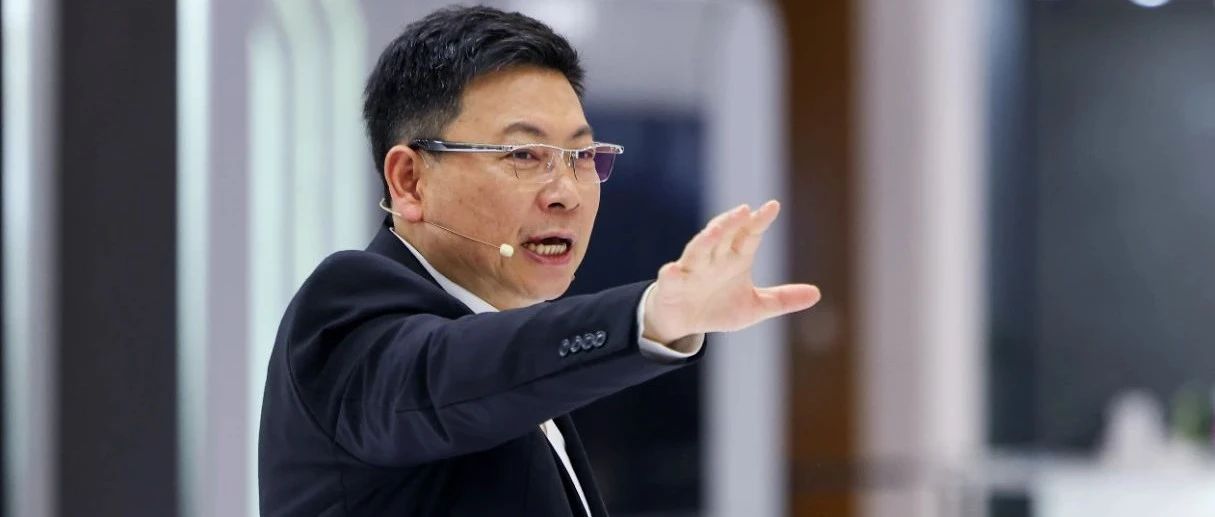
Core Viewpoint - The collaboration between Huawei and SAIC Group in launching the new car brand "Shangjie" indicates a significant step in the automotive industry, particularly in the integration of advanced driving technologies [1] Group 1 - The Shangjie automobile brand released a promotional poster on July 11, signaling its upcoming product launch [1] - Huawei's Executive Director, Yu Chengdong, shared the poster and hinted at the new vehicle's features, emphasizing its advanced driving capabilities [1] - The new car is expected to be launched in the autumn of this year, showcasing Huawei's high-level intelligent driving technology [1]
智驾再升级,新周期的阿尔法机会——整车行业2025年度中期投资策略
2025-07-11 01:05
Summary of the Conference Call on the Automotive Industry and Companies Industry Overview - The new energy vehicle (NEV) sector experienced a 30% growth in the first half of the year, but penetration rates were lower than expected, hovering between 50% and 52% due to price wars [1][4] - Policy and regulatory interventions are expected to alleviate price war pressures, benefiting NEV companies with strong product capabilities [1][4] - The overall automotive industry is anticipated to enter an upward cycle in the second half of the year, driven by new vehicle launches and improved market sentiment [3] Key Companies to Watch - Companies such as Li Auto, Geely, Xiaomi, and BYD are favored in the automotive sector due to their strong competitiveness in the new vehicle cycle and potential for overseas expansion [1][5] - XPeng's advancements in intelligent driving and chip applications present new opportunities worth monitoring [1][5] - BYD, SAIC, Geely, and other enterprises are noted for their performance in overseas markets, where profits are higher than in the domestic market [2][16] Sales and Inventory Insights - Overall vehicle sales were strong, with June wholesale volumes exceeding 2 million units, reflecting a 25% year-on-year increase [6] - NEVs maintained a 30% growth rate, while inventory levels have decreased from a peak earlier in the year to relatively low levels by July [6] Future Projections - The penetration rate of advanced intelligent driving (IA) in urban areas is expected to rise from 9% in 2024 to over 15% by May 2025, with projections to double to over 30% by 2026 [10] - The NEV penetration rate in China is currently around 46%, with expectations to reach 65%-70% in the future, indicating significant growth potential [12] Policy and Market Dynamics - Policy subsidies are projected to maintain a 4% growth rate in vehicle registrations for the year, although growth may slow in the second half due to high base effects [8] - The market is expected to see a "rush installation effect" and strong new vehicle cycles, potentially leading to record-high sales in the latter half of the year [9] Export Trends - China's NEV exports account for approximately 30% of total overseas sales, with pure electric vehicles making up 33% and plug-in hybrids 13% [15] - The European market is showing signs of recovery, with expectations for NEV penetration to rise from 20% to 32%, providing significant opportunities for Chinese automakers [15] Emerging Opportunities - The ultra-luxury automotive market presents notable opportunities, particularly for Jianghuai, which is expected to become a significant profit source in the coming years [22] - Companies like Geely and Li Auto are accelerating their new vehicle layouts, with SAIC and Great Wall also set to launch new models soon [20] Market Sentiment - The automotive industry is currently in a phase of pessimistic expectations, with price stabilization and a rebound in beta [23] - Strong vehicle cycles are anticipated to provide upward opportunities, suggesting a favorable window for automotive development [23]
汽车行业周报:小鹏G7引领高算力,智能汽车加速发展-20250707
Shanghai Aijian Securities· 2025-07-07 11:19
Investment Rating - The automotive industry is rated as "Outperforming the Market" [2][13]. Core Insights - The automotive sector experienced a slight increase of +0.1% this week, with the A-share automotive index closing at 6,947.9 points, ranking 25 out of 31 sectors, while the CSI 300 index rose by +1.5% to 3,982.2 points [2][4]. - The top-performing stocks in the A-share automotive sector this week included Taotao Automotive (+29.8%), Hunan Tianyan (+21.0%), and Zhengyu Industrial (+18.3%) [2][7]. - New energy vehicle sales are expected to benefit from seasonal consumption activities, particularly in lower-tier markets [2]. - The sales performance of new energy vehicle brands is influenced by pricing strategies in the short term, while product intelligence will be a key factor in the long term [2]. Summary by Sections Market Performance - The A-share automotive sector's weekly performance was +0.1%, with sub-sectors showing varied results: motorcycles and others (+5.1%), commercial vehicles (+1.5%), automotive services (+1.1%), passenger vehicles (+0.4%), and automotive parts (-0.7%) [2][6]. - The cumulative sales data for the first half of 2025 indicates that Xpeng Motors achieved a completion rate of 56.3% of its annual sales target, while other brands like Li Auto and NIO lagged behind [2]. Key Developments - Xpeng G7 was launched with a strong initial response, achieving over 10,000 pre-orders in just 9 minutes, indicating its potential as a hot-selling model [2]. - The G7 features advanced computing capabilities with a total vehicle computing power of 2,250 TOPS, which is expected to enhance user experience and differentiate it from competitors [2]. - JD Logistics introduced its self-developed unmanned logistics vehicle, which is anticipated to accelerate the development of unmanned logistics vehicles [2]. Investment Recommendations - The report suggests focusing on leading smart automotive brands like Xiaomi Group and Xpeng Motors, which are expected to establish user experience differentiation [3]. - In the automotive parts sector, attention is drawn to companies transitioning from single component suppliers to integrated system providers, such as Baolong Technology [3]. - The report also highlights the growing demand for testing and inspection services due to the rapid development of smart vehicles, recommending companies like China Automotive Research [3].
汽车周报:反内卷需要新卖点,关注智驾强标的影响-20250706
Shenwan Hongyuan Securities· 2025-07-06 11:14
Investment Rating - The report maintains a "Positive" investment rating for the automotive industry, particularly focusing on the mid-to-high-end market and strong alpha companies [3][4]. Core Insights - The Chinese automotive market is transitioning between the third and fourth consumption eras, with a notable expansion in mid-to-large SUVs and personalized products, indicating untapped consumer potential [4]. - The report emphasizes the importance of innovative supply to stimulate market demand, highlighting products like Yu7, Zun Jie S800, and upcoming models from Li Auto as key drivers [4]. - The report suggests continued attention to strong alpha manufacturers such as Li Auto, JAC, Xiaomi, and Seres, as well as their corresponding supply chain companies [4]. Industry Update - Retail sales of passenger cars reached 570,000 units in the 26th week of 2025, with a month-on-month decrease of 1.38%. Traditional energy vehicles sold approximately 274,000 units, down 7.43%, while new energy vehicles sold 296,000 units, up 4.96%, achieving a penetration rate of 51.93% [4]. - The automotive industry experienced a total transaction value of 425.645 billion yuan this week, reflecting a week-on-week decrease of 5.01% [4]. - The automotive industry index rose by 0.10% this week, while the Shanghai and Shenzhen 300 index increased by 1.54%, indicating that the automotive sector's performance was below the broader market [11]. Market Conditions - The report notes that 123 automotive stocks rose while 159 fell this week, with the largest gainers being TaoTao Automotive, Hunan Tianyan, and Zhengyu Industrial, which saw increases of 29.8%, 21.0%, and 18.3%, respectively [15]. - Key events include the launch of the Xiaopeng G7, which exceeded pricing expectations and features advanced autonomous driving capabilities, and the opening of BYD's factory in Brazil, enhancing its presence in the Latin American market [5][8]. Investment Recommendations - The report recommends focusing on domestic strong alpha manufacturers such as BYD, Geely, and Xiaopeng, as well as companies involved in the trend of smart technology, including Jianghuai Automobile and Seres [4]. - It also suggests monitoring state-owned enterprise reforms, particularly with SAIC Motor, and identifying component manufacturers with strong growth potential, such as Fuyao Glass and New Spring [4]. Key Events - Xiaopeng G7 was launched with a starting price of 195,800 yuan, featuring advanced AI capabilities and a significant increase in autonomous driving performance [5][41]. - BYD's new factory in Brazil aims for an annual production capacity of 150,000 vehicles, with plans to expand to 300,000 units, marking a significant step in its global strategy [8][9].