6G通信

Search documents
吉大通信(300597) - 300597吉大通信投资者关系管理信息20251106
2025-11-06 00:52
Group 1: Market Response and Strategy - The company is enhancing its core competitiveness by focusing on smart products and improving product quality, usability, and stability to respond to rapid AI product iterations and intense competition [1] - Despite declining discount rates in traditional business due to fierce competition, the company maintains stable order volumes from major clients [2] - The company has transitioned from traditional communication services to providing comprehensive ICT solutions, successfully winning multiple projects in data center construction [2][3] Group 2: Technological Innovation and Development - The company is actively integrating AI, big data, and IoT technologies into various applications, including smart canteens and energy information systems, to drive innovation and expand into new business areas [4][5] - A partnership with Jilin University has been established to create an AI joint laboratory, focusing on advanced technology research and application in the livelihood and industrial sectors [9] Group 3: ESG and Sustainable Development - The company emphasizes sustainable development by aligning its business strategies with environmental, social, and governance (ESG) principles, aiming for high-quality growth during the 14th Five-Year Plan [5][6] - Initiatives include promoting clean energy usage and enhancing energy efficiency to mitigate climate change impacts [6] Group 4: Investor Relations and Market Position - The company prioritizes the protection of minority investors' interests by adhering to legal regulations and optimizing return mechanisms [7] - The company is committed to enhancing its market value and transparency, with plans for potential stock buybacks and improved investor communication [8] Group 5: International Expansion - The company aims to leverage its 5G and emerging technology advantages to meet global digital transformation needs, expanding into new markets along the Belt and Road Initiative [10]
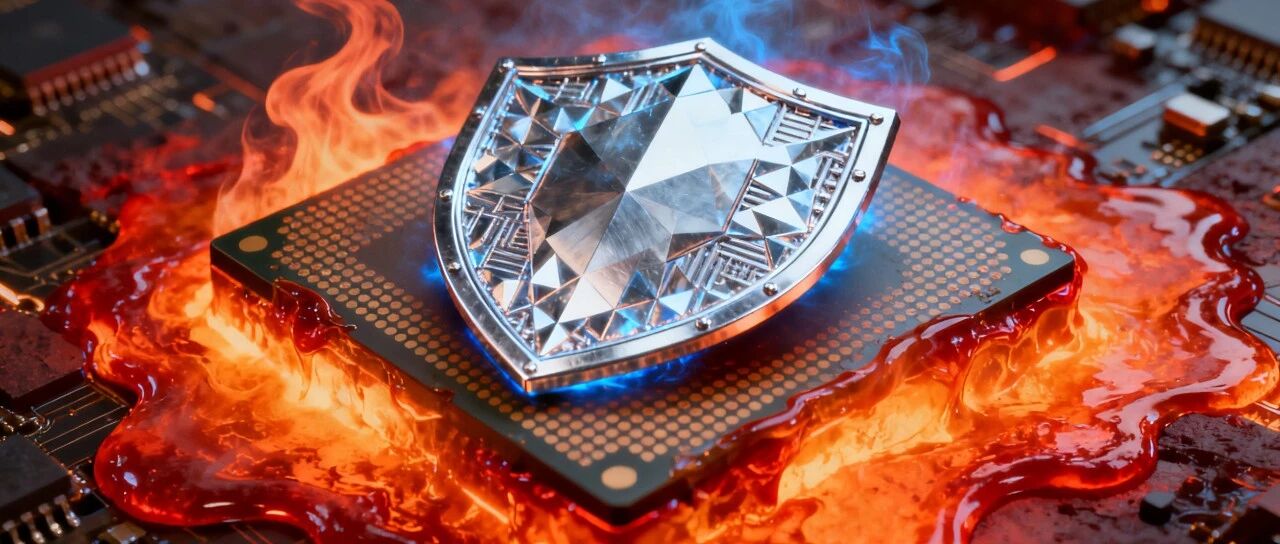
破解“散热天花板”:金刚石铜复合材料的百亿征程(附分析报告)
材料汇· 2025-11-04 14:54
Core Insights - The article emphasizes the critical role of heat dissipation technology in high-power and high-density electronic devices, highlighting the shift from traditional materials to diamond-copper composite materials as a solution to thermal management challenges [1][3][4]. Group 1: Heat Dissipation Technology - Heat dissipation systems have evolved from being performance optimization components to core constraints on product performance, driven by the exponential increase in heat flow density [4][11]. - Traditional heat pipe technologies face significant limitations, with performance degradation exceeding 40% in complex applications, necessitating the development of high-performance composite materials [11][12]. Group 2: Market Dynamics and Challenges - The article outlines the challenges faced in various sectors, including AI chips, electric vehicles, and 5G base stations, where heat flow densities exceed 300 W/cm², leading to significant performance losses and increased operational costs [10][12][13]. - The economic implications of heat management are underscored, with data indicating that a 10°C increase in temperature can reduce reliability by 50%, emphasizing the need for effective thermal solutions [7][13]. Group 3: Diamond-Copper Composite Materials - Diamond-copper composite materials are identified as a breakthrough solution, combining the high thermal conductivity of diamond with the workability and electrical conductivity of copper, achieving thermal conductivities exceeding 1000 W/m·K [18][22]. - The material's advantages include precise thermal expansion matching, which mitigates interface cracking issues, and excellent environmental adaptability, making it suitable for extreme conditions [22][23]. Group 4: Industry Landscape and Growth Potential - The diamond-copper industry is characterized by a complete supply chain in China, with over 90% domestic production, and a significant profit margin in the midstream manufacturing segment [35]. - The global market for diamond-copper composites is projected to grow from $160-190 million in 2024 to $350-380 million by 2030, driven by high heat flow density applications in AI, electric vehicles, and 6G communications [36][37]. Group 5: Competitive Landscape - The competitive landscape shows a dichotomy where international giants dominate high-end markets while domestic companies accelerate local replacements, focusing on cost control and technological advancements [45]. - Key players include Japan's Sumitomo Electric, which holds a significant market share, and various Chinese firms that are entering supply chains of major companies like Huawei and BYD [45]. Group 6: Future Trends - Future developments are expected to focus on technological breakthroughs and the expansion of application scenarios, with an emphasis on integrating multiple manufacturing processes and enhancing performance in both consumer and aerospace markets [53][54].


顺络电子(002138.SZ):在储能领域主要布局了SOFC高温燃料电池(属于固态电池)与微逆等相关产品
Ge Long Hui· 2025-11-04 07:41
Core Viewpoint - The company is actively engaged in foundational research for 6G communication, which is still in its early stages within the industry [1] - The company has made significant investments in the energy storage sector, focusing on SOFC high-temperature fuel cells and micro-inverters [1] Group 1 - The industry is currently in the initial phase of 6G communication research [1] - The company is conducting research in foundational areas related to 6G technology [1] Group 2 - The company is primarily focused on SOFC high-temperature fuel cells, which are categorized as solid-state batteries [1] - The company is also involved in related products such as micro-inverters in the energy storage field [1]

航天强国战略提升!最新解读来了
Zhong Guo Ji Jin Bao· 2025-11-02 08:22
Core Viewpoint - The commercial aerospace industry is entering a golden era of scaled development, driven by policy support, capital investment, and technological advancements, particularly following the elevation of the "Aerospace Power" strategy in China's 20th Central Committee [1][3][4] Policy and Strategic Importance - The "Aerospace Power" strategy has been recognized as a core national strategy, indicating a significant upgrade in policy support for the aerospace industry, which is expected to attract more resources and investment [3][4] - The 14th Five-Year Plan emphasizes the acceleration of strategic emerging industries, including aerospace, which is anticipated to lead to rapid growth in demand and commercialization [4][12] Investment Logic Transformation - The investment logic in the aerospace sector is shifting from theme-driven to a more fundamental-driven approach, focusing on long-term industry trends rather than short-term thematic investments [3][6] - The aerospace sector is expected to transition from being primarily military-focused to encompassing more commercial applications, with significant growth potential in areas like satellite communication and general aviation [7][11] Industry Fundamentals and Valuation - Current fundamentals in the aerospace industry are improving, with companies showing high gross margins and growth potential, making the sector attractive for value investment [6][7] - The valuation of aerospace companies is considered reasonable, with many firms not experiencing significant price increases recently, suggesting a favorable risk-reward profile [6][13] Commercialization and Growth Prospects - The commercialization of aerospace is expected to accelerate, particularly in satellite communication and low-altitude economy sectors, driven by technological advancements and decreasing costs [5][10] - The aerospace industry is projected to see a surge in demand over the next five years, supported by strong policy backing and market dynamics [4][12] Sector Performance and Timing - The aerospace sector is viewed as being in a developmental early stage, with significant long-term growth potential, but also facing high risks due to technological uncertainties and market competition [8][13] - Investors are advised to consider index-based investment strategies to mitigate risks associated with stock selection in this complex industry [12][13] Expected Order of Performance in the Value Chain - The aerospace industry's performance is expected to materialize in phases, starting with satellite infrastructure, followed by low-altitude vehicles and aerospace materials, and finally commercial applications [9][10]

这些未来产业如何助力中国下一个五年?
Huan Qiu Wang· 2025-11-02 04:51
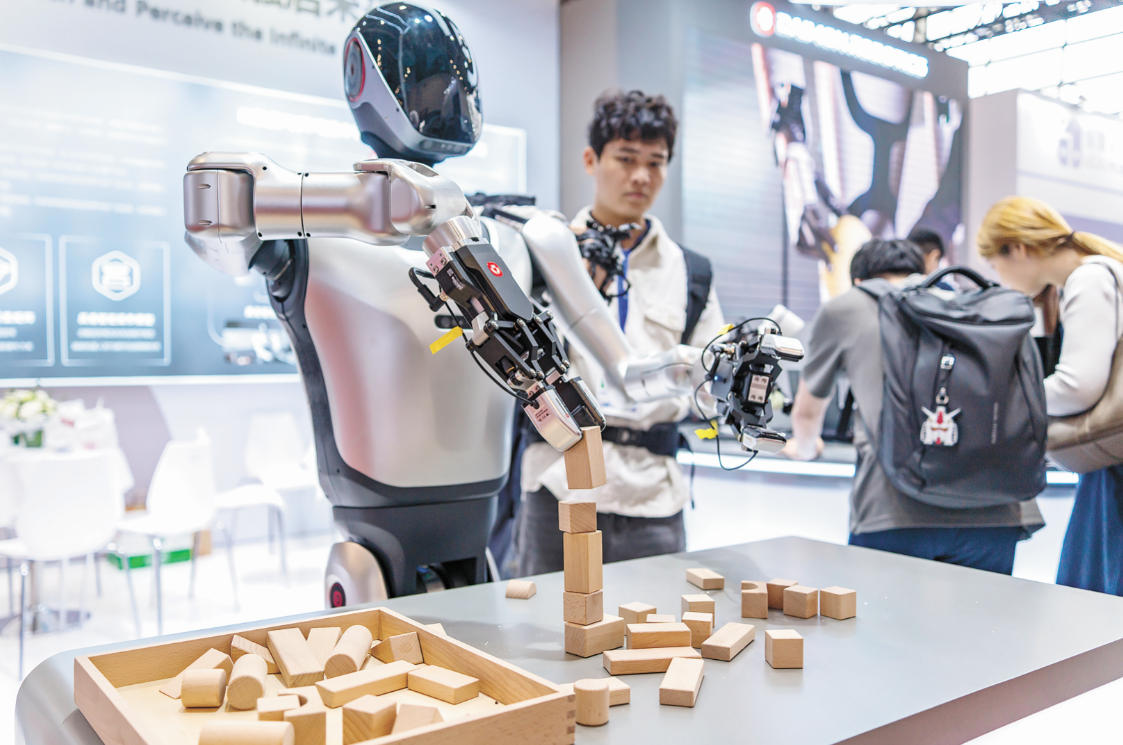
Core Insights - The article discusses China's strategic focus on emerging industries as outlined in the 14th Five-Year Plan, emphasizing the development of sectors like quantum technology, bio-manufacturing, and embodied intelligence as new economic growth points [1][12]. Group 1: Embodied Intelligence - The embodied intelligence industry in China is rapidly advancing, transitioning from technology validation to industrialization and ecosystem development [3]. - Significant breakthroughs have been made in algorithms, operating systems, and low-power computing platforms, enabling robots to interact more naturally with the physical world [3]. - The next five years are expected to see humanoid robots evolve into a platform for various applications, although widespread household adoption remains unlikely due to cost and reliability challenges [4][5]. - The industry is anticipated to drive innovation in manufacturing, leading to a shift from automation to self-organization and cognitive manufacturing [5]. Group 2: Quantum Technology - Quantum technology is recognized as a critical component of future industrial development, with applications in quantum computing, communication, and measurement [6][8]. - Global competition in quantum computing is intensifying, with over 300 companies emerging in the field, and significant investments being made by various countries [8][10]. - China is making strides in quantum technology, with initiatives to create a comprehensive ecosystem that includes hardware, software, and applications [10][11]. - The potential applications of quantum computing span various industries, including finance, pharmaceuticals, and logistics, with ongoing collaborations yielding promising results [9][10]. Group 3: Bio-Manufacturing - Bio-manufacturing is positioned as a future industry with the potential to rival the scale of the electric vehicle sector, contributing significantly to China's GDP by 2049 [12][14]. - The sector is expected to drive innovation across multiple fields, including agriculture, healthcare, and environmental sustainability [15][16]. - China's advancements in life sciences and biotechnology are noted, with the potential for the country to lead in global gene sequencing and biomanufacturing [15][16]. Group 4: 6G Technology - The 6G industry is projected to become a new economic growth point, with expectations of a market size exceeding $150 billion by 2030, and China aiming for a significant market share [17][19]. - 6G technology is seen as foundational for the development of various emerging industries, including aerospace and brain-computer interfaces [19]. - Despite China's advantages in deployment and engineering talent, challenges remain in chip technology, which is crucial for 6G development [20].
10亿美元投资诺基亚!英伟达剑指AI通信市场,6G要来了?
Sou Hu Cai Jing· 2025-10-30 12:43
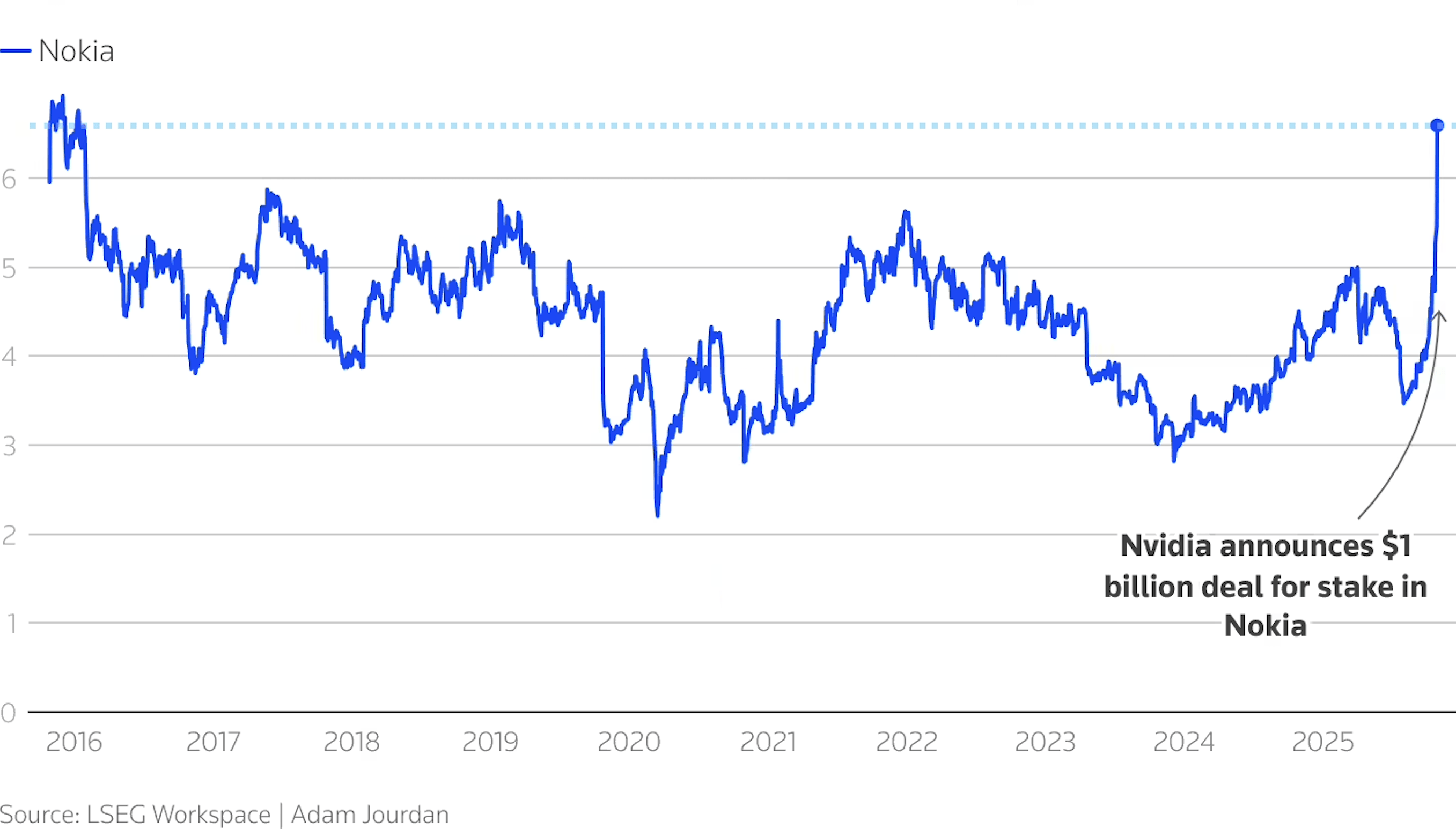
Core Insights - Nvidia and Nokia have announced a strategic partnership to integrate Nvidia's AI technology into Nokia's RAN products, enabling telecom service providers to deploy AI-supported 5G-A and 6G networks [1][6] - Nvidia will invest $1 billion in Nokia at a subscription price of $6.01 per share, making it Nokia's second-largest shareholder [1] - Following the announcement, Nokia's stock surged by 23%, reaching a nearly ten-year high, while Nvidia's market capitalization surpassed $5 trillion for the first time [2][5] Group 1: Partnership Details - The collaboration will introduce commercial-grade AI-RAN products into Nokia's RAN portfolio, enhancing the capabilities of telecom networks [1][19] - Nvidia's investment signifies a strong commitment to the partnership, positioning both companies to leverage their respective strengths in AI and telecommunications [1][11] - The partnership aims to optimize spectrum utilization and reduce energy consumption in RAN, which currently accounts for approximately 1.5% to 2% of global energy consumption [18] Group 2: Market Context - The global RAN market is projected to exceed $200 billion by 2030, with AI-RAN being a significant growth area [13] - Over 250 companies, including major players like Apple and Samsung, have licensed Nokia's patented technology, highlighting Nokia's strong position in the telecommunications sector [7] - Nokia's extensive patent portfolio, including over 7,000 essential patents for 5G standards, reinforces its critical role in the industry [6][7] Group 3: Future Outlook - The AI-RAN alliance, co-founded by Nvidia and other tech giants, aims to drive the integration of AI with next-generation communication technologies [16][22] - The partnership will facilitate the development of applications such as autonomous driving and real-time decision-making capabilities, enhancing the overall network experience [20][19] - As the industry moves towards AI-native 6G communication, the collaboration between Nvidia and Nokia positions them at the forefront of this technological evolution [21][22]


盘前必读丨美联储宣布降息25个基点;贵州茅台第三季度净利同比微增0.48%
Di Yi Cai Jing Zi Xun· 2025-10-30 00:01
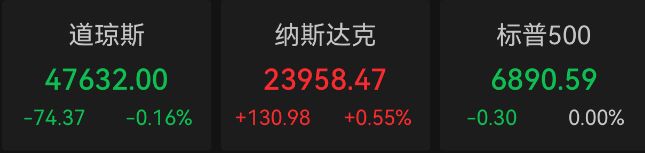
Group 1 - The U.S. Federal Reserve lowered the overnight benchmark interest rate by 25 basis points, bringing it to a range of 3.75% to 4%, marking the second rate cut of the year [1] - Nvidia's market capitalization surged to over $5 trillion, making it the first U.S. company to reach this milestone [1] - The performance of major tech stocks was mixed, with Google up 2.5%, Amazon up 0.5%, and Oracle down 2.0% [1] Group 2 - The Nasdaq China Golden Dragon Index slightly declined by 0.03%, with Alibaba up 1.8% and JD down 0.5% [2] - International oil prices saw a modest increase, with WTI crude oil rising by 0.55% to $60.48 per barrel [2] - COMEX gold futures for October delivery rose by 0.44% to $3983.70 per ounce before retreating [3] Group 3 - A new strategic emerging industry development fund was launched in China with an initial scale of 51 billion yuan, aimed at accelerating the development of strategic emerging industries [3] - The China Securities Regulatory Commission's Beijing bureau announced measures to promote long-term capital entering the market [3] - The U.S. announced new sanctions against Russian oil giants, targeting Lukoil and Rosneft [5] Group 4 - South Korea agreed to invest $200 billion in the U.S. in cash as part of a tariff agreement [4] - The Federal Reserve indicated that further rate cuts in December are not guaranteed, with current indicators showing moderate economic expansion [4] Group 5 - Guizhou Moutai reported a third-quarter net profit of 19.224 billion yuan, a year-on-year increase of 0.48% [7] - Tianqi Lithium reported a net profit of 180 million yuan for the first three quarters, marking a return to profitability [7] - NewEase Technology's third-quarter net profit surged by 205.38% year-on-year to 2.385 billion yuan [7]

美股异动|昨日因获英伟达投资暴涨超22%后,诺基亚回调跌超5%
Ge Long Hui A P P· 2025-10-29 13:52
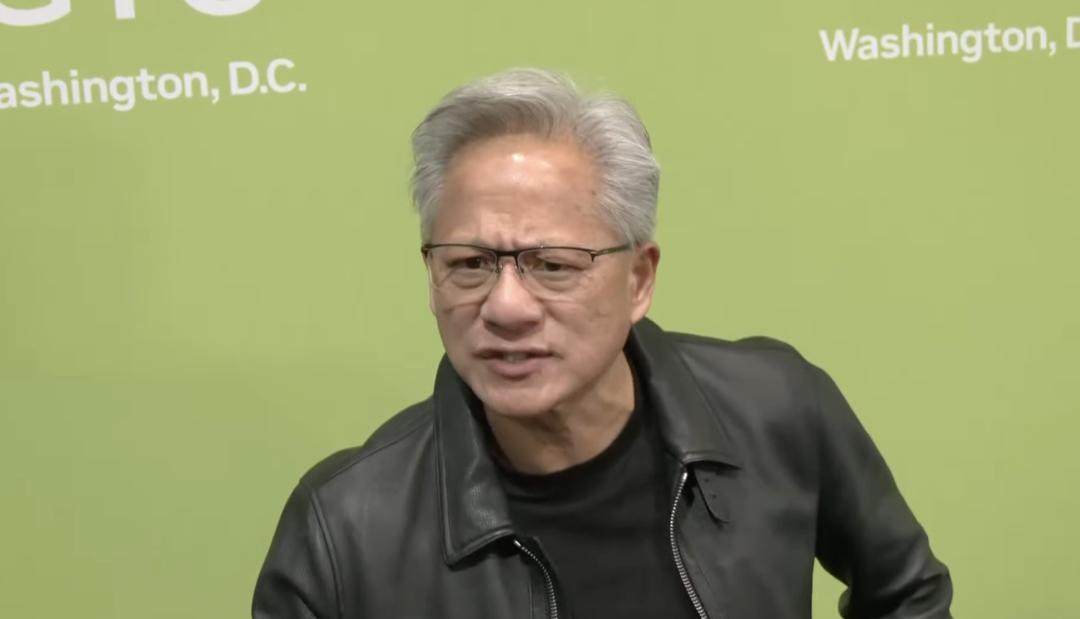
Core Viewpoint - Nokia's stock experienced a significant drop of over 5%, closing at $7.37, following a previous surge of over 22% [1] Group 1: Strategic Investment - NVIDIA's CEO Jensen Huang announced a strategic investment of $1 billion in Nokia during the GTC DC conference in Washington [1] - This investment is part of a broader strategic technology alliance aimed at advancing the development of next-generation 6G communication technology [1]
北证50大涨超8%,上证指数再度站上4000点|华宝3A日报(2025.10.29)
Xin Lang Ji Jin· 2025-10-29 09:30
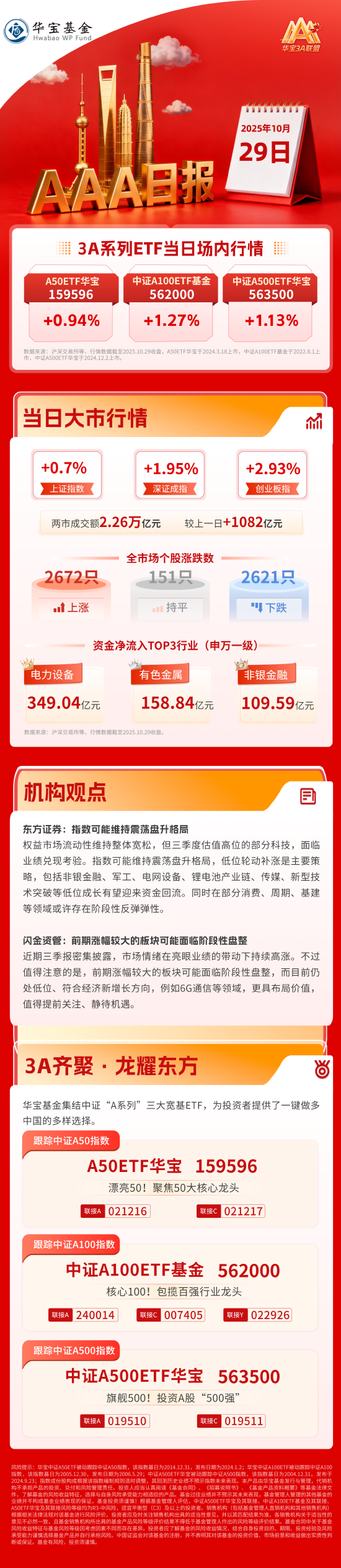
Core Viewpoint - The market is experiencing a mixed trend with potential for low-level rotation and recovery in certain sectors, while some previously high-performing sectors may face consolidation [3][4]. Market Performance - The overall market saw a trading volume of 2.26 trillion yuan, an increase of 108.2 billion yuan from the previous day [1]. - The major indices showed positive movements: - Shanghai Composite Index increased by 0.7% - Shenzhen Component Index rose by 1.95% - ChiNext Index gained 2.93% [1]. Sector Analysis - The top three sectors with net capital inflow were: - Electric Power Equipment: 158.84 billion yuan - Non-banking Financials: 349.04 billion yuan - Lithium Battery Industry Chain: 109.59 billion yuan [2]. Investment Strategies - According to Dongfang Securities, the index is likely to maintain a fluctuating upward trend, with low-level rotation and recovery strategies focusing on sectors like non-banking finance, military industry, electric grid equipment, lithium battery chain, media, and new technology breakthroughs [3]. - Flash Gold Asset Management noted that sectors with previous significant gains may undergo a phase of consolidation, while low-position sectors aligned with new economic growth directions, such as 6G communication, present valuable investment opportunities [4]. ETF Offerings - Huabao Fund has launched three major broad-based ETFs tracking the China A50, A100, and A500 indices, providing investors with diverse options to invest in leading companies [5].
黄仁勋台上最强GPU炸场,台下感叹“中国芯片爆发”,瞄准6G投资诺基亚
3 6 Ke· 2025-10-29 08:55
Core Insights - Nvidia's new GPU launch has generated significant attention, particularly regarding its implications for the Chinese chip market, with CEO Jensen Huang highlighting the revolutionary nature of Chinese models like Qwen and DeepSeek [1][3]. Group 1: Nvidia's New Products - The newly announced Vera Rubin chip boasts a computing power of 100 PFLOPs, which is 100 times more powerful than Nvidia's first dedicated AI computer, DGX-1 [3]. - Vera Rubin is the third generation of NVLink 72 architecture, featuring a new design across chips, systems, software, and model architecture [5]. - The Vera Rubin platform will achieve 3.6 Exaflops of FP4 inference power and 1.2 Exaflops of FP8 training power by late 2026, representing a 3.3 times improvement over the previous GB300 NVL72 [10]. Group 2: Strategic Collaborations and Investments - Nvidia plans to collaborate with the U.S. Department of Energy to build seven supercomputing clusters, with two new supercomputers based on the Vera Rubin platform expected to be operational by 2027 [12]. - Nvidia has invested $1 billion in Nokia to develop a new AI-native 6G communication platform, which has led to a significant increase in Nokia's stock price [23]. Group 3: Competitive Landscape - Competitors such as AMD and Qualcomm are also making strides in the AI and data center markets, with AMD recently securing two supercomputer contracts worth $1 billion [26]. - The competition in quantum computing is intensifying, with IBM successfully implementing quantum computing without GPUs, posing a challenge to Nvidia's approach [30]. - The 6G communication sector is also seeing fierce competition, with significant advancements made by teams in China [32]. Group 4: Market Reaction - Following the announcements, Nvidia's stock price rose by 4.98% to $201.03 per share, reaching a post-market price of $204.43, which resulted in a market value increase of $315.4 billion [34].