
业绩增长

Search documents
奥思集团公布年度业绩 公司拥有人应占溢利8125.8万港元 同比增长19%
Zhi Tong Cai Jing· 2025-12-15 11:25
Core Viewpoint - Aosi Group (01161) reported its annual results for the year ending September 30, 2025, showing a slight decrease in revenue but a significant increase in profit attributable to shareholders [1] Financial Performance - Revenue for the year was approximately HKD 981 million, representing a year-on-year decrease of 0.19% [1] - Profit attributable to shareholders was HKD 80.887 million, reflecting a year-on-year increase of 19% [1] - Earnings per share were HKD 0.119, with a proposed final dividend of HKD 0.025 per share [1] Operational Highlights - The growth in profit was attributed to the company's prudent financial management and cost optimization measures [1] - The company successfully leveraged economies of scale and maintained a strong commitment to service quality and providing an exceptional beauty experience for customers [1]
华联期货股指年报:预计股指中期攀升格局未改
Hua Lian Qi Huo· 2025-12-15 11:05
Report Industry Investment Rating No relevant content provided. Core Viewpoints of the Report - The mid - term upward trend of stock index remains unchanged, but the growth rate may slow down. The core driving force for the mid - term rise of the stock index is the confirmation of the performance bottom and the profit repair. The significant entry of incremental funds and favorable policies also contribute to the market's upward movement. With the introduction of year - end favorable policies and the stimulation of the 14th Five - Year Plan, the stock index may enter a cross - year layout market from December to January, and the spring market is worth looking forward to. It is recommended to focus on the CSI 500, SSE 50, CSI 300, and CSI 1000 indices and buy call options [14]. Summary According to Relevant Catalogs 1. Annual Viewpoint and Strategy - **Market Review**: In 2025, the market first fluctuated and adjusted, then rose significantly and exceeded the previous year's high, showing an overall upward trend. All four major indices rose, with small and medium - cap stock indices leading the gains. In terms of style indices, growth and cyclical indices had the largest increases, with the former rising over 35%. The stable - style index hardly rose, and the financial and consumer - style indices had relatively low increases. In the Shenwan industry, most industries rose, but some declined. TMT and cyclical sectors such as communication, non - ferrous metals, electronics, and comprehensive led the gains, with the first two having annual increases of over or close to 80%. Industries with lower increases included real estate, commercial trade, public utilities, building decoration, and banking. Declining industries were food and beverage, coal, and transportation [9]. - **Economic Situation**: In November 2025, the manufacturing PMI was 49.2%, up 0.2 percentage points from the previous month; the non - manufacturing PMI was 49.5%, down 0.7 percentage points from the previous month. In terms of sub - items, both supply and demand in the manufacturing PMI rebounded slightly in November, with new export orders rebounding by 1.7%, which was related to the easing of Sino - US tariffs. Factory prices and raw material purchase prices rebounded after two months of decline [9]. - **Policy Situation**: The Political Bureau set the tone for the real estate market to stop falling and stabilize and boost the capital market. The State Council issued the new Nine - Article Guidelines to strengthen investor returns. The central bank created two new monetary policy tools. The implementation plan for promoting the entry of medium - and long - term funds into the market was officially released, which is expected to add 800 billion yuan of long - term funds to the A - share market annually [9]. - **Performance Situation**: A - share performance showed signs of stabilization in the first quarter. After the implementation of reciprocal relations with the US in April, which increased by 30%, performance declined in the second quarter and showed fluctuations. Performance continued to stabilize and rebound in the third quarter, and the performance of the four major indices rebounded again in Q3 2025 [9]. 2. Index and Industry Trend Review - The market in 2025 first fluctuated and adjusted, then rose significantly and exceeded the previous year's high, showing an overall upward trend. All four major indices rose, with small and medium - cap stock indices leading the gains. In terms of style indices, growth and cyclical indices had the largest increases, with the former rising over 35%. The stable - style index hardly rose, and the financial and consumer - style indices had relatively low increases. In the Shenwan industry, most industries rose, but some declined. TMT and cyclical sectors such as communication, non - ferrous metals, electronics, and comprehensive led the gains, with the first two having annual increases of over or close to 80%. Industries with lower increases included real estate, commercial trade, public utilities, building decoration, and banking. Declining industries were food and beverage, coal, and transportation [20][26]. 3. Main Contracts and Basis Trends - The four major indices fluctuated and rebounded, exceeding the previous year's high. Except during quarterly contract roll - overs, the basis was at a reasonable level. In terms of arbitrage among main contracts, IC/IF and IC/IH first adjusted and then rebounded, showing an overall upward trend; IH/IF first rose and then fell sharply, with significant fluctuations; IM/IF and IM/IH showed wide - range fluctuations; IM/IC first fluctuated repeatedly and then declined [32][36]. 4. Economic Policy - **Economic Situation** - In November 2025, the manufacturing PMI was 49.2%, up 0.2 percentage points from the previous month; the non - manufacturing PMI was 49.5%, down 0.7 percentage points from the previous month. In terms of sub - items, both supply and demand in the manufacturing PMI rebounded slightly in November, with new export orders rebounding by 1.7%, which was related to the easing of Sino - US tariffs. Factory prices and raw material purchase prices rebounded after two months of decline [42]. - Generally, PPI leads the inventory cycle (by 1 to 12 months, with an average of about half a year). PPI bottomed out and rebounded in June 2023, weakened after two months, and since March 2024, the decline has been continuously narrowing. From July 2024, the decline of PPI expanded again, and since November 2024, it has been narrowing until it expanded for five consecutive months until March 2025. Since August 2025, the decline has been narrowing, and currently it remains weak. In October 2025, industrial enterprise revenues fell to 1.8%, inventory continued to rise to 3.7%, demand declined, and there was passive inventory replenishment [45]. - China's social financing scale in November 2025 was 248.85 billion yuan, an increase of 15.28 billion yuan compared with 233.57 billion yuan in the same period last year. New RMB loans were 40.53 billion yuan, a decrease of 11.7 billion yuan compared with the same period last year, mainly due to a 20.63 - billion - yuan decrease in household loans, a decrease of 47.63 billion yuan compared with the same period last year. Short - term household loans decreased by 3.7 billion yuan, a decrease of 17.88 billion yuan compared with the same period last year, and medium - and long - term household loans increased by 1 billion yuan, a decrease of 29 billion yuan compared with the same period last year. Government bonds were 120.41 billion yuan, a decrease of 10.6 billion yuan compared with the same period last year [48]. - The growth rate of medium - and long - term credit has been falling since reaching a high of 12.94% in May 2023 after starting to stabilize and rebound from 10.21% in November 2022. As of November 2025, it has fallen for 30 consecutive months to 5.89% and continues to decline [7][53]. - **Policy Situation** - **New Nine - Article Guidelines**: In April 2024, the "Several Opinions on Strengthening Supervision, Preventing Risks, and Promoting the High - Quality Development of the Capital Market" (New Nine - Article Guidelines) were issued. It tightened the "entry threshold" and smoothed the "exit channel" by raising the listing standards for each sector and accelerating the clearance of inferior enterprises through stricter delisting indicators. It also strengthened investor returns by strengthening the supervision of cash dividends of listed companies and restricting major shareholders' share - reduction for companies that have not paid dividends for many years or have a low dividend ratio [55][58]. - **Implementation Plan for Promoting the Entry of Medium - and Long - Term Funds into the Market**: It aims to increase the actual investment ratio. For public funds, it is required that the market value of A - shares held by public funds should increase by at least 10% annually in the next three years. For commercial insurance funds, large - state - owned insurance companies are expected to invest 30% of their newly - added premiums in A - shares annually starting from 2025, which means adding at least several hundred billion yuan of long - term funds to the A - share market each year. The second - batch pilot project of long - term stock investment by insurance funds will be implemented in the first half of 2025, with a scale of no less than 10 billion yuan, and the scale will be gradually expanded. It also extends the assessment period. By implementing a long - cycle assessment, it can effectively smooth the impact of short - term market fluctuations on performance and improve the stability of medium - and long - term funds' investment behavior [61]. - **Political Bureau's Policy Orientation**: The Political Bureau meeting pointed out that efforts should be made to boost the capital market, guide medium - and long - term funds to enter the market, and remove obstacles for funds such as social security, insurance, and wealth management to enter the market. It also emphasized increasing the counter - cyclical adjustment of fiscal and monetary policies, ensuring necessary fiscal expenditures, and doing a good job in the "three guarantees" at the grass - roots level. It proposed to issue and use ultra - long - term special treasury bonds and local government special bonds, reduce the deposit reserve ratio, and implement significant interest rate cuts. It also aimed to promote the real estate market to stop falling and stabilize, control the increment of commercial housing construction, optimize the stock, and improve the quality [62]. - **Central Bank's New Monetary Policy Tools**: The central bank created a structural monetary policy tool to support the capital market for the first time. One is the swap facility for securities, funds, and insurance companies, which allows eligible institutions to use their bonds, stock ETFs, and SSE 300 constituent stocks as collateral to exchange for high - liquidity assets such as treasury bonds and central bank bills from the central bank. The initial scale of the swap facility operation is 500 billion yuan. The central bank also created a re - loan for stock repurchase and increase, guiding commercial banks to provide loans to listed companies and major shareholders for stock repurchase and increase. The initial scale is 300 billion yuan [63]. - **Debt Resolution Measures**: In November 2024, the National People's Congress Standing Committee announced a large - scale debt resolution measure. The total debt resolution scale mainly includes three parts: 6 trillion yuan of local debt limits, all arranged as special debt limits, approved at once and implemented over three years; starting from 2024, 800 billion yuan will be allocated from new local special bonds for five consecutive years to replenish government fund financial resources, with a cumulative replacement of 4 trillion yuan of implicit debt; and 2 trillion yuan of implicit debt from shantytown reconstruction due after 2029 will be repaid according to the original contract. The first two parts will directly increase 10 trillion yuan of local debt resolution funds [64]. - **Accelerating the Building of First - Class Investment Banks and Investment Institutions**: At the Eighth Member Congress of the Securities Association of China, it was proposed that securities companies should shift from price competition to value competition. Appropriate "relaxation" measures will be taken for high - quality institutions to optimize risk - control indicators, expand capital space and leverage limits, and improve capital utilization efficiency. Differentiated supervision will be explored for small - and medium - sized securities companies and foreign - funded securities companies in terms of classification evaluation and business access to promote their characteristic development. Strict supervision will be carried out for a small number of problematic securities companies [65]. - **14th Five - Year Plan**: The 14th Five - Year Plan is a crucial period that connects the past and the future, with multiple strategic goals (such as carbon peaking and reform) to be achieved. A multi - polar trade system is gradually taking shape, and China's voice in global economic and trade fields is expected to further increase. Sino - US competition remains the core variable affecting the global political and economic landscape, and it is becoming "normalized" and "complicated". The reconstruction of the global supply chain has entered the second half, with geopolitics and strategic security as the main lines. China will focus on developing new - quality productive forces and upgrading industries, promoting anti - involution and building a unified national market, and expanding domestic demand and boosting consumption [68]. - **US Mid - term Elections**: In 2026, the US mid - term elections will be held. The schedule includes the primary elections in August 2026 and the main election period from September to November, with November 3rd as the final voting date. The fiscal bill requires that the Trump administration is prohibited from laying off federal government employees before January 30th, which is expected to ease the situation of significant employment reduction. It is expected that fiscal support will continue during the mid - term elections [71]. 5. Revenue and Net Profit of Each Index - The core factor affecting the long - term trend of the stock index is the performance of listed companies. Since the coordinated efforts of monetary and fiscal policies in the third quarter of last year, the policy effects have gradually been transmitted to the real economy. The first - quarter report of 2025 showed that the performance of A - share listed companies had initially shown signs of stabilization, and the profit bottom was likely to have been confirmed. Although affected by external factors such as "reciprocal tariffs" in the second quarter, performance fluctuated, the third - quarter report data confirmed that corporate profits had returned to an upward channel. The continuous rebound of performance in Q3 2025 strengthened the market's confidence in the start of the profit cycle, providing strong internal impetus for the mid - term rise of the stock index [77][82]. 6. Valuation - The valuation of the Shanghai Composite Index is 16.2398, with an upper - limit value of 15.64, and it is at the 83.45th percentile since 2010, indicating a relatively high valuation level since 2010. However, as performance rises, the valuation will decline. The valuation of the ChiNext Index is relatively low [100][102]. 7. Interest Rates - Interest rates are in a downward channel. According to the Fed's December interest - rate meeting forecast, from 2025 to 2028, variables such as real GDP growth, unemployment rate, PCE inflation, and core PCE inflation are expected to show certain trends, and the federal funds rate is also expected to decline [88]. 8. Capital Flows - **Overall Capital Inflow**: In 2025, the A - share market is expected to have a capital inflow (including scale growth) of 4.3505 trillion yuan, which is not much different from the increase in non - bank deposits and bank wealth - management scale. Excluding the scale - growth factor, the A - share market is expected to have a net capital inflow of 1.8311 trillion yuan in 2025 (with an expected net inflow of 300 billion yuan from retail investors in the third quarter) [105]. - **Margin Trading and Short Selling**: In 2024, the net inflow of margin trading and short - selling funds was 27.48 billion yuan. As of December 14, 2025, the net inflow in 2025 was 62.96 billion yuan, indicating active leverage funds [12][109]. - **Private Securities Investment Funds**: The scale of private securities investment funds increased by 1.7946 trillion yuan this year, with a significant increase of 1.040028 trillion yuan in October. The current total scale is 7.0076 trillion yuan. The newly - registered scale this year is 38.6 billion yuan, with registration scales of 7.92 billion yuan in July, 4.28 billion yuan in August, 3.68 billion yuan in September, and 4.29 billion yuan in October [12][113]. - **Insurance Funds**: In the third quarter of 2025, the market value of A - shares held by insurance funds increased by 55.24 billion yuan, a month - on - month increase of 18.00%, while the SSE 300 Index rose by 17.90% during the same period. In the first three quarters of 2025, the market value of A - shares held by insurance funds increased by 119.3 billion yuan, and after excluding the scale - growth factor, it increased by 75.84 billion yuan. The proportion of stock and fund investment by insurance funds in the total insurance fund balance continued to rise to 14.93% [115][116]. - **Newly - Established Funds**: As of September 30, 2025, the newly - established share of stock - type funds was 323.3 billion yuan, with 137 billion yuan in the third quarter; the newly - established share of hybrid funds was 103.6 billion yuan, with 53 billion yuan in the third quarter. In 2025, index funds had a net inflow of 104.9 billion yuan, while active equity funds had a net outflow of 444.9 billion yuan, and equity funds had a net outflow of 340 billion yuan [126][130]. - **Other Capital Flows**: In October 2025, the deposits of non - bank financial institutions increased by 1.8574 trillion yuan again, and the total increase in deposits of non - bank financial institutions this year was 6.6688 trillion yuan. Overall, funds are flowing from the banking system to non - bank channels such as the capital market and wealth - management products. In terms of secondary - market shareholder share - reduction, important shareholders in the A - share market had a net share - reduction of 307.3 billion yuan in 2025. The IPO financing in 2023 was 356.5 billion
Buy or Sell Carvana Stock?
Forbes· 2025-12-12 13:37
Core Insights - Carvana's stock has experienced a remarkable recovery, rising from below $5 in late 2022 to nearly $472 in 2025, significantly outperforming the S&P 500's 17% increase and CarMax's 50% decline [2][3] Financial Performance - Carvana's revenue has grown at an average rate of 11.6% over the past three years, with a notable 46% increase from $13 billion to $18 billion in the last twelve months, and a 54.5% year-over-year growth to $5.6 billion in the latest quarter [7] - The company generated $1.7 billion in operating income over the past year, achieving an operating margin of 9.4%, which, while improved from previous losses, remains below the S&P 500's average of nearly 19% [8] - Operating cash flow was approximately $666 million, resulting in a cash flow margin of 3.6%, while net income of $629 million reflects a 3.4% net margin, indicating that Carvana is functional but not yet a margin leader [9] Valuation Metrics - Carvana's market capitalization exceeds $100 billion, with a price-to-sales ratio of around 2.9x, slightly below the S&P 500's 3.2x, but its price-to-earnings ratio is approximately 92 times, over three times the S&P 500's 23 [4][6] - The stock's valuation implies expectations of extremely strong and sustained profitability, with significant risks associated with any shortfall in performance [6] Financial Stability - Carvana has a debt total of $5.6 billion, resulting in a debt-to-equity ratio of roughly 5.5%, which is better than the S&P average, and a cash-to-assets ratio near 27%, significantly higher than the broader market's single-digit level [10] Market Behavior - The stock has shown high volatility, with a 99% decline during the inflation shock of 2022, compared to a 25% decline for the S&P 500, and a recovery period of 947 days, which is approximately double that of the index [11][12] - Carvana's stock tends to react sharply to earnings, projections, and operational updates, indicating a high-beta characteristic [13] Investment Considerations - Carvana's turnaround is genuine, and its inclusion in the S&P 500 adds credibility, but the current stock price reflects much of the anticipated growth, suggesting that investors are paying a premium for future performance [14]



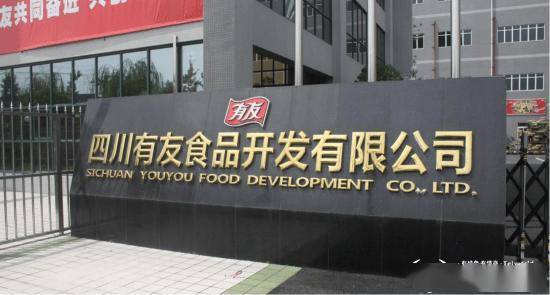
有友食品前三季度净利润超去年全年 董事长弟弟却拟减持套现?
Sou Hu Cai Jing· 2025-12-12 07:15
Core Viewpoint - Youyou Foods reported strong growth in revenue and profit for the first three quarters of 2025, but shareholders have begun to reduce their stakes in the company [1][3]. Financial Performance - For the first three quarters, Youyou Foods achieved a revenue of 1.245 billion yuan, representing a year-on-year increase of 40.39% [3][4]. - The net profit attributable to shareholders reached 174 million yuan, up 43.34% year-on-year, indicating that the net profit for the first three quarters has already surpassed the total net profit for the entire previous year [3][4]. - The core product category, poultry products, generated revenue of 1.077 billion yuan, accounting for 87.17% of total revenue [3]. - In the third quarter alone, the company reported a revenue of 474 million yuan, a year-on-year increase of 32.70%, with net profit growing by 44.79% to 65.33 million yuan [3][4]. Shareholder Activity - Despite the positive financial results, the company's actual controller's brother, Lu Youming, plans to reduce his stake by selling up to 1.1 million shares due to personal financial needs, potentially cashing out approximately 14.26 million yuan based on the closing price of 12.96 yuan per share on December 3 [4]. - In August, the chairman's wife, Zhao Ying, also reduced her holdings by selling 12.83 million shares, which accounted for 3% of the total share capital, resulting in a cash-out of 151 million yuan [5].

第一上海:维持中国银河“买入”评级 目标价12.66港元
Zhi Tong Cai Jing· 2025-12-12 07:04
Core Viewpoint - China Galaxy Securities (601881) is expected to continue releasing growth potential due to its advantages in risk management, customer base, and policy benefits, amid industry recovery and business structure optimization, with a target price of HKD 12.66 and a "Buy" rating [1] Financial Performance - For the first three quarters of 2025, the company achieved revenue of CNY 22.75 billion, a year-on-year increase of 44.4%, and a net profit attributable to shareholders of CNY 10.97 billion, up 57.5% year-on-year; the weighted average ROE reached 8.77%, an increase of 2.97 percentage points year-on-year [2] - In Q3 alone, the net profit attributable to shareholders was CNY 4.48 billion, soaring 73.9% year-on-year and 29.0% quarter-on-quarter, marking the best single-quarter performance in history [2] Brokerage and Margin Financing - The brokerage business net income reached CNY 6.31 billion, a year-on-year increase of 70.7%, accounting for approximately 28% of total revenue; Q3 revenue was CNY 2.66 billion, up 125% year-on-year and 54% quarter-on-quarter, significantly outpacing market transaction growth [3] - The average daily trading volume of stock funds in the market increased by 113% year-on-year to CNY 1.81 trillion, and the margin financing balance reached CNY 2.39 trillion, a year-on-year increase of 66.2% [3] Investment Performance - The net investment income (including fair value changes) for the first three quarters was CNY 12.103 billion, achieving a year-on-year growth of 42.4%; Q3 alone saw a year-on-year increase of 32.6% [4] - As of the end of Q3, the financial asset scale was CNY 417 billion, a 9% increase from the beginning of the year, with other debt investments increasing by 16.3% to CNY 256.7 billion [4] Investment Banking Recovery - Investment banking net income for the first three quarters was CNY 480 million, a year-on-year increase of 29.9%; equity underwriting scale reached CNY 24.1 billion, a year-on-year increase of 1,420% [5] - The bond underwriting scale was CNY 576.1 billion, a year-on-year increase of 76.1%, with market share rising to 4.7% [5] - The company expects net profits attributable to shareholders for 2025-2027 to be CNY 14.7 billion, CNY 16.9 billion, and CNY 18.3 billion, corresponding to year-on-year growth rates of 46.5%, 14.9%, and 8.6% respectively [5]

美股异动丨Lululemon夜盘涨10.7%,Q3国际市场销售增长强劲+上调全年净营收指引
Ge Long Hui· 2025-12-12 01:15
消息面上,Lululemon公布第三财季业绩,营收同比增长7%至25.7亿美元,高于分析师预期的24.8亿美 元;纯利同比下降13%至3.1亿美元,合每股盈利2.59美元,亦高于预期的2.25美元。期内,美洲地区净 营收下降2%,可比销售下降5%;国际市场则录得强劲增长,净营收增长33%,可比销售增长18%。展 望全年,该公司上调净营收指引,预计将在109.62亿美元至110.47亿美元之间,符合市场预期。同时, 公司宣布首席执行官Calvin McDonald将于明年1月底离任,公司正在寻找继任者。(格隆汇) 加拿大瑜珈服品牌Lululemon(LULU.US)夜盘涨10.7%,报207.1美元。 ...

伊利股份首次中期分红30.36亿 销售毛利率35.32%创近4年新高
Chang Jiang Shang Bao· 2025-12-09 23:33
Core Viewpoint - Yili Group is actively fulfilling its commitment to implement a significant mid-term dividend, marking its first mid-term dividend since its listing, with a cash dividend of 0.48 yuan per share, totaling 30.36 billion yuan [1][3]. Financial Performance - For the first three quarters of 2025, Yili Group achieved total revenue of 905.64 billion yuan, a year-on-year increase of 1.71%, while net profit attributable to shareholders was 104.26 billion yuan, a decrease of 4.07% [1][9]. - The company completed over 76% of its annual revenue target in the first three quarters, indicating a strong likelihood of achieving its planned goals [10]. - The gross profit margin for the first three quarters reached 35.32%, up 0.51 percentage points from the previous year, marking a four-year high [10]. Dividend Policy - The mid-term dividend payout ratio is approximately 29%, reflecting the company's commitment to high dividend levels and stable operations [2][3]. - Yili Group plans to maintain a cash dividend total of no less than 75% of the net profit attributable to shareholders for the years 2025-2027, with a minimum cash dividend of 1.22 yuan per share for 2024 [4]. Market Position - Yili Group remains a leader in the industry, with significant market shares in various segments, including liquid dairy products and infant formula [8]. - The company aims to achieve a total revenue of 1,190 billion yuan and a total profit of 126 billion yuan in 2025 [8]. Research and Development - Yili Group has consistently increased its investment in research and development, with R&D expenses exceeding 8 billion yuan for three consecutive years [12]. - In the first three quarters of 2025, R&D expenses reached 6.28 billion yuan, a year-on-year increase of 12.83%, with expectations to exceed 9 billion yuan for the full year [13].

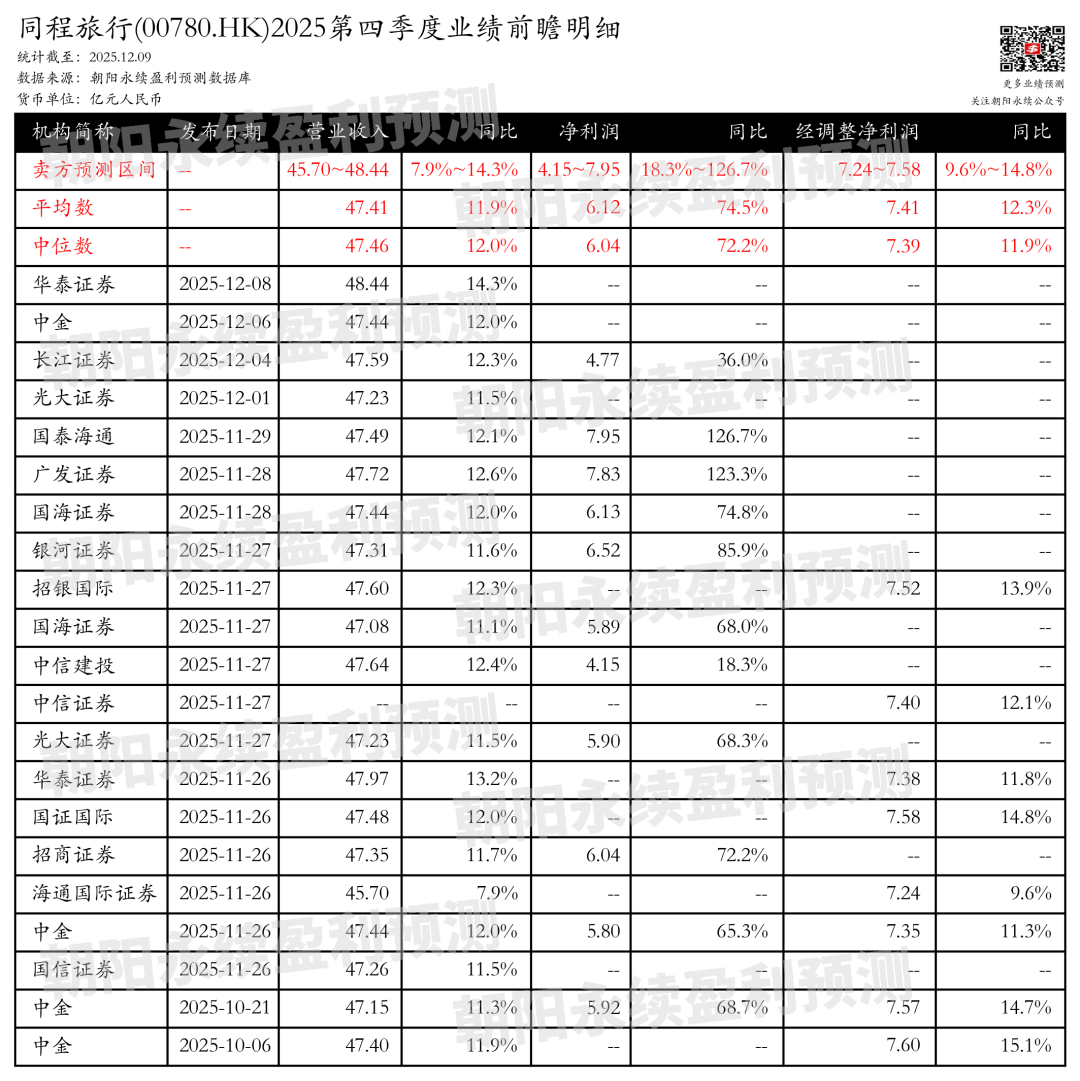
同程旅行:预测第四季度营业收入45.70~48.44亿元,同比增长7.9%~14.3%
Xin Lang Cai Jing· 2025-12-09 13:47
Group 1: Earnings Forecast - The forecast for Tongcheng Travel's Q4 2025 revenue is between 4.57 billion to 4.84 billion yuan, representing a year-on-year growth of 7.9% to 14.3% [1][7] - The projected net profit for the same period is estimated to be between 415 million to 795 million yuan, with a year-on-year increase of 18.3% to 126.7% [1][7] - Adjusted net profit is expected to range from 724 million to 758 million yuan, reflecting a growth of 9.6% to 14.8% year-on-year [1][7] Group 2: Recent Seller Insights - According to Galaxy Securities, Tongcheng Travel's Q3 2025 report shows a year-on-year revenue growth of 10.4% and a net profit increase of 17% [9][10] - The core OTA platform revenue grew by 15%, with significant contributions from transportation ticketing and accommodation booking services [9][10] - The hotel management business is strong, operating nearly 3,000 hotels, with an additional 1,500 in preparation [10] Group 3: Business Performance - Accommodation booking revenue reached 1.58 billion yuan, growing by 14.7% year-on-year, outpacing industry growth [9] - Transportation ticketing services generated 2.21 billion yuan, marking a 9.0% increase year-on-year, with rapid growth in international ticketing and ancillary products [9] - Other business segments achieved 820 million yuan in revenue, a 34.9% increase, primarily driven by the rapid expansion of hotel management [9] Group 4: User Engagement and Future Outlook - The company has shifted its user operation focus towards enhancing ARPU (Average Revenue Per User), with daily active users reaching a historical high [9] - Despite challenges in the vacation segment due to safety issues in Southeast Asia, the paid user base continues to grow, particularly in non-first-tier cities [10] - The company anticipates continued revenue and net profit growth from 2025 to 2027, maintaining a "buy" rating [10]
80后李虹檠升任贵阳银行副行长,新班子迎业绩与风控双考题
Nan Fang Du Shi Bao· 2025-12-08 13:32
Core Viewpoint - Guiyang Bank has appointed Li Hongqing as the new vice president, completing its executive structure of "one president and four vice presidents," which aims to address the challenges of performance pressure and weak grassroots risk control [2][11]. Group 1: Executive Changes - The Guizhou Regulatory Bureau has approved Li Hongqing's appointment as vice president of Guiyang Bank, following his previous role as board secretary [2][3]. - Li Hongqing, born in 1982 and the youngest executive at the bank, holds a PhD in management and has extensive experience in various roles within the bank and other financial institutions [3][5]. - The new executive structure includes Chairman Zhang Zhenghai, President Sheng Jun, and four vice presidents: Li Songyun, He Kaqiang, Li Ningbo, and Li Hongqing [3]. Group 2: Financial Performance - As of September 2025, Guiyang Bank's total assets reached 746.589 billion, with total deposits of 435.027 billion and total loans of 345.741 billion [6]. - The bank's operating income for the first three quarters of 2025 was 9.435 billion, a year-on-year decrease of 13.73%, while net profit attributable to shareholders was 3.915 billion, a slight decline of 1.39% [6][7]. - The bank's net interest income decreased by 1.065 billion, a drop of 12.29%, and the net interest margin fell by 0.23 percentage points to 1.57% [7][8]. Group 3: Asset Quality and Risk Management - As of September 2025, the non-performing loan ratio was 1.63%, showing improvement from 1.7% in June, but still high compared to peers [9]. - The bank's provision coverage ratio was 239.59%, above the regulatory requirement, but has decreased since the beginning of the year [9]. - Guiyang Bank has faced multiple regulatory penalties for inadequate credit review and management, raising concerns about its compliance capabilities [10]. Group 4: Challenges Ahead - The new executive team is tasked with improving compliance management and addressing the challenges of performance pressure and weak grassroots risk control [11]. - The bank's operational efficiency has declined, with the cost-to-income ratio rising to 28.09%, indicating increased cost control pressures [8]. - The bank's ability to maintain its capital adequacy ratios and manage credit quality will be critical in navigating potential risks in the future [9].
沃尔核材:公司高度重视与广大投资者的沟通
Zheng Quan Ri Bao Zhi Sheng· 2025-12-08 12:04
Core Viewpoint - The company emphasizes the importance of communication with investors and is committed to providing careful and rigorous responses while adhering to relevant laws and regulations [1] Group 1: Company Commitment - The company has a solid industrial foundation and sustainable performance growth, which are core supports for its long-term market value [1] - The management team is dedicated to enhancing the company's overall competitiveness and sustainable profitability [1] Group 2: Performance and Value - The company aims to promote high-quality performance growth and will adopt multiple measures to convey its business philosophy and investment value [1] - There is a focus on aligning intrinsic value with market value to foster development [1]
