关税战

Search documents
机构研究周报:A股或受益港股重估,转债有望迎供需错配牛
Wind万得· 2025-06-02 22:56
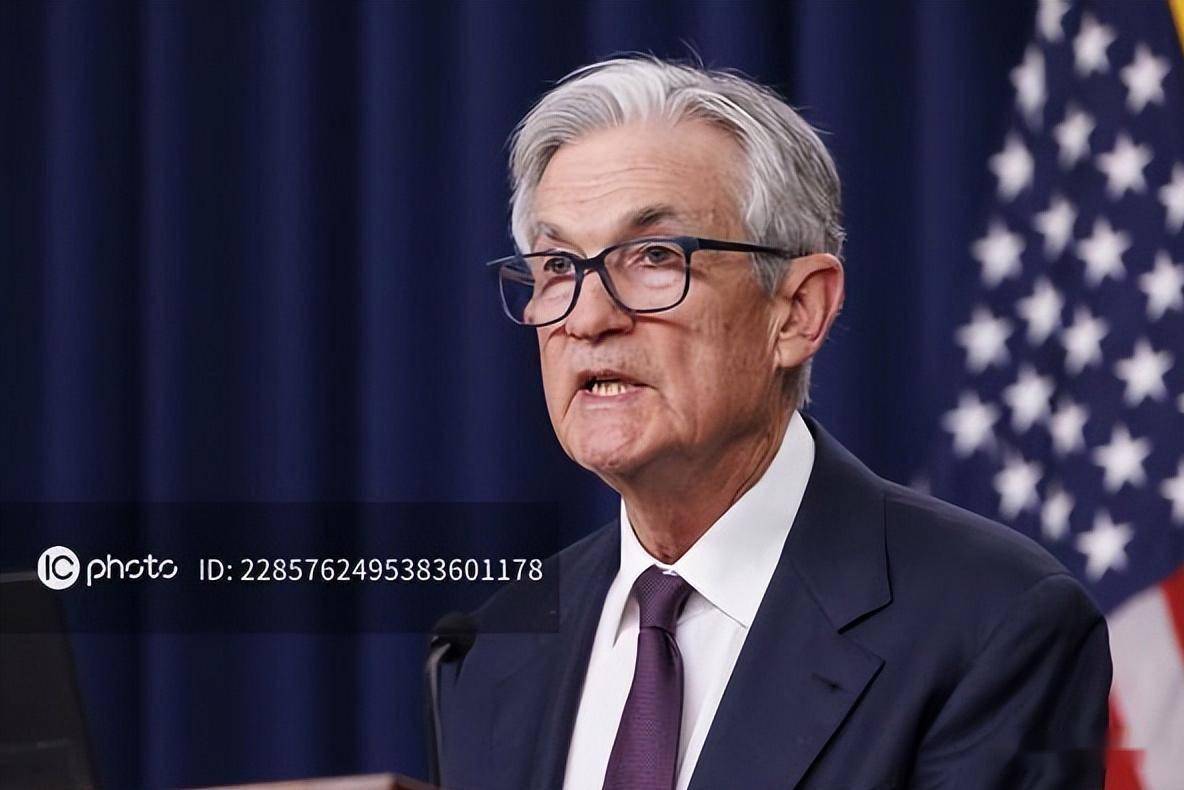
Focus Review - The article discusses the potential impact of Trump's decision to raise steel tariffs to 50%, which may lead to retaliatory measures from the EU, indicating ongoing uncertainty in global trade policies [1] - The article highlights that the core asset pricing power is gradually shifting towards Hong Kong, with the potential for more quality leading companies to list in Hong Kong, catalyzing a shift in A-share market style towards core assets [2][3] Equity Market - Hong Kong's structural changes and cyclical improvements are expected to attract global allocation funds, which may spill over into A-shares, benefiting core assets with high and stable ROE [2] - The article notes that the demand for convertible bonds may increase due to a mismatch in supply and demand, potentially leading to a bull market in this sector [3] Industry Research - The article mentions that the consumer, cyclical, and self-controlled sectors are likely to gain more attention as A-share earnings improve despite external tariff disturbances [8] - It also points out that the Hong Kong innovative drug sector is entering a "harvest period," with most valuations still within a reasonable range, indicating long-term growth potential [9] - The defense and military sector is highlighted as leading in performance, driven by expectations of accelerated domestic engine development due to potential U.S. export restrictions [10] Macro and Fixed Income - The article discusses the downward shift in the central rate of funding, which is expected to benefit short-term assets, as the bond market returns to a fundamental pricing logic [16] - It emphasizes that the convertible bond market may experience a bull market due to supply-demand mismatches, with a gradual upward trend expected in the coming years [18] Asset Allocation - The article suggests a balanced and defensive asset allocation strategy in response to external risks, highlighting the importance of dividend assets and technology innovation investments in the A-share market [20] - It notes that the Hong Kong market is stabilizing due to low valuations and policy support, with increasing domestic pricing power as southbound capital flows continue [20]

端午节假期期间外盘走势分化
Qi Huo Ri Bao Wang· 2025-06-02 16:24
Group 1: Market Reactions to Tariff Increases - The announcement by President Trump to raise tariffs on imported steel and aluminum from 25% to 50% has heightened concerns about global economic impacts, leading to significant declines in U.S. stock markets, with the Nasdaq index dropping as much as 1.7% intraday before closing down 0.85% [1] - Asian markets reacted negatively, with South Korean steel stocks falling sharply and Japan's Nikkei 225 index dropping over 1.3% following the tariff news [1] - The German Steel Federation expressed concerns that the U.S. tariff increase would escalate transatlantic trade conflicts and exert significant pressure on the European steel industry [1] Group 2: Commodity Market Movements - The escalation of the Russia-Ukraine conflict has intensified market risk aversion, leading to a significant rise in gold and silver prices, driven by a weaker U.S. dollar [2] - The copper market is experiencing upward pressure due to supply constraints, with COMEX copper futures rising over 5% amid ongoing inventory depletion and potential supply shortages [3] - Despite a rise in oil prices due to geopolitical tensions, analysts suggest that OPEC+ production plans may limit the potential for sustained price increases in the oil market [3] Group 3: Future Market Expectations - Analysts predict that after the Dragon Boat Festival holiday, commodities such as copper and gold may open higher, with copper potentially exceeding 80,000 yuan/ton and gold surpassing 780 yuan/gram, although there are risks of pullbacks [4] - The domestic futures market is expected to remain weak due to sluggish domestic demand and uncertainties in external demand, with a focus on upcoming macroeconomic policies that may stimulate growth [4]
48小时内,特朗普态度发生180度翻转,美国已经到了强弩之末
Sou Hu Cai Jing· 2025-06-02 12:44
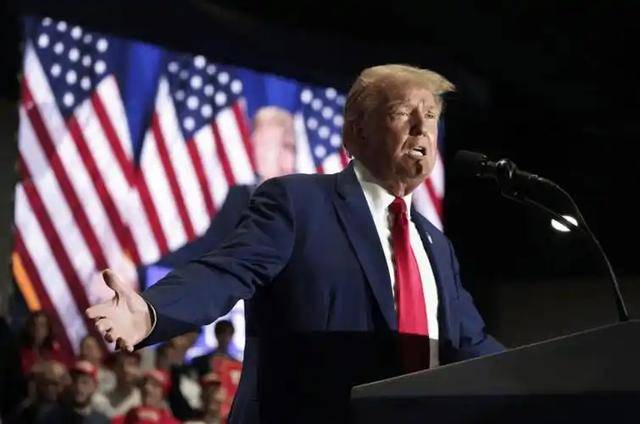
Core Viewpoint - The article discusses the fluctuating stance of the Trump administration regarding the trade war with China, highlighting the significant impact on both the U.S. economy and public sentiment towards Trump's policies [2][4][24]. Trade War Dynamics - Trump's trade war has led to a chaotic global economic environment, with the U.S. imposing tariffs on various countries, particularly China, in an attempt to exert pressure [4][24]. - The tariffs on Chinese goods have escalated to 145%, while China retaliated with tariffs of 125%, resulting in a substantial decoupling of U.S.-China trade relations [5][9]. Impact on U.S. Economy - The high tariffs have caused American consumers to face increased living costs, as many goods are sourced from China, which are typically cheaper and of good quality [7][11]. - U.S. farmers have been adversely affected, losing significant market share to countries like Brazil for agricultural exports, leading to dissatisfaction among American farmers [9][11]. Shift in Trump's Strategy - After facing backlash from the American public and economic downturns, Trump sought to ease tensions with China, leading to a temporary agreement on tariffs [12][16]. - Despite reaching an agreement, Trump continues to target China in other areas, such as technology and education, indicating a persistent adversarial approach [14][18]. Future Relations - Trump's initial plans to visit China have been stalled, reflecting a lack of genuine intent to negotiate, as he has not lifted tariffs [20][22]. - The article suggests that Trump's approach may ultimately harm the U.S. economy more than it benefits, as American industries rely heavily on Chinese manufacturing and resources [18][24].
中国稀土出口管制升级,外媒:全球高端制造业或受冲击
Sou Hu Cai Jing· 2025-06-02 11:41
Core Viewpoint - The ongoing trade war initiated by the U.S. under Trump's administration is significantly impacting the development of the sixth-generation fighter jet, particularly due to the reliance on rare earth materials supplied predominantly by China [1][9][12]. Group 1: Impact on Military Development - The U.S. military's sixth-generation fighter jet project, specifically the F-47, is heavily dependent on rare earth elements such as neodymium, praseodymium, dysprosium, and terbium, which are crucial for high-performance magnets and radar systems [7][12]. - The recent approval for Boeing to produce the F-47 occurred just before China announced new export controls on rare earth materials, creating uncertainty for the U.S. military's development plans [9][12]. - The lack of sufficient rare earth supply could lead to significant delays or even halts in the production of critical military components, affecting the overall military readiness of the U.S. [7][12][18]. Group 2: China's Export Control Measures - China's new export control measures restrict seven categories of medium and heavy rare earth elements, which are vital for military, aerospace, and high-tech applications [12][26]. - The majority of medium and heavy rare earth supplies come from China, which possesses the largest reserves globally, creating a strong supply chain that the U.S. heavily relies on [12][19]. - The implementation of these controls has led to a near halt in rare earth exports from China, with U.S. companies facing potential inventory shortages and uncertainty in securing new supplies [26][28]. Group 3: Strategic Implications and Alternatives - The strategic significance of rare earth elements is underscored by their essential role in various industries, including military, aerospace, and high-tech sectors, where their absence could severely hinder production capabilities [12][16]. - While the U.S. may consider sourcing rare earth materials from other countries, challenges such as the lack of processing technology and infrastructure in those nations limit the feasibility of such alternatives [19][20]. - The U.S. government is exploring deep-sea mining as a potential solution to the rare earth supply crisis, but this approach faces significant technological and environmental hurdles, making it a long-term and uncertain solution [24][28].


黄金承压调整,黑色系商品领跌,农产品呈现分化趋势
2 1 Shi Ji Jing Ji Bao Dao· 2025-06-02 02:43
Commodity Market Overview - The commodity futures market showed mixed performance during the week of May 26 to May 30, with black commodities being the weakest sector, leading to market attention [1] - Energy and chemical sectors saw significant declines, with fuel down 4.85% and crude oil down 2.97%, while basic metals led gains with nickel up 1.14% and copper up 1.33% [1] - Agricultural products exhibited a mixed trend, with palm oil rising while live pig prices fell [1] Gold Market Analysis - After a strong performance in April, gold prices fell in May, with COMEX gold dropping to a low of $3123 per ounce and experiencing a volatility of over 10% within the month [2] - The decline in gold prices is attributed to easing global tariff concerns, which previously drove prices up, leading to a phase of consolidation in the gold market [2][3] - Analysts expect short-term corrections in gold prices, but a long-term upward trend is anticipated due to factors such as declining dollar credit and ongoing central bank gold purchases [3] Oil Market Dynamics - Oil prices continued to show a downward trend, with WTI crude at $60.79 per barrel and Brent crude at $62.61 per barrel [4] - OPEC+ agreed to a significant production increase of 410,000 barrels per day, reflecting Saudi Arabia's strategy to regain market share from U.S. shale producers [4][5] - Demand forecasts for global oil consumption have been downgraded, with OPEC's predictions for 2025 and 2026 showing a decrease of 50,000 barrels per day from previous estimates [5] Manufacturing Sector Insights - The manufacturing Purchasing Managers' Index (PMI) rose to 49.5% in May, indicating a slight improvement in economic activity [6] - High-tech manufacturing continued to expand, with a PMI of 50.9%, while the service sector also showed signs of stability [6][7] - Analysts suggest that recent financial policies and easing trade tensions contributed to the rebound in manufacturing activity [7] Sector-Specific Trends - In the energy and chemical sector, OPEC+'s planned production increases are expected to exert downward pressure on oil prices, while domestic fuel oil inventories are rising [8] - The black commodity sector is facing weak demand for iron ore, with steel production declining and inventory levels remaining high [9] - In the agricultural sector, palm oil prices are rebounding due to improved export demand, while soybean crushing in China is at high levels, impacting domestic oil prices [10]

【财经分析】美国再提高钢铝关税对澳大利亚影响如何?
Xin Hua Cai Jing· 2025-06-01 11:52
新华财经悉尼6月1日电(记者李晓渝)美国总统特朗普5月30日在社交媒体平台"真实社交"上发文称,6 月4日起,将把钢铁和铝的进口关税从25%提高至50%。澳大利亚媒体指出,这一举措可能影响澳大利 亚相关行业共10万个就业岗位,以及约4.14亿澳元的产品出口。实际上,该举措对澳大利亚经济短期内 的直接影响可能并不大,但必然会影响其经济前景。 澳大利亚钢铁行业和铝业规模都相对较小。资料显示,澳钢铁行业共有四家主要炼钢厂,年成品钢材产 量大约是530万吨。澳铝业也有四家主要铝冶炼厂在运营,2024年原铝金属产量约为158万吨,其中150 万吨用于出口。 新南威尔士大学法学教授丽莎·图希此前表示,澳大利亚钢铁行业和铝业及其上下游行业都将面临如何 应对全球市场不确定性的挑战。该国有大约1.2万家企业向美国出口,主要对美出口产品包括金融服 务、黄金、肉类、运输服务和疫苗等。现在这些企业都要担心美国关税是否会扩大到这些品类。 悉尼大学经济学院国际贸易专家弗拉基米尔·铁亚热利尼科夫(Valdimir Tyazhelnikov)指出,澳大利亚 面临的最大风险是潜在的全球贸易战可能会扰乱供应链,削弱东亚和东南亚的制造业活动,进而 ...
世界共存互联一体,关税战的命门:为什么老美为稀土怒吼?
格隆汇APP· 2025-06-01 10:40
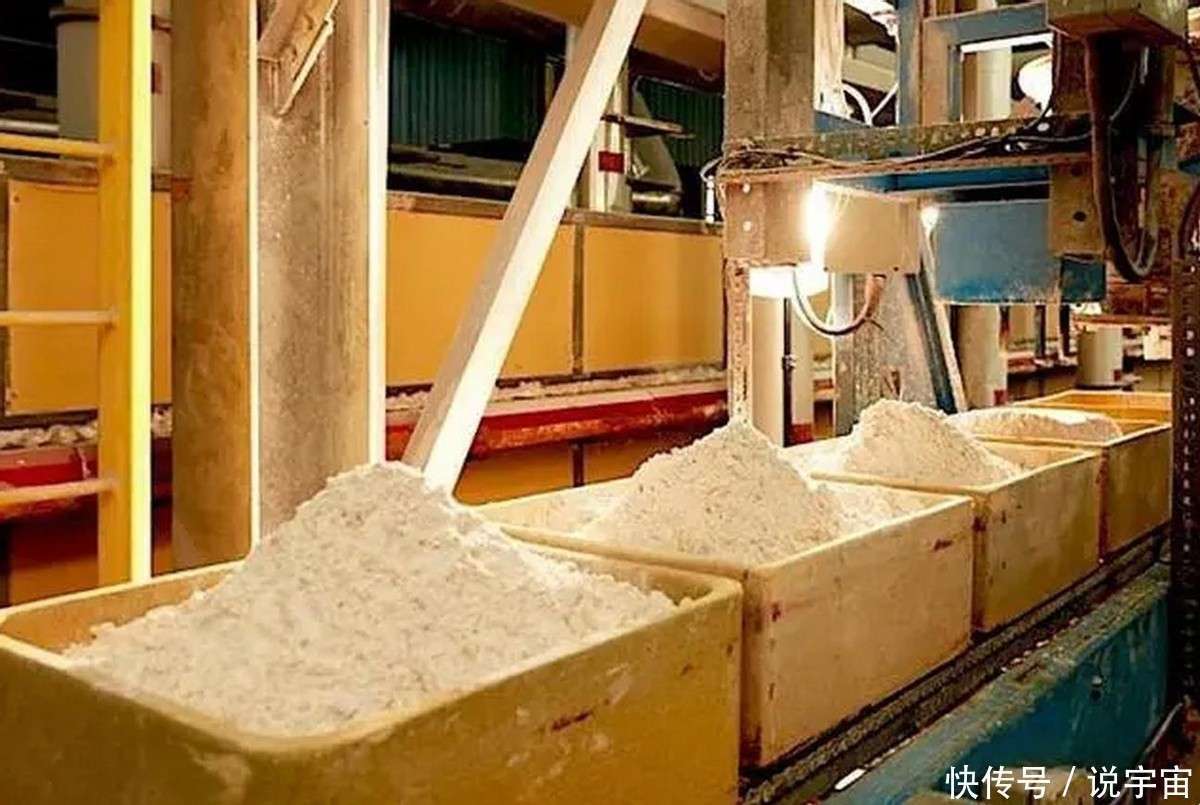
Core Viewpoint - The article emphasizes China's strategic dominance in the rare earth industry, highlighting its significant resource advantages and the implications for global supply chains, particularly in the context of U.S.-China trade tensions [1][3]. Group 1: China's Rare Earth Industry Chain - China's rare earth reserves account for 33.8% of the global total, amounting to 44 million tons, with heavy rare earths making up 25.89% of global reserves [3]. - China holds 90% of the global patents for rare earth centrifugal extraction machines, allowing for the separation of 17 rare earth elements to a purity of 99.9999% [3]. - The industry is characterized by a "North Light, South Heavy" structure, with northern regions focusing on light rare earths and southern regions on heavy rare earths [11]. Group 2: Environmental and Technical Barriers - The U.S. rare earth industry faces high environmental costs and lacks the necessary separation technology, making it reliant on China for refining [5]. - China's complete industry chain from mining to deep processing creates a cost advantage that is difficult for other countries to replicate [5][6]. Group 3: Shift from Resource Exporter to Rule Maker - China is transitioning from being a low-cost resource exporter to a global rule-maker in rare earth governance, with the implementation of the 2024 Rare Earth Management Regulations [6]. - The new regulations will include total quantity control, export quotas, and product traceability, elevating rare earth management to a national security level [6]. Group 4: U.S. Dependence on Chinese Rare Earths - The U.S. military's reliance on Chinese rare earths is significant, with the F-35 fighter jet requiring 417 kg of rare earths per unit, 83.7% of which come from China [7]. - The semiconductor industry also heavily depends on rare earths, with the U.S. defense stockpile only sufficient for six months [8]. Group 5: Price Surge and Supply Chain Disruption - Following China's export controls on seven categories of heavy rare earths, prices surged dramatically, with dysprosium oxide rising from $850/kg to $3000/kg, a 210% increase [9]. - Major companies like Shenghe Resources and Northern Rare Earth experienced a 200% increase in order volume, while U.S. defense contractors faced procurement challenges [9]. Group 6: Industry Structure and Strategic Control - China's rare earth industry is organized into a "North Light, South Heavy" structure, optimizing resource advantages and enhancing competitiveness [11]. - The government is implementing strict controls to combat illegal mining and smuggling, with a 300% increase in the value of smuggling cases reported [12]. Group 7: Export Controls and Quota System - China's export controls are targeted rather than blanket bans, focusing on seven categories of heavy rare earths while allowing other elements to be exported normally [13]. - The export quota system aims to direct resources towards high-value sectors, with a projected 3.7% increase in rare earth mining quotas for 2025 [13]. Group 8: Investment Logic and Strategies - The article suggests that while export controls may ease slightly, the strategic management of resources will remain unchanged, with domestic prices expected to rise due to international shortages [14]. - Companies with export quotas and those involved in magnetic materials production are highlighted as potential investment opportunities [15].

川普要降关税?这是他的更大阴谋,面对美国,中方死抓一点就能赢
Sou Hu Cai Jing· 2025-06-01 08:30
Core Viewpoint - Trump's recent statement about potentially lowering tariffs on Chinese goods has sparked global attention, suggesting a possible shift in U.S.-China trade relations, but it may be a strategic maneuver rather than a genuine concession [2][4][6]. Group 1: Trump's Strategy - Trump's approach mirrors his business philosophy of creating panic to force concessions from opponents, applying this tactic to international negotiations [4]. - The proposed tariff reduction is contingent upon China agreeing to U.S. terms, indicating a demand for unilateral concessions from China [6]. - The U.S. Treasury Secretary's comments following Trump's statement reveal a strategy of using false promises to prolong pressure on China, suggesting a lack of genuine negotiation intent [6]. Group 2: Market Manipulation - Trump's administration is adept at using policy signals to manipulate market sentiment, with reports indicating significant profits for Trump's family during the period of tariff reduction discussions [8]. - This manipulation raises concerns about potential conflicts of interest, as favorable news is used to stimulate stock market gains before selling off shares [8]. Group 3: China's Response and Strategy - China's Ministry of Foreign Affairs emphasizes a commitment to equal, respectful, and mutually beneficial negotiations, rejecting any form of coercion [9]. - Historical lessons indicate that concessions to the U.S. do not yield goodwill, but rather encourage further demands [9]. - China's strategy involves exploiting U.S. economic weaknesses, particularly the current inflation and growth challenges, to gain leverage in negotiations [11]. Group 4: Economic Context - The U.S. faces significant economic challenges, including a 15% increase in consumer goods prices and a backlog of agricultural products, highlighting systemic issues within its economy [11]. - The Federal Reserve's reluctance to lower interest rates reflects a divergence in priorities between the U.S. government and financial interests, complicating economic recovery efforts [11]. Group 5: Strategic Measures - China plans to maintain pressure on U.S. supply chains through third-party channels and accelerate technological self-sufficiency to counter U.S. restrictions [13][14]. - Strengthening energy cooperation and reducing U.S. control over European energy markets are also key components of China's strategy [14]. Group 6: Future Outlook - The ongoing economic and political pressures in the U.S. suggest that the balance of negotiation power may shift increasingly in favor of China [19]. - China's comprehensive industrial capabilities and strategic initiatives position it favorably in the long-term economic competition with the U.S. [19].
上台第20天,默茨一把火烧向美国,措辞不同寻常,默克尔重出江湖
Sou Hu Cai Jing· 2025-06-01 07:46
Core Viewpoint - The new German Chancellor Merz has taken a strong stance against the U.S. regarding tariff negotiations, indicating potential retaliatory measures against American tech companies if trade conflicts escalate [1][3][5]. Group 1: Germany's Position on Tariffs - Germany, as Europe's largest economy, is responding to U.S. threats of high tariffs on European imports, which could hinder exports and negatively impact GDP [3]. - Despite U.S. President Trump's pause on tariff negotiations until July 9, Germany is preparing for potential losses from a trade war [3]. - The German Minister of Economic Affairs emphasized the interconnectedness of the U.S. and EU markets, advocating for swift negotiations to protect mutual interests [3]. Group 2: EU's Unified Stance - Many EU countries align with Germany's resistance to U.S. tariff policies, with EU leaders ready to take necessary retaliatory actions if negotiations fail [5]. - Merz's government has shown a more assertive approach compared to EU Commission President von der Leyen, indicating a shift in Germany's diplomatic posture [5]. Group 3: Merz's Diplomatic Strategy - Analysts suggest that Merz's strong position reflects a desire for greater independence from U.S. influence, aiming to enhance Germany's leadership role in Europe [7]. - The new government's assertiveness in foreign policy, including threats against U.S. tech companies, is seen as a move to establish Germany's autonomy [7]. Group 4: Merkel's Concerns - Former Chancellor Merkel has expressed concerns about the current government's approach, particularly regarding stricter immigration policies, warning of potential negative impacts on EU unity [8]. - Merkel advocates for a consensus-based solution to the refugee crisis, contrasting with the new government's unilateral measures [8].
特朗普再出招,直击欧盟日本,对中国有何影响?
Sou Hu Cai Jing· 2025-05-31 11:31
Group 1 - The article discusses the turmoil in the Japanese bond market and the implications of Trump's economic policies, including his push for interest rate cuts and tax reductions [1][3][5] - Trump's insistence on tax cuts has led to increased federal spending, resulting in a net loss of $1.7 trillion, raising concerns about the effectiveness of his economic strategies [3][5] - The article highlights the significant challenges faced by the EU and Japan in negotiating trade agreements with the U.S., particularly in light of Trump's aggressive tariff policies [5][7] Group 2 - Japan's public debt has reached 234.9% of GDP, surpassing Greece's debt levels during the Eurozone crisis, which has led to a lack of confidence among investors in Japanese bonds [7] - The auction results for Japan's 20-year bonds were dismal, with a bid-to-cover ratio of 2.5, the lowest since 2012, indicating a severe lack of market confidence [5][7] - The article suggests that the instability in the EU and Japanese markets could lead international investors to seek safer investments in China, as indicated by Moody's recent upgrade of Hong Kong's market rating [8]