关税政策

Search documents
【环球财经】美媒集体抨击特朗普政府贸易政策
Xin Hua She· 2025-12-29 06:15
Core Viewpoint - The editorial criticizes the Trump administration's trade policies, arguing that the need for a $12 billion aid package for farmers indicates the negative impact of tariffs and trade wars on the U.S. economy [1][2]. Group 1: Trade Policy Critique - The editorial highlights fundamental flaws in U.S. tariff policy, stating that it is based on outdated and incorrect understandings of international trade [1]. - It argues that tariffs no longer significantly contribute to federal revenue in the era of globalization and that trade wars will have disastrous consequences for the U.S. economy, harming consumer interests and slowing economic growth [1]. Group 2: Impact on Farmers - The editorial points out that the $12 billion aid announced by the Trump administration is an attempt to cover up the problems created by its own policies, as many farmers who receive subsidies previously had smooth access to international markets [1]. - It emphasizes that the government should not block farmers' access to overseas markets through trade wars and then provide aid as a remedy [1]. Group 3: Context of the Aid Package - The aid package was announced following significant disruptions in global trade due to extensive tariff increases, which have led to low prices for U.S. agricultural products like soybeans and corn, alongside rising costs for fertilizers and farming equipment [2]. - Many farmers are struggling to maintain profitability, with some facing severe financial difficulties as a result of these trade policies [2].
全球瞭望|美媒集体抨击特朗普政府贸易政策
Sou Hu Cai Jing· 2025-12-29 05:08
新华社洛杉矶12月28日电(记者黄恒)美国加利福尼亚州多家地方媒体28日集体刊登同一篇社论,抨击 特朗普政府贸易政策。 南加州新闻集团在加州南部地区拥有近20家地方媒体,覆盖该地区主要县市,包括《洛杉矶日报》《奥 兰治县纪事报》《圣贝纳迪诺太阳报》等。 美国总统特朗普12月8日在白宫宣布,联邦政府将为美国农民提供规模为120亿美元的救助。特朗普政府 今年早些时候出台大范围加征关税政策,扰乱全球贸易秩序,结果导致美国出口市场受阻。美国大豆和 玉米等农产品售价低迷,加上化肥和农用机械成本升高,美国农场经营难以盈利,不少农民陷入困境。 (完) 文章指出,美国关税政策存在根本性缺陷,在对外贸易方面的理解"错误且过时"。在全球化时代,关税 对增加美国联邦收入不再发挥重要作用。相反,"贸易战将对美国经济造成灾难性后果,损害消费者利 益,破坏美国最具生产力的企业,减缓经济增长,并损害美国与世界各国的关系"。 文章认为,特朗普政府12月初宣布为美国农民提供规模为120亿美元的救助,目的是掩盖其自身制造的 问题,因为大部分接受补贴农户的产品之前本可顺畅销售到海外。文章强调,美国政府不应该用贸易战 先把农民销往海外产品的通路堵死 ...
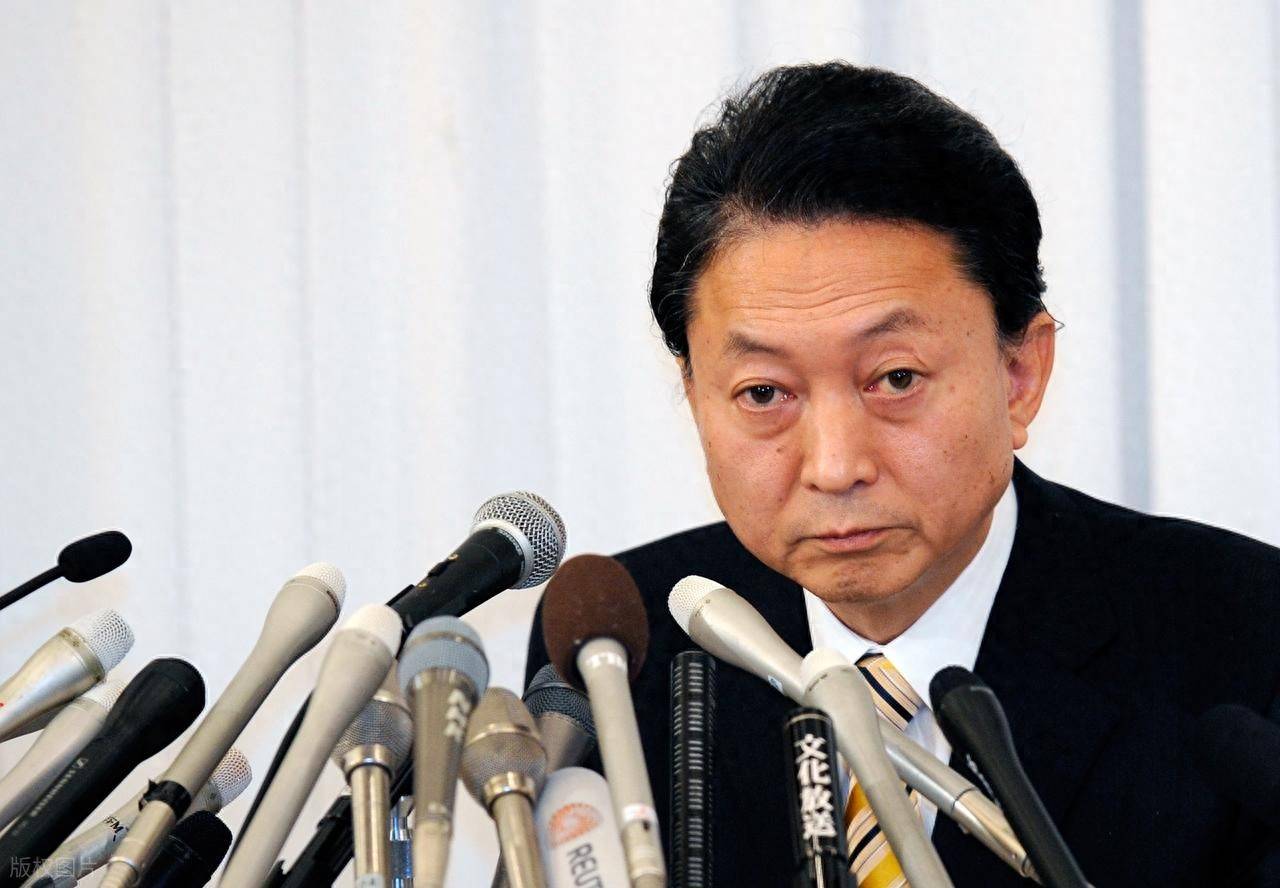
鸠山由纪夫直言:中国不应该独自对抗美国,应联合日韩应对压力
Sou Hu Cai Jing· 2025-12-29 05:05
Group 1 - Former Japanese Prime Minister Yukio Hatoyama suggested that China should not face U.S. trade pressure alone and should collaborate with other countries to counteract tariffs imposed by the Trump administration [1] - Japan expressed willingness to increase purchases of U.S. agricultural products and energy, but insisted that tariffs on steel and automobiles, which are crucial to Japan's export interests, must be exempted [3] - After negotiations failed, President Trump publicly pressured Japan, indicating that Japan had benefited from long-term trade and would face tariffs of over 10% as part of a new tariff system targeting countries with perceived trade imbalances [5] Group 2 - Japanese media reacted strongly to the situation, with Asahi Shimbun commenting that U.S.-Japan relations were nearing a breaking point, and potential retaliation from Japan could lead to broader impacts on finance, investment, and technology cooperation [6] - Hatoyama argued that Japan could no longer follow the U.S. unconditionally, and suggested that Japan should enhance its independence while avoiding direct confrontation with Trump, advocating for regional cooperation to mitigate U.S. pressure [8] - He noted that while China's power is growing, it is not suitable for China to bear the costs of a direct confrontation with the U.S., and emphasized the importance of cooperation among China, Japan, and South Korea to counter U.S. demands [10] Group 3 - In July 2019, Japan and the U.S. reached a framework trade agreement where the U.S. abandoned high punitive tariffs, and Japan committed to invest approximately $550 billion in various sectors including semiconductors, energy, and agriculture [15] - The agreement received mixed reactions in Japan, with supporters viewing it as a way to avoid the worst outcomes, while critics believed Japan was forced to accept the situation by making a significant investment [15] - The high tariff policies of the U.S. have increased trade uncertainty, prompting many countries to reassess their dependence on the U.S., making the proposed cooperation among China, Japan, and South Korea a necessary response to current pressures [15]

2026年海外宏观形势展望
2025-12-29 01:04
Summary of Key Points from Conference Call Records Industry Overview - **Macro Economic Outlook for 2026**: The U.S. economy is expected to experience reduced policy uncertainty under the Trump administration, focusing on midterm elections, tariff adjustments, and social welfare policies. [1][5] - **Impact of Tariff Policies**: The Trump administration's tariffs have significantly increased fiscal revenue, with over $230 billion collected by the end of November, raising the average import tax rate to 11-12%. [1][7] Core Insights and Arguments - **Economic Pressures on U.S. Citizens**: Americans face multiple economic pressures, including rising costs in food, housing, childcare, healthcare, and utilities. Disposable income growth has not kept pace with living cost increases, leading to a "crisis of affordability." [1][12] - **Consumer Confidence and Spending**: Despite a rise in consumer spending, particularly in essential services, the increase does not correlate with consumer happiness due to high costs of necessities. [1][14] - **Federal Reserve's Monetary Policy**: The Fed has implemented three rate cuts in the latter half of 2025, with expectations of further cuts in 2026, aiming for a soft landing for the economy. [1][25][30] Additional Important Content - **Tax Cuts and Fiscal Pressure**: The "Great Beauty Act" is projected to result in $4.5 trillion in tax cuts over the next decade, exacerbating fiscal pressures despite some offset from tariff revenues. [1][11] - **Risks in Technology Sector**: The tech sector, particularly AI, faces risks from slow demand realization, rapid technological obsolescence, and liquidity issues, which could impact overall economic stability. [1][20][24] - **Geopolitical Factors**: The geopolitical landscape, particularly the U.S.-China relationship and the ongoing Russia-Ukraine conflict, will significantly influence economic conditions in 2026. [1][33] Conclusion The records highlight a complex interplay of economic policies, consumer behavior, and external factors shaping the U.S. economic landscape heading into 2026. The focus on tariffs, consumer pressures, and the Fed's monetary policy will be critical in determining future economic stability and growth.
贵金属专题20251228
2025-12-29 01:04
Summary of Key Points from the Conference Call Industry Overview - **Industry Focus**: Precious Metals and Commodities Market - **Key Drivers**: Quantitative easing, tariff policies, geopolitical uncertainties, and inflation concerns have significantly influenced the prices of precious metals since 2020 [2][4][7]. Core Insights and Arguments - **Price Trends**: Precious metals have seen a strong performance, particularly silver and platinum, driven by global economic uncertainty and inflation fears. The internal rate of return (IRR) for precious metal projects can exceed 50%, making them more attractive than copper projects, which typically have an IRR of around 20% [2][6][4]. - **Copper Price Expectations**: The market anticipates copper prices to rise to $8 per pound due to insufficient current prices ($5 per pound) to incentivize new investments and production expansions [8]. - **Shift to Safe-Haven Assets**: Post-pandemic economic recovery in the U.S. has been weak, leading to a shift of funds towards safe-haven assets like precious metals, as confidence in U.S. debt repayment capabilities diminishes [9][11]. - **Geopolitical Factors**: Geopolitical uncertainties have prompted Western countries to accelerate the development of domestic critical mineral resources, impacting supply and prices [10][30]. Additional Important Insights - **Speculative Sentiment in Silver Market**: The decline in the gold-silver ratio indicates heightened speculative sentiment, with retail investors heavily buying silver, which could lead to a reversal of bullish sentiment [5][34]. - **Outlook for Industrial Metals**: The outlook for non-ferrous metals remains optimistic, with expectations of continued leadership in the market, particularly for copper, lithium, and gold [26][29]. - **Valuation of Precious Metals**: Precious metals are currently more attractive compared to other commodities due to lower initial capital expenditures and tighter supply conditions [6][31]. - **Market Volatility**: The upcoming change in the Federal Reserve chairmanship could lead to increased market volatility, affecting interest rate policies and overall market sentiment [15]. Market Dynamics - **Investment Opportunities**: The current low valuations in the non-ferrous metals sector present significant investment opportunities, with historical data suggesting a positive correlation between low price-to-earnings ratios and market performance [31]. - **Future Price Risks**: The silver market faces potential risks from speculative buying, which could lead to sharp price corrections if sentiment shifts [40][42]. - **Impact of Retail Investors**: Retail investors are expected to play a crucial role in the silver market, potentially driving prices higher in the short term, but their speculative behavior may also lead to volatility [42][43]. Conclusion The precious metals and commodities market is currently influenced by a combination of macroeconomic factors, geopolitical uncertainties, and speculative behaviors. The outlook remains cautiously optimistic, with significant opportunities for investment, particularly in precious metals and select industrial metals. However, potential risks from market volatility and shifts in investor sentiment must be closely monitored.
美银CEO判断:特朗普关税政策将走向缓和 全球平均税率料稳定于15%
智通财经网· 2025-12-28 23:08
Core Viewpoint - The CEO of Bank of America, Brian Moynihan, anticipates a de-escalation of trade tensions under the Trump administration in the coming year, despite the impact of tariff measures on the U.S. economy in 2025 [1] Group 1: Tariff Measures and Economic Impact - Moynihan states that the new tariff framework will maintain an average rate of 15%, with higher rates for countries unwilling to commit to increased purchases from the U.S. or to reduce non-tariff barriers [1] - The transition from a 10% to a 15% tariff is not expected to significantly impact most countries, indicating a potential easing of trade tensions [1] - The average tariff rate in the U.S. has risen dramatically from 2% to 14% since Trump returned to office, according to relevant research [1] Group 2: Small Business Concerns - High tariffs and trade policy uncertainty previously affected small businesses, but the pressure has eased as tariff rates stabilize [1] - Currently, the main concern for small businesses is not tariffs but the uncertainty surrounding labor supply, attributed to the incomplete implementation of certain immigration policies by the Trump administration [1]

回顾2025:特朗普关税风暴席卷全球的一年
Sou Hu Cai Jing· 2025-12-28 05:04
Core Viewpoint - The year 2025 marked the beginning of a tumultuous trade war initiated by President Trump, characterized by a series of new tariffs that plunged the U.S. into conflicts with nearly all countries globally [1]. Group 1: Key Actions and Developments - In the first quarter, tariffs were primarily targeted at key trade partners: Canada, Mexico, and China, with the U.S. increasing import tariffs on steel and aluminum to 25% [3]. - By April, the trade war escalated significantly, with Trump announcing comprehensive tariffs affecting almost all countries, leading to a stock market crash and a dramatic increase in tariffs between the U.S. and China, reaching 145% and 125% respectively [4]. - From May to July, the Trump administration boasted about trade "framework" agreements while simultaneously threatening further tariffs and increasing steel and aluminum tariffs to punitive levels of 50% [5]. Group 2: Legal and Regulatory Challenges - In August, tariffs on over 60 countries and the EU were implemented, with Canada facing a 35% increase in import taxes, and the "de minimis rule" was abolished, removing tax exemptions for low-cost imports [6]. - By September to December, the tariff disputes were escalated to the Supreme Court, where doubts were raised about the president's authority to impose such extensive tariffs, while some tariffs on food items were reduced or eliminated due to rising price pressures [7].
美媒称美国皮革制品或将涨价22%
Xin Lang Cai Jing· 2025-12-27 12:30
Group 1 - The core viewpoint of the article highlights that U.S. tariff policies and supply chain disruptions are expected to increase the prices of leather goods, such as boots and handbags, by nearly 22% in the next one to two years due to inflation, supply chain bottlenecks, and high tariffs [1] - The American company Tapestry, which owns brands like Coach, has indicated that its tariff-related expenses could total approximately $160 million, warning that the negative impacts of tariffs will be greater than anticipated [1]

拜登预言成真,让特朗普干完这4年,美国或将成为世界老二?
Sou Hu Cai Jing· 2025-12-27 06:33
Economic Impact - The overall tariff rate in the U.S. has surged from 2.4% to 16.8%, the highest level since 1935, leading to increased consumer prices and higher corporate costs [1] - The Federal Reserve estimates that tariffs have raised core inflation by 0.4 to 0.5 percentage points, with consumer prices for appliances and electronics rising over 10% [1] - The contribution of tariffs to personal consumption expenditure inflation reached 10.9% over the past 12 months [1] GDP and Employment Forecasts - The U.S. GDP growth rate for Q3 was 4.3%, driven mainly by consumption and a reduction in the trade deficit, but long-term tariff policies may slow economic growth [3] - Economic forecasts for U.S. growth in 2025 have been downgraded from 2.1% to 1.9%, with 2026 expected at 1.8% [5] - The unemployment rate has risen from 4.1% to 4.6%, with projections suggesting it could reach 5% if tariff policies persist [5] Comparison with China - China's GDP is projected to grow by 4.5% in 2025, significantly outpacing the U.S. growth forecast of 1.9% [7] - By 2028, China's GDP may reach $23.45 trillion, positioning it as a leading economic engine in Asia [7] - The U.S. manufacturing sector has not seen significant changes despite tariff policies, as supply chain disruptions have led to increased imports [7] International Relations and Influence - Trump's tariff policies have strained relationships with allies, diminishing U.S. international influence and leading to a perception of the U.S. as a source of trouble rather than a leader [15] - The trend of de-dollarization is gaining momentum, with countries like Saudi Arabia considering non-dollar payment methods for oil exports [11][13] - China's Belt and Road Initiative and its growing partnerships, including a $3 billion commercial agreement with Saudi Arabia, highlight its expanding global influence [15]
特朗普大消息,支持率大幅下降接近历史最低!美联储降1月息悬了
Sou Hu Cai Jing· 2025-12-27 05:27
Group 1 - Trump's approval rating has dropped to 36%, nearing his historical low, and is lower than Biden's 43% and significantly below Obama and Bush's ratings [1] - Independent voter support for Trump is only 25%, and support from Democrats has fallen to 3%, indicating a loss of bipartisan support [1] - Economic issues are the primary reason for Trump's declining approval, with voters expressing a desire for effective government control over prices, yet few believe Trump prioritizes inflation [1] Group 2 - A significant portion of Republican and leaning independent voters (about 40%) list economic and living costs as their main concerns [1] - Only 31% of Americans approve of Trump's handling of economic issues, reflecting widespread dissatisfaction with the current economic situation [1] - Trump's administration has been criticized for failing to propose effective solutions to economic challenges, instead blaming Democrats, which has deepened voter disappointment [1] Group 3 - Trump's support has notably declined compared to previous presidents during crises, with his approval dropping from 52% in January to 41% in November [3] - The current economic challenges in the U.S. are structural, including persistent inflation, rising living costs, and stagnant income growth, requiring systematic policy responses [1][3] Group 4 - Over 70% of tariff costs are borne by American consumers, while foreign companies only bear about 10%, indicating a significant impact on U.S. consumers due to tariff policies [5] - Trump's increase in H-1B visa fees has raised employment costs for tech companies, making it difficult for many small businesses to hire employees [5] Group 5 - The likelihood of interest rate cuts by the Federal Reserve is decreasing, with current market expectations for a rate cut in January 2025 at only 15.5% [7][9] - The upcoming release of economic data may influence the Federal Reserve's decision-making regarding interest rates [9] - Concerns about the independence of the Federal Reserve are easing, but the potential departure of Chairman Powell could impact policy continuity and independence [9]