地缘政治博弈

Search documents
?“安世半导体事件”余波未散! 汽车缺芯警报再响 本田按下汽车生产暂停键
Zhi Tong Cai Jing· 2025-12-18 04:45
Core Viewpoint - The ongoing semiconductor supply crisis, exacerbated by geopolitical tensions surrounding Nexperia, has led Honda to temporarily halt production in Japan and certain Chinese factories, highlighting the persistent impact of the "Nexperia incident" on the automotive industry [1][2][4]. Group 1: Honda's Production Impact - Honda plans to suspend automobile production in Japan on January 5 and 6, with its joint venture in China, Guangqi Honda, also set to halt operations from December 29 to January 2 [1]. - The company has revised its sales forecast down from 3.62 million units to 3.34 million units due to the semiconductor shortage caused by Nexperia [2]. - Honda's stock price fell over 3% in Tokyo, reflecting investor concerns about the ongoing supply chain disruptions [1]. Group 2: Geopolitical Factors - The Dutch government initiated measures against Nexperia, citing governance issues and concerns over the availability of critical chip production capabilities, which led to a significant disruption in the supply chain [3][4]. - Following the Dutch intervention, China imposed export controls on Nexperia, further complicating the supply chain and leading to shortages of essential automotive components [3]. Group 3: Structural Supply Chain Issues - The automotive industry is characterized by a "just-in-time" production model, where the absence of even a single component can halt production lines, amplifying the impact of the semiconductor shortages [4][5]. - The current situation reflects a dual state of "structural surplus and structural shortage" within the automotive semiconductor supply chain, complicating recovery efforts [4]. - Short-term alternatives for semiconductor sourcing are limited due to the need for revalidation and certification of components, which adds to the complexity of the supply chain [5].

泽连斯基作出重大妥协!美国宣布:解除制裁!美联储巨变酝酿中?
Sou Hu Cai Jing· 2025-12-17 03:24
Group 1: Ukraine Situation - Ukraine's President Zelensky has softened his stance on NATO membership, now accepting bilateral security guarantees from the West due to lack of support from the US and some European countries [1] - A meeting between US and Ukrainian officials in Berlin resulted in significant progress on peace plans and economic issues, focusing on territorial disputes and security concerns [1] - The shift in Ukraine's position reflects a pragmatic approach amid prolonged conflict and diminishing aid, influenced by changing US policies under a potential Trump administration [1] Group 2: Belarus Sanctions - The US announced the lifting of sanctions on Belarusian potash fertilizer, a key economic sector for Belarus, following negotiations between US envoy John Cole and President Lukashenko [3] - The sanctions were initially imposed in 2021 due to election manipulation, severely impacting Belarus's economy, which has since adapted by shifting export markets [3] - The agreement includes the release of 123 political prisoners, indicating economic pressures on Belarus and a potential shift in US-Belarus relations away from Russia [3] Group 3: Federal Reserve Actions - The Federal Reserve lowered the benchmark interest rate by 25 basis points to a range of 3.5%-3.75%, marking the third rate cut of the year [5] - The Fed's decision reflects internal divisions and a need to balance employment and inflation targets, with a plan to purchase $40 billion in short-term Treasury securities to maintain liquidity [5] - Future rate cuts are anticipated, but market expectations may differ, indicating a complex economic landscape [5] Group 4: Gold Market Dynamics - Gold prices have shown strong performance, with significant inflows into physical gold ETFs, reaching $5.2 billion in November [7] - The recent Fed rate cut has reduced the opportunity cost of holding gold, supporting its price amid fluctuating market conditions [7] - Long-term prospects for gold remain positive due to geopolitical tensions and central bank policies favoring gold accumulation [8]

乌克兰硬刚美俄?泽连斯基拒签掀风暴,黄金才是真“王炸”
Sou Hu Cai Jing· 2025-12-13 21:19
Core Viewpoint - Ukraine unexpectedly refused to sign the 28-point peace agreement under pressure from the US and Russia, indicating a shift in geopolitical dynamics and raising questions about investment strategies, particularly in gold as a safe-haven asset [1]. Group 1: Geopolitical Dynamics - The 28-point peace plan proposed by the Trump administration essentially demands Ukraine to make territorial concessions for peace, which is viewed as a one-sided concession plan [2]. - The US set a clear deadline of November 27 to pressure Ukraine into compliance, aiming to quickly disengage from the conflict for political and economic benefits [4]. - Ukraine's refusal to sign the agreement, despite facing battlefield difficulties, is influenced by a timely European response that shifted the balance of power, with European nations opposing forced territorial concessions [4][6]. Group 2: European Interests - Europe is concerned about the long-term implications of the Ukraine conflict, including refugee crises, energy challenges, and high inflation, which could destabilize the region if Ukraine is significantly weakened [6]. - Following high-level talks between the US and Ukraine, there was a slight shift in the situation, with Ukraine maintaining its sovereignty and territorial integrity while showing some flexibility on specific border issues [6][8]. Group 3: Investment Implications - The ongoing geopolitical tensions have reignited interest in gold as a traditional safe-haven asset, with its value expected to rise amid uncertainty [10]. - Investors are advised to allocate 5%-10% of their portfolios to gold to hedge against geopolitical risks and stabilize overall asset volatility [12]. - The likelihood of a comprehensive peace agreement is low, suggesting that any potential negative impact on gold prices from such an agreement would be short-lived [14]. Group 4: Long-term Gold Strategy - The fundamental logic supporting gold remains unchanged, with global monetary conditions and expectations of a nearing end to the Federal Reserve's interest rate hikes likely to weaken the dollar and boost gold prices [15]. - A long-term investment approach to gold is recommended, focusing on gradual accumulation rather than short-term speculation, with a preference for liquid and low-cost gold ETFs [17].

担忧被华卡脖子,美国企业被曝抢囤中国稀土,预计屯了2年储量
Sou Hu Cai Jing· 2025-12-13 16:48
Core Viewpoint - The article highlights the strategic acquisition of rare earth elements by U.S. defense companies from China, establishing significant stockpiles to support critical defense projects, while European companies face supply chain challenges and regulatory hurdles [1][3][20]. Group 1: U.S. Defense Companies' Actions - Multiple U.S. defense firms have been revealed to be purchasing large quantities of rare earth elements from China, creating strategic reserves that can support key defense projects for approximately two years [1][3]. - MP Materials, the largest beneficiary, operates the only rare earth mine in the U.S. and has secured a ten-year fixed-price contract with the government to mitigate market risks [3][9]. - The U.S. Department of Defense classified rare earths as "strategic defense-level resources" in 2021, leading to significant procurement over the following three years [3][9]. Group 2: European Concerns and Challenges - European countries are increasingly worried about their reliance on rare earths, as U.S. companies have been able to secure supplies more efficiently than their European counterparts [3][11]. - European firms often lack the foresight in procurement, leading to supply chain disruptions, while U.S. companies have established contracts and partnerships ahead of market tensions [11][15]. - The tightening of export controls by China has left many international companies unprepared, exacerbating the supply issues faced by European firms [5][11]. Group 3: Market Dynamics and Geopolitical Implications - The global pricing of rare earth oxides has surged, with prices for neodymium and terbium increasing by over 40% in three months, reflecting heightened market tensions [13][20]. - The geopolitical landscape surrounding rare earths has shifted, with countries like Vietnam also imposing export restrictions, complicating the supply chain further for European companies [13][20]. - The competition for rare earths has evolved into a comprehensive geopolitical strategy, where control over resources translates into industrial advantages in the global market [20].


关税大战再起?特朗普瞄准加拿大化肥、印度大米,全球粮价又要变天?
Sou Hu Cai Jing· 2025-12-09 11:41
Core Viewpoint - The Trump administration is considering imposing tariffs on Canadian fertilizers and Indian rice to support domestic industries, raising concerns about potential global food price increases and the impact on American farmers [1][3]. Group 1: Tariff Targets and Rationale - The proposed tariffs target Canadian fertilizers and Indian rice, which are critical imports for the U.S. agricultural sector. Canada is the world's largest producer of potash, holding 45% of global reserves, while India is the leading rice exporter, accounting for 40% of global exports [3]. - The U.S. agricultural sector has faced challenges, with farm bankruptcies reaching 259 from April 2024 to March 2025, nearly doubling from the previous year, and farmers experiencing losses of $100-200 per acre [3]. Group 2: Economic and Political Considerations - The tariffs reflect a dual strategy of economic protectionism and geopolitical maneuvering. The U.S. aims to reduce its trade deficit with India, which reached $45.7 billion in 2024, a 5.4% increase from 2023, while also pressuring India regarding its imports of Russian oil [5]. - The tariffs may also serve as a response to previous trade disputes with Canada, particularly regarding automotive tariffs [5]. Group 3: Potential Impact on Farmers and Global Markets - There is skepticism about whether American farmers will benefit from the tariffs, as previous tariff policies have hindered U.S. agricultural exports, particularly to major buyers like China. Increased fertilizer costs could further burden farmers [6]. - The tariffs could have widespread repercussions. For Canada, the fertilizer industry supports 76,000 jobs and contributes 2% to total exports. A loss of the U.S. market could lead to retaliatory tariffs on U.S. agricultural products [8]. - For India, reduced rice exports could disrupt global supply chains, forcing India to seek new markets in Europe and Africa, potentially reshaping the global rice supply-demand landscape [8]. Group 4: Historical Context and Risks - Historical precedents suggest that U.S. tariff policies can have detrimental effects, as seen with the Smoot-Hawley Tariff Act of 1930, which led to a significant decline in global trade and increased unemployment [11]. - The current tariff strategy may repeat past mistakes, risking U.S. agricultural exports and stifling innovation in domestic industries due to prolonged protectionism [11].
乌克兰硬刚美俄?泽连斯基拒签掀风暴,黄金才是真王炸
Sou Hu Cai Jing· 2025-12-06 10:42
Core Viewpoint - The article discusses the geopolitical tensions surrounding Ukraine's refusal to sign a 28-point peace agreement proposed by Trump, highlighting the conflicting interests of the U.S., Ukraine, Europe, and Russia in the ongoing conflict [3][5]. Group 1: Geopolitical Dynamics - Trump's 28-point peace agreement demands Ukraine to make territorial concessions in exchange for U.S. security guarantees, which is perceived as a unilateral concession to Russia [3]. - Zelensky's unexpected refusal to sign the agreement, despite Ukraine's difficult battlefield situation, is influenced by European nations proposing their own peace plans that oppose territorial concessions [5]. - The core contradiction in the geopolitical standoff is clear: the U.S. seeks a quick end to the war, Europe aims to maintain its buffer zone, Ukraine stands firm on its territorial integrity, and Russia remains in a strong negotiating position [7]. Group 2: Implications for Gold Investment - The uncertainty surrounding the Russia-Ukraine conflict has renewed interest in gold as a traditional safe-haven asset, which is seen as a hedge against geopolitical risks [9]. - Gold's unique position as a non-replaceable safe-haven asset remains intact as long as the conflict persists and strategic uncertainties between major powers continue [11]. - Investors are advised to allocate 5%-10% of their portfolios to gold to mitigate risks, while also being cautious of potential short-term price corrections if a peace agreement is unexpectedly reached [11][13]. Group 3: Long-term Outlook - The long-term factors supporting gold prices extend beyond regional conflicts, with expectations of an end to the Fed's interest rate hikes potentially weakening the dollar and driving gold prices up [13]. - The recommended investment strategy for gold is to focus on allocation rather than speculation, utilizing methods such as dollar-cost averaging to manage costs effectively [15]. - Investors should prioritize liquid and low-cost gold ETFs for investment, while maintaining a controlled exposure of 5%-10% in their portfolios to avoid over-leveraging [15].

欧洲无能反抗,俄乌停火谈判卡壳,欧洲的援助还能撑多久?
Sou Hu Cai Jing· 2025-12-03 08:25
Core Viewpoint - The recent secret peace agreement between the US and Russia regarding Ukraine, which includes 28 specific clauses, has excluded European countries from the negotiation process, leading to significant anger and frustration among European nations [1][3][10]. Group 1: European Reaction - European countries feel sidelined and manipulated by the US and Russia, as they have invested substantial resources in Ukraine but are now being asked to sign agreements they had no part in negotiating [3][10]. - The clauses in the agreement, particularly those requiring mutual non-aggression pacts and limiting NATO's eastward expansion, are unacceptable to Europe, as they undermine years of support for Ukraine [4][10]. - The demand for Europe to lift sanctions on Russia in exchange for economic cooperation has further infuriated European nations, who are planning new sanctions against Russia [6][10]. Group 2: US-Russia Dynamics - The US and Russia are planning long-term economic agreements, including cooperation in energy and AI, potentially allowing Russia to rejoin the G8, while Europe is left with no financial benefits [8][19]. - The US has proposed a $200 billion reconstruction fund for Ukraine, with $100 billion coming from Russia, which Europe perceives as a loss of their contributions [8][19]. - Despite European discontent, the US remains firm in its negotiations with Ukraine, suggesting that Ukraine should quickly agree to the terms, highlighting the power imbalance in the discussions [11][14]. Group 3: European Strategy and Limitations - European leaders, while publicly expressing dissatisfaction, lack the power to effectively oppose the agreement, often resorting to minor objections rather than outright rejection [13][14]. - The EU is attempting to regain some leverage by focusing on trade issues, particularly tariffs, as a means to assert its position against the US [17][19]. - Ultimately, Europe recognizes its diminished influence in the geopolitical landscape, as it continues to rely on the US for security and energy, making it difficult to break free from American dominance [19][21].
欧洲议会打响主权保卫战:俄乌和谈,欧洲不能再当旁观者!
Sou Hu Cai Jing· 2025-11-30 06:08
Core Viewpoint - The European Parliament's recent resolution emphasizes the necessity for Europe to have a significant role in negotiations regarding the Russia-Ukraine conflict, highlighting the impact of the conflict's outcome on European security [1][3]. Group 1: European Role in Negotiations - The resolution asserts that Europe must be included in all levels of negotiations, reflecting a push for strategic autonomy and a response to being marginalized in the mediation process [3][5]. - It calls for a ceasefire agreement that includes verifiable military disengagement clauses, indicating a structured approach to peace [3]. - The establishment of a multilateral security mechanism covering Ukraine and EU member states is proposed, showcasing Europe's concern over post-war order [3][9]. Group 2: Criticism of U.S. Policy - The resolution notably criticizes U.S. policies, suggesting that unilateral actions by the U.S. complicate the situation and may undermine the potential for lasting peace [1][3]. - Critics argue that Europe's military and economic dependence on the U.S. raises questions about its ability to mediate effectively, pointing to internal divisions within the EU regarding sanctions and military aid to Ukraine [5][9]. - Supporters counter that the differences in U.S. and European policies necessitate a balancing role for Europe, as it has become the largest economic aid provider to Ukraine, contributing over 60% of humanitarian assistance [5][9]. Group 3: Public Sentiment and Strategic Autonomy - A significant portion of the European public, 72%, supports a greater role for Europe in the peace process, yet 64% doubt the EU's ability to act independently from U.S. influence, reflecting a complex sentiment towards strategic autonomy [7][9]. - The ongoing war has led to rising energy prices, inflation, and security concerns in Europe, prompting a realization of the risks associated with relying solely on transatlantic alliances [7]. - The debate around the resolution indicates a growing consensus among Europeans about the need for a self-reliant security strategy, transcending traditional political divides [7][9]. Group 4: Future Implications - The resolution, while not legally binding, signals a shift in EU foreign policy direction, aiming to establish an independent crisis mediation mechanism and enhance defense capabilities [9]. - It suggests a potential transformation in long-term relations with Russia, which could alter the global power dynamics [9]. - For the EU to effectively participate in negotiations, it must address internal divisions and demonstrate its capability as a mature political player, beyond its economic strength [9].

欧洲大乱斗!政坛分裂、能源危机,留1350亿缺口,美国袖手旁观?
Sou Hu Cai Jing· 2025-11-24 09:03
Group 1: Geopolitical Tensions and Infrastructure Attacks - Recent attacks on critical infrastructure in Poland, including the destruction of a key railway line, highlight the severity of mixed warfare tactics being employed, particularly by Russia [1][3] - Experts suggest that these attacks are part of a broader strategy outlined in Russia's Gerasimov Doctrine, indicating a shift towards more aggressive mixed warfare tactics [3] - The ongoing attacks aim to disrupt civilian life and create societal chaos, emphasizing the need for heightened vigilance among the public [3] Group 2: Military Aid to Ukraine - Ukrainian President Zelensky has been actively securing military support, including a recent agreement with France for 100 Rafale fighter jets and air defense systems, which are crucial for maintaining air superiority in the ongoing conflict [5] - Spain has committed a record €11.29 billion in military aid to Ukraine, marking the largest foreign aid package in its history, reflecting increasing European support for Ukraine [5] - Despite the influx of military aid, Ukraine faces a significant funding gap, with an urgent need for €135 billion over the next two years to sustain operations [7] Group 3: Energy Crisis and Strategic Responses - The energy crisis in Europe is exacerbated by sanctions against Russian oil and gas, leading to fears of supply shortages in countries like Serbia [8] - Poland is actively working on building a second LNG terminal, while Greece is facilitating the transport of U.S. LNG to Ukraine, indicating a strategic shift towards reducing dependency on Russian energy [8] - The European Union is exploring various solutions to address Ukraine's funding needs, including potential debt issuance and utilizing frozen Russian assets [7] Group 4: Political Instability in Central Europe - Political tensions are rising in Central Europe, with Poland reopening border crossings under specific conditions, reflecting ongoing security concerns related to Belarus [10] - In the Czech Republic, political deadlock over the prime ministerial position is linked to differing views on Ukraine, while Slovakia faces public protests against pro-Russian policies [12][13] - The interconnectedness of security issues and political stability in Europe underscores the impact of geopolitical dynamics on domestic governance [13] Group 5: Overall European Landscape - The current European landscape is characterized by a series of crises, including security threats, energy shortages, and political turmoil, all stemming from the ongoing Russia-Ukraine conflict [15] - The necessity for European nations to unite in the face of these challenges is emphasized, as internal divisions could lead to vulnerabilities that external forces may exploit [15]
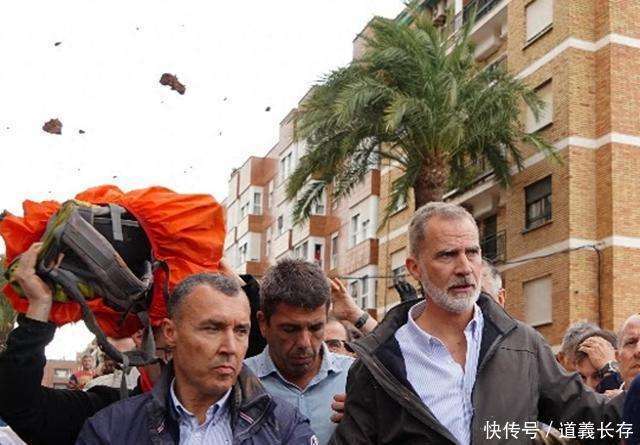
美俄密约震动欧洲!多位领导人前途堪忧,竟因乌克兰战局陷危机?
Sou Hu Cai Jing· 2025-11-22 12:27
Group 1 - The ongoing Ukraine conflict is deeply intertwined with the political futures of several European leaders, including EU Commission President Ursula von der Leyen and German Chancellor Merz [1][2] - European leaders who strongly support Kyiv are facing increasing domestic political pressure, with their approval ratings closely linked to their handling of the Ukraine crisis [2][4] - The long-term nature of the Ukraine crisis is presenting unprecedented challenges to European societies, particularly as winter energy demands rise and public concerns about energy prices and economic trends grow [4] Group 2 - Recent secret diplomatic contacts between Washington and Moscow are focused on a comprehensive peace roadmap that includes 28 key points, addressing ceasefire mechanisms, security guarantees, and the normalization of US-Russia relations [5][6] - The peace proposal suggests incorporating the Donbas region into Russia's territory while the US would provide security guarantees to Ukraine, maintaining the current contact lines in Zaporizhzhia and Kherson [5][6] - The peace plan includes controversial terms such as the official status of the Russian language and the legal status of the Ukrainian Orthodox Church, reflecting the complexity of negotiations [7][8] Group 3 - The upcoming deadline set by US President Trump for Ukraine to accept the peace conditions adds significant pressure on Kyiv, highlighting the urgency of the situation [7][8] - The proposed terms may face resistance from Ukraine, particularly regarding territorial adjustments and military constraints, which conflict with Ukraine's legal framework and national interests [7][8] - The resolution of the Ukraine crisis is poised to reshape Europe's security architecture and significantly impact the political careers of various European leaders [8]