新能源汽车出海

Search documents
2025中国新能源汽车产业链出海洞察报告匈牙利篇
EqualOcean· 2025-07-07 01:59
Investment Rating - The report indicates a positive investment outlook for the Chinese electric vehicle (EV) industry in Hungary, highlighting the potential for growth and expansion in the European market [3]. Core Insights - The penetration rate of new energy vehicles (NEVs) in the Chinese automotive market has reached 50%, prompting manufacturers to engage in price wars and consider overseas expansion as a strategic move [3]. - Hungary is identified as a suitable destination for Chinese NEV manufacturers due to its stable political environment, favorable investment policies, and growing demand for electric vehicles [3]. - The report emphasizes the need for Chinese manufacturers to establish local factories in Hungary to mitigate the impact of punitive tariffs and to leverage their technological advantages in electrification and intelligence [3]. - The Hungarian government is actively promoting the NEV industry through tax incentives and infrastructure improvements, creating a conducive environment for investment [3]. - The report outlines both opportunities and risks associated with the overseas expansion of the Chinese NEV industry, emphasizing the importance of strategic planning and local adaptation [3]. Summary by Sections 1. Report Background - The report discusses the increasing competition in the Chinese NEV market and the necessity for manufacturers to explore international markets, particularly in Europe, Southeast Asia, and Latin America [3]. - Hungary is highlighted as a favorable location for establishing manufacturing facilities due to its supportive government policies and investment incentives [3]. 2. Hungary's Economic Insights - Hungary's GDP has shown significant growth from $128.6 billion in 2016 to $212.4 billion in 2023, with a compound annual growth rate (CAGR) of approximately 7.4% [12]. - The inflation rate in Hungary has been high, reaching 17.1% in 2023, which poses challenges for the macroeconomic environment [12]. - The report notes that Hungary's population is approximately 9.59 million, with a rising labor force participation rate, indicating a growing workforce [17]. 3. Current Status of the NEV Industry in Hungary - Hungary's automotive industry is robust, with over 700 automotive manufacturers and significant investments from major global players [63]. - The report highlights the presence of Chinese manufacturers in Hungary, such as BYD and CATL, which are establishing production facilities to cater to both local and European markets [67]. 4. Opportunities and Risks for the NEV Industry in Hungary - The report identifies opportunities in the growing demand for NEVs in Europe, particularly in public transportation and logistics sectors [71]. - Risks include regulatory challenges, local operational hurdles, and competitive pressures from both local and international players [73]. - Strategic recommendations for Chinese manufacturers include establishing local partnerships, enhancing supply chain collaboration, and focusing on compliance with EU regulations [76].
八大车企半年销1118万辆!比亚迪、上汽超200万辆,吉利目标达成率47%实现领跑
Hua Xia Shi Bao· 2025-07-03 09:15
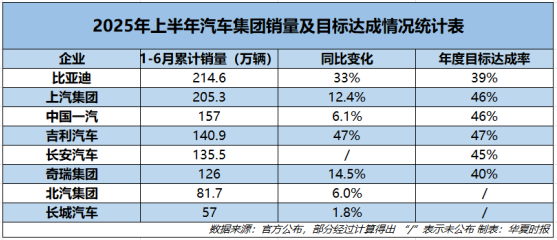
Core Insights - In the first half of 2025, eight major automotive groups reported a total sales volume of 11.18 million vehicles, all achieving year-on-year growth [1][2] - BYD maintained its leading position with over 2.14 million units sold, followed closely by SAIC Motor with over 2.05 million units [1][3] - Geely adjusted its annual sales target upward by 11% after achieving a 47% completion rate in the first half [1][6] Group Performance - **BYD**: Sold 2.146 million vehicles, a 33% increase year-on-year, with overseas sales reaching 472,000 units, up 132% [3][4] - **SAIC Motor**: Achieved sales of 2.053 million vehicles, a 12.4% increase, with a retail delivery of 2.207 million units [4][5] - **China FAW**: Reported sales of 1.57 million vehicles, a 6.1% increase, with a 46% target completion rate [6][10] - **Geely**: Sold 1.409 million vehicles, a 47% increase, with a significant rise in new energy vehicle sales [6][7] - **Changan**: Achieved sales of 1.355 million vehicles, marking a historical high, with new energy vehicle sales growing by 48.8% [8][9] - **Chery**: Sold 1.26 million vehicles, a 14.5% increase, with a strong export performance [9][10] - **BAIC Group**: Reported sales of 817,000 vehicles, a 6% increase, with a notable growth in its own brand sales [10] - **Great Wall Motors**: Achieved sales of 570,000 vehicles, a slight increase of 1.8%, but faced a decline in overseas sales [10] Target Achievement Rates - **Geely**: Highest target completion rate at 47% after adjusting its annual target [6][7] - **China FAW and SAIC Motor**: Both achieved a target completion rate of 46% [1][6] - **Changan**: Completed 45% of its sales target [1][8] - **Chery**: Achieved a target completion rate of 40% [1][9] - **BYD**: Completed 39% of its annual target [1][3]





比亚迪巴西工厂首车下线 项目总投资额约71亿元 纯电动和插电式混动车型规划产能15万辆
Shen Zhen Shang Bao· 2025-07-02 16:57
Group 1 - BYD's passenger car factory in Camasari, Bahia, Brazil, marks a significant milestone in its globalization strategy and serves as a strategic pivot for the entire Latin American new energy market [2] - The factory's completion is seen as a symbol of industrial development and a new chapter in Brazil-China cooperation, with expectations to drive economic growth, create jobs, and promote technological transformation [2] - The factory was built in just 15 months, showcasing BYD's commitment to rapid development and its focus on local talent and potential [2] Group 2 - BYD announced a large production base in Brazil, consisting of three factories with a total investment of 5.5 billion reais (approximately 7.1 billion yuan), aimed at producing electric and plug-in hybrid vehicles with a planned capacity of 150,000 units [3] - The establishment of this base is expected to create 20,000 local jobs and foster a localized industrial collaboration model with local supply chain partners [3] - Since entering the Brazilian new energy passenger car market in 2021, BYD has gained popularity, with over 130,000 families choosing its products, and it is projected to maintain its position as the local sales champion by selling over 20,000 units in the first quarter of 2025 [3] Group 3 - BYD has successfully navigated complex policy environments and market competition through localized production, reshaping the automotive competitive landscape in Latin America [4] - The company has expanded its global footprint, with overseas sales exceeding 470,000 units in the first half of 2025, a year-on-year increase of 132%, and is expected to surpass 800,000 units for the entire year [4] - BYD aims to continue integrating internationalization and localization strategies, driven by technological innovation, to contribute to the global automotive industry's green and low-carbon transition [4]
小米YU7“搅动”SUV红海,车企出海向产业链上游传导,新华出海系列指数本周全数上扬
Xin Hua Cai Jing· 2025-06-27 09:41
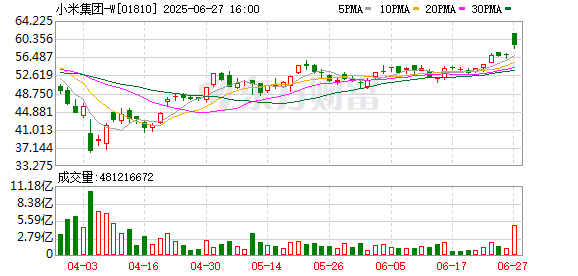
Group 1: Xiaomi's Entry into the SUV Market - Xiaomi's first SUV, the YU7, is positioned as a "luxury high-performance SUV" and directly competes with Tesla's Model Y, highlighting advantages in range, configuration, and pricing [2] - The YU7 boasts a CLTC range of 835 kilometers, surpassing the Model Y's 593 kilometers by 242 kilometers, and includes advanced hardware features such as laser radar and NVIDIA's Thor chip [2] - The pricing for the YU7 starts at 253,500 CNY, which is 10,000 CNY lower than the starting price of the Model Y, making it an attractive option for consumers [2] Group 2: Market Performance and Sales - The YU7 received over 200,000 pre-orders within 3 minutes of its launch, significantly exceeding the Model Y's sales of 126,600 units in China during the first five months of 2025 [3] - The rapid sales of the YU7 indicate a strong market entry and potential disruption in the high-end electric SUV segment [3] Group 3: Global Expansion of Chinese Automakers - Chinese automakers, including Xiaomi, are accelerating their overseas expansion, leveraging technological innovation to reshape the global automotive landscape [3] - BYD, as the largest electric vehicle manufacturer globally in 2024, exported 420,000 units, marking a 71.8% increase year-on-year, with Southeast Asia, South America, and Europe as key growth markets [3] - Geely Group achieved a global sales volume of 3.3365 million units in 2024, entering the top ten global automakers, with significant growth driven by overseas markets [4] Group 4: Supply Chain and Component Manufacturers - Chinese battery manufacturers, such as CATL and BYD, are establishing production bases in Europe, North America, and Southeast Asia to support local automakers and reduce logistics costs [4][5] - Key component suppliers in the electric vehicle industry are also expanding internationally, with companies like Joyson Electronics and Desay SV providing localized services in Europe and North America [5] Group 5: Stock Market Performance - The Xinhua Outbound Index saw significant gains, with manufacturing and electric new energy sectors performing particularly well, indicating positive market sentiment towards companies involved in overseas expansion [6][7]
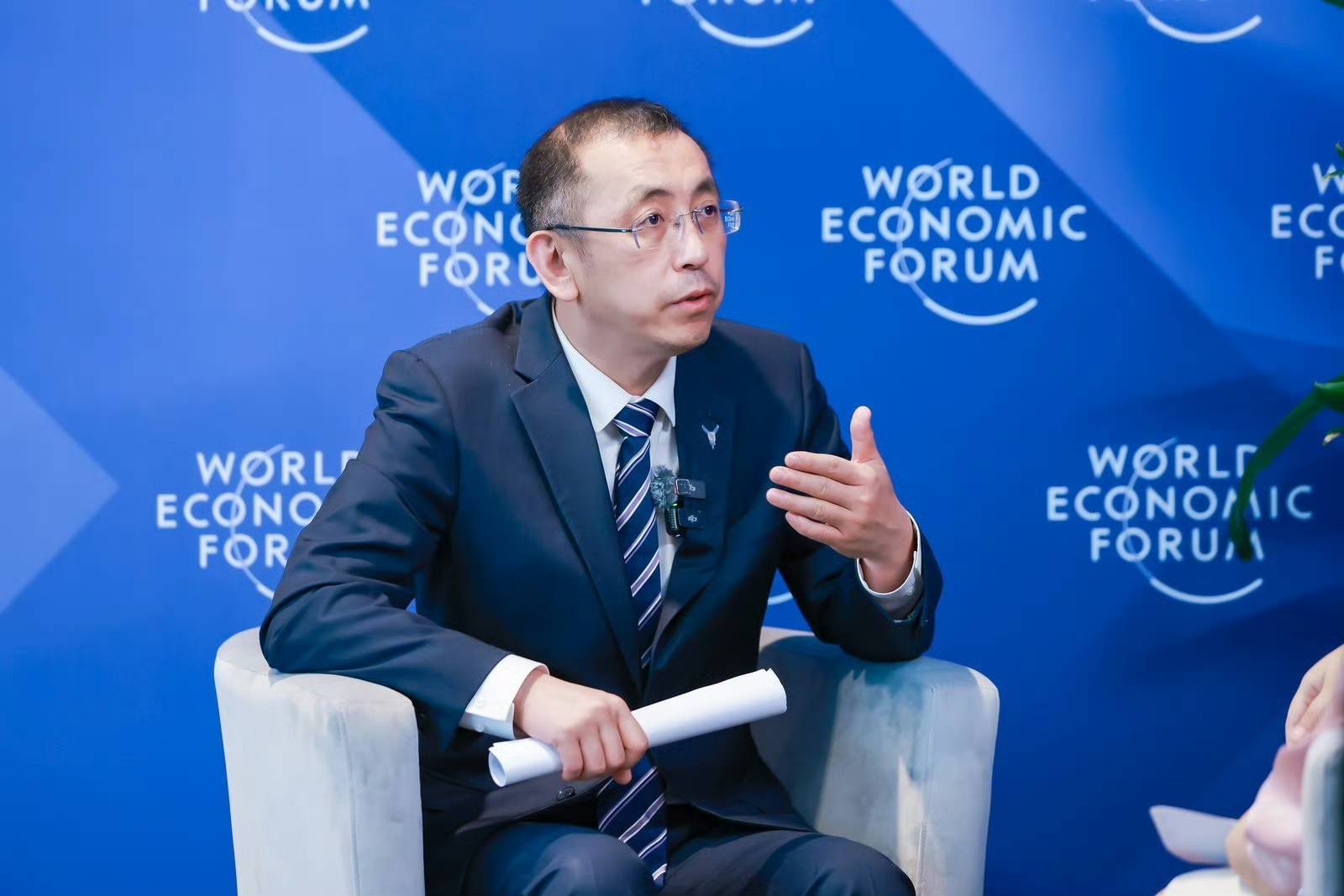
岚图CEO卢放:中国新能源汽车出海需团结协作,未来五年有条件的自动驾驶将落地
Sou Hu Cai Jing· 2025-06-27 03:37
Core Insights - The core viewpoint emphasizes that innovation and user experience are essential for sustainable development in the competitive landscape of the Chinese electric vehicle (EV) industry [2][3][4]. Group 1: Industry Competition and Challenges - The essence of product homogenization in the EV sector is attributed to a lack of market insight and innovation capabilities, reflecting a short-term focus and a lack of long-term vision [3][4]. - To transition from price competition to genuine innovation, companies must deeply understand user needs and market trends, focusing on original and foundational innovations rather than superficial combinations [4][5]. - The key to breaking the current stagnation in the EV market is to maintain user satisfaction and improve internal operational efficiency to support a growing user base [5][6]. Group 2: Global Expansion and Brand Strategy - Chinese EV manufacturers have made significant advancements in low-carbon, intelligent technologies, with a production milestone of over 10 million units achieved last year, indicating readiness for global competition [7][8]. - The future of Chinese EVs is expected to lead global automotive industry transformations, although this will involve navigating uncertainties and challenges [8][9]. - To effectively penetrate the European market, Chinese brands must emphasize product experience and reliability, addressing consumer concerns about new brands through cultural narratives [10][11]. Group 3: Future Outlook and Technological Advancements - The next five years are anticipated to see the emergence of "conditional autonomous driving," which will significantly alter user experiences and vehicle architecture [13][14]. - There is a strong belief that as long as EVs at similar price points can offer superior experiences, consumer demand will surge [15].

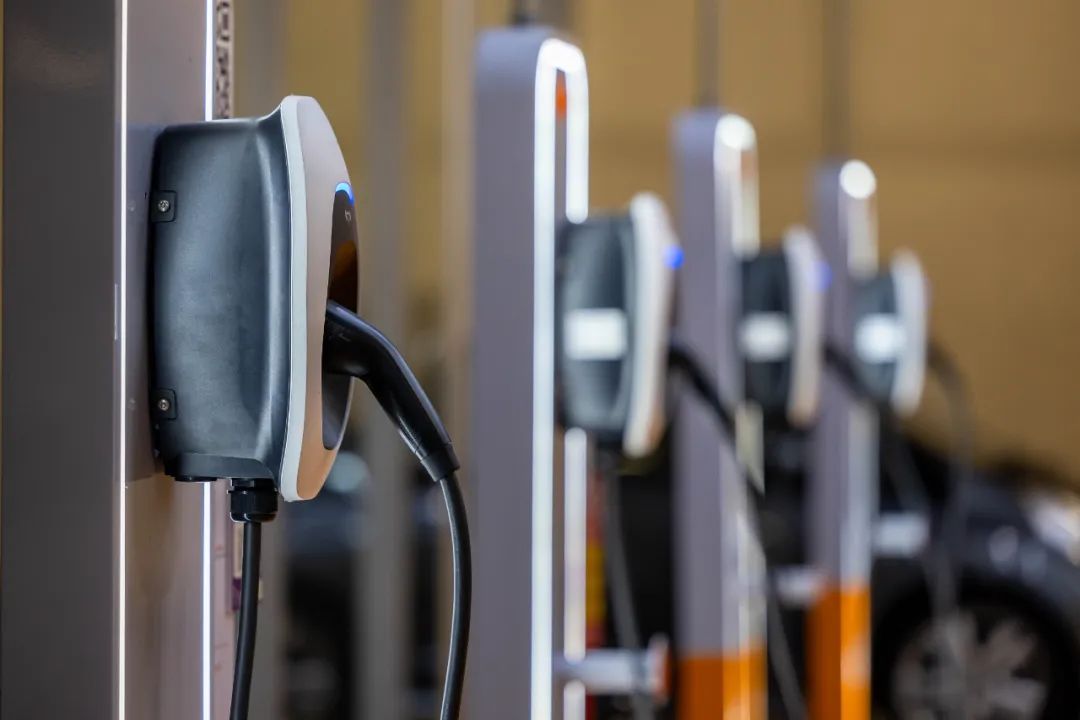
中国车企正在点亮欧洲“充电网”
Zhong Guo Qi Che Bao Wang· 2025-06-26 11:22
Group 1 - The European electric vehicle market is becoming increasingly competitive, with Chinese automakers gaining traction through technological innovation and product advantages [2][3] - Chinese automakers are enhancing their competitiveness in Europe by collaborating with local charging operators or establishing their own charging networks, addressing the critical need for charging infrastructure [2][3] - BYD plans to deploy a megawatt-level fast charging network in Europe, aiming to alleviate charging anxiety for electric vehicle users and improve user experience [3][4] Group 2 - NIO has established a charging and battery swap network in Europe, with 50 battery swap stations and 19 charging stations in several countries, enhancing its market presence [4][6] - XPeng Motors has partnered with Plugsurfing to access over 850,000 charging points across 27 European countries, strengthening its brand recognition and market expansion [4][6] - The rapid growth of electric vehicle sales in Europe has not been matched by the expansion of charging infrastructure, creating opportunities for Chinese companies to fill this gap [6][10] Group 3 - Chinese charging infrastructure manufacturers are actively entering the European market, following the lead of automakers and forming partnerships with local companies [7][8] - The establishment of joint ventures, such as the one between Star Charge and Schneider Electric, aims to provide comprehensive charging solutions in Europe [8] - Despite facing challenges such as high certification costs and stringent regulations, Chinese companies are motivated by higher profit margins in the European market [10][11] Group 4 - The collaboration between Chinese automakers and charging infrastructure companies is crucial for building a robust electric vehicle ecosystem in Europe [10][11] - The development of a comprehensive charging network will enhance the convenience of electric vehicle usage, reduce range anxiety, and promote the adoption of electric vehicles [10][11] - Chinese companies' investments in technology and infrastructure will accelerate the construction of charging facilities in Europe, contributing to the region's green transition [10][11]
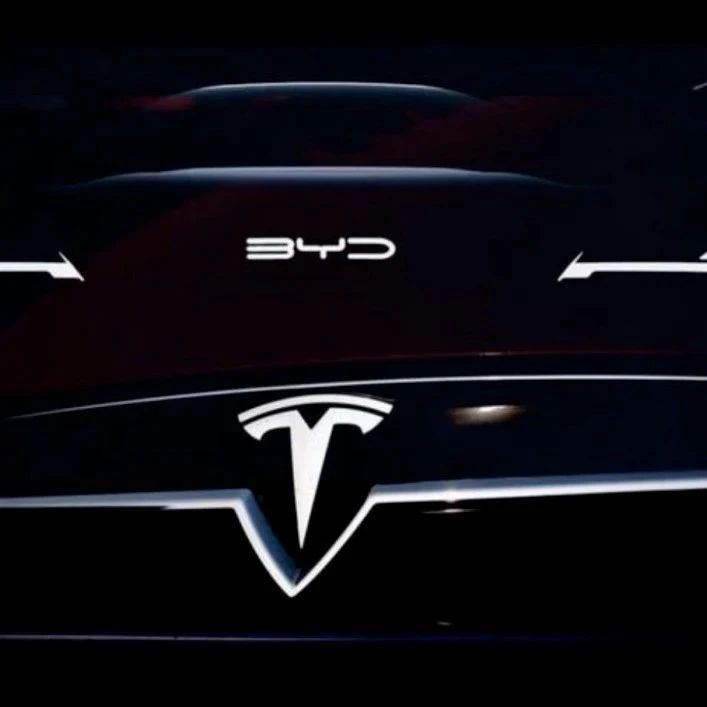
比亚迪在欧洲卖爆!销量把特斯拉甩老远,咋做到的?
商业洞察· 2025-06-23 09:04
Core Viewpoint - BYD has achieved remarkable overseas sales performance in May 2025, reaching 88,640 units, a year-on-year increase of 133.6%, surpassing Tesla in 16 European countries [1] Group 1: Sales Performance - In May 2025, BYD's sales in Germany reached 1,857 units, a year-on-year increase of 824%, surpassing Tesla for two consecutive months [3] - In the UK, BYD sold 3,025 units, a year-on-year increase of 408%, also exceeding Tesla's sales [3] - In Italy, BYD's sales approached 2,000 units, with a month-on-month growth of 15.6%, leading Tesla by 135% [3] - In Spain, BYD's sales reached 2,434 units, three times that of Tesla [3] - In France, BYD's sales were 938 units, marking the first time it surpassed Tesla [3] Group 2: Challenges Faced - Initially, BYD faced significant challenges entering the European market, including low consumer acceptance of new energy vehicles and negative perceptions of Chinese brands [5] - In Germany, BYD dealt with reduced electric vehicle subsidies and a 17% "anti-subsidy" tax from the EU, which doubled the prices of its main models [5] - In France, BYD struggled with brand recognition, facing mispronunciations of its name and difficulties in securing dealer partnerships [6] - In the UK, BYD encountered low brand awareness and challenges in financing and dealer cooperation [7] - In Italy, BYD relied on a grassroots approach, using test drives to overcome skepticism about Chinese technology [8] Group 3: Strategic Responses - BYD actively responded to market barriers by enhancing brand visibility through sponsorship of the 2024 European Championship and achieving five-star ratings in EU crash tests [11] - The company launched models tailored to European needs, such as the long-range ATTO 3 and the compact electric vehicle Seagull, to capture niche markets [11] - BYD accelerated its localization efforts by establishing a complete vehicle factory in Hungary and a research center in Germany, while integrating into the European charging ecosystem [11] - The company showcased its technological advancements, including the fifth-generation DM Super Hybrid and other innovations, which were widely reported by overseas media, enhancing its brand image as a technology leader [11] Group 4: Future Outlook - By 2025, BYD plans to expand its product lineup in Europe to 10 models, covering both pure electric and hybrid vehicles, with over 350 dealer outlets [13] - BYD's strategic approach and strong technical capabilities have gradually earned recognition from European consumers, setting a benchmark for Chinese new energy vehicle brands in international markets [13]
中国新能源车抢滩拉美
Hu Xiu· 2025-06-11 08:04
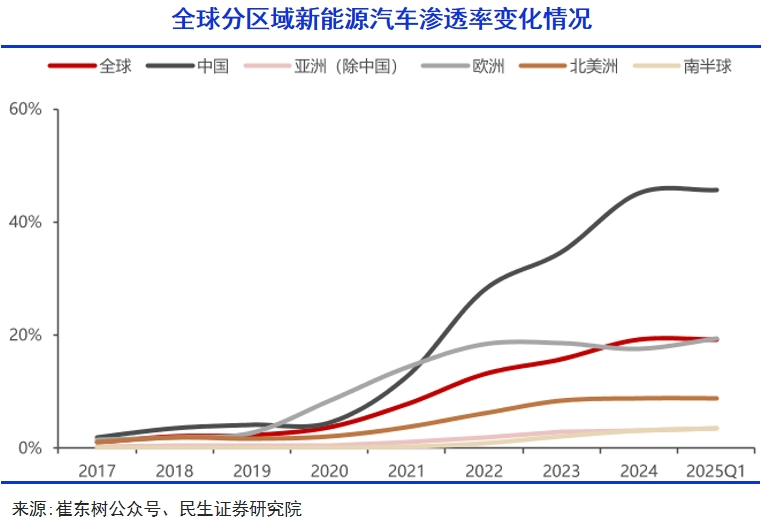
Core Insights - The article highlights the growing opportunities for Chinese electric vehicles (EVs) in the Latin American market, which currently has a low penetration rate of only 3% compared to China's 48% [1][6]. Group 1: Market Potential - Latin America has a population of 665 million, with a per capita GDP twice that of Southeast Asia, indicating stronger purchasing power [3]. - The region's cultural uniformity, primarily speaking Spanish and Portuguese, along with limited religious constraints, makes it more accessible for Chinese EVs compared to more complex regions like Southeast Asia and the Middle East [4]. - The lack of extreme political caution towards China in Latin America provides a favorable environment for the entry of Chinese EVs [5]. Group 2: Industrial Foundation - Latin America possesses significant industrial resources, including the "lithium triangle" in South America, which is crucial for the EV supply chain [6]. - Countries like Chile, Mexico, and Brazil have established automotive supply chains that can support the growth of the EV industry [6]. Group 3: Trade and Logistics - The cooperation between China and Latin America is entering a new era, with increasing bilateral trade and the role of EVs becoming more prominent [7]. - BYD has launched a massive roll-on/roll-off ship, the "BYD Shenzhen," capable of transporting 9,200 vehicles, marking a significant advancement in logistics for Chinese EV exports [9][12]. - By 2026, BYD plans to expand its fleet to eight ships, potentially transporting over 800,000 vehicles annually [12]. Group 4: Export Growth - In 2024, China's total automobile exports reached 5.859 million units, with EV exports hitting a record of 1.284 million units, showcasing a 19.3% year-on-year increase [23]. - Chinese brands dominate the EV market in Latin America, with over half of the sales in South America being Chinese-made vehicles [27]. Group 5: Competitive Landscape - In Brazil, Chinese EVs accounted for 91.4% of total imports in the first half of 2024, generating sales of $1.2 billion [27]. - The average export price of Chinese EVs exceeds $20,000, which is 30%-50% higher than domestic prices, yet demand remains strong [28]. - BYD's sales in Brazil surged by 328% in 2024, positioning it as a leading player in the market [34]. Group 6: Local Manufacturing and Infrastructure - Chinese automakers are increasingly localizing production, with Great Wall Motors planning to establish a factory in Brazil to enhance local manufacturing capabilities [40]. - The push for electric public transportation is evident, with over 6,000 electric buses in operation, primarily from Chinese brands [43]. - Collaborations with local companies for charging infrastructure are underway, with BYD partnering with Raízen Power to build charging centers in Brazil [47]. Group 7: Historical Context - The article draws parallels between the historical trade routes and the current expansion of Chinese EVs into Latin America, marking a significant shift from "selling domestically" to "selling globally" [51][54].
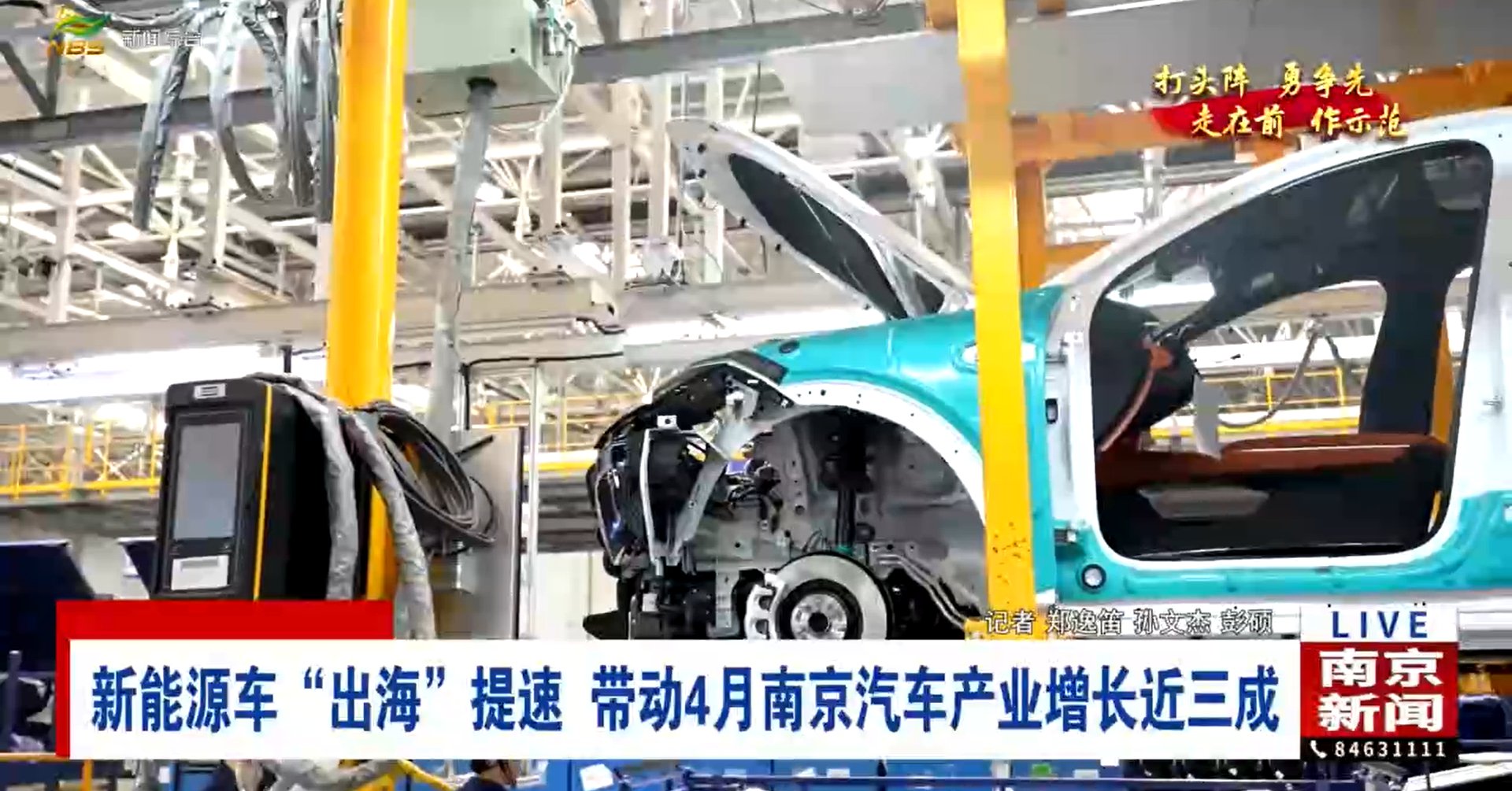
新能源车“出海”提速 带动4月南京汽车产业增长近三成
Nan Jing Ri Bao· 2025-06-09 10:25
Industry Overview - Nanjing's new energy vehicle industry is experiencing strong growth, aiming for a position among the top domestic players by upgrading the industry and optimizing spatial layout [1] - The automotive manufacturing value added in Nanjing increased by 29.3% year-on-year in April, driven by the export of new energy vehicle models [8] Company Highlights - At Nanjing Chang'an Automobile's smart factory, a new vehicle is assembled every 102 seconds, showcasing high efficiency in production [3] - The Deep Blue S07 model has over 3,000 configuration combinations, achieving a vehicle pass rate of over 99% due to advanced error-proofing technology [5] - In April, Chang'an's Deep Blue brand delivered 20,138 vehicles, a 58% increase year-on-year, with approximately 25% produced at the Nanjing facility [5] - The first batch of 140 European version Deep Blue S07 vehicles was launched for export to over 50 countries, with an expected total export of nearly 50,000 units this year [5] Market Demand and Orders - Kaiwo New Energy's commercial vehicle division has secured significant orders for electric trucks, including hundreds of 49-ton electric tractors and container transfer vehicles [7] - The new energy vehicles feature long-range capabilities and fast charging, with a weight reduction of 200-300 kg compared to competitors, enhancing transport efficiency [8] - As of May, 800 units of new energy heavy trucks have been exported overseas, reflecting the growing demand for eco-friendly transport solutions [8] Regional Development - Nanjing is recognized as a leading city in the new energy vehicle sector, with over 500 related enterprises and an annual production capacity exceeding one million vehicles [8] - The city has a complete supply chain for new energy vehicles, covering various vehicle types and key components such as electric motors and control systems [8] - In the first quarter, Nanjing's new energy vehicle production increased by 19.5%, contributing to the overall growth of the automotive manufacturing sector [8]
中国电动汽车征战东南亚,突围日系车防线
3 6 Ke· 2025-06-05 12:50
Core Insights - Chinese electric vehicle brands are experiencing significant growth in Southeast Asia, with sales in Indonesia, Malaysia, Thailand, and the Philippines increasing by over 58% year-on-year in Q1 2025 compared to Q1 2024 [2][3][4] - In contrast, Japanese automotive brands are facing a decline in the same markets, with notable decreases in sales since 2019 [4][10] - The shift in market dynamics indicates a strategic offensive by Chinese electric vehicle manufacturers against Japanese competitors in Southeast Asia [4][5] Sales Performance - In Q1 2025, Chinese brands sold 67,558 vehicles in Southeast Asia, a 58% increase from 42,646 in Q1 2024 [3] - Breakdown of sales by country shows Indonesia leading with a 161% increase, followed by Thailand (25%), Malaysia (53%), and the Philippines (38%) [3] - Total vehicle sales in Southeast Asia decreased by 4% in the same period, highlighting the growing market share of Chinese brands [3] Market Dynamics - The Southeast Asian automotive market, historically dominated by Japanese brands, is witnessing a shift as Chinese brands gain traction [5][8] - In Thailand, for instance, Chinese brands like BYD are now among the top sellers, with BYD capturing 4.9% market share [6][8] - The presence of Chinese brands in the region is supported by favorable government policies and a growing local manufacturing base [8][14] Strategic Moves - Chinese automakers are establishing a comprehensive supply chain in Southeast Asia, moving from sales to local manufacturing and procurement [11][12] - Unlike Japanese brands that often use CKD (Completely Knocked Down) production, Chinese companies are focusing on full vehicle production to enhance operational efficiency [12] - Investments in local production facilities, such as those by Geely and Great Wall Motors, are becoming increasingly common [12][13] Competitive Landscape - The competitive landscape is evolving, with Chinese brands not only increasing sales but also enhancing their local presence through hiring and local partnerships [15] - The rise of Chinese brands is further emphasized by the increasing number of Chinese automotive parts suppliers in Thailand, which has tripled since 2020 [14] - Despite the progress, challenges remain, particularly regarding market barriers and the influence of established Japanese brands on local policies [19][20] Long-term Outlook - The transition from traditional fuel vehicles to electric vehicles in Southeast Asia is expected to continue, driven by government initiatives [17][18] - The ongoing competition between Chinese and Japanese brands suggests that the battle for market share in Southeast Asia is far from over [21]