
液冷技术

Search documents
同飞股份斥资9亿布局南北双基地 加码温控赛道归母净利连增4个季度
Chang Jiang Shang Bao· 2026-01-09 00:08
Core Viewpoint - Tongfei Co., Ltd. (300990.SZ) is advancing its industrial temperature control business by launching two major investment projects in Hebei and Jiangsu, with a total investment of 900 million yuan, reflecting its strategic ambition to capture emerging market opportunities [1][2]. Group 1: Investment Projects - The southern headquarters project in Suzhou will involve an investment of 600 million yuan to establish a production base for cooling equipment and components, covering four product series, including liquid temperature control devices and special heat exchangers, targeting high-growth sectors such as CNC equipment and new energy vehicles [2][3]. - The northern base in Sanhe will focus on local upgrades with a planned investment of 300 million yuan for a liquid cooling temperature control project, aimed at enhancing core production capacity and expanding revenue scale [2][3]. Group 2: Market Demand and Growth - The demand for industrial temperature control equipment is expanding due to the rapid development of emerging industries like new energy vehicles and data centers, with liquid cooling technology becoming a mainstream solution due to its efficiency [3]. - In 2025, Tongfei Co., Ltd. is expected to see a recovery in performance, with a projected revenue of 2.081 billion yuan in the first three quarters, marking a 51.5% year-on-year increase, and a net profit of 180 million yuan, up 158.11% [4][5]. Group 3: Business Performance - The company has experienced continuous growth in net profit for four consecutive quarters, with significant increases in each quarter from Q4 2024 to Q3 2025, showcasing strong financial performance [4]. - The growth is driven by the dual engines of energy storage and liquid cooling businesses, with energy storage temperature control revenue reaching 681 million yuan, a year-on-year increase of 87%, benefiting from partnerships with leading clients [5].
氟化工行业:2025年12月月度观察:一季度制冷剂长协价格落地,关注PVDF价格持续修复-20260108
Guoxin Securities· 2026-01-08 13:33
Investment Rating - The report maintains an "Outperform" rating for the fluorochemical industry [5][8]. Core Insights - The fluorochemical industry index underperformed compared to the Shenwan Chemical Index and the CSI 300 Index in December, with a 1.89% increase, lagging behind the Shenwan Chemical Index by 2.54 percentage points [1][15]. - The long-term contracts for refrigerants are expected to stabilize, with prices for R32 and R410A increasing in the first quarter of 2026 [2][23]. - The demand for fluorinated liquids and refrigerants is anticipated to rise due to advancements in liquid cooling technologies driven by AI and high-density server requirements [4][60]. Summary by Sections 1. December Fluorochemical Industry Performance - As of December 31, the Shanghai Composite Index was at 3968.84 points, up 2.06% from November, while the fluorochemical index was at 2018.62 points, up 1.89% [1][15]. 2. December Refrigerant Market Review - The long-term contract prices for R32 and R410A are set to increase, with R32 at 61,200 CNY/ton and R410A at 55,100 CNY/ton, reflecting increases of 1.66% and 3.57% respectively [2][23]. - The prices for R134a, R125, and R410A have also seen significant increases, with R134a reaching 58,000 CNY/ton, up 4.50% from the previous month [2][24]. 3. Liquid Cooling Driving Demand for Fluorinated Liquids and Refrigerants - The report highlights the shift from traditional air cooling to liquid cooling in data centers, which is expected to significantly increase the demand for fluorinated liquids [4][60]. - The liquid cooling market is projected to grow rapidly, with a compound annual growth rate of 51.4% from 2019 to 2027, potentially exceeding 100 billion CNY [60][63]. 4. 2026 Refrigerant Quota Announcement - The Ministry of Ecology and Environment has announced the refrigerant quotas for 2026, indicating a slight increase in production quotas for R32, R125, and R134a, while R141b's quota has been eliminated [67][70]. - The report suggests that the tightening of refrigerant quotas will support the long-term price stability and profitability of leading companies in the sector [67][72]. 5. Key Company Profit Forecasts and Investment Ratings - Key companies such as Juhua Co., Dongyue Group, and Sanmei Co. are rated as "Outperform," with projected earnings per share (EPS) growth for 2026 [8].


液冷行业概览:算力大势所趋,AI助力液冷步入新篇章
Tou Bao Yan Jiu Yuan· 2026-01-08 12:57
Investment Rating - The report indicates a positive investment outlook for the liquid cooling industry, highlighting its transition from a niche option to a mainstream solution in high-density computing scenarios driven by AI and data center demands [3][5]. Core Insights - The explosive growth in computing power demand is reshaping cooling methods in data centers, making liquid cooling a necessity for high-density scenarios. AI model training and inference are driving significant increases in chip power consumption and cabinet power density [3][27]. - Liquid cooling technology offers superior thermal management capabilities, with thermal conductivity over 25 times that of air and heat transfer coefficients 1,000 to 3,000 times greater than traditional air cooling, enabling support for power densities exceeding 50kW and up to 200kW [3][27]. - By 2025, liquid cooling is expected to transition from high-end applications to mainstream adoption, driven by the need for efficient cooling solutions in AI computing centers and supercomputing environments [3][5]. Summary by Sections Market Overview - The global liquid cooling market is led by the United States, with major cloud service providers adopting liquid cooling as a standard for new data centers. The market is characterized by a shift towards immersion cooling, which is growing faster than cold plate cooling [4]. - In China, the liquid cooling market is projected to grow from 11.08 billion yuan in 2023 to 184 billion yuan in 2024, with a compound annual growth rate of 66.1% expected through 2025 [5]. Technology Comparison - Liquid cooling technologies include cold plate cooling, immersion cooling, and spray cooling, with cold plate cooling currently holding a 65% market share due to its compatibility and lower retrofit costs. Immersion cooling is expected to gain traction due to its higher efficiency and noise reduction capabilities [11][14]. - The total cost of ownership (TCO) for liquid cooling is projected to be 20%-30% lower than air cooling over five years in high-density scenarios, making it a more cost-effective solution despite higher initial investments [18][22]. Efficiency and Performance - Liquid cooling systems can achieve a Power Usage Effectiveness (PUE) of 1.1-1.2, significantly lower than traditional air cooling systems, which can reach PUE values of 1.4-1.8. This efficiency translates to substantial energy savings and reduced operational costs [19][30]. - The report emphasizes that liquid cooling can extend equipment lifespan by over 30% due to better thermal management, reducing the risk of overheating-related failures [27][21]. Future Outlook - The liquid cooling market is expected to enter a phase of comprehensive expansion from 2025 to 2029, with a projected annual growth rate of 37.4%. This growth will be supported by cost advantages from economies of scale, improved technology ecosystems, and expanded application scenarios [5][23].
三花:AI机器人时代,笑到最后还是跨界"老腊肉”?
3 6 Ke· 2026-01-08 12:21
Core Insights - The report discusses the growth history of Sanhua Intelligent Control and its product offerings, focusing on traditional refrigeration and automotive thermal management, particularly in the context of new energy vehicles and humanoid robots as future growth areas [1]. Group 1: Thermal Management Market Expansion - The thermal management market is expanding, particularly in data centers, driven by increasing power density and energy efficiency requirements, leading to a shift from air cooling to liquid cooling technologies [2]. - Data centers face rising demands for thermal management solutions due to higher power density and stricter energy efficiency standards, with liquid cooling systems becoming increasingly valuable [4]. Group 2: Liquid Cooling Technology - Liquid cooling is superior to air cooling due to its higher thermal conductivity and efficiency, and it is becoming the standard in North American data centers [5]. - The transition to liquid cooling is essential for meeting energy efficiency targets, as it can significantly reduce Power Usage Effectiveness (PUE) [4][5]. Group 3: Competitive Landscape - The competitive landscape in data center thermal management is dominated by suppliers from the US and Taiwan, with Nvidia being a key player that maintains a closed supply chain, limiting opportunities for mainland Chinese companies [9][11]. - Sanhua Intelligent Control primarily supplies components for liquid cooling systems and has achieved over 1 billion RMB in revenue from data center liquid cooling solutions in 2024, but lacks direct engagement with major data center operators [12]. Group 4: Market Potential - The data center thermal management market is projected to grow significantly, with estimates suggesting it could approach the size of the new energy vehicle thermal management market by 2027 [14]. - The market for energy storage thermal management is also expanding, with a shift from air cooling to liquid cooling technologies as energy storage systems evolve [15][18]. Group 5: Humanoid Robotics - In the humanoid robotics sector, Sanhua focuses on mechatronic actuators, which are essential for robot joints, and is positioning itself as a Tier One supplier similar to its role in the automotive sector [25][26]. - The company has established a strong relationship with Tesla, which may facilitate its entry into the humanoid robotics market [30]. Group 6: Strategic Positioning - Sanhua's capabilities in thermal management and mechatronics, along with its global production capacity, position it well for future growth in both data center and humanoid robotics markets [29][33]. - The company faces challenges in the data center market due to established competitors and the need to build relationships with key players like Nvidia, which has a closed supply chain [34][35].


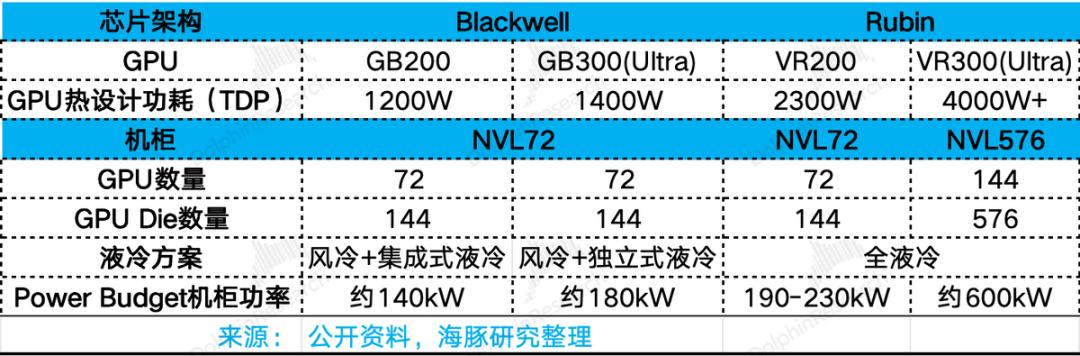
氟化工行业:2025年12月月度观察:二季度制冷剂长协价格落地,关注PVDF价格持续修复-20260108
Guoxin Securities· 2026-01-08 12:00
Investment Rating - The report maintains an "Outperform" rating for the fluorochemical industry [5][8]. Core Views - The fluorochemical industry is expected to benefit from the rising prices of refrigerants and the increasing demand for fluorinated liquids driven by advancements in liquid cooling technology for data centers [4][7]. - The long-term outlook for mainstream refrigerants such as R32, R134a, and R125 remains positive due to supply constraints from quota policies, which are expected to support price increases [7][68]. Summary by Sections 1. December Fluorochemical Industry Performance - As of December 31, the Shanghai Composite Index rose by 2.06%, while the fluorochemical index increased by 1.89%, underperforming the broader chemical indices [1][15]. 2. December Refrigerant Market Review - Mainstream refrigerant long-term contract prices are on the rise, with R32 expected to reach 61,200 CNY/ton, a 1.66% increase from the previous quarter [2][23]. - R134a prices have increased to 58,000 CNY/ton, reflecting a 4.5% month-over-month rise [24]. 3. Liquid Cooling Driving Demand for Fluorinated Liquids and Refrigerants - The shift towards liquid cooling in data centers is expected to significantly increase the demand for fluorinated liquids and refrigerants, as traditional air cooling methods become less effective [4][60]. - Companies such as Juhua Co., Dongyue Group, and Sanmei Co. are highlighted as key players in this market [4][66]. 4. 2026 Refrigerant Quota Announcement - The Ministry of Ecology and Environment has announced the 2026 refrigerant quotas, indicating a slight increase in production quotas for R32, R125, and R134a, while R141b's quota has been eliminated [67][70]. - The overall supply constraints are expected to maintain a tight balance in the refrigerant market, supporting price stability [68][72]. 5. Air Conditioning and Export Data Tracking - The production of air conditioners is projected to maintain high levels, with January 2026 production expected to be 7.86 million units, a year-on-year increase of 8.9% [3][5]. - Export data shows a mixed trend, with R32 exports increasing by 12% while R22 exports have decreased by 21% [29][33]. 6. Focus on PVDF Price Recovery - The report notes a recovery in PVDF prices due to rising costs and improved supply-demand dynamics, with current prices ranging from 54,000 to 60,000 CNY/ton [4][66].
算力狂奔的尽头是“能耗悬崖”?他们正在寻找答案 | 两说
Di Yi Cai Jing Zi Xun· 2026-01-08 06:44
Core Insights - The rapid evolution of AI is leading to an energy consumption crisis in global data centers, which is approaching its limits, posing a significant challenge for the future of AI development [1][3] - The discussion highlights the need for a balance between computational power and energy efficiency, emphasizing the importance of innovative cooling technologies to address the energy demands of AI [3][5] Energy Consumption Crisis - AI's second phase may be constrained by power limitations, as highlighted by the increasing energy demands of data centers, which are projected to grow fivefold by 2030 according to the International Energy Agency [3] - Observations from the "East Data West Computing" initiative indicate that a significant portion of energy is used for cooling rather than computation, with approximately 0.4 kWh used for cooling for every kWh used for computation [3] Liquid Cooling Solutions - The current mainstream immersion cooling liquids, such as certain perfluoroalkyl and polyfluoroalkyl substances (PFAS), pose environmental risks due to their non-degradable nature, necessitating the development of safer alternatives [5] - New non-PFAS cooling liquids have emerged in the domestic market, offering a more environmentally friendly solution for cooling data centers [5] PUE Efficiency Revolution - The Power Usage Effectiveness (PUE) metric is critical, with a target of PUE ≤ 1.25 for new data centers under the "AI+" initiative, representing a significant efficiency benchmark [8] - Advanced liquid cooling technologies can potentially reduce PUE to as low as 1.1, indicating that nearly all energy is utilized for computation rather than cooling [8] Social Impact of Efficient Computing - The potential of AI to democratize access to resources is discussed, with examples such as local AI systems enabling remote hospitals to perform complex medical analyses [10] - AI can also bridge educational gaps by providing quality resources to underserved regions, promoting equity in education [10] Future Competition Landscape - The rapid advancement of AI technologies creates a competitive landscape where cognitive understanding of energy constraints and sustainable practices will define future success [12] - The ability to balance computational growth with environmental sustainability will be crucial for shaping the next era of technological development [12] Human-Centric Approach - The conversation emphasizes the importance of human-centric values in technology development, advocating for a focus on sustainability and the well-being of society [14][15] - The integration of human insights and data into AI development is essential for fostering a sustainable and equitable future [14][15]

算力狂奔的尽头是“能耗悬崖”?他们正在寻找答案 | 两说
第一财经· 2026-01-08 06:33
Core Viewpoint - The rapid evolution of AI is leading to an unprecedented energy consumption crisis in global data centers, which is becoming a significant limitation for the future of AI development [1][4]. Group 1: Energy Consumption Crisis - The competition in the first half of AI development focused on algorithms, while the second half may be constrained by computing power and energy challenges [4]. - The International Energy Agency reports that global data center electricity consumption is expected to surge fivefold by 2030 [4]. - In the "East Data West Computing" initiative, it was observed that for every kilowatt-hour of electricity used for computing, 0.4 kilowatt-hours are used for cooling [4]. Group 2: Liquid Cooling Solutions - Liquid cooling technology presents both advantages and environmental risks; current mainstream liquids, such as certain perfluoroalkyl substances (PFAS), are effective but pose long-term environmental hazards [6]. - New non-PFAS alternatives are emerging in the domestic market, highlighting the need for greener and safer material innovations [6]. Group 3: PUE and Energy Efficiency - The Power Usage Effectiveness (PUE) is a critical metric, with new data centers required to maintain a PUE of ≤1.25, which is seen as a threshold for energy efficiency [8]. - Traditional air-cooled systems typically have a PUE above 1.3, while advanced liquid cooling can reduce it to as low as 1.1 or even approach 1 [8][9]. - A PUE of 2 indicates that half of the electricity is used for computing and half for cooling, with lower values indicating higher energy efficiency [9]. Group 4: Societal Impact of AI - AI has the potential to balance resource distribution, with edge computing enabling high-performance AI models to be accessible in remote areas, enhancing healthcare and education [11]. - AI can help bridge educational gaps caused by geographic disparities, providing equitable access to quality resources [11]. Group 5: Future Considerations - The rapid iteration of technology creates anxiety among tech workers, emphasizing the importance of understanding energy constraints and balancing power with sustainability [13]. - The dialogue underscores the need for technological advancement to align with Earth's capacity, social equity, and human welfare [15].

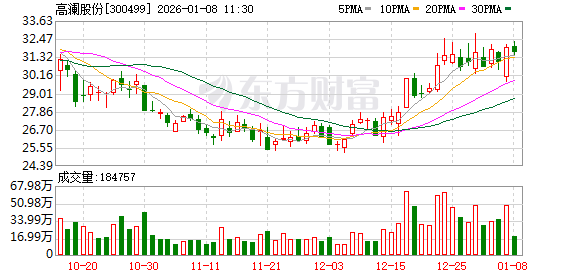
高澜股份:公司已实现液冷关键设备的自主生产,目前产能利用率在正常范围内
Mei Ri Jing Ji Xin Wen· 2026-01-08 04:34
Group 1 - The company has its main production base at its wholly-owned subsidiary, Yueyang Gaolan Energy Equipment Manufacturing Co., Ltd. [2] - The company has achieved independent production of key liquid cooling equipment, with the current capacity utilization rate within a normal range [2] - The company will continue to optimize production scheduling and supply chain collaboration efficiency to ensure smooth delivery of all orders [2]

强势反包!规模最大的航空航天ETF(159227)飙涨4%,数据ETF(516000)涨2.36%
Ge Long Hui A P P· 2026-01-08 03:13
Group 1 - The aerospace and defense sectors have seen a significant increase, with the Aerospace ETF (159227) rising by 4%, reaching a new high since its listing, and a cumulative increase of 35% since November 24 [1] - The data center sector also performed well, with Baoxin Software hitting the daily limit and Zhongke Shuguang rising by 6%, contributing to a 2.36% increase in the Data ETF [1] Group 2 - Trump is seeking to increase the military budget for fiscal year 2027 to $1.5 trillion, which would mark the largest nominal increase in U.S. military spending history [2] - Xinghe Power Aerospace plans to implement the "Ceres I Sea Launch Type (Remote 7)" commercial launch vehicle mission, code-named "Wanghai Tide," in the near future [2] - The Rubin platform has achieved 100% full liquid cooling coverage, with its flagship product, the Vera Rubin NVL72 rack system, featuring a cable-free, fanless modular design, marking a significant milestone for the large-scale application of liquid cooling technology [2] - Guosheng Securities notes that with increased launch frequency and decreasing unit launch costs, applications in low Earth orbit and deep space are accelerating from "feasibility verification" to "engineering implementation" [2] Group 3 - The Aerospace ETF (159227) includes key companies such as Guangqi Technology (metamaterials stealth technology), AVIC Shenyang Aircraft Corporation (fighter jet manufacturing), Aero Engine Corporation of China (aerospace engines), AVIC Chengfei (drone systems manufacturing), and Great Wall Military Industry (ammunition and smart weapon systems) [3] - The Data ETF (516000) features major companies like Zhongke Shuguang (leading high-end computing and data center provider), Inspur Information (core supplier of computing networks), Unisplendour (ICT infrastructure and solutions provider), and Tuwei Information (digital infrastructure service provider) [3]

从CES看液冷-冷水机组变化
2026-01-08 02:07
Summary of Conference Call Records Industry Overview - The conference call discusses the liquid cooling and chiller unit market, particularly in relation to the advancements presented by NVIDIA at CES, which indicates a significant shift towards liquid cooling solutions in data centers and high-power computing environments [1][2]. Key Points and Arguments - **Liquid Cooling Adoption**: NVIDIA's new platform will fully adopt liquid cooling designs for high-power computing and networking units, continuing the trend established by the 300 series cabinets, which are predominantly liquid-cooled [1][2]. - **Market Penetration**: The penetration rate of liquid cooling in switches is expected to significantly increase by 2026-2027, with the cold plate value in single cabinets reaching approximately 8% [1][2]. - **Optical Modules**: The 1.67G optical module is anticipated to enter mass production in the second half of 2026, with its liquid-cooled single-port value being 3 to 4 times higher than traditional air-cooled solutions [1][2]. - **Secondary Component Optimization**: There is a continuous improvement in the unit power value of secondary components, with designs evolving to enhance heat exchange capabilities [1][3]. - **Warm Water Cooling Technology**: This technology allows for higher inlet water temperatures and can utilize outdoor dry coolers for natural cooling, achieving a PUE close to 1.05. However, its effectiveness is limited by external temperatures, making it most efficient in climates where temperatures do not exceed 27°C [4]. - **Impact of Increased Inlet Water Temperature**: Higher inlet water temperatures reduce the temperature difference between primary and secondary sides, necessitating increased contact area and flow rates to dissipate the same amount of heat [5]. - **Cooling Solutions for Builders**: Builders will ultimately decide on cooling solutions, balancing reliability, efficiency, and cost. Even with the recommendation for warm water cooling, traditional chiller units are likely to remain prevalent due to their reliability [6]. Company-Specific Insights - **Ice Wheel Environment's Performance**: The company is expected to see a gradual recovery in its industrial refrigeration business, with a projected net profit of 850 million RMB in 2026, reflecting a growth of no more than 20% year-on-year. The current valuation corresponds to a PE ratio of less than 20 times for 2026, indicating a favorable investment opportunity [7][9]. - **Market Position**: Ice Wheel Environment maintains a leading market share in the domestic industrial refrigeration sector, with a stable and concentrated industry landscape. Orders in the food sector are growing due to increased demand for cold chain logistics, while the chemical sector is also showing signs of recovery [9]. Additional Important Content - **Environmental Considerations**: The increased demand for water and cooling liquids due to natural cooling methods poses challenges in terms of cost and land requirements, particularly in areas with limited water supply [5]. - **Competitor Landscape**: Competitors like York and Trane are experiencing tight production capacities, which may provide Ice Wheel Environment with opportunities to capture market share and secure new clients [7][9].
