数字经济

Search documents
天津云传递破局汽车供应链难题
Zhong Guo Qi Che Bao Wang· 2026-01-20 09:26
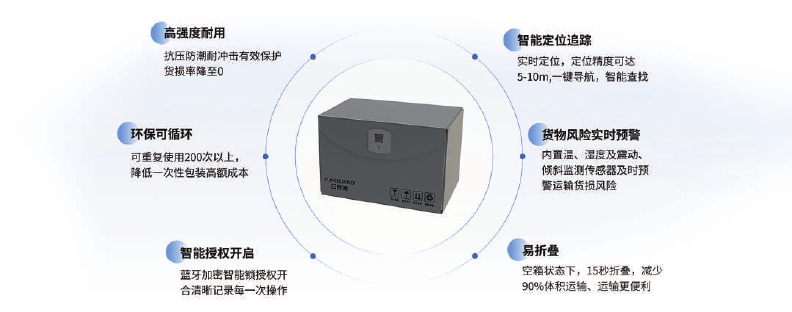
Core Insights - The automotive industry is undergoing a transformation towards electrification, intelligence, and sustainability, making supply chain efficiency and sustainability critical for competitiveness [2] - Traditional single-use packaging in the automotive supply chain presents challenges such as high costs, pollution, and difficulty in tracking, necessitating urgent cost reduction and green upgrades [3][4] Industry Challenges - The logistics packaging market for automotive aftermarket parts in China has reached a scale of over 100 billion yuan, with traditional packaging primarily consisting of single-use materials like corrugated boxes and wooden crates [3] - Recent price increases of 20% to 30% for cardboard have exacerbated the cost issues, while the single-use nature of traditional packaging leads to significant resource waste [3] - Traditional packaging lacks sufficient impact resistance and moisture protection, leading to high rates of damage during transport, and once the packaging leaves the warehouse, tracking information is lost, complicating accountability for lost or damaged goods [3][4] Technological Innovations - Tianjin Yunchuan Technology Co., Ltd. (Yun Chuan Ti) is pioneering a "circular packaging + digitalization" model to reshape the supply chain infrastructure, focusing on IoT, smart algorithms, and digital systems [2][4] - Yun Chuan Ti's solutions include intelligent circular packaging and comprehensive digital monitoring, providing a new logistics packaging approach that is recyclable, traceable, and cost-effective [2][5] Business Model and Solutions - Yun Chuan Ti has developed a three-pronged solution combining intelligent circular packaging products, a comprehensive reverse recovery network, and an AI supply chain management system [4][6] - The company offers a "circular leasing + data service" business model, allowing clients to pay for packaging based on actual usage rather than upfront purchases, enhancing inventory management and decision-making through data analytics [6][7] Value Creation - The implementation of Yun Chuan Ti's solutions has led to over 40% cost reductions for clients, more than 100% improvement in operational efficiency, and a zero loss rate for goods due to enhanced monitoring and robust packaging [7] - The solutions also promote a green supply chain transformation, aligning with carbon reduction goals and embedding sustainability into supply chain operations [7][8] Broader Impact - Yun Chuan Ti's practices exemplify the integration of innovation and green development, contributing to the circular economy and high-quality growth in the context of national policies promoting supply chain autonomy [8][9] - The company aims to expand its intelligent circular packaging solutions beyond the automotive sector into industries such as renewable energy, electronics, and pharmaceuticals, aspiring to create a comprehensive shared intelligent circular packaging network [9][10]

国家发改委:研究设立国家级并购基金,加强政府投资基金布局规划和投向指导
Sou Hu Cai Jing· 2026-01-20 09:21
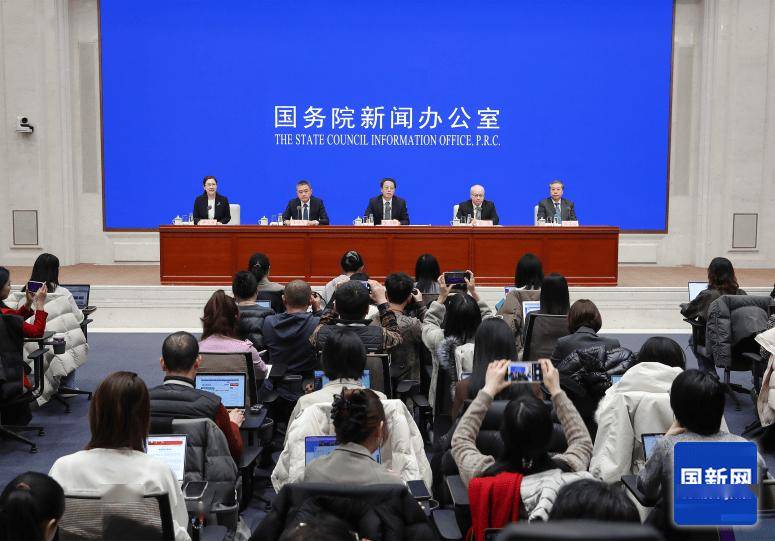
Core Viewpoint - The Chinese government is focusing on addressing the imbalance between strong supply and weak demand in the economy, aiming to promote a dynamic balance and a virtuous cycle between supply and demand through macroeconomic policies and reforms [2][4][22]. Group 1: Macroeconomic Policy - The macroeconomic policy will emphasize strengthening domestic circulation and expanding domestic demand, adapting to the trend of demand upgrading and aligning with the new round of technological revolution and industrial transformation [2][4]. - The government will implement a strategic plan for expanding domestic demand from 2026 to 2030, focusing on innovation measures and resource guarantees to stimulate new supply and demand [2][4]. Group 2: Economic Structure and Growth Potential - In 2026, China's economic structure is expected to continue improving, with new growth drivers emerging from sectors like new energy, aerospace, and artificial intelligence, which are anticipated to significantly contribute to economic growth [5][6]. - The digital economy is projected to reach a value of 49 trillion yuan by 2025, accounting for approximately 35% of GDP, indicating substantial market potential [6]. Group 3: Investment and Consumption Policies - The "Two New" policy has shown significant results since its implementation, with over 3.6 billion people benefiting from consumption subsidies, leading to a retail sales increase of 0.6 percentage points [10][11]. - The government plans to enhance the effectiveness of the "Two New" policy by optimizing support ranges and subsidy standards, aiming to further stimulate investment and consumption [11]. Group 4: Unified National Market - The construction of a unified national market is a key focus, with significant progress made in enhancing market infrastructure and reducing transaction costs, as evidenced by increased inter-provincial trade sales [18][19]. - Future efforts will include establishing regulations and mechanisms to support the unified market, ensuring fair competition and resource optimization across regions [19][20]. Group 5: Consumer Income and Demand - The government aims to boost consumer income as a critical factor in enhancing domestic demand, with strategies including job stability and income growth plans [22][23]. - The focus will be on integrating investment in physical and human capital to enhance overall economic growth and consumer spending [24].
杨德龙:2026年我国经济整体发展态势持续向好
Xin Lang Cai Jing· 2026-01-20 09:20
Economic Growth - In 2025, China's GDP achieved a growth of 5%, meeting the initial target, but quarterly growth rates showed a declining trend: 5.4%, 5.2%, 4.8%, and 4.5% respectively, indicating a reasonable economic operation with some recovery growth [1][7] - The trade surplus reached a historic high of over $1.1 trillion, approaching $1.2 trillion, reflecting strong competitiveness of Chinese export products despite the tariff war [1][7] Domestic Demand - The main issue in domestic demand is insufficient demand, with an annual CPI growth rate of 0% and negative PPI growth, indicating that weak demand has prevented price increases and led to price wars in industrial products [1][7] - Measures such as the "old-for-new" consumption policy have been introduced to boost consumer spending, which is crucial for stabilizing economic growth as consumption has become a more significant driver than investment and exports [1][7] Industrial Performance - Industrial production in 2025 showed some growth, with the total industrial output value increasing by 5.9% year-on-year, driven by sectors like 3D printing, industrial robots, and new energy vehicles, which saw production increases of 52.5%, 28%, and 25.1% respectively [2][8] - The manufacturing PMI for December was 50.1, indicating a return to the expansion zone, while profits for large industrial enterprises totaled 66,269 billion yuan, reflecting a low growth rate of 0.1% year-on-year [2][8] Investment Trends - Fixed asset investment decreased by 3.8% year-on-year, with real estate development investment dropping by 17.2%, highlighting the pressure on investment stability due to real estate adjustments [3][9] - The National Development and Reform Commission emphasized the need to strengthen domestic demand and adapt to the upgrading of demand structures, planning to develop a strategy for expanding domestic demand from 2026 to 2030 [3][9] Future Opportunities - The focus for 2026 includes sectors like robotics, AI, innovative pharmaceuticals, and controlled nuclear fusion, which are expected to continue to attract attention as technology-driven opportunities grow [4][10] - The digital economy's added value is projected to reach 49 trillion yuan by 2025, accounting for about 35% of GDP, indicating significant future market potential [3][10] Market Outlook - The market is expected to continue a slow bull trend, with a focus on technology stocks, while caution is advised against speculative behaviors, especially in the context of recent high margin trading balances [5][11] - Brand consumer goods are seen as having stable profitability and growth potential, despite a slowdown in consumption growth, making them attractive for investment [5][11]
久其软件:公司持续聚焦数字政府、数字企业、数字营销三大业务领域
Zheng Quan Ri Bao Wang· 2026-01-20 09:18
证券日报网讯 1月20日,久其软件(002279)在互动平台回答投资者提问时表示,公司多年深耕于政企 客户信息化建设、数字化转型与智能化升级服务,始终紧抓数字经济发展契机,坚持技术创新与实践探 索相结合,创新运用人工智能、大数据等前沿科技,加速融合AI通用大模型生态,持续聚焦数字政 府、数字企业、数字营销三大业务领域。未来,公司将致力于通过稳健经营与战略聚焦,继续加强投资 者交流,为投资者创造长期价值。 ...

大洋集团01991.HK与鹤延国际达成战略合作,拓展文化IP出海的智能化新范式
Cai Fu Zai Xian· 2026-01-20 09:05
Core Viewpoint - The article discusses the strategic collaboration between Ocean Group and He Yan International Cultural Industry Co., Ltd., focusing on the integration of digital content, cultural assets, and global dissemination in the context of the rapidly evolving digital content industry [1][3]. Group 1: Strategic Collaboration - Ocean Group has formed a strategic partnership with He Yan International to enhance its capabilities in digital marketing, AI digital personas, multilingual content distribution, and global traffic operations [1][2]. - He Yan International aims to explore sustainable development models for cultural content in the digital economy, emphasizing the integration of cultural content with modern technology and business models [2][3]. Group 2: Technological Integration - Ocean Group is leveraging its digital marketing infrastructure to provide comprehensive solutions for cultural IP, including content generation, brand building, and global dissemination [3][4]. - The collaboration aims to transform traditional cultural dissemination methods into a scalable and sustainable digital asset dissemination system, utilizing advanced technologies like blockchain and AI [3][4]. Group 3: Cultural IP Globalization - The partnership reflects a shift in cultural IP globalization from being sentiment-driven to system-driven, with platforms that possess technical capabilities, content understanding, and global operational experience becoming central to the new wave of content dissemination [5]. - Ocean Group's investments in digital marketing, AI digital personas, and RWA asset management position it to convert content value into long-term asset value [5][6]. Group 4: Future Pathways - Ocean Group is building a digital content and asset operation platform that spans multiple industries and scenarios, aiming for stable and sustainable value growth in the digital economy [6].
连续跨越三个万元台阶 滨州“十四五”主要目标任务高质量完成
Qi Lu Wan Bao· 2026-01-20 09:00
Economic Growth - The GDP of Binzhou is expected to grow at an average annual rate of 6% during the 14th Five-Year Plan period, with per capita income reaching 92,000 yuan, successfully crossing three income thresholds [1] - The general public budget revenue reached 31.83 billion yuan, an increase of 6.55 billion yuan compared to 2020 [1] - Fixed asset investment growth has exceeded the provincial average for five consecutive years, with industrial revenue surpassing 1 trillion yuan [1] Industrial Development - The revenue of the new energy and new materials industry cluster has exceeded 100 billion yuan, while six major industrial clusters have achieved a total revenue of 1.4 trillion yuan [1] - Emerging industries such as high-end equipment and health care have seen annual revenue growth of over 10% [1] - Binzhou has been recognized as one of the top 100 advanced manufacturing cities in the country for four consecutive years [1] Innovation and Technology - The Bohai Xian Research Institute has generated a technological innovation effect of 14.5 billion yuan, and the Weiqiao National Science Research Institute has achieved 325 research results [2] - A total of 204 new provincial-level and above innovation research and development platforms have been established, with the overall R&D investment intensity ranking first in the province for five consecutive years [2] - The digital economy's core industry revenue has grown at an annual rate of 17.6% [2] Corporate Performance - Weiqiao Group has improved its ranking in the Global 500 to 166, while companies like Jingbo and Innovation Group have surpassed 100 billion yuan in revenue [2] - There are 19 enterprises with revenue exceeding 10 billion yuan, and the number of high-tech enterprises has increased by 550 [2] - The number of national and provincial manufacturing champions has reached 91, with specialized and innovative enterprises increasing 6-fold and 13-fold respectively since 2020 [2]
东盟人工智能安全网络秘书处落户马来西亚
Shang Wu Bu Wang Zhan· 2026-01-20 08:39
Group 1 - The ASEAN Artificial Intelligence Security Network Secretariat will be established in Kuala Lumpur, Malaysia, aimed at promoting the development of digital technology in the region and enhancing digital governance [1] - ASEAN digital ministers have reached an agreement to establish the ASEAN AI Security Network, which will be approved by ASEAN heads of state at the 47th ASEAN Summit in 2025, marking a significant milestone in the commitment to develop AI in a secure and responsible manner [1] - The network will serve as a platform to strengthen cooperation among ASEAN countries, enhance capacity building, and formulate relevant regulations and protective measures while promoting innovation and improving the ability to address AI-related risks [1] Group 2 - Malaysia is committed to advancing the regional digital future and has agreed to accelerate the ASEAN Digital Economy Framework Agreement (DEFA), which is seen as a key driver for future economic growth in the region [2] - DEFA has the potential to promote regional economic development by creating favorable conditions for cross-border trade, enhancing interoperability, and improving market access [2] - The agreement aims to lower barriers to participation in regional markets, creating new growth opportunities for small and medium-sized enterprises and expanding customer coverage, thereby fostering a more favorable development environment [2]
西凤酒携手赛夫集团推动白酒产业现代化转型
Xin Lang Cai Jing· 2026-01-20 08:38
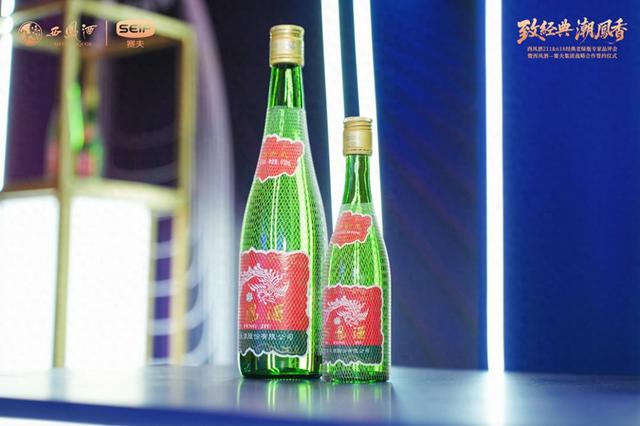
Core Insights - The event themed "Reviving Classics: Tide of Fengxiang" marks the strategic collaboration between Xifeng Liquor and Saifu Group, emphasizing the upgrade of traditional liquor products and the industry's response to national strategies for high-quality manufacturing and revitalization of historical classic industries [1][9] - Xifeng Liquor aims to leverage its 3,000-year brewing history and quality control systems to fulfill its mission of producing quality liquor for the betterment of people's lives, aligning with the core requirements of revitalizing historical classic industries [1][3] Quality Assurance - Xifeng Liquor is positioned within the "historical classic industry" category, which is set to experience significant growth by 2025, focusing on quality enhancement and capacity expansion [1] - The company employs a comprehensive quality control system, ensuring product consistency and stability above 95%, and utilizes traditional brewing techniques alongside modern technology to enhance product quality [3][4] Product Innovation - The introduction of two new products, the 211mL and 618mL bottles, aims to meet market demands while adhering to the "quality without price increase" strategy, enhancing the flavor profile and aging of the base liquor [3][4] - The 211mL bottle symbolizes personal enjoyment, while the 618mL bottle caters to social gatherings, aligning with current industry trends for high-quality liquor at competitive prices [4][8] Digital Transformation - The strategic partnership with Saifu Group and support from JD.com aims to create a collaborative model that integrates quality, channel expansion, and operational efficiency, setting a benchmark for digital transformation in traditional industries [4][5] - The collaboration focuses on product innovation, channel coverage, and user engagement, utilizing AI technology to understand consumer needs and enhance the digital transition of Xifeng Liquor [5][6] Cultural Significance - Xifeng Liquor's 3,000-year brewing history serves as a cultural heritage, with the new product launch and strategic partnership revitalizing traditional craftsmanship and promoting Chinese culture [6][8] - The company engages in community initiatives, such as establishing high-quality grain bases and supporting local farmers, contributing to rural revitalization and economic benefits [8][9] Industry Implications - The transformation of Xifeng Liquor exemplifies a successful model for upgrading traditional industries, combining cultural heritage, digital empowerment, and channel integration to achieve high-quality development [9] - The event signifies a new beginning for Xifeng Liquor's strategy to appeal to younger consumers and broaden its market reach, reflecting the vitality of traditional industries under national strategic guidance [9]
以数字经济为核心导向,北京园博数字经济产业园启用
Xin Lang Cai Jing· 2026-01-20 08:38
Core Insights - Beijing's first industry cluster focused on the digital economy, the Beijing Garden Expo Digital Economy Industrial Park Innovation Center, has officially commenced operations, marking a significant step in the high-quality development of the Fengtai River West area [1][3] Group 1: Project Overview - The Innovation Center covers a total construction area of approximately 140,000 square meters, consisting of 8 modern buildings, including 6 standalone corporate headquarters, each ranging from 10,000 to 19,000 square meters, along with a 420 square meter commercial building and a 2,400 square meter shared office building [3][5] - The project is part of the "Two Parks and One River" strategy, linking technological innovation with ecological and cultural resources, and is strategically located near major transportation hubs, enhancing accessibility for businesses [5][6] Group 2: Strategic Importance - The Innovation Center is designed as a leading project for the digital economy, serving as a core driver for the Fengtai District's innovation and technology development, and is included in Beijing's "3 100" key projects [5][6] - The center aims to create a "zero-carbon park" by integrating various technologies for energy utilization, ecological environment, and water treatment, adhering to a "three-star green building" standard [5][6] Group 3: Industry Focus - The center is focused on developing two major trillion-yuan industry clusters: technology services and information services, with a particular emphasis on aerospace information, smart medical engineering, and industrial intelligence, forming a "2+3" modern industrial system [6][8] - Over 30 high-quality digital economy enterprises have already registered at the project, indicating strong enterprise aggregation, talent attraction, and innovation drive, which will significantly contribute to the digital economy development in Fengtai District [6][8]

贸易额突破千亿,创新高!中国中亚合作何以如此密切?
Yang Shi Wang· 2026-01-20 08:25
Core Insights - The trade volume between China and the five Central Asian countries has surpassed $100 billion for the first time, reaching $106.3 billion in 2025, marking a 12% year-on-year increase and setting a historical record [1][4][14] - China has become the largest trading partner for Central Asian countries, with trade volume doubling from $49.56 billion in 2021 to 2025 [4][14] - The China-Central Asia cooperation mechanism has emerged as a leading model for regional collaboration, reflecting strong endogenous momentum in trade cooperation [4][18] Trade Dynamics - In 2025, China's exports to the five Central Asian countries are projected to be $71.2 billion, a growth of 11%, with strong demand for electromechanical and high-tech products [6] - Imports from Central Asia are expected to reach $35.1 billion, a 14% increase, primarily consisting of energy and mineral commodities, with a growing variety of non-resource products [6][18] - The trade relationship is characterized by mutual support in supply chains, fulfilling each other's developmental needs and driving regional economic growth [6][18] Cooperation Framework - The China-Central Asia cooperation mechanism has established a comprehensive and multi-level cooperation framework, with 14 ministerial cooperation platforms actively operating [8][18] - New growth areas for cooperation include green industries, digital economy, artificial intelligence, and aerospace [8][18] - The mechanism's effectiveness is highlighted by the launch of the China-Central Asia Trade Facilitation Cooperation Platform, aimed at enhancing market demand alignment [16][18] Future Prospects - The years 2025 to 2026 are designated as the "High-Quality Development Year for China-Central Asia Cooperation," focusing on expanding and deepening economic and trade cooperation [10] - There is an emphasis on fostering new business models and expanding cooperation in emerging fields such as e-commerce and renewable energy [10] - The China-Central Asia spirit emphasizes mutual respect, trust, and benefit, positioning China as a reliable partner for Central Asian countries [20]