具身智能

Search documents
训练机器人方式对了吗?英伟达DreamZero双榜第一新反思
机器之心· 2026-03-03 09:08
Core Insights - NVIDIA's DreamZero model has achieved top rankings in two significant robotics benchmarks, RoboArena and MolmoSpaces, indicating its superior performance in robotic tasks [1][3]. Group 1: Model Overview - DreamZero is a "world-action model" that simultaneously predicts future video and robot actions, allowing robots to envision future scenarios before taking action [4][10]. - The model integrates action generation and video generation, providing richer supervisory signals that enhance learning about environmental dynamics [12][13]. Group 2: Benchmark Performance - RoboArena is a distributed real-world benchmark testing various robotic tasks based on natural language instructions, where DreamZero was trained on similar data, leading to its strong performance [16][20]. - MolmoSpaces is a new benchmark platform with high-fidelity physics simulation, where DreamZero also excelled, indicating its adaptability to diverse environments [19][20]. Group 3: Training Data and Model Architecture - DreamZero utilizes different training datasets, including DROID and AgiBot, with a focus on data distribution being crucial for performance, as evidenced by its superior results on AgiBot compared to pi-0.5 [23][25]. - The model architecture of DreamZero is significantly larger, with 14 billion parameters compared to pi-0.5's 3 billion, which contributes to its enhanced capabilities [28]. Group 4: Input and Contextual Understanding - DreamZero can process up to 8 frames of contextual input, allowing it to capture motion trends and state changes, while pi-0.5 is limited to single-frame inputs [29][30]. - This ability to analyze multiple frames enables DreamZero to better understand complex physical dynamics and improve decision-making in robotic tasks [30]. Group 5: Implications and Future Directions - The findings suggest that a large amount of training data may not be as critical as previously thought, especially if the data is well-aligned with the target tasks [36]. - Upcoming discussions and analyses on DreamZero are anticipated, indicating ongoing interest and research in this area [36].



首个国家级人形机器人标准发布
仪器信息网· 2026-03-03 09:02
Core Viewpoint - The establishment of the Human-Robot and Embodied Intelligence Standardization Technical Committee marks a significant step towards the standardized development of the humanoid robot industry in China, with the release of the first comprehensive standard system covering the entire industry chain and lifecycle of humanoid robots [3][4]. Group 1: Standard System Overview - The newly released standard system consists of six parts: Basic Common Standards, Brain-like and Intelligent Computing Standards, Limb and Component Standards, Complete Machine and System Standards, Application Standards, and Safety and Ethical Standards [4][5]. - Basic Common Standards provide general and guiding norms to ensure compliance for technological evolution and development [5]. - Brain-like and Intelligent Computing Standards cover key standards related to embodied intelligence, including data lifecycle and model training and deployment [5]. Group 2: Component and System Standards - Limb and Component Standards include specifications for humanoid torsos, arms, legs, dexterous hands, and modules for execution, perception, and communication, guiding the modular development of humanoid robots and embodied intelligence [5]. - Complete Machine and System Standards establish key norms for the integration of hardware and software in humanoid robots and embodied intelligence [6]. Group 3: Application and Safety Standards - Application Standards regulate the development, operation, and maintenance of humanoid robots and embodied intelligence in various application scenarios [6]. - Safety and Ethical Standards are integrated throughout the entire lifecycle of the humanoid robot and embodied intelligence industry, providing safety and compliance assurance for technological advancement [6]. Group 4: Industry Collaboration and Future Development - The standard system was developed with the participation of over 120 research institutions, enterprises, and industry users, with more than 50% of committee members representing enterprises, reflecting a collaborative effort between academia, industry, and users [6]. - The release of this standard system is expected to pave the way for the large-scale application of humanoid robots and the industrialization of embodied intelligence technology, enhancing international competitiveness and laying a foundational support for a future intelligent society [6].

机械行业周报:燃机巨头订单旺盛,机器人基础模型 Pi06 鲁棒性提升-20260303
GUOTAI HAITONG SECURITIES· 2026-03-03 08:55
Investment Rating - The report rates the mechanical industry as "Overweight" [5]. Core Insights - The mechanical equipment index increased by 4.40% from February 24 to February 27, outperforming the CSI 300 index, which rose by 1.15% [7]. - Strong orders from gas turbine giants, with GEV's production capacity sold out until 2029, driven by increased demand for computing power and tight overseas power supply [5]. - The report highlights significant growth in various sectors, including humanoid robots, AI infrastructure, and engineering machinery, with specific company recommendations for investment [5]. Summary by Sections Market Overview - The mechanical equipment sector's performance was ranked 11th among 31 primary industries, with a year-to-date increase of 65.66% compared to the CSI 300 index's 23.30% [9]. Sub-industry Data - **Engineering Machinery**: Excavator sales in January 2026 reached 18,708 units, up 49.5% year-on-year, while automobile crane sales increased by 28.7% [36][37]. - **Industrial Robots**: The production of industrial robots in December 2025 was 90,116 units, reflecting a year-on-year growth of 14.70% [42]. - **Oil Service Equipment**: As of February 27, 2026, there were 1,822 active drilling rigs globally, with Brent crude averaging $72.48 per barrel [54][55]. - **Photovoltaic Industry**: The report notes stable prices in the photovoltaic sector, with the polysilicon price index remaining unchanged [66][74]. - **Lithium Battery Industry**: In January 2026, new energy vehicle sales were 944,000 units, showing a slight increase of 0.11% [72]. Company Recommendations - **Humanoid Robots**: Recommended companies include Hengli Hydraulic, Changying Precision, and Zhaowei Electromechanical [5]. - **AI Infrastructure**: Recommended companies include Ice Wheel Environment and Hanzhong Precision [5]. - **Engineering Machinery**: Recommended companies include Sany Heavy Industry, XCMG, and Zoomlion [5]. - **Photovoltaic Equipment**: Recommended companies include Aotwei and Maiwei [5]. - **Lithium Battery Equipment**: Recommended company is Haimeixing [5].
实探|1000家企业逾1.3万个岗位,直击上海今年首场大型招聘会!AI等产业揽才势头足
证券时报· 2026-03-03 08:44
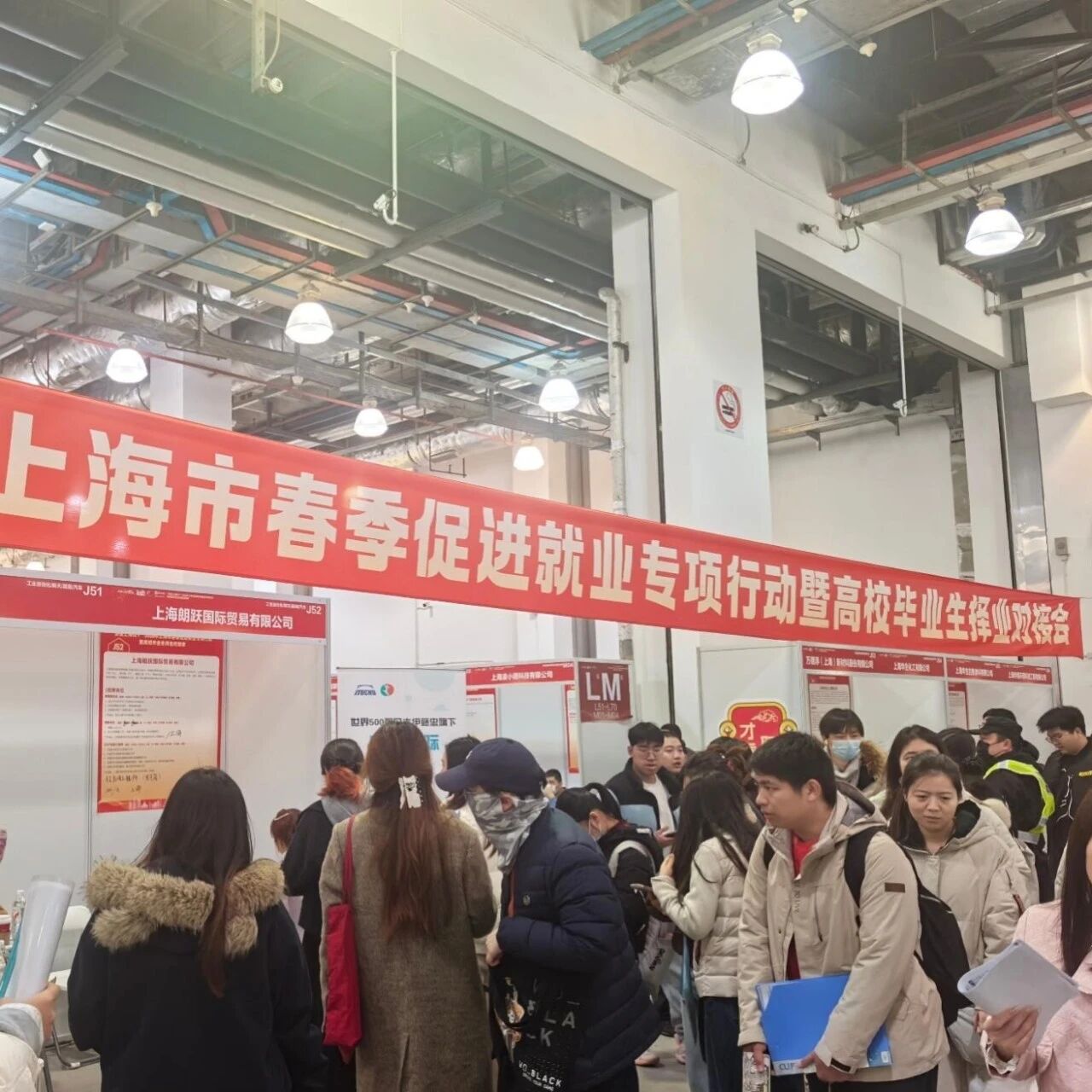
上海重点产业招聘需求旺盛 上海该场春季招聘会以"春风送岗促就业 精准服务助发展"为主题,聚焦"3+6+2"重点行业领域和高校毕业生等重点群体就业需求,共有1000家企 业参加,提供超过1.3万个招聘岗位。 当天上午,记者到达招聘会展馆时,应聘者正在工作人员的引导下,根据预约时间段有序进场,入口前的招聘企业名录吸引了不少应聘者驻足。 人工智能(AI)等产业揽才势头足! 3月3日,2026年上海市春季促进就业专项行动暨高校毕业生择业对接会在上海世贸商城举行,这是马年春节后上海首场大型招聘会。证券时报记 者实探发现,AI等重点产业企业招聘需求依然旺盛,其中大模型及相关算法类岗位需求持续扩容。 上海市就业促进中心主任周国良接受记者采访时表示,今年用人单位招聘积极性比往年要高,在招聘会筹备的几天时间内,愿意到线下来招聘的 用人单位就达到约1300家,但招聘场地只能容纳1000家,于是就引导多家企业参与线上招聘。 AI相关岗位薪酬依然最高 人工智能展区依然是上海此次招聘会最热的专区,招聘通道被应聘者围得水泄不通。多家科技类招聘企业,只能见缝插针地与应聘者聊上几句。 记者在现场看到,此次招聘会共设置17个招聘专区,包含人工 ...
争夺未来话语权!从试点落地到多元布局,宝马、比亚迪、特斯拉等车企加码人形机器人
Hua Xia Shi Bao· 2026-03-03 08:33
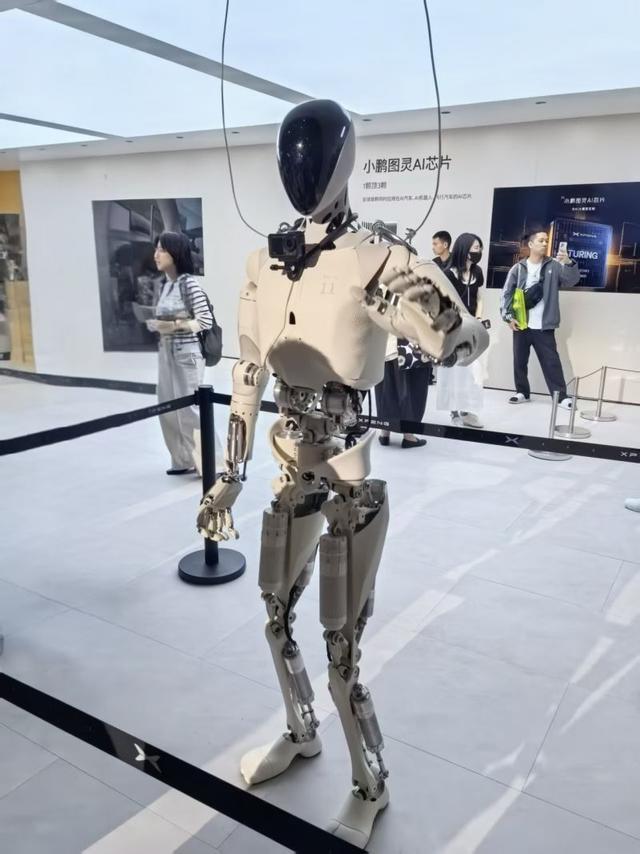
Group 1 - BMW officially launched a humanoid robot pilot project at its Leipzig plant, marking the introduction of Physical AI into its European production system [2][4] - The pilot project aims to explore the application of humanoid robots in the entire automotive production process, focusing on areas such as component assembly, material handling, and high-risk job replacement [2][3] - The project leverages BMW's engineering capabilities and quality control systems, aiming to enhance production efficiency and product quality through effective collaboration between robots and human workers [3][4] Group 2 - The Leipzig plant, established in 2005, has a production capacity of over 300,000 vehicles annually and has accumulated significant experience in digital and intelligent manufacturing [5] - BMW's previous successful implementation of humanoid robots in its Spartanburg plant in the U.S. serves as a foundation for expanding this technology to Europe [5][6] - Analysts suggest that if the Leipzig pilot is successful, BMW may gradually roll out humanoid robots across its global production bases within the next 3 to 5 years [6] Group 3 - Over 20 major automotive companies globally are investing in humanoid robot technology, including Tesla, Hyundai, and leading Chinese manufacturers like BYD and Xpeng [3][8] - Tesla's Optimus project aims for mass production of humanoid robots, with initial annual production targets set between 50,000 to 100,000 units, and a long-term goal of over 1 million units [6][7] - Hyundai has acquired Boston Dynamics to enhance its humanoid robot technology and plans to implement Atlas robots in its factories by 2024-2025 [8] Group 4 - Chinese automakers are rapidly entering the humanoid robot sector, with companies like Xpeng and Chery making significant advancements [8][9] - Xpeng's IRON robot project has shown a 30% increase in production efficiency and a 35% reduction in labor costs since its introduction [9] - Chery has quickly established a dedicated robotics company and achieved global scale delivery of its humanoid robots [9][10] Group 5 - The global automotive industry is experiencing accelerated development in humanoid robots, driven by technological advancements, supply chain support, and favorable policies [10] - The integration of humanoid robots is seen as a strategic move for automakers to address industry challenges and secure a competitive edge in future technology [10]




中山大学HCP Lab联合拓元智慧提出高效世界模型DDP-WM,机器人规划效率提升9倍
机器之心· 2026-03-03 08:14
基于预训练视觉表征构建世界模型已成为具身智能领域的前沿研究方向。以 DINO-WM 为代表的先进研究成果表明,基于视觉 Transformer (ViT) 的架构 能够精确捕捉复杂的物理动态,并展现出强大的零样本规划能力。然而,这种不区分运动物体和静态背景、对所有图像块应用自注意力的密集计算范式导致 了高昂的计算开销,使得决策速度成为实际部署中一个巨大的挑战。 具体来说,目前最先进的此类模型 (DINO-WM) 在处理 Push-T 等典型操作任务时,其模型预测控制 (MPC) 的单个决策循环耗时高达 两分钟 。显然,这 种延迟对于需要与物理世界持续高频交互的现实场景应用而言是不可接受的,阻碍了机器人的大规模、低成本端侧设备部署。 近期,中山大学人机物智能融合实验室 (HCP Lab) 联合拓元智慧 X-Era AI 提出了一种新型的高效世界模型框架: DDP-WM (Disentangled Dynamics Prediction World Model)。 该框架的核心思想是解耦动态预测。通过一套系统化的设计,将计算资源精确分配给场景中不同属性的动态特性,从而在推理 速度大幅提升的同时,还能显著提升复杂操 ...

利好!四部门发布, 鼓励生物制造等产业优化科技保险产品
合成生物学与绿色生物制造· 2026-03-03 08:04
Core Viewpoint - The article emphasizes the importance of optimizing technology insurance to support the development of the biotechnology manufacturing industry, addressing core pain points and encouraging tailored insurance products for high-tech sectors [2][3]. Group 1: Policy Overview - The "Opinions on Accelerating the High-Quality Development of Technology Insurance" was jointly released by four departments, outlining 20 policy measures across six areas, including major national technology tasks and insurance product services [3]. - The document encourages the development of specialized insurance products for key technology fields such as artificial intelligence, integrated circuits, quantum technology, and biotechnology [3]. Group 2: Challenges in Traditional Insurance - Traditional insurance often fails to cover risks associated with cutting-edge technologies like artificial intelligence and biotechnology, which include R&D failures, technology iteration, intellectual property infringement, and data security breaches [6]. - The lack of historical data in emerging fields makes it difficult for insurers to set reasonable premiums, leading to either refusal to insure or prohibitively high costs for businesses [8]. Group 3: Demand for Optimized Technology Insurance - The biotechnology manufacturing industry is capital-intensive, with R&D costs for new drugs reaching hundreds of millions of dollars and development cycles lasting 10-15 years [9]. - Key pain points include compliance risks, R&D investment, cost control, and cash flow risks, necessitating comprehensive insurance solutions [9][10]. Group 4: Proposed Insurance Products - The article outlines the need for specialized insurance products across the entire lifecycle of biotechnology manufacturing, including: - R&D phase: insurance for R&D interruptions, failures, intellectual property infringement, and clinical research [10]. - Transition phase: insurance for process scaling, technology transfer, and pilot platform risks [10]. - Production phase: product liability, quality, environmental pollution, and business interruption insurance [10]. - Sales phase: product recall, extended warranty, and cross-border trade insurance [10]. Group 5: Innovative Insurance Mechanisms - The document suggests exploring a special risk reserve system as a safety net for insurance coverage [12]. - Dynamic pricing models are proposed to adjust premiums based on project progress and technological barriers, moving away from a one-time payment model [12].

拆解银河通用:具身智能估值第一独角兽,春晚唯一没有彩排的节目背后
晚点LatePost· 2026-03-03 07:36
Core Viewpoint - The future of robotics lies in machines that can work autonomously, as demonstrated by the capabilities of Galbot, a robot developed by Galaxy General Robotics, which recently completed a significant financing round and showcased its advanced skills during the 2026 CCTV Spring Festival Gala [2][14]. Financing and Valuation - Galaxy General Robotics announced a new financing round of 2.5 billion yuan, bringing its total financing in the past year to over 5.5 billion yuan, with a post-financing valuation exceeding 20 billion yuan, making it the leading unicorn in the embodied intelligence sector in China [2][16]. Technological Capabilities - Galbot demonstrated its ability to perform complex, non-standard tasks such as shelling walnuts, picking up glass shards, folding clothes, and grilling sausages without pre-programmed instructions, showcasing real-time decision-making capabilities [3][4]. - The robot's performance was supported by the AstraBrain model, which integrates a comprehensive system for decision-making, motion control, and dexterous manipulation, allowing it to adapt to dynamic environments [5][8]. Training and Data Acquisition - Galaxy General Robotics employs a unique approach to data acquisition, utilizing synthetic simulation data combined with real-world data to train its robots, significantly reducing costs and time compared to traditional methods [11][12]. - The company has developed a "star workshop data pyramid" that generates millions of synthetic scenarios for training, enabling the robot to learn complex tasks efficiently [11]. Market Applications - The company is not only focused on entertainment but is also making strides in practical applications, having established over 100 fully robot-operated smart retail stores and collaborating with major companies like Ningde Times and Meituan for various industrial applications [14][16][17]. - Galbot's capabilities extend to sectors such as healthcare, where it manages thousands of pharmaceutical products in automated pharmacies, demonstrating its versatility and operational efficiency [16][17]. Industry Perspective - The robotics industry is shifting away from entertainment-focused applications towards practical, labor-replacing solutions, with Galaxy General Robotics positioning itself as a leader in this transition [14][18]. - The company is advancing towards becoming a provider of general productivity solutions, moving from single-task operations to handling complex tasks across various environments [18].

「满200减200」?豆瓣承认扛不住巨额损失:异常订单全退;大疆泛运动相机线上大卖,春节销量份额稳居第一;4499元起!苹果推出iPhone 17e
雷峰网· 2026-03-03 06:33
Group 1 - Douban Mall faced significant losses due to a coupon system error, leading to a "full refund" policy for abnormal orders and a compensation of 20 yuan for affected users [4][5] - A foreign company in Shanghai unexpectedly closed, resulting in the immediate layoff of over 200 employees, with compensation packages provided [6][7] - DJI led the Chinese action camera market during the Spring Festival, capturing 62.9% of the market share with strong sales across various segments [10] Group 2 - Hongmeng Zhixing reported a 31% year-on-year increase in vehicle deliveries, reaching 28,212 units in February, while Zhijie Auto's sales plummeted by 90.6% to 945 units [13][14] - WeChat accounts have been used for AI-based friend recommendations, raising privacy concerns among users [16][17] - BYD announced a groundbreaking technology conference scheduled for March 5, 2026, amid rising oil prices [19] Group 3 - Former ByteDance executive Yang Jianchao has started a new venture focused on video generation models, seeking $50 million in initial funding [21] - Vbot Weita Power appointed former chief scientist of Qianli Zhijia, Qin Hailong, as Vice President of R&D to accelerate the development of intelligent robotics [22][23] - Meituan launched the Tabbit AI browser, designed for efficiency in data extraction and task automation [28][29] Group 4 - MiniMax reported a revenue of approximately $79.04 million for 2025, a 159% increase year-on-year, despite a significant net loss [30] - Sony Interactive Entertainment Japan announced a substantial salary increase for new graduates, raising monthly pay from 358,000 yen to 425,000 yen [50][51] - Renowned entrepreneur Elon Musk's net worth surpassed $800 billion, marking a significant increase in wealth over the past month [53]



完成超 1 亿美元融资,卡尔动力韦峻青:让无人重卡穿越大漠戈壁丨 L4 十人谈
雷峰网· 2026-03-03 06:14
Core Viewpoint - The article chronicles the journey of Wei Junqing in the autonomous driving industry, highlighting the evolution of technology and the establishment of Kargo Dynamics, a company focused on L4 autonomous trucking solutions, aiming to revolutionize logistics and transportation infrastructure [2][4][6]. Group 1: Background and Development - In 2005, the DARPA Grand Challenge sparked interest in autonomous driving, leading to significant advancements in the field and inspiring many, including Wei Junqing, who pursued a PhD at Carnegie Mellon University (CMU) [2][10]. - Wei Junqing's career progressed from founding Ottomatika, which was acquired by Delphi, to becoming the CTO of Didi's autonomous driving division, and eventually the CEO of Kargo Dynamics, focusing on L4 autonomous trucking [3][4][12]. Group 2: Kargo Dynamics and Its Innovations - Kargo Dynamics aims to achieve commercial operations with a fleet of 400 L4 autonomous trucks by the end of 2025, with a projected operational mileage exceeding 35 million kilometers and a freight volume of 1.2 billion ton-kilometers [4][6]. - The company has developed a "mixed intelligence" solution for autonomous trucking, which combines human-driven and autonomous vehicles to enhance safety and efficiency in logistics [4][32]. Group 3: Market Position and Strategy - Kargo Dynamics recently completed a $100 million Series B funding round, which will be used to accelerate the deployment of autonomous trucks, with plans to enable 1,000 trucks within the year and 10,000 in the coming years [6][28]. - The company focuses on bulk commodity transportation, which is less time-sensitive and more suited for autonomous operations compared to express delivery services [30][23]. Group 4: Competitive Landscape and Future Goals - The autonomous trucking sector is viewed as a less glamorous but economically significant field, with Kargo Dynamics positioning itself as a pioneer in this space, similar to how Google defined AI [58][60]. - The company aims to create a "transportation as a service" model, establishing a logistics network that optimizes costs and efficiency, with a vision to become a foundational infrastructure provider in the logistics industry [28][55].