
关税战

Search documents
欧盟计划对小包裹收取手续费!外交部回应→
证券时报· 2025-05-21 08:20
外交部:希望欧方为中国企业提供公平透明非歧视的营商环境 有记者问:欧盟昨天表示,将对进入欧盟的小包裹收取手续费,这些小包裹大部分来自中国。对此,中方有何 评论? 5月21日,外交部发言人毛宁主持例行记者会。 综合自:央视新闻、澎湃新闻 责编:万健祎 校对:苏焕文 版权声明 毛宁表示,具体的问题建议你向中方的主管部门了解,我可以告诉你的是,中方认为营造一个开放包容的贸易 环境符合各方的共同利益,我们希望欧方能够恪守开放的承诺,为中国企业提供公平透明非歧视的营商环境, 为中欧经贸合作创造有利条件。 外交部:坚决反对欧方无理制裁中国企业 5月21日,外交部发言人毛宁主持例行记者会。有记者问:欧盟和英国20日分别宣布对俄罗斯实施新一轮制 裁,重点针对俄罗斯能源、军事和金融等领域,这次中国和阿联酋公司也被列入制裁名单,外交部对此有何评 论? 毛宁表示,中方一贯反对没有国际法依据、未经联合国安理会授权的单边制裁,对欧方无理制裁中国企业表示 强烈不满,坚决反对。在乌克兰危机问题上,中方始终致力于劝和促谈,从未向冲突方提供致命性武器,严格 管控军民两用物项出口。当前包括欧美在内的大多数国家都在同俄罗斯开展贸易,中俄企业的正常 ...


是否担心关税战等外部因素冲击中国经济?外交部:有能力、有条件、有底气
news flash· 2025-05-21 07:33
是否担心关税战等外部因素冲击中国经济?外交部:有能力、有条件、有底气 5月21日,外交部发言人毛宁主持例行记者会。有记者提问,我们关注到联合国在日前发布的报告中指 出,受到关税战等影响,2025年全球经济增速预计将放缓至2.4%,比1月预测值低0.4个百分点。同时, 中方也发布了4月份国民经济的运行情况。请问发言人,如何看待关税等外部因素对中国经济的影响? 是否担心中国经济会受到冲击? 同时中国不断扩大开放,让外企在华的发展空间更大、预期更稳。这些情况都充分说明,中国完全有能 力、有条件、有底气应对各种风险挑战。 毛宁表示,国务院新闻办公室19日举行了新闻发布会,介绍了4月份国民经济运行的情况,我注意到国 际媒体纷纷用"超预期""有韧性"来评价中国经济的表现。特别值得一提的是,在面临高关税壁垒的情况 下,中国外贸保持平稳增长。今年前4个月货物进出口总额同比增长2.4%,其中出口增长7.5%,显示出 过硬的国际竞争力。 ...
光大期货金融期货日报-20250521
Guang Da Qi Huo· 2025-05-21 05:25
1. Report Industry Investment Rating - Stock Index: Neutral [1] - Treasury Bonds: Bearish [1] 2. Core Viewpoints - April economic data declined compared to March but remained resilient under the tariff war. Social retail sales were up 5.1% year-on-year, supported by the "trade-in" policy. Social credit demand was weak in April, with cumulative new RMB loans reaching 10.06 trillion yuan, a year-on-year increase of 2.86%, and M2 up 8% year-on-year. The China-US joint statement and subsequent policies are expected to boost the stock market [1]. - The internal policy push is the main theme for the stock index in 2025. The revenue growth rate of A-share listed companies has narrowed for three consecutive quarters, and the net profit has rebounded by about 4%. However, ROE is still at the bottoming stage. These measures will help companies repair their balance sheets and lift the stock market valuation [1]. - Treasury bond futures showed mixed performance, with the 30-year and 10-year contracts up 0.03%, the 5-year down 0.04%, and the 2-year down 0.03%. The central bank's reverse repurchase operation and other factors have changed the bond market environment, and the short-term bond market is expected to be weak [1][2]. 3. Summary by Directory 3.1 Research Views - **Stock Index**: April economic data was resilient, and policies such as the central bank's reserve requirement ratio and interest rate cuts, and the entry of long-term funds into the market, are expected to support the stock market. The revenue and profit of A-share listed companies are showing signs of improvement, and the stock market valuation is expected to rise [1]. - **Treasury Bonds**: Treasury bond futures had mixed performance, and the bond market environment has changed due to policy and economic factors. The short-term bond market is expected to be weak [1][2]. 3.2 Daily Price Changes - **Stock Index Futures**: All major contracts of stock index futures declined, with IM down 1.56%, IC down 1.31%, IF down 0.89%, and IH down 0.53% [3]. - **Stock Indexes**: All major stock indexes declined, with the CSI 1000 down 1.68%, the CSI 500 down 1.45%, the SSE 50 down 0.49%, and the SSE 300 down 0.91% [3]. - **Treasury Bond Futures**: The 30-year and 10-year contracts rose, while the 5-year and 2-year contracts fell. The 30-year contract was up 0.15%, and the 10-year contract was up 0.02% [3]. - **Treasury Bond Yields**: The yields of 2-year, 5-year, 10-year, and 30-year treasury bonds showed different trends [3]. 3.3 Market News - In May, the 5-year LPR was 3.5%, down from 3.6% last month, and the 1-year LPR was 3%, down from 3.1% last month [4]. 3.4 Chart Analysis - **Stock Index Futures**: Charts show the trends of major contracts and their basis [6][7][9][10][11]. - **Treasury Bond Futures**: Charts show the trends of major contracts, yields, basis, inter - period spreads, and cross - variety spreads [13][15][16][17]. - **Exchange Rates**: Charts show the trends of various currency exchange rates, including the US dollar, euro, pound, and yen against the RMB and other currencies [20][21][22][24][25]
美国对华降税115%,换中国松绑稀土?声明里,中方留了一手
Sou Hu Cai Jing· 2025-05-21 05:04
为什么这么说呢?因为在中美发表的联合声明里,双方这次并没有彻底解决关税争端,而是让关税战退回了起点,也就是4月2日,特朗普宣布对华加税 34%,中方第一次对等反制的水平。 有所不同的是,这回双方同意把首轮加税给拆分开,只保留10%的现有税率,剩余24%的关税暂缓90天执行。 在瑞士日内瓦完成首轮经贸谈判之后,中美持续一个多月的关税战,终于迎来了降温的信号,这无疑让世界各国都松了口气,但美国看起来依旧贼心不死。 所以实际上,美国对华的降税额度目前已经达到了115%,只是有一部分还不稳定。至于美方为何选择暂缓这24%,而不是直接取消,自然是为了给自己挽 尊。 特朗普对华降税 打响关税战的是他们,求着要谈判的也是他们,之前白宫放出消息,预计要把对华关税降到50%到60%之间,以求跟中方达成协议。 然而,中方的要求一直是取消所有加税措施,如果美方依旧维持高关税,很难打动中方。 所以,美方把加税额度降到10%,再保留24%的待定关税,加上原本对一些中国产品征收的20%关税,算起来也达到了54%,给了美方留下了一些颜面。 对于这种小把戏,中方自然一清二楚,但大国谈判想要一蹴而就,也没那么容易,当下中美关税战的水平能回到起 ...
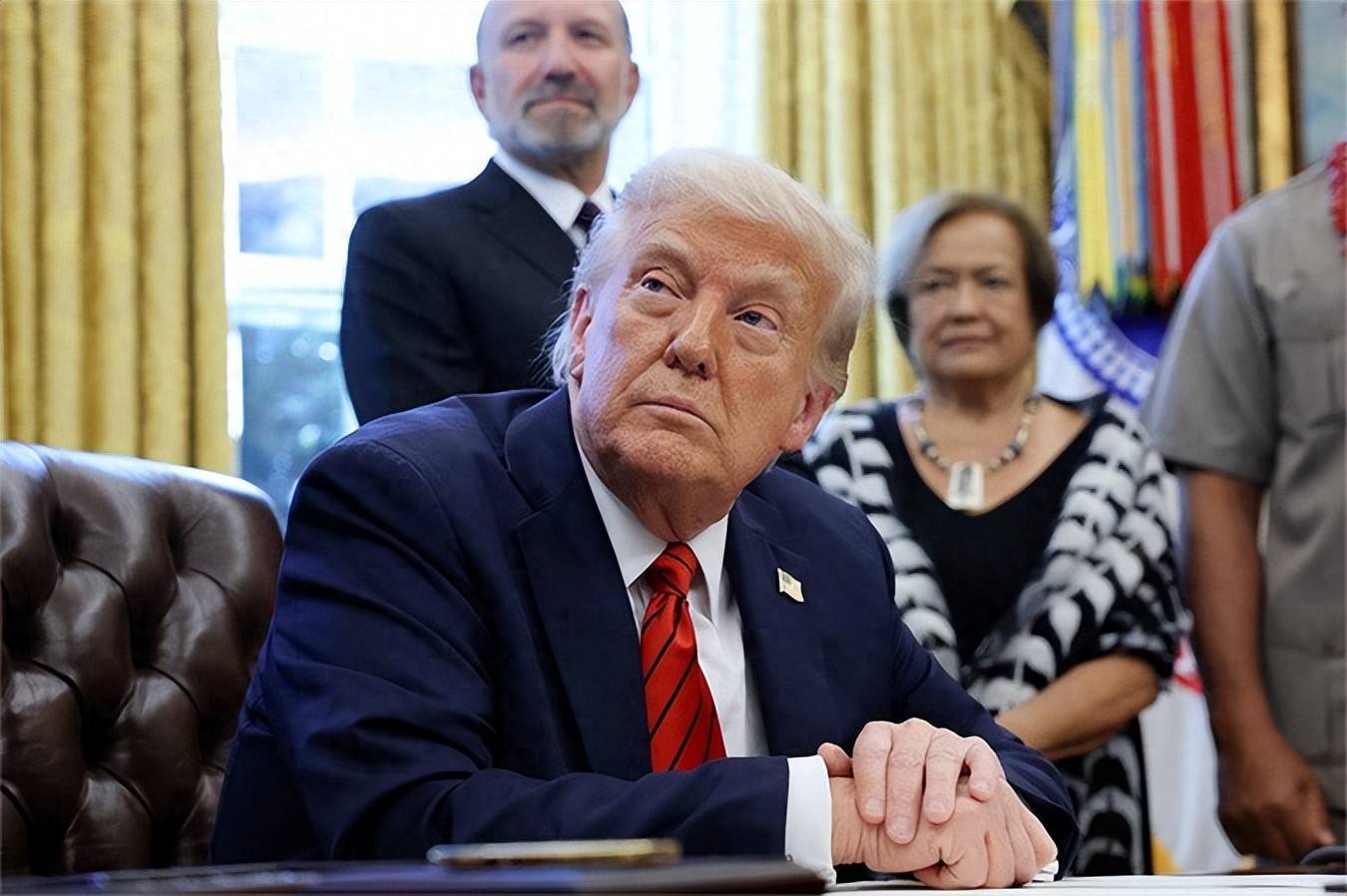
外交部亚洲司副司长梁建军:发动关税战等于把自己孤立于世界之外
news flash· 2025-05-21 02:34
5月20日,"临甲7号沙龙"专题吹风会上,外交部亚洲司副司长梁建军表示,美国的对外贸易额仅占全球 贸易额的13%,发动关税战等于把自己孤立于世界之外,那其余的87%可以照样做,没了美国世界照样 转,太阳照样从东方升起。我们有足够的耐心和定力,也有充分的资源和手段,我们不会在根本原则上 动摇,也不会在核心利益上退让。(中国新闻网) ...
新的美债“接盘侠”现身?日本第一,中方抛售美债退居全球第三!
Sou Hu Cai Jing· 2025-05-20 17:26
据环球时报援引美国财政部当地时间5月16日发布的最新数据,截至3月底,中国持有的美国国债已经较上个月减少了约189亿美元,减少至7654亿美元。而 英国在增持289亿美国国债之后,已经超过中国成为了美国国债的第二大持有国,总持有量达到了7793亿美元。 除此之外,日本目前仍然是美国国债的最大持有国。在3月增持49亿美元国债后,日本目前总计持有11308亿美元美国国债。 当地时间5月16日,美国财政部公布的数据显示,2025年3月,美债前三大海外债主中,日本、英国增持美国国债,中国减持。中国由美国第二大债主变为第 三大债主,英国变为第二大债主。3月正值本轮美债市场动荡前夕。美国财政部2025年3月国际资本流动报告(TIC)显示,日本3月增持49亿美元美国国 债,持仓规模为11308亿美元,依然是美国第一大债主。中国3月减持189亿美元美国国债至7654亿美元,为今年首次减持。 一直以来,美国凭借美元霸权,肆意挥舞金融大棒,特朗普政府上台后,贸易保护主义抬头,频繁加征关税,搅乱全球经济秩序,中美贸易摩擦不断升级。 中国减持美债,正是基于对美国金融风险的审慎判断和对自身经济安全的战略考量。美国债务规模如滚雪球般膨胀 ...
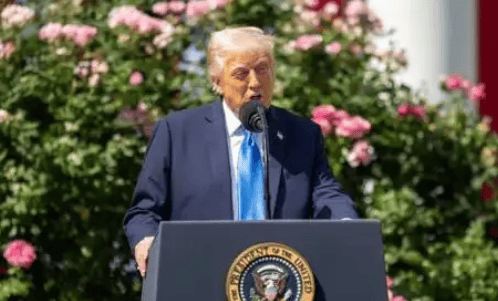
特朗普关税大棒下:美国信用评级遭下调 盟友日韩GDP双降,经济信心受打击
Sou Hu Cai Jing· 2025-05-20 16:02
特朗普政府自今年1月以来,向全球挥舞"关税大棒"。在亚洲地区,日本和韩国是受到"特朗普衰退"影响最严重的两个国家,这表明特朗普政府发起的关税 战对美国的传统盟友造成了严重伤害。 ▲特朗普 当地时间5月19日,日本媒体刊登评论文章指出,特朗普"1.0时期"就高举关税大棒,让全球贸易遭受严重冲击,这一趋势在特朗普"2.0时期"变本加厉。从 2025年第一季度的经济数据看,日本GDP同比萎缩了0.7%,韩国GDP也环比下降0.2%。严格来说,这段时间世界各国还未遭遇特朗普政府关税政策的最严 重冲击,因为今年4月2日白宫宣布加征关税方案时第一季度已经结束。但从另一个角度讲,当时仅是从白宫传出的混乱的政策信号,在3月份已经让亚洲一 些地区的经济信心受到打击。 对于日本来说,25%的汽车出口税和24%的对等关税对其优势产业造成了显著冲击,日本经济在二季度后将面临巨大下行压力,这也会影响投资者对日本经 济前景的信心。据环球网报道,瑞银经济学家发表报告称:"关税和不确定性冲击可能导致日本出口暴跌,消费者信心将进一步下降,日本GDP增长自第二 季度起可能出现彻底的疲软。" 目前,日本自民党距离参议院选举还有约两个月时间,随着首 ...
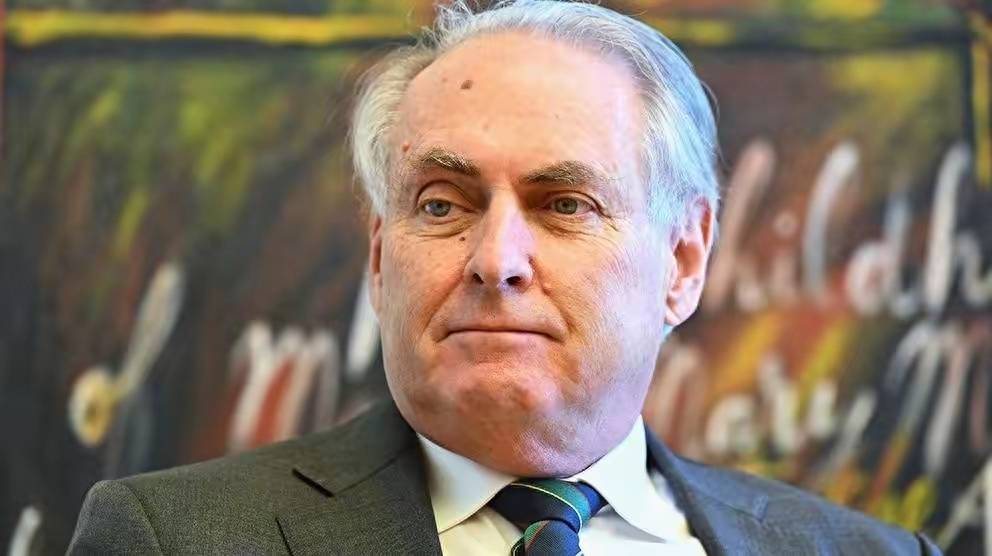
中美已正式谈妥,轮到澳做选择,澳高官直言:中国比美国重要10倍
Sou Hu Cai Jing· 2025-05-20 11:18
Group 1 - Australia Trade and Tourism Minister Don Farrell rejects pressure from the Trump administration to align on trade issues against China, emphasizing that China is a larger buyer of Australian exports [1] - The recent US-China Geneva trade talks resulted in the cancellation of 91% of tariffs by both sides, leading to a positive response from global markets and a recovery in Australia-China trade relations [3] - The Australian consumer confidence index rose by 2.2% in May, reflecting a recovery from the impacts of the global trade tensions initiated by the Trump administration [5] Group 2 - Australia is negotiating with the US to remove tariffs on Australian goods, but the country is not rushing the process due to its reliance on resource exports to China [6] - Ten Australian meat companies have been granted permission to export sheep and goat meat to China, marking a significant expansion in the market and providing a balance against US tariffs [8]
特朗普开始乱出拳!收拾不了中国,美国想出了新招,一个都不放过!
Sou Hu Cai Jing· 2025-05-20 03:47
Group 1 - The U.S. plans to unilaterally impose new tariffs on certain countries due to the inability to negotiate with 150 nations simultaneously, as stated by President Trump [1] - The U.S.-China trade conflict has reached a temporary pause, but tariffs on China remain, indicating a complex negotiation landscape ahead [1][3] - The U.S. Treasury Secretary and Commerce Secretary will inform trade partners about the new tariff rates, emphasizing the importance of maintaining trade relations with the U.S. [5] Group 2 - The European Union has responded strongly to U.S. tariffs by implementing countermeasures targeting approximately €210 billion worth of U.S. goods, with a focus on politically sensitive products [5] - India has taken a significant step by filing a complaint with the WTO against U.S. tariffs on steel and aluminum, marking a notable shift in its trade strategy [7] - The ongoing trade tensions highlight the evolving dynamics of global trade relationships, with countries like India and the EU adopting more assertive stances against U.S. policies [5][7]
光大期货金融期货日报-20250520
Guang Da Qi Huo· 2025-05-20 03:23
Research Views - The A-share market showed mixed performance, with the Wind All A index rising 0.17% and trading volume reaching 1.12 trillion yuan. The CSI 1000 index rose 0.45%, the CSI 500 index rose 0.09%, while the SSE 50 index fell 0.43% and the SSE 300 index fell 0.31%. The economic data in April declined slightly compared to March but remained resilient. The year-on-year growth of social retail sales was 5.1%, supported by the "trade-in" policy. The social credit demand was weak in April, with the cumulative new RMB loans reaching 10.06 trillion yuan, a year-on-year increase of 2.86%, and the year-on-year growth of M2 at 8%. The joint statement between China and the US laid a good foundation for further trade negotiations, exceeding market expectations. Recently, the central bank announced a reserve requirement ratio cut and interest rate cut policy, and the financial regulatory authority emphasized promoting long-term funds to enter the market. The CSRC plans to optimize the fee model of active equity funds. The internal policy is the main line for the stock index in 2025. In the first quarter, the revenue growth rate of A-share listed companies narrowed for three consecutive quarters, the net profit increased by about 4% year-on-year, but the ROE is still in the bottoming stage. These measures are beneficial for enterprises to repair their balance sheets and promote the stable development of the real economy, leading to a stable increase in stock market valuations. The view on the stock index is "oscillation" [1]. - The 2-year, 5-year, 10-year, and 30-year treasury bond futures rose 0.02%, 0.04%, 0.13%, and 0.37% respectively. The central bank conducted 135 billion yuan of 7-day reverse repurchase operations, with a net injection of 9.2 billion yuan. The DR001 and DR007 rates decreased by 9bp and 4bp to 1.54% and 1.60% respectively. The bond market was previously supported by expectations of monetary policy easing and a weakening pricing fundamentals due to tariffs. However, the situation has changed. On May 7th, a series of incremental measures were introduced, and the central bank's reserve requirement ratio cut and interest rate cut were implemented, fulfilling the market's expectations. On May 12th, China and the US announced a significant reduction in mutual tariffs, which led to a rapid increase in market risk appetite and was negative for the bond market. Looking forward, the bond market is expected to oscillate weakly, and the yield curve is expected to steepen again [2]. Daily Price Changes - For stock index futures, IH decreased by 0.24%, IF decreased by 0.07%, IC increased by 0.38%, and IM increased by 0.70%. For stock indices, the SSE 50 decreased by 0.43%, the SSE 300 decreased by 0.31%, the CSI 500 increased by 0.09%, and the CSI 1000 increased by 0.45%. For treasury bond futures, TS remained unchanged, TF rose 0.26%, T rose 0.32%, and TL rose 0.34% [3]. Market News - In April, the year-on-year growth of industrial added value above designated size was 6.1%, higher than the expected 5.2%. The year-on-year growth of social retail sales was 5.1%, slightly lower than the expected 5.5%. From January to April, the cumulative year-on-year growth of fixed asset investment was 4.0%, lower than the expected 4.3%. The cumulative year-on-year growth of manufacturing investment was 8.8%, the cumulative year-on-year growth of infrastructure investment (excluding electricity) was 5.8%, and the cumulative year-on-year decline of real estate development investment was 10.3%. From January to April, the cumulative year-on-year decline of real estate sales area was 2.8%, the new construction area decreased by 23.8% year-on-year, the construction area decreased by 10.1% year-on-year, and the completion area decreased by 16.8% year-on-year [4]. Chart Analysis Stock Index Futures - The report includes charts showing the trends of IH, IF, IM, and IC main contracts, as well as the basis trends of these contracts [6][7][10]. Treasury Bond Futures - The report presents charts of the trends of treasury bond futures main contracts, treasury bond spot yields, basis, inter - period spreads, cross - variety spreads, and capital interest rates [13][16][18]. Exchange Rates - The report provides charts of the central parity rates of the US dollar and euro against the RMB, forward exchange rates, the US dollar index, and exchange rates between major currencies [21][22][25]