双碳

Search documents
践行期货担当 服务发展新局——深入学习贯彻中央经济工作会议精神
Xin Lang Cai Jing· 2025-12-12 03:00
Core Viewpoint - The recent Central Economic Work Conference has outlined the direction and path for economic work in 2026, emphasizing the need for proactive macro policies, risk prevention in key areas, and promoting high-quality development, which serves as a guideline for the futures industry to support the real economy and contribute to a new development pattern [1][4]. Group 1: Expanding Domestic Demand and Optimizing Supply - The conference prioritizes "domestic demand as the main driver, building a strong domestic market" as a key task, prompting the company to focus on major commodities like agricultural products, energy, and minerals, providing effective and high-level futures derivative services to help enterprises manage price fluctuations and stabilize operational expectations [1][4]. - The company aims to enhance the security of supply chains and price stability while optimizing supply and boosting domestic demand through personalized and refined risk management tools [1][4]. - Additionally, the company will develop products and services that facilitate consumption upgrades and explore new service consumption scenarios to enhance wealth effects and indirectly support the release of consumption potential [1][4]. Group 2: Increasing Financial Technology Investment - The conference identifies "innovation-driven development and nurturing new growth drivers" as the second key task, leading the company to increase investments in financial technology [2][5]. - The company plans to enhance the application of big data and artificial intelligence to improve the digital and intelligent levels of transaction settlement, risk management, and customer service, thereby increasing service efficiency and quality for real enterprises [2][5]. - There will be a focus on researching derivative tools that support technological innovation and strengthening talent cultivation while preparing relevant service technologies and capabilities [2][5]. Group 3: Risk Prevention in Key Areas - The conference emphasizes "maintaining bottom lines and actively and prudently resolving key area risks," which aligns with the company's commitment to risk management as a core function of the futures market [3][6]. - The company will continuously improve its comprehensive risk management system and strengthen compliance culture to ensure stable operations [3][6]. - Efforts will be made to enhance investor suitability management and educational initiatives to guide enterprises in understanding and utilizing futures tools, thereby improving their risk management capabilities and market stability [3][6].


年碳减排2400吨 这个企业用AI破解制造业转型困局
中国基金报· 2025-12-12 02:36
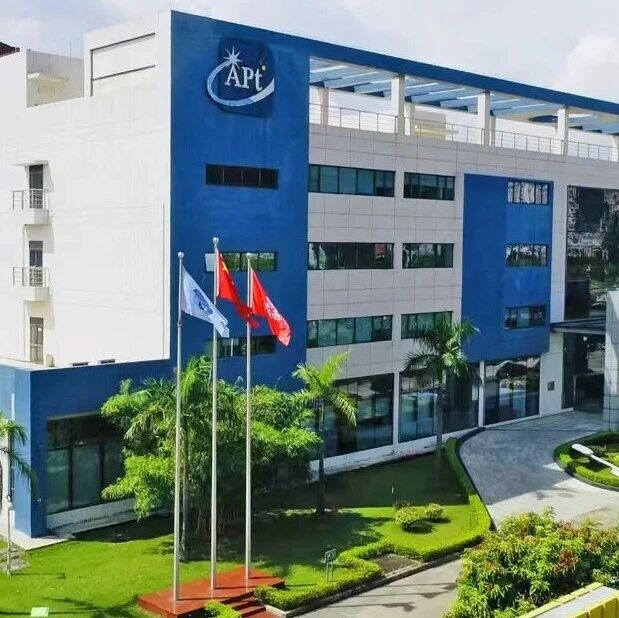
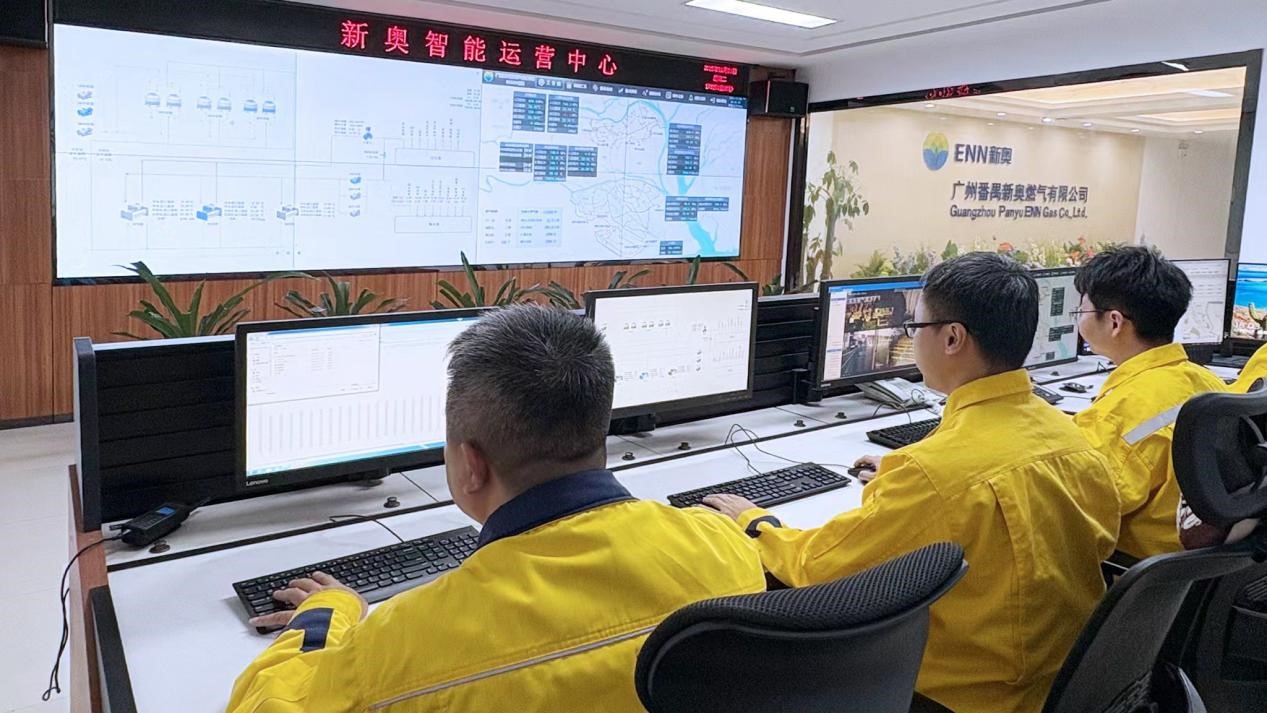
Core Viewpoint - The article discusses the challenges faced by manufacturing companies, particularly in energy efficiency, as they transition towards high-end and green production. It highlights the case of Guangdong Jinko Electronics, which, despite its technological advancements, struggled with energy system efficiency until a low-carbon smart factory project was implemented by New Energy, significantly improving energy efficiency and reducing costs [1][2]. Group 1: Energy Efficiency Challenges - Manufacturing companies are encountering a common challenge of energy system efficiency becoming a bottleneck, even when they lead in product technology [1]. - Jinko Electronics' cooling system efficiency was at the industry average, and the lack of an integrated smart management platform limited its competitiveness in terms of cost and sustainability [1]. Group 2: Low-Carbon Smart Factory Project - In 2023, New Energy initiated a low-carbon smart factory project for Jinko Electronics, integrating photovoltaic systems, high-efficiency cooling stations, and energy storage as the hardware foundation [1]. - The project led to a significant increase in cooling system efficiency, improving by over 50%, while achieving full system intelligent control and substantial energy savings [1]. Group 3: New Energy Service Model - The project represents a shift in energy service models, moving from traditional energy supply to comprehensive energy service solutions, demonstrating New Energy's transformation from a gas supplier to an integrated energy service provider [4]. - New Energy's approach involved a gradual, modular upgrade path tailored to the specific energy needs of the electronics manufacturing sector, ensuring stability and efficiency [4][6]. Group 4: AI Integration in Energy Management - The deployment of the "Pan-Energy Network Edge Cloud Collaborative Smart Platform" by New Energy transformed energy management from manual inspections to real-time, AI-driven optimization [8][9]. - AI algorithms enhanced system efficiency by an additional 5% to 10% under similar operating conditions, showcasing the potential of digital intelligence in energy management [9]. Group 5: Value Creation and ESG Performance - The low-carbon smart factory not only improved energy efficiency but also embedded carbon management and smart work order capabilities, transitioning Jinko Electronics from an energy consumer to an energy participant [14]. - The project resulted in significant environmental benefits, including a reduction of 731 tons of carbon emissions annually, enhancing the company's ESG performance and brand image [14][15]. Group 6: Replicability of the "Jinko Model" - The low-carbon smart factory project is positioned as a replicable industry model, with a modular and standardized energy solution that can be adapted across various sectors [16]. - New Energy aims to leverage the "Jinko Model" to expand its role from a project service provider to an industry energy system integrator, capitalizing on the scalability and adaptability of the solution [17]. Group 7: Future Outlook - The integration of AI and system efficiency improvements is seen as a critical path for manufacturing industries to address low-carbon transition challenges and promote regional industrial upgrades [18].
年碳减排2400吨 这个企业用AI破解制造业转型困局
Zhong Jin Zai Xian· 2025-12-12 01:57
Core Insights - The article discusses the challenges faced by manufacturing companies, particularly in energy efficiency, as they transition towards high-end and green production. Despite technological advancements, energy systems often become bottlenecks for growth [1] - Jinko Solar, a leader in LED visual technology, has struggled with energy efficiency in its operations, prompting a partnership with New Energy to develop a low-carbon smart factory project that significantly improves energy efficiency [1][3] - The project demonstrates a new model of energy service that integrates AI and system efficiency, shifting the competitive edge of manufacturing from singular technological advancements to comprehensive system performance [2] Group 1: Project Overview - New Energy has designed a low-carbon smart factory project for Jinko Solar, incorporating photovoltaic systems, high-efficiency cooling stations, and energy storage as hardware foundations, along with a smart management platform [1][4] - The cooling system's energy efficiency improved by over 50% post-implementation, achieving full system intelligent control and resulting in significant energy savings and cost reductions [1][3] Group 2: Energy Management and AI Integration - The New Energy platform enhances energy management by integrating AI, allowing for real-time monitoring and dynamic optimization of energy systems, which is crucial for the electronic manufacturing sector [7][9] - The AI system not only connects data from various energy devices but also predicts energy needs based on multiple factors, leading to a 5%-10% increase in overall system efficiency through optimized scheduling [9][10] Group 3: Economic and Environmental Benefits - The low-carbon smart factory project enables Jinko Solar to transition from being an energy consumer to an energy participant, allowing for reduced reliance on the grid and participation in demand-side response [12] - The project is expected to generate additional revenue through energy storage and demand response, with projected annual earnings of 90,000 yuan from the energy storage system alone [13] Group 4: Replicability and Industry Impact - The modular and standardized energy solution developed for Jinko Solar is seen as a replicable model for other companies in the Pearl River Delta region, which share similar energy needs [14] - The "Jinko Model" is evolving into a broader industry energy solution, positioning New Energy as a system integrator rather than just a project service provider [14][15]

一图看懂|2025年中央经济工作会议,与去年相比有这些新动向
Xin Jing Bao· 2025-12-12 01:53
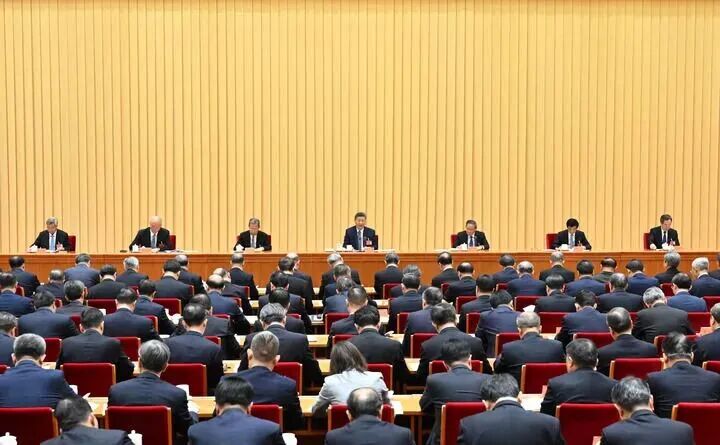
新京报贝壳财经记者对比往年内容发现,本次会议在政策取向上突出"稳中求进、提质增效",并提出"发挥存量政策和增量政策集成效应"。会议强调,要 着力稳就业、稳企业、稳市场、稳预期,传递出明年经济工作将更注重结构优化、风险化解与民生实质改善的新信号。 新京报记者 任娇 董怡楠 任婉晴 编辑 陈莉 中央经济工作会议12月10日至11日在北京举行。会议指出,我国经济发展中老问题、新挑战仍然不少,外部环境变化影响加深,国内供强需弱矛盾突出, 重点领域风险隐患较多。这些大多是发展中、转型中的问题,经过努力是可以解决的,我国经济长期向好的支撑条件和基本趋势没有改变。要坚定信心、 用好优势、应对挑战,不断巩固拓展经济稳中向好势头。 | | 财政与金融的配合,以政府投资 央预算内投资规模,优化实施 | | | --- | --- | --- | | 台湾 | 有效带动社会投资。及早谋划 | "两重"项目,优化地方政府专 | | | "十五五"重大项目。大力实施 | 项债券用途管理,继续发挥新型 | | | 城市更新。实施降低全社会物流 | 政策性金融工具作用,有效激发 | | | 成本专项行动。 | 民间投资活力。高质量推进城市 ...

中央经济工作会议:2026年加快新型能源体系建设,扩大绿电应用
Xin Lang Cai Jing· 2025-12-12 01:37
Core Viewpoint - The Central Economic Work Conference held on December 10-11, 2025, emphasized the need for a stable and progressive economic policy, focusing on quality improvement and efficiency enhancement in the economic work for 2026 [5][21]. Economic Policy Direction - The conference highlighted the importance of maintaining stability while seeking progress, enhancing the effectiveness of macroeconomic governance, and integrating existing and new policies [3][18]. - It was decided to implement a more proactive fiscal policy, ensuring necessary fiscal deficits and optimizing fiscal expenditure structures [8][24]. Key Tasks for 2026 - The conference outlined several key tasks for 2026, including: - Promoting a strong domestic market and enhancing consumer spending through targeted actions [9][25]. - Fostering innovation and developing new growth drivers, particularly in technology and education [10][26]. - Strengthening reforms to boost high-quality development and addressing issues in state-owned enterprises and private sector regulations [10][26]. - Expanding international cooperation and trade, particularly in digital and green sectors [10][26]. - Coordinating urban and rural development, ensuring food security, and maintaining poverty alleviation efforts [11][27]. - Leading with a "dual carbon" approach to promote green transformation and environmental protection [11][27]. Emphasis on People's Livelihood - The conference stressed the importance of improving people's livelihoods, including stabilizing employment for key groups and enhancing education and healthcare services [12][28]. - It also highlighted the need to address risks in key sectors, particularly in the real estate market, and to manage local government debt effectively [12][28]. Overall Economic Confidence - The conference called for unity and confidence in the economic outlook, emphasizing the need to adapt to new challenges while leveraging existing strengths [22][29]. - It underscored the importance of aligning actions with the central government's strategic vision and ensuring effective implementation of economic policies [30][31].
2025年中央经济工作会议,与去年相比有这些新动向
Xin Jing Bao· 2025-12-12 01:36
新京报记者任娇董怡楠任婉晴编辑陈莉 中央经济工作会议12月10日至11日在北京举行。会议指出,我国经济发展中老问题、新挑战仍然不少,外部环境变化影响加深,国内供强需弱矛盾突出, 重点领域风险隐患较多。这些大多是发展中、转型中的问题,经过努力是可以解决的,我国经济长期向好的支撑条件和基本趋势没有改变。要坚定信心、 用好优势、应对挑战,不断巩固拓展经济稳中向好势头。 新京报贝壳财经记者对比往年内容发现,本次会议在政策取向上突出"稳中求进、提质增效",并提出"发挥存量政策和增量政策集成效应"。会议强调,要 着力稳就业、稳企业、稳市场、稳预期,传递出明年经济工作将更注重结构优化、风险化解与民生实质改善的新信号。 | | י הנפטל ( 1 ביני ( 1 ביני 1 ( 1 ב 1 - | A UHARA TESSEN | | --- | --- | --- | | | 间有效沟通、协商反馈机制,增 增量、盘活存量。 | | | | 强政策合力。 | | | | 必须统筹好总供给和总需求的关 因地制宜发展新质生产力,纵深 系,畅通国民经济循环。必须统 | 推进全国统一大市场建设,持续 | | 新质量量7 | ...

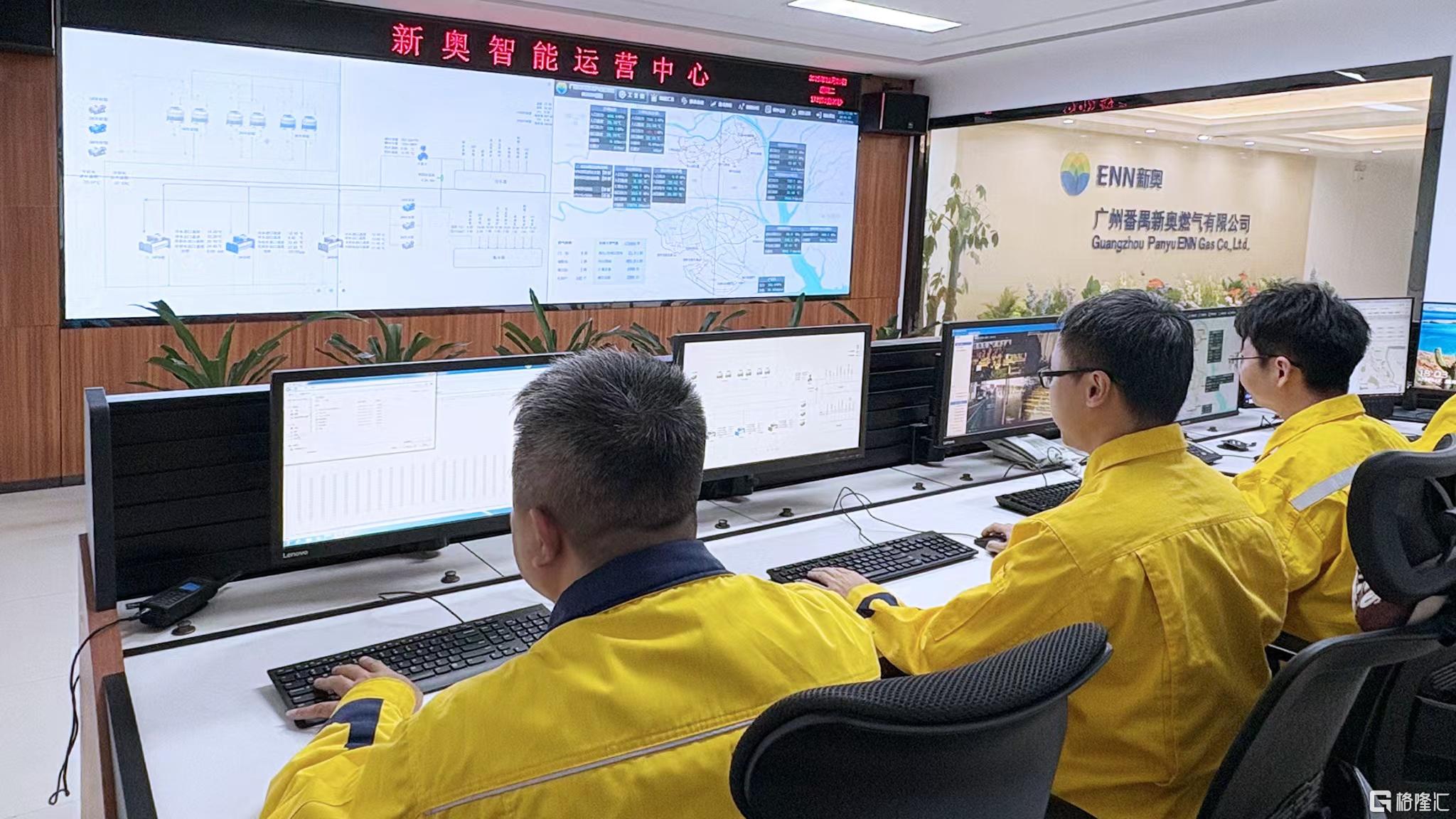
年碳减排2400吨!这个企业用AI破解制造业转型困局
Ge Long Hui· 2025-12-12 01:23
Core Insights - The article discusses the challenges faced by manufacturing companies, particularly in energy efficiency, as they transition towards high-end and green production methods [1][2] - Jinko Solar, a leading company in LED visual technology, has struggled with energy system efficiency despite its product innovation achievements [1][3] - A significant transformation began in 2023 when New Energy planned a low-carbon smart factory project for Jinko Solar, integrating photovoltaic systems, high-efficiency cooling stations, and energy storage [1][4] Group 1: Energy Efficiency and System Integration - The project led to a remarkable improvement in the factory's cooling system efficiency, increasing by over 50% while achieving intelligent control across the entire system [1][4] - New Energy's approach emphasizes a modular and progressive energy upgrade path, addressing the specific needs of the electronic manufacturing sector [4][5] - The AI-driven "Pan-Energy Network Edge Cloud Collaborative Platform" enhances energy management by enabling real-time monitoring and dynamic optimization of energy systems [6][7] Group 2: Economic and Environmental Impact - The low-carbon smart factory not only improves energy efficiency but also incorporates carbon management and virtual power plant capabilities, transforming the company from an "energy consumer" to an "energy participant" [11][12] - The project is expected to reduce carbon emissions significantly, with annual reductions estimated at 2,400 tons, enhancing the company's ESG performance and brand image [11][12] - The energy management system's ability to generate carbon asset reports positions the company favorably for future participation in carbon trading markets [11][12] Group 3: Replicability and Industry Impact - The "Jinko Model" is identified as a replicable industry benchmark, showcasing a modular, standardized, and systematic energy solution adaptable across various sectors [12][13] - New Energy aims to evolve from a project service provider to an industry energy system integrator, leveraging the scalability of the "Jinko Model" in similar enterprises [12][13] - The integration of AI and system efficiency is highlighted as a critical factor for the future of manufacturing, with comprehensive service models aiding companies in their low-carbon transition [13]
绿色金融“擦亮”美丽中国底色
Ren Min Wang· 2025-12-12 00:55
Group 1 - The traditional industries are focusing on green and low-carbon transformation under the "dual carbon" background, with the paper industry exemplifying this trend through the "integrated forestry-pulp-paper" development model [2] - Companies are increasingly investing in green low-carbon technology innovation and establishing self-built raw material forests to achieve resource-intensive utilization, creating a sustainable development pattern of "using paper to support forests and using forests to promote paper" [2] - Financial support is crucial for the pulp and paper industry, which faces significant funding needs and cyclical characteristics, as highlighted by the collaboration between Golden Light Group and various financial institutions to explore new green financial tools [2] Group 2 - The People's Bank of China reported that as of September 2025, the balance of green loans reached 43.5 trillion yuan, a year-on-year increase of 22.9%, while green bonds totaled 4.9 trillion yuan, providing stable funding sources for green credit [3] - Financial institutions are launching innovative products such as "carbon intensity + ESG" dual-linked transformation loans and ESG sustainable development-linked loans to alleviate corporate funding pressure and incentivize companies to fulfill social responsibilities [3] - The upcoming "Green Financial Support Project Directory (2025 Edition)" will expand into areas like green data centers and green clean fuels, enhancing the overall efficiency of financial resource allocation [4] Group 3 - Industry experts emphasize the importance of financial institutions innovating green financial products to meet demand and improve the overall efficiency of financial resource allocation [4] - The use of technologies such as big data and blockchain is encouraged to enhance carbon accounting and risk management capabilities, providing data support for the design of green financial products [4] - There is a call for deepening carbon financial innovation and exploring new types of collateral to broaden green financing channels, meeting the multi-layered financing needs of enterprises [4]
挖掘经济潜能,股市慢牛延续
Huajin Securities· 2025-12-12 00:29
Group 1 - The report emphasizes the need to fully tap into economic potential and stabilize the birth population as key policy directions, indicating a clear intention to expand domestic demand and stabilize economic growth [5][7] - The focus on expanding domestic demand is highlighted as the primary direction for policy in 2026, with an emphasis on both goods and service consumption, as well as increased infrastructure investment to stabilize the real estate market [7][8] - The report indicates that innovation-driven development and the cultivation of new productive forces will remain major policy directions, with a call for deeper integration of technological and industrial innovation [7][8] Group 2 - The report suggests that the A-share market is likely to continue a slow bull trend, potentially driving the onset of a spring market rally, supported by expectations of economic recovery and profit restoration [8][11] - Specific industries such as TMT (Technology, Media, and Telecommunications), machinery, non-ferrous metals, chemicals, military, new energy, and new consumption are identified as likely beneficiaries of the favorable policy environment [11] - The report highlights that sectors related to innovation, such as TMT and machinery, are expected to benefit from the emphasis on innovation-driven policies and high-quality development of key industrial chains [11]
五年路上你我他——四中全会精神大家谈丨一把“古琴”奏响绿色致富曲
He Nan Ri Bao· 2025-12-11 23:33
Core Insights - The article emphasizes the importance of ecological civilization construction for sustainable development in China, highlighting the need for a comprehensive green transformation in economic and social development to build a beautiful China [2] Group 1: Ecological Protection and Green Development - The province of Henan is committed to the "dual carbon" strategy, aiming for ecological priority and green development, with continuous improvement in ecological environment quality [2][4] - The "14th Five-Year Plan" prioritizes air pollution prevention, with a target to reduce PM2.5 concentration to below 40 micrograms per cubic meter by the end of the year [5] - Significant achievements in ecological governance in the Yellow River basin have been noted, with improved flood control capabilities and effective river management practices [6][7] Group 2: Economic Transformation and Green Initiatives - The county of Lankao has successfully transformed ecological disadvantages into development advantages, focusing on green growth engines through innovative agricultural practices and green manufacturing [8] - Renewable energy generation in Lankao has increased 31 times since 2016, with projections indicating that 2024 electricity generation will exceed total social electricity consumption [8] - Lankao is implementing a "waste-free" city management system, achieving over 95% resource utilization of municipal waste [8] Group 3: Cultural and Community Development - Lankao has integrated cultural tourism with ecological protection, hosting events that promote local heritage and environmental awareness [7][8] - The county has achieved a forest coverage rate of 32.2%, enhancing its ecological network and improving overall environmental quality [9] - The preservation of traditional crafts, such as guqin making, is being promoted as a sustainable development path, linking cultural heritage with modern innovation [10]