
对等关税

Search documents
关税,突发重磅!欧盟,准备反击美国!
券商中国· 2025-05-31 13:00
贸易战,有升级风险! 据最新消息,欧盟委员会发言人称,欧盟已准备好对美国提高关税采取反制措施。稍早之前,美国总统特朗普 表示,6月4日起,将把钢铁和铝的进口关税从25%提高至50%。欧盟委员会发言人对美国的上述举动表示强烈 遗憾,并称提高关税也破坏了正在进行的达成谈判解决方案的努力。 关税的不确定性,令风险资产承压,过去24小时内,加密货币集体下挫,比特币一度跌超2.5%,以太坊跌近 5%,XRP跌5.5%,Solana跌超7%,狗狗市跌近10%。coinglass数据显示,24小时内,加密货币市场全网合约爆 仓超28万人,爆仓金额超过7亿美元,近九成为多单爆仓。 欧盟准备采取反制措施 北京时间5月31日晚间消息,欧盟委员会发言人表示,欧盟准备采取反制措施,包括美国近期加征关税作出回 应。 据路透社报道,欧盟委员会发言人称,"我们对美国宣布提高钢铁进口关税表示强烈遗憾,这一决定给全球经 济增加了更多的不确定性,增加了消费者和企业的成本。提高关税也破坏了正在进行的达成谈判解决方案的努 力。"欧盟委员会目前正在就扩大反制措施进行最后磋商。 上述发言人说:"欧盟准备采取反制措施,包括应对美国最近的关税上调。"欧盟委 ...


逆全球化重构与“对等关税”冲击下的全球资产配置新范式|财富与资管
清华金融评论· 2025-05-31 10:13
文/中央财经大学绿色金融国际研究院首席经济学家 刘锋 本 文 聚 焦 2 0 2 5 年 全 球 贸 易 格 局大变 革 背景 下, 逆 全球 化 与 " 对 等 关 税"政策对全球资产配置的深远影响。通过剖析传统资产配置理论面 临的挑战,基于"三重框架+五维穿透"理论体系,深入探讨资产配置 新逻辑,从多维度阐述全球资产配置范式重构、投资者应对策略及 未来资产价格驱动逻辑变革,为投资者在复杂多变的市场环境中提 供理论指引与实践参考。 在全球化进程中,全球资产配置曾是投资者获取稳定收益、分散风险的重要手段。然而近年来, 逆全球化趋势加剧,美国的"对等关税"举措给全球经济和金融市场带来巨大冲击,对华加征关税 的"对等报复"措施成为全球产业链、价值链重构的关键催化剂。这一举措不仅是贸易政策的重大 单边转向,更使得全球经济环境变得错综复杂。 在此背景下,传统资产配置理论遭遇前所未有的挑战,原有的风险评估、收益预期和资产定价逻 辑亟待更新。深入研究逆全球化重构与"对等关税"冲击下的全球资产配置新范式,对于投资者规 避风险、实现资产保值增值,以及金融市场的稳定发展具有重要的理论与现实意义。本文基 于"三重框架+五维穿透" ...

新加坡副总理:基于规则的多边贸易秩序至关重要
日经中文网· 2025-05-31 02:19
Core Viewpoint - The importance of a rules-based multilateral trading order is emphasized, particularly in the context of small countries being marginalized if trade is conducted on individual terms and tariffs are imposed at will [1][2]. Group 1: Trade and Economic Impact - The potential impact of the end of the grace period for reciprocal tariffs proposed by the Trump administration is identified as the largest uncertainty for Singapore's economy, hindering long-term planning for companies [2]. - The suppression of investment and employment is expected to weaken global growth, with the possibility of an economic recession not being ruled out [2]. Group 2: Call for Reform and Cooperation - A call for reform of the World Trade Organization (WTO) is made in light of escalating tensions between China and the United States, stressing the need to ensure free and fair global trade [2]. - The upcoming 60th anniversary of diplomatic relations between Japan and Singapore in 2026 is seen as an opportunity to explore new areas of cooperation, including digital trade, supply chain resilience, and green technology [2].

中金研究 | 本周精选:宏观、策略、量化及ESG
中金点睛· 2025-05-31 00:49
中金点睛"本周精选"栏目将带您回顾本周深受读者欢迎的研究报告。 01 策略 Strategy 并购重组新征程 >>点击图片查看全文<< 去年4月以来并购重组制度持续优化,市场关注度逐步提升。今年5月16日,并购新规修订正式落地,修改内容主要包括:建立重组股份 对价分期支付机制;明确上市公司之间吸收合并的锁定期要求;提高对财务状况变化、同业竞争和关联交易监管的包容度;新设重组简 易审核程序;对私募基金投资期限与重组取得股份的锁定期实施"反向挂钩"。综合来看,本轮新规进一步加大了对科技创新企业的支持 力度,促进并购市场"脱虚向实"、鼓励企业进行符合企业发展需求的产业并购,同时推动并购重组成为畅通A股退市渠道、完善市场生态 的重要手段。我们在本篇报告中更新了924以来并购重组市场的进展和未来投资方向。 图表:"并购六条"以来并购重组行业分布 注:数据截至2025年5月23日。因部分新项目无金额数据,本表以个数计。 资料来源:Wind,中金公司研究部 >>点击图片跳转报告原文<< 2025.05.25 | 李求索 张歆瑜等 02 策略 Strategy 美国还能"扛多久"? >>点击图片查看全文<< "对等关税"宣布 ...
刘刚:“对等关税”后的全球市场2025下半年投资机会前瞻
2025-05-30 16:09
Summary of Conference Call Minutes Industry or Company Involved - Focus on the global market impact of the "reciprocal tariff" policy Core Points and Arguments - The recent tariff reduction from 145% to 10% exceeded expectations, alleviating short-term market concerns, but medium to long-term risks related to trade restrictions need monitoring, particularly around key dates in July and August [1][2] - The U.S. effective tax rate has decreased to 16-17%, indicating a significant shift in market dynamics [2] - The performance of U.S. stocks, particularly in the tech sector, has rebounded quickly, suggesting that previous recession fears may have been overstated [4] - The current market is characterized by limited upward momentum and constrained downside potential, indicating a state of indecision [2] - The liquidity shock is viewed as an occasional event that presents buying opportunities, with central bank interventions typically proving effective [4] Other Important but Possibly Overlooked Content - The recommendation to focus on sectors with strong end-demand and technology innovation, while also capitalizing on short-term trading opportunities in Hong Kong stocks [1] - The expectation that the core Personal Consumption Expenditures (PCE) inflation rate will decline to 3.5-4% by year-end, with the Federal Reserve potentially lowering rates 1-2 times in Q4 [4] - The suggestion to wait for U.S. Treasury yields to rise to 4.8-5% before making long positions, as the current yield of 4.5% is deemed unattractive [5][8] - The impact of tariff adjustments on China's market is projected to reduce GDP influence from 3% to 1-1.5%, with Hong Kong's earnings being less affected than A-shares [7][9] - Recommendations for gold investment strategies include dollar-cost averaging or grid trading, given the high levels of market congestion [6][9]
宏观金银2025年6月展望:宏观数据分化,对等关税作祟,六月金价有支撑
Zhong Hui Qi Huo· 2025-05-30 13:59
1. Report Industry Investment Rating - No relevant content provided 2. Core Viewpoints of the Report - The capital market this month was dominated by the unexpected outcome of the China - US tariff negotiation and the judicial discussion on reciprocal tariffs. After the ebb of risk - aversion sentiment, the gold price fluctuated significantly, showing a pattern of "high - opening, low - closing, and then oscillating". The global economy faces downward pressure, with complex tariff prospects and obvious policy divergence between Europe and the US [2]. - In April, China's economic data was quite divided. Consumption and industrial data were acceptable, but investment growth slowed down. The real estate market did not stop declining, and the manufacturing PMI fell to 49.0%. The new export orders dropped sharply to 44.7%, reflecting the impact of US tariffs. Credit demand was insufficient, and the M1 year - on - year growth was only 1.5%. Although the policy side increased stimulus, the real estate sales and land market remained sluggish, and there was still much room for China's economic recovery [2]. - In the short term, gold was impacted by the ebb of risk - aversion, with a decrease in the proportion of non - commercial long positions in COMEX and a reduction in ETF funds. However, the long - term supporting factors remain unchanged: central bank gold purchases, the weakening of the US dollar credit, and the stagflation risk still constitute strategic allocation value. For silver, the supply - demand tight balance continues, but in the short term, its industrial and financial attributes have not yet resonated. The resilience of industrial demand supports the price, and it continues to fluctuate widely [2]. 3. Summary According to the Directory 3.1 Asset Price Deduction of the US Reciprocal Tariff Logic - The capital market was affected by factors such as the repeated tariff negotiations, global capital disturbances, and China's unexpected loose policies. Interest rates declined, the US dollar fluctuated, and the RMB appreciated. The China - US interest rate spread oscillated this month. A - shares soared and then oscillated, while the Dow Jones Industrial Average soared and then declined [8][9]. - The probability of recession in US data decreased, and US Treasury yields increased. Different countries' bond yields were affected by various factors such as debt expansion, inflation, and policy uncertainty. The core logic is that countries are generally affected by debt expansion and policy uncertainty, but the driving factors are different [11][13]. - Affected by factors such as over - supply and the China - US trade war, China's domestic commodity market generally declined this week, especially the black - chain commodities. Precious metals bottomed out and oscillated, and the short - term trading of non - ferrous metals was weak, but they were generally supported [17]. 3.2 US Inflation Stabilizes, and Central Banks of Many Countries Continue to Cut Interest Rates - In April 2025, the US CPI year - on - year increase was 2.3%, the lowest since February 2021, and the month - on - month increase was 0.2%, slightly lower than market expectations. The PPI year - on - year increase was 2.4%, the slowest in three consecutive months, and the month - on - month decrease was 0.5%, the largest monthly decline in five years [21][24]. - The US employment market showed a mild slowdown but still had resilience. In April, non - farm payrolls increased by 177,000, better than expected, and the unemployment rate remained at 4.2%. However, consumer confidence was at a low level, and the retail sales growth in April was weak [27][31]. - Inflation rates in different countries showed different trends. For example, France's inflation rate was stable at 0.8% in April, the lowest since 2021; the UK's CPI year - on - year increase slowed down to 2.6% [35]. - The manufacturing and service industries in the US, Europe, and Japan showed different trends. The manufacturing PMI in the US and the eurozone showed a differentiated trend, and the service industry PMI in the US and the eurozone declined, indicating a weakening of the economic recovery momentum [41][44]. - The balance sheets of the central banks of the US, Japan, and Europe showed a differentiated trend. The Fed continued to shrink its balance sheet, the Bank of Japan's balance sheet was passively reduced, and the European Central Bank maintained a high - level balance sheet [49]. - Central banks of different countries had different interest - rate policies. The US Fed maintained the interest rate unchanged in May, while the eurozone, the UK, Canada, etc. cut interest rates, and Brazil raised interest rates [50]. 3.3 China's Data Raises Many Concerns, Focus on Policy Effects - In April, China's industrial added - value growth rate remained high, with equipment manufacturing and high - tech manufacturing as the core driving forces. However, there were obvious regional and industrial differences, and some traditional industries had weak growth [54]. - In April, China's fixed - asset investment growth rate declined slightly, with a slight decline in general infrastructure investment and a decrease in manufacturing investment. Real estate investment continued to decline, with a significant decrease in new construction and completion areas, and a slight narrowing of the decline in sales area [58][61]. - In April, China's consumer market continued a mild recovery trend, with the total retail sales of consumer goods increasing by 5.1% year - on - year. However, the demand for durable consumer goods was significantly differentiated [63]. - In April, China's credit data was at a low level in recent years. New RMB loans decreased year - on - year, and corporate and household loans were weak. However, government special bonds supported the increase in social financing scale [66][75]. - In April, China's export data showed resilience, with a year - on - year increase of 9.3% in exports (in RMB). The "rush for re - export" effect was an important factor supporting the export performance. Import data showed a complex feature of "quantity - price differentiation" [86][92]. - In April, China's PMI declined. The manufacturing PMI fell to 49.0%, and large, medium, and small - sized enterprises were all in the contraction range. The non - manufacturing business activity index also declined slightly [95]. - In May 2025, China's monetary policy was unexpected. The central bank announced 3 major categories and 10 policies, including providing medium - and long - term liquidity through reserve requirement ratio cuts, lowering policy interest rates, and improving existing and creating new re - loan tools [99]. 3.4 The Impact of Tariff Negotiations and Prospects, Gold Price Bottoms out and Oscillates - Due to the uncertainty of the prospects of reciprocal tariffs, the gold price fluctuated significantly this month. The non - commercial long - position ratio of COMEX gold decreased, and the ETF fund holdings decreased. The US dollar depreciated, and the decline in the US dollar index weakened the suppression of the gold price [112][115][123]. - In the first quarter of 2025, the global physical gold ETF had a net inflow of 226 tons, and the total holdings increased to 3,445 tons. China's central bank has continuously increased its gold reserves for 6 months [124][125]. - In 2025, the silver market continued to be in a "tight balance". The supply - demand gap was expected to narrow by 21% compared with 2024. Industrial demand remained resilient, but consumer demand declined [126]. - In the short term, the shock of gold was mainly due to the demand for risk - aversion, and silver was driven by gold but was limited by the lack of resonance between its industrial and financial attributes. In the long term, central bank gold purchases, the weakening of the US dollar credit, and the stagflation risk still supported the gold price [128][129].
“对等关税”遭遇法律挑战,特朗普团队准备“B计划”
Guan Cha Zhe Wang· 2025-05-30 13:36
Core Viewpoint - The Trump administration is facing significant legal challenges regarding its tariff policies, prompting the consideration of a backup plan involving a two-step approach to implement tariffs more effectively [1][3][4]. Group 1: Legal Challenges and Responses - The U.S. International Trade Court ruled that the Trump administration's use of the International Emergency Economic Powers Act (IEEPA) to impose tariffs was illegal, which has created a setback for the tariff strategy [3][4]. - Following this ruling, the U.S. Court of Appeals temporarily reinstated the tariff measures, allowing the Trump administration to continue its tariff policies while exploring alternative legal frameworks [3][4]. - The Trump team is considering invoking Section 122 of the Trade Act of 1974 to impose a broad 15% tariff for 150 days, which would address trade imbalances with other countries [4][5]. Group 2: Proposed Two-Step Plan - The first step of the proposed plan involves a temporary broad tariff, while the second step would involve personalized tariffs for major trading partners based on Section 301 of the same Trade Act [4][5]. - This two-step plan is seen as more legally sound compared to the previously challenged IEEPA-based tariffs, as Section 301 has a history of being used effectively in trade disputes [9][10]. - The Trump administration believes that this approach could maintain leverage in ongoing trade negotiations without interruption from court rulings [4][5]. Group 3: Market Reactions and Implications - The uncertainty surrounding the tariff policies has led to fluctuations in the Wall Street market, reflecting investor concerns about the potential impacts of these legal challenges on trade negotiations [3][10]. - Analysts suggest that if the court's ruling against the IEEPA-based tariffs is upheld, it could eliminate key obstacles in U.S.-EU trade negotiations, paving the way for a more balanced agreement [10][11]. - The potential for a more pragmatic approach from both the U.S. and EU could lead to a resolution that benefits both parties, particularly in sectors like steel and automotive, which are currently under scrutiny [10][11].
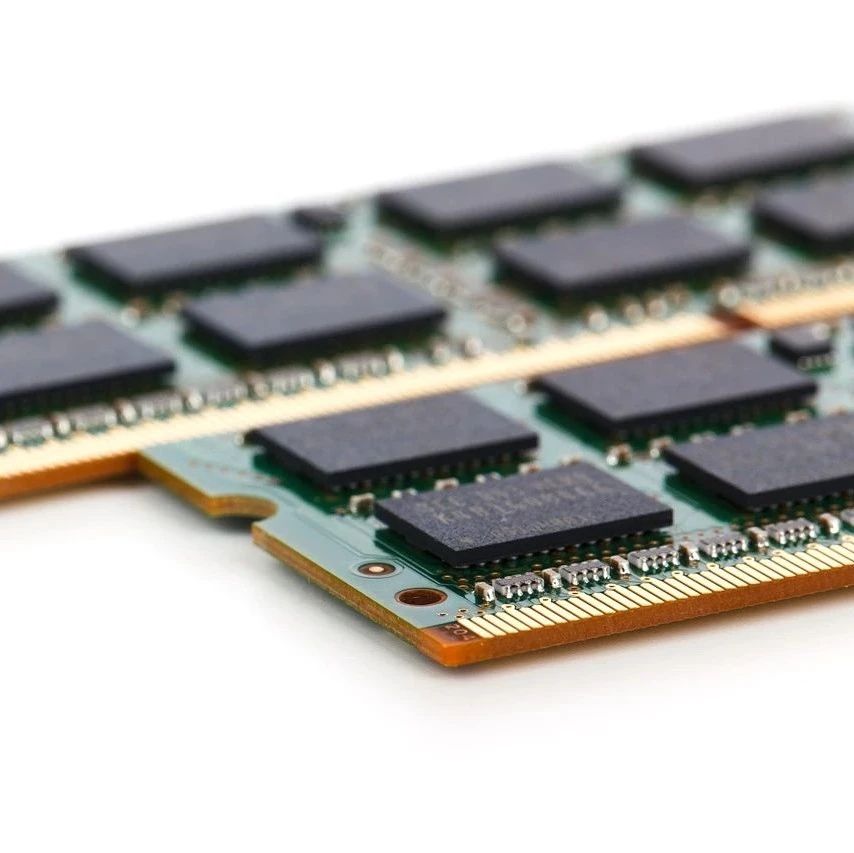
DRAM,继续暴涨
半导体芯闻· 2025-05-30 10:08
Group 1 - The average price of PC DRAM products (DDR4 8Gb 1Gx8) increased significantly by 27.27% in May, reaching $2.1, following a 22.22% rise in April, marking two consecutive months of over 20% growth [2] - NAND flash memory prices for general products (128Gb 16Gx8 MLC) rose by 4.84% in May, with an average price of $2.92, continuing a five-month upward trend after a decline that started in September of the previous year [2] - The U.S. government's announcement of equivalent tariffs and a 90-day grace period has led PC manufacturers to increase their memory inventory, particularly boosting demand for low-cost CPUs and corresponding DDR4 DRAM [2]
大佬:这是我入市几十年最好的投资时机
Sou Hu Cai Jing· 2025-05-30 08:02
Market Outlook - The company remains optimistic about the A-share market, considering it a very good buying point and the best investment opportunity in decades [1][11][12] - The prediction includes a potential interest rate cut by the Federal Reserve, which could lead to capital inflows into emerging markets, including A-shares [2][11] Investment Strategy - The company plans to focus on stable high-dividend sectors such as food and beverage, and public utilities, which have dividend yields around 4% [2] - The investment strategy emphasizes acquiring valuable assets with stable profitability and dividend rates [2] Tariff Implications - The introduction of reciprocal tariffs by the U.S. is seen as having a neutral impact on the A-share market, with potential long-term benefits for China's economy by addressing overcapacity [3] AI and Robotics - The company acknowledges the potential of AI and robotics but refrains from investing due to difficulties in identifying suitable companies within this sector [4] Buffett's Cash Holdings - The company interprets Warren Buffett's significant cash reserves and reduction in U.S. stock holdings as a risk management strategy, considering the long bull market since 2008 [7] Gold Investment - The company does not view gold as a valuable investment, citing its historical price fluctuations and the current trend of widespread investment in gold [8] Japanese Market Insights - The company is monitoring the Japanese market, noting the unique low-interest environment and the stability of major Japanese trading companies, which could provide investment opportunities [9][10] Long-term Market Confidence - The company believes that despite short-term volatility, the long-term outlook for the market is positive, with expectations of a recovery in leading companies' performance [11][12]
反转!特朗普政府“对等关税”被暂时恢复
Jin Rong Shi Bao· 2025-05-30 03:14
Group 1 - The U.S. Court of Appeals temporarily reinstated the Trump administration's "reciprocal tariffs" policy, allowing the government to impose tariffs while the case is under review [1] - The Court's decision came after the U.S. International Trade Court had previously ruled against the Trump administration's tariff measures, stating that the International Emergency Economic Powers Act did not authorize such global tariffs [2] - The reinstated tariffs include a 30% tariff on imports from China, a 25% tariff on certain goods from Mexico and Canada, and a 10% general tariff on most U.S. imports, while tariffs on automobiles, steel, and aluminum remain unaffected [2] Group 2 - The market reaction to the reinstatement of tariffs was muted, with minor increases in major U.S. stock indices and little change in the U.S. dollar index [1] - White House Press Secretary criticized the International Trade Court's ruling as "judicial overreach," indicating the administration's strong stance on tariff policies [1]