
新零售

Search documents
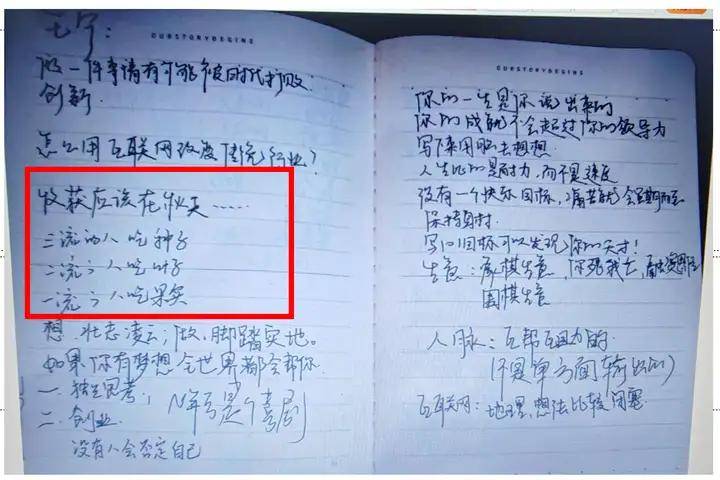
泡泡玛特火得一塌糊涂之后,我看了创始人王宁的所有采访,总结了最关键的10条
Sou Hu Cai Jing· 2025-06-16 11:21
Core Insights - Pop Mart has become a sensational topic in the secondary market, being labeled as "the most astonishing consumer story of the year" [1][2] - The company's success is attributed to its unique approach to retail, focusing on emotional value rather than functional value [4][28] Group 1: Business Philosophy - The motto "Respect time, respect management" is fundamental to Pop Mart's operational philosophy, emphasizing the importance of long-term thinking [5][20] - The founder, Wang Ning, believes in the concept of "delayed gratification," where success is achieved through patience and strategic planning [6][20] Group 2: Key Success Factors - Pop Mart has successfully executed four key strategies: 1. Industrial and commercial reform of trendy toys to make them more accessible to the general public [9] 2. Shifting the target audience from predominantly male to female consumers, recognizing an untapped market [10] 3. Leveraging channel advantages by placing stores in prime locations to attract trend-conscious consumers [11] 4. Capitalizing on favorable market conditions, such as the rise of the post-80s and 90s generations as mainstream consumers [13] Group 3: Market Positioning - Pop Mart positions itself as a leader in the trendy toy market, claiming to be the best globally, particularly due to its unique blend of art and commerce [51][53] - The company has adopted a "slow company" philosophy, focusing on steady growth rather than rapid expansion, which has allowed it to withstand market pressures [23][68] Group 4: International Expansion - In the first half of 2024, Pop Mart's overseas revenue grew by 259.6%, with international sales accounting for 50% of total revenue [57] - The company strategically enters markets with cultural similarities, starting with nearby regions like South Korea and expanding to Southeast Asia [58] Group 5: Emotional and Psychological Value - Pop Mart's products are designed to resonate emotionally with consumers, creating a sense of psychological value that goes beyond mere functionality [28][45] - The brand aims to create a "dream" for consumers, similar to luxury brands, by attaching emotional significance to its products [24][28] Group 6: Leadership and Consensus - Wang Ning emphasizes that true leadership is about guiding others towards the right direction, which is rooted in making correct choices [30] - The concept of "consensus value" is crucial, as the perceived value of products is built through collective agreement among consumers [31]


小米致命车祸反转了!雷军决定追责!
商业洞察· 2025-06-13 09:23
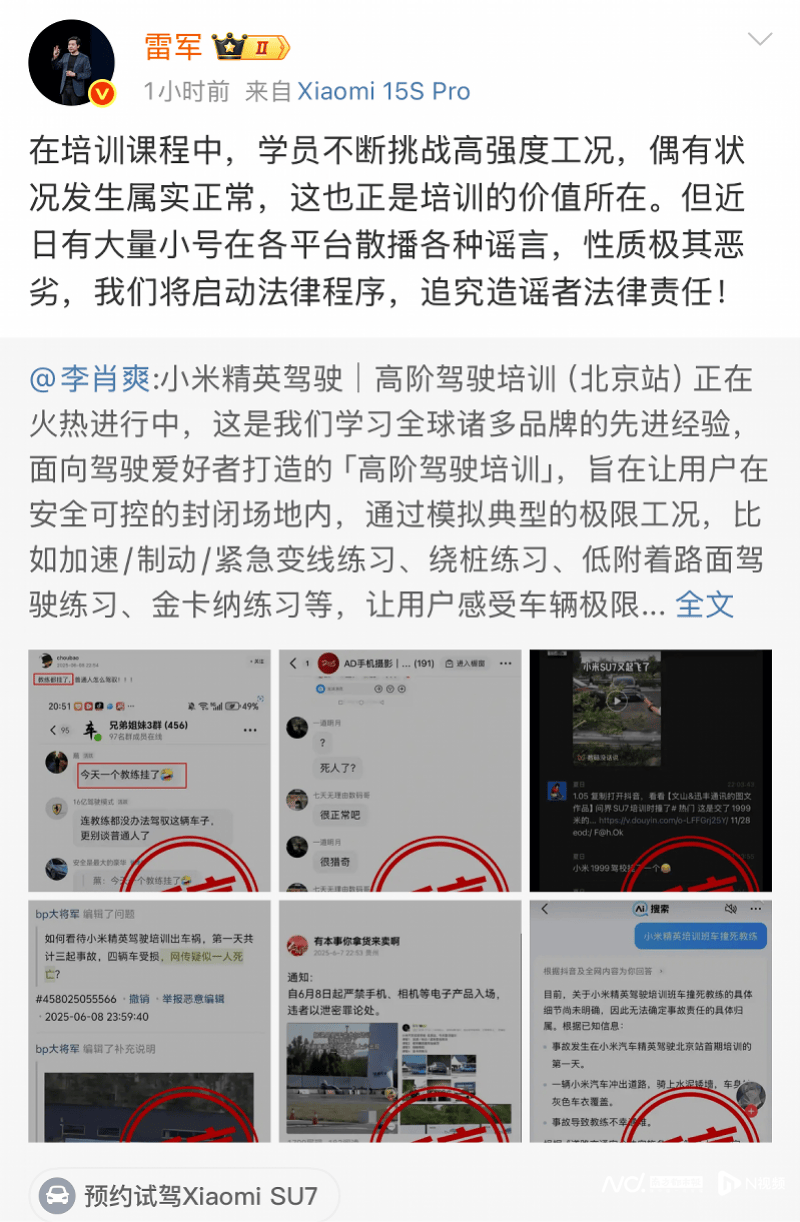
Core Viewpoint - The article discusses the recent challenges faced by Xiaomi in the smart driving sector, particularly focusing on a training incident that raised public concerns about the quality of Xiaomi's vehicles and its autonomous driving system. It also highlights significant personnel changes within Xiaomi that reflect the company's strategic ambitions in the automotive and retail sectors [2][3][24]. Group 1: Incident and Public Reaction - Xiaomi's smart driving training program faced backlash after an incident where a Xiaomi SU7 reportedly crashed, leading to public skepticism about the vehicle's quality and safety [3][4]. - Xiaomi's executives, including CEO Lei Jun, responded to the incident by emphasizing the training's purpose and the normalcy of occasional issues during high-intensity driving training [12][9]. - The incident sparked heightened sensitivity among consumers and the media, partly due to Xiaomi SU7's popularity and the competitive nature of the electric vehicle market [15][16]. Group 2: Regulatory Environment - The Ministry of Industry and Information Technology (MIIT) announced increased scrutiny of vehicles with high public concern, which includes Xiaomi's models, aiming to enhance quality control in the rapidly expanding electric vehicle market [20][21]. - Xiaomi's strong delivery performance and rigorous testing could position the company favorably against regulatory challenges [22]. Group 3: Personnel Changes and Strategic Direction - Xiaomi announced a significant personnel change, appointing Wang Xiaoyan as the new general manager of Xiaomi Home, reflecting a strategic focus on enhancing offline retail channels [24][25]. - Wang Xiaoyan's extensive experience in the telecommunications industry and his previous successes in retail innovation are expected to bolster Xiaomi's operational efficiency and market presence [28][32]. - This restructuring indicates Xiaomi's shift towards a more user-experience-centric approach in its retail strategy, moving beyond mere expansion of store numbers [33].


零售商超行业SAAS及数字化前景展望
2025-06-12 15:07
Summary of Retail Industry and SaaS Developments Industry Overview - The retail SaaS service providers initially charged based on software licenses and POS terminal counts, with large enterprises preferring standard software packages like SAP and Yonyou, priced by modules and user licenses [1] - Post-pandemic, internet companies shifted towards comprehensive solutions, with future rates influenced by technological advancements and competition [1] - Internet firms are reshaping the SaaS model through low-code platforms and cloud services, leading to a 50%-70% reduction in front-end costs, although back-end costs have increased due to the need for cloud infrastructure [1][5] Key Players and Competitive Landscape - Major players in the supermarket system supplier market include Shiji Information, SAP, Oracle, and Yonyou, with Shiji holding the largest market share [3] - Traditional supermarkets like Yonghui and Wumart are adapting to the online-offline integration model, with Yonghui collaborating with JD.com to enhance its business model [2] - Regional retailers like Pang Donglai have strong influence in their areas, showcasing the competitive dynamics within the retail sector [2] Challenges and Innovations in New Retail - New retail faces challenges such as online traffic stagnation and competition from platforms like Douyin, necessitating innovative promotional strategies and customer journey designs [1][8] - Retailers are leveraging big data and automation to enhance customer experience, with AI technology being widely applied for personalized marketing and customer profiling [2][12] SaaS Pricing Models and Trends - The pricing model for retail SaaS providers is closely linked to their growth stages, with early models based on software licenses transitioning to subscription-based pricing to meet new retail demands [4] - Future pricing trends will be influenced by technological advancements and competitive dynamics among various suppliers [4] Self-developed vs. Third-party Software - Self-developed systems, like those used by Walmart, allow for management iteration and value addition, avoiding customization cost increases [6] - Third-party software, such as Demo SaaS, aims to leverage supply chain advantages for online-to-offline (O2O) expansion [6] Retail Growth Bottlenecks - Yonghui Supermarket is experiencing growth bottlenecks post-pandemic, with no significant improvement in single-store gross margins [9] - To address these challenges, Yonghui is learning from the efficient management practices of regional leaders like Pang Donglai [9] AI Technology Applications - AI technology is being utilized in various retail scenarios, including personalized recommendations and automated service enhancements [14][15] - The integration of AI allows for real-time adjustments in product placement and promotional strategies, improving customer engagement and satisfaction [17][19] Global Market Challenges for Chinese Retailers - Chinese retailers face challenges in overseas markets, including consumer habit differences, high labor costs, and cognitive gaps regarding local business models [20] - To enhance competitiveness, Chinese retailers must optimize supply chain management and redesign customer journeys based on local consumer habits [21][22] Conclusion - The retail industry is undergoing significant transformation driven by technological advancements and changing consumer behaviors, with both traditional and internet-based retailers adapting to new market realities. The integration of AI and SaaS solutions is crucial for enhancing operational efficiency and customer experience in this evolving landscape.
药师帮周线八连阳后整固蓄势 基本面扎实获机构看好
Ge Long Hui· 2025-06-12 00:28
Core Viewpoint - After a strong two-month rally, the stock price of Yaoshi Bang (9885.HK) consolidated between HKD 10-11 from June 9 to June 11, following a year-to-date increase of over 120% and a market capitalization exceeding HKD 7 billion [1][2] Group 1: Company Performance - Yaoshi Bang is expected to achieve a full turnaround to profitability in 2024, with a projected adjusted net profit of HKD 157 million, representing a year-on-year increase of 20.1% [1] - The company’s high-margin business has accelerated growth, with a transaction scale of HKD 717 million in its brand promotion business from January to April, marking a year-on-year increase of 108.1% [1] - The company’s fundamentals have shown significant improvement, validating its profit logic [1] Group 2: Strategic Initiatives - On June 3, Yaoshi Bang entered into a strategic partnership with leading collaborative robot company Yujian Technology, focusing on integrating pharmaceutical collaborative robots, AI models, and drug IoT technologies into new retail scenarios [1] - This initiative aims to explore high-value-added business opportunities targeting retail pharmacies [1] Group 3: Market Sentiment and Analyst Ratings - The company’s quality attributes have attracted significant institutional interest, with Changcheng Securities and Tianfeng Securities both issuing "Buy" ratings, while Xinda Securities is more optimistic, projecting a compound annual growth rate of 145% for net profit from 2024 to 2027 [2] - The management has demonstrated confidence through actions, including a billion-dollar buyback plan initiated in May 2025, with 5.435 million shares repurchased for over HKD 42.31 million from May 7 to June 11 [2] - The Hong Kong pharmaceutical sector remains active, with multiple policy benefits being released, indicating a potential new market rally [2]
上海市中心静安区全力为民营经济打开广阔发展空间
Zhong Guo Xin Wen Wang· 2025-06-11 14:51
Core Insights - The private economy in Jing'an District is expanding significantly, with a focus on high-quality development and innovation in key sectors such as blockchain, new retail, and semiconductors [1][2] - A total of 34 key measures have been outlined in the "Implementation Plan for Promoting High-Quality Development of the Private Economy in Jing'an District," including 11 unique initiatives aimed at enhancing the local private sector [1] Economic Impact - By 2024, the private economy is expected to contribute nearly 30% of the total tax revenue in Jing'an District [2] - The district will host 560 high-tech enterprises by the end of 2024, with nearly 80% being private companies [2] - There are 203 specialized and innovative small and medium-sized enterprises, with 85% being private [2] - The district has attracted 26 private enterprise headquarters across various industries, including software, human resources, and logistics [2] Innovation and Development - The establishment of the "Shu Tong Lian Gu" national blockchain application demonstration zone has led to a more than 300% increase in the number of enterprises over the past year [2] - The "Mei Chuang Jing Jie" skin health management innovation center has been launched, showcasing a collaborative development model among state-owned, foreign, and private enterprises [2] Support and Resources - Companies in Jing'an District benefit from a supportive development environment, resource aggregation, and talent acquisition, enhancing their ability to expand nationally and globally [3]
泡泡玛特王宁成河南新首富,坐拥203亿美元,透露什么财富密码?
Sou Hu Cai Jing· 2025-06-10 16:46
Group 1 - Wang Ning, the founder of Pop Mart, has become the new richest person in Henan, surpassing Qin Yinglin of Muyuan Foods, with a net worth of $20.3 billion compared to Qin's $16 billion [1] - The rise of Pop Mart indicates a shift in wealth from traditional industries, such as pig farming, to new retail sectors focused on trendy consumer products like collectible toys and blind boxes [1][3] - The changing consumption patterns among younger generations suggest that traditional necessities are no longer the primary focus of spending, with younger consumers prioritizing fun and novelty in their purchases [3][5] Group 2 - The wealth distribution in society is heavily skewed towards older generations, which has led to stagnation in overall consumer spending, as they tend to focus on traditional consumption categories [5] - The future of retail and consumer spending is expected to be driven by interesting and novel products that appeal to younger consumers, rather than traditional assets like real estate or automobiles [5][6] - Investing in innovative and engaging brands within the new retail concept is seen as a key opportunity for future wealth creation, as exemplified by Wang Ning's success with Pop Mart [8]

国家级创新试点!长三角五城入围
Guo Ji Jin Rong Bao· 2025-06-10 09:58
2024年11月,商务部等7部门下发《关于印发零售业创新提升工程实施方案的通知》,明确提出"2025年至2029年每年确定 一批零售业创新提升试点城市,试点建设周期为两年",为零售业创新提升提供了明确的政策导向和时间表。 通知要求,试点城市落实试点方案,在项目规划、改造审批等方面给予便利,统筹用好各项政策,加大支持力度,优化经 营环境。同时,要按照市场主导与政府引导并重等工作路径,积极推进政策创新、管理创新、模式创新等,及时总结推广可复 制的试点经验和创新案例。 近日,商务部网站公布了第一批全国零售业创新提升试点城市名单,长三角地区的上海、南京、苏州、杭州、合肥五座城 市脱颖而出,成功入选。 "上海作为国际化大都市,零售资源丰富且多元,场景化改造与创新将为其零售业注入了一剂强心针,能够更好地满足不同 层次、不同需求的消费者,进一步提升消费体验,巩固其作为全球零售高地的地位。"新零售行业资深分析师丁帅对《国际金融 报》记者表示,南京凭借坚实的商贸流通业基础,通过多元化创新与供应链提升,不断优化零售生态,有望进一步巩固传统商 贸中心城市的地位,在长三角零售业格局中发挥更为重要的作用。 以南京为例,在提升零售供给品 ...

复刻胖东来,汽车业反卷密码?
Zhong Guo Qi Che Bao Wang· 2025-06-10 07:51
Core Insights - The automotive industry is currently facing intense price competition, leading to a decline in profit margins, with the projected profit margin for 2024 at only 4.3% [3][4] - The recent 618 shopping festival has exacerbated this price war, with numerous car manufacturers and dealers offering significant discounts, which has resulted in consumer hesitation and a wait-and-see attitude [4][5] - In contrast, the retail sector, exemplified by the local supermarket chain Fat Donglai, has successfully differentiated itself through superior customer service and product quality, prompting discussions on whether the automotive industry can learn from its success [1][7] Automotive Industry Challenges - The automotive sector is experiencing a downward trend in profit margins, with a report indicating a profit margin of 4.3% for 2024, lower than the overall downstream industrial profit margin [3] - The aggressive pricing strategies initiated by companies like Tesla have triggered a series of price cuts across the domestic electric vehicle market, further intensifying competition [3][4] - Consumer sentiment is affected by frequent price changes and promotional activities, leading to a reluctance to purchase vehicles due to fears of overpaying or missing out on better deals [4][5] Consumer Behavior - Consumers are increasingly confused by the multitude of promotional offers, leading to a significant number opting to delay their purchases [4][5] - The focus on price comparison among consumers has overshadowed other factors such as service quality and brand loyalty, creating a vicious cycle of price competition [5][11] - The automotive sales process has become heavily centered around price negotiations, often at the expense of customer experience and satisfaction [5][11] Retail Sector Insights - Fat Donglai has emerged as a benchmark in the retail industry by prioritizing customer service and product quality, despite not having the lowest prices [7][8] - The shopping experience at Fat Donglai is characterized by attentive service and a focus on customer satisfaction, which has fostered strong word-of-mouth marketing [10][8] - The supermarket chain's success highlights the potential for the automotive industry to shift from price competition to value competition by enhancing customer experience and service quality [10][15] Potential Strategies for Automotive Industry - The automotive sector is encouraged to explore new retail models that emphasize consumer-centric services and personalized experiences [14][15] - Companies should consider leveraging data analytics to better understand consumer preferences and tailor offerings accordingly [14] - There is a call for the automotive industry to adopt a service-oriented approach, providing additional value-added services to enhance customer loyalty and satisfaction [14][15] Conclusion - The automotive industry must learn from the retail sector's focus on customer experience and service quality to escape the cycle of price competition [15][16] - A shift from price-based competition to value-based competition is essential for long-term sustainability and growth in the automotive market [15][16] - The ongoing transformation in the automotive industry necessitates a comprehensive reevaluation of business models and consumer engagement strategies to remain competitive in a rapidly evolving market [16]


收费1999元的小米汽车培训班一天三起事故?雷军:造谣!
Sou Hu Cai Jing· 2025-06-10 04:26
Group 1 - The core issue revolves around rumors of fatal accidents during Xiaomi's advanced driving training program, which has led to a response from CEO Lei Jun and VP Li Xiaoshuang [1][4][7] - The advanced driving training program was launched during Xiaomi's 15th anniversary event, charging 1999 yuan per participant, with the first 10,000 Xiaomi car owners receiving free access [1][7] - Lei Jun emphasized that while occasional incidents may occur during high-intensity training, the spread of malicious rumors is being addressed legally [1][7] Group 2 - The training program aims to enhance users' driving skills through various emergency scenarios, including acceleration, braking, and emergency lane changes [11] - The program is currently ongoing and has received positive engagement from participants [11] - In response to the rumors, the coach allegedly involved in the incident confirmed their well-being via social media [8] Group 3 - On June 9, Xiaomi's retail division underwent leadership changes, with Wang Xiaoyan taking over as the general manager of Xiaomi Home [12] - As of March 31, Xiaomi's offline retail stores in China reached 16,000, with plans to expand to 20,000 by the end of the year [12][13] - Xiaomi is also expanding its new retail model globally, with plans to open 10,000 stores overseas in the next five years [13]
星巴克宣布:降价|首席资讯日报
首席商业评论· 2025-06-10 03:49
3.星巴克宣布:降价 据南方都市报,星巴克中国宣布,自6月10日起,星巴克旗下包括星冰乐、冰摇茶、茶拿铁在内的三大品 类,共计数十款产品将推出全新夏日"心动价",平均价格降幅约5元,单杯饮品最低售价为23元。以广州一 家星巴克门店的价格为例,在降价前,星巴克星冰乐、冰摇茶、茶拿铁系列共计有19款饮品,大杯(473毫 升)饮品价格在29-41元之间,其中35元及以上价格的饮品占比为73.68%,仅有1款饮品价格在30元以下,中 杯(355毫升)饮品则普遍比大杯便宜3元。 点评:星巴克非咖饮品降价5元,发力下午茶市场应对竞争。 4.企业回应:老乡鸡班大部分学生毕业会被录用 据封面新闻,近日,安徽农业大学发布的《"老乡鸡新农人创新班"和"老乡鸡店长班"招生通知》在社交平台 引发关注。通知显示,安徽老乡鸡餐饮有限公司与该校达成战略合作协议,今年遴选2023级本科生50人 (其中后备人选10人)和2022级本科生50人(其中后备人选10人)分别组建"老乡鸡新农人创新班"和"老乡 鸡店长班"。 1.德赛电池回应收购骆驼股份传闻:不属实 6月9日消息,网上有传闻称德赛电池要收购骆驼股份,对此,德赛电池在互动平台回复,不属实 ...



