服务消费

Search documents
中国社科院金融所:宏观调控重心在于提振名义经济增长
Zhong Guo Jing Ying Bao· 2025-07-30 14:59
Group 1 - The core viewpoint of the article is that despite facing external and internal challenges, China's economy showed a steady improvement in the second quarter, with a GDP growth of 5.2% year-on-year, supported by resilient exports, recovering consumer demand, and the growth of new economic drivers [1][2][4] Group 2 - The main constraints on economic recovery are identified as persistent low prices and slow nominal economic growth, with CPI remaining around 0% for 27 months and PPI negative for 33 months, indicating a prolonged period of deflation [2][3] - The report highlights that while supply capacity has improved, it has also exposed long-standing demand deficiencies, prompting the government to enhance policies like the trade-in program for consumer goods, which is expected to boost retail sales growth by approximately 0.7 to 0.8 percentage points [3][4] Group 3 - Future macroeconomic policies should focus on balancing supply and demand, promoting reasonable price recovery, and boosting nominal economic growth through measures such as increasing the fiscal deficit ratio and implementing inflation-targeted monetary policies [4] - Recommendations include stabilizing housing prices, enhancing income, reducing burdens, and promoting service consumption, alongside a structured approach to urbanization and industry self-regulation [4]
中央政治局会议定调:保持政策连续性稳定性 增强灵活性预见性
2 1 Shi Ji Jing Ji Bao Dao· 2025-07-30 14:38
Core Viewpoint - The Central Political Bureau of the Communist Party of China has decided to hold the Fourth Plenary Session of the 20th Central Committee in October, focusing on the economic situation and the formulation of the 15th Five-Year Plan, emphasizing the need for sustained macroeconomic policies and effective implementation of fiscal and monetary measures [1][2]. Economic Policy - The meeting highlighted the need for a more proactive fiscal policy and moderately loose monetary policy, aiming to enhance the efficiency of government bond issuance and usage [1][4]. - The emphasis on "sustained efforts and timely increases" in macroeconomic policies indicates a commitment to maintaining policy continuity while being flexible to adapt to changing economic conditions [3][5]. Consumer Demand - The meeting stressed the importance of effectively releasing domestic demand potential, particularly through initiatives to boost consumption and foster new growth points in service consumption [2][6]. - The contribution of final consumption to GDP reached 52.3% in the second quarter, the highest since last year, indicating a strong consumer base that needs to be further supported [6][7]. Investment and Economic Growth - The focus on high-quality infrastructure construction and stimulating private investment is expected to drive effective investment and enhance economic quality [6][7]. - The government plans to accelerate the issuance of special bonds and long-term bonds to support investment projects, with a total of 11.86 trillion yuan allocated for the year [5][6]. Service Consumption - Service consumption is identified as a critical area for growth, with recommendations to shift subsidy policies towards service consumption and improve the overall service supply [8]. - The meeting acknowledged the unique characteristics of service consumption, which requires targeted measures to address challenges such as income stability and urbanization of the floating population [7][8].
中央政治局会议定调:保持政策连续性稳定性,增强灵活性预见性
2 1 Shi Ji Jing Ji Bao Dao· 2025-07-30 14:00
Core Points - The meeting of the Central Political Bureau on July 30 decided to hold the Fourth Plenary Session of the 20th Central Committee in October, focusing on the work report and the formulation of the 15th Five-Year Plan for national economic and social development [1] - The meeting emphasized the need for macro policies to continue to exert force and to be timely and effective, with a focus on implementing more proactive fiscal policies and moderately loose monetary policies [1][2] - The meeting highlighted the importance of effectively releasing domestic demand potential and implementing actions to boost consumption while fostering new growth points in service consumption [2][6] Fiscal Policy - The meeting called for accelerating the issuance and utilization of government bonds to improve fund usage efficiency [1][2] - The total new deficit, special bonds, and ultra-long-term special bonds for the year amount to 11.86 trillion yuan, with significant progress in issuance by mid-year [5] - The focus of fiscal policy will be on government bond issuance and usage, with an expected acceleration in the pace of issuance [3][4] Monetary Policy - The monetary policy will maintain a moderately loose tone, with potential for further liquidity injections through tools like reverse repos and MLF [4] - The emphasis will be on promoting a decline in overall financing costs and supporting key areas such as technology innovation, consumption, small and micro enterprises, and stabilizing foreign trade [4][5] - Structural monetary policy tools will continue to play a targeted role in supporting specific sectors [4] Consumption and Investment - The meeting outlined three key areas to effectively release domestic demand potential, including implementing actions to boost consumption and expanding effective investment [6][7] - The contribution of final consumption to GDP reached 52.3% in the second quarter, indicating a strong recovery in consumer spending [6] - There is a need to stimulate service consumption, which is seen as a critical area for economic growth and job stability [7][8] Recommendations for Service Consumption - Suggestions include shifting "old-for-new" policies from product subsidies to service consumption subsidies, optimizing rest and vacation systems, and addressing educational issues for migrant workers' children [8] - Emphasis on public investment to improve service quality and supply, particularly in education, healthcare, and entertainment sectors [8] - The need for a supportive policy environment to enhance consumer protection and create a safe consumption atmosphere [8]
5.1%!深圳交出半年成绩单!
证券时报· 2025-07-30 11:38
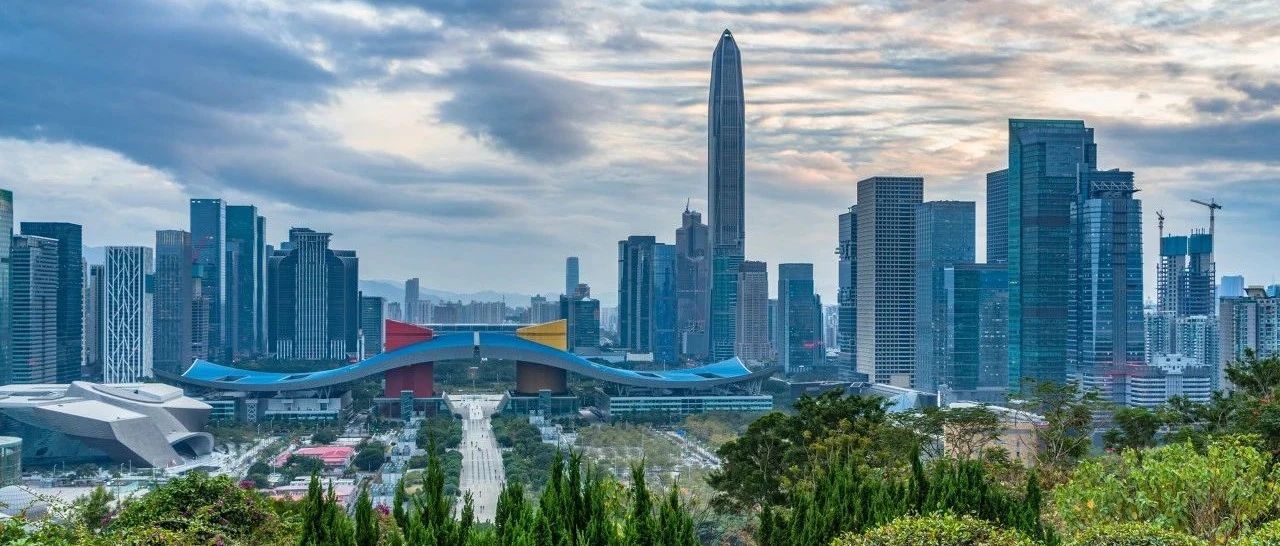
Economic Performance - Shenzhen's GDP for the first half of the year reached 18,322.26 billion yuan, with a year-on-year growth of 5.1% [1] - The primary industry added value was 10.33 billion yuan, growing by 2.8%; the secondary industry added value was 6,505.56 billion yuan, growing by 3.3%; and the tertiary industry added value was 11,806.37 billion yuan, growing by 6.1% [1] Industrial Growth - The industrial added value above designated size in Shenzhen grew by 4.3% year-on-year, with manufacturing playing a crucial role [1] - Key sectors such as general equipment manufacturing, instrument manufacturing, and electrical machinery manufacturing saw growth rates of 17.1%, 8.8%, and 8.2% respectively [1] - High-tech product output continued to grow rapidly, with civil drones, industrial robots, and 3D printing equipment increasing by 59.0%, 38.0%, and 35.8% respectively [1] Service Sector Development - The added value of the service industry in Shenzhen was 11,806.37 billion yuan, with a year-on-year growth of 6.1% [2] - Key service sectors such as finance, transportation, and information technology services grew by 10.9%, 9.0%, and 8.1% respectively [2] - The Shenzhen Municipal Bureau of Commerce introduced measures to promote high-quality service consumption across six areas, aiming to stimulate internal demand [2] Consumption Trends - The total retail sales of consumer goods in Shenzhen reached 4,948.68 billion yuan, growing by 3.5% year-on-year [2] - Retail sales of daily necessities and food products showed strong growth, with increases of 10.7% and 9.1% respectively [2] - Online retail sales through designated units grew by 19.4%, indicating a shift towards e-commerce [2] Investment and Trade - Fixed asset investment in Shenzhen decreased by 10.9%, with real estate development investment down by 15.1% [3] - Infrastructure investment grew by 7.7%, while industrial technology transformation investment surged by 47.1% [3] - The total import and export volume was 21,675.45 billion yuan, a year-on-year decrease of 1.1%, with exports down by 7.0% and imports up by 9.5% [3] Future Outlook - The overall economic performance in Shenzhen remains stable, with a focus on high-quality development despite external uncertainties [3] - Analysts suggest leveraging Shenzhen's technological advantages to promote high-tech industries and enhance domestic demand [3]

7月政治局会议传递的信号:长期问题重于短期问题
ZHESHANG SECURITIES· 2025-07-30 11:16
Long-term Planning - The Politburo meeting in July emphasized long-term planning, focusing on the "14th Five-Year Plan" as a core topic for the upcoming Fourth Plenary Session in October[1] - The meeting highlighted the importance of new productive forces in the context of technological competition, particularly in the U.S.-China rivalry[2] Economic Performance - China's GDP grew by 5.3% in the first half of the year, with a nominal GDP target of approximately 140 trillion yuan for the full year[3] - The government anticipates maintaining a steady economic trend in the second half, with a target GDP growth of around 5%[3] Fiscal and Monetary Policy - The meeting called for a more proactive fiscal policy and moderately loose monetary policy, emphasizing the effective implementation of existing policies rather than new stimulus measures[4] - As of June 2025, new local government special bond issuance exceeded 2.2 trillion yuan, marking a significant increase from 1.5 trillion yuan in the same period last year[4] Domestic Consumption - Final consumption expenditure contributed 52% to the economy in the first half of 2025, with service trade retail growing by 5.3% and goods retail by 5.1%[7] - The government aims to enhance service consumption as a key driver for expanding domestic demand, supported by policies aimed at improving living standards[7] Industry Capacity Management - The meeting stressed the need for capacity governance in key industries, particularly in the new energy vehicle and photovoltaic sectors, to eliminate outdated production capacity[8] - Regulatory measures will focus on enhancing industry standards and preventing redundant capacity construction[8] Foreign Trade Support - China's exports to the U.S. saw a decline from a growth rate of 5.6% in March to -9.9% in June, while overall export growth remained at 7.2%[10] - The government is implementing financial policies to support foreign trade enterprises affected by external pressures, focusing on relief rather than filling external demand gaps[10] Capital Market Development - The government aims to enhance the attractiveness and inclusivity of domestic capital markets, with the Shanghai Composite Index rising over 7.8% by the end of July 2025[12] - Future policies will support technology-driven and growth-oriented enterprises, with expectations for increased dividend payouts to attract long-term capital[12]
政治局会议定调促消费:扩大商品消费同时,培育服务消费新增长点
Sou Hu Cai Jing· 2025-07-30 07:48
Group 1 - The central government emphasizes the need to effectively unleash domestic demand potential and implement actions to boost consumption, focusing on both goods and services [1] - The importance of expanding consumption is highlighted as a key factor in stabilizing economic growth amid increasing external uncertainties [1] - The government has previously outlined plans to enhance consumption and investment efficiency, aiming for comprehensive expansion of domestic demand [1] Group 2 - The Ministry of Commerce acknowledges a current shortage in high-quality service supply and is implementing targeted measures for both external and internal openings [3] - The focus on external opening includes expanding pilot programs in sectors like healthcare to attract more quality services, while internal measures aim to support high-quality service consumption development [3] - Research indicates that service consumption will be a crucial area for future growth, with expectations for increased policy support in the second half of the year to stimulate demand and optimize supply [3]
热点思考 | 反内卷,破局的“妙招”有哪些?(申万宏观·赵伟团队)
申万宏源研究· 2025-07-30 07:46
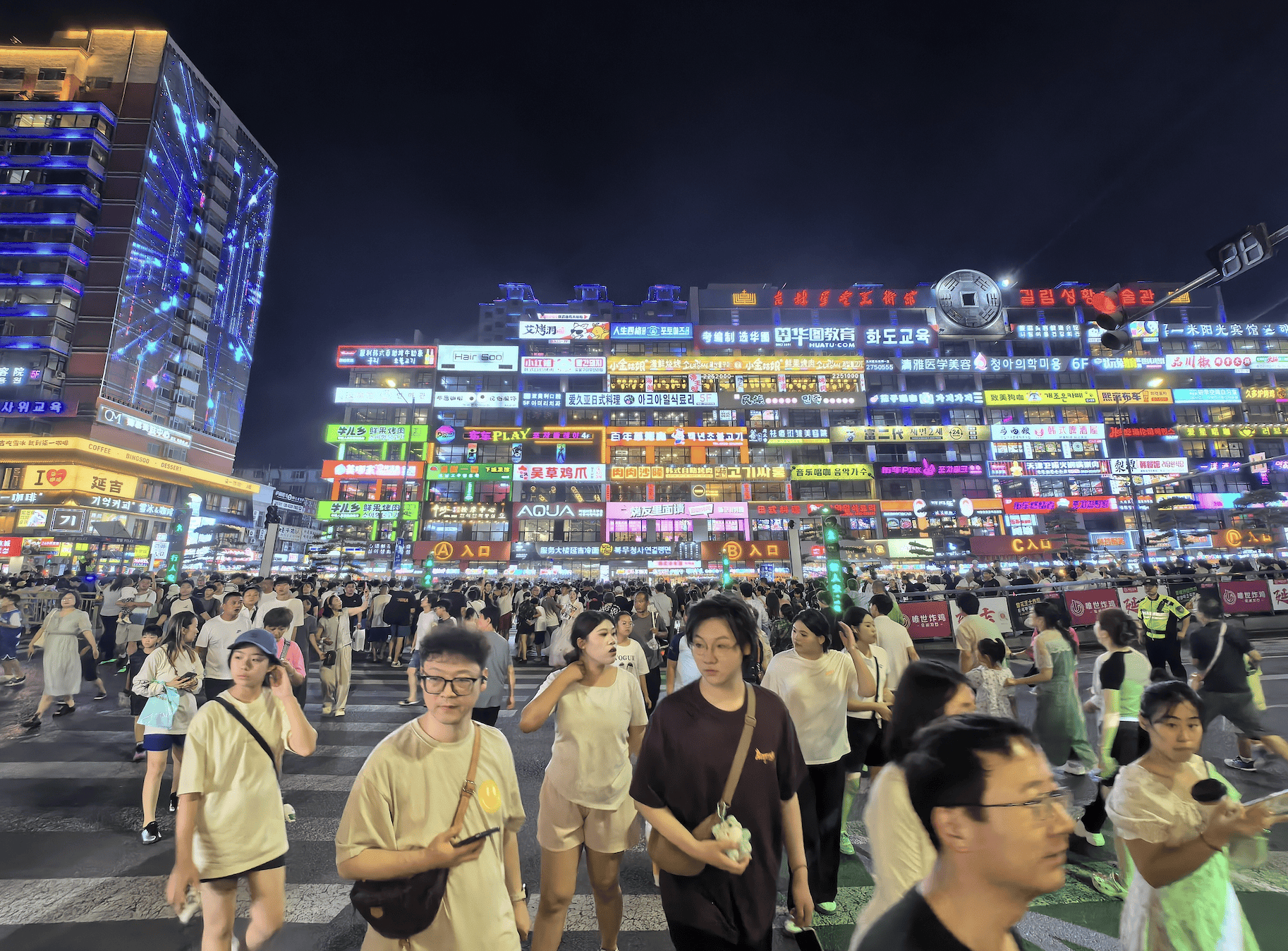
Group 1 - The core issue of "involution" is the imbalance between manufacturing and service industries, with manufacturing employment exceeding actual demand while service employment remains insufficient [2][9] - In 2023, manufacturing employment was significantly above potential levels, with a 0.2 billion increase, while service employment showed a shortfall of 0.4 billion compared to potential levels [9][106] - Manufacturing investment remains high despite declining revenues, indicating an "involution" phenomenon, while service investment is notably below demand, with a potential investment gap of approximately 1.5 trillion [18][106] Group 2 - There is a significant gap in consumer spending, with a shortfall of about 6,400 billion yuan in goods consumption and nearly 30,000 billion yuan in service consumption [3][27] - In 2024, the per capita service consumption gap is projected to be 2,093 yuan, indicating a substantial unmet demand in the service sector [27][106] Group 3 - The long-term direction to address "involution" involves shifting focus from manufacturing supply to service supply, as global experiences suggest a transition in consumer demand from goods to services [4][107] - As GDP per capita reaches 10,000 to 30,000 USD and urbanization increases, service consumption typically rises, with a historical annual increase of about 0.6% [4][35] Group 4 - Policies are being implemented to enhance service consumption, investment, and exports, marking a shift in economic growth drivers from manufacturing to services [6][80] - Recent policy measures include extending legal holidays and encouraging more leisure time for residents, which is expected to boost service demand [6][108] - Service investment is seeing improvements due to regulatory relaxations and increased government support, with a notable growth rate of 15.3% in May, nearing the highest level since 2017 [91][109]
“苏超”带热消费 新动能提速跑
Xin Hua Ri Bao· 2025-07-30 06:05
Economic Growth Overview - In the first half of the year, the province's enterprise sales revenue increased by 2.5% year-on-year, with the second quarter showing an improvement to 2.8%, marking a new high in nearly four quarters, indicating a positive economic trend [1] - The growth was driven by the "Su Super" events, which stimulated consumption in sports, cultural tourism, and retail sectors, alongside the continuous development of advanced manufacturing and new energy sectors [1] Impact of "Su Super" Events - The "Su Super" events significantly boosted the province's sports industry, with sales revenue from related football clubs increasing by over 42 million yuan in June, raising the overall sports sector's sales growth by 5 percentage points [2] - Cultural tourism saw remarkable growth, with railway passenger transport and air travel sales revenue increasing by 90.7% and 46.5% respectively in June, while arts performances and cultural activities surged by 85.1% and 109.3% [2] - Retail sales in June rose by 5.8%, with notable increases in daily household appliances (28.3%), computer equipment (19.5%), and supermarkets (18.5%) [2] Local Business Growth - The Jiangsu Sports Exhibition Center attracted over 60,000 fans, generating direct revenue of over 360,000 yuan, a year-on-year increase of 29.34% [2] - The East Sea Crystal Cultural Tourism Area experienced a 111.45% increase in visitor numbers during a match, with sales of crystal products exceeding 20 million yuan, a 36% increase compared to regular weekends [3] - The hospitality and catering sectors in Rugao saw a sales increase of 45.57% on match day, with surrounding commercial complexes also reporting significant sales growth [3] Manufacturing Sector Performance - The province's industrial enterprises reported a 4.5% increase in sales revenue in the first half of the year, with the equipment manufacturing sector growing by 8.8% [4] - The Tai Zhou Kangqian Machinery Manufacturing Co. achieved over 200 million yuan in sales, with a projected annual revenue of 550 million yuan, reflecting a 25% year-on-year growth [4] - Jiangsu Hengtong High Voltage Submarine Cable Co. made significant advancements in technology, securing a global first in submarine cable production, with sales expected to reach 2.632 billion yuan in the first half of 2025, an 11.25% increase [4][5] New Energy and Technology Development - Twelve out of sixteen advanced manufacturing clusters in the province reported positive sales growth, with new energy and technology becoming key drivers of economic growth [6] - The first bio-jet fuel export trial in the country was successfully launched, showcasing a new model of green energy development [6] - Despite a 35% decline in overall orders due to international trade conditions, Huaxin Electronics reported an 11.62% increase in sales, attributed to high-value patented products and tax incentives [6] Future Outlook - Jiangsu Xinhantong Shipbuilding Co. reported a 10% increase in sales revenue, reaching 1.8 billion yuan in the first half of the year, with plans to deliver 23 vessels this year [7] - The company is benefiting from tax incentives exceeding 20 million yuan, which will be reinvested into production facility upgrades [7]
中国是一个显而易见被低估了的服务消费大国!|东哥笔记
Sou Hu Cai Jing· 2025-07-29 13:05
Core Insights - The article argues that China is significantly undervalued as a service consumption powerhouse, with a notable disparity in service pricing compared to the United States [2][13] Group 1: Consumption Comparison - In the first half of 2025, the retail sales of consumer goods in the U.S. reached $420.15 billion, while China's was $341.68 billion, making China's figure 81.32% of the U.S. total [3] - The U.S. service consumption total is projected to reach $13.6 trillion in 2024, accounting for 69% of total consumption and 67% of GDP [4] - China's service consumption total is only $2.15 trillion, representing 46% of total consumption and 39%-40% of GDP, indicating a significant gap in service consumption scale [4] Group 2: Sector-Specific Analysis - The healthcare sector shows the most pronounced difference, with U.S. per capita healthcare spending at $9,900 compared to China's $350, a 28-fold difference despite similar life expectancy [4][6] - Price comparisons for medical services reveal that U.S. costs are substantially higher, with CT scans costing $5,000 in the U.S. versus $120-$120 in China, a difference of 90-233 times [5] - In the e-commerce sector, China's express delivery service prices are only one-seventh of those in the U.S., with 2024 express delivery volume in China reaching 175.08 billion packages, a 21.5% increase [7] Group 3: Dining and Hospitality - In the food delivery sector, China's average order frequency is double that of the U.S., with a per capita annual order volume of 20.7 compared to 12 in the U.S. [8] - The hotel industry in China has expanded significantly, with 348,717 hotels and a total of 21.5 million rooms, compared to approximately 85,000 hotels and 4.43 million rooms in the U.S. [11][12] - Average daily rates (ADR) for hotels in China are approximately $40, while in the U.S. they are around $165, indicating a substantial price difference [12] Group 4: Overall Consumption Trends - The article concludes that the perception of Chinese consumers as not enjoying services is misleading; rather, the low pricing of services in China contributes to the underestimation of its service consumption potential [13]

社科院金融所:缓解物价低迷可从五方面入手,发展服务消费意义重大
Sou Hu Cai Jing· 2025-07-29 03:45
Core Viewpoint - The report from the Chinese Academy of Social Sciences indicates that while the Chinese economy is stabilizing, persistent low prices are dragging down nominal economic growth, widening the gap between macro and micro economic conditions [1] Economic Indicators - The Consumer Price Index (CPI) has shown a year-on-year growth rate around 0% for 27 consecutive months, while the Producer Price Index (PPI) has seen a year-on-year decline of 3.6%, marking 33 months of negative growth [1] - The GDP deflator has recorded negative year-on-year growth for nine consecutive quarters, surpassing the seven quarters of negative growth during the 1998 Asian financial crisis [1] Causes of Low Prices - The low price environment is attributed to the pains of transitioning from old to new economic drivers. While the impact of durable goods and rental prices on CPI has eased, weakened income expectations are constraining service consumption growth, preventing a virtuous cycle of consumption expansion, price increase, and wage growth [1] - Supply fluctuations, weak domestic demand, and shrinking external demand are increasing downward pressure on PPI, particularly in midstream chemical products and downstream essential consumer goods [1] Policy Recommendations - The report suggests five key recommendations to address the low price situation, including increasing nominal fiscal deficit rates, implementing inflation-targeted monetary policies, and stabilizing real estate prices to mitigate liquidity risks for major property firms [2] - It emphasizes the importance of enhancing service consumption to alleviate persistent low prices, as service consumption tends to exhibit differentiated supply expansion and price increases, unlike the homogeneous supply of general goods [2][4] Future Outlook - The report anticipates that the focus of macroeconomic regulation will be on strengthening the coordination of fiscal, monetary, industrial, employment, and social security policies to promote economic supply-demand balance and reasonable price recovery [4] - It advocates for the inclusion of a broad price index, covering general prices (CPI, PPI, and GDP deflator) and asset prices (housing and stock prices), into macroeconomic regulation targets, and encourages the use of unconventional counter-cyclical adjustment policies [4]