
产业链转移

Search documents
纺织服饰周专题:服饰制造商1月营收公布,越南相关出口继续稳健增长
GOLDEN SUN SECURITIES· 2026-02-23 10:45
Investment Rating - The report maintains a "Buy" rating for key companies in the textile and apparel sector, including Li Ning, Anta Sports, Shenzhou International, and Huayi Group, among others [5][10][31]. Core Insights - The textile and apparel industry is experiencing a steady growth in exports from Southeast Asian countries, particularly Vietnam, which continues to outperform China in this regard [2][21]. - The report anticipates a recovery in orders for apparel manufacturing companies in 2026, with an expectation of improved profitability quality compared to previous periods [1][22]. - The sportswear segment is expected to show resilience and long-term growth potential, with companies like Li Ning and Anta Sports being highlighted for their strong inventory management and marketing strategies [3][28]. Summary by Sections Weekly Topic - Several apparel manufacturers reported their January 2026 revenue, with Feng Tai Enterprises, Ruo Hong, and Yu Yuan Group showing year-on-year changes of -1.8%, +7.6%, and +0.6% respectively [1][13][14]. - The overall performance of apparel manufacturing shipments is expected to be flat in Q4 2025, with short-term profit margins under pressure due to order fluctuations [1][22]. Industry Export Performance - In 2025, China's apparel and accessories export value is projected to be $151.2 billion, down 5.0% year-on-year, while textile yarns and fabrics are expected to see a slight increase of 0.5% [2][21]. - Vietnam's textile exports in January 2026 reached $3.25 billion, up 8.3% year-on-year, and footwear exports were $2.05 billion, up 7.8% [2][21]. Company Recommendations - Li Ning is recommended due to its anticipated brand strength during the Olympic cycle, with expected net profit growth of 5.8% in 2026 [3][28]. - Anta Sports is highlighted for its excellent operational capabilities, with a projected net profit increase of 6.4% in 2026 [3][28]. - Shenzhou International is recommended for its cost-effective valuation and expected stable growth in revenue and profit in 2026 [30][31]. Inventory and Order Trends - The industry inventory is considered healthy, with expectations for steady improvement in downstream orders [30]. - Key brands are expected to see a recovery in orders, with some brands outperforming market expectations [22][24]. Market Dynamics - The report notes that brand clients are expected to adopt a more flexible ordering rhythm due to cautious economic outlooks, which may lead to differentiated performance among brands [22][27]. - The overall competitive landscape is expected to optimize in the medium to long term, benefiting integrated and internationalized manufacturers [27].


年营收55亿,李宁、安踏代工厂龙行天下闯关主板IPO
Nan Fang Du Shi Bao· 2026-01-08 08:01
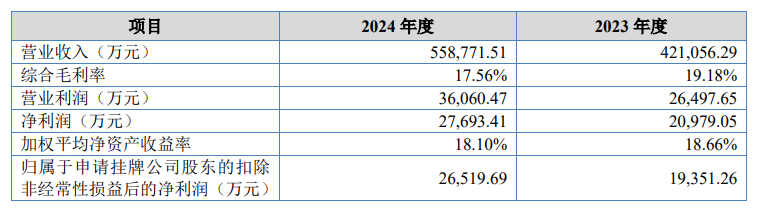
Core Viewpoint - Longxing Tianxia, a professional sports footwear manufacturer backed by major brands like Li Ning and Anta, has officially initiated its A-share listing process, aiming to list on the Shanghai Stock Exchange despite facing challenges such as high customer concentration and competitive pressures in the industry [1]. Group 1: Company Performance - Longxing Tianxia has shown steady growth in its financial performance, achieving a revenue of 4.211 billion yuan in 2023, with a net profit of 207 million yuan. The company expects a revenue increase of 32.71% to 5.588 billion yuan in 2024, with net profit rising to 278 million yuan [2][3]. - The company’s revenue structure indicates that running shoes are the primary source of income, contributing 2.068 billion yuan in 2024, accounting for 37% of total revenue [3]. Group 2: Production and Capacity - Longxing Tianxia has established a global production network with 27 factories across China, Vietnam, and Indonesia, employing a total of 27,458 staff, including 12,324 foreign employees. The company produced nearly 50 million pairs of footwear in 2024 [5]. - The company has been shifting production capacity overseas, with the sales proportion from its Vietnam base increasing from 25.68% in 2023 to 39.32% in 2024 [5]. Group 3: Industry Context - The Chinese sports footwear manufacturing industry has seen significant growth, with market size increasing from 23.4 billion yuan in 2019 to 47.8 billion yuan in 2023, reflecting a compound annual growth rate of 19.6%. The industry is expected to continue growing, potentially exceeding 70 billion yuan by 2028 [5]. - The industry is characterized by high competition and a trend towards specialization, which presents both opportunities and challenges for manufacturers like Longxing Tianxia [9]. Group 4: Customer Concentration and Risks - Longxing Tianxia faces risks associated with high customer concentration, with the top five clients accounting for 86.74% of revenue in 2023 and 88.86% in 2024. Li Ning is the largest client, contributing 24.76% of sales [7]. - The company’s gross profit margin has declined from 19.18% in 2023 to 17.56% in 2024, indicating pressure on profitability [10]. Group 5: Strategic Goals and IPO Plans - The primary goal of Longxing Tianxia's IPO is to leverage capital market resources to overcome development bottlenecks and expand production capacity in Vietnam and Indonesia, while also investing in smart and digital factory upgrades [11]. - The company acknowledges the risks associated with the IPO process, including the possibility of not passing the review or failing to issue shares, which could impact its market position [11].


先凑够电力再说:东南亚想接盘取代中国产业链,门儿都没有!
Sou Hu Cai Jing· 2026-01-02 07:15
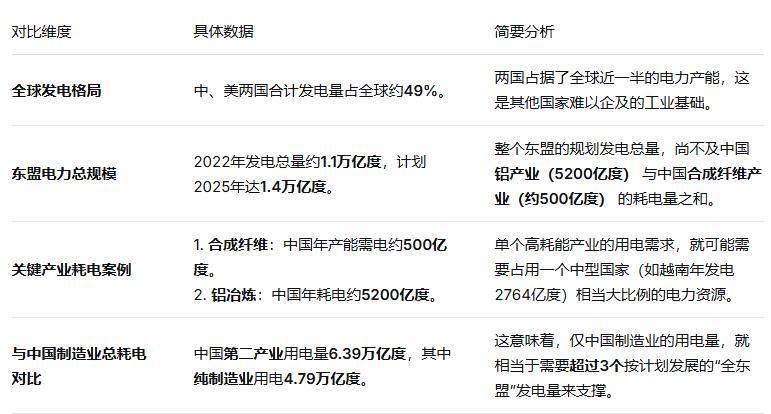
Group 1 - In 2023, China generated approximately 9.2 trillion kilowatt-hours of electricity, accounting for 34% of global electricity generation, while the US generated 4.5 trillion kilowatt-hours, making up 15% [1][8] - Together, China and the US account for nearly half of the world's electricity consumption, with the remaining 18 countries in the top 20 generating only about 49% combined [1][2] - The total electricity generation of ASEAN countries in 2022 was about 1.1 trillion kilowatt-hours, with a planned increase to 1.4 trillion kilowatt-hours by 2025, which is significantly lower than China's consumption in key industries [2][5] Group 2 - China's synthetic fiber industry produced 68.72 million tons in 2023, consuming about 500 billion kilowatt-hours of electricity, while the aluminum industry consumed 520 billion kilowatt-hours, surpassing the total electricity consumption of several major European countries [3][5] - Southeast Asian countries like Vietnam and Indonesia have significantly lower electricity generation, with Vietnam generating 2.764 trillion kilowatt-hours and Indonesia 1.85 trillion kilowatt-hours in 2023, highlighting the disparity in energy capacity [3][10] - The electricity demand for industries such as aluminum and automotive manufacturing in Southeast Asia would require a substantial increase in their current electricity generation capabilities, which is not feasible in the short term [5][11] Group 3 - China's manufacturing sector consumed 4.79 trillion kilowatt-hours in 2023, representing 52% of the country's total electricity generation, indicating the critical need for robust energy infrastructure to support industrial growth [6][11] - The current electricity supply in Southeast Asia is insufficient to support high-energy industries, with countries like Vietnam and Indonesia struggling to meet basic electricity needs [10][11] - The transition of industrial chains from China to Southeast Asia is not merely a logistical challenge but requires decades of investment in energy infrastructure to achieve comparable levels of electricity supply [11][12]
海南大封关生效,美日紧张升级,美元霸主地位被悄然撬动
Sou Hu Cai Jing· 2025-12-27 06:09
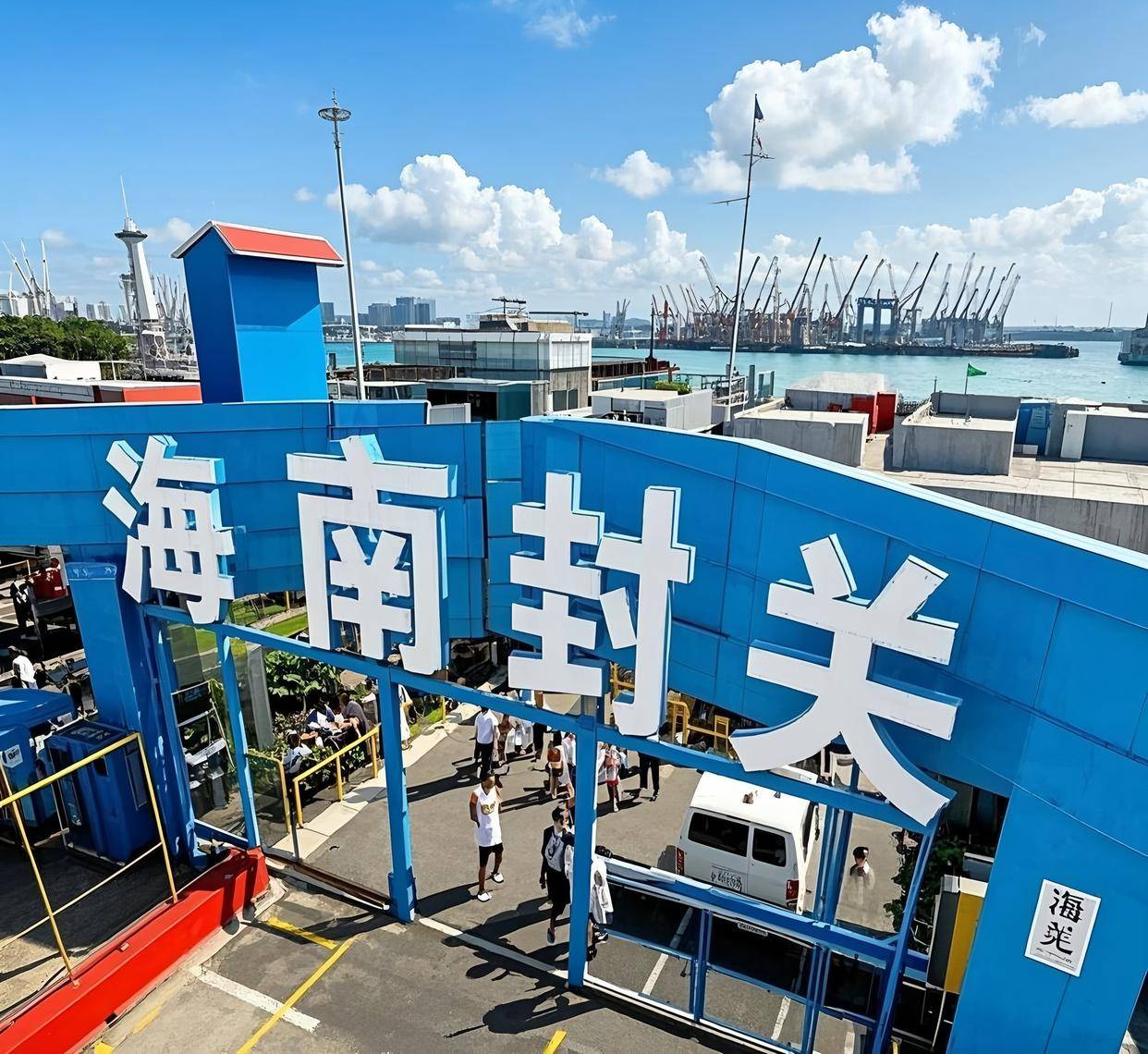
Core Viewpoint - The recent developments in Hainan, China, particularly the establishment of a "multi-functional free trade account," are reshaping the financial landscape in Asia by enabling direct trade settlements in Renminbi, thereby challenging the dominance of the US dollar system [1][2][3] Financial Developments - Hainan's new financial mechanism allows Southeast Asian countries to conduct trade directly in Renminbi, bypassing the need to convert currencies to US dollars [2] - The cross-border Renminbi settlement volume in Hainan reached an impressive 484.5 billion yuan within the first 11 months before 2025, indicating a significant shift towards a Renminbi-centric trade system [3] Trade and Logistics - The direct shipping route from Indonesia to Hainan has reduced logistics costs by over 30%, significantly benefiting exporters like palm oil and durian traders [6][7] - The trade volume between Hainan and ASEAN countries surged from 23.66 billion yuan in 2020 to 57.91 billion yuan in 2024, more than doubling in just four years [14] Economic Impact - Hainan's policies are attracting foreign businesses, including Japanese firms, to establish operations in the region due to favorable tax rates and the potential for increased market access [9][11] - The zero-tariff items entering Hainan increased from approximately 1,900 to 6,600 after the implementation of new trade agreements, enhancing the region's appeal as a trade hub [16] Industry Growth - Hainan is becoming a significant connector between China and ASEAN, with local industries, including aerospace and food processing, experiencing substantial growth due to favorable policies [19][20][22] - Companies in Hainan are reporting significant cost savings and increased production capabilities, with some businesses claiming that savings from reduced tariffs could fund new ventures [20][22] Strategic Concerns - The success of Hainan's model poses a threat to countries that have historically dominated global trade and industry rules, as it demonstrates a viable alternative to existing systems [23]
伟星股份20251125
2025-11-26 14:15
Company and Industry Summary Company: 伟星股份 (Weixing Co., Ltd.) Key Points - **Domestic and Overseas Market Performance** - Domestic replenishment orders are significantly noticeable, while overseas markets maintain growth but at a slower pace. The fourth quarter is expected to outperform the third quarter, but revenue recognition may have timing discrepancies, necessitating attention to December's replenishment situation [2][6][7] - **Vietnam Industrial Park Development** - The Vietnam industrial park is progressing normally, with expectations of breakeven or profitability by the second half of 2026. However, production delivery capabilities and employee skills need improvement. There is strong customer interest in the Vietnam supply chain, but order transfers will take time, impacting future revenue expectations [2][5][8] - **Domestic Business Margins** - Domestic business gross margins remain stable, primarily relying on incremental orders from existing customers rather than new customer acquisition. The product structure is continuously changing, but overall gross margin levels are relatively stable, providing reference for investors [2][9] - **Credit Business Performance** - The credit business shows good growth but is still operating at a loss, with expectations for improvement in the next one to two years. The core drivers remain in the zipper and button business, which are expected to dominate growth in the next three to five years [2][10] - **Tariff Impact** - Tariff costs are shared across the supply chain, with minimal impact on auxiliary materials. The company frequently quotes prices rather than engaging in one-time negotiations, maintaining confidence in stable gross margins, which is valuable for investors [2][11][12] - **Internationalization Trends** - There is an increasing consensus on internationalization within the industry, with accelerated shifts of the supply chain to Southeast Asia. Although overseas competition is intensifying, it also presents more opportunities. Engagement with U.S. clients has increased, with ongoing price competition and small-batch trends remaining unchanged [2][13] - **Competitive Pricing and Market Position** - The company has a clear advantage in the supply chain, with prices lower than major competitor YK. However, significant price adjustments from suppliers are rare. The overall market is expected to face considerable pressure next year, with stable but slower growth anticipated due to the maturity of the apparel accessory industry [3][15][14] - **Future Demand and Growth Outlook** - The company remains optimistic about future demand, although it acknowledges potential pressures from consumer sentiment and investments in the Vietnam project. The apparel accessory industry is expected to grow steadily but at a slower rate than in previous years [15] - **Overseas Expansion Focus** - Future overseas expansion will focus on Vietnam and other Southeast Asian regions, with key clients including Nike, Adidas, and Uniqlo, although the depth of cooperation varies [16] - **Impact of Automation** - Automation is expected to positively influence overall operational quality but is unlikely to significantly enhance gross margins, as the company already operates at a high margin level [17] - **Employee Composition and Training in Vietnam** - The Vietnam factory currently employs around 600 people, primarily local staff, with a few key personnel dispatched from the domestic team. Improving local employee skills is crucial for future operational success [18][20][21] - **Order Fulfillment and Trends** - Recent order fulfillment timelines remain stable, with replenishment typically taking around ten days. Winter orders are expected to dominate until January, with some spring orders already received, albeit in smaller quantities [22][23] - **Taxation and Currency Impact** - The company benefits from a 15% tax incentive, while other operations are subject to a standard 25% tax rate. The Vietnamese operations enjoy tax incentives as well. Currency fluctuations have not significantly impacted the company [25] - **Challenges in Vietnam Operations** - The Vietnam operations face challenges in production delivery capabilities and employee skill levels compared to domestic and Bangladeshi teams. Local supply chain efficiency also needs improvement, but these issues are expected to gradually resolve over time [8][20] - **Financial Performance and Losses** - The Vietnam base incurred a loss of approximately 16 million yuan in the first half of the year, primarily due to exchange losses. The total annual loss is projected to be around 20 million yuan, but operational losses are expected to decrease as orders increase [27] - **Inventory and Sales Impact** - Last year's warm winter led to inventory buildup, affecting sales. The company has a short order cycle of about half a month to a month, and while feedback for the upcoming year is increasing, it remains modest. Overall market sentiment appears more positive than before [28]

疫情是否导致产业链转移?商务部:未出现向国外大规模转移现象
Mei Ri Jing Ji Xin Wen· 2025-11-24 08:07
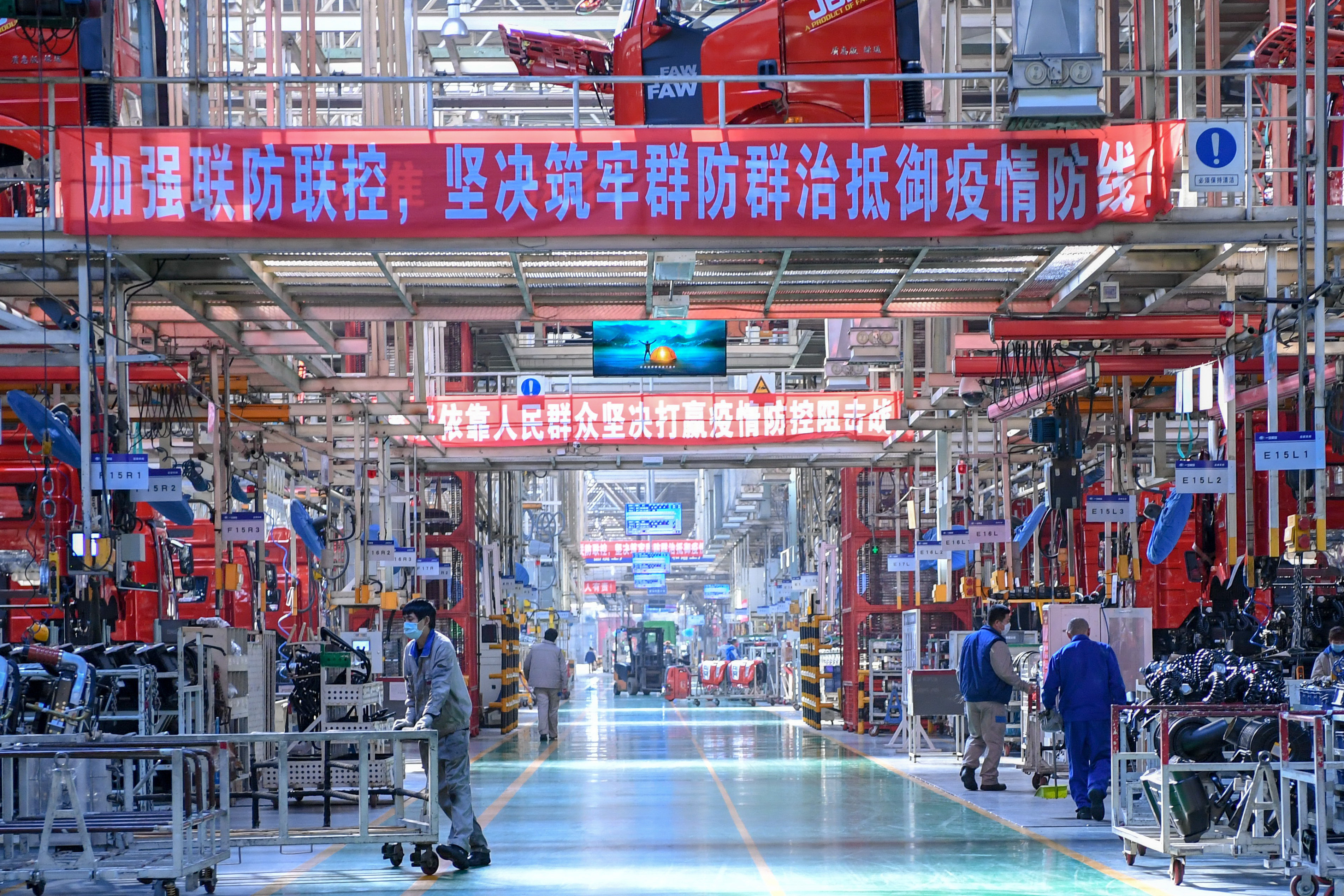
Core Viewpoint - The impact of the COVID-19 pandemic on China's supply chain and industrial chain is deemed to be temporary and short-term, with no significant shift of these chains to foreign countries observed [2][4]. Group 1: Impact of COVID-19 on Supply Chains - Various enterprises in China have experienced adverse effects due to the pandemic and the Spring Festival holiday, but there is no large-scale migration of supply chains or industrial chains abroad [2]. - A survey by the American Chamber of Commerce in China indicates that 55% of respondents believe it is too early to assess the pandemic's impact on their business strategies over the next 3 to 5 years, while 34% believe there will be no impact [2]. Group 2: Foreign Investment Confidence - The long-term positive fundamentals of China's economy and its competitive advantages in attracting foreign investment remain unchanged, with many multinational companies still confident in the Chinese market and some increasing their investments [4]. - BMW Group's joint venture in Shenyang, Brilliance BMW, has resumed full operations and is continuing with a €3 billion investment plan for new plant construction and product upgrades, reflecting strong confidence in investing in China [4]. Group 3: Support Measures for Foreign Investment - The Ministry of Commerce plans to enhance targeted guidance and support for foreign-funded leading enterprises and their supply chain partners to resume operations, particularly in the automotive and electronics sectors [4]. - Protection of the legal rights of foreign enterprises and equal application of supportive policies for both domestic and foreign companies are emphasized [4]. Group 4: Resilience of China's Foreign Trade - China possesses the world's largest, most comprehensive, and well-equipped manufacturing system, with an irreplaceable advantage in complete industrial chains [5]. - The resilience and potential of China's foreign trade development are strong, and the long-term positive trend is expected to continue, with favorable policies being implemented to benefit the foreign trade sector [5].
部分服饰制造公司10月营收公布
GOLDEN SUN SECURITIES· 2025-11-16 12:12
Investment Rating - The report maintains a "Buy" rating for several companies in the textile and apparel sector, including Shenzhou International, Tabo, and Huayi Group, with respective PE ratios of 15x, 15x, and 21x for 2025 [6][30][34]. Core Views - The recent performance of downstream brand Nike is gradually improving, which is expected to benefit upstream manufacturing companies through order recovery [2][3][31]. - The textile and apparel industry is experiencing fluctuations in orders and profit performance in the short term, but the long-term competitive landscape is expected to optimize, particularly for companies with integrated and international supply chains [30][32]. Summary by Sections Recent Revenue Reports - In October 2025, revenue for Feng Tai Enterprises, Yu Yuan Group (manufacturing), and Ru Hong decreased by 2.3%, 7.7%, and 6.9% year-on-year, respectively. Cumulatively from January to October 2025, their revenues changed by -4.1%, +1.2%, and +4.1% [1][15][17]. - China's apparel and accessories export value from January to October 2025 was $126.2 billion, down 3.8% year-on-year, while textile yarns and fabrics exports were $117.7 billion, up 0.9% [1][23]. Downstream Brand Performance - Nike's revenue is showing signs of improvement, with inventory conditions also stabilizing. This is expected to lead to order recovery for upstream manufacturers like Shenzhou International and Huayi Group [2][26][31]. - Other brands such as Amer and On are maintaining strong growth, while Adidas is actively restocking [2][3]. Investment Recommendations - The report recommends focusing on companies that are likely to benefit from Nike's recovery, including Shenzhou International, Tabo, and Huayi Group, as well as other strong performers in the sportswear sector like Anta Sports and Li Ning [3][32][34]. - In the fashion and leisure apparel segment, companies like Bosideng and Hailan Home are highlighted for their potential growth as the winter season approaches [32][33]. Market Trends - The report notes that the Southeast Asian countries are outperforming China in apparel exports, with Vietnam's textile exports growing by 7.7% year-on-year from January to October 2025 [1][23]. - The overall market for sportswear is expected to show resilience despite fluctuations, with long-term growth potential [12][32].
Puma2025Q3业绩发布,2025年为公司调整期
GOLDEN SUN SECURITIES· 2025-11-09 12:04
Investment Rating - The report maintains a "Buy" rating for several key companies in the textile and apparel industry, including Shenzhou International, Anta Sports, Li Ning, and Bosideng, among others [10][40]. Core Insights - Puma's Q3 2025 performance shows a significant revenue decline of 15.3% year-on-year to €1.96 billion, with a gross margin decrease of 2.6 percentage points to 45.2%. The company is undergoing a restructuring phase in 2025, focusing on distribution adjustments and cash management [1][15]. - The report highlights the resilience of the sports footwear and apparel sector, with expectations for long-term growth despite current challenges. It emphasizes the potential recovery of upstream manufacturing orders as Nike's fundamentals improve [3][27]. - The report identifies specific investment opportunities in the industry, recommending companies with strong performance and growth potential, such as Anta Sports and Li Ning, which have corresponding P/E ratios of 16 and 17 for 2025 [26][40]. Summary by Sections Puma Q3 2025 Performance - Puma's revenue decreased by 15.3% year-on-year to €1.96 billion, with a currency-neutral decline of 10.4%. The adjusted operating profit fell by 83.3% to €39.5 million, and the net profit was a loss of €10 million [1][15]. - The company is implementing a stock clearance plan, expecting inventory levels to normalize by the end of 2026 [1][15]. Regional and Business Model Analysis - The report notes a 15.4% decline in wholesale business to €1.39 billion, while DTC (Direct-to-Consumer) revenue grew by 4.5% to €570 million, driven by e-commerce growth [25][36]. - Revenue across all regions declined, with the Americas down 15.2% to €680 million, Asia-Pacific down 9% to €370 million, and EMEA down 7.1% to €910 million [25][36]. Investment Recommendations - The report recommends Shenzhou International, with a 2025 P/E of 14, and Tabo, also with a 2026 P/E of 14, as key beneficiaries of Nike's improving fundamentals [26][40]. - It also highlights Anta Sports and Li Ning as strong long-term growth candidates, with P/E ratios of 16 and 17, respectively [27][40]. - For the fashion and leisure apparel segment, Bosideng is recommended with a 2026 P/E of 13, while Hai Lan's Home and Luolai Life are also noted for their growth potential [28][40].
纺织服饰2022Q3行业总结:下游运动板块稳健,上游订单期待改善
GOLDEN SUN SECURITIES· 2025-11-05 02:09
Investment Rating - The report maintains an "Accumulate" rating for the textile and apparel industry [6] Core Insights - The textile and apparel industry is experiencing a weak recovery, with the jewelry sector showing better growth compared to clothing [14] - The domestic sportswear market is expected to maintain long-term growth resilience despite short-term fluctuations in offline sales [1] - The report highlights the importance of inventory management and the impact of promotional events on sales performance [1][2][26] Summary by Sections 1. Sports Footwear and Apparel - The sports footwear and apparel sector showed weaker performance in Q3 2025 compared to Q2 but still outperformed the overall apparel market [1] - Offline sales for domestic sports brands remain weak, while e-commerce channels are performing better [1] - Inventory levels for domestic sports brands increased in Q3 due to preparations for the National Day holiday and Double Eleven sales [1] - Adidas reported a 6% year-on-year revenue growth in Greater China for Q3 2025, while Nike's sales in the region declined [1][18] 2. Brand Apparel - The brand apparel sector showed improvement in Q3 2025, with revenue and net profit growth of 3.1% and 23.2% respectively, driven by a low base effect [2] - The home textile segment benefited from product updates, while the fashion apparel category faced weak demand due to low consumer confidence [2] - The report anticipates continued reasonable expense management and stable profit growth for some companies in Q4 2025 [2] 3. Textile Manufacturing - Revenue for key textile manufacturing companies remained relatively stable, with a slight decline in net profit [3] - Companies with different customer structures showed varied performance, with some like Huayi Group achieving a 7% revenue growth by expanding their client base [3] - The report suggests that as inventory levels normalize, there may be a recovery in orders from upstream manufacturing companies [3] 4. Gold and Jewelry - The gold and jewelry sector experienced performance differentiation, with retail sales of gold and silver jewelry increasing by 11.5% year-on-year in the first nine months of 2025 [4] - Companies with fewer stores or a direct sales model reported excellent revenue growth, with some like Chao Hong Ji and Man Ka Long achieving revenue increases of 28.3% and 29.3% respectively [4] - The report recommends focusing on companies with strong product and channel capabilities in the jewelry sector [4] 5. Investment Recommendations - The report recommends several companies based on their performance and market positioning, including Shenzhou International, Anta Sports, Li Ning, and Chow Tai Fook, highlighting their respective PE ratios for 2025 [4][9]



电子半导体产业研究方法论
GUOTAI HAITONG SECURITIES· 2025-11-05 01:35
Group 1: Semiconductor Industry Research Methodology - The semiconductor industry is characterized by strong cyclical properties, with significant price fluctuations influenced by inventory levels, utilization rates, and expansion rhythms [5][19]. - The industry is driven by the "Moore's Law," which promotes technological and product iterations, alongside a trend of localization versus global division of labor [5][19]. - The growth of the semiconductor industry is intertwined with two cycles: the technology innovation cycle and the supply-demand cycle [15]. Group 2: Identifying High-Growth Trend Stocks - The Dividend Discount Model (DDM) serves as a theoretical foundation for asset pricing, focusing on company profitability and macroeconomic conditions [22]. - Relative valuation is essential in practice, relying on comparisons across international, industry, and company levels, with key metrics including capital expenditure, revenue, and profit [23]. - High-growth stocks are primarily driven by earnings per share (EPS) growth, which is critical for identifying potential investment opportunities [24]. Group 3: Specific Company Insights - Northern Huachuang is highlighted for its high technical barriers and clear competitive landscape, making it a leading player in the semiconductor sector [33]. - Luxshare Precision has demonstrated high performance in fulfilling product lines, significantly benefiting from major clients like Apple [42]. - Zhaoxin Microelectronics has seen substantial stock price increases due to its core RF module manufacturing capabilities, driven by the transition from 4G to 5G [45].