
准备金管理

Search documents
花旗:沃什或采取循序渐进方式缩表 避免重燃货币市场紧张情绪
智通财经网· 2026-02-09 22:33
Core Viewpoint - Citigroup strategists suggest that Kevin Warsh, nominated as the Federal Reserve Chair, is likely to gradually reduce the central bank's balance sheet of approximately $6.6 trillion to avoid reigniting tensions in the money market [1] Group 1: Federal Reserve's Balance Sheet Management - Any resumption of Quantitative Tightening (QT) could pressure the $12.6 trillion repurchase market, which is crucial for banks' short-term borrowing needs [1] - The Federal Reserve paused its balance sheet reduction in December due to significant fluctuations in the repurchase market, indicating a high threshold for restarting QT [1] - Warsh, a former Fed governor, has long advocated for a substantial reduction in the central bank's financial footprint, which expanded significantly during the global financial crisis and the COVID-19 pandemic [1] Group 2: Potential Strategies Under Warsh's Leadership - Citigroup identifies several "de-leveraging" options under Warsh, with the least resistance path being the rolling of maturing long-term Treasury bonds into short-term debt to lower the weighted average maturity of holdings [2] - Other measures may include reducing the current monthly Treasury bond purchase of $40 billion or allowing mortgage-backed securities (MBS) to mature naturally [2] - The baseline scenario anticipates a reduction in monthly purchases to about $20 billion starting mid-April, continuing throughout the year [2] Group 3: Treasury Issuance and Market Dynamics - The Treasury may welcome foreign demand for Treasury bonds from the Fed, leading to a greater reliance on short-term debt issuance and delaying the increase in long-term bond issuance [3] - Citigroup forecasts that the issuance of long-term bonds may not begin until November 2026, with a risk of further delays until February 2027 [3]
美联储调查:未来12个月美债购买规模预计达2200亿美元
Xin Lang Cai Jing· 2025-12-31 11:58
Core Viewpoint - The Federal Reserve is expected to initiate a total of over $200 billion in reserve management bond purchases over the next 12 months to alleviate pressure in the money market [1][4]. Group 1: Federal Reserve Actions - The Federal Reserve decided to start purchasing U.S. Treasury securities due to rising short-term financing costs and a decline in the financial system's reserves to critical levels [1][5]. - The average expected net purchase scale for the first 12 months after the bond purchase initiation is approximately $220 billion, despite significant differences in estimates among respondents [5]. - The Federal Reserve plans to commence Treasury purchases at a rate of about $40 billion per month, with a gradual reduction thereafter [5]. Group 2: Market Conditions - The repurchase market, which previously reached $12.6 trillion, has shown signs of liquidity pressure, prompting the Federal Reserve to halt its balance sheet reduction (quantitative tightening) [2][5]. - There is a concern that severe liquidity shortages could disrupt the core clearing system of financial markets and weaken the Federal Reserve's ability to manage interest rate policies [6]. Group 3: Discussions Among Federal Reserve Officials - Federal Reserve officials discussed how to accurately anchor the desired reserve levels in the financial system, suggesting that monitoring the spread between money market rates and reserve balance rates may be more effective than setting specific reserve thresholds [6]. - The secured overnight financing rate (SOFR) was reported at 3.77% on December 29, which is 12 basis points higher than the Federal Reserve's reserve balance rate [6]. Group 4: Tools and Strategies - Some Federal Reserve officials believe that the standing repurchase tool could play a more active role in interest rate management and help maintain a lower average balance sheet size [6]. - However, there is resistance among market participants to increase the use of the standing repurchase tool due to the stigma associated with borrowing directly from the central bank [7].
美联储会议纪要:“大多数”官员预计12月后适合继续降息,部分主张“一段时间”按兵不动
Sou Hu Cai Jing· 2025-12-30 20:53
Core Viewpoint - The Federal Reserve's December meeting minutes reveal internal divisions regarding interest rate cuts, with most officials supporting further cuts if inflation trends downward as expected, while some advocate for a pause in rate cuts for a period of time [1][2]. Group 1: Interest Rate Decisions - Most participants at the meeting believe that if inflation gradually decreases as anticipated, further rate cuts may be appropriate [1][2]. - A minority of participants expressed that a pause in rate cuts might be necessary to assess the impact of recent policy changes on the labor market and economic activity [1][3]. - The minutes indicate that there was significant internal disagreement, with seven officials opposing the decision to cut rates, marking the largest division in 37 years [1][5]. Group 2: Economic Indicators - The minutes highlight that inflation has risen since the beginning of the year and remains at a high level, while economic activity is expanding at a moderate pace [2]. - Employment growth has slowed, and the unemployment rate has slightly increased as of September, with rising downside risks to employment noted by participants [2][3]. - Some officials expressed concerns about the potential for inflation to become entrenched, emphasizing the need for confidence in returning inflation to the 2% target [2][4]. Group 3: Risk Management - Most participants believe that lowering rates could help prevent deterioration in the labor market, while acknowledging high inflation risks [4][5]. - The minutes reflect a consensus that stable long-term inflation expectations are crucial for achieving the Federal Reserve's dual mandate [4][5]. - The decision to initiate the Reserve Management Program (RMP) was based on the assessment that reserve balances had fallen to adequate levels, prompting the purchase of short-term government securities [5].
没那么“鹰派”的“鹰派降息”,“不是QE”的扩表买债
美股研究社· 2025-12-11 12:03
Core Viewpoint - The Federal Reserve has lowered the federal funds rate by 25 basis points, marking the third rate cut of the year, while indicating a significant internal division among policymakers regarding future monetary policy actions [2][5][10]. Group 1: Rate Cut and Internal Disagreement - The target range for the federal funds rate has been adjusted from 3.75%-4.00% to 3.50%-3.75% [2]. - This decision faced three dissenting votes, the highest level of disagreement in six years, reflecting concerns over inflation and the labor market [4][6]. - The Fed's dot plot indicates an expectation of one more 25 basis point cut next year, suggesting a slowdown in the pace of rate cuts compared to this year [2][10]. Group 2: Market Expectations and Future Actions - The CME tools show an 88% probability of a 25 basis point cut this week, with a 71% chance of another cut by June next year [2]. - The term "hawkish cut" has been used to describe the Fed's current stance, indicating a potential pause in rate cuts after this decision [2][3]. - The Fed has initiated a reserve management program, planning to purchase $40 billion in short-term Treasury securities to address liquidity pressures in the money market [8][17]. Group 3: Economic Outlook and Inflation - The Fed's statement has shifted to emphasize the "magnitude and timing" of future rate adjustments, indicating a higher threshold for further cuts [7][8]. - The economic outlook has been adjusted, with an increase in GDP growth expectations and a slight decrease in PCE inflation forecasts for the next two years [11][12]. - Powell noted that inflation risks are skewed upward while employment risks are skewed downward, highlighting a challenging economic environment [15][16].

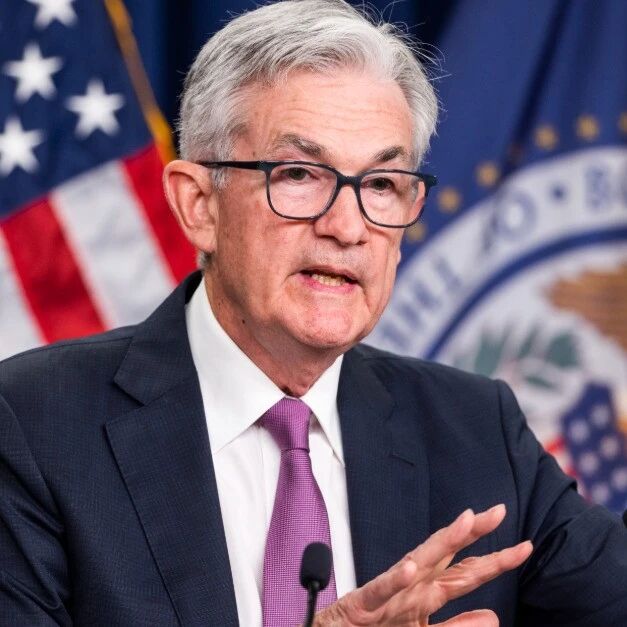
美联储如期再降息25基点,但三票委反对,仍预计明年降息一次,启动RMP买短债400亿
Xuan Gu Bao· 2025-12-11 00:38
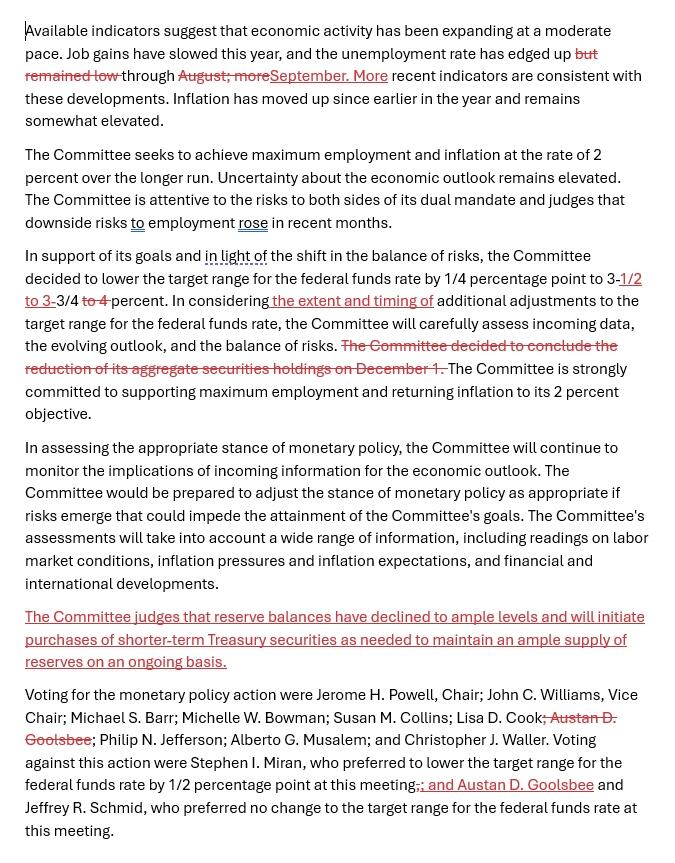
Core Viewpoint - The Federal Reserve has lowered interest rates for the third consecutive time by 25 basis points, marking the first instance of three dissenting votes on a rate decision since 2019, indicating significant internal disagreement among policymakers [1][5][7]. Summary by Sections Interest Rate Decision - The Federal Reserve's target range for the federal funds rate has been reduced from 3.75%-4.00% to 3.50%-3.75%, totaling a cumulative reduction of 175 basis points since the easing cycle began in September of the previous year [5][7]. - The decision to lower rates was widely anticipated by the market, with an 88% probability of a 25 basis point cut predicted by futures markets prior to the announcement [5]. Internal Disagreement - The recent meeting revealed the largest dissent among Federal Reserve officials in 37 years, with three members voting against the rate cut, reflecting a significant divide on concerns regarding inflation and employment [5][6][7]. - The dissenting votes came from Stephen Miran, Austan Goolsbee, and Jeffrey Schmid, with Miran advocating for a 50 basis point cut [7][8]. Economic Outlook - The Federal Reserve has adjusted its GDP growth forecasts upward for this year and the next three years, with the most significant increase of 0.5 percentage points for the upcoming year [4][19]. - There has been a slight downward adjustment in inflation and unemployment rate expectations for the next two years, indicating a more optimistic view on inflation trends [19][22]. Future Rate Guidance - The statement now includes a more explicit consideration of the "magnitude and timing" of future rate cuts, suggesting that any further reductions will be approached with greater caution [3][9][10]. - The median projections for the federal funds rate indicate that the Fed expects to lower rates once in the next two years, with a more dovish outlook compared to previous forecasts [20][21]. Market Operations - The Federal Reserve plans to begin purchasing $40 billion in short-term Treasury securities to maintain adequate reserve levels in the banking system, starting this week [3][13]. - This move is part of a broader strategy to manage liquidity in the financial markets, especially as year-end pressures typically arise [11][13].
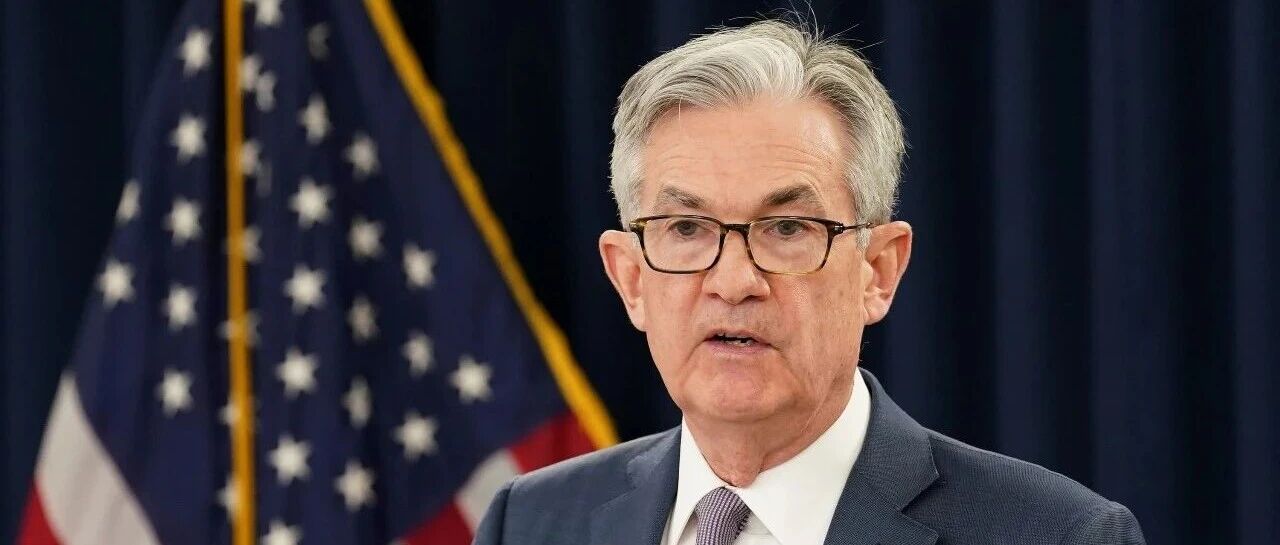
没那么“鹰派”的“鹰派降息”,“不是QE”的扩表买债
华尔街见闻· 2025-12-11 00:08
Core Viewpoint - The Federal Reserve has lowered the federal funds rate by 25 basis points, marking the third cut this year, while indicating a potential slowdown in future rate cuts due to internal divisions among policymakers [1][4][8]. Group 1: Federal Reserve Rate Decision - The target range for the federal funds rate has been reduced from 3.75%-4.00% to 3.50%-3.75%, totaling a 75 basis point cut this year and 175 basis points since September of last year [1][4]. - This decision faced significant dissent, with three votes against it, marking the largest internal disagreement in six years [1][4][3]. - The dot plot indicates that the Fed still expects one more 25 basis point cut next year, suggesting a slower pace of rate cuts compared to this year [1][8]. Group 2: Market Expectations - The CME tool shows an 88% probability of a 25 basis point cut this week, with a 71% chance of another cut by June next year, while the probabilities for cuts in January, March, and April are below 50% [1][2]. - The term "hawkish cut" has been used to describe the Fed's current stance, indicating a rate cut with a hint of a pause in future actions [2]. Group 3: Economic Outlook - The Fed has raised its GDP growth forecast for this year and the next three years, while slightly lowering the unemployment rate forecast for 2027 by 0.1 percentage points, indicating a resilient labor market [12]. - The Fed has also slightly reduced its PCE inflation and core PCE inflation forecasts for the next two years by 0.1 percentage points, reflecting increased confidence in a slowdown in inflation [13]. Group 4: Short-Term Treasury Purchases - The Fed has announced the initiation of short-term Treasury purchases to maintain sufficient reserves in the banking system, planning to buy $40 billion in short-term debt over the next 30 days [6][7][22]. - This move is aimed at rebuilding liquidity buffers in the money market, especially as year-end market pressures typically arise [6][7].
结束QT未能解除流动性警报!小摩:美联储恐需重启“2019式”巨量注资
Zhi Tong Cai Jing· 2025-10-29 01:54
Core Viewpoint - The Federal Reserve may take additional measures to address pressures in the funding markets, even after potentially ending its balance sheet reduction this week [1][2] Group 1: Federal Reserve Actions - Multiple Wall Street banks, including JPMorgan, expect the Fed to stop reducing its $6.6 trillion portfolio of U.S. Treasuries and mortgage-backed securities (MBS) as early as this month [1] - JPMorgan strategists anticipate that the end of quantitative tightening (QT) will prevent further liquidity loss in the system, but funding pressures may persist [1] - The Fed is likely to implement temporary open market operations to alleviate common market tensions during key payment dates [1][2] Group 2: Market Conditions - Since the Fed began reducing its asset portfolio in June 2022, over $2 trillion has exited the financial system, leading to a significant drop in the reverse repurchase agreement (RRP) balance [2] - Various borrowing rates used in interbank lending have risen and remained high, indicating that bank reserves have not fully circulated within the financial system [2] - The Fed's benchmark rate has increased four times since the last meeting in September, reflecting tighter liquidity conditions [2] Group 3: Future Expectations - Once the Fed halts the reduction of its Treasury holdings, it is expected to reinvest funds into newly issued Treasuries to rebuild bank reserves, with regular T-bill purchases anticipated to start in early 2026 [2] - JPMorgan strategists suggest that the Fed should consider lowering the rate on the Standing Repo Facility (SRF) by 5 basis points to encourage more active use of the facility [3] - Market observers believe that the Fed's work will not be complete after ending asset reduction, as it may need to expand its asset size again to maintain balance in the reserves market [4]