
药房

Search documents
2026Q1医药业绩前瞻:华创医药投资观点&研究专题周周谈·第168期
Huachuang Securities· 2026-03-29 05:45
Investment Rating - The report maintains a "Strong Buy" rating for several companies in the innovative drug sector, particularly highlighting the growth potential of companies like 加科思 (JAK-23E73) and others in the medical device and life sciences service sectors [10][15][17]. Core Insights - The innovative drug sector in China is experiencing high-quality growth, significantly outpacing global averages, with a focus on domestic companies gaining international market share [10]. - The medical device industry is seeing a recovery in bidding scales and a shift towards innovation, with companies like 迈瑞医疗 and 澳华内镜 being recommended for investment [15]. - The life sciences service sector is expected to rebound as demand increases, driven by both domestic and international markets, with companies like 百普赛斯 and 药康生物 highlighted for their growth potential [17]. Summary by Sections Market Review - The medical index increased by 1.49%, outperforming the沪深300 index by 2.9 percentage points, ranking 5th among 30 sectors [7]. - Top-performing stocks included 美诺华 and 万邦德, while stocks like 科源制药 and 长药退 faced significant declines [6][30]. Innovative Drugs - China has become a key player in global innovative drug development, with a notable increase in overseas licensing deals, suggesting a shift towards an "innovation-driven" revenue era [10]. - Recommended companies include 百利天恒, 百济神州, and 恒瑞医药, among others [10]. Medical Devices - The high-value consumables sector is seeing easing pressure from centralized procurement, with companies like 春立医疗 and 迈普医学 recommended for their growth potential [15]. - The medical equipment sector is expected to experience a recovery, with significant growth anticipated in 2025 [15]. Life Sciences Services - The sector is poised for a rebound, with increasing demand from both domestic and international markets, and companies like 百普赛斯 and 药康生物 are expected to benefit [17]. Traditional Chinese Medicine - The report emphasizes the importance of basic drugs and state-owned enterprise reforms, recommending companies like 昆药集团 and 康缘药业 for their growth potential [21]. Pharmacy Sector - The pharmacy sector is expected to benefit from the acceleration of prescription outflow and an improved competitive landscape, with companies like 老百姓 and 益丰药房 highlighted for investment [18]. Medical Services - The report suggests a positive outlook for private medical services, particularly for companies like 固生堂 and 爱尔眼科, due to market improvements and expanding insurance coverage [20].
华创医药周观点:电生理行业近况更新 2026/03/07
华创医药组公众平台· 2026-03-07 14:48
Market Overview - The CITIC Medical Index decreased by 2.52%, underperforming the CSI 300 Index by 1.45 percentage points, ranking 14th among 30 primary industries [9] - The top ten stocks by increase this week include Yahu Medicine-U, New Harmony, Zhejiang Medicine, and others, with increases ranging from 10.42% to 15.24% [9] Industry Insights and Investment Themes - **Innovative Drugs**: China has seen a high-quality growth in the number of therapies under research, significantly outpacing the global average. The total overseas licensing amount for domestic new drugs surpassed $10 billion for the first time in 2021, indicating a robust market share for Chinese innovative drugs [12] - **Medical Devices**: 1. The pressure from centralized procurement of high-value consumables is easing, allowing for continued development and value reassessment in the industry [12] 2. The scale of medical equipment bidding in China is showing signs of recovery, with a revenue inflection point expected by Q3 2025 [12] 3. The IVD sector is experiencing a gradual clearance of policy disruptions, enhancing local market penetration [12] 4. Leading domestic manufacturers of low-value consumables are upgrading their product lines to create new growth momentum [12] 5. Emerging technologies like AI in healthcare and brain-machine interfaces are expected to drive industry transformation [12] - **Pharmaceutical Supply Chain (CXO + APIs)**: Domestic CXO companies are seeing a good performance in front-end orders, which is expected to gradually translate into earnings, heralding a new wave of innovation in the pharmaceutical supply chain [12] - **Life Sciences Services**: The industry demand is recovering, with domestic substitution deepening and overseas expansion continuing, leading to a positive revenue outlook starting from Q4 2024 [12] - **Traditional Chinese Medicine**: The market for essential medicines is expected to see significant growth, especially for unique essential medicines, while state-owned enterprise reforms are anticipated to enhance fundamentals [12] - **Pharmacies**: The sector is expected to benefit from prescription outflow and market optimization, with a notable shift towards online and offline integration [12] - **Medical Services**: The negative impact of medical reform policies is nearing its end, with the sector expected to return to a growth trajectory as the macroeconomic environment improves [12] - **Blood Products**: The approval of plasma stations is becoming more lenient, opening up further growth opportunities in the industry [12] Electrophysiology Industry Update - The demand for electrophysiology devices is expected to grow due to an increase in patients with rapid arrhythmias, driven by global aging [16] - The market for electrophysiology devices is projected to expand significantly, with the global market expected to reach $7.9 billion by 2025 and $20.1 billion by 2034, reflecting a CAGR of 11.0% [16] - In China, the electrophysiology device market is expected to grow from 15.7 billion yuan in 2025 to 42 billion yuan by 2032, with a CAGR of 15.1% [16] - The number of patients with rapid arrhythmias in China is projected to reach 28.2 million by 2024, highlighting the critical need for effective treatment options [16] - Catheter ablation is recognized as the first-line therapy for rapid arrhythmias, offering advantages such as minimal invasiveness and effective outcomes [16] Competitive Landscape - The electrophysiology market in China is still largely dominated by international giants like Johnson & Johnson, Abbott, and Boston Scientific, indicating significant room for domestic manufacturers to grow [19] - Domestic companies such as Huatai Medical and Microelectrophysiology are making strides in technology innovation and product upgrades, gradually increasing their market share [19] - The market for electrophysiology mapping products is expected to see increased competition, with domestic firms gaining ground in various segments [19] Product Development and Regulatory Landscape - The approval rate for electrophysiology mapping devices has slowed, but the proportion of domestic products is increasing [24] - The introduction of advanced technologies such as AI-assisted mapping and integrated mapping and ablation functions is expected to enhance the efficiency and effectiveness of electrophysiology procedures [24] - The regulatory environment is becoming more favorable for domestic manufacturers, facilitating the introduction of innovative products to the market [19]

Guardian Pharmacy Services (NYSE:GRDN) FY Conference Transcript
2026-03-02 19:42
Summary of Conference Call for Guardian Company Overview - Guardian is a leading company in the assisted living market for institutional pharmacy, holding approximately 13% market share [1][8] - The company was founded in 2004 and has grown from one pharmacy to 54 pharmacies [3][4] - The average resident in assisted living facilities is 86 years old, taking an average of 14 prescriptions [3][5] Industry Context - The assisted living market is experiencing significant growth, driven by an aging population, referred to as the "silver tsunami" [5][6] - The market is highly fragmented, with over 1,000 independent pharmacies competing [6][10] - Guardian's primary revenue source is Medicare Part D, accounting for 70% of its revenue [6] Core Business Model - Guardian focuses on medication care coordination, utilizing a tech-enabled platform to improve drug regimen adherence and outcomes [4][6] - The company employs a multi-pronged growth strategy, including organic growth and disciplined M&A [4][11] - Guardian has a 90% adoption rate of its preferred pharmacy among residents in assisted living facilities [8] Financial Performance - The company has demonstrated strong financial performance, with a cash conversion ratio of about 60% and no debt [16] - Recent investments in new pharmacies may temporarily lower overall Adjusted EBITDA margins but are expected to be accretive in the long term [15][16] Regulatory Environment - Guardian successfully navigated challenges posed by the Inflation Reduction Act, maintaining EBITDA levels despite regulatory changes [2][23] - The company has established direct contracts with major PBMs, enhancing its negotiating power [27] Competitive Landscape - Guardian's main competitors include institutional pharmacies focused on skilled nursing and independent pharmacies that struggle with profitability [10][49] - The bankruptcy of Omnicare, a significant player in the market, presents potential opportunities for Guardian to expand its footprint [36][38] Market Dynamics - The transition of branded drugs to generics, such as ELIQUIS, typically has a neutral effect on Guardian's business, with potential benefits as generics become multi-source [29][30] - The reimbursement landscape is consistent across the country, but market share can influence relationships with CMS and PBMs [35] Future Outlook - Guardian aims to continue expanding its market share from the current 13%, capitalizing on the growth in assisted living facilities [9][10] - The company is actively involved in advocacy related to PBM reform and reimbursement standards [76][80] Additional Insights - The company emphasizes the importance of data analytics in improving service delivery and operational efficiency [7][4] - Guardian's management team is experienced and focused on long-term growth strategies [5][11]
老百姓2月25日获融资买入1127.28万元,融资余额4.34亿元
Xin Lang Cai Jing· 2026-02-26 01:43
Group 1 - The core viewpoint of the news is that Lao Bai Xing's stock performance shows a slight increase, with a focus on financing and margin trading activities, indicating a low financing balance relative to market value [1] - On February 25, Lao Bai Xing's stock rose by 0.54%, with a trading volume of 1.03 billion yuan, and a net financing purchase of 304.46 million yuan [1] - As of February 25, the total margin trading balance for Lao Bai Xing was 437 million yuan, with financing balance accounting for 3.81% of the circulating market value, which is below the 10th percentile level over the past year [1] Group 2 - As of October 31, the number of shareholders for Lao Bai Xing increased to 63,700, while the average circulating shares per person decreased by 1.90% to 11,921 shares [2] - For the period from January to September 2025, Lao Bai Xing reported a revenue of 16.07 billion yuan, a year-on-year decrease of 1.00%, and a net profit attributable to shareholders of 529 million yuan, down 16.11% year-on-year [2] - Since its A-share listing, Lao Bai Xing has distributed a total of 2.175 billion yuan in dividends, with 1.097 billion yuan distributed in the last three years [2]

看好底部反转的医疗服务和药店板块
2026-02-24 14:16
Summary of Conference Call on Healthcare Services and Pharmacy Sector Industry Overview - The focus is on the healthcare services and pharmacy sectors within the pharmaceutical industry, particularly consumer-oriented segments, which are currently viewed positively due to historical low valuations after a prolonged adjustment period [1][2]. Key Points and Arguments Healthcare Services - The healthcare services sector has experienced significant declines, with current valuations at historical lows, indicating a potential for recovery by 2026 [1]. - Specific companies highlighted for their optimistic 2026 guidance include Tongce Medical, Gushengtang, and Aier Eye Hospital, all expected to show double-digit growth [1][2]. - The recovery in the sector is anticipated to be driven by improvements in supply structure and consumer environment, leading to a business rebound [2]. - Aier Eye Hospital is introducing new consumer-oriented surgical procedures, which may increase average transaction values despite stable surgical volumes [2]. Market Trends - Data from October 2025 shows positive growth in outpatient services in cities like Chongqing and Tianjin, with increases of 5-6% and 13-14% respectively [3]. - The overall trend indicates a recovery in both service volume and pricing, particularly in consumer-oriented medical fields like ophthalmology [3][4]. AI Integration - AI is expected to empower healthcare service companies, with applications like Ant Group's AI health app showing significant user growth, indicating a new growth driver for leading healthcare service firms [4][5]. Pharmacy Sector - The pharmacy sector is experiencing notable improvements in performance since Q3 2025, with leading companies showing consistent same-store sales growth [6]. - The sector is supported by government policies aimed at increasing industry concentration and chain store rates, which are expected to drive medium-term performance [6][7]. - Companies like Yifeng Pharmacy and Dazhong Pharmacy are highlighted for their strong cash flow and dividend yields, with Dazhong reporting a 60% dividend payout ratio [6][7]. Online vs. Offline Dynamics - The online pharmacy market is growing rapidly, but it serves a different demographic compared to traditional pharmacies, which cater more to older consumers [7][8]. - The online pharmacy market is projected to grow significantly, driven by products like GLP-1, but the overall growth rate may stabilize as both online and offline markets adjust [9][10]. Regulatory Environment - Recent government policies emphasize enhancing pharmacy service capabilities and supporting prescription outsourcing, which could lead to increased revenue opportunities for pharmacies [13][14]. - The focus on compliance and competition is expected to benefit larger pharmacy chains with established networks and resources for mergers and acquisitions [17]. Home Medical Devices - The home medical device sector is poised for growth due to an aging population and increasing health awareness, with significant potential in health monitoring devices like blood pressure monitors and glucose meters [18][19]. - Companies such as Yuyue Medical and Sanofi are recommended for their strong growth prospects in this segment [21]. Conclusion - The healthcare services, pharmacy, and home medical device sectors are expected to experience a bottom reversal, driven by improving fundamentals and supportive government policies. Key players in these sectors are well-positioned to capitalize on these trends, making them attractive investment opportunities moving forward [1][21].




340米超高层“特朗普大厦” 奢华项目将落地黄金海岸 李嘉诚旗下屈臣氏集团或收购澳洲Priceline连锁药房 澳交所上市金矿公司融资闸门大开
Sou Hu Cai Jing· 2026-02-23 10:18
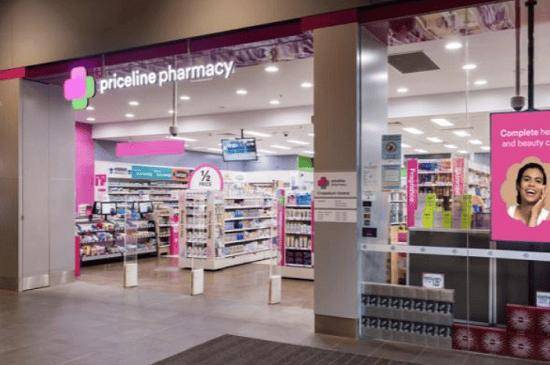
Group 1: Watsons Group's Acquisition Plans - Watsons Group, owned by billionaire Li Ka-shing, is considering entering the Australian pharmacy sector by potentially acquiring a number of Priceline stores [1] - The acquisition would require approval from the Foreign Investment Review Board (FIRB) in Australia [1] - Other interested buyers for Priceline include private equity firms and local pharmacy groups such as Chemist Warehouse and TerryWhite Chemmart [1] Group 2: Infinity Pharmacy Group's Financial Issues - Infinity Pharmacy Group, the operator of Priceline, is the largest franchisee of Wesfarmers Ltd's Australian Pharmaceutical Industries (API) and owes approximately AUD 110 million to API, which constitutes 30% of API's wholesale business revenue [2] - Infinity previously discussed a capital restructuring plan with Wesfarmers but failed to reach an agreement, with total debts exceeding AUD 400 million to secured creditors [2] Group 3: Gold Mining Sector Developments - The gold price has surged over AUD 5,000 per ounce, attracting significant interest from mining companies and investors [4] - Magnetic Resources announced a AUD 639 million acquisition of Genesis Minerals, with a cash and stock offer [5] - Horizon Minerals secured up to AUD 175 million for refurbishing its Black Swan processing plant, aiming to become a significant gold producer in the Kalgoorlie region [5] Group 4: Inghams Group's Financial Performance - Inghams Group reported a 64.9% decline in its half-year net profit to AUD 21 million, falling short of analyst expectations by 6% [17] - The company has lowered its annual EBITDA guidance from AUD 215 million to a range of AUD 180 million to AUD 200 million due to cost-cutting benefits not meeting expectations [17] Group 5: Li-S Energy's Government Funding and Manufacturing Plans - Li-S Energy received AUD 7.8 million in funding from the Australian Renewable Energy Agency (ARENA) to support feasibility and manufacturing optimization studies for its lithium-sulfur battery project [30] - The company aims to establish a manufacturing blueprint for a planned annual capacity of up to 1 GWh [30] - Li-S Energy has completed the construction of an integrated lithium metal foil production line, becoming the first company in Australia to manufacture lithium metal foil locally [31]
投资观点&研究专题周周谈第163期:血制品2025年行业总结及2026年展望-20260223
Huachuang Securities· 2026-02-23 07:59
Investment Rating - The report maintains a positive outlook on the blood products industry, suggesting that the sector has clear long-term growth potential due to increasing supply and demand elasticity [12][19][36]. Core Insights - The blood products industry is expected to benefit from a more relaxed approval process for plasma collection stations during the 14th Five-Year Plan, leading to increased production capacity and a diverse range of products [12][19]. - The report highlights a significant shift in the industry from a supply surplus to a supply-demand balance, with expectations for improved performance in 2026 as supply constraints tighten and demand remains stable [36][34]. - Key companies to watch include TianTan Biotech, BoYa Bio, and HuaLan Bio, which are expected to see performance improvements as the market stabilizes [12][36]. Summary by Sections Market Review - The report notes that the CITIC pharmaceutical index fell by 0.85%, underperforming the CSI 300 index by 1.22 percentage points, ranking 21st among 30 primary industries [6]. - The top-performing stocks in the sector included AidiTe and ZhenDe Medical, while stocks like BeiXin Life and HuaYuan Bio faced significant declines [6][12]. Industry and Stock Events - The blood products sector has experienced a prolonged adjustment period, with a cumulative decline of 18.1% since early 2025, significantly underperforming the broader pharmaceutical sector [16]. - The report indicates that the performance of major blood product companies has varied, with some like WeiGuang Bio and HuaLan Bio performing better than the sector average [16]. Overall Perspective and Investment Themes - The report emphasizes the transition from a quantity-driven to a quality-driven approach in the innovative drug sector, suggesting a focus on differentiated products and international expansion [10]. - In the medical device sector, there is a notable recovery in bidding volumes for imaging equipment, with companies like MaiRui and LianYing expected to benefit from ongoing upgrades [10]. - The report also highlights the importance of the CXO and life sciences services sectors, predicting a recovery in domestic investment and a return to high growth rates [10]. Blood Products - The blood products industry is characterized by a clear growth trajectory, with both supply and demand expected to show significant elasticity [12][19]. - The report suggests that the industry will see improved performance due to a combination of increased plasma collection and a tightening supply situation, which is expected to stabilize prices and enhance profitability for key players [36][34].
国信证券:医药生物行业关注低估值和业绩修复的服务及消费板块 创新药出海合作持续深化
Zhi Tong Cai Jing· 2026-02-12 02:08
Core Viewpoint - The report from Guosen Securities indicates that the medical services and consumer-related sectors have experienced long-term adjustments, resulting in valuations at historical lows. By 2026, improvements in supply structure, increased treatment volumes, and store optimization are expected to lead to a dual recovery in fundamentals and valuations, with AI empowerment providing new momentum for leading companies [1][2]. Group 1: Medical Services and Consumer Sectors - The medical services and consumer-related sectors are currently undervalued and poised for performance recovery, with a focus on specific sub-sectors [2]. - In medical services, improvements in supply structure and consumer environment are anticipated to gradually revive business, with stable customer spending and increased treatment volumes. Leading companies are expected to provide positive earnings guidance for 2026, indicating a potential dual recovery in fundamentals and valuations. AI-related business developments are also expected to drive new growth for leading medical service firms. Key companies to watch include Aier Eye Hospital (300015), Gushengtang, Tongce Medical (600763), and Haijia Medical [2]. - The pharmacy sector has shown significant marginal improvement in performance since Q3 2025, with leading companies improving same-store performance quarterly. Regulatory support from nine ministries emphasizes the long-term development direction of industry concentration and chain rate enhancement, with non-pharmaceutical adjustments and store structure optimization driving short-term performance improvements. Key companies include Yifeng Pharmacy (603939) and Dazhenglin (603233) [2]. Group 2: Home Medical Devices - The growth of home medical device companies is driven by increased product penetration and domestic production rates. Rapid growth is observed in products like Continuous Glucose Monitors (CGM) and sleep apnea machines, with leading domestic brands expanding internationally. Traditional categories like blood pressure monitors are increasingly focusing on the high-end market, with domestic brands steadily increasing market share. The combination of high domestic growth and new overseas markets is expected to contribute to sustained performance growth for home medical device companies. Key companies include Yuyue Medical (002223), Kefu Medical (301087), Sanofi Biological (300298), and Ruimaite (301367) [3]. Group 3: Innovative Drug Development - The collaboration for the international expansion of innovative drugs continues to deepen, with recent significant agreements between Shiyao Group and AstraZeneca, as well as Innovent Biologics and Eli Lilly. These collaborations highlight the growing recognition of China's innovative drug development capabilities by multinational pharmaceutical companies, showcasing the efficiency and cost advantages of Chinese innovative drugs [4]. Group 4: Investment Portfolio for 2026 - The investment portfolio for 2026 includes A-shares such as Mindray Medical (300760), United Imaging Healthcare, WuXi AppTec (603259), New Industry (300832), Meihua Medical (301363), Adebiotech (300685), Zhend Medical (603301), Yaokang Biological, Kingmed Diagnostics (603882), Aier Eye Hospital, Yuyue Medical, Yifeng Pharmacy, and Dazhenglin; H-shares include Kangfang Biologics, Kelun-Botai Biologics-B, Hutchison China MediTech, Kangnuo-B, Sanofi Biopharma, Gushengtang, and Aikang Medical [5].




益丰大药房连锁股份有限公司关于预计触发“益丰转债”转股价格向下修正条件的提示性公告
Shang Hai Zheng Quan Bao· 2026-02-02 19:12
Core Viewpoint - The company is expected to trigger the condition for a downward adjustment of the conversion price of its convertible bonds, "Yifeng Convertible Bonds," due to its stock price being below 85% of the current conversion price for over 10 trading days [2][8]. Group 1: Issuance and Terms of "Yifeng Convertible Bonds" - The company issued 17,974,320 convertible bonds with a total amount of 1,797.4320 million yuan, with a maturity of six years from March 4, 2024, to March 3, 2030 [3]. - The initial conversion price was set at 39.85 yuan per share, which was adjusted to 32.79 yuan on June 7, 2024, and further adjusted to 32.54 yuan on October 15, 2024, due to annual and semi-annual profit distribution [3][4]. Group 2: Conditions for Price Adjustment - The downward adjustment condition states that if the stock price is below 85% of the current conversion price for at least 15 out of 30 consecutive trading days, the board can propose a price adjustment [6]. - The adjusted conversion price must not be lower than the higher of the average stock price over the 20 trading days prior to the shareholders' meeting and the average price on the trading day before the meeting [6]. Group 3: Expected Triggering of Price Adjustment - The period for triggering the price adjustment condition starts from January 16, 2026, to February 2, 2026, during which the stock price must be below 27.06 yuan (85% of 31.84 yuan) for 15 out of 30 trading days [8]. - Upon triggering the condition, the company is required to hold a board meeting to decide on the adjustment and disclose the decision the next trading day [8].
未知机构:存储芯片射频芯片AI编程轮胎药房创新药调研-20260202
未知机构· 2026-02-02 02:00
Summary of Conference Call Notes Industry: Storage Chips - HBF is expected to partially replace HBM in AI servers, balancing performance and cost, with mass production anticipated in Q4 2026 to Q1 2027 at a price of approximately $10–11 per GB [1][2] - HBF is beneficial for SanDisk and Kioxia as they do not engage in HBM business, allowing them to expand their market through HBF [1][2] - Current supply and demand for HBM are generally balanced [1][2] - Production capacity is planned to expand to 476,000 wafers per month by 2026, suggesting a stable to declining price for HBM in 2026 [2] Industry: RF Chips - The RF chip industry is expected to see moderate recovery in 2026, with intense price competition in the 4G sector, while the 5G sector's L-PAMiD modules maintain a profit margin exceeding 20% with relatively eased competition [2] - Satellite direct connection in mobile phones is emerging as a new growth area, with the Mate80 series supporting low-altitude direct connection, primarily in collaboration with Zhaoshengwei; Xiaomi, Vivo, OPPO, and Samsung are following suit [2] Industry: AI Programming - Current AI programming tools are categorized into three main types: plugin-based, AI-native IDEs, and Agent types, represented by GitHub Copilot, Cursor, and Claude Code respectively [2] - GitHub Copilot shows the fastest commercialization progress with a monthly active user payment rate exceeding 20%; Cursor's latest ARR has reached $1 billion; Claude Code's API call volume is approximately 60% of Anthropic's, indicating significant revenue potential [3] - Leading domestic programming models include DeepSeek, Zhipu, Alibaba Qianwen, and Kimi, with a focus on the B-end market, while C-end free IDE products are currently underperforming [3] Industry: Tires - The global demand for giant tires is expected to grow by 35% from 2025 to 2029, driven primarily by increased demand from overseas mining projects [3] - Foreign brands like Michelin, Bridgestone, and Goodyear plan to raise giant tire prices by over 10% in 2026, while domestic brands like Hai'an will not increase prices to capture market share [3] - Hai'an's overseas growth this year is primarily focused on markets in Russia, Northwest Africa, and South Africa, with other domestic brands like Sailun and Zhongce also accelerating their international expansion [3] Industry: Pharmacies - Recent policy documents appear macro in nature and lack specific measures, but they provide a framework and space for subsequent detailed regulations from various ministries [3] - The industry is still undergoing a natural clearance process, with an expected annual exit of 10,000 to 20,000 stores, predicting a dynamic balance when the total number of stores stabilizes around 600,000 [3] - The O2O average transaction value has increased from below 50 yuan to approximately 55 yuan, with future O2O growth expected to maintain over 20% [3] Industry: Innovative Drugs - Competition in the CXO sector from South Korea is intensifying, with Samsung entering the ADC and cell therapy production markets [4] - To address patent cliff issues, BMS has launched seven new core products, while Merck has engaged in extensive mergers and acquisitions to enter new disease areas [4] - Major pharmaceutical companies are actively investing in AI, but few have the capability for significant computational investment like Eli Lilly [4]