设计

Search documents
AI 时代,只要你学得足够慢,就可以不用学?
佩妮Penny的世界· 2026-03-30 11:53
Core Viewpoint - The article discusses the rapid changes brought by AI in the workplace, emphasizing the necessity for individuals to adapt and present themselves as proficient in AI to remain relevant in their jobs [1][4]. Group 1: Impact of AI on Employment - Companies are increasingly requiring employees to integrate AI into their daily workflows, making it a key performance metric [4]. - There is a notable decline in the demand for entry-level positions, with companies preferring candidates who demonstrate strong AI skills over traditional qualifications [9][10]. - The hiring practices have shifted, with firms now favoring candidates who can effectively utilize AI tools, leading to a reduction in the hiring of interns and junior staff [12]. Group 2: AI's Role in Job Efficiency - AI tools are becoming more efficient than junior employees, with one junior analyst plus AI being able to support multiple senior analysts [12]. - The efficiency of AI in specific tasks is highlighted, with AI potentially outperforming individuals with less than three years of experience in certain fields [13]. - The reliance on AI has led to concerns about the quality of work produced, as many young professionals may lack the ability to critically assess AI-generated outputs [13]. Group 3: Job Market Trends - The article lists the top ten occupations at risk of being replaced by AI, including computer programmers (74.5% exposure) and customer service representatives (70.1% exposure) [18]. - There is a demographic trend where certain groups, such as women and individuals with graduate degrees, are more affected by AI's impact on job security [18]. - The shift in job requirements indicates that traditional educational qualifications are becoming less valuable compared to practical AI skills [19]. Group 4: Future of Work - The future workforce may see a division where AI handles tasks it excels at, while humans focus on areas requiring creativity and problem-solving [19]. - The article suggests that young professionals should embrace self-employment and flexible work arrangements as a response to the changing job landscape [21]. - The importance of retaining human qualities such as imagination and curiosity is emphasized as essential for navigating the evolving work environment [23].

两会|普华永道中天首席合伙人李丹:加强中资企业出海数据安全合规管理
券商中国· 2026-03-06 23:31
Core Viewpoint - Chinese enterprises are accelerating their overseas expansion as a key path to expand development space and optimize resource allocation, which also provides important support for building a new development pattern in China [1]. Group 1: Challenges in Data Governance - The global data governance landscape is undergoing fundamental changes, presenting multiple challenges for Chinese enterprises going abroad [2]. - Key challenges faced by Chinese enterprises include compliance difficulties, regulatory barriers, accountability chains, and technological pains [4]. - The complexity and fragmentation of data regulatory frameworks across countries lead to significantly increased compliance costs for enterprises [4]. Group 2: Recommendations for Data Compliance Management - Strengthening top-level design and macro guidance is essential, with relevant national departments leading the development of guiding documents for data security compliance management for Chinese enterprises abroad [5]. - Encouraging enterprises to establish Chief Data Compliance Officers and build world-class data governance systems and compliance internal control mechanisms is crucial [5]. - Breaking through key technology and standard constraints by supporting research and development of critical technologies related to data classification, privacy computing, and trusted cross-border transmission is necessary [5]. Group 3: Professional Services and International Cooperation - Building a professional service ecosystem capable of global service, including legal, accounting, and consulting institutions, is vital for providing one-stop compliance solutions [6]. - Deepening international cooperation and mutual recognition in data protection certification with countries along the Belt and Road and major trading partners can help reduce compliance burdens for enterprises [6]. Group 4: Intelligent Development in Professional Services - The development of a "five-in-one" intelligent system to promote the intelligent development of professional services is recommended, focusing on technology, data, talent, institutional innovation, and ecological empowerment [7]. - Implementing a key core technology joint tackling project to focus on high-value professional service scenarios and promote the integration of various professional models is essential [8]. - Establishing a benchmark scenario and industrial ecosystem by selecting areas with strong foundations and urgent needs for national-level demonstration projects is advised [9].

东北大花布来自上海设计?设计背后的宏大叙事与日常生活
Di Yi Cai Jing· 2026-02-06 13:04
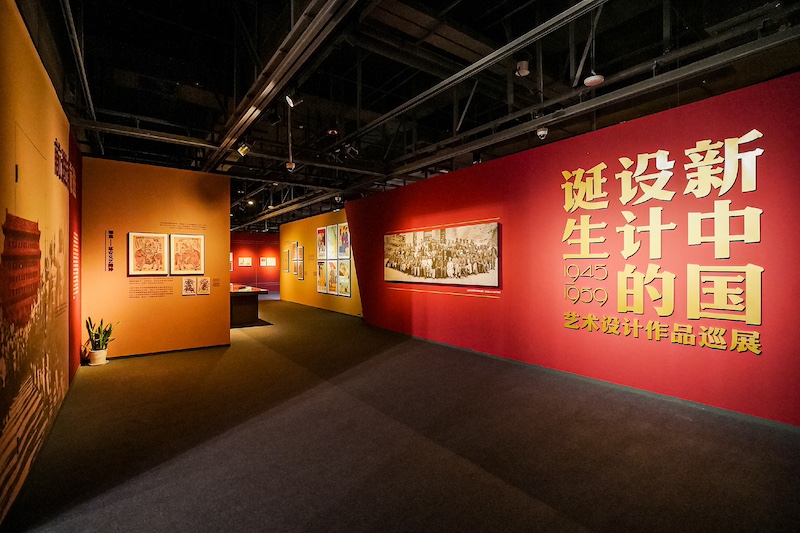
Core Insights - The exhibition "The Birth of New China Design: Art and Design Works Exhibition" opened on February 6 at the China Modern News Publishing Museum in Shanghai, showcasing over 400 items that illustrate how design contributed to China's economic development and cultural transformation from 1945 to 1959 [1][2]. Group 1: Exhibition Overview - The exhibition features five main sections, including propaganda posters, advertising posters, book covers, physical products, design images, blueprints, and documentary footage [1]. - Design reflects the changes in daily life, from toys and household items to national symbols and landmark buildings, highlighting both aesthetic and practical values [1]. Group 2: Historical Context - In the early years of New China, propaganda posters were a mainstream art form used to convey government policies, created by skilled artists that reflected mainstream aesthetics and design styles [3]. - The exhibition revisits the atmosphere of the "First Five-Year Plan" (1953-1957), which laid the industrial foundation for the national economy through design perspectives [3]. Group 3: Textile Industry Insights - The "People's Fashion" section presents the Shanghai Textile Supply Station's "Big Flower Samples," which includes 38 fabric samples with details for reference by enterprises [5]. - At the founding of the nation, the dyeing and textile industry accounted for one-third of the domestic GDP, illustrating the significance of these exhibits in understanding the planned economy's "sample selection and production" process [5]. Group 4: Shanghai's Design Influence - Approximately 60% of the items in the exhibition feature elements from Shanghai, showcasing the city's role as a significant base for modern design culture in China [7]. - The exhibition includes a section dedicated to the formation and basic writing of artistic fonts, which played a crucial role in revolutionary propaganda before the establishment of the People's Republic of China [7]. Group 5: Cultural Heritage and Future Initiatives - The modern design of Chinese characters is considered an important cultural heritage, with Shanghai contributing significantly to the development of modern design culture in China [9]. - The curator, Zhou Bo, calls for more public institutions to focus on the tangible evidence of Shanghai's contributions to industrialization and modernization, including various items, materials, and design drafts for future research and exhibitions [9]. Group 6: Exhibition Details - The exhibition runs from February 6 to May 5 at the China Modern News Publishing Museum, located at 3678 Zhoujiazui Road, Shanghai [10].
第五届长三角苏商大会聚焦深层次区域协同抱团融链织网,构建“最强朋友圈”
Xin Hua Ri Bao· 2026-01-18 23:56
Core Viewpoint - The fifth Yangtze River Delta Su Business Conference held in Shanghai serves as a platform for observing how Jiangsu businesses innovate and contribute to regional development in the context of deepening integration and high-quality development in the Yangtze River Delta region [1] Group 1: Collaborative Innovation - The construction of the Shanghai-Nanjing industrial innovation belt is a major focus, involving nine cities and projected to account for approximately 11.8% of the national GDP and 48% of the Yangtze River Delta region's GDP by 2024 [2] - A total of 206 collaborative projects have been established, including initiatives like exploring mutual science and technology innovation zones with Nantong [2] - The conference featured discussions on various sectors such as medical logistics, elderly care, design, catering, and enterprise risk prevention, emphasizing the role of new productivity and regional collaboration in driving innovation [2] Group 2: Regional Integration and Empowerment - Jiangsu businesses are increasingly engaging in multi-directional empowerment and fine collaboration, viewing the Shanghai-Nanjing industrial innovation belt as a strategic axis for fostering new productivity and promoting high-quality development [4] - The "Jiangsu Reception Hall" was inaugurated as an innovative platform to support national strategies and enhance Jiangsu's development, facilitating deep integration of innovation chains, industry chains, talent chains, and service chains between Shanghai and Jiangsu [4][5] - The establishment of the Shanghai Jiangsu Chamber of Commerce service station and the signing of cooperation agreements among top 100 counties and cities aim to create a cohesive innovation ecosystem [5] Group 3: Strengthening Business Networks - The Shanghai Jiangsu Chamber of Commerce is positioned as a trusted home for Jiangsu businesses in Shanghai, emphasizing the importance of product specialization, technical excellence, brand enhancement, and business strength [6][7] - The Chamber has been actively innovating in service mechanisms and connecting government and industry through various initiatives, including the "Yangtze River Delta Su Business Conference" and the establishment of a digital technology application service industry alliance [7] - A strategic cooperation agreement was signed with China Mobile Shanghai to explore deep collaboration in cutting-edge technologies like 5G and artificial intelligence, aimed at reducing costs and enhancing innovation for businesses [7]
文明交流互鉴|做强对外文化交流的“上海品牌”
Xin Lang Cai Jing· 2026-01-05 00:09
Core Perspective - Shanghai is focusing on cultivating globally competitive cultural entities, enhancing brand building, and innovating communication mechanisms to effectively tell China's story and promote cultural exchange, providing a replicable "Shanghai model" for global engagement [1]. Group 1: Cultivating Diverse Cultural Entities - The internationalization of cultural entities is the core support for cultural outreach, with Shanghai having a number of leading cultural enterprises like Oriental Pearl, Shanghai Film Group, and MiHoYo, which are evolving from "content export" to "ecosystem export" [2]. - Support for small and medium-sized cultural enterprises is essential, encouraging the development of cultural IP derivatives and providing a "lightweight" empowerment model, including a public service platform for overseas expansion [2]. - A collaborative matrix of cultural enterprises is being constructed to enhance the synergy between large and small entities in the international market, promoting a more vibrant and layered approach to cultural outreach [2]. Group 2: Strengthening Brand Building - Shanghai has strong capabilities in film, performing arts, design, digital entertainment, and art trading, which provide a solid industrial foundation for cultural outreach [3]. - There is a need to create a globally recognizable "Shanghai brand" that combines local cultural resources with international market demands, encouraging the creation of works that feature "Chinese narratives" and "Shanghai expressions" [3]. - The identification of Shanghai's cultural symbols is crucial, focusing on core values that can be globally disseminated, and developing sub-brands that resonate internationally, such as "Shanghai Design" and "Shanghai Light and Shadow" [3]. Group 3: Innovating Communication Mechanisms - Cultural communication is shifting from broad outreach to precise targeting, requiring Shanghai to build a new communication mechanism that emphasizes data-driven approaches and emotional connections [4]. - The integration of culture with other sectors like tourism, commerce, and technology is essential to expand the influence of cultural brands and enhance user engagement through innovative scene design [4]. - Major cultural events in Shanghai, such as the Shanghai International Film Festival and the Shanghai Book Fair, are being upgraded to global cultural events to enhance their international impact and attract top cultural projects [4]. Group 4: Enhancing International Cultural Exchange - Strengthening the "Shanghai brand" in cultural exchange is a systematic project aimed at transforming local cultural resources into international cultural appeal and competitiveness [5]. - This initiative is designed to elevate Shanghai's status as an international cultural metropolis, facilitating mutual understanding and exchange among civilizations [5].
探索多元回馈方式 上市公司年末接连送出股东“大礼包”
Zheng Quan Ri Bao Wang· 2025-12-19 13:55
Group 1 - The core viewpoint of the article highlights a shift in A-share listed companies towards more diversified shareholder return mechanisms, moving beyond traditional cash dividends and share buybacks to include physical gifts and experiences [1][3] - Nearly 40 listed companies have launched various shareholder return activities this year, covering multiple industries such as culture and tourism, food, film, and healthcare [1][3] - Physical rewards are seen as a complement to traditional dividend methods, allowing shareholders to become active participants and brand promoters, enhancing their sense of ownership and experience [1][4] Group 2 - Specific examples include Shenzhen Aoya Design Co., which announced a shareholder appreciation event where shareholders with at least 500 shares can receive corresponding IP products [1] - Zhengzhou Qianwei Central Kitchen announced that shareholders holding 100 shares or more can receive a product gift package valued at 200 yuan [2] - Tourism companies are enhancing shareholder engagement by offering benefits such as tickets, hotel stays, and wellness services, allowing shareholders to directly experience the company's operational success [3] Group 3 - Some companies are using lottery events to express gratitude to shareholders, such as Beijing Innotech Biotechnology, which is hosting a "Shareholder Day" with prizes including high-end electronics [3] - While cash dividends and share buybacks remain core methods for returning value to shareholders, these diversified approaches are seen as a positive addition reflecting changes in corporate governance philosophy [3] - The tangible nature of physical rewards allows minority shareholders to feel a stronger sense of entitlement compared to traditional cash dividends, which may be perceived as limited [3][4]
AI+设计重塑科技行业 新消费产品呼之欲出
2 1 Shi Ji Jing Ji Bao Dao· 2025-12-15 23:24
Core Insights - The article emphasizes the need for a multi-faceted approach to China's manufacturing industry, focusing on design ecology and consumer experience, which could lead to groundbreaking smart products [1] Group 1: Design and Innovation - The 10th Design Intelligence Award (DIA) ceremony showcased over 65,000 entries from 87 countries, highlighting innovations in AI, healthcare, digital manufacturing, and smart cities [1] - Designers agree that product design should prioritize user experience and integrate human emotions and systematic thinking, rather than merely stacking technology and functions [1][2] - The award-winning "Land Aircraft Carrier" by XPeng is recognized as the world's first mass-produced flying car, showcasing the potential of innovative product design [3] Group 2: AI Integration in Design - AI is seen as a transformative tool in industrial design, but future success will depend on the integration of human creativity and emotional understanding in product development [2][6] - The "Rui Zhi" clinical decision support system won a gold award in the digital economy category, demonstrating AI's role in creating innovative healthcare solutions [3] - Designers highlight the importance of human insight in understanding user needs and emotional experiences, which AI alone cannot provide [6][7] Group 3: Future of Design - The article discusses the expectation that AI will evolve to better assist designers in realizing their visions within the next five years [7] - The integration of AI in design processes is crucial for enhancing efficiency, but human designers must still engage deeply in creative and emotional aspects of product development [6][7] - The holistic approach to design, combining technology with human values, is essential for the future of China's manufacturing landscape [5]

俄罗斯中文人才需求激增,经济金融等多领域急需中文技能
Sou Hu Cai Jing· 2025-12-15 06:50
Core Insights - The demand for Chinese-speaking talent in the Russian labor market has significantly increased in recent years, driven by China's achievements in digital infrastructure and industrial ecosystem development, which has led to a noticeable rise in international cooperation needs [1] Group 1: Demand Drivers - The motivations for Russian adults to learn Chinese are primarily twofold: professional needs related to business and international cooperation, and a desire to appreciate Chinese culture and acquire new skills [1] Group 2: Key Industries - The current demand for Chinese language skills in the Russian labor market is concentrated in several key sectors, including economics, finance, retail, and e-commerce, with strong demand also observed in information technology, logistics, media, design, and marketing [1]
“设计营商周2025”开幕 全球设计界聚焦东方之珠
Jing Ji Wang· 2025-12-10 07:31
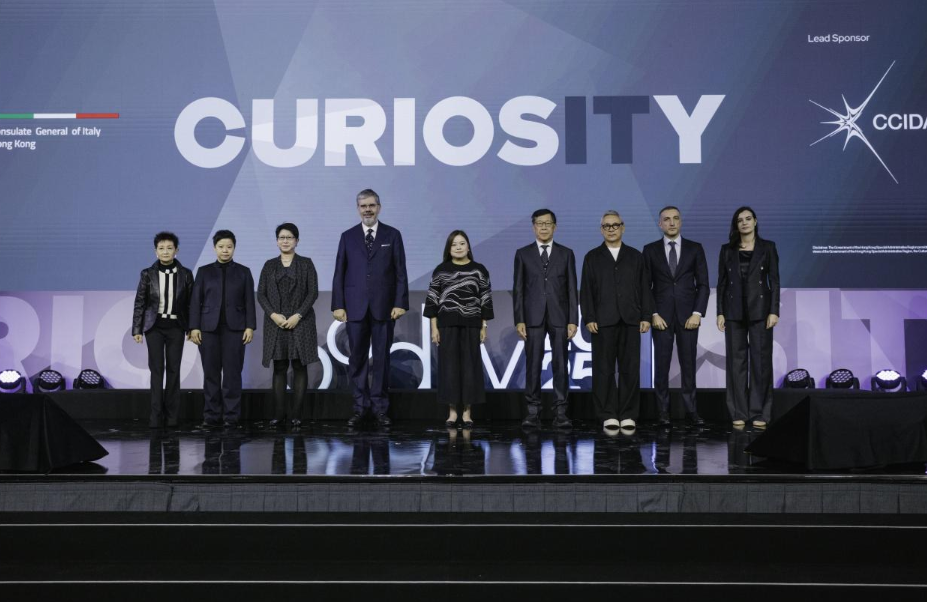
Group 1 - The Design Business Week 2025 summit, hosted by the Hong Kong Design Centre, will take place from December 3 to 6, focusing on the theme "Curiosity: Inspiring Design Innovation" with Italy as the partner country [1][3] - The event will gather over 50 global creative leaders and entrepreneurs to explore cutting-edge trends and cross-disciplinary possibilities in design, covering six key themes including urban concepts, mobility innovation, and AI and technology [3][4] - The summit aims to enhance the quality of life through excellent design and to envision a better future shaped by design thinking, highlighting Hong Kong's role as a cultural exchange hub [3][4] Group 2 - The Design Business Week will feature flagship projects like BODW In the City 2025, which includes over 40 thematic activities across major areas in Hong Kong, encouraging public engagement with global design trends [5] - The event will also showcase the "Earth Series" exhibition by Tai Ping Carpets in collaboration with renowned architect and designer, capturing the beauty of natural seasonal changes through exquisite designs [6] - The design industry is positioned as a crucial engine for regional collaborative development, linking technology, culture, and economy, with Hong Kong serving as a gateway for international design into the Chinese market [6][7]
国际顶尖“设计头脑”齐聚澳门 探路全球创意经济下一步
2 1 Shi Ji Jing Ji Bao Dao· 2025-12-05 12:41
Core Insights - The value of design has transcended traditional notions of aesthetics and functionality, becoming a crucial link in connecting global creative resources and driving regional industrial upgrades and ecological restructuring [1] - The "Fortune Brainstorm Design 2025" conference in Macau aimed to address how design can break through the limitations of "tool innovation" and find a balance between technological efficiency and human warmth [1] Group 1: Conference Themes and Discussions - The conference featured over 20 diverse dialogues covering topics such as AI and design collaboration, future reconstruction of architecture and space, humanistic upgrades in branding and experience, socially responsible design practices, and cross-disciplinary design explorations [2] - A notable trend observed in the design field is the shift from "tool innovation" to "system reconstruction," focusing on how AI can serve as a "creative partner" rather than a replacement tool [2] Group 2: Key Contributions and Perspectives - Samsung's Chief Design Officer Mauro Porcini emphasized that the next era of brand leadership hinges on a formula: AI x Emotional Intelligence + Human Warmth, highlighting the importance of narrative and deeper meaning in design [3] - Jan Bunge, a strategic urban planner, introduced a new perspective on urban design and governance, suggesting that understanding the hidden ecological systems beneath cities can lead to innovative governance models [3] Group 3: Innovative Ideas and Future Directions - Martin Voelkle from BIG-Bjarke Ingels Group discussed ambitious projects, including the collaboration with a 3D printing company to explore affordable, customizable housing on Earth and the potential for building homes on the Moon [4] - The conference's location in Macau was highlighted as a natural hub for cross-cultural dialogue, facilitating the connection of global creative resources and enhancing the design landscape in the Greater Bay Area [5][6] Group 4: Strategic Importance of Design - Nicholas Gordon from Fortune emphasized that design should not be an afterthought in business, asserting that successful companies prioritize design as a key element for long-term success, especially in the AI era [5] - MGM China aims to strengthen Macau's international exchange framework through high-end international conferences, promoting the local creative economy and establishing Macau as a significant bridge for international design and business dialogue [6]