
AI软件

Search documents
中金缪延亮:油价冲击会导致央行加息潮吗?
中金点睛· 2026-03-25 10:43
Core Viewpoint - The escalation of the situation in Iran has led to a rise in oil prices, causing a shift in monetary policy expectations from rate cuts to rate hikes among major central banks in Europe and the US [2][5]. Group 1: Central Bank Policy Shifts - The recent "Super Central Bank Week" saw the Federal Reserve, European Central Bank (ECB), and Bank of England signaling hawkish stances, resulting in a significant adjustment in market expectations for monetary policy [2]. - Futures markets now imply that the Federal Reserve's rate cut timeline has been pushed back to the second half of 2027, with some expectations of rate hikes in 2026 [2]. - If central banks initiate rate hikes, global macro liquidity will tighten, potentially leading to significant declines in global equities, bonds, and gold [5]. Group 2: Supply Shock and Inflation - Geopolitical issues are causing supply shocks, leading to simultaneous inflation and growth concerns, placing central banks in a dilemma between stabilizing growth and controlling inflation [7]. - Historical analysis shows that the Federal Reserve often adopts a "look through" approach to supply shocks, with mixed outcomes in past geopolitical conflicts [7][8]. - The effectiveness of monetary policy in response to supply shocks depends on whether oil price increases trigger second-round effects, which are influenced by factors such as the intensity and duration of geopolitical conflicts [9][10]. Group 3: Structural Changes in the Economy - The importance of oil in the economy has decreased, with global oil consumption intensity dropping by approximately 60% from 1973 to 2024 [13]. - The transition to a "Great Moderation" era has lowered the inflation baseline, reducing the transmission of supply shocks to core inflation [17]. - Successful past monetary policies, such as the "Volcker Shock," have established central bank credibility, anchoring inflation expectations [19]. Group 4: Optimal Monetary Policy Strategy - The optimal monetary policy response may involve initially tolerating inflation risks and then tightening once inflation accumulates beyond a critical threshold [21]. - The Federal Reserve's recent actions during the Russia-Ukraine conflict demonstrated this strategy, successfully managing inflation expectations without causing significant unemployment [20]. Group 5: Current Economic Outlook - Current inflation expectations in China, the US, and Europe are stable, suggesting limited risks from second-round effects, leading to a potential trend towards looser monetary policies if geopolitical tensions do not escalate further [28][30]. - The US economy, having transitioned to a net oil exporter since 2019, shows resilience against oil price shocks, with nominal CPI around 2.4%, close to policy targets [31]. - Europe faces higher risks of temporary stagflation due to its energy dependency, with the ECB likely to maintain a hawkish stance under a single inflation target [33].


观点全追踪(2月第6期):晨会精选-20260213
GF SECURITIES· 2026-02-12 23:30
Core Insights - The report indicates that the U.S. labor market shows resilience, as evidenced by non-farm payroll data, unemployment rates, and wage data, which reduces the probability of interest rate cuts in June 2026 to 47.1% from a previous 48.9% [2] - Following the data release, the 2-year U.S. Treasury yield increased by 7 basis points to 3.52%, while the 10-year yield rose by 2 basis points to 4.18% [2] - The U.S. dollar index rebounded to 96.91, and U.S. stock markets experienced slight adjustments, with the Dow Jones Industrial Average down 0.13%, the S&P 500 down 0.01%, and the Nasdaq down 0.16% [2] Industry Performance - Leading sectors included storage/semiconductors, energy, machinery, railroads, industrial metals, chemicals, and department stores [2] - Underperforming sectors encompassed AI software, online brokerages, major central banks, credit cards, home builders, and airlines, with concerns about AI agents reducing demand for traditional SaaS software and seat licenses [2]
美股尾盘跳水,AI软件股走强,储存芯片大跌,中概股逆势飘红
Sou Hu Cai Jing· 2026-02-11 18:32
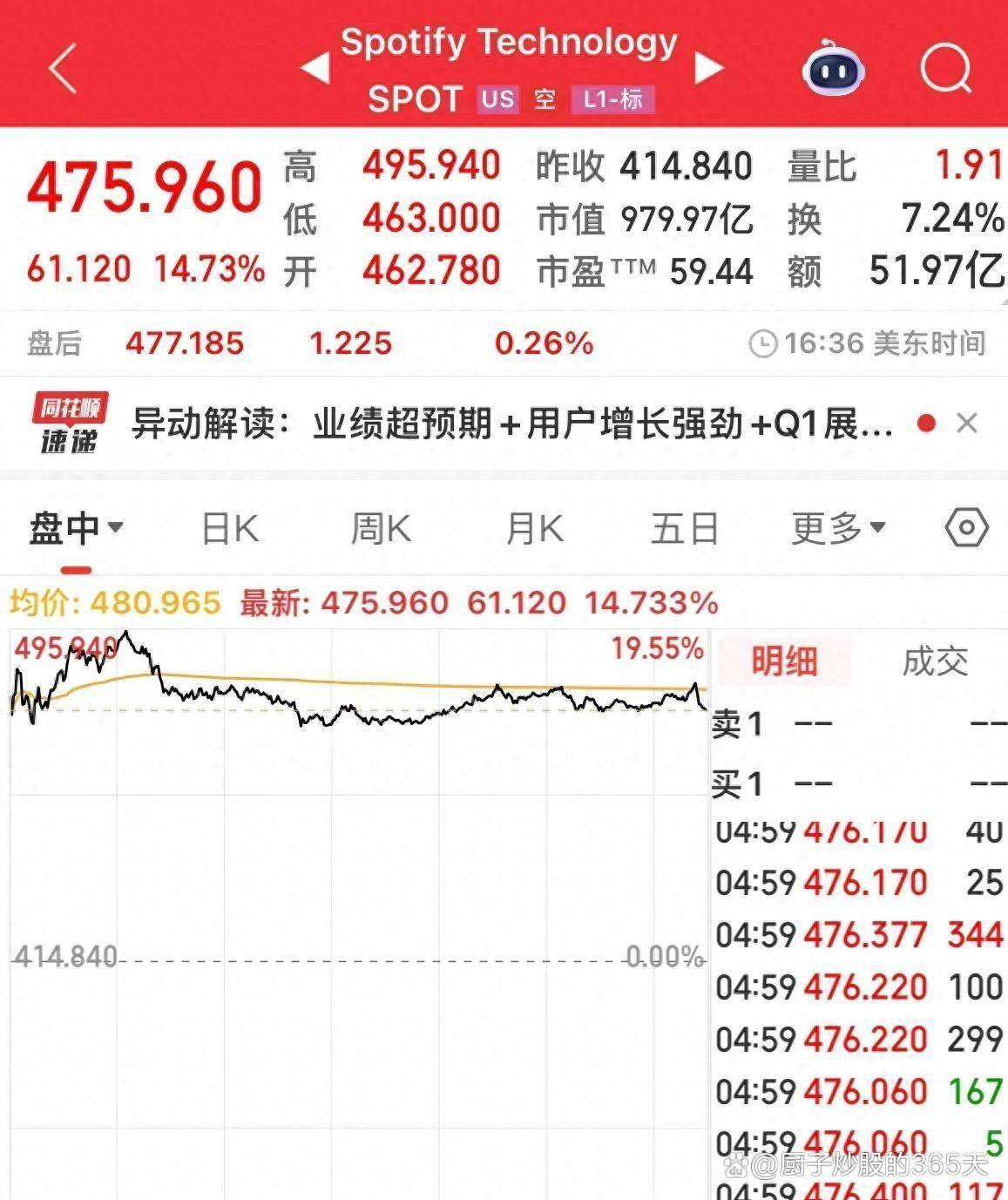
Core Viewpoint - The U.S. stock market experienced a stark divergence, with AI software stocks rebounding sharply while storage chip stocks faced significant declines, illustrating a clear "ice and fire" scenario on the Nasdaq stage [1][3]. Group 1: AI Software Stocks - A notable AI software stock surged 14.73% to close at $475, recovering from a nearly 40% decline from its peak of $785 last June [1][4]. - The recent rebound was supported by significant industry developments, including ByteDance's launch of its new AI video model Seedance 2.0 and Google's plan to acquire a customer service software company to enhance its AI capabilities [4]. - Analysts on Wall Street are shifting their views, suggesting that AI will enhance existing software rather than completely replace it, as enterprise workflows are complex and sticky [4]. Group 2: Storage Chip Sector - The storage chip sector faced a collective collapse, with SanDisk dropping 7.16%, Western Digital plummeting 8.65%, and Seagate Technologies falling 6.77% [1][8]. - The primary reason for the decline was the excessive price increases over the past six months, driven by surging demand for high-performance storage from AI servers, leading to profit-taking [8]. - Recent industry data indicated a slight decline in DRAM prices, breaking the market's expectation of continuous price increases, which contributed to investor concerns about the sustainability of the storage chip supercycle [8][12]. Group 3: Market Dynamics - The Nasdaq index fell by 0.59%, while sectors related to AI applications, such as cultural media and toys, saw gains of 1.5% to 3.5% [5]. - The ETF focused on software investments has seen its scale grow to 6.658 billion yuan, with valuations at a near one-year low, indicating a shift in capital from overvalued hardware sectors to underpriced software and application companies [5]. - The overall market structure is experiencing a split, with the Dow Jones index slightly up by 0.10%, while the Nasdaq and S&P 500 indices fell by 0.59% and 0.33%, respectively [12]. Group 4: Chinese Concept Stocks - Chinese concept stocks demonstrated resilience, with the Nasdaq China Golden Dragon Index rising by 1.09%, outperforming the major U.S. indices [11][12]. - The strong performance of Chinese stocks is attributed to their valuation being at a low point, alongside supportive domestic policies for platform economy and technological innovation [12]. - Key companies like Alibaba Cloud reported a 26% revenue growth in the latest quarter, indicating robust core business performance [12].


第零智能冲刺港股:收入暴增95.5%背后 前五大客户贡献85.8%收入
Xin Lang Cai Jing· 2026-02-11 00:30
Core Viewpoint - Shenzhen Zero Intelligence Technology is a rising player in the AI agent solution market, utilizing an AaaS model to provide contract, investment, and brand assistant solutions, with significant growth potential in a rapidly expanding market [1] Business Model and Market Position - The company operates under an AaaS model, focusing on contract, investment, and brand assistant solutions, leveraging its proprietary AI platform BlackZero [1] - According to Frost & Sullivan, the company is projected to hold a 3.0% market share in the Chinese enterprise AI agent solution market by 2024, which is expected to grow from 5.6 billion yuan in 2024 to 59.1 billion yuan by 2029, with a compound annual growth rate of 60.2% [1] Revenue and Growth - The company's revenue has shown explosive growth, increasing from 86.5 million yuan in 2023 to 169.1 million yuan in 2024, a year-on-year increase of 95.5% [2] - For the first nine months of 2025, revenue reached 185.5 million yuan, reflecting a 55.2% increase compared to the same period last year [2] - The growth is primarily driven by contract and investment assistant projects, which together contributed 96.9% of total revenue in 2024 [2] Profitability - Net profit increased from 21.3 million yuan in 2023 to 31.6 million yuan in 2024, a growth of 48.4%, but the growth rate remains lower than revenue growth [3] - The net profit margin for 2024 was 18.7%, with a notable dividend payout of 40 million yuan in 2025, which accounted for 99.0% of net profit [3] Gross Margin - The company's gross margin fluctuated, decreasing from 39.0% in 2023 to 35.4% in 2024, before rebounding to 41.6% in the first nine months of 2025 [4] - The decline in 2024 was attributed to increased costs associated with business expansion, while the recovery in 2025 was due to scale effects and a higher proportion of high-margin software license sales [4] Revenue Composition - The revenue structure shows a decreasing reliance on contract assistant projects, which fell from 89.4% in 2023 to 68.7% in the first nine months of 2025, indicating successful diversification [5] - Investment assistant project revenue surged from 6.07 million yuan in 2023 to 40.73 million yuan in 2024, a 570% increase [5] Customer and Supplier Concentration - The company has a high customer concentration, with the top five customers contributing 85.8% of revenue in the first nine months of 2025, down from 96.9% in 2023 [6] - Supplier concentration is also high, with the top five suppliers accounting for 83.5% of procurement, primarily legal service providers [7] Financial Challenges - The company faces significant challenges in accounts receivable management, with turnover days increasing from 52 days in 2023 to 123 days in the first nine months of 2025, a 136.5% increase [8] - The accounts receivable balance reached 116 million yuan by September 2025, a 427% increase compared to the end of 2023 [8] Shareholder Structure - The company is controlled by Chairman Qiao Qian, who holds 55.7% of voting rights through direct and indirect ownership [9] Management Compensation - The total compensation for the board in 2024 was 4.2 million yuan, with significant disparities among executives, raising concerns about excessive compensation relative to revenue growth [10] Industry Comparison - The company's market share is only 3%, and its R&D investment (5.3%-8.3%) is below the industry average, potentially placing it at a competitive disadvantage [11] - Despite a high revenue growth rate of 95.5%, the company's gross margin is lower than the industry average of over 50% [11]
聊一聊AI硬件和软件
傅里叶的猫· 2026-01-09 15:58
Group 1: AI Hardware Market - The recent performance of AI hardware is not strong, but the US stock market's hardware sector showed some resilience [1] - The memory shortage is exaggerated; a report from Macquarie suggests that the new DRAM capacity in the next two years can only support about 15GW of AI data center construction, which may delay global AI expansion plans [3] - A different perspective from a memory industry expert indicates that the capacity could support 20GW and 33GW this year and next year, respectively [5] - The global data center installation capacity is projected to reach 17.4GW by 2025, with an expected increase to 30.2GW this year [5] - Due to memory constraints, the growth of AI data centers (AIDC) will not be as rapid as anticipated, contributing to the recent decline in hardware market sentiment [7] Group 2: AI Software and Applications - The AI software and application market is exceeding many expectations, with a positive outlook for AI applications this year [8] - The government is intensifying support for AI policies, with initiatives in various sectors like healthcare, education, and manufacturing, aiming for quantifiable goals by 2026 [9] - Major tech companies are competing for AI traffic entry points and ecosystem development, with strategies focusing on both consumer (C-end) and business (B-end) markets [10][11] - For the C-end, companies are enhancing user engagement and monetization capabilities, while for the B-end, they are driving cloud revenue through developer ecosystems [12] - The competition has extended to physical scenarios, with companies like Waymo and Tesla accelerating their efforts in ROBOTAXI [13] - Key technological advancements in AI models are expected to focus on world models, native multimodality, and self-evolving agents, with significant breakthroughs anticipated by 2026 [14][15] - The core competitiveness of AI application companies lies in their ability to integrate technology quickly and effectively into specific scenarios, achieving commercial viability [15]


罗永浩之夜:道歉、退票、与豆包辩论
新华网财经· 2025-12-31 02:19
Core Viewpoint - The event "The Crossroads of Luo Yonghao" was held in Shanghai, marking Luo's return to the tech conference scene after seven years, but faced delays and operational issues, leading to full refunds for attendees [1][4][5]. Group 1: Event Overview - The event, dubbed "Tech Spring Festival," sold out all ticket tiers within two hours of release, indicating high public interest [4]. - Luo Yonghao apologized multiple times during the event for the delays and mistakes, ultimately refunding over 1.66 million yuan in ticket sales [5]. - The venue was filled with nearly 5,000 attendees, who had arrived an hour early, showcasing the event's popularity [4]. Group 2: Personal Challenges - Luo revealed he has been suffering from ADHD for many years, which he suggested contributed to the event's disorganization [8][10]. - He mentioned that his current medication is not effective, and if his condition does not improve, he may not host large events in the future [10]. Group 3: Product Launches and Innovations - The event focused on showcasing innovative products, with over ten domestic tech products presented, emphasizing the need for a platform to highlight truly innovative offerings [13]. - Featured products included DJI's Neo2, ergonomic chairs, exoskeleton robots, and AI assistants, demonstrating a range of technological advancements [15]. - Luo announced the launch of the AI book analysis app "Qie Ting," which utilizes natural language processing to provide in-depth content analysis [18]. Group 4: Future Aspirations - Luo expressed his commitment to continue supporting innovative products and aims to elevate the visibility of Chinese technology on a global scale [15]. - He reflected on his past experiences, including his debt repayment journey, and emphasized the importance of perseverance in the tech industry [20].

面向全国征集四大领域优质项目 2025“科创中国”创新创业投资大会启动
Sou Hu Cai Jing· 2025-12-17 08:15
Core Insights - The 2025 "Innovation and Entrepreneurship Investment Conference" has officially launched a nationwide project solicitation, focusing on four key areas: AI hardware, AI software, biomedicine, and high-end equipment manufacturing, with a registration deadline of January 15, 2026 [1] Group 1 - The conference is co-hosted by multiple organizations, including the China Association for Science and Technology and the Shenzhen Science and Technology Association, and has collected a total of 24,873 quality innovation and entrepreneurship projects since its inception in 2020 [3] - Approximately 180 top investment institutions and 1,204 industry experts have participated, successfully assisting 2,014 projects in securing market financing, with a cumulative financing amount exceeding 25 billion [3] - The conference has developed a comprehensive service model that includes six key stages: project solicitation, preliminary review, final review and industry matching, investment and financing matching, project result release, and post-conference services [3] Group 2 - To enhance resource matching efficiency and break regional barriers, the conference will establish district-level sub-venues and implement a regional linkage mechanism involving "one association, one park, one fund, one bank" [3] - The conference will also release authoritative rankings, including a comprehensive TOP 50, TOP 10 for each track, and TOP 5 for technology cooperation, while evaluating the best organizing units and outstanding cooperation institutions [4] - Accompanying activities such as project exhibitions and industry forums will be held concurrently with the conference [4]

天下苦秦久矣!| 谈股论金
水皮More· 2025-10-31 09:29
Core Viewpoint - The article discusses the recent performance of the A-share market, highlighting a collective decline in major indices and the underlying factors contributing to this trend, including sector-specific adjustments and policy influences [3][4][5][7]. Market Performance - The three major A-share indices experienced a collective decline, with the Shanghai Composite Index down 0.81% to 3954.79 points, the Shenzhen Component down 1.14% to 13378.21 points, and the ChiNext Index down 2.31% to 3187.53 points [3]. - The total trading volume in the Shanghai and Shenzhen markets reached 231.78 billion, a decrease of 103.9 billion from the previous day [3]. Sector Analysis - The decline in indices was primarily driven by adjustments in heavyweight stocks, particularly in the insurance and securities sectors, while the banking sector showed mixed results with 19 out of 42 listed banks reporting gains [5]. - Significant declines were noted in the semiconductor and communication equipment sectors, with companies like "纪联海" and 中芯国际 dropping around 3%, and "易中天" and 胜宏科技 experiencing declines between 7% and 9% [6]. - Conversely, the liquor sector, led by Guizhou Moutai and Wuliangye, contributed positively to the indices, along with the pharmaceutical sector, which also performed well [6]. Policy Influence - Recent policy initiatives, including a joint action plan from various government departments to promote smart city development and digital transformation, have positively impacted AI software-related stocks, leading to a "catch-up" rally in previously underperforming sectors [7]. - The overall market trend reflects a "broad-based" rally, indicating that as major sectors like finance and technology have gained, other sectors are expected to follow suit to meet market expectations [7]. Market Sentiment - The market sentiment was affected by external factors, including a decline in the Hang Seng Index and the performance of U.S. stock indices, which saw the Dow Jones Industrial Average down 0.23% and the Nasdaq Composite down approximately 1.57% [7].



AI有多少泡沫?--蓄力新高
2025-10-19 15:58
Summary of Conference Call Records Industry Overview - The focus is on the **AI industry** and its current market dynamics, particularly in the context of the U.S. stock market and technology sector [1][5][6]. Key Points and Arguments 1. **Market Adjustment and Investment Strategy** - Short-term market adjustments lack sufficient momentum, with a clear direction towards global economic recovery and loose monetary policies. Investors are advised to avoid panic selling and patiently wait for bottom-fishing opportunities, gradually increasing their positions [1][4]. 2. **Growth and Self-Controlled Sectors** - Priority should be given to growth sectors and self-controlled areas, such as **AI software and AI chips**, which are expected to see higher performance growth next year compared to this year. Other areas of interest include emotional consumption, traditional sectors like silicon materials and coal, and large financial sectors [1][4]. 3. **AI Industry Bubble Assessment** - The AI industry currently exhibits some level of bubble, but it is comparable to the high levels seen in 2002, rather than the peak of the 2000 tech bubble. There remains significant potential for further growth in the AI market [1][5]. 4. **Performance of U.S. Tech Sector** - Leading companies in the U.S. tech sector are performing well, with no significant underperformance noted. Although there are signs of economic recession, it has not reached a trend-level decline. The valuation of U.S. stocks is not excessively high compared to global markets, reducing the likelihood of a deep correction or bubble burst [1][6]. 5. **Growth Sector Resilience** - There is a low risk of a collapse in the growth sector. Key segments, such as battery cells, show strong growth potential with no significant downward turning points. Both revenue and profit are on a continuous upward trajectory, indicating strong investment value [1][7]. 6. **Domestic Computing Power Market** - The continuous rise in expectations for the domestic computing power market suggests that the market previously underestimated the performance of the tech sector. This reflects an increasing expectation of the industry's ceiling, indicating that the tech industry is still in an upward trend [1][8]. 7. **Market Style Transition** - The current economic and policy environment does not support a switch to value style investing. Growth fundamentals are more favorable, and the government appears to be supportive of the stock market, suggesting that growth style will continue to dominate [2][9][11]. 8. **Future Market Structure Changes** - After stabilization, the growth style is expected to remain dominant, but there may be rotations within growth sectors. Current economic trends, policy stimuli, and government attitudes towards the stock market suggest that a shift to other styles is unlikely [10][11]. Additional Important Insights - The market is currently influenced by geopolitical factors, including potential meetings between U.S. and Chinese leaders, which may affect market movements leading up to the end of the month [3][4]. - The overall sentiment indicates a cautious but optimistic outlook for the tech sector, particularly in AI and related fields, with expectations of sustained growth and investment opportunities [1][6][8].
港股午评:恒指涨0.06%,半导体股、AI软件类股表现强势 内房股物管股走低
Ge Long Hui· 2025-08-27 04:06
Market Performance - The Hong Kong stock market opened higher but experienced slight pullbacks, with the Hang Seng Index up 0.06%, the Hang Seng China Enterprises Index up 0.14%, and the Hang Seng Tech Index up 0.57%, reaching a new high during the session [1] - Major technology stocks showed mixed performance, with Alibaba and Xiaomi rising over 1%, while Meituan and JD.com fell over 1% [1] Sector Highlights - The implementation of AI initiatives boosted semiconductor and AI software stocks, with Lianyi Technology surging 20% and Shanghai Fudan rising nearly 15%, while major player SMIC increased over 6% [1] - Apple is set to hold a launch event on September 9 for the iPhone 17 series, leading to a rise in Apple-related stocks, with Lens Technology up over 11% and reaching a new high [1] - Other sectors such as water utilities, robotics, building materials, stablecoin concepts, and paper industry stocks also saw gains [1] Individual Stock Performance - Property management and domestic real estate stocks continued their downward trend from the previous day [1] - Biopharmaceutical stocks declined following Trump's announcement of potential tariffs on drugs [1] - Education, dining, gaming, steel, and dairy stocks exhibited weak performance [1]