
水力发电

Search documents
行业周报:7月规上发电量+3.1%,甘肃正式出台136号文落地实施方案-20250819
Great Wall Securities· 2025-08-19 03:52
Investment Rating - The investment rating for the industry is "Overweight" [4] Core Views - The industrial power generation volume in July increased by 3.1% year-on-year, indicating a recovery in power production [3] - The implementation of Gansu's "Document 136" has established a market-oriented pricing mechanism for renewable energy, with a stock price of 0.3078 yuan/kWh [3][42] - The overall valuation of the public utility sector has slightly decreased, with the industry index PE (TTM) at 17.38 times, down from 17.51 times the previous week [25] Market Performance - The public utility sector index fell by 0.55% during the week of August 11-15, underperforming compared to the Shanghai Composite Index by 2.24 percentage points [2][13] - The individual stock performance showed significant gains for companies like Fuan Energy (+28.72%) and Hongtong Gas (+15.80%), while companies like Huayin Power (-9.44%) and Xinzhu Co. (-8.79%) faced declines [31][31] Industry Dynamics - The total industrial power generation for July reached 926.7 billion kWh, with a notable increase in thermal and solar power generation [37] - Gansu's new pricing mechanism for renewable energy projects aims to stabilize the market and improve project profitability [38][42] - The implementation of demand response subsidies in Guangzhou aims to enhance the efficiency of power supply and demand management [46] Key Data Tracking - As of August 15, the price of Shanxi mixed coal (5500) was 695 yuan/ton, reflecting a week-on-week increase of 2.51% [53] - The trading volume of green certificates for wind and solar power reached 14.22 and 12.26 thousand respectively during the week of August 11-17 [56] - The national CEA trading volume for the week was 93.0 million tons, with an average transaction price of 72.30 yuan/ton [58]
固定资产投资规模继续扩大
Guo Jia Tong Ji Ju· 2025-08-19 01:11
Core Insights - National fixed asset investment (excluding rural households) reached 288,229 billion yuan from January to July, showing a year-on-year growth of 1.6% [1] Group 1: Equipment Investment - The "Two New" policies have led to a significant increase in equipment purchase investment, which grew by 15.2% year-on-year, outpacing overall investment growth by 13.6 percentage points, contributing 2.2 percentage points to total investment growth [2] Group 2: Manufacturing Investment - Manufacturing investment has seen a robust increase, growing by 6.2% year-on-year, which is 4.6 percentage points higher than the overall investment growth, contributing 1.5 percentage points to total investment growth. Notably, consumer goods manufacturing investment rose by 10.8%, while equipment manufacturing investment increased by 4.8%. High-tech manufacturing sectors such as aerospace and equipment manufacturing saw investment growth of 33.9% and 16.0%, respectively [3] Group 3: Infrastructure Investment - Infrastructure investment has shown a steady growth of 3.2% year-on-year, exceeding overall investment growth by 1.6 percentage points, with a contribution rate of 43.0% to total investment growth, an increase of 6.0 percentage points from the first half of the year. Key sectors include water transportation (18.9% growth), water management (12.6% growth), and railway transportation (5.9% growth) [4] Group 4: Green Energy Investment - Green energy investment has surged, with the electricity, heat, gas, and water production and supply sector growing by 21.5% year-on-year, contributing 1.4 percentage points to total investment growth. Investments in solar, wind, nuclear, and hydropower collectively increased by 21.9% [5] Group 5: High-Tech Service Investment - High-tech service investment has expanded, growing by 6.2% year-on-year, which is 4.6 percentage points higher than overall investment growth. This sector now accounts for 5.1% of total service industry investment, up by 0.4 percentage points from the same period last year, with information service investment increasing by 32.8% [6] Group 6: Project Investment - National project investment (excluding real estate development) grew by 5.3% year-on-year, surpassing overall investment growth by 3.7 percentage points. Projects with total planned investments of 100 million yuan and above saw a 4.1% increase, contributing 2.3 percentage points to total investment growth. Private sector project investment (excluding real estate) rose by 3.9%, with notable growth in accommodation and catering (19.6%), infrastructure (8.8%), and cultural, sports, and entertainment sectors (8.1%) [7]
我国投资潜力大后劲足
Zheng Quan Ri Bao· 2025-08-17 16:20
Group 1 - The nominal growth rate of fixed asset investment in China fell to 1.6% in the first seven months, but the actual growth, after excluding price factors, is approximately 4% to 5%, indicating a systematic optimization of the investment structure as the economy transitions from high-speed growth to high-quality development [1] - Investment in the manufacturing sector increased by 6.2% year-on-year, with notable growth in traditional manufacturing upgrades and high-end industries, such as aerospace and computer equipment manufacturing, which saw year-on-year growth rates of 33.9% and 16% respectively [1] - Investment in major sectors is growing rapidly, with equipment and tool purchases increasing by 15.2% year-on-year, accounting for 16.2% of total investment and contributing 2.2 percentage points to overall investment growth [1] Group 2 - Investment in renewable energy sources, including solar, wind, nuclear, and hydropower, increased by 21.9% year-on-year, supporting the green transformation of the economy and reducing reliance on traditional fossil fuels [2] - There is significant potential for investment in infrastructure and industrial upgrades, driven by the urbanization of nearly 300 million agricultural migrants, which creates demand for education, healthcare, and housing [2] - Policy measures are being implemented to stimulate effective investment, including the promotion of a unified national market and the activation of private capital through tools like REITs and industrial funds, which will enhance the investment environment [2]
国家统计局:中国投资增长面临的压力是阶段性的
Zhong Guo Xin Wen Wang· 2025-08-15 07:24
Group 1 - The core viewpoint is that China's fixed asset investment grew by 1.6% year-on-year in the first seven months of the year, reflecting a decline compared to the first half of the year, but the pressure on investment growth is considered to be temporary [1][2] - The actual growth of fixed asset investment, excluding price factors, is around 4%-5%, indicating that the nominal growth rate decline is influenced by short-term factors such as extreme weather and a complex external environment [1] - Manufacturing investment showed a significant increase, with a year-on-year growth of 6.2% in the first seven months, outpacing the overall investment growth rate [1] Group 2 - Investment in key sectors, particularly in energy and green transition, has seen rapid growth, with solar, wind, nuclear, and hydropower investments collectively increasing by 21.9% year-on-year [2] - The overall investment scale in China continues to expand, and the investment structure is optimizing, with significant potential for future investment due to the gap in per capita capital stock compared to developed countries [2]
国家统计局:我国投资增长面临的压力是阶段性的
Xin Hua Cai Jing· 2025-08-15 06:36
Group 1 - The core viewpoint is that the current pressure on investment growth in China is temporary, and a comprehensive perspective is needed to understand the situation [1] - From January to July, fixed asset investment in China grew by 1.6% year-on-year, a decline compared to the first half of the year, with actual growth excluding price factors estimated at around 4% to 5% [1] - The decline in nominal investment growth is attributed to various factors, including extreme weather, complex external environments, intensified domestic competition, and a weakening of traditional industry investment momentum during the transition to new industries [1] Group 2 - Manufacturing investment showed rapid growth, with a year-on-year increase of 6.2% from January to July, significantly outpacing overall investment growth [2] - Investment in high-end industries increased, with aerospace and equipment manufacturing up by 33.9%, computer and office equipment manufacturing by 16%, and information services by 32.8% [2] - Key areas of investment, particularly in infrastructure, also saw significant growth, with water management investment up by 12.6% and information transmission investment by 8.3% [2] Group 3 - Investment in clean energy is steadily increasing, with solar, wind, nuclear, and hydropower investments collectively growing by 21.9% year-on-year from January to July [2] - The potential for investment in China remains substantial, with significant gaps in per capita capital stock compared to developed countries, indicating a need for increased investment in new productive forces and social welfare [3] - Future strategies include promoting high-quality development, optimizing the investment environment, and stimulating private investment to enhance effective investment and support stable economic growth [3]
国家统计局:1-7月份,太阳能、风力、核力、水力发电投资同比合计增长21.9%
Sou Hu Cai Jing· 2025-08-15 05:01
Group 1 - The core viewpoint of the article highlights the economic performance of China in the first seven months of 2025, indicating a nominal growth in fixed asset investment of 1.6% year-on-year, with actual growth adjusted for price factors estimated at around 4%-5% [3][4]. - The decline in nominal investment growth is attributed to several factors, including adverse weather conditions, complex external environments, intensified domestic competition, and a decrease in investment returns, alongside a weakening of traditional industry investment momentum during the transition to new industries [3][4]. - Despite the nominal growth decline, the physical workload of investments remains robust, particularly driven by innovation and large-scale equipment updates, leading to a continuous optimization of investment structure [3][4]. Group 2 - Manufacturing investment has seen a significant increase, with a year-on-year growth of 6.2% in the first seven months, outpacing overall investment growth. Notable sectors include textiles and apparel (25.2%), automotive manufacturing (21.7%), and general equipment manufacturing (14.8%) [3][4]. - Investment in high-end industries has also increased, with aerospace and equipment manufacturing up by 33.9%, computer and office equipment manufacturing by 16%, and information services by 32.8% [4]. - Key infrastructure investments have grown, particularly in water management (12.6%) and information transmission (8.3%), with large-scale equipment purchases contributing significantly to overall investment growth [4]. - Investments in green energy transition are steadily increasing, with combined investments in solar, wind, nuclear, and hydropower generation rising by 21.9% year-on-year [4]. Group 3 - Overall, China's investment scale continues to expand, and the investment structure is improving, with pressures on investment growth being viewed as temporary [5]. - The potential for future investment remains substantial, with significant gaps in per capita capital stock compared to developed countries, necessitating increased investment in new productive forces, urban-rural coordination, and social welfare [5]. - The focus moving forward will be on maintaining high-quality development, advancing the construction of a unified national market, optimizing the investment environment, and stimulating private investment to promote effective investment and sustainable economic growth [5].


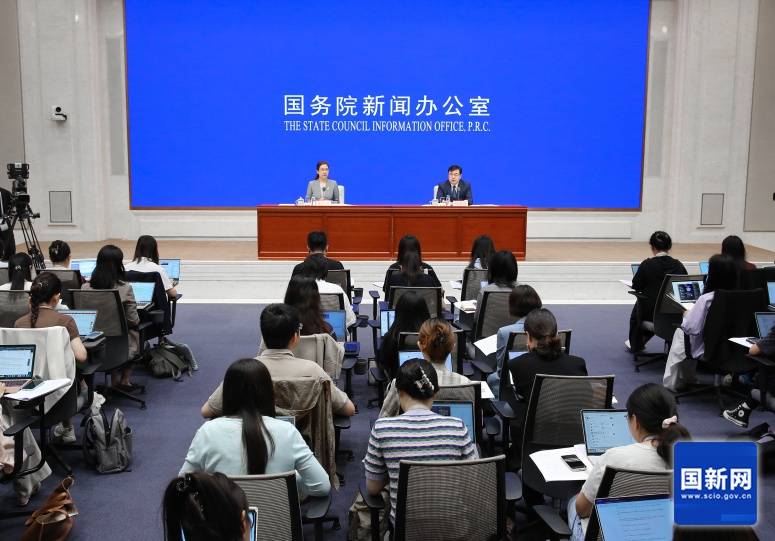
国家统计局:我国投资空间潜力依然巨大
Yang Shi Wang· 2025-08-15 04:18
Group 1 - Fixed asset investment in China grew by 1.6% year-on-year from January to July, showing a decline compared to the first half of the year, with actual growth around 4%-5% after adjusting for price factors [1] - Manufacturing investment increased significantly, with a year-on-year growth of 6.2%, driven by the construction of a manufacturing powerhouse and upgrades in traditional manufacturing [1][2] - Investment in high-end industries saw substantial growth, with aerospace and equipment manufacturing up by 33.9%, and information services by 32.8% [2] Group 2 - Key infrastructure investments grew rapidly, with water management investment increasing by 12.6% and information transmission investment by 8.3% [2] - Investment in clean energy continued to expand, with solar, wind, nuclear, and hydropower investments collectively growing by 21.9% [2] - The overall investment scale in China is expanding, with a focus on high-quality development and optimizing the investment environment to stimulate private investment [3]
智洋创新等成立能源公司,含发电技术服务业务
Qi Cha Cha· 2025-08-14 05:54
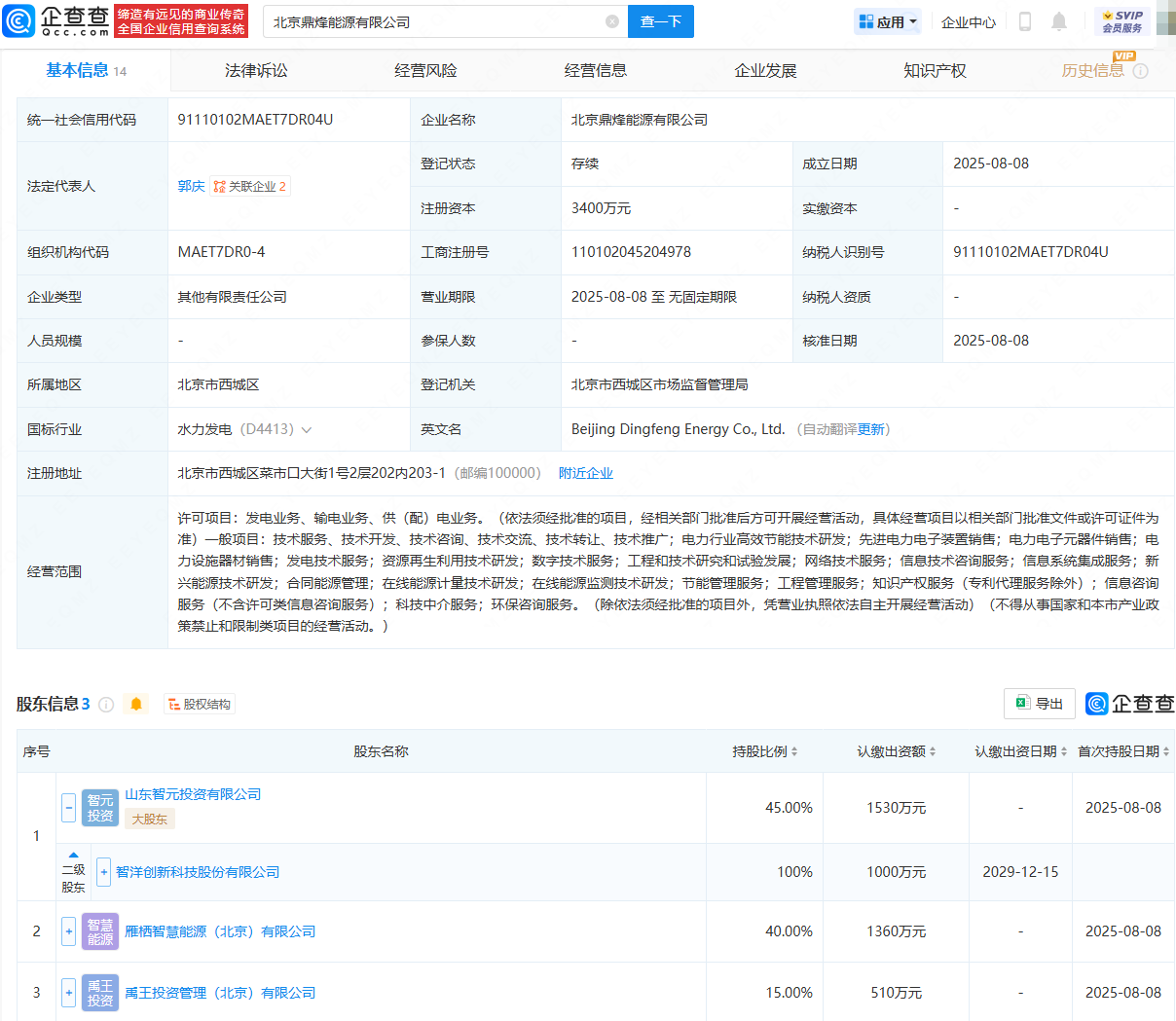
| | 股东信息3 ① ♠ □ 函 股权结构 | | | | | 제 클래 | | --- | --- | --- | --- | --- | --- | --- | | 序号 | | | 股东名称 | 持股比例 ÷ | 认缴出资额 # | 认缴出资日期 : | | | 智元 投资 | 山东智元投资有限公司 大股东 | | 45.00% | 1530万元 | | | | 二级 股东 | 智洋创新科技股份有限公司 | | 100% | 1000万元 | 2029-12-15 | | 2 | + | 智慧 雁栖智慧能源(北京)有限公司 能源 | | 40.00% | 1360万元 | | | 3 | + 博客 | 禹王投资管理(北京)有限公司 | | 15.00% | 510万元 | | 企查查APP显示,近日,北京鼎烽能源有限公司成立,法定代表人为郭庆,注册资本为3400万元,经营范围包含:发电业务、输电业务、供(配)电业务; 电力电子元器件销售;电力设施器材销售;发电技术服务等。企查查股权穿透显示,该公司由智洋创新(688191)全资子公司山东智元投资有限公司、雁栖 智慧能源(北京)有限公司等共同持股。 | ...

2025年中国水力发电行业现状报告-嘉世咨询
Sou Hu Cai Jing· 2025-08-11 04:44
Core Insights - The Chinese hydropower industry is transitioning from scale expansion to high-quality development, playing an irreplaceable strategic role in the national energy system [1][13] - Hydropower serves as a cornerstone for energy security, a key non-fossil energy source for achieving carbon neutrality goals, and a critical tool for comprehensive river basin management [1][18][20] Industry Overview - As of early 2025, the total installed capacity of hydropower in China is expected to exceed 420 million kilowatts, with pumped storage capacity surpassing 55 million kilowatts, indicating rapid growth [1][34] - The annual hydropower generation is stable at around 1.3 trillion kilowatt-hours, although its share in total electricity generation is slightly declining [1][35][38] - The distribution of hydropower resources is uneven, with Sichuan, Yunnan, and Hubei leading in installed capacity [1][39] Industry Development Stages - The development of the hydropower industry has gone through three stages: foundational exploration, large-scale construction, and optimization for high-quality development [1][21][25] - The focus has shifted from rapid expansion to optimizing existing assets and enhancing operational efficiency through technological innovation and digital transformation [1][25][16] Market Dynamics - The market is dominated by state-owned enterprises, with specialized companies like Yangtze Power performing exceptionally well [2] - The industry faces challenges such as ecological and environmental pressures, complex resettlement issues, and seasonal fluctuations in generation [2][14] - Opportunities include the integration of hydropower with wind and solar energy, expansion of pumped storage, and the revaluation of existing assets [2][16] Industry Chain Analysis - The upstream sector is led by China Power Construction and China Energy Engineering, which dominate planning and engineering construction [1][42] - The midstream sector is characterized by manufacturers like Harbin Electric and Dongfang Electric, achieving significant domestic production of turbine generators [1][42] - The downstream sector focuses on operations led by companies like Yangtze Power, addressing power consumption issues through the "West-to-East Power Transmission" project [1][42] Future Outlook - The industry is expected to strengthen top-level planning, improve market mechanisms, and innovate ecological compensation and benefit-sharing mechanisms [2] - Companies are encouraged to undergo strategic transformations, accelerate digitalization, and prioritize ESG management [2]

2025年7月通胀数据点评:PPI同比触底
CMS· 2025-08-09 15:37
Group 1: CPI Analysis - In July 2025, the CPI increased by 0.4% month-on-month and remained flat year-on-year at 0.0% due to significant pressure from food prices[2] - Core CPI, excluding food and energy, rose to 0.8%, the highest in 17 months, indicating effective domestic demand policies[2] - Vegetable prices saw a significant decline due to high base effects from the previous year, while pork prices continued to drop due to weak terminal demand[2] Group 2: PPI Analysis - In July 2025, the PPI decreased by 3.6% year-on-year and by 0.2% month-on-month, marking a continued decline in the mining and raw material processing industries[2] - The coal mining and oil extraction sectors were the largest contributors to the PPI decline, with mining industries showing a year-on-year drop of 14.0%[2] - The report anticipates a slight recovery in PPI in August, projecting a year-on-year rate around -3%, influenced by high base effects from the previous year[2] Group 3: Future Outlook - The report suggests that while CPI may rise above 0 in August, energy prices remain a significant constraint on overall inflation recovery[2] - The ongoing weak demand in the mid and downstream sectors is expected to limit the positive impact of anti-involution policies on PPI[2] - The effectiveness of domestic policies in stimulating demand will be crucial for any significant recovery in PPI throughout the year[2]