纺织品

Search documents
2025服贸会|借助服贸会平台 绍兴放大“文化会展名城”声量
Bei Jing Shang Bao· 2025-09-11 13:05
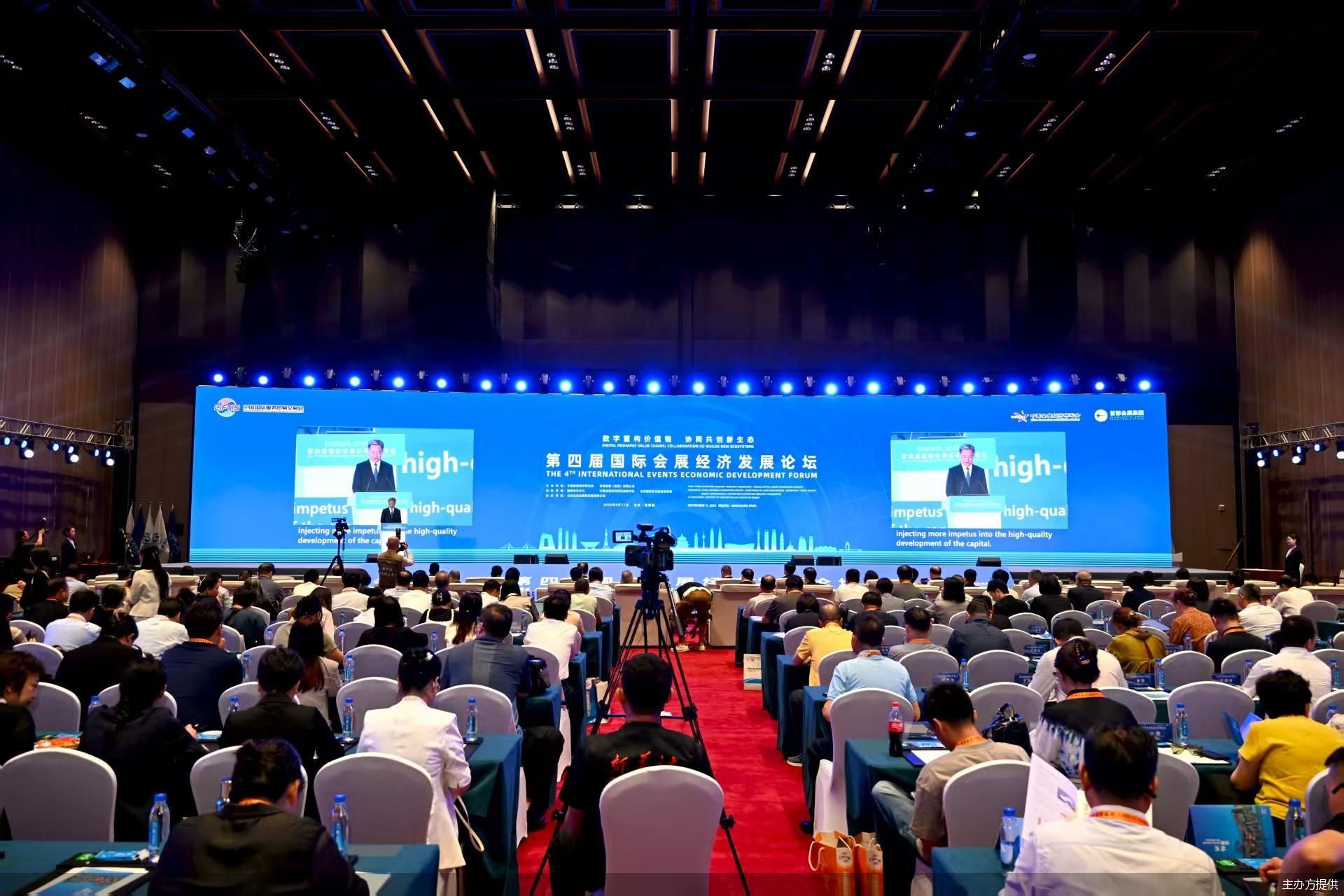
Group 1 - The fourth International Convention and Exhibition Economic Development Forum was held during the 2025 China International Service Trade Fair, showcasing Shaoxing's innovative achievements in the exhibition economy [1] - Shaoxing has established a cluster of five professional exhibition venues, with a total construction area of 491,000 square meters, centered around the Shaoxing International Convention and Exhibition Center [1][3] Group 2 - The exhibition economy is becoming a strong engine for urban industrial and cultural innovation, with Shaoxing focusing on both traditional and emerging exhibition brands to facilitate its transformation from a "textile city" to a "new industrial powerhouse" [3] - Shaoxing is leveraging a "cultural IP + exhibition scene" model to create unique exhibition brands, enhancing visitor engagement and integrating culture with exhibitions [3] Group 3 - Shaoxing is a key city in the Yangtze River Delta and a national historical and cultural city, recognized as the largest production base for chemical fiber fabrics and dyeing, as well as a major center for freshwater pearls and socks [5] - The city has developed a modern industrial system characterized by three traditional industries (textiles, chemicals, metal processing) and four emerging industries (high-end equipment, modern medicine, new materials, and electronic information) [5] Group 4 - Shaoxing aims to use exhibitions as a means to support national open strategies, with plans to attract over 7,773 international buyers from 80 countries during the 2025 Spring Textile Expo, achieving an intended order value of 369 million yuan [5] - The city plans to organize 300 groups and 3,000 enterprises to participate in domestic and international exhibitions, having already sent 236 groups and 2,139 enterprises, achieving an intended transaction value of 370 million USD [5] Group 5 - Future development plans include establishing 3-5 high-level international exhibition projects in collaboration with international organizations over the next three years, enhancing Shaoxing's international exhibition brand influence [6] - Key tasks include strengthening "industry + culture" dual-feature exhibition IP, creating a smart exhibition ecosystem powered by digital technology, and integrating into the Yangtze River Delta exhibition economy [6]

最后48小时,美国将对印度加税,下一个轮到中国?中方反制已就绪
Sou Hu Cai Jing· 2025-09-07 09:46
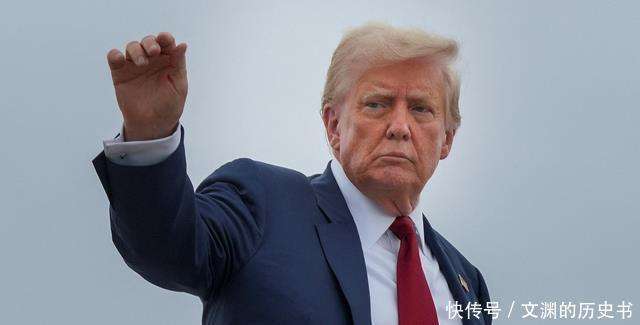
Group 1 - The US-India trade conflict is escalating, with a 50% punitive tariff on Indian goods set to take effect in 48 hours, raising global market concerns [1] - The US is reportedly shifting its focus to China, potentially imposing tariffs as high as 200% on critical products like rare earths [1][7] - India's response to the US tariffs has been strong, with the government preparing a countermeasure list that includes increasing tariffs on US agricultural products [7] Group 2 - The conflict's roots lie in energy geopolitics, particularly India's refusal to join US sanctions against Russia, leading to a 12-fold increase in oil imports from Russia in the first half of 2023 [3] - The US has implemented a rare 50% cumulative tariff on Indian textiles, jewelry, and agricultural products, citing unfair trade practices [5] - The US's strategic anxiety is evident as it attempts to rebuild its rare earth supply chain, which is heavily reliant on China, controlling over 80% of global supply [7] Group 3 - The trade battle highlights three key characteristics: tariffs as a universal tool for the Trump administration, a strategy to divide emerging markets, and China's proactive approach in securing its supply chains [7] - China's Ministry of Commerce has stated its readiness to counter any form of trade bullying, showcasing its strategic preparedness [7] - China is accelerating cooperation with ASEAN and Africa to build a more secure supply chain network for rare earths [7]
新华锦:鲁锦集团本次司法冻结股份61万股、司法标记股份18492万股
Mei Ri Jing Ji Xin Wen· 2025-09-05 11:31
Group 1 - The controlling shareholder of Xinhua Jin, Shandong Lujin Import and Export Group Co., Ltd., holds 185,532,352 shares, accounting for 43.27% of the total shares of the company [1] - A total of 612,352 shares are judicially frozen, and 184,920,000 shares are marked, which together account for 100% of the shares held by the controlling shareholder and 43.27% of the company's total shares [1] - For the first half of 2025, the revenue composition of Xinhua Jin is as follows: hair products 61.93%, e-commerce 21.37%, textiles 14.87%, others 1.81%, and graphite 0.01% [1] Group 2 - As of the report, the market capitalization of Xinhua Jin is 2.6 billion [2]

美印关税大战升级,印度加码俄油进口,能源自主助力制造业崛起
Sou Hu Cai Jing· 2025-09-03 23:57
Group 1 - The U.S. has imposed additional tariffs of up to 25% on Indian exports, raising the total tax burden on Indian goods to nearly 50% [1] - The tariffs are seen as a tool in the geopolitical struggle between the U.S. and India, particularly in the context of India's growing ties with Russia [1][5] - India's oil imports from Russia have surged nearly fourfold since 2023, making Russia its largest oil supplier, which provides India with leverage against U.S. pressure [5][9] Group 2 - India's exports to the U.S. increased by 19% in 2024, indicating a growing market share that the U.S. is attempting to counteract through tariffs [3] - The Indian economy has shown explosive growth in domestic consumption, reducing reliance on U.S. orders [6] - India's export structure is diverse, with textiles, chemicals, pharmaceuticals, and jewelry, allowing for flexibility in shifting orders to other markets [8] Group 3 - The U.S. is facing economic challenges, including a slowdown in growth and manufacturing, prompting a need to direct pressure towards India [3][9] - Trump's hardline approach is partly driven by the upcoming election year, aiming to project a strong image to voters [9] - India's strategic autonomy allows it to resist U.S. pressure, as it has been reducing its dependence on the dollar for transactions, opting for local currencies in trade with Russia [14][20] Group 4 - The geopolitical landscape is shifting, with India capitalizing on low-priced Russian oil amidst Western sanctions on Russia, which has stabilized domestic oil prices and reduced inflation [9][16] - India's recent agreements with Middle Eastern buyers to expand oil procurement channels indicate a strategy to enhance energy security and reduce reliance on any single supplier [20] - The ongoing trade tensions reflect a broader trend of global supply chain reconfiguration, with India learning from China's past experiences in navigating U.S. tariffs [16][20]

特朗普:印度削减关税提议“为时已晚”
Hua Er Jie Jian Wen· 2025-09-01 23:04
Core Viewpoint - President Trump believes India's proposal to reduce tariffs to zero is "too late" and should have been made years ago [1] Trade Relations - The current U.S. tariffs on Indian goods have increased to 50% as a punitive measure for India's purchase of Russian oil, doubling the previous rate of 25% [1] - This new tariff affects over 55% of India's exports to the U.S., with labor-intensive sectors like textiles and jewelry being the most impacted [1] - Major export products such as electronics and pharmaceuticals remain unaffected, allowing companies like Apple to continue their investment plans in India [1] Diplomatic Context - India's officials were reportedly shocked by the new tariff measures, especially after months of trade negotiations between the two countries [1] - India is one of the first countries to engage in trade talks with the Trump administration [1] - Prime Minister Modi's recent meeting with President Putin highlights India's strong ties with Russia, despite U.S. pressure [1] - Modi emphasized the "special" relationship between India and Russia, indicating India's commitment to maintaining economic relations with Moscow [1]
健盛集团:累计回购股份数量约为580万股
Mei Ri Jing Ji Xin Wen· 2025-09-01 08:25
Group 1 - The company, Jian Sheng Group, announced a share buyback of approximately 5.8 million shares, accounting for 1.64% of its total share capital, with a total expenditure of about 53.8 million yuan [1] - The highest and lowest prices for the shares during the buyback were 9.73 yuan and 8.78 yuan per share, respectively [1] - As of the report date, Jian Sheng Group has a market capitalization of 3.3 billion yuan [1] Group 2 - For the fiscal year 2024, the company's revenue composition is primarily from textiles, which account for 98.81% of total revenue, while other businesses contribute 1.19% [1]

墨西哥推翻对华承诺,计划在下个月跟美国一起,对中国加征关税
Sou Hu Cai Jing· 2025-09-01 03:19
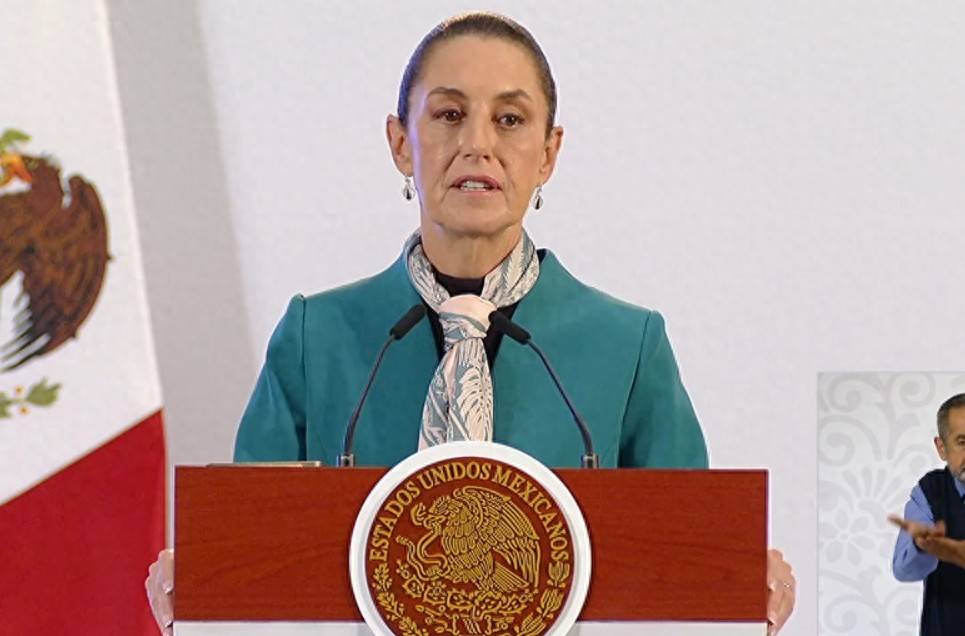
Group 1 - The Mexican government plans to include new tariffs on Chinese imports in its 2026 budget proposal, contradicting previous statements about not restricting Chinese imports [2][4] - Mexico is the second-largest trading partner of China in Latin America, and the recent shift in policy indicates pressure from the U.S. [2][4] - The U.S. has been applying significant pressure on Mexico, threatening tariffs on Mexican goods unless Mexico complies with U.S. demands to impose tariffs on Chinese products [4][6] Group 2 - Mexico's automotive industry heavily relies on Chinese components, with 35% of parts for vehicles exported to the U.S. sourced from China, leading to potential cost increases if tariffs are imposed [6][11] - The proposed tariffs could result in a 12% increase in costs for the automotive sector, affecting profitability and potentially leading to job losses [6][11] - If the tariffs are enacted, exports from China to Mexico in categories like automobiles and home appliances could decline by 15%-20% by 2026, further straining the Mexican economy [11] Group 3 - Mexico's decision to align with U.S. trade policies may damage its credibility in Latin America, especially as other countries like Brazil and Argentina continue to cooperate with China [9][13] - The potential for job losses in Mexico could range from 50,000 to 80,000 positions, exacerbating an already tight employment market [11][13] - The article suggests that Mexico could benefit more from deepening cooperation with China rather than engaging in a trade war, highlighting the importance of maintaining stable supply chains [13][15]
特朗普失算!莫迪四次拒接电话,印度不再妥协,硬刚美国关税大棒
Sou Hu Cai Jing· 2025-08-30 01:01
Core Points - India has adopted a notable "cold treatment" towards the U.S. by ignoring multiple phone calls from President Trump, signaling a shift in its diplomatic strategy and a desire for greater autonomy on the global stage [2][3] - The cancellation of the U.S. trade delegation visit further emphasizes India's strategic pivot towards multilateral platforms like BRICS and the Shanghai Cooperation Organization, indicating a move away from reliance on the U.S. [3] - India's response to U.S. tariffs has been robust, with the imposition of punitive tariffs reaching up to 50%, significantly impacting key export sectors such as textiles, pharmaceuticals, and automotive parts [5][7] - The Indian government has introduced a $2.7 billion export subsidy plan to mitigate the effects of U.S. tariffs and is promoting domestic consumption through initiatives encouraging citizens to "buy Indian" [7][9] - India is actively seeking to diversify its trade relationships, evidenced by its increased contributions to the BRICS New Development Bank and efforts to negotiate free trade agreements within South Asia [9][12] - The agricultural sector remains a critical area for India, with the government firmly opposing U.S. demands to open its dairy market, as this would threaten the livelihoods of millions of farmers [11] - India's energy strategy includes a strong reliance on Russian oil, which is cheaper than Middle Eastern alternatives, and efforts to reduce dependence on the U.S. dollar for energy transactions [11][12] - The trade relationship between India and the U.S. is under strain, with the bilateral trade target of $500 billion by 2030 now appearing unrealistic, while cooperation with China and Russia is gaining momentum [12][13] - The U.S. may have underestimated India's resilience and the speed of global geopolitical shifts, as India seeks to assert its independence in the face of unilateral U.S. policies [13][15] - The evolving dynamics suggest that India is no longer a passive partner to the U.S., but rather is pursuing its own strategic interests in a multipolar world [15]
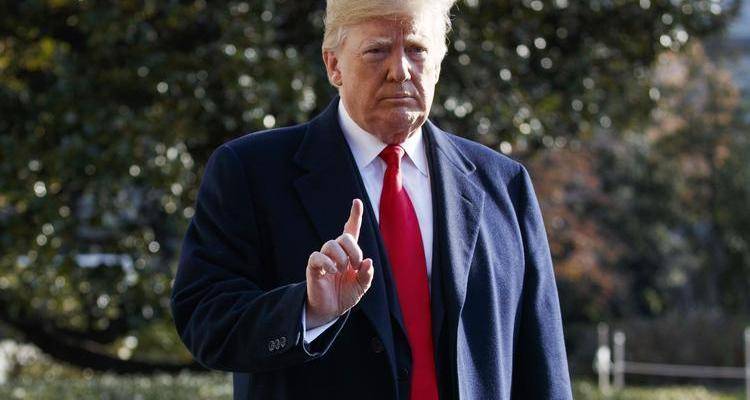
墨西哥拟提高对华商品关税,涵盖汽车、纺织品和塑料等产品
Guo Ji Jin Rong Bao· 2025-08-29 16:46
Core Viewpoint - The Mexican government plans to increase tariffs on imports from China in its 2026 budget proposal, targeting goods such as automobiles, textiles, and plastics to protect domestic manufacturers from competition [1][3]. Group 1: External Pressures - The decision reflects Mexico's struggle in the US-China trade conflict and the urgent need for domestic industry protection and transformation [3]. - Continuous pressure from the US government has been a significant external factor, with demands for stricter tariffs on Chinese imports to align trade policies with the US [3]. - The concept of a "North American fortress" has been proposed to limit imports from China while strengthening trade ties among the US, Mexico, and Canada [3]. Group 2: Domestic Industry Protection - The policy is also driven by domestic industry demands, as Mexico aims to reduce reliance on imports from China and other Asian countries [4]. - Mexican industry associations have petitioned the government to raise tariffs to balance market competition, particularly in sectors like automotive parts and textiles [4]. - Analysts suggest that increasing tariffs on Chinese goods could boost Mexico's revenue and help control the budget deficit [4]. Group 3: Trade Dynamics - China has become Mexico's second-largest source of imports after the US, with automobiles, textiles, and plastics accounting for over one-third of these imports [6]. - The Mexican market for Chinese automobiles has seen explosive growth, with Mexico surpassing Russia as the top export market for Chinese cars [6]. - Chinese automotive brands are competitive due to lower prices and extended warranty periods, which could be impacted by the proposed tariff increases [7]. Group 4: Potential Consequences - Implementing higher tariffs could significantly increase the tax burden on Chinese automobiles and parts, potentially eroding their price advantage in Mexico [7]. - However, this protectionist measure may also lead to higher raw material costs for Mexico's downstream manufacturing sector, which relies heavily on Chinese intermediate goods, potentially raising inflation and weakening global competitiveness [7].
野村首席观点 | Sonal Varma:美国对印度加征50%关税影响几何?
野村集团· 2025-08-29 09:38
Core Viewpoint - The cumulative tariff rate imposed by the US on Indian goods has reached 50%, which includes a 25% retaliatory tariff and a 25% punitive tariff, effective from August 27 [3][4]. Economic Impact - The GDP growth forecast for India in FY2026 has been revised down from 6.2% to 6.0% due to the impact of higher tariffs, assuming the punitive tariffs last only three months [3][6]. - If the tariffs remain at 50% for the entire FY2026, the GDP impact could be approximately 0.4 percentage points, or an annualized rate of 0.8 percentage points [6]. - The US is India's largest export destination, accounting for nearly 20% of total exports (approximately $86.5 billion), which represents about 2.2% of FY2025 GDP [6]. - Key export sectors affected include electronics, textiles, gems and jewelry, pharmaceuticals, chemicals, industrial machinery, and household goods [6]. Response Measures - The Indian government is expected to implement targeted fiscal and credit support, including an "export promotion plan" worth ₹250 billion (approximately 0.07% of GDP) to mitigate the impact of higher tariffs [7]. - Monetary and liquidity support is anticipated, with expectations of rate cuts in October and December due to moderate inflation and slowing growth [7]. - Reforms are being introduced, including changes to the Goods and Services Tax (GST) and a new income tax bill aimed at simplifying tax laws [7]. - In the medium term, India is expected to focus on diversifying its export markets [7].