
啤酒

Search documents
爱马仕投资Lanificio Colombo;海伦司拟回购股份
Sou Hu Cai Jing· 2025-11-09 13:51
Investment Dynamics - Hermès has acquired a 15% stake in Italian fabric manufacturer Lanificio Colombo, which specializes in cashmere and rare animal fibers [3] - In Q3 of the current fiscal year, Hermès reported a 5% increase in sales, reaching €3.9 billion, with the leather goods sector performing particularly well [3] - Hermès plans to invest over €1 billion in the next three years to build three new leather workshops in France to meet the growing demand for handbags [3] Brand Dynamics - Lianhua Supermarket announced the sale of its entire stake in Yangpu Century Lianhua to a subsidiary of Bailian Group, while continuing to manage and support the brand post-sale [8] - Lavazza has opened its first coffee shop in Hong Kong, expanding its presence in major Chinese cities since establishing a joint venture in 2020 [14] Financial Performance - E.l.f. Beauty reported a 14% increase in net sales for Q2 2026, reaching $343.9 million, with adjusted net income of $40.7 million, slightly below the previous year [17] - Coty reported a 6% decline in net revenue for Q1 2026, totaling $1.577 billion, with a 19% drop in net profit compared to the previous year [19] Personnel Changes - Tory Burch appointed Joëlle Grunberg as North America President, who has extensive experience in the fashion and luxury goods sector [21] - Carlsberg Group welcomed Torsten Steenholt as the new Executive Vice President and member of the Executive Committee, focusing on supply chain integration [27]


食品饮料行业周报:周观点:茅台披露分红回购方案,把握底部配置机遇-20251109
GOLDEN SUN SECURITIES· 2025-11-09 09:15
Investment Rating - The report maintains an "Overweight" rating for the food and beverage industry, indicating a positive outlook for investment opportunities in this sector [4]. Core Insights - The report highlights that Kweichow Moutai has announced a mid-term dividend and share buyback plan, reflecting confidence in the company's growth and commitment to shareholder returns. The proposed dividend is 23.957 yuan per share, totaling 30 billion yuan, which represents 66.08% of the net profit for the first half of 2025 [2]. - The report notes that the sales performance of Moutai's products has shown improvement in September and October, suggesting a recovery in demand for premium liquor. The overall pressure on liquor sales is expected to ease, with a gradual release of genuine demand as prices stabilize [2][3]. - In the beer and beverage sector, the introduction of innovative products like "Xiao Piao" by China Resources Beer and the steady growth of Uni-President's Q3 performance indicate a positive trend in the market. Uni-President reported a net profit of 2.013 billion yuan for the first three quarters of 2025, a year-on-year increase of 23.1% [3]. Summary by Sections White Wine - Kweichow Moutai's mid-term dividend and buyback plan is a significant indicator of the company's confidence and shareholder value focus. The stock's current dividend yield is 3.76% based on projected profits [2]. - The report emphasizes that the sales pressure in the white wine sector has peaked, with expectations for demand recovery as prices return to value [2]. Beer and Beverage - The beer segment is entering a seasonal lull, but the report suggests focusing on companies with strong growth potential and significant product contributions, such as Yanjing Beer and Zhujiang Beer [3]. - The beverage sector is characterized by intense competition, with Uni-President's Q3 results showcasing resilience and growth potential in a challenging market [3]. Food - The high-end retail market is recovering, with significant sales growth reported in various regions, indicating a rebound in consumer confidence and spending [4]. - The report suggests that advancements in technology sectors like AI and chips are likely to drive consumption upgrades in the food industry [4].

市场风格有望再平衡,货币政策或加速放松
Sou Hu Cai Jing· 2025-11-08 10:49
Focus Review - China's October export performance was disappointing, with a year-on-year decline of 1.1%, significantly below the market expectation of 3% growth, and a previous increase of 8.3% [1] - Imports grew by 1% in October, down from a previous increase of 7.4%, resulting in a trade surplus of $90.07 billion, slightly lower than the previous $90.45 billion [1] - For the first ten months of 2025, China's total goods trade maintained steady growth, with a total value of $520.46 billion, a year-on-year increase of 2.7%, including exports of $308.47 billion (up 6.2%) and imports of $211.99 billion (down 0.9%) [1] Equity Market - Morgan Asset Management expressed an optimistic outlook for risk assets over the next 6 to 18 months, supported by healthy consumer balance sheets, gradual easing of Federal Reserve monetary policy, and ongoing fiscal stimulus [1] - CITIC Construction Investment is bullish on resource products, anticipating price increases driven by global monetary easing, supply-demand gaps, and domestic replenishment cycles [2] - China Europe Fund suggests that the market's struggle around the 4000-point mark reflects policy signals, increased risk appetite, and long-term capital inflows, with a focus on technology and economic cycle resonance investment opportunities [3] Industry Research - CITIC Securities highlighted that 2026 will be a critical year for the asset-liability repair of Chinese real estate companies, with expectations of a long-term profit bottom for some firms [4] - Guotai Junan Securities noted that the liquor industry is undergoing an accelerated clearing adjustment, with inventory levels decreasing rapidly after reaching a bottom, suggesting potential price rebounds [6] - Penghua Fund is optimistic about the domestic economy over the next two to three years, supported by low interest rates and a shift in asset allocation towards equities, favoring high-quality dividend assets [6] Macro and Fixed Income Market - Huatai Securities recommended a focus on medium to short-term credit bonds, with a preference for bonds with strong demand and good odds [7] - CICC anticipates continued downward pressure on exports, necessitating more policy support, with expectations for accelerated monetary policy easing [8] - Bosera Fund noted that the central bank's actions to ease funding fluctuations and a friendly domestic financial policy environment support improvements in the bond market supply-demand structure [8] Asset Allocation Outlook - As of November, domestic liquidity is expected to remain relatively loose, with potential fluctuations in external Federal Reserve rate cut expectations, leading to a possible rebalancing of market styles back to a barbell structure [9]


食品饮料行业2026年投资策略:在变革中构筑韧性,于分化中把握先机
EBSCN· 2025-11-08 08:26
Group 1: Core Insights - The food and beverage sector, particularly the liquor segment, has been undergoing adjustments since 2021, with the white liquor sector experiencing significant changes since May 2025, leading to a market sentiment shift [5][7][40] - The white liquor industry is expected to continue its adjustment phase into 2026, with a focus on left-side allocation opportunities as the sector's average dividend yield is around 3.5% and the price-to-earnings ratio is below 20 times [5][40] - The beer industry is shifting towards scenario-based expansion, with a focus on non-consumption channels and cross-category growth as the market matures [5][56][74] Group 2: White Liquor Sector - The white liquor sector has faced a negative revenue growth rate of 4.9% in Q2 2025, with a further decline of 18.4% in Q3 2025, indicating a significant pressure release in the industry [13][19] - Major brands like Guizhou Moutai and Wuliangye have reported declining revenues, with Moutai's TTM revenue at 178.6 billion and a growth rate of 8.1%, while Wuliangye's revenue has decreased by 10% from its peak [20][23] - The next high-end liquor brands are also experiencing substantial revenue drops, with brands like Jiu Gui Jiu and She De Jiu Ye seeing declines of 77% and 36% respectively from their peak revenues [27][32] Group 3: Consumer Goods Sector - The consumer goods sector, particularly in beer, is witnessing a slowdown in the high-end market, with companies focusing on expanding their distribution channels and product categories to seek growth [5][56] - The condiment market is facing weak demand in the B-end restaurant sector, while the C-end is showing a clear trend towards health and convenience, with companies like Yihai International focusing on high dividend yields and overseas market expansion [5][80][90] - The dairy sector is seeing a gradual improvement in sales, particularly in low-temperature products, with companies like Yili and New Dairy focusing on enhancing their operational performance [92][94]




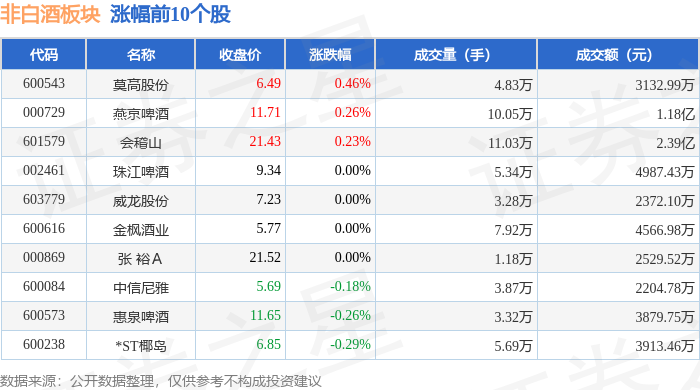
非白酒板块11月7日跌0.18%,*ST兰黄领跌,主力资金净流出5448.84万元
Zheng Xing Xing Ye Ri Bao· 2025-11-07 08:41
Market Overview - On November 7, the non-liquor sector declined by 0.18% compared to the previous trading day, with *ST Lanhuang leading the decline [1] - The Shanghai Composite Index closed at 3997.56, down 0.25%, while the Shenzhen Component Index closed at 13404.06, down 0.36% [1] Stock Performance - Notable stock performances in the non-liquor sector included: - Mogao Co., Ltd. (600543) closed at 6.49, up 0.46% with a trading volume of 48,300 shares and a turnover of 31.33 million yuan [1] - Jiu You Limited (000729) closed at 11.71, up 0.26% with a trading volume of 100,500 shares and a turnover of 118 million yuan [1] - Huaiqiang Mountain (601579) closed at 21.43, up 0.23% with a trading volume of 110,300 shares [1] - *ST Lanhuang (000929) closed at 8.63, down 1.82% with a trading volume of 30,400 shares and a turnover of 26.38 million yuan [2] Capital Flow - The non-liquor sector experienced a net outflow of 54.49 million yuan from institutional investors, while retail investors saw a net inflow of 38.48 million yuan [2] - The capital flow for specific stocks showed: - Zhujiang Beer (002461) had a net inflow of 4.25 million yuan from institutional investors, but a net outflow of 3.61 million yuan from retail investors [3] - *ST Lanhuang experienced a net outflow of 1.70 million yuan from institutional investors [3]


重庆啤酒20251106
2025-11-07 01:28
Summary of the Conference Call for Chongqing Beer Industry Overview - The beer industry is experiencing a slight decline in overall sales for 2025, but specific brands such as Carlsberg, Fenghua Xueyue, Lebao, and Wusu are showing growth [2][6] - The company is focusing on high-end product development, with a significant emphasis on products priced above 4 RMB [2][9] Key Points and Arguments Brand Performance - Carlsberg continues to grow in the South China market [2][6] - Fenghua Xueyue has achieved double-digit growth after nationwide promotion [2][6] - Lebao remains the company's second-largest product, continuing its growth trend [2][6] - Wusu brand is maintaining high-end pricing and positive growth both inside and outside Jiangsu, with an estimated sales volume of 730,000 to 740,000 tons in 2024 and expected growth in 2025 [2][7] Market Dynamics - The company is segmented by geographic latitude, with significant growth in Xinjiang, where market share exceeds 90% [10][11] - The South China region is outperforming the Central region [11] Cost and Margin Outlook - A decrease in costs is expected to significantly contribute to gross margins in 2025, although the rate of decline is anticipated to narrow in 2026 [2][13] - The company typically locks in pricing and volume for the next year by January, with preliminary indications suggesting continued cost reduction in 2026, albeit at a lower rate than in 2025 [13] Product Innovation and New Channels - The company is actively exploring new retail channels and product innovations, launching over 30 new products in 2025, including tea-flavored beer and low-alcohol variants [4][14] - The introduction of one-liter canned products is a key focus for 2026 [4][14] Consumer Trends and Challenges - The decline in the economy segment (priced below 4 RMB) is noted, but it represents a small portion of total sales (approximately 3%) [9] - The overall consumption environment is under pressure, impacting mainstream product categories [3][8] Financial Health and Dividend Policy - The company maintains a 100% dividend policy, with a strong cash flow position supporting this strategy [4][19] - The depreciation from the new Foshan factory, which began operations in August 2024, is expected to increase from 40 million RMB in 2024 to over 90 million RMB in 2025, impacting costs [4][19] Future Outlook - The company remains cautious about 2026, with no clear recovery signs yet, but anticipates potential adjustments based on demand recovery [5][14] - Despite concerns over profit declines, the company is viewed as having a strong defensive position in the A-share market, with expectations for gradual improvement in the dining scene [20] Additional Important Insights - The company is adapting to new retail trends, including instant retail and O2O models, to enhance marketing and brand development [3] - The impact of the recent alcohol regulations on sales has been managed effectively, with strategies in place to stabilize sales [17][18]

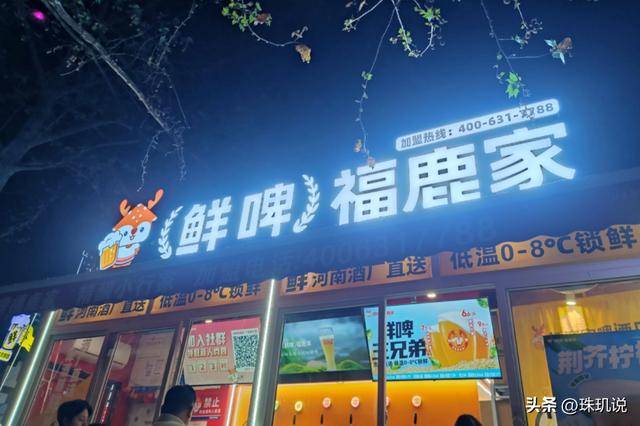
狂砸3亿!蜜雪冰城收购利润107万福鹿家,和蜜雪利润差4000倍图啥
Sou Hu Cai Jing· 2025-11-06 13:05
Core Viewpoint - The article discusses the strategic move of Mixue Ice City to enter the beer market by acquiring a lesser-known craft beer brand, Fulu Family, as a response to the slowing growth in the milk tea industry [3][25]. Industry Analysis - The growth rate of the new tea beverage market is projected to decline from 44.3% in 2023 to 12.4% by 2025, prompting major brands to close stores and indicating a market ceiling [3]. - The craft beer market in China is expected to approach 100 billion by 2025, with an annual growth rate exceeding 30%, potentially surpassing 200 billion by 2030 [5]. Company Strategy - Mixue Ice City invested 285.6 million to increase its stake in Fulu Family to 53%, indicating a calculated move to diversify its revenue streams [5]. - The relationship between Mixue and Fulu Family is strengthened by personal ties, as the CEO of Mixue is married to the actual controller of Fulu Family, which reduces the risks associated with cross-industry ventures [7]. Fulu Family's Business Model - Fulu Family transitioned from a convenience store to a craft beer brand in 2022, rapidly expanding to 1,200 stores within three years by adopting a low-barrier franchise model [10]. - The initial investment to open a Fulu Family store is only 60,000, significantly lower than the 210,000 required for a Mixue store, making it attractive for small entrepreneurs [12]. - Fulu Family's pricing strategy positions its craft beer between 5.9 to 10 yuan, making it accessible and appealing to a broader audience [12]. Target Market - Fulu Family targets young women aged 18-35 with lower alcohol content and sweeter flavors, avoiding direct competition with traditional beer brands [14]. Supply Chain Advantage - Fulu Family benefits from Mixue's cold chain logistics, reducing spoilage rates from the industry average of 8% to below 3%, enhancing product freshness and distribution capabilities [16]. Challenges Ahead - Despite rapid expansion, Fulu Family's profitability remains low, with a projected net profit of only 1.07 million in 2024 compared to Mixue's 4.45 billion, indicating a need for a sustainable profit model [17]. - The consumption scenarios for beer are more limited compared to milk tea, which could restrict sales volume [19]. - Fulu Family lacks the delivery advantages that propelled the milk tea market, leading to higher marketing costs and slower consumer recognition [21]. Long-term Vision - Mixue's acquisition of Fulu Family aims to create a comprehensive beverage ecosystem, offering coffee in the morning, milk tea at noon, and beer in the evening [23]. - The success of this strategy will depend on Fulu Family's ability to innovate and build its brand, as consumer expectations for beer differ significantly from those for milk tea [23].

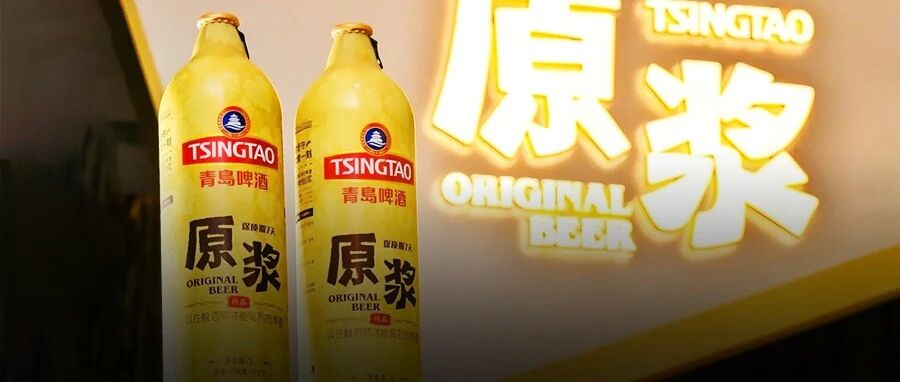
“反内卷”重塑消费底层逻辑 即时鲜享买“对”才是双十一
市值风云· 2025-11-06 10:09
Core Viewpoint - The article discusses how Qingdao Beer is leveraging its fresh product offerings to capture the Double Eleven market, moving away from the previous low-price competition to focus on quality and emotional connection with consumers [3][4][5]. Group 1: Market Trends - The Double Eleven shopping festival has evolved from impulsive buying to a more rational shopping approach, with consumers now prioritizing quality and emotional needs over low prices [3][4]. - The concept of "anti-involution" has reshaped consumer behavior, leading to a focus on quality, service, and price balance among merchants [4][5]. Group 2: Quality and Pricing - The term "quality-price ratio" has gained popularity, with nearly 94% of consumers preferring high-quality products over low-priced options [6][8]. - Qingdao Beer emphasizes strict quality control in its production process, adhering to principles that preserve the beer's fresh taste and nutritional value [8]. Group 3: Emotional Connection - The target demographic for Qingdao Beer includes young professionals aged 25-39, who seek high-quality drinking experiences that align with their emotional needs [9][11]. - Qingdao Beer positions its fresh beer as a means to relieve workplace stress and enhance emotional well-being, creating a strong emotional resonance with consumers [11]. Group 4: Instant Delivery - The rise of "instant retail" has been fueled by platforms like JD and Taobao, allowing consumers to receive products within 30 minutes, which aligns with the emotional needs of young professionals [12][14]. - Qingdao Beer has established a "fresh delivery" network, ensuring that its products reach consumers quickly while maintaining quality, with coverage in over 30 cities [15]. Group 5: Consumer Insights - The purchasing behavior of Qingdao Beer’s main consumer group reflects a strong preference for emotional consumption, with a significant portion of sales coming from high-income urban areas [11][15]. - The brand's ability to adapt to changing consumer trends and preferences positions it as a leader in the market, offering valuable insights for other fast-moving consumer goods brands [15].
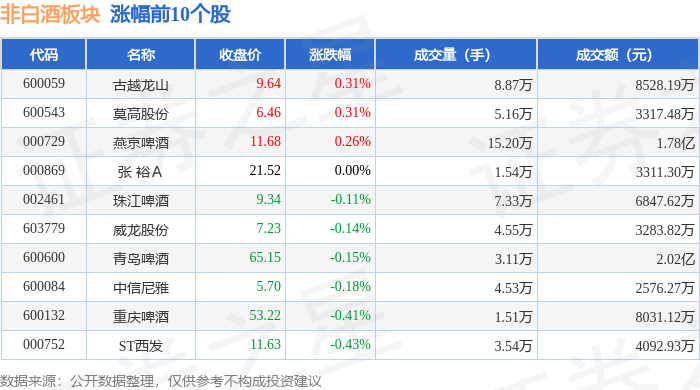
非白酒板块11月6日跌0.55%,会稽山领跌,主力资金净流出9984.02万元
Zheng Xing Xing Ye Ri Bao· 2025-11-06 08:51
Market Overview - The non-baijiu sector experienced a decline of 0.55% on the previous trading day, with Kuaijishan leading the drop [1] - The Shanghai Composite Index closed at 4007.76, up 0.97%, while the Shenzhen Component Index closed at 13452.42, up 1.73% [1] Stock Performance - Kuaijishan (601579) saw a significant drop of 3.52%, closing at 21.38, with a trading volume of 168,100 shares and a turnover of 364 million yuan [2] - Other notable declines included Zhirun Co. (002568) down 2.53% and ST Yedao (600238) down 1.86% [2] - In contrast, stocks like Guyue Longshan (600059) and Mogao Co. (600543) showed slight increases of 0.31% [1] Capital Flow - The non-baijiu sector experienced a net outflow of 99.84 million yuan from institutional investors, while retail investors saw a net inflow of 70.17 million yuan [2] - The overall capital flow indicates a mixed sentiment, with retail investors showing more confidence compared to institutional investors [2] Individual Stock Capital Flow - Guyue Longshan (600059) had a net inflow of 3.50 million yuan from institutional investors, while retail investors had a net outflow of 5.42 million yuan [3] - Kuaijishan (601579) faced a significant net outflow of 4.06 million yuan from institutional investors, indicating a bearish sentiment [3] - Zhangyu A (000869) saw a net inflow of 6.35 million yuan from retail investors, suggesting some interest despite the overall market trend [3]
中信证券:白酒底部已来,啤酒需求待回暖
Ge Long Hui· 2025-11-06 07:48
Core Viewpoint - The liquor industry, particularly the baijiu sector, has faced significant challenges since 2025, with stock prices underperforming major indices due to slow recovery in domestic consumption and tightening of banquet-related policies. The industry is expected to reach a fundamental bottom in the second half of 2025, with a potential recovery in 2026 [1][2][6]. Baijiu Industry Performance - Since the beginning of 2025, the CITIC Baijiu Index has decreased by 4.6%, significantly underperforming the CSI 300 and Wind All A indices by 22.5 percentage points and 30.9 percentage points, respectively. Only Zhenjiu Lidu has seen a positive increase of 32% [2][6]. - In Q3 2025, listed baijiu companies reported a total revenue of 78.7 billion yuan, a year-on-year decline of 18.4%. Excluding Moutai, the revenue drop was 31.5%. The net profit attributable to shareholders was 28.1 billion yuan, down 22.1%, and a 47.7% decline when excluding Moutai [2][3]. Future Outlook for Baijiu - The second half of 2025 is anticipated to be the bottom for the baijiu industry's fundamentals, characterized by the weakest sales, lowest prices, and most pessimistic market expectations. A recovery in sales, prices, and expectations is expected in early to mid-2026, with a potential stabilization in company performance by Q2 2026 [3][6]. - The current price-to-earnings ratio for the baijiu sector is approximately 20x, reflecting a long-term bottom and significant pessimism in market expectations. Leading companies have been increasing shareholder returns, with dividend rates generally above 65% [3][4]. Beer Industry Outlook - The beer industry is undergoing a transition from price to quality, facing challenges such as fragmented consumer demand and channel changes. The revenue and profit for the beer sector are expected to remain flat or slightly decline in 2026 due to these factors and weak recovery in consumption [4][7]. - Companies that effectively respond to industry trends and manage their channels are likely to strengthen their market positions despite the anticipated cost increases in the coming year [4][7].
