
石油

Search documents
中东地缘风险溢价重塑欧洲货币政策预期?
第一财经· 2026-03-04 09:59
Core Viewpoint - The ongoing tensions in the Middle East have disrupted the energy supply chain, particularly through the Strait of Hormuz, leading to significant price increases in energy products, with WTI crude oil prices rising over 13% to $76 and European natural gas futures surging by over 40% [3][4]. Group 1: Energy Price Impact - The shipping through the Strait of Hormuz is effectively stalled due to increased insurance premiums and withdrawal of coverage for vessels, indicating that the main barrier is psychological rather than physical, expected to last for several days [6]. - If the conflict escalates into a regional war, oil prices are likely to continue rising, posing significant economic challenges for net oil-importing countries due to increased energy costs affecting real income and trade balances [8]. - The rise in energy prices is expected to lead to uncertainty and instability, which will translate into higher energy prices, lower economic growth expectations, and volatility in financial markets [7][10]. Group 2: Central Bank Policy Considerations - The European Central Bank (ECB) is currently in a wait-and-see mode regarding monetary policy adjustments, with potential changes depending on the duration of the energy price surge [4]. - If energy prices remain elevated for an extended period, the risk of a second-round effect could trigger adjustments in interest rates, complicating the ECB's plans for potential rate cuts [4][8]. - The current energy price fluctuations are critical in determining the ECB's monetary policy trajectory, especially if broader inflation rates rise above 2% due to oil price shocks [7][10]. Group 3: Geopolitical Risk and Market Sentiment - Geopolitical risks are becoming structural factors influencing investment cycles, with energy price volatility and inflation uncertainty expected to dominate market trends [10][11]. - Historical patterns suggest that even if conflicts resolve quickly, market perceptions of risk will persist for some time, indicating a sustained geopolitical premium in the market [11]. - The U.S. political landscape may influence military actions in the Middle East, with potential implications for market stability and investor sentiment as the midterm elections approach [11][12].

大崩溃 | 谈股论金
水皮More· 2026-03-04 09:08
Market Overview - The A-share market experienced a collective decline, with the Shanghai Composite Index falling by 0.98% to close at 4082.47 points, the Shenzhen Component down 0.75% to 13917.75 points, and the ChiNext Index dropping 1.41% to 3164.37 points. The total trading volume in the Shanghai and Shenzhen markets was 238.82 billion, a decrease of 76.98 billion from the previous day [3][5]. Key Influences - The significant drop in the South Korean market, with a 12% decline in one day and an 18% drop over two days, has had a substantial negative impact on the Hang Seng Index and, consequently, the A-share market. The protective funds that previously supported the market have largely exited, indicating a need for market risk and panic to be fully released before re-entering [5][7]. Sector Performance - Traditional protective sectors such as banking, insurance, and telecommunications experienced collective declines, contributing to the overall market downturn. Notably, the performance of the "three oil giants" showed significant divergence, with Sinopec and CNOOC experiencing notable declines, while PetroChina initially rose by about 5% before hitting a trading halt and eventually closing slightly up by 0.68% [5][6]. Commodity Market Dynamics - Internationally, oil prices continued to rise, while gold prices have seen consecutive declines, with silver dropping by 10%. This reflects a market dynamic where precious metals are under pressure while oil prices remain elevated due to ongoing geopolitical tensions, particularly in the Strait of Hormuz [6]. Market Sentiment and Future Outlook - The Shanghai Composite Index has fallen below 4100 points, approaching the 4000-point value center, which may become a new support level. The potential for protective funds to re-enter the market is contingent on the reduction of panic and selling momentum [7][8]. - Key observations for the near term include developments in the Iranian situation and the performance of global markets, particularly the U.S. stock market, which could influence A-shares. The market showed signs of adjustment, with 1655 stocks rising and approximately 3500 declining, indicating a significant contraction in trading volume to 2.3 trillion [8][9].
霍尔木兹海峡是“战争之眼”
经济观察报· 2026-03-04 08:49
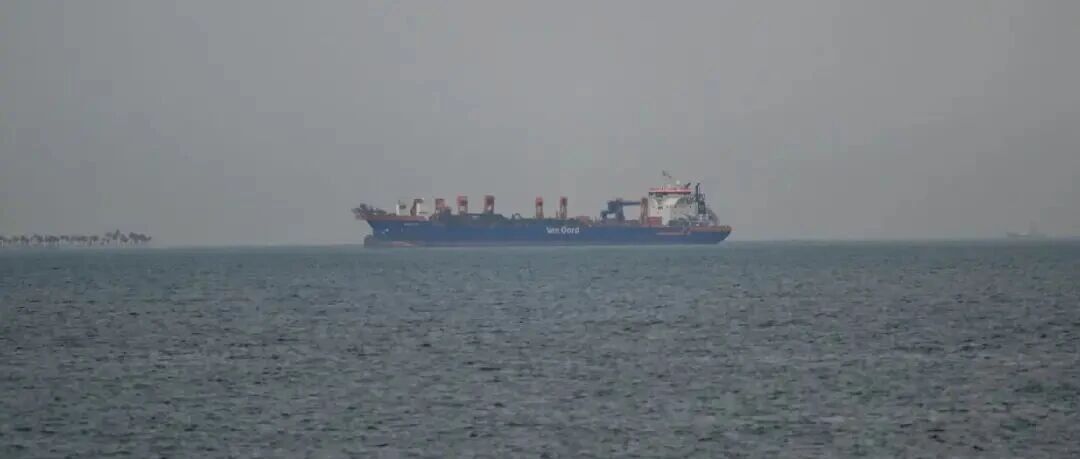
由政治、经济、军事、金融、文化等因素构成的复杂的国际关 系对全球油价有强硬、强大的平衡能力。伊朗虽然扼住了国际 能源通道的要冲,但其凭一己之力,要想把原油价格打上200 美元/桶高位,很难。 作者:王义伟 封图:东方IC 中国人熟知的狼人杀游戏有一句经典的开场白:"天黑请闭眼。" 在笔者看来,霍尔木兹海峡就是2月28日爆发的美以伊战争的"战争之眼"。伊朗军方第一时间封锁海峡就是一次切断重要能源通道的"闭眼"行动。如 果该海峡持续处于关闭状态,对全球经济包括中国经济的发展,都将产生一定程度的负面影响。 所幸的是,到目前为止,伊朗军方封锁霍尔木兹海峡对全球油价的影响,没有外界预想的那么大。 布伦特原油价格是全球油价最重要的指数。战争爆发前一天的2月27日,布伦特原油收盘价为73.16美元,较前一个交易日涨3.3%。战争爆发之后, 布伦特原油开始上涨,但涨幅与战争的烈度呈现落差。截至笔者撰写此稿的3月4日上午9时50分,布伦特原油的价格在82美元/桶之上。 3月2日,伊朗伊斯兰革命卫队总司令高级顾问易卜拉欣·贾巴里公开表示,伊朗军方不但关闭了霍尔木兹海峡,还将袭击输油管道,"(伊朗)绝不允 许一滴石油流出该地区,油 ...
刚刚,伊朗发射40多枚导弹!资金大逃离!AI交易,彻底熄火!
券商中国· 2026-03-04 08:14
Core Viewpoint - The article discusses the significant rise in oil prices due to geopolitical tensions in the Middle East, particularly following Iran's control over the Strait of Hormuz and missile attacks on U.S. and Israeli targets, leading to a sell-off in AI and other high-risk assets [1][2][3]. Group 1: Oil Price Surge - International oil prices have surged over 4.5%, with WTI crude oil futures rising 2.86% to $76.69 per barrel and Brent crude oil futures increasing 3.07% to $84.90 per barrel as of March 4 [1]. - Since the beginning of the week, both WTI and Brent crude oil have seen price increases exceeding 14% [1]. Group 2: Impact on AI Stocks - The escalating situation in Iran has led to a massive sell-off of AI and other popular assets, with overseas investors selling approximately $3.1 billion worth of South Korean stocks this week [2]. - Major companies like Samsung Electronics and SK Hynix have experienced declines of nearly 20%, with Samsung facing its worst two-day drop in nearly fifty years [2]. Group 3: Market Reactions - The Korean benchmark Kospi index saw a drop of over 12%, marking its worst trading day on record, reflecting a broader cautious sentiment in the market [3]. - The South Korean won fell 3.3% against the U.S. dollar, the largest single-day decline since 2009 [3]. Group 4: Geopolitical Concerns - The U.S. military's capability to provide escort for oil tankers through the Strait of Hormuz has been questioned, with limited naval resources available for such operations [5]. - The Strait of Hormuz is critical for global oil transport, accounting for about 20% of the world's oil shipments, and any disruption could significantly impact global energy supplies [5].
石油股连涨两日后回调
第一财经· 2026-03-04 07:51
Core Viewpoint - The recent surge in oil prices is showing signs of cooling, influenced by geopolitical tensions and market responses to U.S. policy announcements regarding maritime security in the Middle East [3][4]. Group 1: Oil Market Dynamics - As of March 4, international oil prices experienced fluctuations, with WTI and Brent crude futures rising by 1.3% and 1.6% respectively, but the growth rate has slowed compared to previous trading days [3]. - The Chinese A-share market reflected this trend, with major oil companies experiencing significant declines, including Sinopec down by 5.37% and CNOOC down by 1.29% [3]. - The U.S. administration's announcement of providing political risk insurance for maritime trade aims to bolster market confidence, although the implementation of such measures will require time [3][4]. Group 2: Geopolitical Influences - The ongoing escalation of tensions in the Middle East has led to a halt in oil and LNG transportation through the Strait of Hormuz, a critical route for global energy supply, accounting for approximately 20% of global energy transport [4]. - Key oil exporting countries, including Saudi Arabia and Iraq, have seen significant disruptions, with Saudi exports exceeding 5.3 million barrels per day and Iraq's Rumaila oil field being shut down [5]. - The potential for Iran to engage in indiscriminate attacks is viewed as counterproductive, as it would adversely affect its own interests and those of other nations reliant on the Strait [5]. Group 3: Price Volatility and Market Reactions - The oil market has experienced a notable increase in prices, with international crude futures rising nearly 12% over two days, while Asian LNG prices surged by approximately 40% and European gas prices by about 50% [5]. - Analysts suggest that the risk premium associated with the Middle East will likely persist, supporting or even driving up global oil and gas prices amid ongoing conflict and uncertainty [5].

伊朗打出封锁海峡“底牌”,代价几何?
日经中文网· 2026-03-04 07:30
Core Viewpoint - The article discusses the potential implications of Iran's blockade of the Strait of Hormuz, a critical maritime route for global oil supply, and the resulting geopolitical tensions that could affect various countries, including those friendly to Iran like China [2][9]. Group 1: Geopolitical Tensions - Iran's Revolutionary Guard announced the blockade of the Strait of Hormuz, threatening to attack passing vessels, which could escalate tensions and further isolate Iran [2][4]. - The Strait of Hormuz is a vital passage for approximately 20% of global oil demand, with its narrowest point being only 33 kilometers wide [4]. - The U.S. has denied the blockade but has been actively working to diminish Iran's naval capabilities, with President Trump claiming the destruction of 10 Iranian vessels [4][6]. Group 2: Economic Implications - The blockade could lead to significant economic and financial repercussions for Gulf Arab states, as they rely on the Strait for oil and LNG transportation [9]. - Iran's economy, already strained by U.S. sanctions, could worsen if the blockade halts trade through the Strait, particularly affecting the Bandar Abbas port, which accounts for 50% of Iran's trade [8]. - Increased insurance costs for vessels navigating high-risk areas are reported, indicating a rising financial burden on shipping companies due to the geopolitical instability [9]. Group 3: International Reactions - The blockade serves as a pressure tactic by Iran to influence global oil prices and assert its position against the U.S. and its allies [6][9]. - Countries that are friendly to Iran, including China, may also face challenges in oil procurement due to the blockade, potentially leading to broader economic impacts [9]. - The situation could lead to heightened anti-Iran sentiment among neighboring Gulf states, complicating regional dynamics further [9].
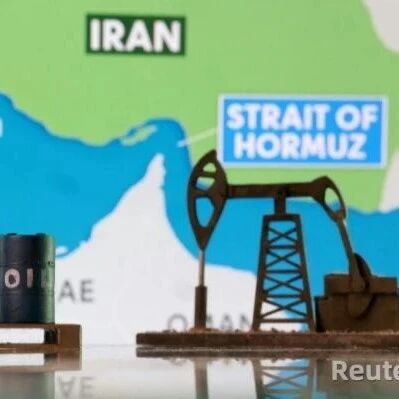
恐慌升级!泰国,停牌!韩国,熔断!霍尔木兹海峡,传来最新消息!
券商中国· 2026-03-04 07:13
Market Overview - The Asia-Pacific stock market is experiencing extreme panic, with the Thai SET index plummeting by 8%, triggering a trading halt. The MSCI Asia-Pacific index dropped by 2%, and the Nikkei 225 fell by over 4%. The South Korean Composite Index saw a significant decline, triggering a circuit breaker, with a drop of nearly 13% at one point, accumulating a total decline of nearly 20% over two days [1][2][3]. Geopolitical Concerns - A recent Allianz survey indicated that over half of the more than 3,000 corporate respondents believe geopolitical conflicts leading to global supply chain disruptions are the most likely "black swan" events in the next five years. Other concerns include global network interruptions and potential crises involving major financial institutions or sovereign debt, which could trigger liquidity crises and severe market volatility [3]. Oil Supply Disruptions - Reports indicate that over 150 oil tankers are currently stranded outside the Strait of Hormuz, with shipping companies and insurers refusing to allow vessels to traverse the conflict zone, resulting in a significant disruption of global oil and gas supply routes. This situation has led to a drastic reduction in oil tanker traffic, with only one vessel passing through on March 3, a drop of over 95% from normal levels [4]. Market Reactions and Future Outlook - Despite the escalating situation, the market has not yet shown signs of panic. Analysts suggest that the current oil crisis differs from the 1970s due to reduced dependence on oil in developed countries and increased production from the U.S. and other regions. Additionally, the U.S. government may release strategic oil reserves to combat inflation ahead of the midterm elections [4].

全国人大首场发布会来了!|聚焦两会
清华金融评论· 2026-03-04 07:08
Core Viewpoint - The article discusses the agenda and key points of the 14th National People's Congress, emphasizing the importance of the "15th Five-Year Plan" and various legislative initiatives aimed at promoting economic growth, environmental protection, and social welfare. Group 1: Legislative Agenda - The conference will review 11 key items, including the government work report, the draft of the 15th Five-Year Plan, and various legislative proposals such as the Ecological Environment Law and the National Development Planning Law [4][6][7]. - The "15th Five-Year Plan" is crucial for achieving socialist modernization and will be implemented through a legal framework to ensure national unity and effective governance [6][7]. Group 2: Economic Development - By 2025, China's retail sales of consumer goods are expected to exceed 50 trillion yuan, with consumption contributing 52% to economic growth [9]. - The government plans to enhance domestic demand and consumer spending through various initiatives, including improving public services and promoting high-quality employment [10]. Group 3: Environmental Legislation - The Ecological Environment Law aims to integrate existing environmental laws into a comprehensive legal framework, enhancing the protection of ecological systems and promoting sustainable development [12][13]. - The law will address climate change and support green development, reflecting the need for a robust legal system to safeguard the environment [12][14]. Group 4: International Relations - The article highlights the importance of stable Sino-U.S. relations, emphasizing mutual respect and cooperation to address global challenges [14][15]. - China aims to strengthen ties with neighboring countries and enhance regional stability through diplomatic engagement and legislative collaboration [26][27]. Group 5: Support for Private Economy - The Private Economy Promotion Law has been implemented to create a favorable environment for private enterprises, with over 150 supporting measures introduced [28][29]. - The law aims to boost innovation and competitiveness among private firms, ensuring their significant role in the economy [28][29]. Group 6: Hong Kong's Role - Hong Kong's position as an international financial center is being reinforced, with significant investments and initiatives aimed at integrating it into the national development strategy [30][31]. - The central government plans to further support Hong Kong's unique advantages and its role in the broader economic landscape [30][31].

每日市场观察-20260304
Caida Securities· 2026-03-04 06:07
Market Performance - On March 3, the Shanghai Composite Index fell by 1.43%, the Shenzhen Component Index dropped by 3.07%, and the ChiNext Index decreased by 2.57%[2] - The total trading volume in the Shanghai and Shenzhen markets exceeded 3.1 trillion yuan, an increase of over 100 billion yuan compared to the previous day[1] Sector Analysis - The oil and petrochemical, shipping ports, and coal sectors showed resilience, while over 4,800 stocks in the market declined[1] - The top three sectors for capital inflow were refining and trade, shipping ports, and gas, while the semiconductor, industrial metals, and IT services sectors saw the largest outflows[3] Economic Indicators - China's economic output reached 140 trillion yuan, maintaining a leading growth rate among major economies[4] - The corporate credit index for January was reported at 161.79, indicating a stable credit environment with two-thirds of industries showing an increase[5] Consumer Trends - The 2026 National Consumption Promotion Month was launched to enhance consumer spending and optimize policies for replacing old goods[6] Fund Market Activity - The public fund issuance market showed signs of recovery, with 43 new funds planned for release this week, a 19.44% increase from the previous week[12]

申万期货品种策略日报-原油甲醇-20260304
Shen Yin Wan Guo Qi Huo· 2026-03-04 05:10
20260304申万期货品种策略日报-原油甲醇 | | | | | 申银万国期货研究所 董超 (从业编号F3030150 投资咨询号Z0012596) dongchao@sywgqh.com.cn 021-50583880 | | | | | --- | --- | --- | --- | --- | --- | --- | --- | | | | SC近月 | SC次月 | WTI近月 | WTI次月 | Brent近月 | Brent次月 | | | 前日收盘价 | 475.0 | 488.4 | 65.47 | 65.36 | 70.97 | 70.87 | | | 前2日收盘价 | 480.0 | 483.6 | 65.57 | 65.47 | 71.21 | 71.01 | | | 涨跌 | -5.0 | 4.8 | -0.10 | -0.11 | -0.24 | -0.14 | | | 涨跌幅 | -1.04% | 0.99% | -0.15% | -0.17% | -0.34% | -0.20% | | | 成交量 | 1 | 144,312 | 280,847 | 137,433 | 138, ...