金融

Search documents
双轮驱动,并购迎高质量发展新阶段
Guo Ji Jin Rong Bao· 2025-12-31 15:43
Group 1: Market Overview - The global M&A market shows signs of recovery in 2025, with China's M&A market experiencing a fundamental reshaping of rules, leading to a near doubling of the number of M&A approvals and a significant increase in major restructuring transaction volume compared to the past six years [1] - In 2025, the number of disclosed M&A events by A-share companies reached 4,044, with 147 major asset restructuring projects, a year-on-year increase of 44.12%, and the number of major asset restructuring approvals was 29, nearly doubling from 2024 [3] - The global M&A market in 2025 saw a transaction value of approximately $4.5 trillion, a nearly 50% year-on-year increase, marking the second-highest in history [7] Group 2: Policy Environment - The "14th Five-Year Plan" emphasizes a positive positioning for M&A and restructuring, aiming to support listed companies in transformation and upgrading, enhancing market efficiency through a set of policy measures [2] - The new "National Nine Articles" and "M&A Six Articles" are expected to create a policy environment that encourages industrial mergers and enhances market efficiency [2] Group 3: Sector Trends - The technology sector is becoming a focal point for M&A, with significant activity in areas such as AI, quantum computing, and advanced materials, driven by the need for companies to enhance operational efficiency and innovate [6] - The healthcare sector is also seeing increased M&A activity, particularly in biotech companies with breakthrough therapies, as well as in digital health and telemedicine, driven by rising demand for innovative treatments [9] Group 4: Future Outlook - In 2026, the M&A market is expected to benefit from continued policy optimization, with a focus on technology empowerment and industrial integration, particularly in traditional industries undergoing digital transformation [5][6] - The capital market is anticipated to support M&A activities through improved refinancing mechanisms, with a focus on high-quality assets and sectors such as new energy, innovative pharmaceuticals, and infrastructure [10][11]
全年收官,A股表现亮眼
Tebon Securities· 2025-12-31 14:16
Market Overview - The A-share market performed excellently in 2025, with the Shanghai Composite Index closing up 18.4% for the year, while the Shenzhen Component Index rose by 29.9% and the ChiNext Index surged nearly 50% [5][6] - The trading volume remained robust, with daily transactions consistently above 2 trillion yuan, indicating strong market liquidity [5][6] Sector Performance - The commercial aerospace sector led the market, with significant gains in stocks such as Aerospace Chuangxin and Beidou Xintong, driven by successful satellite launches [6] - The non-ferrous metals sector also showed strength, with Zijin Mining forecasting a net profit of 51-52 billion yuan for 2025, representing a year-on-year increase of 59%-62% [6][7] Bond Market Analysis - The bond futures market experienced a decline across all maturities, with the 30-year contract dropping 5.62% for the year [9] - The central bank's liquidity measures, including a net injection of 502.8 billion yuan, indicate a stable monetary policy environment [9] Commodity Market Insights - The commodity market showed mixed results, with basic metals performing well while precious metals experienced increased volatility [9][10] - Nickel prices rose by 2.44% on December 31, 2025, influenced by Indonesia's plans to significantly reduce nickel ore production [10] Investment Themes - Key investment themes include commercial aerospace, artificial intelligence applications, and the resurgence of consumer spending driven by the appreciation of the yuan [11][13] - The report suggests a continued focus on sectors with strong growth potential, such as technology and resource cycles, as the market trends towards a slow bull phase [13]

美联储要花2000亿?买股票得看这事
Sou Hu Cai Jing· 2025-12-31 13:07
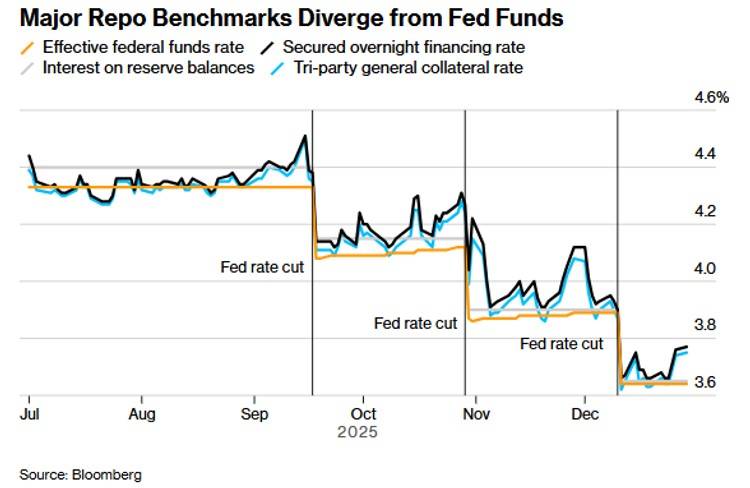
Core Viewpoint - The Federal Reserve's announcement of over $200 billion in "reserve management purchases" is seen as a signal of market changes, but the real determinant of stock price movements is the active trading behavior of institutional investors rather than the news itself [1][9]. Group 1: Institutional Trading Behavior - The significant price increase of Vitamin D3 from 56 yuan/kg to 265 yuan/kg (a 360% increase) did not uniformly benefit all related stocks, with 23 out of 73 stocks declining, highlighting that institutional trading activity is crucial for stock price movements [4][5]. - Institutional investors' early engagement in trading can lead to substantial stock price increases even before positive news is released, as demonstrated by a specific vitamin stock that saw its price double after institutions began trading before the price hike announcement [5][7]. - Conversely, stocks that did not see early institutional activity failed to benefit from subsequent positive news, with one stock's price halving despite the announcement of favorable conditions [7][9]. Group 2: Importance of Monitoring Institutional Activity - The $200 billion from the Federal Reserve serves as a market signal, but the focus should be on whether institutions are actively trading the stocks held [9]. - A case study illustrates that an investor lost 30% by purchasing a stock without institutional activity despite positive news, while another stock with active institutional trading yielded a 20% gain, emphasizing the importance of monitoring institutional engagement [9]. - The market does not always react positively to good news or negatively to bad news; the key is to identify stocks with active institutional trading, which can be facilitated by data tools that reveal trading characteristics [9].

美元霸权在摇晃!特朗普2.0重塑全球货币格局,今年美元贬值10%只是开始?
Sou Hu Cai Jing· 2025-12-31 12:31
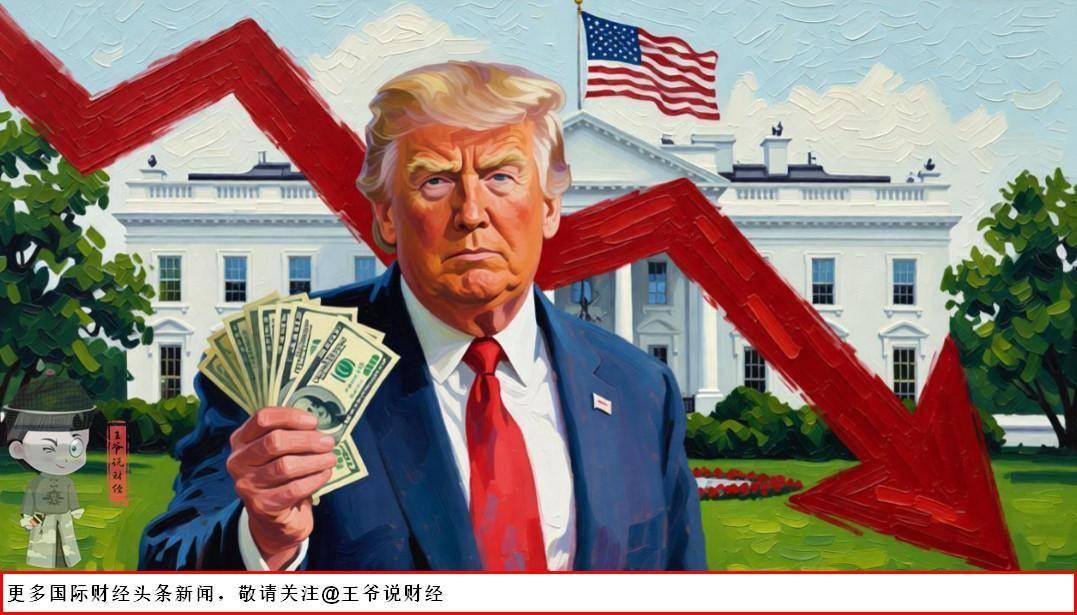
王爷说财经讯:你敢信吗?2025年12月31日,特朗普重返白宫执政满一年的节点,美元交出了一份"贬值10%"的成绩单! 从年初美元指数110的高位,一路震荡跌至年末的97左右,创下2017年以来的最差年度表现。 什么情况会让曾经的"全球货币霸主"一年跌去10%?是特朗普政策的刻意推动,还是美国经济的必然结果?这波贬值接下来还会持续吗?咱们今天把这事扒 得明明白白。 01、特朗普2.0的第一年:美元下跌10%! 先把时间拉回2025年初,特朗普2.0时代正式开启,一上台就抛出两大核心政策:对外加征10%基准关税,对内施压美联储降息。 当时市场还在期待"强势美元回归",没成想这两大政策直接成了美元贬值的"导火索"。 数据不会说谎,上半年美元指数就狂跌10.8%,创下1973年以来同期最大跌幅,直接奠定了全年的弱势基调。 最终,在2025年一整年, 美元兑一篮子主要货币今年已大幅下挫9.5%,不仅创下近十年来最大年度跌幅;而欧元汇率飙升近14%,突破1.17关口,达到2021 年以来的最高水平。 这可不是小波动——全球贸易结算、你的海外购物、甚至手里的理财资产,都可能被这波贬值波及。 简单来说,货币就像商品,供应多 ...
沪指全年收涨创10年新高
第一财经· 2025-12-31 11:14
Core Viewpoint - The market shows resilience in bullish sentiment but is experiencing a decrease in upward momentum, indicating a rising demand for short-term adjustments [4]. Group 1: Market Performance - A total of 2,470 stocks rose while 2,768 stocks fell, indicating a market where more stocks are declining than rising, leading to a preference for profit-taking [5]. - The main sectors showing strength include commercial aerospace and AI applications, while sectors like pharmaceuticals, shipbuilding, batteries, oil, and semiconductors are underperforming [5]. Group 2: Capital Flow - There was a net outflow of 39.751 billion yuan from major funds, with a total trading volume of 0.5 trillion yuan, reflecting a significant decrease of 4.75% [6]. - Investor sentiment is cautious, with a tendency to "cash out" as the year ends, leading to a market driven primarily by existing capital rather than new inflows [6]. Group 3: Retail and Institutional Behavior - Retail investors showed a net inflow of 38.114 billion yuan, while institutions displayed a dual strategy of stabilizing the market and positioning for the upcoming year by reallocating funds into sectors like AI applications and hard technology [7]. - Retail investors are exhibiting a rational optimism, taking profits from high-positioned stocks while actively seeking opportunities in sectors supported by policy, such as commercial aerospace and undervalued financials [7].

中国—白俄罗斯服务贸易和投资协定正式生效
Zheng Quan Shi Bao Wang· 2025-12-31 09:24
Core Points - The "Agreement on Trade in Services and Investment between the Government of the People's Republic of China and the Government of the Republic of Belarus" will be signed on August 22, 2024, and will officially take effect on January 1, 2026 [1] - The agreement aims for high-level mutual openness in service trade and investment between China and Belarus, utilizing a positive list approach for service trade commitments [1] - Specific facilitation rules are established for seven key service sectors: telecommunications, transportation and logistics, finance, postal and express delivery, health, tourism and travel, and computing [1] - For non-service investment, a "pre-establishment national treatment plus negative list" model is adopted, along with comprehensive investment protection rules [1] - The agreement also includes provisions on temporary movement of natural persons, e-commerce, intellectual property, competition, small and medium-sized enterprises, and dispute resolution [1] - This agreement marks the first free trade agreement signed by China with a member of the Eurasian Economic Union, enhancing bilateral trade and investment cooperation potential between China and Belarus [1]
集智股份(300553.SZ):拟参与知识产权资产证券化融资事项
Ge Long Hui A P P· 2025-12-31 08:13
Core Viewpoint - The company aims to reduce financing costs and expand financing channels by participating in intellectual property asset securitization financing [1] Group 1: Financing Details - The company plans to pledge part of its intellectual property rights to Western Trust Co., Ltd. to secure financing [1] - The maximum amount of comprehensive credit applied for from Western Trust is not to exceed RMB 20 million, with a term of one year [1] - The company has entrusted Hangzhou United Rural Commercial Bank Co., Ltd. to provide guarantee for the aforementioned credit [1]

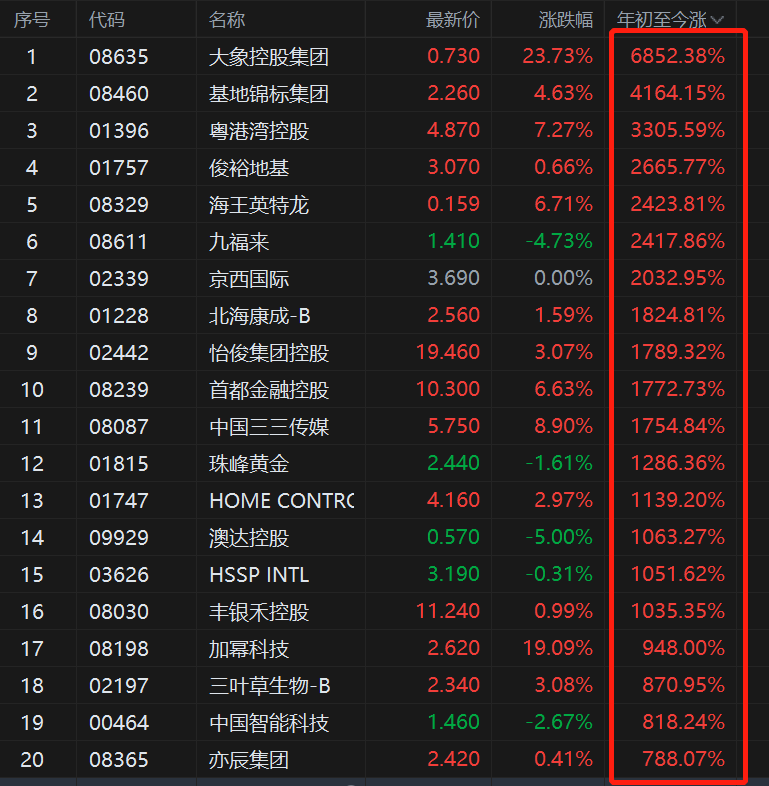
港股25年收官:细价股引领涨跌幅榜,其中大象控股集团暴涨6852.38%高居首位
Ge Long Hui· 2025-12-31 07:27
Core Viewpoint - The Hong Kong stock market has seen extreme gains in micro-cap stocks, with notable examples including Elephant Holdings Group, which surged by 6852.38%, highlighting a phenomenon of "survivorship bias" in the market [1]. Group 1: Stock Performance - Elephant Holdings Group (08635) experienced a price increase of 23.73% with a year-to-date gain of 6852.38% [1] - Base Champion Group (08460) saw a 4.63% rise, accumulating a year-to-date increase of 4164.15% [1] - Other significant gainers include Guangdong-Hong Kong Holdings (01396) with a 3305.59% increase, and Junyu Foundation (01757) with a 2665.77% rise [1] Group 2: Market Characteristics - The extreme percentage gains are attributed to a very low base price at the beginning of the year, allowing small amounts of capital to double stock prices, resulting in inflated percentage increases [2] - The price increases are primarily driven by trading factors such as speculative news, technical short squeezes, and concentrated shareholding rather than fundamental performance [2] - These stocks carry high risks due to low liquidity, making them susceptible to sharp declines after rapid increases, and the lack of transparency complicates investment decisions for ordinary investors [2]
房地产+地方债,金融如何“拆弹”?
Guo Ji Jin Rong Bao· 2025-12-31 07:05
Core Insights - The Chinese government is focusing on addressing deep-seated issues in the economy, particularly in real estate and local government debt, as part of its 2026 economic strategy [1][2] - The central economic work meeting emphasizes the need to stabilize the real estate market and manage local government debt risks in a coordinated manner [1][2] Group 1: Economic Strategy - The 2025 Central Economic Work Conference outlined eight key tasks, with a strong emphasis on risk management in critical areas [1] - The shift in policy focus from "stabilizing growth" to "stabilizing expectations and preventing systemic risks" reflects a strategic change in addressing economic challenges [3] Group 2: Real Estate and Local Debt Risks - The interconnection between real estate prices and local government debt is highlighted, indicating that declining property values exacerbate debt issues [2] - Local government debt is primarily linked to infrastructure projects that often lack adequate returns, leading to increased risk of defaults as property values fall [2] Group 3: Policy Changes - The approach to real estate management is shifting from demand-side stimulation to supply-side management, focusing on controlling new supply and reducing inventory [4] - The central government is encouraging local governments to take proactive measures in managing their debts, marking a significant policy shift [4] Group 4: Financial Institutions' Role - Financial institutions are expected to adopt a more nuanced approach to risk management, focusing on categorization and management of risks associated with real estate and local debts [7] - The need for financial institutions to transition from reliance on collateral to assessing cash flow is emphasized, particularly in urban renewal projects [7] Group 5: Long-term Implications - Addressing real estate and local government debt risks is seen as crucial for achieving a "financially strong nation" and realizing "Chinese-style modernization" [11] - The resolution of these risks is expected to enhance the transparency and resilience of the financial system, making it more robust against external shocks [11]
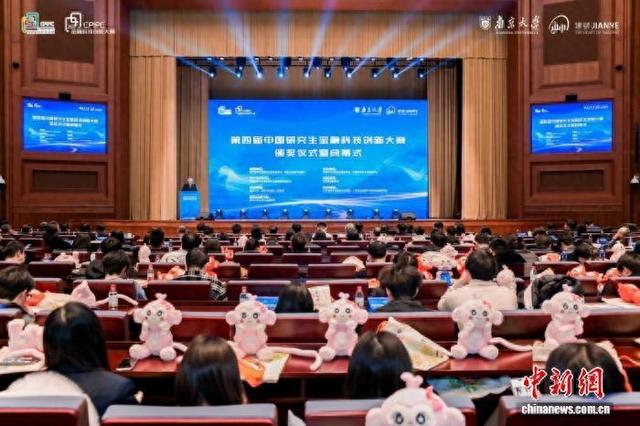
第四届中国研究生金融科技创新大赛在南京收官
Xin Lang Cai Jing· 2025-12-31 06:33
Group 1 - The fourth China Graduate Financial Technology Innovation Competition recently concluded in Nanjing, with 112 teams competing in the national finals, leading to the selection of champions and other awards [1][4] - The competition attracted 1,377 teams and 8,089 participants from 226 universities and research institutions, showcasing its strong brand influence and social recognition [2] - The competition introduced an innovative "problem-solving" main track, where 10 financial institutions presented 15 real business scenario challenges, significantly enhancing student engagement and collaboration across disciplines [3] Group 2 - The event aligns with regional development strategies, with Nanjing's Jianye District serving as a key financial center, providing a broad practical scene for the competition [3] - The competition has evolved into a distinctive brand event in China's graduate innovation practice competitions, serving as a benchmark for financial technology in universities [4] - Tsinghua University's Wudaokou School of Finance will continue to enhance the talent cultivation function of the competition, exploring integrated development paths in education, technology, and talent in the financial sector [5]