
咖啡

Search documents
出售中国区股权,星巴克CEO透露正对超20个意愿机构进行评估
Guo Ji Jin Rong Bao· 2025-07-30 15:07
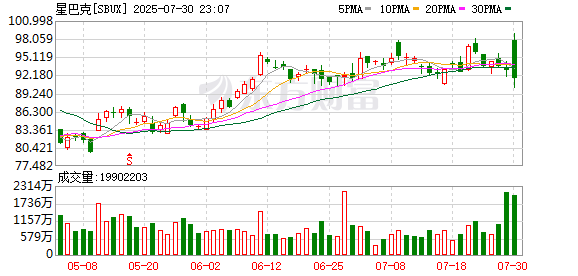
Core Viewpoint - Starbucks reported a total net revenue of approximately $9.456 billion for the reporting period, representing a year-on-year growth of 3.8%, while net profit attributable to shareholders fell by 47.1% to $558 million [1]. Financial Performance - Global comparable store sales decreased by 2%, and the global operating margin was 10.1% [1]. - In the Chinese market, same-store sales grew by 2%, with transaction volume increasing by 6%, but the average transaction value declined by 4% [3]. Strategic Moves in China - Starbucks is seeking strategic partners to sell part of its stake in the Chinese market, aiming to retain a significant portion of ownership [2][3]. - The valuation of Starbucks' Chinese business is reported to be as high as $10 billion, attracting nearly 30 private equity firms [3]. - Potential buyers include major domestic players and well-known investment firms, with Starbucks emphasizing the need for partners who can provide resources or expertise for growth in China [3]. Market Challenges - Starbucks faces increasing competition from local coffee brands like Luckin Coffee and Koolearn, which have surpassed Starbucks in revenue and store count [3]. - The coffee market in China is experiencing rapid growth, with a significant increase in per capita coffee consumption [3]. Changes in Business Strategy - Starbucks has increased its marketing efforts, including collaborations with popular brands and a price reduction on several key products, marking the first official price cut in 25 years [10]. - The company is also enhancing its "third space" concept by introducing free study rooms in some locations, aiming to differentiate itself from competitors [10]. - Starbucks is undergoing self-transformation to adapt to the evolving consumer preferences and competitive landscape in the Chinese coffee market [10]. Store Expansion - As of the end of the third quarter, Starbucks operated 7,828 stores in China, making it the third-largest brand in terms of store count in the Chinese coffee market, with 70 new stores opened in the quarter [8].


瑞幸咖啡,又爆了
Zhong Guo Ji Jin Bao· 2025-07-30 14:39
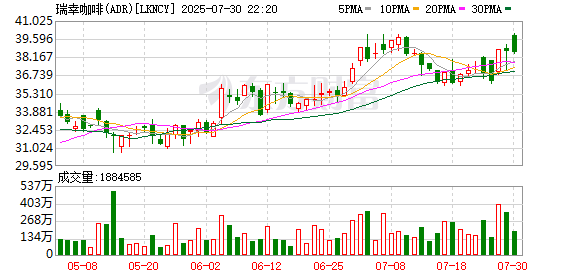
Company Overview - Luckin Coffee reported a total net revenue of 12.359 billion yuan for Q2 2025, marking a new record for quarterly revenue and a year-on-year growth of 47.1% [1] - The GAAP operating profit reached 1.7 billion yuan, with an operating profit margin of 13.8%, while the net profit attributable to ordinary shareholders was 1.251 billion yuan, reflecting a year-on-year increase of 44% [1] Store Expansion and Sales Performance - As of the end of Q2 2025, Luckin Coffee had a total of 26,200 stores, ranking second in the country, just behind Starbucks [1] - The company opened 2,109 new stores during the reporting period, with same-store sales growth for self-operated stores rising to 13.4% [1] - The average monthly transaction customer count reached 91.7 million, representing a year-on-year growth of 31.6% [1] International Expansion Strategy - Since launching its international strategy in 2024, Luckin Coffee has been steadily expanding its overseas store presence, entering markets such as Singapore, Hong Kong, and Malaysia [2] - In June 2025, the company began trial operations of two PICK UP stores in Manhattan, New York, highlighting its brand appeal and market potential in the U.S. [2] - The CEO emphasized the importance of the U.S. market as a key strategic area for Luckin Coffee's global expansion [2] Market Potential and Industry Insights - According to Deloitte's reports, China's per capita coffee consumption has increased from 9 cups per year in 2021 to approximately 22 cups per year in 2024, indicating significant growth potential compared to the U.S. and other Asian countries [3] - Frost & Sullivan projects that the domestic freshly brewed coffee market will grow to 331.4 billion yuan by 2027, with a growth rate exceeding 20%, suggesting that the industry is still in a phase of substantial opportunity [3]

瑞幸咖啡 又爆了!
Zhong Guo Ji Jin Bao· 2025-07-30 14:35
Core Insights - Luckin Coffee reported a record total net revenue of 12.359 billion yuan for Q2 2025, marking a year-on-year growth of 47.1% [2] - The company achieved a GAAP operating profit of 1.7 billion yuan, with an operating profit margin of 13.8%, and a net profit attributable to ordinary shareholders of 1.251 billion yuan, up 44% year-on-year [2] - As of the end of Q2 2025, Luckin Coffee had a total of 26,200 stores, ranking second in the country, just behind Starbucks [2] Financial Performance - Total net revenue reached 12.359 billion yuan, a record high for a single quarter, with a year-on-year increase of 47.1% [2] - GAAP operating profit was 1.7 billion yuan, with an operating profit margin of 13.8% [2] - Net profit attributable to ordinary shareholders was 1.251 billion yuan, reflecting a 44% year-on-year growth [2] Store Expansion and Sales - The number of stores increased by 2,109 during the reporting period, with a total of 26,200 stores by the end of Q2 2025 [2] - Same-store sales growth for self-operated stores reached 13.4% [2] - Monthly average transaction customers reached 91.7 million, a year-on-year increase of 31.6% [2] International Expansion - Since the launch of its international strategy in 2024, Luckin Coffee has been steadily expanding its overseas store presence, entering markets such as Singapore, Hong Kong, and Malaysia [3] - In June 2025, the company opened two PICK UP stores in Manhattan, New York, marking a significant step in its global strategy [3] - The CEO emphasized the importance of the U.S. market as a key strategic area for Luckin Coffee's global expansion [3] Market Potential - According to Deloitte, China's per capita coffee consumption has increased from 9 cups per year in 2021 to approximately 22 cups per year in 2024, indicating significant growth potential compared to the U.S. and other Asian countries [4] - Frost & Sullivan projects that the domestic freshly brewed coffee market will grow to 331.4 billion yuan by 2027, with a growth rate exceeding 20% [4]
瑞幸咖啡,又爆了!
中国基金报· 2025-07-30 14:23
Core Viewpoint - Luckin Coffee reported a record high total net revenue of 12.359 billion yuan for Q2 2025, reflecting a year-on-year growth of 47.1% [1][2] - The company is expanding its store network and optimizing operational efficiency, with a focus on international markets [2][3] Financial Performance - Total net revenue reached 12.359 billion yuan, with a GAAP operating profit of 1.7 billion yuan and an operating profit margin of 13.8% [1] - Net profit attributable to ordinary shareholders was 1.251 billion yuan, marking a 44% year-on-year increase [1] Store Expansion and Sales - As of the end of Q2 2025, Luckin Coffee had a total of 26,200 stores, ranking second in the country after Starbucks [1] - The company opened 2,109 new stores during the reporting period, with same-store sales growth reaching 13.4% [1][2] - The average monthly transaction customer count was 91.7 million, up 31.6% year-on-year [1] International Strategy - Since launching its international strategy in 2024, Luckin Coffee has entered markets in Singapore, Hong Kong, and Malaysia [2] - The company began trial operations of two PICK UP stores in Manhattan, New York, highlighting its brand appeal and market potential in the U.S. [2] - The low-price strategy (60%-80% of local Starbucks prices) and self-operated model are seen as potential growth drivers for future revenue [2] Market Potential - According to Deloitte, China's per capita coffee consumption has increased from 9 cups per year in 2021 to approximately 22 cups per year in 2024, indicating significant growth potential compared to the U.S. and Japan [3] - Frost & Sullivan projects that the domestic freshly brewed coffee market will grow to 331.4 billion yuan by 2027, with a growth rate exceeding 20% [3]
星巴克中国股权出售获20余家收购方关注
Sou Hu Cai Jing· 2025-07-30 08:35
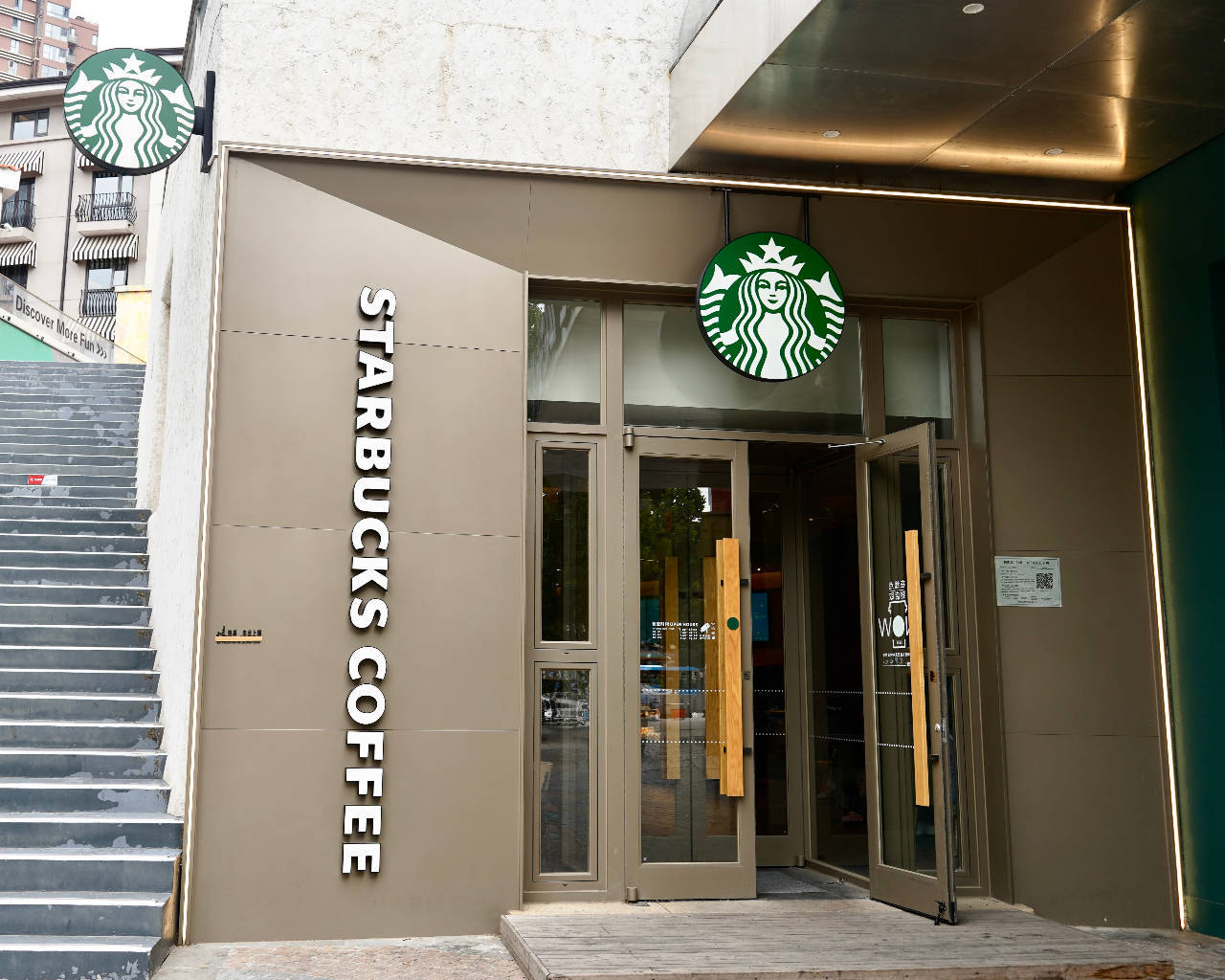
Core Insights - Starbucks reported an 8% year-on-year increase in revenue for Q3 FY2025, reaching $790 million, with growth in both overall revenue and same-store sales in China [1][2] - The company is evaluating over 20 interested institutions for the potential sale of its China business, which could be valued at up to $10 billion [3] Financial Performance - Same-store sales in China grew by 2% year-on-year, with operating profit margins continuing to increase quarter-on-quarter, maintaining a healthy double-digit level [2][3] - The total number of Starbucks stores in China reached 7,828 by the end of Q3 FY2025, with 70 new stores opened during the quarter, entering 17 new county-level markets [2] Strategic Initiatives - The recent adjustments made by Starbucks in China have led to three consecutive quarters of revenue growth and year-on-year same-store sales growth [3] - Innovations such as "sugar-free" beverages and new customization options have increased customer purchase frequency, while price adjustments on non-coffee products have broadened the customer base and enhanced consumption during lunch and evening hours [3] Market Outlook - The company remains committed to the long-term development of the Chinese market and aims to retain a significant equity stake in its China operations while seeking strategic partners that share its vision and values [3][4]
敏捷创新释放核心业务潜力 星巴克中国2025财年第三财季收入同比增长8%
Zheng Quan Ri Bao Wang· 2025-07-30 07:17
Group 1 - Starbucks China reported a revenue increase of 8% year-on-year to $790 million for Q3 of FY2025, marking three consecutive quarters of growth [1] - Same-store sales grew by 2%, with both transaction volume and average ticket size showing quarter-on-quarter increases [1] - The growth in same-store sales was attributed to continuous product innovation, precise marketing, and strong performance from newly opened stores [1] Group 2 - As of the end of Q3, Starbucks China had a total of 7,828 stores, with 70 new stores opened during the quarter, entering 17 new county-level markets [1] - New stores maintained high profitability levels, contributing above-average same-store sales, which supports long-term growth [1] - Starbucks emphasizes its stores as a "third space," integrating deeply with local culture, and has opened stores in scenic areas to enhance brand differentiation [1] Group 3 - Starbucks has focused on core business and continuous innovation, providing added value through a third space, emotional value, and immersive experiences to meet consumer demands [2] - The introduction of the "True Taste No Sugar" innovation system has led to healthier choices and increased customer purchase frequency [2] - Starbucks has expanded its non-coffee offerings, creating a dual-scenario layout to cover consumer needs throughout the day [2] Group 4 - Collaborations with well-known brands have been a highlight for Starbucks, enhancing its market presence and creating emotional connections with consumers [2] - The partnership with the band Mayday and Disney's Zootopia has generated significant social media buzz and consumer engagement [2] - The company aims to evaluate over 20 strategic partnerships in China to leverage market opportunities while retaining a significant equity stake in its operations [3]
特朗普豪收1.9万亿美元大单,鲍威尔议息前被猛烈围攻!
Sou Hu Cai Jing· 2025-07-30 02:29
Group 1 - The U.S. government has secured $1.9 trillion in investments and contracts from Japan and the EU, with Japan committing $550 billion and the EU signing a $750 billion energy deal along with $600 billion in investments [1][3] - The tariffs imposed by the Trump administration have led to significant financial strain on American companies, exemplified by General Motors reporting a quarterly loss of $1.1 billion and a net profit drop of over one-third [3][6] - The impact of tariffs is felt most acutely by low-income families, who are experiencing a loss in disposable income three times greater than that of wealthier households [5][6] Group 2 - The trade war has resulted in retaliatory tariffs from the EU and other countries, with the EU imposing a 25% tariff on American bourbon and motorcycles, and Brazil imposing a 50% tariff on U.S. machinery [5][6] - Companies are relocating their operations to avoid U.S. tariffs, with Apple moving production to India and Delta Electronics receiving numerous inquiries for operations in India [5][6] - The International Monetary Fund has warned that global GDP will shrink by 0.5% due to tariffs, with the U.S. expected to bear 60% of the economic burden [6][7] Group 3 - The inflationary pressures resulting from tariffs are leading to increased prices for everyday goods, as seen with Walmart and Amazon raising prices on essential items [5][6] - The agricultural sector is suffering, with coffee farmers facing 50% tariffs and unable to fulfill orders, leading to a significant downturn in production and sales [5][6] - The overall economic growth rate in the U.S. has slowed to around 1%, indicating a significant downturn in economic activity as a result of the trade policies [7][8]

9.9元改写了咖啡市场,星巴克中国正在改写自己
3 6 Ke· 2025-07-30 01:25
Core Viewpoint - Starbucks is experiencing a recovery in its performance in China, with a notable increase in store count and revenue, but it faces challenges in maintaining market share and adapting to a competitive landscape dominated by local brands like Luckin Coffee [3][10][31]. Financial Performance - For Q3 of fiscal year 2025, Starbucks reported net revenues of $790 million, an 8% increase from $733.8 million in the same quarter of the previous year [2]. - The number of stores in China reached 7,828, up by 522 stores compared to the same period last year, marking a 7% increase [2]. - Comparable store sales grew by 2%, with transaction volume increasing by 6%, although the average ticket price decreased by 4% [2][9]. Market Challenges - Starbucks' market share in China has significantly declined from 42% in 2017 to 14% in 2024, indicating a loss of competitive edge [10][31]. - Despite an increase in store count, revenue has not kept pace, with analysts noting that Starbucks stores contribute only 9% of total global revenue despite accounting for about 20% of total stores [3][10]. Strategic Considerations - There are ongoing discussions about potential buyers for Starbucks' China business, with various investment firms showing interest, although Starbucks has stated it is not considering a complete sale [3][13][16]. - The company is exploring strategic partnerships to enhance its operational efficiency in the local market, indicating a shift towards collaboration rather than solely relying on capital investment [16][29]. Competitive Landscape - The competitive environment has intensified, with local brands like Luckin Coffee and others rapidly expanding and innovating, leading to a price war that has affected Starbucks' pricing strategy [20][29]. - Starbucks has begun to lower prices on select products in response to competitive pressures, marking its first large-scale price reduction in over two decades [20][22]. Innovation and Product Development - Starbucks is focusing on product innovation and digital transformation to better align with consumer preferences, including faster product launch cycles and leveraging data analytics for consumer insights [27][29]. - The company has introduced new product lines and upgraded existing offerings to attract a broader customer base, although it still faces challenges in creating standout products compared to competitors [25][26].

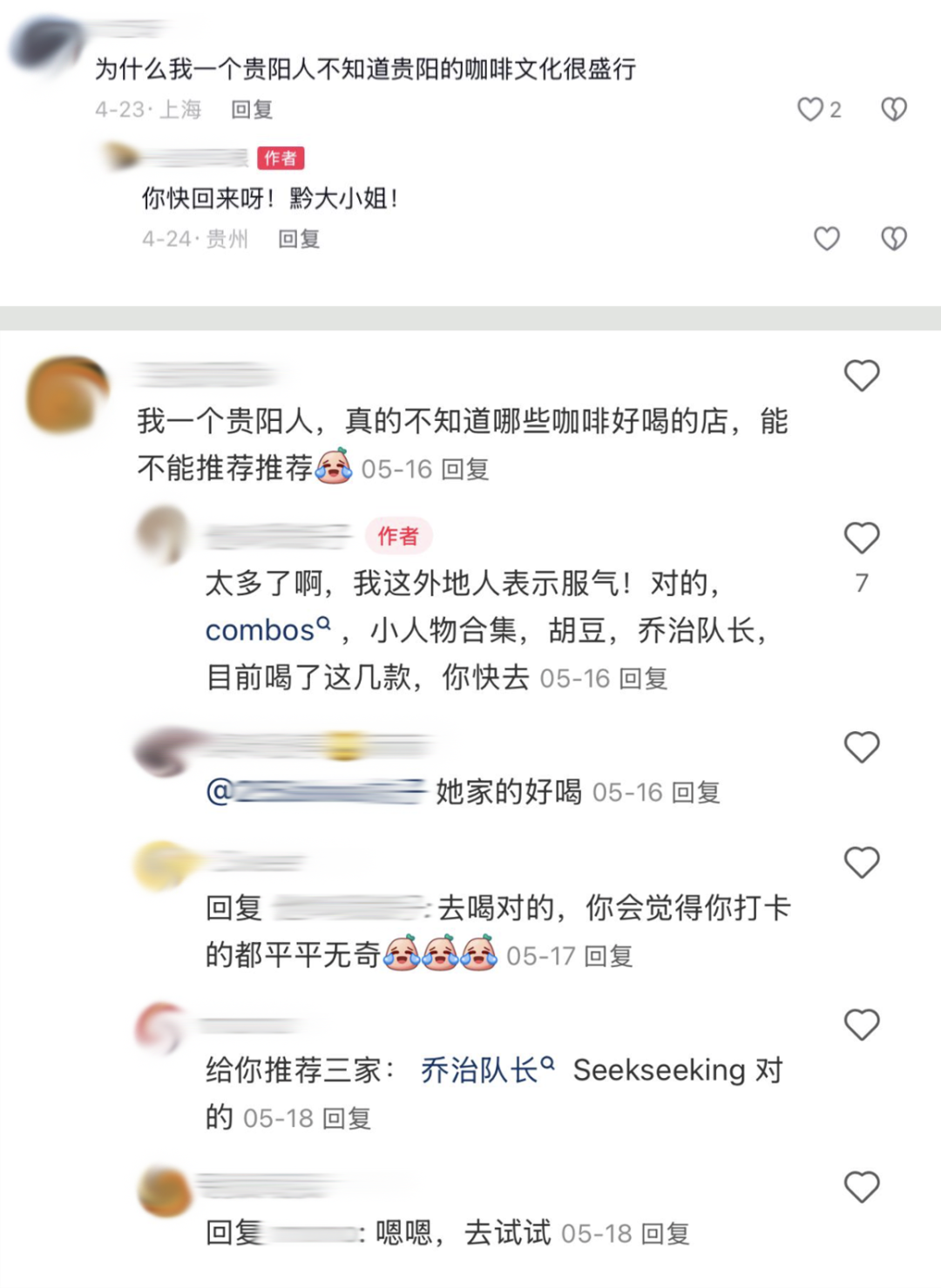
贵阳的咖啡主理人密度比上海都高了?
Hu Xiu· 2025-07-30 00:45
Core Viewpoint - The article discusses the surprising rise of Guiyang as a coffee city, overtaking Shanghai, which was previously the leader in coffee shops and culture. Guiyang's unique offerings and local champions in coffee brewing have attracted significant attention and tourism [2][4][10]. Group 1: Coffee Culture Comparison - Shanghai had 9,553 coffee shops, ranking first globally for three consecutive years, but has recently been surpassed by Guiyang [2]. - Guiyang boasts a high density of coffee shops, with one shop for every 2,000 residents, and has produced multiple coffee competition champions [10]. - The coffee experience in Shanghai is often tied to the expertise of the baristas, while in Guiyang, the focus is on the local flavor and community atmosphere [11][35]. Group 2: Tourist Attraction and Local Experience - Tourists flock to Guiyang for its "champion coffee," often waiting in long lines, while locals express confusion over the phenomenon [4][5]. - Visitors are drawn to the unique local flavors and the experience of drinking coffee in a relaxed environment, contrasting with the more performance-driven coffee culture in Shanghai [16][34]. - The local coffee scene in Guiyang emphasizes community and shared experiences, with coffee shops serving as social spaces rather than just places to consume beverages [24][44]. Group 3: Unique Offerings and Innovations - Guiyang's coffee scene features local ingredients and flavors, such as the incorporation of local herbs and spirits into coffee drinks, creating a distinct "Guizhou taste" [12][40]. - The city has seen a rise in creative coffee concoctions, such as the "Moutai Dirty" and various herbal infusions, appealing to adventurous palates [12][39]. - Local coffee shops are proactive in educating customers about coffee brewing techniques, enhancing the overall experience [24][25]. Group 4: Economic and Cultural Insights - Guiyang residents are willing to spend on quality experiences, ranking high in a survey on spending to please oneself, even surpassing major cities like Beijing and Shanghai [40]. - The city's historical context, including migration patterns and cultural influences, has shaped its current coffee culture and consumer behavior [41][42]. - The article highlights a broader cultural attitude in Guiyang, where leisure and enjoyment of life are prioritized, contributing to the city's vibrant coffee scene [44].
茶咖日报|星巴克免费VS皮爷收费?咖啡行业迎来极端“座位大战”
Guan Cha Zhe Wang· 2025-07-29 14:34
Group 1: Peet's Coffee and Market Dynamics - Peet's Coffee has implemented measures to address the issue of "seat hogging" by requiring customers to make a purchase to occupy seats in select stores [1] - The company has seen strong sales growth in China, with an adjusted EBIT organic growth of 23.8%, contributing to a global sales increase of 7.9% to €8.837 billion [1] - The coffee brand's strategy reflects a focus on protecting its premium experience, contrasting with Starbucks' approach of removing consumption barriers [2] Group 2: New Tea Beverage Industry Trends - The new tea beverage industry has experienced stagnation in store growth, with a total of 116,978 stores as of June 2025, reflecting a mere 0.74% increase from the previous year [3] - The industry is undergoing a reshuffling, with leading brands expanding into lower-tier cities while many mid-tier brands face closures [3] - New tea brands are increasingly targeting the U.S. market, adapting their business models to fit local preferences rather than replicating domestic success [3] Group 3: Technological Innovations in Coffee - Shanghai Heitun has introduced the sixth generation of its fully automated coffee robot, COFE+, capable of producing over 1,000 cups daily with a design lifespan of 500,000 cups [4] - The COFE+ robot utilizes AI to control extraction parameters, ensuring the preservation of coffee's original aroma [4] - The technology aims to eliminate risks associated with opening coffee shops and reduce operational burdens [4] Group 4: Bond Coffee's Strategic Positioning - Bond Coffee, led by the second-generation successor of Want Want Group, is focusing on a "premiumization" strategy rather than rapid franchise expansion [5] - The brand has opened five stores in Shanghai and plans to establish significant locations in high-profile areas by July 2025 [5] - The competitive landscape is intensifying, with both international and domestic brands enhancing their offerings to meet rising consumer expectations [5]