家电制造

Search documents
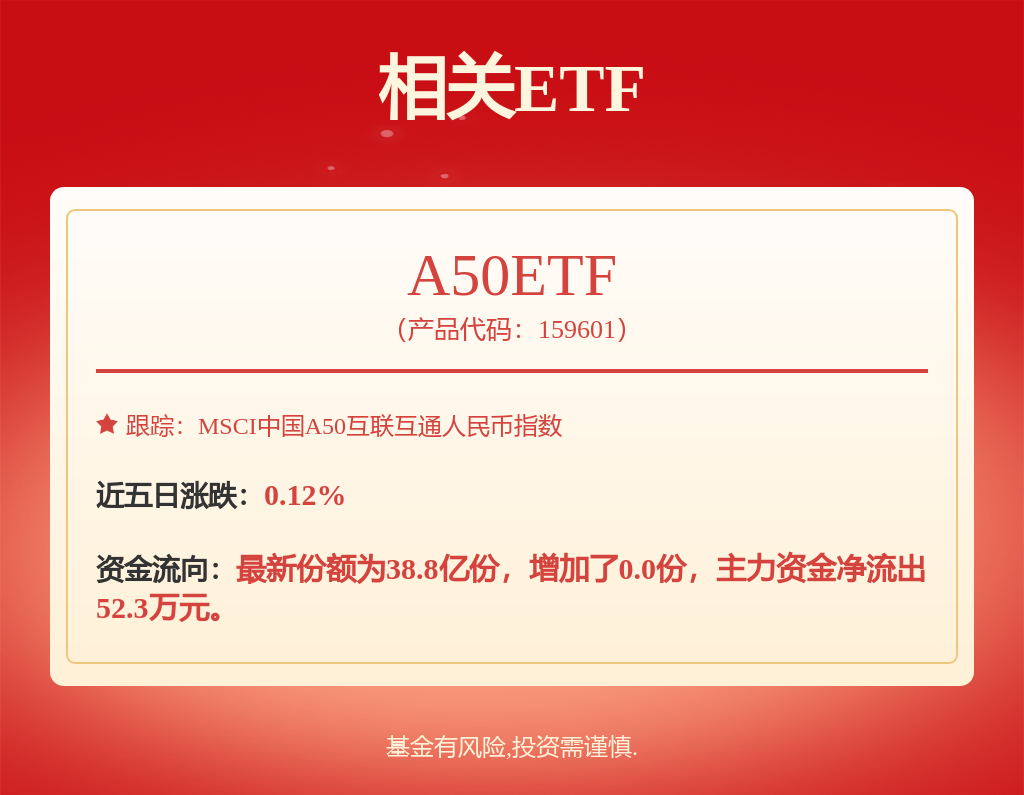
董明珠卸任格力芯片公司董事长,曾称做芯片“没拿国家一分钱”
第一财经· 2025-06-12 14:53
Core Viewpoint - The recent management changes at Zhuhai Zero Boundary Integrated Circuit Co., Ltd. reflect a strategic shift in the company's leadership as it continues to develop its semiconductor business, which has become a significant revenue source for Gree Electric Appliances. Group 1: Management Changes - Dong Mingzhu has stepped down as the legal representative and chairman of Zhuhai Zero Boundary, with Li Shaobin taking over these roles [1][4] - The company has also seen changes in its executive team, with Tan Jianming exiting the board and Li Shaobin now serving as the executive director and manager [1][4] - The management changes occurred alongside a relocation of the company's registered address [2] Group 2: Business Performance - Gree Electric Appliances reported that its semiconductor business generated revenue of 15 billion yuan in 2024, marking a 50% year-on-year increase, with a net profit of 3.5 billion yuan, up 75% [3] - The semiconductor division has become the second-largest profit contributor for Gree, following air conditioning [3] Group 3: Strategic Developments - Gree has been actively investing in its chip production capabilities, with plans for a SiC chip factory expected to start production in June 2024, aiming to become the second-largest automated compound chip factory globally [5] - Since entering the chip sector in 2015, Gree has achieved a production capacity of 240,000 pieces per year, with self-developed chips being used in various products, including home and commercial air conditioning [5]


破解“内卷”困局:以品牌价值为核心 ,构建产业链价值共创格局
Jing Ji Guan Cha Wang· 2025-06-12 10:27
Group 1 - The automotive industry is facing supply chain pressures, prompting 16 major car manufacturers to limit payment terms to suppliers within 60 days, coinciding with the implementation of a new regulation aimed at protecting small and medium-sized enterprises (SMEs) [2] - The automotive sector is experiencing a competitive environment similar to that seen in the home appliance and mobile phone industries, where aggressive pricing strategies have led to market instability and only a few companies with core technologies and brand value have survived [2][4] - The need for industries to balance scale expansion with quality upgrades is critical, with brand building becoming a key focus for high-quality development [2] Group 2 - Former Sinopec Chairman Fu Chengyu emphasized the importance of not sacrificing long-term benefits for short-term gains, warning against practices that could harm SMEs, such as prolonged payment terms and price reductions [3] - The home appliance industry, particularly in Guangdong Shunde, is under pressure despite its mature supply chain, with ODM factories facing order uncertainty and profit compression due to aggressive pricing competition [4][5] Group 3 - The home appliance industry's supply chain is characterized by a "pyramid" structure, where brand owners exert pricing power, leading to cost pressures on suppliers and ultimately resulting in product homogenization and quality risks [5][6] - The dominance of leading brands in the home appliance sector has resulted in a significant profit squeeze for many SMEs, with net profit margins declining over the years [6] Group 4 - The restructuring of the supply chain is urgent, requiring collaboration between large enterprises and SMEs to break the cycle of exploitation and promote high-quality development driven by both brand and technology [7] - Major companies are encouraged to adopt a role as enablers rather than exploiters, fostering innovation and resilience within the supply chain [7] Group 5 - Companies like Midea and Haier are taking steps to empower SMEs through platforms that provide resources and support for brand development and innovation [8] - The acquisition of brands by SMEs, such as Jiahe Intelligent's purchase of the German audio brand Beyerdynamic, represents a strategic move towards establishing a presence in high-end markets [9] Group 6 - The Chinese government is implementing policies to support the growth of specialized SMEs, including financial incentives and resources for technology upgrades [11] - The internationalization of supply chains is seen as a way to alleviate domestic pressures, with companies like BYD and CATL establishing production bases in Europe to enhance local service and reduce costs [13]


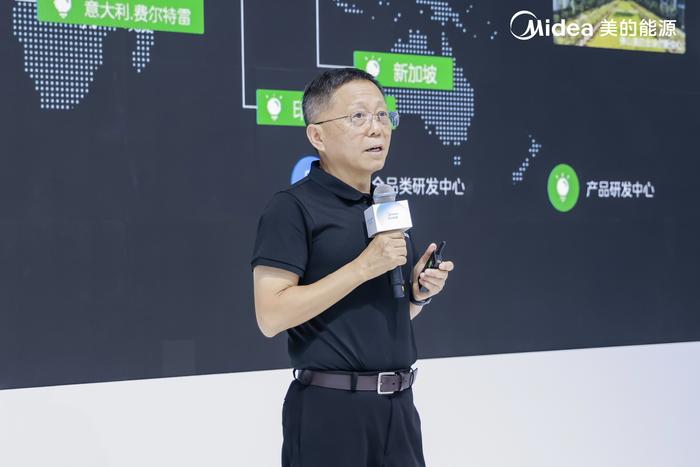
对话美的CTO卫昶:美的能源,将成为集团战略转型的支柱产业
Tai Mei Ti A P P· 2025-06-12 10:22
Core Insights - Midea has initiated a new round of business integration by establishing the "Midea Energy" brand, following previous mergers and acquisitions in the home appliance sector [2] - The establishment of Midea Energy aims to unify various sub-businesses and enhance collaboration within the energy sector, positioning it as a key pillar of Midea Group's strategic transformation [3][6] Business Integration - Midea previously integrated its medical subsidiaries under the Midea Medical brand to enhance overall performance, and now it is applying a similar strategy to the energy sector [2] - The Midea Energy brand encompasses subsidiaries such as Hekang New Energy and Kelu Electronics, focusing on energy storage solutions [2] Financial Performance - Hekang New Energy reported total revenue of 2.24 billion yuan and a net profit of 28.16 million yuan for Q1 2025, marking year-on-year growth of 220.56% and 155.29% respectively [2] - Kelu Electronics achieved total revenue of 1.214 billion yuan and a net profit of 67.45 million yuan, with year-on-year growth of 16.2% and 857.45% [2] Strategic Objectives - Midea Energy aims to enhance energy efficiency through three dimensions: improving storage system efficiency, increasing thermal conversion efficiency, and leveraging AI technology [3][4] - The company plans to address energy usage efficiency and cost reduction by optimizing power consumption during peak and off-peak hours [3] Product Offerings - Midea Energy's Hekang New Energy has launched the "Mivilla 2.0" solution, providing up to 240 kWh of storage capacity for residential use [4] - In large-scale storage applications, Midea Energy has implemented a significant project in Chile with a capacity of 485 MWh [4] Technological Integration - Midea's Building Technology and KUKA Robotics play crucial roles in energy efficiency management and manufacturing tools, contributing to the overall success of Midea Energy [5] - KUKA's heavy-duty robots hold over 25% market share in the renewable energy sector, enhancing production efficiency and reducing costs [5] Research and Development - Midea Group's R&D structure includes a central research institute focused on long-term technology research, supporting the development of new products and technologies [5] - The CTO of Midea emphasizes the importance of integrating R&D efforts across the group to accelerate the development of new energy business [6]

再下一城!斐雪派克奢适生活馆东莞店开业
Sou Hu Wang· 2025-06-12 07:20
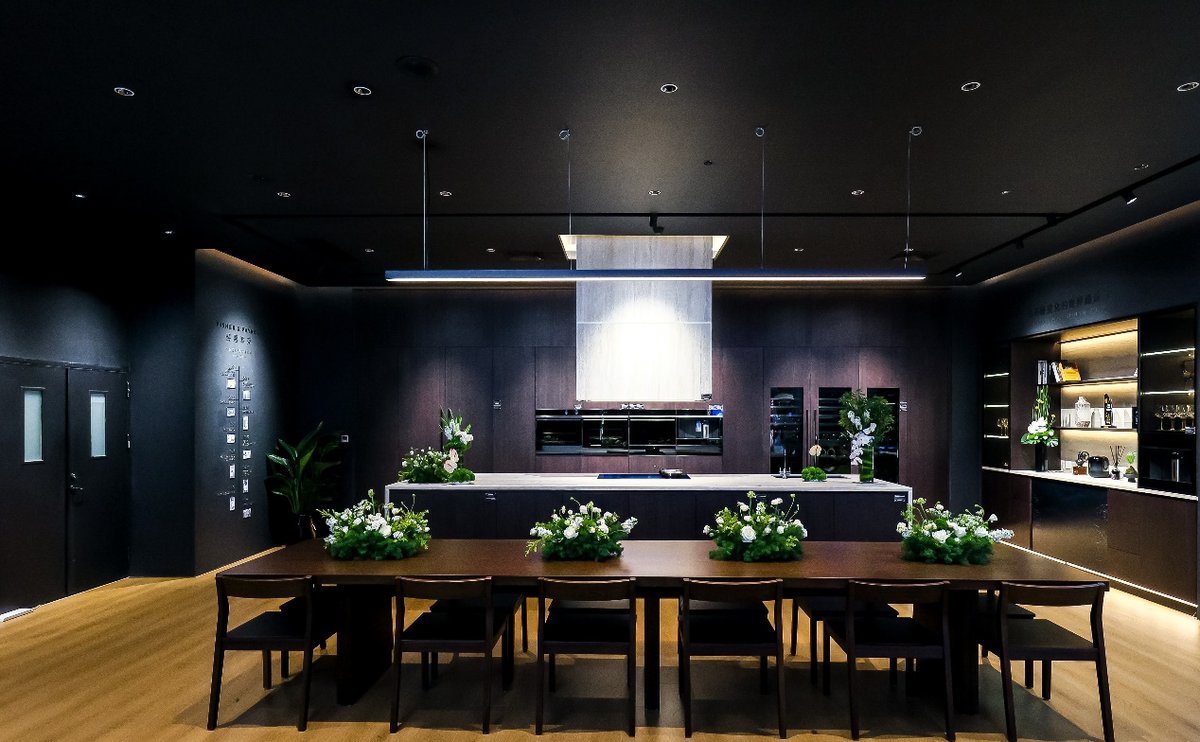
Core Insights - Fisher & Paykel is accelerating its national expansion in China, with the opening of a luxury lifestyle store in Dongguan, marking a significant addition to its strategic footprint in the market [1][5] Group 1: Market Positioning - Dongguan is identified as a hotspot for high-end consumption, attracting ultra-high-net-worth individuals who seek a blend of aesthetics and technology in home appliances [2] - The luxury lifestyle store offers immersive experiences in "social kitchens" and "self-care laundry," showcasing how Fisher & Paykel's products integrate advanced technology with user-friendly design [2][7] Group 2: Design and Innovation - The opening event served as a platform for design professionals to exchange ideas on the integration of home aesthetics and appliances, providing insights for product innovation and scene upgrades [4] - The collaboration with designers aims to enhance the brand's understanding of consumer needs, focusing on the emotional and aesthetic values of home appliances [7] Group 3: Strategic Expansion - Since 2023, Fisher & Paykel has been strategically targeting first-tier markets in China, with existing lifestyle stores in major cities such as Shanghai, Xiamen, Dalian, Chengdu, Shenyang, and Tianjin [5] - The Dongguan store further completes the brand's national strategic map, reinforcing its commitment to the Chinese market [5] Group 4: Consumer Engagement - The immersive store experiences allow Fisher & Paykel to closely engage with ultra-high-net-worth consumers, capturing their demands for functional aesthetics and emotional value in home appliances [7] - The brand promotes a lifestyle philosophy of "natural, free, and comfortable," aiming to integrate this concept into the daily lives of more Chinese ultra-high-net-worth families [7]
用科技为消费升级筑牢底座(感言)
Ren Min Ri Bao· 2025-06-11 22:08
Group 1 - The core logic of Hisense's strategy is to capture user demand and lead consumption upgrades through high-end products in a rapidly changing market [1] - Consumers are increasingly seeking higher quality, experience, and technological integration in their products, moving from basic functionality to a desire for smart and durable solutions [1] - Hisense has established a multi-dimensional user insight system to accurately capture user needs through big data analysis, user surveys, and experiential feedback [1] Group 2 - Hisense leverages over 50 years of technological expertise in display technology, refrigeration, and smart interaction to drive innovation [1] - The company integrates advanced technologies, such as AI picture quality chips and vacuum magnetic preservation technology, to enhance user experience and add value to high-end appliances [1] - Hisense aims to create a "smart home" ecosystem by connecting various products like TVs, refrigerators, air conditioners, and kitchen appliances, enhancing the overall high-end experience [2] Group 3 - The future vision of Hisense is to continue focusing on user needs and technological innovation to create a high-end consumption upgrade circle, allowing more users to enjoy a high-quality lifestyle [2]

“美的能源”首次亮相 能源产业将成美的集团又一支柱产业
Xin Hua Cai Jing· 2025-06-11 14:23
Group 1 - Midea Group's energy-related business launched its brand "Midea Energy" at the 2025 International Solar Photovoltaic and Smart Energy Exhibition, highlighting its strategic focus on renewable energy as a pillar industry [2] - The core strategy of Midea Energy is a three-dimensional approach combining energy storage, heat pumps, and AI to achieve integrated development [2][3] - Midea Energy showcased its next-generation energy solutions, including a box-level direct cooling energy storage platform, advanced heat pump technology, and an AI-driven energy management system [2][3] Group 2 - Midea Group leverages decades of expertise in thermal management and power electronics to enhance its energy storage system development, with thermal energy accounting for over 80% of global energy usage [3] - The company has established an AI research institute to drive efficiency in its energy management systems, applicable to large-scale virtual power plants and home energy stations [3] - Midea Energy's industry footprint spans various sectors, providing customized energy solutions through brands like Midea, Hekang New Energy, Kelu Electronics, and KUKA, with KUKA's heavy-duty robots holding over 25% market share in the renewable energy sector [4] Group 3 - Midea Group aims to balance its B2B and B2C business models, with renewable energy currently accounting for about 10% of total revenue, projected to increase to nearly one-third in the future [6] - Hekang New Energy reported a total revenue of 2.24 billion yuan in Q1 2025, a year-on-year increase of 220.56%, while Kelu Electronics achieved a revenue of 1.214 billion yuan, up 16.2% [4]
腰部城市分化加剧,鲁南三市逆袭,靠“枢纽”起飞
Qi Lu Wan Bao· 2025-06-10 10:08
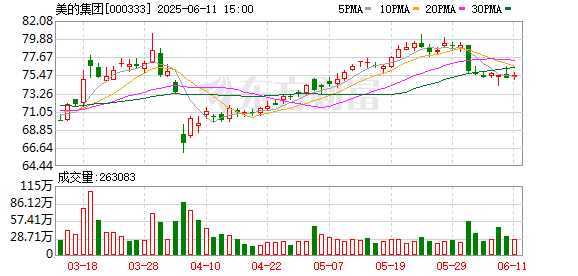
Core Insights - The article discusses the emergence of lesser-known cities in China that are rapidly rising in the 2025 "New First-tier City Charm Rankings," highlighting cities like Linyi, Jining, and Heze as significant players in this trend [1][4]. Group 1: City Rankings and Economic Growth - Linyi's ranking improved from 67th to 43rd, Jining from 73rd to 56th, and Heze from 126th to 70th over the past decade, indicating substantial upward mobility [4]. - Economic growth figures show Linyi's GDP increased from 430.5 billion in 2016 to 655.6 billion in 2024, Jining from 462 billion to 586.7 billion, and Heze from 255 billion to 480.3 billion [4]. Group 2: Key Factors for Growth - The cities' significant progress is attributed to enhanced "city hub characteristics," which are measured by transportation connectivity, intercity mobility, industrial collaboration, and commercial resource centrality [5]. - The rankings are based on five primary indicators: commercial resource aggregation, city hub characteristics, urban activity, new economic competitiveness, and future plasticity [3]. Group 3: Infrastructure Development - Heze's infrastructure investment during the 13th Five-Year Plan reached 59 billion, 2.36 times that of the previous plan, with a projected 148.93 billion investment for the 14th Five-Year Plan [8]. - The opening of the Daylan High-Speed Railway in December 2021 connected Heze to the national high-speed rail network, enhancing its transportation capabilities [9]. Group 4: Industry and Economic Diversification - Linyi has developed a robust logistics and commercial system, becoming a major logistics hub in northern China, with 125 professional wholesale markets and a significant number of businesses [10][13]. - Jining has leveraged its geographical advantages to enhance its new economic competitiveness, with a notable increase in cargo throughput and container handling at its port [16].
深康佳A:终止发行股份购买资产并募集配套资金事项
news flash· 2025-06-10 08:10
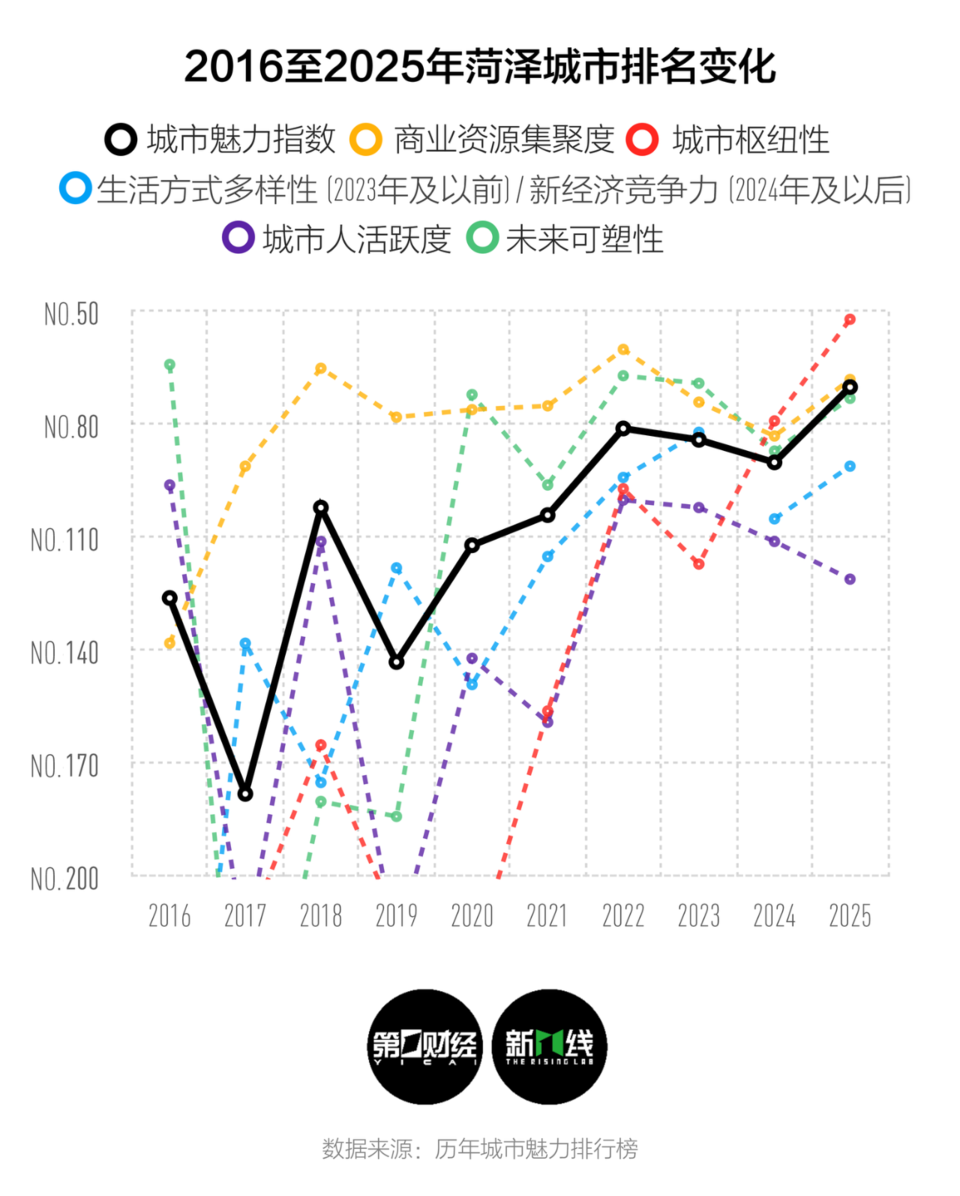
深康佳A公告,公司于2025年6月10日召开第十届董事局第四十八次会议及第十届监事会第十八次会 议,审议通过了《关于终止发行股份购买资产并募集配套资金的议案》。由于公司与交易对方就本次交 易的部分核心条款未达成一致,公司决定终止本次交易。本次交易预计不构成重大资产重组,不构成关 联交易,不构成重组上市。终止本次交易是综合考虑行业及资本市场整体环境等因素,不存在需要公司 承担相关违约责任的情形。本次交易尚未履行公司股东大会等审议程序,终止本次交易不会对公司现有 生产经营活动和财务状况造成重大不利影响。 ...

稳就业,企业在行动
Ren Min Ri Bao· 2025-06-09 21:55
Group 1: Baidu's Internship and Recruitment Initiatives - Baidu is actively building a direct educational pathway between universities and enterprises, enhancing the transition from campus to workplace [1][2] - In 2024, Baidu attracted over 11,000 talents, opening core positions such as large model algorithm engineers and product managers to fresh graduates [1] - The company plans to offer 21,000 internship positions over the next three years, with a focus on improving the conversion rate of interns to full-time employees [2] Group 2: Meituan's Employment Support Actions - Meituan is promoting the "Spring Breeze Sending Jobs" initiative, expanding diverse employment channels and providing stable job opportunities for flexible workers [3][4] - The platform has engaged in over 100 recruitment events across more than 100 universities, offering over 6,000 positions for fresh graduates this year [4] Group 3: Pinduoduo's E-commerce Growth - Pinduoduo has reached 11.36 million personal stores on its platform, showcasing significant market potential [5] - The company plans to invest over 100 billion yuan in the next three years to support employment stability and growth [6] Group 4: Chuanhua Group's Innovative Recruitment Model - Chuanhua Logistics has developed a recruitment model that includes mentorship and rotation training to ensure new employees are well-prepared and retained [7][8] - The company invests over 100 million yuan annually in employee skill development, training over 3,500 individuals each year [8] Group 5: Midea's Talent Development System - Midea has established a three-tier talent cultivation system, providing over 2,000 job opportunities in 2025 across various technical fields [9][10] - The company emphasizes the importance of developing young talent to stabilize employment and foster growth [10] Group 6: Didi's Employment Support Initiatives - Didi has announced an additional investment of 2 billion yuan to enhance driver support and stabilize employment [11][12] - The platform has recruited over 770,000 new drivers from April to May this year, contributing to the expansion of the gig economy [11] Group 7: Kuaishou's Agricultural Support Program - Kuaishou has launched the "Rural Revitalization Plan," aiming to support high-quality agricultural product merchants and train 10 million skilled professionals over the next three years [13] - The platform is focused on reducing barriers for agricultural product entry and providing training for new agricultural entrepreneurs [13] Group 8: Waneng Group's Employment Initiatives - Waneng Group plans to provide nearly 1,000 job opportunities in the northwest region by 2025, with a focus on energy and AI graduates [14] - The company has implemented various training programs to enhance employee capabilities throughout their careers [14]


中国品牌应弘扬中国商业文化的精髓——既不提倡低质低价品牌,也不提倡高价奢侈品牌
Jing Ji Guan Cha Bao· 2025-06-09 10:32
Core Viewpoint - The transformation of China's real economy into a brand economy is essential for achieving modernization goals, with a focus on quality and cultural values rather than luxury and exclusivity [1][2]. Group 1: Importance of Brand Economy - Brand economy represents the highest form of the real economy and is a crucial support for economies of scale [1]. - Achieving a per capita GDP of $30,000 to $50,000 in China could lead to a third of the economic structure being based on economies of scale, similar to the U.S. [1]. Group 2: Traditional Commercial Culture - Chinese brands should inherit the traditional commercial culture of "genuine goods, quality assurance, and fair pricing" [2][3]. - Historical insights from Chinese commercial culture emphasize the harmfulness of solely pursuing luxury and exclusivity [2]. Group 3: Current Brand Development - Chinese companies have developed the capability to produce high-quality products, with examples like Huawei and BYD leading globally [3]. - Brands should focus on being recognized for their intrinsic value rather than competing on low quality or high luxury [3]. Group 4: Value Output - Brands should prioritize beneficial contributions to society and individuals over luxury and possession [4]. - The essence of a brand lies not only in product quality but also in the values and philosophies it represents [4]. Group 5: Risks of Luxury Branding - There is a concerning trend where some Chinese brands adopt a luxury-oriented approach, often leading to exaggerated claims and a disconnect with consumers [6]. - The focus on luxury branding can detract from the traditional Chinese business spirit and hinder long-term brand development [6]. Group 6: Innovation Over Price Competition - Relying on low-cost strategies has led to a dependency on price wars, which undermines brand value and quality perception [7][8]. - Brands should build competitive advantages through innovation rather than price competition, as seen in the decline of companies like Jumei [8]. Group 7: Impact of E-commerce and Live Streaming - The rise of entertainment-driven e-commerce and live streaming can harm brand value by prioritizing sensationalism over product quality [9][10]. - Negative consumer perceptions can arise from low-quality promotional tactics, leading to a loss of brand trust [11]. Group 8: Long-term Brand Building - Brand building should focus on long-term strategies rather than quick profits through transient marketing tactics [12][13]. - Sustainable brand development requires continuous innovation and a commitment to quality across all business aspects [13]. Group 9: Global Positioning of Chinese Brands - The positioning of Chinese brands in the global market reflects the influence of Chinese culture and values [14]. - Successful global brands, like Apple, demonstrate the importance of quality and user experience, aligning with traditional Chinese commercial values [14].