茶饮

Search documents
出海布局加速 茶百道北美首店落地纽约
Bei Jing Shang Bao· 2025-08-18 05:35
Core Viewpoint - The company, Cha Bai Dao, is set to open its first store in North America in Flushing, Queens, New York, which is the largest Chinese community in the U.S. [1] Group 1: Expansion Strategy - Cha Bai Dao aims to provide fresh, made-to-order tea products to global consumers [1] - The company utilizes a standardized store operation system and a global supply chain network to ensure consistency in products and services across its international locations [1] Group 2: Recent Developments - In July, Cha Bai Dao entered the Singapore market, opening two stores on the first day, with an average customer wait time exceeding 2 hours [1] - The company's first store in France was opened in May in the 13th district of Paris [1]
中国农科院首席科学家尹军峰:新茶饮供应链需看人 “创” 茶 | 2025 新观茶
Nan Fang Nong Cun Bao· 2025-08-17 06:30
Core Viewpoint - The new tea beverage supply chain is supported by a triangular system of quality raw materials, technological innovation, and standardization, which are essential for its survival and development [12][18]. Group 1: Supply Chain Fundamentals - The quality of raw materials is the foundation of the new tea beverage supply chain, with a focus on fresh and pure tea leaves to extract natural flavors [13]. - Technological innovation acts as the engine for the supply chain, exemplified by the development of "continuous low-temperature countercurrent extraction" technology, which preserves the natural aroma of tea during industrial production [14][15]. - Standardization is crucial for aligning the traditional tea industry with the new tea beverage sector, ensuring a unified quality standard across diverse raw materials and production processes [16][17]. Group 2: Opportunities and Challenges - The rise of niche teas presents both opportunities and challenges for the supply chain, as these teas can enhance raw material diversity but may also lead to shortages and quality inconsistencies due to their small-scale production [23][24]. - To capitalize on the benefits of niche teas, supply chain companies should establish a "flavor database," promote moderate-scale cultivation, and develop flavor adaptation technologies [25][26][27]. Group 3: Design Thinking in Supply Chain - The shift from "producing tea" to "designing tea" represents a fundamental change in supply chain thinking, moving from resource-oriented to demand-oriented approaches [30]. - Cultivating "design thinking" involves creating a closed loop of consumer insights, technology transformation, and product implementation, ensuring that product development aligns with consumer preferences [31][32]. Group 4: Brand Development in New Tea Beverage Supply Chain - The new tea beverage sector is transitioning from traditional agricultural processing to modern industrial manufacturing, presenting significant branding opportunities [35]. - Current branding efforts in the new tea beverage supply chain are still in the early stages, with many companies lacking influential brands and focusing more on products than brand identity [36]. - Enhancing brand value can stabilize and sustain related agricultural industries, increase raw material pricing power, and support rural revitalization by connecting remote tea-producing areas with broader markets [39][40].


蜜雪冰城被曝光,负责人回应
Zhong Guo Ji Jin Bao· 2025-08-16 16:18
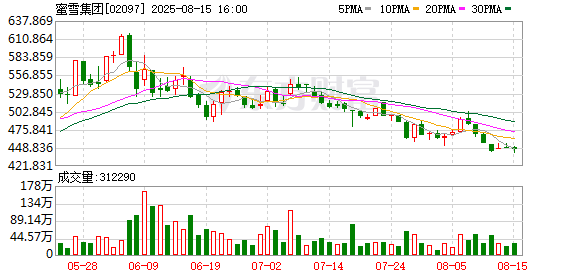
Core Points - A consumer reported finding a cockroach in an unopened cup of jasmine milk green tea purchased from a Mixue Ice City store in Ganzhou, Jiangxi, leading to a refund request and a compensation claim of 1,000 yuan based on food safety laws [2][10] - The incident has sparked significant public discussion, with the topic trending on social media [3] - Mixue Ice City has a history of food safety issues, including a recent incident where an employee was filmed using their foot to operate a drinking water dispenser [6][5] Company Issues - The company has faced multiple food safety complaints, including the use of expired ingredients and unsanitary practices in various locations [8][9] - As of December 31, 2023, Mixue Ice City has expanded significantly, with over 46,000 stores globally and more than 4,000 in Southeast Asia, making it the largest fresh tea brand in the region [9] Consumer Rights - Consumers are advised to retain purchase records and evidence of food quality issues, and they can seek compensation through negotiation or legal channels if necessary [13] - According to Chinese food safety laws, consumers can claim damages that may include compensation of up to 1,000 yuan for food safety violations [12]
蜜雪冰城被曝光,负责人回应
中国基金报· 2025-08-16 16:12
Core Viewpoint - The article highlights ongoing food safety issues faced by the company, Mixue Ice City, particularly a recent incident involving a cockroach found in a sealed drink, which has led to public outcry and discussions about consumer rights and compensation [2][6][12]. Group 1: Recent Incident - A consumer reported finding a cockroach in a sealed cup of jasmine milk green tea purchased from a Mixue Ice City store in Ganzhou, leading to a refund request and a demand for additional compensation of 1,000 yuan based on food safety laws [2][12]. - The regional manager of Mixue Ice City stated that they are reviewing surveillance footage to determine how the cockroach entered the drink [5]. Group 2: Historical Food Safety Issues - Mixue Ice City has a history of food safety problems, including an incident where an employee was filmed using their foot to operate a drinking water dispenser, raising concerns about hygiene [8]. - Other reported issues include the use of overnight lemons and oranges in drinks and the use of expired coffee powder in milk tea, leading to fines and product confiscation by regulatory authorities [10]. Group 3: Consumer Rights and Compensation - The article discusses the legality of the consumer's demand for 1,000 yuan compensation, referencing a similar case where a consumer found a fly in their drink and successfully claimed compensation through legal channels [15]. - Consumers are advised to retain purchase records and evidence of food quality issues, and if necessary, escalate complaints to consumer protection agencies or pursue legal action [17].

只开夫妻店,广东城中村跑出黑马,已有1800+店
3 6 Ke· 2025-08-16 03:40
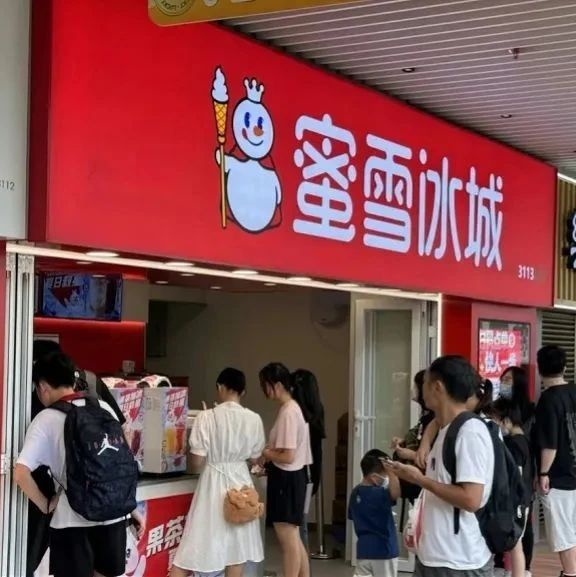
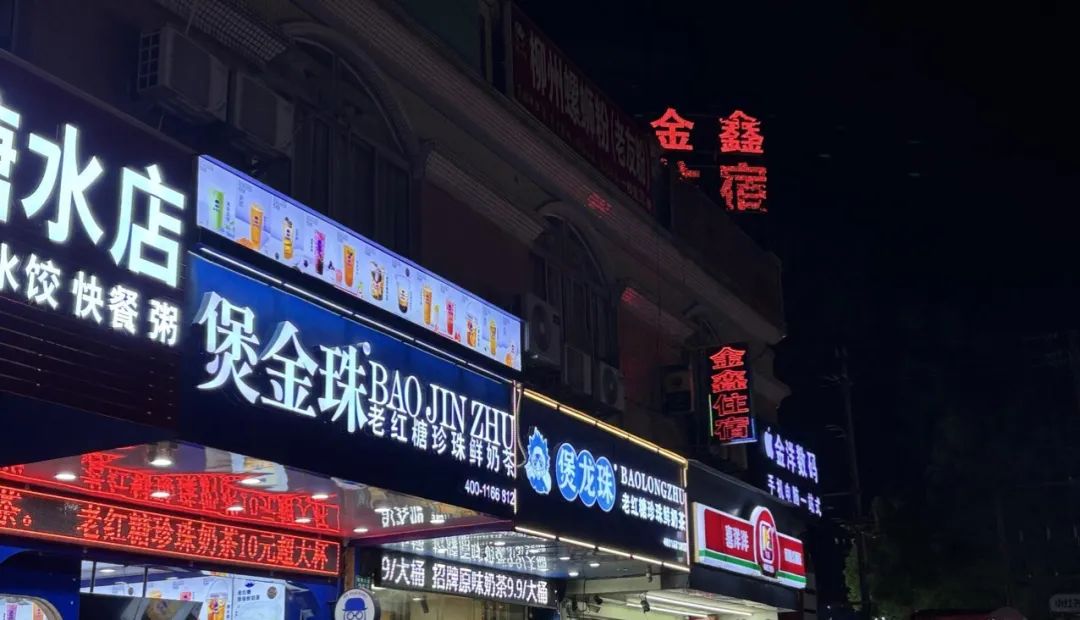
Core Insights - A new "thousand-store brand" has emerged in the tea beverage market, focusing on rural and town markets in Guangdong and Guangxi, with over 1800 stores opened in just four years, aiming to surpass 2000 stores this year [1][6][17] - The brand, known as "Baojinzhu," has successfully identified market gaps despite the saturation of the tea beverage market, employing a unique strategy of targeting less competitive areas [1][20] Market Strategy - The brand focuses on opening "couple-run stores," avoiding professional franchisees, which allows for lower operational costs and higher commitment from owners [3][12] - By leveraging word-of-mouth marketing through family and friends, the brand has expanded rapidly without relying on social media or traditional marketing channels [3][20] Product Offering - Baojinzhu offers a diverse menu with over 40 SKUs, primarily featuring old brown sugar pearl milk tea priced at 7 yuan per cup, ensuring affordability and variety for a wide customer base [11][9] - The brand emphasizes a "soft and chewy" texture for its pearls, which are made using a unique production process that enhances flavor absorption [16] Financial Performance - Individual stores reportedly achieve daily revenues exceeding 2000 yuan, with some stores generating over 10,000 yuan in peak sales [3][8] - The low rent and labor costs in rural areas contribute to an annual profit of approximately 200,000 yuan per store [3][12] Expansion Plans - With the saturation of the Guangdong and Guangxi markets, Baojinzhu is now expanding into cities like Shenzhen and Shanghai to sustain growth [17][19] - The founder acknowledges the need for a corporate transformation to support this expansion, focusing on improving brand management and operational efficiency [19][20]
奶茶零食万店时代:“量产甜蜜”的代价谁买单?
Hua Er Jie Jian Wen· 2025-08-16 03:16
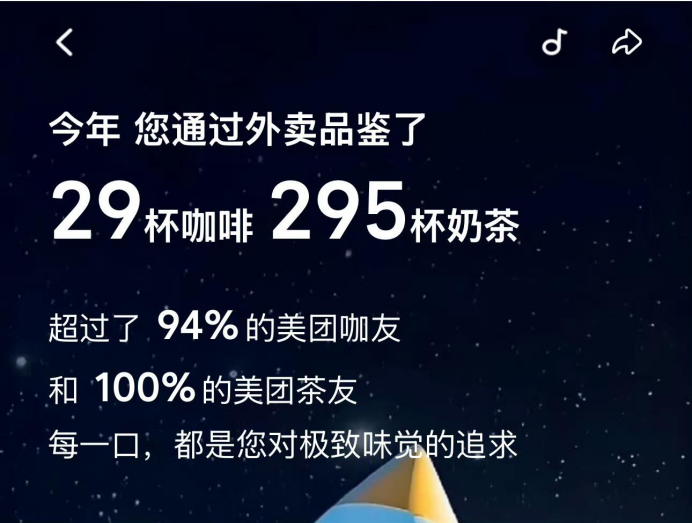
Core Viewpoint - The article discusses the rapid expansion of the tea and snack industry in China, driven by low-cost, high-sugar products that have become a significant part of consumer habits, particularly among the youth. This trend raises concerns about public health, particularly regarding diabetes and obesity, as the industry thrives on a "sugar addiction" model that may lead to long-term health costs for society. Group 1: Industry Growth and Trends - The tea and snack industry has seen explosive growth, with brands like Mixue Ice City expanding to over 46,000 stores by the end of 2024, achieving a revenue of 24.83 billion yuan with a growth rate exceeding 22% [9][10] - The "0 yuan purchase" subsidy wars among major delivery platforms have led to increased consumption of sugary drinks, with many consumers unaware of the long-term health implications [2][6] - The rapid expansion of snack stores, such as Wanchen Group, which grew from 7,000 to 15,000 stores in less than a year, highlights the effectiveness of the low-cost, high-volume business model [11][12] Group 2: Health Implications - Excessive sugar intake from beverages and snacks poses significant health risks, including obesity, insulin resistance, and chronic diseases, which are becoming a public health crisis in China [5][35] - The average sugar consumption from tea drinks alone could lead to an additional 1.3 kg of sugar intake per person annually, contributing to rising diabetes rates [19][44] - The prevalence of insulin resistance has increased significantly, with a reported rate of 39.1% among adults, indicating a growing health crisis linked to high sugar consumption [38][42] Group 3: Economic and Social Costs - The healthcare costs associated with diabetes and related diseases are projected to reach 1.2 trillion yuan in 2024, reflecting the financial burden on the healthcare system due to rising sugar consumption [45][49] - The rapid growth of the tea and snack industry, while profitable for companies, is shifting health costs to the public healthcare system, creating a hidden burden on society [49][50] - The government's initiatives to manage weight and reduce sugar intake highlight the urgent need for intervention in the face of rising obesity rates and related health issues [41][60] Group 4: Consumer Behavior and Market Dynamics - The addictive nature of sugary products drives high-frequency consumption, particularly among young consumers, who are often unaware of the health risks associated with their habits [22][26] - The industry's focus on low prices and high availability has led to a significant shift in consumer behavior, with many opting for sugary drinks as a primary source of refreshment [31][32] - Despite some brands attempting to reduce sugar content, consumer preferences for sweet flavors complicate efforts to promote healthier options [51][52]
新茶饮老板:今年的外卖大战,无人怀念
Tai Mei Ti A P P· 2025-08-16 03:09
Core Insights - The tea beverage market is experiencing significant challenges, with a high closure rate of 75% for milk tea shops in 2025, particularly affecting small and medium brands [2][12] - Despite a market size exceeding 200 billion yuan in 2025, the growth rate has sharply declined due to oversaturation and a wave of closures [2][12] - The rise of delivery platforms like JD and Meituan has intensified competition, leading to aggressive subsidy wars that impact profitability for franchise owners [5][10] Industry Overview - In 2024, nearly 127,700 new milk tea shops opened, while over 140,000 closed, resulting in a negative net increase in stores [2] - The average lifespan of a milk tea shop is only one year, with a closure rate of 70% for small brands [2] - The delivery market is becoming increasingly competitive, with platforms offering substantial subsidies to attract customers, leading to a shift in consumer behavior from dine-in to takeout [10][16] Financial Implications - Franchisees face high initial costs, including an 80,000 yuan franchise fee and additional expenses for renovations and equipment, totaling over 100,000 yuan [2][3] - The aggressive pricing strategies employed by delivery platforms result in reduced profit margins for franchise owners, often leading to losses despite high order volumes [8][12] - The cost of raw materials continues to rise, further squeezing profit margins for franchisees who are also burdened with increased labor costs due to higher order volumes [8][12] Market Dynamics - The competition among delivery platforms has led to a significant increase in order volumes, but the profitability of these orders is questionable due to high operational costs and platform fees [8][12] - Major brands benefit from economies of scale and established supply chains, allowing them to thrive in the current competitive landscape, while smaller brands struggle to keep up [13][14] - The shift towards delivery has altered consumer habits, with many customers now accustomed to lower prices, which may affect their willingness to pay higher prices for dine-in experiences in the future [14][18] Future Outlook - The industry is transitioning from a phase of capital consumption to one focused on value creation, with an emphasis on quality and health in food offerings [18] - As the subsidy wars cool down, businesses must adapt to a new reality where blind participation in price wars could lead to unsustainable practices [18][19] - The long-term success of the tea beverage market will depend on the ability of brands to build consumer trust through quality and service innovation rather than relying solely on price competition [18][19]


霸王茶姬上涨2.09%,报21.97美元/股,总市值40.33亿美元
Jin Rong Jie· 2025-08-15 14:35
Core Viewpoint - The stock price of Cha Ji (CHA) increased by 2.09% on August 15, reaching $21.97 per share, with a total market capitalization of $4.033 billion [1] Financial Performance - As of March 31, 2025, Cha Ji reported total revenue of 3.393 billion RMB, representing a year-on-year growth of 35.35% [1] - The net profit attributable to the parent company was 679 million RMB, showing a year-on-year increase of 14.24% [1] Company Overview - Cha Ji Holdings Limited is a Cayman Islands-registered holding company that primarily operates through its domestic subsidiary, Beijing Cha Ji Catering Management Co., Ltd. [1] - The subsidiary operates the CHAGEE brand, which is recognized as a leading premium tea beverage brand offering healthy and delicious fresh tea drinks [1]
“奶茶爆改小蛋糕”引发全网挑战!我发现一个新风口
东京烘焙职业人· 2025-08-15 08:33
Core Viewpoint - The beverage industry is experiencing a creative transformation where consumers are repurposing drinks like milk tea and coffee into desserts, indicating a trend towards "beverage + dessert" innovation [22][31][33]. Group 1: Consumer Trends - Consumers are creatively using leftover drinks to make desserts, such as turning milk tea into cakes, which has gained significant popularity on social media [5][10][12]. - The trend of "everything can be milk tea" has emerged, with various recipes combining milk tea with food, leading to a surge in user-generated content [18][24]. - The DIY approach not only reduces waste but also provides a unique and enjoyable consumer experience [28]. Group 2: Brand Engagement - Brands like Xiangpiaopiao are actively participating in this trend by promoting user-generated content and sharing recipes, which enhances brand visibility and consumer engagement [12][29]. - The trend has led to a low-cost, high-exposure marketing opportunity for brands, as consumers share their creative uses of beverages online [29][41]. Group 3: Industry Implications - The beverage industry's shift towards dessert-like products is becoming more pronounced, with major brands exploring this crossover to attract consumers [30][35]. - The success of transforming classic beverage flavors into baked goods suggests a high potential for new product development in the beverage sector [34][39]. - This trend is expected to drive increased beverage consumption, benefiting physical stores as well [41].

新茶饮,还有六大机会
Ge Long Hui· 2025-08-15 05:39
出品/茶咖观察 作者/刘淑娟 编辑/蒙嘉怡 近年来,新茶饮行业在高速扩张后进入深度调整期。 叠加持续的价格战,单店GMV普遍承压,加盟商盈利空间被大幅压缩,生存挑战尤为突出,行业急需寻找新的增长引擎。 在新茶饮行业陷入"存量竞争"困境的背景下,8月8日,壹览商业&茶咖观察创始人杨宇在第65届中国特许加盟新风向论坛上提出,品牌与加盟商破局的关键 在于重构思维与能力,并系统性地阐述了新茶饮的六大核心机会方向。 壹览商业是专注于消费+科技的综合性研究及服务机构聚焦消费互联网、零售渠道、品牌营销、数字经济、人工智能、智能制造等细分领域。自2021年创办 以来,已积累100万+全网粉丝,月传播量1000万+,覆盖企业数1000+;茶咖观察为其旗下品牌,聚焦于茶饮咖啡行业的深度调研。 以下是壹览商业&茶咖观察创始人杨宇的演讲全文(经茶咖观察编辑,有删减): 大家好!我是壹览商业和茶咖观察的创始人杨宇,感谢主办方的邀请。 大约一个月前,主办方联系我希望在本次活动上发言。作为行业观察者,我们一直在思考:在当下的茶饮行业,应该分享哪些有价值的内容? 基于这些沟通,我们总结了今年以来行业的核心特性,以新茶饮行业的"6大机会洞察" ...