自动驾驶

Search documents
国信证券晨会纪要-20251208
Guoxin Securities· 2025-12-08 00:56
Group 1: Macro and Strategy Insights - The report highlights three key drivers for unlocking service sector growth in China: overseas "input demand," domestic "time-scarce" potential demand, and "innovation demand" arising from industrial upgrades [8][9] - The macroeconomic environment is characterized by a classic cycle dilemma in the service sector, where boosting service demand is seen as dependent on increasing resident income, creating a paradox [8][9] - The report discusses the evolution of anti-involution policies, emphasizing the need for industry self-discipline and administrative guidance to address overcapacity issues in various sectors [9] Group 2: Banking Industry Outlook - The banking industry is projected to experience a decline in net interest margins, with the bottom line estimated at around 1.2% to 1.3% [22][23] - A potential decrease in the Loan Prime Rate (LPR) by 10 basis points could lead to a year-on-year decline in net interest margins by approximately 5 to 8 basis points [23][24] - The report suggests that 2026 will likely mark the end of the current cycle of declining net interest margins, with a focus on quality stocks that are expected to see margin improvements [25] Group 3: Wealth Management and Asset Allocation - The report indicates that the scale of bank wealth management products reached a historical high of nearly 34 trillion yuan in November, with expectations to stabilize around 33 trillion yuan by year-end [26][27] - A shift towards multi-asset strategies is seen as essential for wealth management firms to adapt to declining returns from traditional fixed-income products [27][28] - The report emphasizes the importance of matching the risk-return profile of wealth management funds with investor preferences to successfully implement multi-asset strategies [28][30] Group 4: REITs Market Insights - The report notes a decline in the REITs index by 1.0% for the week ending December 5, 2025, with a year-to-date increase of 1.5% [12][13] - The first city renewal REIT was successfully issued in Beijing, signaling new opportunities in the REITs market [14] - The report highlights the need for regulatory support to enhance the potential for REITs to attract more investment [14][30] Group 5: Overseas Market Overview - The U.S. stock market is showing a concentration in technology, with the S&P 500 and Nasdaq experiencing slight increases [34] - The report indicates a mixed performance across sectors, with notable gains in automotive and semiconductor industries, while utilities and consumer staples faced declines [34][35] - The earnings expectations for the S&P 500 components have been slightly revised upward, reflecting a stable outlook for most industries [35]


高盛闭门会-美股互联网Q3财报后,市场三大辩论谷歌亚马逊
Goldman Sachs· 2025-12-08 00:41
Investment Rating - The report indicates a positive outlook for Amazon and a cautious stance on Meta, with a focus on potential growth in the AI sector and consumer behavior impacting various companies [1][4][15]. Core Insights - Alphabet has shown strong market performance due to advancements in AI applications and growth in cloud business, while Meta has struggled with lower-than-expected ad revenue and internal challenges [1][3]. - Consumer behavior is increasingly volatile, particularly among lower-income groups, affecting growth expectations for companies like Uber, DoorDash, Roblox, and Upwork [1][3]. - Amazon's AWS has regained investor confidence with revenue growth projected to exceed 20%, and a Q4 revenue guidance of $26 billion indicates stable profit margins [1][8]. - Meta faces significant challenges in AI, with internal turmoil and underperformance of its Llama model, leading to a strategic shift towards a superintelligence lab [1][9][10]. - The travel industry is experiencing caution due to the introduction of Google's Gemini product, which may disrupt existing players like Expedia and Booking [3][14]. Summary by Sections Alphabet - Alphabet's stock has risen 90% since May, driven by AI advancements and a strong cloud business, with an 80% year-over-year increase in cloud backlog [6]. - The launch of Gemini 3 has exceeded expectations, enhancing Alphabet's valuation, although concerns remain about the sustainability of its advertising revenue [6][7]. Amazon - Amazon's AWS has overcome obstacles, leading to improved investor sentiment, with a projected revenue growth of over 20% and a Q4 revenue guidance of $26 billion [8]. - The company is expected to achieve earnings per share of $11 or higher, with potential for further revisions in AWS estimates [8]. Meta - Meta is facing internal challenges and delivery issues in AI, with a disappointing performance from its Llama model prompting a strategic overhaul [9][10]. - The company is investing heavily in a superintelligence lab, but significant results are not expected until 2026 [9][10][11]. Uber and DoorDash - Uber's stock has fluctuated due to concerns over its autonomous driving technology, while DoorDash has received an upgrade in ratings, indicating a more favorable outlook [4][13][15]. - Both companies are seen as having potential for growth, although Uber's recent performance has led to a slight downgrade in priority [15]. Travel Industry - The introduction of Google's Gemini product has raised concerns about its impact on the travel industry, with a cautious outlook on long-term growth for companies like Expedia and Booking [14].


清华&小米最新DGGT:0.4秒完成4D自驾高斯重建,性能提升50%!
自动驾驶之心· 2025-12-08 00:02
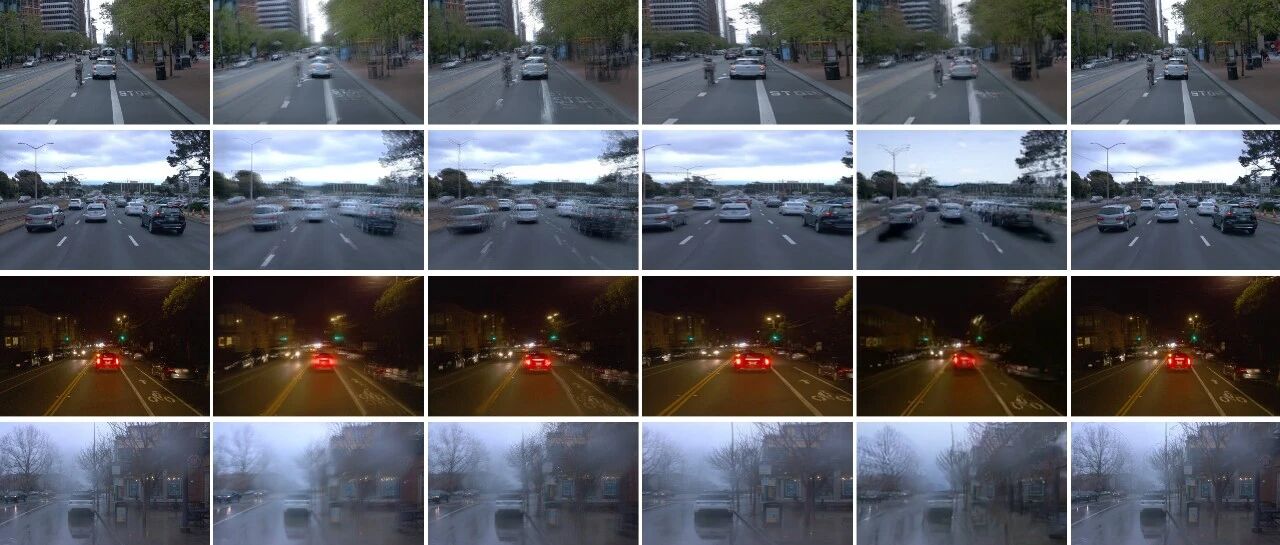
点击下方 卡片 ,关注" 自动驾驶之心 "公众号 戳我-> 领取 自动驾驶近30个 方向 学习 路线 DGGT详解 DGGT 的核心思想是 :一次前向就预测出"完整的4D场景状态",并把相机位姿从前提变成结果。这使得系统无需外参标定即可从稀疏、未标定图像里恢复动态场 景,而且能自然跨数据集部署。图1展示了DGGT 的整体能力与速度-精度位置:在 0.4 秒 量级完成重建的同时,DGGT 在重建质量上超越一系列前向与优化方法,并 将 相机姿态、深度、动态分割、3D Gaussian、追踪 等输出一并给出,便于后续 实例级场景编辑 。 >>自动驾驶前沿信息获取 → 自动驾驶之心知识星球 论文作者 | Xiaoxue Chen等 编辑 | 自动驾驶之心 清华大学与小米汽车联合推出 DGGT(Driving Gaussian Grounded Transformer):一个pose-free、feed-forward的4D动态驾驶场景重建框架。 DGGT 只需未标定的稀疏图像,单次前向即可同时输出相机位姿、深度、动态实例与基于 3D Gaussian 的可编辑场景表示。模型在 Waymo 上训练,却能在 nuScen ...

入门自动驾驶实操,全栈小车黑武士001性价比拉满了!
自动驾驶之心· 2025-12-08 00:02
Core Viewpoint - The article introduces the "Black Warrior 001," a cost-effective and user-friendly autonomous driving educational vehicle designed for research and teaching purposes, priced at 36,999 yuan, which includes various advanced features and training courses [2][4]. Group 1: Product Overview - The Black Warrior 001 is a lightweight solution that supports multiple functionalities such as perception, localization, fusion, navigation, and planning, built on an Ackermann chassis [4]. - It is suitable for various educational levels, including undergraduate learning, graduate research, and training in vocational schools [4]. Group 2: Performance Demonstration - The vehicle has been tested in various environments, including indoor, outdoor, and parking garage scenarios, showcasing its capabilities in perception, localization, fusion, navigation, and planning [6]. Group 3: Hardware Specifications - Key sensors include: - 3D LiDAR: Mid 360 - 2D LiDAR: Lidar from LidarGod - Depth Camera: Orbbec with IMU - Main Control Chip: Nvidia Orin NX 16G - Display: 1080p [22][23]. - The vehicle weighs 30 kg, has a battery power of 50W, operates at 24V, and has a maximum speed of 2 m/s [25][26]. Group 4: Software and Functionality - The software framework includes ROS, C++, and Python, with one-click startup and a provided development environment [28]. - Functional capabilities include various SLAM techniques, vehicle navigation, and obstacle avoidance [29]. Group 5: After-Sales and Support - The company offers one year of after-sales support for non-human damage, with free repairs for damages caused by user errors during the warranty period [52].
端到端岗位求职:核心算法&实战讲解(7个project)
自动驾驶之心· 2025-12-08 00:02
Core Insights - The article discusses the evolving recruitment landscape in the autonomous driving industry, highlighting a shift in demand from perception roles to end-to-end, VLA, and world model positions [2] - A new course titled "End-to-End Practical Class for Mass Production" has been designed to address the skills gap in the industry, focusing on practical applications and mass production experiences [2][4] Course Overview - The course aims to cover core algorithms such as one-stage and two-stage end-to-end methods, navigation information applications, reinforcement learning, and trajectory optimization [2] - It is structured into eight chapters, each focusing on different aspects of end-to-end autonomous driving systems, including task overview, algorithm frameworks, navigation applications, and production experiences [5][7][8][9][10][11][12][13][14] Target Audience - The course is designed for advanced learners with a background in autonomous driving perception, reinforcement learning, and programming languages like Python and PyTorch [15][16] - It emphasizes practical skills and aims to prepare participants for real-world applications in the autonomous driving sector [2][15] Course Schedule - The course will commence on November 30, with a duration of approximately three months, featuring offline video lectures and online Q&A sessions [15][17]
从自动驾驶到机器人,90%技术可复用
汽车商业评论· 2025-12-07 23:06
Core Viewpoint - The article emphasizes the importance of a solid foundation in technology and patience in the development of autonomous driving and robotics, suggesting that true speed in innovation comes from thorough groundwork [5][10]. Group 1: Technology Development - The integration of algorithms, software, and hardware in autonomous driving requires significant time investment, but once established, it allows for rapid algorithm iteration [5][14]. - The company has produced over one million autonomous driving controllers by the third quarter of this year, with a goal to exceed one million annually [5][27]. - The technology stack for autonomous driving and robotics is highly similar, with a 90% overlap in the underlying control systems and software layers [8][31]. Group 2: Industry Insights - The automotive supply chain has a production capacity of approximately 30 million vehicles annually, while the robotics supply chain produced only about 500,000 units last year, indicating a significant gap [15][17]. - The company has successfully transitioned from focusing solely on autonomous driving to also developing robotic controllers, leveraging its existing technology and expertise [24][26]. - The recent launch of the first domestic robot controller within two months showcases the rapid development capabilities stemming from nine years of experience in autonomous driving technology [8][29]. Group 3: Future Opportunities - The integration of autonomous vehicles and robotics presents numerous opportunities for innovation, particularly as the industry moves towards more automated solutions like automatic charging systems [29][33]. - The company is optimistic about leveraging China's strong industrial base and diverse scenarios to drive advancements in artificial intelligence and robotics [21][22]. - The establishment of a new manufacturing facility aims to enhance production capabilities, supporting both autonomous driving and robotics sectors [33].
小马智行-W(02026):单三季度收入同比增长72%,Robotaxi 商业化运营持续推进:小马智行(PONY.0/2026.HK)
Guoxin Securities· 2025-12-07 13:33
Investment Rating - The report maintains an "Outperform" rating for the company [6][54]. Core Insights - The company achieved revenue of $25.44 million in Q3 2025, representing a year-on-year growth of 72% and a quarter-on-quarter increase of 18.6% [1][7]. - The Robotaxi service revenue reached $6.7 million in Q3 2025, with a year-on-year growth of 89.5%, driven by a significant increase in passenger fare revenue [1][8]. - The company is expanding its Robotaxi fleet, with 961 operational vehicles, including 667 of the seventh-generation model, aiming to exceed 1,000 vehicles by year-end and 3,000 by the end of 2026 [3][23]. - The company has formed strategic partnerships to enhance its global presence, including collaborations in Qatar, Singapore, and with major ride-hailing platforms like Uber and Bolt [3][37]. Financial Performance - The gross margin for Q3 2025 was 18.4%, an increase of 9.1 percentage points year-on-year, attributed to an improved revenue mix with higher contributions from Robotaxi services [2][15]. - The company reported a net loss of $61.32 million in Q3 2025, compared to a loss of $41.89 million in Q3 2024 [1][7]. - The adjusted net loss for Q3 2025 was $54.72 million, reflecting ongoing investments in technology and fleet expansion [1][7]. Business Segments - Robotruck service revenue was $10.2 million in Q3 2025, showing an 8.7% year-on-year increase, supported by a 70% reduction in the BOM cost of the fourth-generation Robotruck [1][8]. - Revenue from licensing and applications surged to $8.6 million in Q3 2025, a significant increase of 354.6%, driven by rising demand for autonomous driving domain controllers [1][8]. Future Outlook - The company projects revenues of $80 million, $93 million, and $195 million for 2025, 2026, and 2027, respectively, with expected growth rates of 7.0%, 15.4%, and 110.3% [4][54]. - The company anticipates continued expansion in the Robotaxi and Robotruck sectors, leveraging its strategic partnerships and technological advancements to enhance operational efficiency and market reach [4][54].
小马智行-W(02026):单三季度收入同比增长72%,Robotaxi商业化运营持续推进:小马智行(PONY.0/2026.HK)
Guoxin Securities· 2025-12-07 12:35
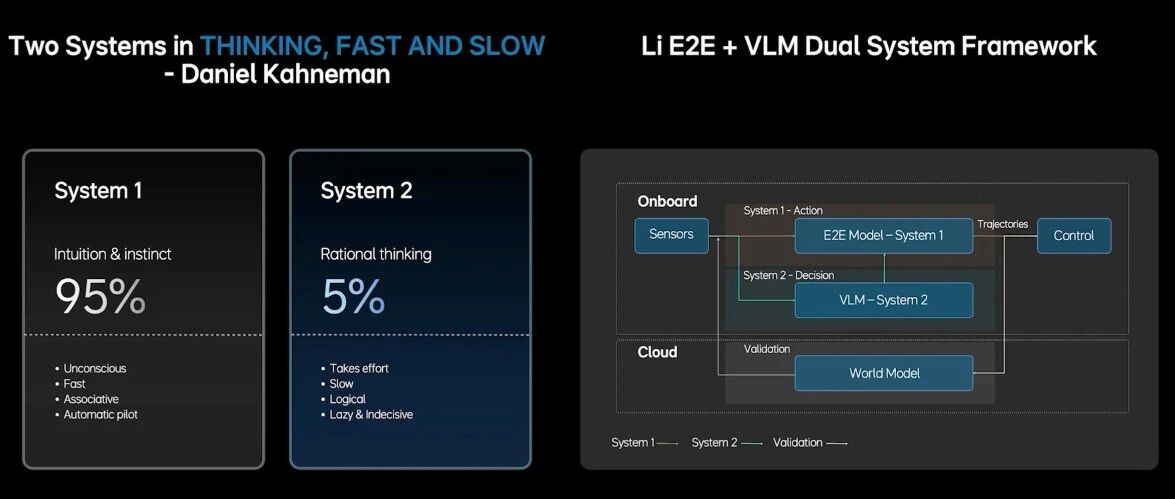
Investment Rating - The report maintains an "Outperform" rating for the company [6][54]. Core Insights - The company achieved revenue of $25.44 million in Q3 2025, representing a year-on-year growth of 72% and a quarter-on-quarter increase of 18.6% [1][7]. - The Robotaxi service revenue reached $6.7 million in Q3 2025, with a year-on-year growth of 89.5%, driven by a significant increase in passenger fare revenue [1][8]. - The company is expanding its Robotaxi fleet, with 961 operational vehicles, including 667 of the seventh-generation model, aiming to exceed 1,000 vehicles by year-end and 3,000 by the end of 2026 [3][23]. - The company has formed strategic partnerships to enhance its global presence, including collaborations in Qatar, Singapore, and with major ride-hailing platforms like Uber and Bolt [3][37]. Financial Performance - In Q3 2025, the company's gross margin improved to 18.4%, up 9.1 percentage points year-on-year, primarily due to an optimized revenue structure [2][15]. - The company reported a net loss of $61.32 million in Q3 2025, compared to a loss of $41.89 million in Q3 2024 [1][7]. - The adjusted net loss for Q3 2025 was $54.72 million, reflecting an increase in operational costs associated with the development of the seventh-generation Robotaxi [1][7]. Business Segments - The Robotruck service generated $10.2 million in revenue in Q3 2025, with an 8.7% year-on-year increase, supported by a 70% reduction in the BOM cost of the fourth-generation Robotruck [1][8]. - The licensing and application revenue surged to $8.6 million in Q3 2025, marking a significant growth of 354.6%, driven by increased demand for autonomous driving domain controllers [1][8]. Future Outlook - The company forecasts revenues of $80 million, $93 million, and $195 million for 2025, 2026, and 2027, respectively, with expected growth rates of 7.0%, 15.4%, and 110.3% [4][54]. - The company aims to maintain its competitive edge in the Robotaxi and Robotruck sectors, with plans for fleet expansion and operational scaling [4][54].
小马智行-W(02026):单三季度收入同比增长72%,Robotaxi商业化运营持续推进
Guoxin Securities· 2025-12-07 12:00
Investment Rating - The investment rating for the company is "Outperform the Market" [6][54]. Core Insights - The company achieved a revenue of $25.44 million in Q3 2025, representing a year-on-year growth of 72% and a quarter-on-quarter growth of 18.6% [7][8]. - The Robotaxi service revenue reached $6.7 million in Q3 2025, with a year-on-year increase of 89.5%, driven by a significant rise in passenger fare revenue [8][19]. - The company is expanding its Robotaxi fleet, with 961 operational vehicles, including 667 of the seventh-generation model, aiming to exceed 1,000 vehicles by year-end and 3,000 by the end of 2026 [3][23]. - The company has formed strategic partnerships to enhance its global presence, including collaborations in Qatar, Singapore, and with major ride-hailing platforms like Uber and Bolt [37][48]. Financial Performance - The gross margin for Q3 2025 was 18.4%, an increase of 9.1 percentage points year-on-year, attributed to an improved revenue mix [15]. - The company reported a net loss of $61.32 million in Q3 2025, compared to a loss of $41.89 million in Q3 2024 [7][15]. - The adjusted net loss for Q3 2025 was $54.72 million, reflecting ongoing investments in technology and fleet expansion [7][15]. Business Segments - The Robotruck service generated $10.2 million in revenue in Q3 2025, marking an 8.7% year-on-year growth, supported by a 70% reduction in the BOM cost of the fourth-generation Robotruck [8][40]. - The licensing and application revenue surged to $8.6 million in Q3 2025, a significant increase of 354.6% year-on-year, driven by rising demand for autonomous driving domain controllers [8][19]. Future Outlook - The company maintains its revenue forecasts, projecting revenues of $80 million, $93 million, and $195 million for 2025, 2026, and 2027, respectively, with expected growth rates of 7.0%, 15.4%, and 110.3% [54][56]. - The company is focused on scaling its Robotaxi and Robotruck operations, with expectations to continue outperforming the industry [54].
以理想汽车为例,探寻自动驾驶的「大脑」进化史 - VLA 架构解析
自动驾驶之心· 2025-12-07 02:05
Core Viewpoint - The article discusses the evolution of autonomous driving paradigms, emphasizing the transition from traditional End-to-End (E2E) models to the emerging Vision-Language-Action (VLA) model, which aims to integrate perception, reasoning, and action into a unified system, addressing the limitations of previous models [1][6][45]. Group 1: Evolution of Autonomous Driving Models - Traditional End-to-End (E2E) models, known as Vision-Action (VA), are criticized for their "black box" nature, lacking explainability and leading to trust issues [3][8]. - Vision-Language Models (VLM) emerged to provide explanations but created an "action gap," as they could only interpret data without executing actions [3][6]. - The VLA model represents a revolutionary shift, combining computer vision, natural language processing, and reinforcement learning into a single, explainable system capable of both understanding and acting [6][29]. Group 2: Characteristics of VLA - A true E2E system must be a unified neural network that processes raw sensor inputs and outputs executable control signals, ensuring full differentiability for effective learning [8][9]. - VLA addresses the shortcomings of VLM by providing a fully differentiable architecture that allows for seamless backpropagation of error signals from actions back to sensory inputs [27][28]. - The VLA model eliminates the inefficiencies of the "fast-slow dual-core" systems by integrating perception, reasoning, and action into a single model, enhancing data-driven learning and iteration [25][29]. Group 3: Challenges in Autonomous Driving - Autonomous driving faces significant challenges from "long-tail scenarios," where unexpected situations arise that traditional models struggle to handle [32][34]. - The introduction of VLMs, while addressing some challenges, has led to new issues such as the "semantic gap," where the output of VLMs (text) does not directly translate to actionable control signals [36][39]. - VLA aims to resolve these issues by providing a unified framework that can effectively manage complex driving scenarios and ensure high precision in action execution [45]. Group 4: Technical Components of VLA - VLA consists of three core components: a visual encoder (V), a language encoder (L), and an action decoder (A), each playing a crucial role in the system's functionality [46][48]. - The visual encoder, primarily using ViT and its variants, translates raw sensor data into visual tokens that the language model can understand [48][50]. - The language encoder integrates visual and textual information, performing complex cross-modal reasoning to generate actionable tokens for the action decoder [62][71].