
家电

Search documents
工业智能体“进车间”:中国制造业把AI用在“刀刃”上
第一财经· 2026-01-15 12:41
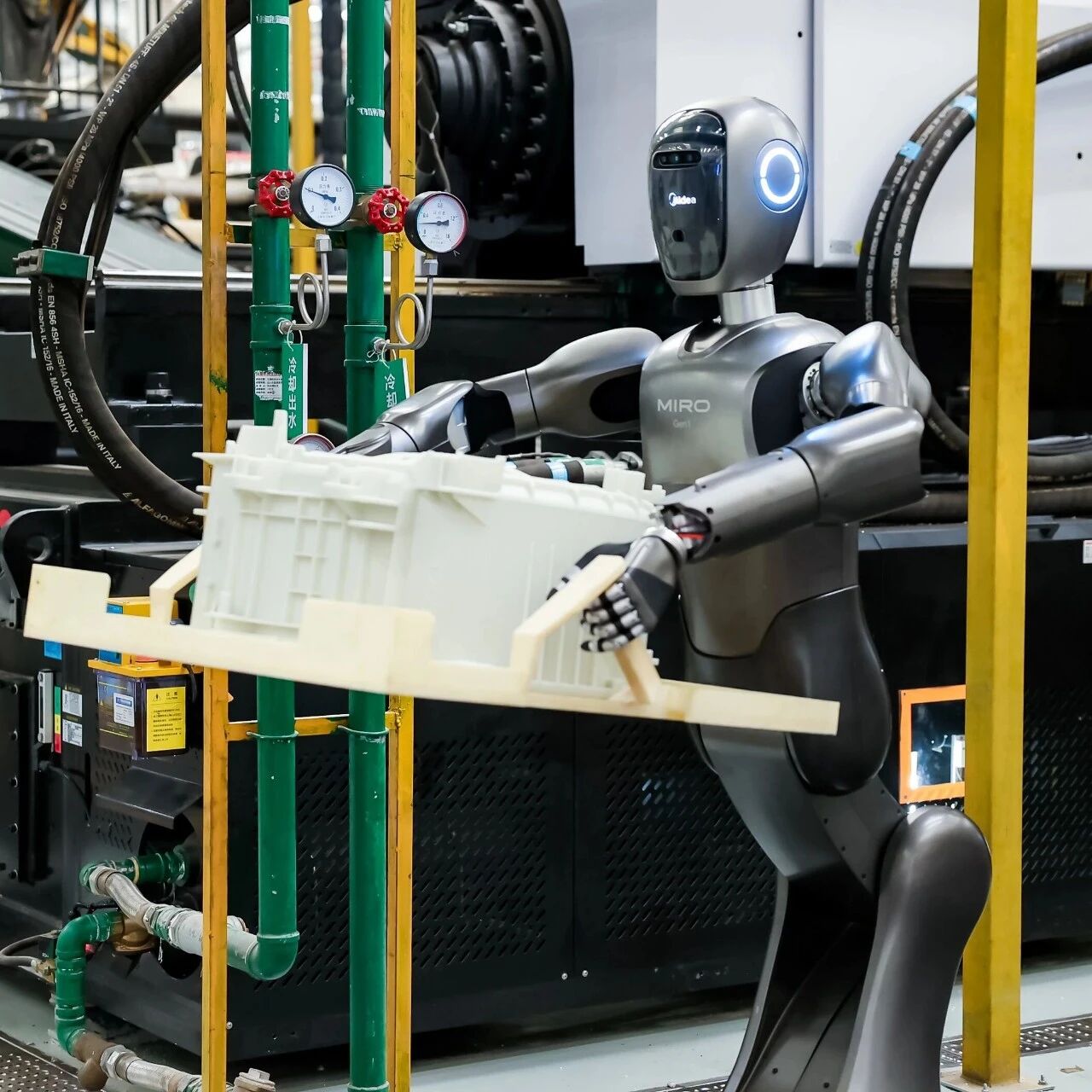
Core Viewpoint - The article discusses the shift in China's manufacturing industry towards the application of artificial intelligence (AI) in production processes, moving from general office scenarios to frontline applications, with a focus on cost savings and efficiency improvements [3][4]. Group 1: AI Implementation in Manufacturing - Midea Group's digital subsidiary, Meiyun Zhishu, launched an industrial intelligence matrix and the Meiqing AIGC 3.1 platform, aiming to achieve approximately 900 million yuan in cost savings through AI applications by 2026 [3][8]. - Midea has implemented over 40 industrial intelligent agents across 158 core business scenarios, covering areas such as R&D, manufacturing, supply chain, quality, logistics, finance, human resources, and overseas services [3][7]. - The focus has shifted from the quantity of intelligent agents to the effectiveness of specific scenarios that can genuinely improve efficiency and reduce costs [5]. Group 2: Cost Savings and Efficiency Gains - In manufacturing, Midea has utilized intelligent agents for production management, such as loss analysis, which allows for quick identification of issues and targeted improvement suggestions [7]. - In human resources and legal fields, AI applications can reduce costs by up to 90% in certain areas, with projected savings of 40 million yuan in 2023, 180 million yuan in 2024, 600 million yuan in 2025, and reaching 900 million yuan in 2026 [8]. Group 3: Broader Industry Trends - Other manufacturing companies, such as Haier and Skyworth, are also advancing similar AI applications, with Haier's platform reporting a 10% reduction in labor and energy costs in specific scenarios [9]. - The Chinese government is promoting AI in manufacturing, aiming to implement 3-5 general large models in the industry by 2027 and cultivate 1,000 high-level industrial intelligent agents [9]. Group 4: Challenges in AI Adoption - The promotion of industrial intelligent agents faces challenges, particularly in small and medium-sized enterprises, due to reliance on business participation and data quality [10]. - High costs and recruitment difficulties for AI talent are significant barriers, with a suggested approach of transitioning existing digital teams towards AI [10][12]. - The future direction is expected to integrate intelligent agents into traditional industrial software rather than existing as standalone tools, enhancing decision-making processes [12].


开播即“卖爆”,超六千企业参与!“广货行天下”首日开门红
Nan Fang Du Shi Bao· 2026-01-15 12:07
Core Insights - The "Guangdong Goods Going Global" spring campaign has successfully boosted sales, with reports of a 100% increase in sales during the live broadcast event [1][6] - Over 6,000 enterprises from various sectors, including home appliances, electronics, and food, participated in the campaign, supported by major e-commerce platforms [2][9] - The campaign aims to enhance the competitiveness of Guangdong's manufacturing sector and promote local products both domestically and internationally [7][10] Group 1: Campaign Overview - The spring campaign features 12 online and offline promotional events throughout the first quarter, focusing on high-quality products from Guangdong [1][9] - Major brands like Midea, Gree, and Hisense showcased their products during the event, highlighting the strength of Guangdong's manufacturing base [2][3] - The campaign is designed to create a new sales trend for Guangdong products, leveraging both online and offline channels [1][7] Group 2: Product Quality and Innovation - Guangdong's manufacturing sector is characterized by a strong product base, with 44 industrial products accounting for over 10% of national output [2][3] - The campaign emphasizes product quality improvements and innovative features, such as AI technology in air conditioning units [5][6] - The introduction of "smart" products, including consumer drones and industrial robots, showcases Guangdong's technological advancements [3][5] Group 3: Marketing Strategies - The use of live streaming and influencer marketing has transformed traditional promotional methods, enhancing consumer engagement and driving sales [4][6] - The campaign's strategy includes creating immersive experiences for consumers, allowing them to interact with products in real-time [5][6] - E-commerce platforms are actively promoting Guangdong products through targeted marketing and special promotional sections [6][9] Group 4: Future Plans - The campaign aims to establish a sustainable promotional brand that will continue to drive sales and enhance market vitality [10] - Future events will focus on various product categories, including clothing and food, to further promote local advantages [9][10] - The collaboration between government, enterprises, and platforms is expected to create a positive feedback loop, enhancing brand recognition and consumer trust [7][10]


“新国补”落地 持续激发市场活力
Yang Shi Wang· 2026-01-15 12:01
Core Viewpoint - The implementation of the new round of consumer goods replacement subsidy policy has accelerated the revitalization of the consumption market across various regions in China, with local governments optimizing consumption scenarios and services to enhance consumer experience [1] Group 1: Policy Implementation and Local Initiatives - Anhui province is promoting the subsidy policy by integrating it into communities, enterprises, and townships, creating "policy + experience" consumption scenarios with designated "subsidy product experience zones" [1] - In Hunan, collaboration between manufacturers and stores, along with increased subsidy efforts, has attracted consumers, resulting in the issuance of government subsidies amounting to 232 million yuan, which directly drove sales to 1.699 billion yuan [1] Group 2: Market Trends and Consumer Behavior - The upgraded "national subsidy" has sparked a surge in the consumption of green and smart products, with energy-efficient appliances becoming mainstream in Liaoning as consumers are incentivized to choose energy-saving and water-saving options [1] - In Sichuan, new subsidy categories such as smart glasses and smartwatches have attracted younger consumers, becoming a new growth point in the digital consumption market and meeting the demand for high-tech products [1] - In Shanxi, the daily sales of related digital products have shown continuous growth, with merchants offering additional subsidies for trade-ins and interest-free installment plans, creating a synergistic effect with government consumption vouchers to stimulate consumer purchasing enthusiasm [1]
广东启动“广货行天下”春季行动 家电打头阵
Zhong Guo Xin Wen Wang· 2026-01-15 11:55
Group 1 - The "Guanghuo Xing Tianxia" spring action has been launched, marking the beginning of the 2026 online promotion activities for Guangdong products, covering 12 categories including home appliances, mobile phones, clothing, food, smart terminals, automobiles, beauty and daily chemicals, cultural tourism, and agriculture [1][2] - The first promotional event focused on home appliances, with over 1,900 large-scale home appliance enterprises in Guangdong participating, including 55 well-known companies such as Midea, Gree, Galanz, and Hisense, showcasing quality products and conducting live-streaming sales [1] - A multi-layered discount system has been established, combining government subsidies, enterprise discounts, and platform support, allowing consumers to enjoy various promotions including government "national subsidies," brand direct discounts, platform exclusive live prices, and consumer coupons [1] Group 2 - The Guangdong Provincial Department of Industry and Information Technology stated that the "Guanghuo Xing Tianxia" initiative aims to enhance the market exposure and influence of high-quality industrial products from Guangdong, promoting breakthroughs in online sales and supporting economic growth [2] - The department plans to hold 12 online promotional events in a weekly rhythm leading up to the Spring Festival, focusing on advantageous industries such as mobile phones, clothing, and food, to help Guangdong industrial products sell nationwide and globally [2]
靓货多多!福利多多!“广货行天下”春季行动正式启动
Nan Fang Nong Cun Bao· 2026-01-15 11:33
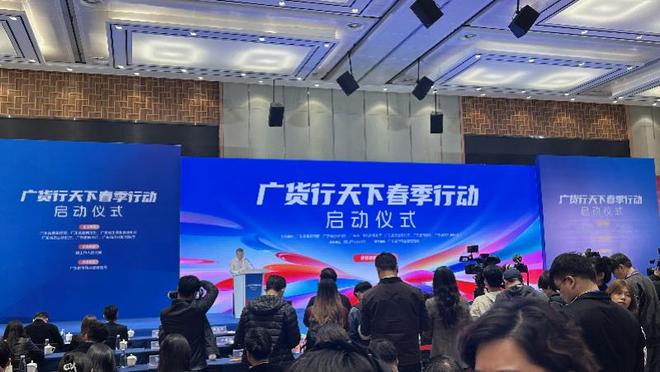
Core Points - The "Guangdong Goods Going Global" Spring Action was officially launched on January 15, 2026, marking the beginning of a large-scale online promotion campaign in Guangdong Province for the year [2][3][5] - The event aims to enhance the visibility and market influence of high-quality Guangdong products, driving breakthroughs in online sales of industrial consumer goods across the province [9][10] - The initiative is supported by over 10 major commercial platforms and numerous offline supermarkets, showcasing a collaborative effort to promote Guangdong's manufacturing and digital economy [16][18] Group 1 - The event was organized by multiple provincial departments, including the Provincial Publicity Department and the Provincial Department of Commerce, and was hosted by the Foshan Municipal Government [4][5] - The Spring Action features participation from over 6,000 enterprises across various categories, including home appliances, mobile phones, clothing, food, smart terminals, automobiles, beauty products, and agriculture [7][8] - Foshan, known as the "Home Appliance Capital of China," serves as the first stop for this series of activities, highlighting the government's emphasis on local manufacturing [13][14] Group 2 - The event includes innovative elements such as a "live demonstration area," where over 30 leading Guangdong home appliance companies showcase their flagship products through live streaming [24][25] - Notable brands like Galanz are presenting their latest green and smart products, aiming to promote energy-efficient and healthy appliances to consumers [27][29] - The Spring Action will expand beyond home appliances to cover more advantageous industrial clusters in Guangdong, focusing on both short-term consumer stimulation and long-term brand building and industry upgrading [30][31]

工业智能体“进车间”:中国制造业把AI用在“刀刃”上
Di Yi Cai Jing· 2026-01-15 11:06
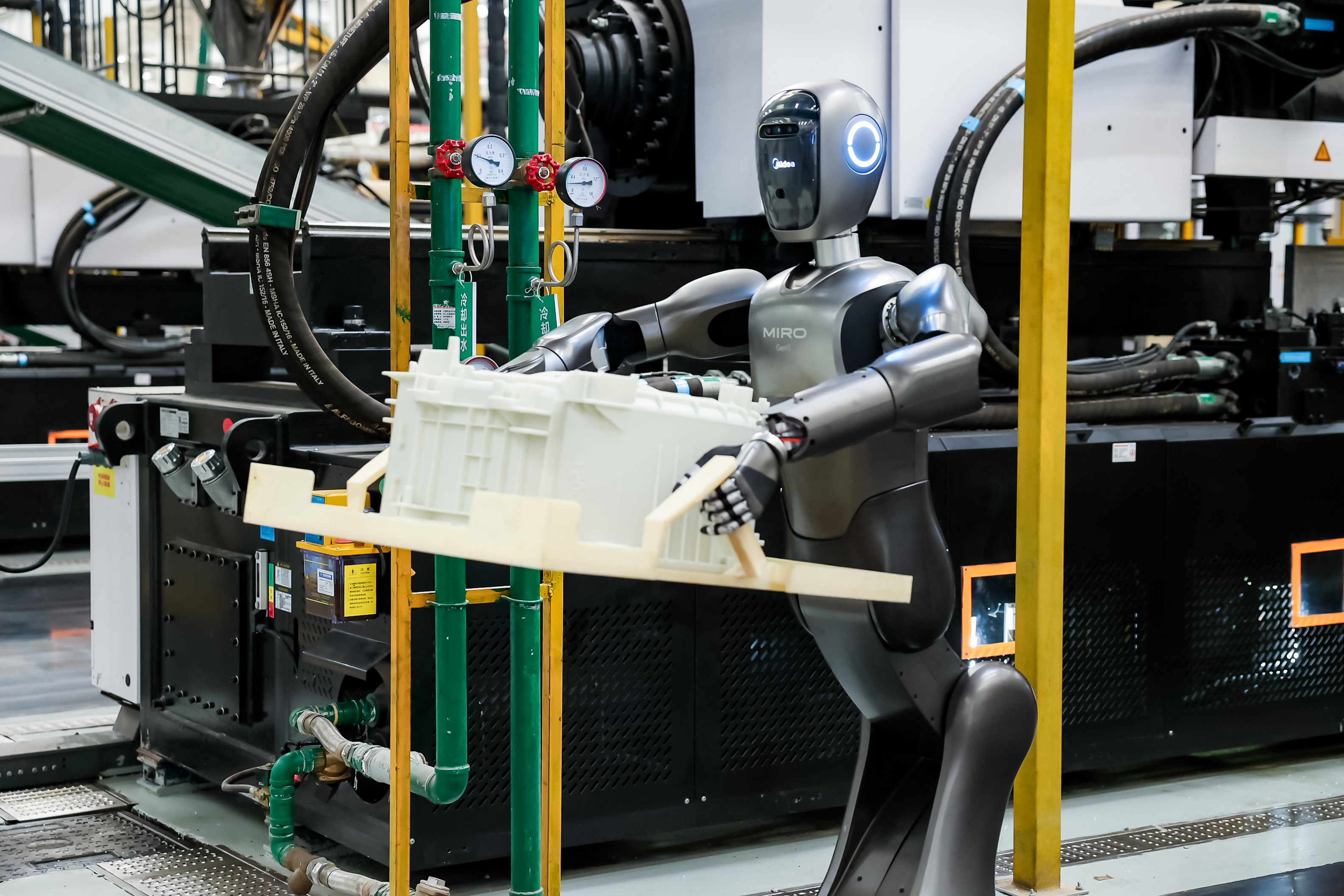
Core Viewpoint - The Chinese manufacturing industry is shifting its focus on artificial intelligence (AI) applications from general office scenarios to frontline production after two years of experimental deployment. Midea Group's digital subsidiary, Meiyun Zhishu, has launched an industrial intelligence matrix and the Meiqing AIGC 3.1 platform, aiming to achieve approximately 900 million yuan in cost savings through AI applications by 2026 [1][2][8]. Group 1: AI Implementation in Manufacturing - Midea has deployed over 40 industrial intelligent agents selected from thousands within the company, achieving large-scale applications in 158 core business scenarios, covering R&D, manufacturing, supply chain, quality, logistics, finance, human resources, and overseas services [1][6]. - In production management, Midea utilizes intelligent agents for loss analysis, enabling quick identification of issues causing production losses, which previously required manual checks every few hours [6]. - In the supply chain, intelligent agents can quickly assess the impact of disruptions, such as typhoons, and provide alternative supply solutions [7]. Group 2: Cost Savings and Efficiency - Midea's AI applications are projected to save approximately 40 million yuan in 2023, 180 million yuan in 2024, 600 million yuan in 2025, and reach 900 million yuan in 2026 [8]. - In human resources and legal fields, AI applications can reduce costs by up to 90% in processes like resume screening and contract review [8]. Group 3: Industry Trends and Policy Support - Other manufacturing companies, such as Haier and Skyworth, are also advancing similar AI applications, with Haier's industrial model already implemented in over 40 scenarios across various sectors, achieving a 10% reduction in labor and energy costs in some processes [9]. - The Chinese government is promoting AI in manufacturing through initiatives aimed at deepening the application of 3-5 general models in the industry by 2027 and cultivating 1,000 high-level industrial intelligent agents [9]. Group 4: Challenges in AI Adoption - The promotion of industrial intelligent agents faces challenges, particularly in small and medium-sized enterprises, due to reliance on business participation and data quality, high costs and recruitment difficulties for AI talent, and unclear application scenarios [10][11]. - Companies are advised to first address their digitalization shortcomings before scaling AI applications [11]. Group 5: Future Directions - The future direction for AI in manufacturing is the integration of intelligent agents into traditional industrial software rather than existing as standalone tools, with AI providing decision support in areas like sales forecasting and production planning [12].
买买买!“广货行天下”春季行动今日启动,中山2家企业参展
Nan Fang Du Shi Bao· 2026-01-15 10:37
Group 1 - The "Guangdong Goods Going Global" spring campaign was launched on January 15 at the Tanzhou Convention Center in Foshan, featuring two companies from Zhongshan: Guangdong Weili Electric Co., Ltd. and Zhongshan Anboer Electric Co., Ltd. [1] - The first quarter of the campaign will focus on consumer hotspots for the Spring Festival, including home appliances, mobile phones, clothing, food, 3C digital products, beauty products, home goods, toys, and daily chemicals, with 12 promotional events planned, held weekly in both online and offline formats [3] - The inaugural home appliance promotional event was conducted simultaneously at the launch ceremony, featuring a "live demonstration area" showcasing flagship products from over 30 Guangdong home appliance companies, creating a synergistic effect on consumer engagement [3] Group 2 - Guangdong Weili Electric Co., Ltd. is a representative enterprise in Zhongshan's smart home appliance industry, with 45 years of experience, known for its technological innovation and quality, and has been awarded the title of "China's Washing Machine King" [3] - Zhongshan Anboer Electric Co., Ltd. specializes in small home appliances, including electric kettles, tea makers, coffee pots, rice cookers, and juicers, and showcased its products such as electric kettles and rice cookers at the event [5] - Multiple e-commerce platforms, including Taotian, Vipshop, and Xinxuan, announced plans to support the "Guangdong Goods" initiative by creating dedicated sections or topics to display Guangdong products and promote related sales information [7]
视频丨“国补”叠加商家优惠 消费市场迎新年“开门红”
Yang Shi Xin Wen Ke Hu Duan· 2026-01-15 10:30
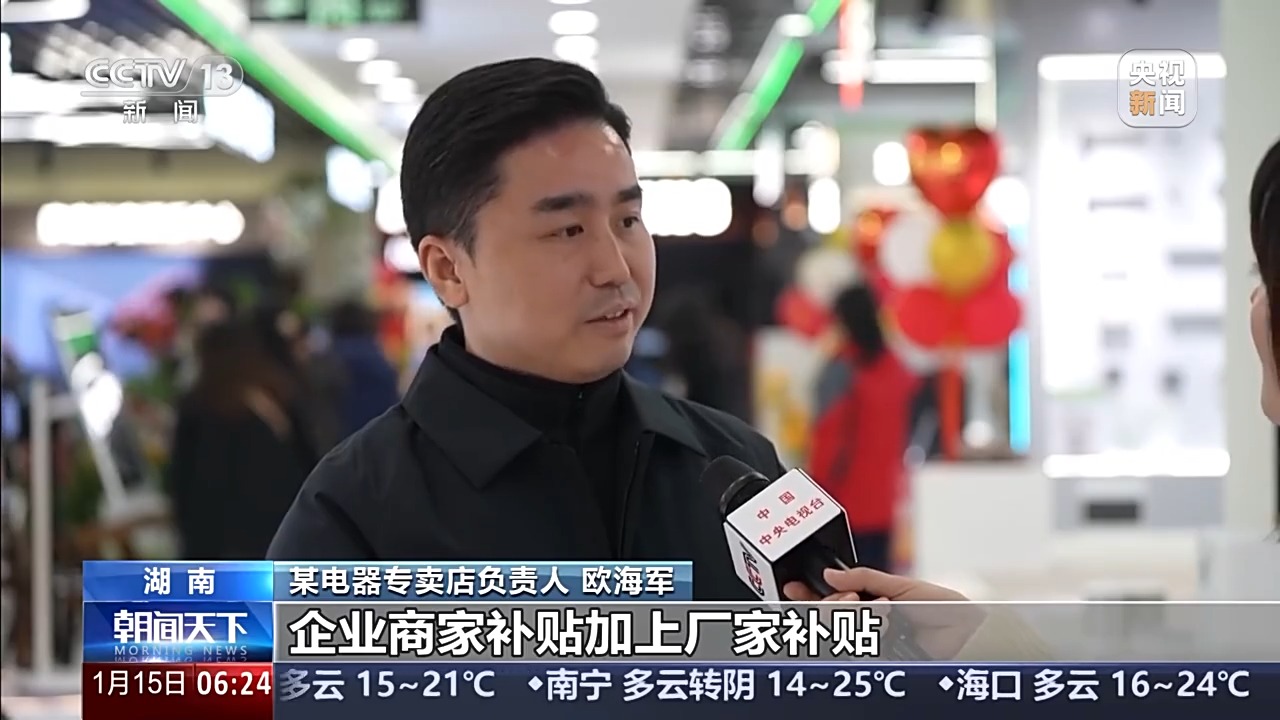
Group 1 - The new round of consumer goods trade-in policy has led to a surge in the consumption market in regions like Hunan and Shanxi, marking a strong start to the new year [1] - In a large appliance store in Changsha, Hunan, many consumers are inquiring about the "national subsidy" policy, with some stores offering additional discounts on top of government subsidies [3] - A store manager reported that with combined subsidies from businesses and manufacturers, consumers can enjoy up to 45% in discounts, resulting in a sales increase of over 30% year-on-year since January 1 [5] Group 2 - Hunan's trade-in policy this year has expanded the scope of subsidized products from "digital products" to include "digital and smart products," covering items such as smartphones, tablets, smartwatches, smart glasses, and smart home products [7] - In Shanxi, the consumption market is also thriving, with staff assisting consumers in redeeming "national subsidy" vouchers at an appliance store [9] - Shanxi's government subsidies are distributed weekly through the "Yunshanfu" platform, using a "voucher first, discount at purchase" method, with a subsidy standard of 15% off the final price after all discounts, limited to one item per category per consumer [11]
江西:政策落地激活消费 以旧换新热潮持续升温
Sou Hu Cai Jing· 2026-01-15 10:16
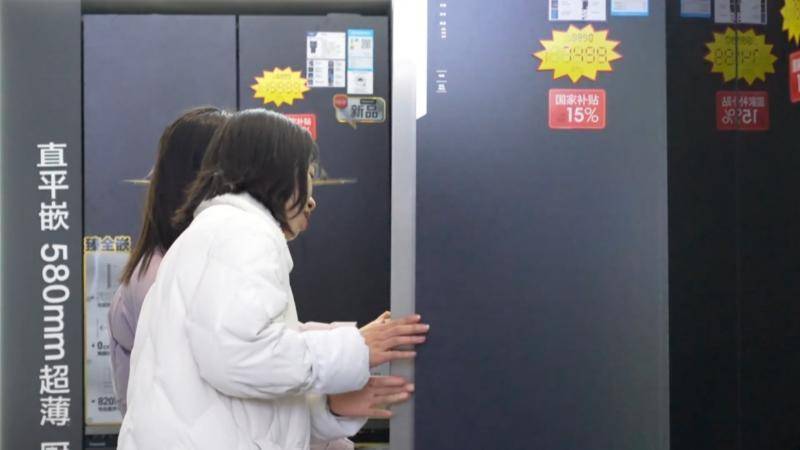
Core Viewpoint - The new round of consumer goods trade-in policy implemented at the beginning of 2026 is expected to stimulate the consumption market in Jiangxi, particularly in the automotive and home appliance sectors [1]. Group 1: Home Appliances - The trade-in policy for consumer goods has led to a surge in home appliance sales, with stores displaying various products like refrigerators, washing machines, and air conditioners [3]. - Consumers can enjoy immediate discounts through a "subsidy reduction" model when purchasing eligible products, enhancing the attractiveness of energy-efficient appliances [3]. - A store manager reported a significant increase in sales of first-level energy-efficient appliances, with sales in just ten days surpassing the total sales for December of the previous year [3]. Group 2: Automotive Sector - The implementation of the trade-in subsidy policy for automobiles has sparked a wave of vehicle exchanges, with promotional messages highlighting subsidies of up to 20,000 yuan [3][4]. - Consumers can receive a 12% subsidy on the purchase price of new energy vehicles when trading in old gasoline cars registered before June 30, 2013, with a maximum subsidy of 20,000 yuan [4]. - The combination of national, manufacturer, and store subsidies can lead to total discounts of up to 50,000 yuan, significantly lowering the cost of purchasing new vehicles [3][4]. - A dealership reported a 50% increase in customer traffic, resulting in an average of 3 to 5 orders per day, indicating a positive impact on sales [3].
广东省制造业赋能对接系列活动在全省全面铺开
Nan Fang Ri Bao Wang Luo Ban· 2026-01-15 10:09
Group 1 - The Guangdong province has launched a series of manufacturing empowerment activities to help enterprises expand their markets and promote high-quality industrial products, integrating global resources to create a precise supply-demand matching hub [1][2] - Since Q4 2025, over 180 manufacturing empowerment events have been held, resulting in 7,441 intended cooperation agreements and total investment exceeding 90 billion yuan [2] - The activities focus on upgrading traditional industries and utilize AI technology as a core engine, covering the entire value chain from R&D innovation to market sales [1][2] Group 2 - The Guangdong Provincial Department of Industry and Information Technology plans to complete a second batch of empowerment matching before the Spring Festival and will promote online sales of Guangdong industrial products [2][3] - Manufacturing is a cornerstone of Guangdong's economy, contributing to 1/8 of the national industrial added value and over 30% of the province's GDP [2] - Future efforts will focus on deepening the manufacturing empowerment system, targeting key industries and products, and converting cooperation intentions into actual investments to support economic growth [3]