
电子电器

Search documents
建邦科技20250813
2025-08-13 14:53
Summary of Jianbang Technology Conference Call Company Overview - **Company**: Jianbang Technology - **Industry**: Automotive and Electronic Components Key Points Financial Performance - Jianbang Technology reported a revenue growth of **19.3%** in the first half of 2025, reaching **CNY 375 million** [3] - Net profit attributable to shareholders increased by **27.2%**, amounting to **CNY 49 million** [3] - The second quarter saw revenue and net profit growth of **19.3%** and **16.5%** respectively [3] Business Highlights - Non-automotive parts business emerged as a core highlight, generating **CNY 65 million** in revenue, a **183.2%** increase, accounting for **17%** of total revenue [2][4] - Pool products alone contributed over **CNY 45 million**, with a **200%** year-on-year growth [2][4] - High-value electronic and electrical business grew by **60.6%** [2] - E-commerce channel revenue reached **CNY 170 million**, up **18%**, making up **45.4%** of total revenue [2][4] Strategic Initiatives - Accelerated globalization and self-production strategies, establishing Xunyan Technology for automotive electronics, with around **200 products** now self-produced [2][5] - Open platform model encourages innovation, allowing small projects under **CNY 100,000** to proceed without high-level approval [2][10] - Focus on R&D and channel development, leveraging Chinese production resources for flexibility [11] Market Challenges - Tariff issues impacted operations starting April 2025, causing temporary disruptions in business [6] - Despite challenges, the company managed to maintain steady growth in Q2 due to internal factors like platform trends and ecosystem development [6] Future Development Strategy - Aiming to build a comprehensive platform ecosystem focused on mechanical and industrial products [7] - Plans to enhance product diversity and continue expanding e-commerce channels, which have shown significant growth [24] Product Development and Market Trends - The company is exploring new product categories, including robotic lawn mowers and RV-related products, with initial revenues from lawn mower parts at **CNY 20,000** [14] - The RV market is expected to grow, particularly in the U.S. and Australia, with a focus on both new and aftermarket products [14] Production and Supply Chain - The Thai factory received production licenses in July 2025, but is not expected to break even in Q4 due to high fixed costs [14][15] - Current production focuses on automotive parts, with ongoing challenges in ramping up capacity due to local labor shortages [16] Financial Outlook - Operating cash flow decreased due to increased inventory preparations, rising from **CNY 100 million** to **CNY 180 million** [27][28] - Credit impairment losses increased due to reverse provisions, indicating improved accounts receivable management [29] E-commerce and Market Expansion - E-commerce revenue is projected to continue growing, with a target of **20-30%** online sales by 2030 [24] - Major cross-border e-commerce platforms remain significant contributors to revenue, with ongoing interest in automotive parts [25] Automotive Electronics and Commercial Vehicle Development - The automotive electronics segment is expected to maintain growth, with new products in testing phases [20][26] - Development of commercial vehicle products, including sensors and systems for automated driving, is underway [26] Conclusion - Jianbang Technology is positioned for continued growth through strategic diversification, e-commerce expansion, and a focus on high-value products, despite facing challenges from tariffs and production ramp-up issues.
你敢信?这么美的丝巾竟然是海洋垃圾做的!
Xin Hua She· 2025-08-07 04:23
Core Viewpoint - The article highlights a new model for marine plastic waste management in Taizhou, Zhejiang, where ocean garbage is transformed into consumer products, promoting a "blue circular" economy [1] Group 1: Marine Waste Management - Local government and enterprises encourage fishermen and plastic sorters to collect marine garbage such as plastic bottles and fishing nets for recycling [1] - Recovered materials are processed into plastic pellets, which are then used in various industries including electronics and textiles [1] Group 2: Economic and Environmental Impact - The profits generated from the sale of products made from recycled materials are reinvested into the waste collection system, creating a sustainable cycle [1] - The initiative involves collaboration between government, enterprises, industry, and public participation, showcasing a comprehensive approach to environmental sustainability [1]
中国新发展 世界新机遇(新视窗)
Ren Min Ri Bao· 2025-07-29 22:42
Core Insights - The third China International Supply Chain Promotion Expo (Chain Expo) was held in Beijing, featuring 1,200 participating companies and institutions, with over 6,000 cooperation agreements signed [3][4] - The theme of the expo was "Linking the World, Creating the Future," emphasizing international collaboration and innovation in supply chains [3] Panasonic - Panasonic's business in China accounts for 24.4% of its global operations, contributing 30% to its profits [6] - The company showcased its new rail transit platform door solution, which has been implemented in 53 projects across 18 cities in China [4][5] - Panasonic has established deep collaborations with over 6,000 local suppliers in China, enhancing its supply chain stability and innovation capabilities [5][6] Novo Nordisk - Novo Nordisk has introduced 22 innovative drugs and 11 injection devices in China by the end of 2024, focusing on diabetes and obesity treatment [7][9] - The company aims to enhance local supply chain management through partnerships with Chinese firms, improving drug accessibility and efficiency [8][10] - Novo Nordisk's "China Co-Creation" project has led to the simultaneous clinical approval of new drugs in China and globally, benefiting local patients [9][10] Honeywell - Honeywell's new products are primarily developed by local teams in China, with over 95% of exhibits tailored to meet local market demands [11][12] - The company has established a complete localized value chain in China, including R&D, manufacturing, and services [12][13] - Honeywell emphasizes the importance of collaboration with local suppliers to ensure supply chain stability and innovation [12][14] Schneider Electric - Schneider Electric has built 21 "zero-carbon factories" and 15 national "green factories" in China, focusing on sustainable development [15][17] - The company aims to enhance supply chain resilience and efficiency through digital transformation and AI technologies [16][17] - Schneider Electric's operations in China have significantly reduced energy consumption and improved production efficiency since 2019 [17][18]

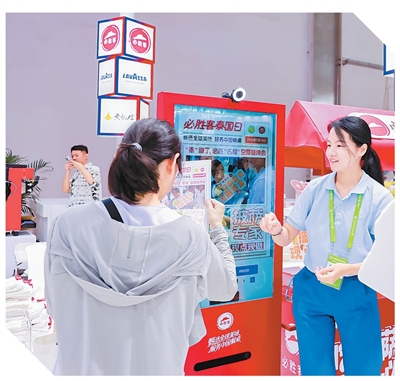
【环时深度】如何看待俄罗斯?德国人心态复杂
Huan Qiu Shi Bao· 2025-07-28 22:53
Group 1 - The relationship between Germany and Russia has deteriorated significantly, with German officials expressing strong military support for Ukraine and a hardline stance against Russia [1][2][3] - A significant portion of the German population perceives Russia as a threat, with about half of the voters agreeing with the government's assessment [7] - The economic impact of the conflict is evident, particularly in regions like Schwedt, where a refinery dependent on Russian oil faces severe challenges due to the cessation of imports [4][5] Group 2 - The German government is considering changes to foreign trade laws to prevent the acquisition of companies involved in the Nord Stream 2 gas pipeline, reflecting a broader strategy to avoid reliance on Russian energy [3] - Despite the government's hardline approach, many in the German business community are advocating for a resumption of cooperation with Russia, highlighting the economic pressures faced by local industries [4][5] - The potential for Western companies to re-enter the Russian market post-conflict is being discussed, with experts noting the attractiveness of the Russian market for foreign businesses [11][13]
我国1—6月消费品召回近300万件 其中电子电器召回130.45万件
news flash· 2025-07-25 03:01
Summary of Key Points Core Viewpoint - In the first half of the year, China conducted 485 recalls of defective consumer products, involving approximately 2.93 million items, marking a year-on-year increase of 22.17% in the number of recalls and 3.61% in the number of items recalled [1] Group 1: Recall Statistics - A total of 485 defective consumer product recalls were conducted in China from January to June, involving 2.93 million items [1] - The cumulative number of defective product recalls reached 6,470, involving a total of 108 million items as of June 30 [1] Group 2: Recall Categories - The largest category of recalls was electronic and electrical products, with 1.30 million items recalled, accounting for 44.56% of the total recalls [1] - Food-related product recalls totaled 945,500 items, representing 32.3% of the total [1] - Children's products accounted for 348,700 items recalled, making up 11.91% of the total [1]
四川加快构建碳足迹管理体系
Zhong Guo Hua Gong Bao· 2025-07-25 02:11
Core Viewpoint - The Sichuan Provincial Ecological Environment Department and 14 other departments have jointly issued the "Implementation Plan for the Construction of Carbon Footprint Management System in Sichuan Province," which outlines a timeline and roadmap for establishing a product carbon footprint management system to promote green and low-carbon supply chain development and achieve carbon peak and carbon neutrality goals [1][3]. Group 1: Carbon Footprint Management System - The product carbon footprint connects production enterprises and consumers, facilitating greenhouse gas emission reduction across the entire lifecycle [2]. - The management system will consist of "two major cornerstones" (carbon footprint accounting standards and carbon footprint factor database) and "three systems" (product carbon labeling certification, carbon footprint grading management, and information disclosure) [2][3]. - By 2027, the initial establishment of the carbon footprint management system is targeted, with further improvements and expanded application scenarios by 2030 [3]. Group 2: Key Tasks and Focus Areas - The plan includes multiple petrochemical products in its scope, emphasizing the establishment of accounting rules and standards for products such as natural gas, fuel, fertilizers, hydrogen, and lithium batteries [4]. - Priority will be given to carbon footprint accounting for key products in sectors like decoration materials, lithium batteries, and clean energy equipment [4]. - The plan supports the development of low-carbon supply chains, particularly in the fields of power batteries, new energy vehicles, and photovoltaics [4]. Group 3: Preparation for Enterprises - Enterprises are advised to enhance their management systems by integrating carbon footprint factors into their supply chain management and establishing monitoring and reporting mechanisms [5][6]. - Strengthening accounting applications is crucial, including collaboration with certification bodies and adherence to various standards for carbon footprint assessment [6]. - Companies should focus on energy-saving and carbon reduction strategies, targeting major emission sources and promoting relevant technologies [6]. - Capacity building is essential, involving talent acquisition, foundational research, and training on carbon footprint management [6].
海信视像: 《海信视像科技股份有限公司章程(2025年修订)》(备案版)
Zheng Quan Zhi Xing· 2025-07-24 16:32
General Provisions - The company is established to protect the legal rights of shareholders, employees, and creditors, and to regulate its organization and behavior according to relevant laws [1][2] - The company was founded on April 17, 1997, as Qingdao Hisense Electric Co., Ltd., and was renamed Hisense Visual Technology Co., Ltd. in 2019 [2][3] - The registered capital of the company is RMB 1,304,972,254 [2][3] Business Objectives and Scope - The company's business objective is to lead with technology and be market-oriented, focusing on electronic information products and developing various businesses [4] - The business scope includes manufacturing and selling televisions, home appliances, broadcasting equipment, and various electronic products, among others [4] Shares - The company's shares are issued in the form of stocks, with all shares having equal rights [5][6] - The total number of issued shares is 1,304,972,254, all of which are ordinary shares [5][6] Shareholder Rights and Responsibilities - Shareholders have rights to dividends, attend meetings, supervise the company, and transfer their shares [10][11] - Shareholders must comply with laws and the company's articles of association, and they cannot withdraw their capital except as legally permitted [14][41] Shareholder Meetings - The company holds annual and temporary shareholder meetings, with the annual meeting occurring within six months after the end of the previous fiscal year [19][20] - Shareholder meetings can be conducted in person or via electronic means, ensuring accessibility for all shareholders [20][24] Decision-Making and Voting - Resolutions at shareholder meetings can be ordinary or special, with ordinary resolutions requiring a simple majority and special resolutions requiring a two-thirds majority [80][81] - Specific matters, such as capital changes and amendments to the articles of association, require special resolutions [82]

日本东芝集团退市!曾经的世界第一,百年巨头被自己作死了
Sou Hu Cai Jing· 2025-07-20 03:47
Core Viewpoint - Toshiba, a multinational corporation with a 130-year history, announced its decision to delist from the Tokyo Stock Exchange, marking a significant decline for a company that once thrived in the Chinese market and was a symbol of technological innovation [1][27]. Group 1: Historical Context - Toshiba was once a leader in various sectors, including home appliances and computing, and was known for creating the world's first laptop and transistor television [1]. - The company faced a major scandal in 1987 involving illegal transactions with the Soviet Union, which severely damaged its reputation and market position [2][7]. Group 2: Financial Performance - Toshiba's revenue has seen a significant decline over the years, from $53 billion in 1996 to $28.8 billion in 2021, reflecting a downward trend in its business performance [9]. - Despite facing external pressures, Toshiba managed to maintain a strong presence in the semiconductor market, particularly in flash memory, which was considered its most competitive segment by 2018 [22]. Group 3: Key Events and Challenges - The Fukushima nuclear disaster in 2011, where Toshiba was a key supplier of nuclear equipment, led to a loss of reputation and a significant reduction in nuclear power orders, contributing to its long-term decline [12][13]. - Financial scandals, including accounting fraud in 2015, further exacerbated Toshiba's struggles, leading to severe financial losses and a tarnished image [15][18]. Group 4: Strategic Decisions - Toshiba attempted to recover by acquiring Westinghouse Electric in a bid to enter the U.S. nuclear market, but this decision ultimately led to further financial troubles, resulting in the sale of the subsidiary [21]. - The company has been selling off assets, including its medical and home appliance divisions, in an effort to stabilize its finances, but these measures have not reversed its downward trajectory [17][24]. Group 5: Conclusion - The decision to delist from the Tokyo Stock Exchange signifies the culmination of Toshiba's decline, attributed to both external market conditions and internal mismanagement [27][29]. - The company's failure to adapt to changing market dynamics and maintain ethical standards has led to its downfall, serving as a cautionary tale for other corporations [29].

瞭望 |德国海外综合服务体系构建
Sou Hu Cai Jing· 2025-07-14 09:13
Core Insights - Germany has established a comprehensive foreign investment service system through diversified policy support, investment promotion agencies, a robust risk management framework, and enhanced regulation of multinational corporations [1][3][6] Group 1: Current Status of German Enterprises Going Global - German enterprises have been actively expanding overseas since the 1970s, with a significant increase in international market presence in the 21st century [1][3] - Despite a 60% decline in Germany's foreign direct investment in 2024, the stock of foreign direct investment still accounts for over 45% of GDP [3][4] - 40% of surveyed German companies plan to increase overseas investments, indicating a strong focus on international markets [3] Group 2: Characteristics of German Enterprises Going Global - The main players in Germany's overseas investments are large multinational corporations, supported by small and medium-sized enterprises [3][4] - Germany has 29 companies in the Fortune Global 500, with a high proportion of "hidden champions" in niche markets [3][4] - Major companies like Siemens and Volkswagen are deepening their global presence through greenfield investments and acquisitions [3][5] Group 3: Regional Distribution of Investments - German enterprises are diversifying their investment regions to reduce reliance on single markets, with notable growth in investments in China, Southeast Asia, and North America [4] - In 2024, German investments in China reached €5.7 billion, a 25% increase year-on-year [4] Group 4: Complete and Mature Industrial System - Germany's high-end manufacturing and modern service industries are key drivers of international expansion, with over 70% of overseas revenue coming from the automotive, machinery, chemical, and electronics sectors [5] - The internationalization of the service sector, including finance, insurance, and logistics, has accelerated, supporting the overseas activities of German manufacturing [5] Group 5: Systematic Support for Overseas Investment - Germany provides a comprehensive policy resource support system, including funding, tax incentives, and insurance to mitigate investment risks [6][7] - The German Investment and Development Company offers specialized services for SMEs, including low-interest loans and financing guarantees [6] - The government also provides export credit insurance and investment guarantees to cover various risks associated with overseas investments [6] Group 6: Risk Management Framework - German enterprises have established a comprehensive risk management system that includes pre-investment assessments and post-investment responses [8][9] - A three-tier governance structure for risk management is in place, with dedicated risk management departments and specialized risk officers in various regions [8] - Companies utilize quantitative management tools and digital platforms for real-time monitoring of risk indicators [8] Group 7: Regulatory Framework for Multinational Corporations - The German government has implemented a multi-layered regulatory framework to ensure compliance with both domestic and host country laws [9][10] - The regulatory system emphasizes employee rights, environmental protection, fair competition, and transparency in international operations [10] Group 8: Recommendations for China - China can learn from Germany's experience by enhancing policy resource supply, establishing a professional service network, and strengthening risk management [11][12] - Recommendations include creating a diversified policy support system, improving tax incentives, and developing a comprehensive overseas investment insurance mechanism [11][12] - Establishing a multi-faceted professional service network and enhancing risk management controls are also suggested for Chinese enterprises [13][14]
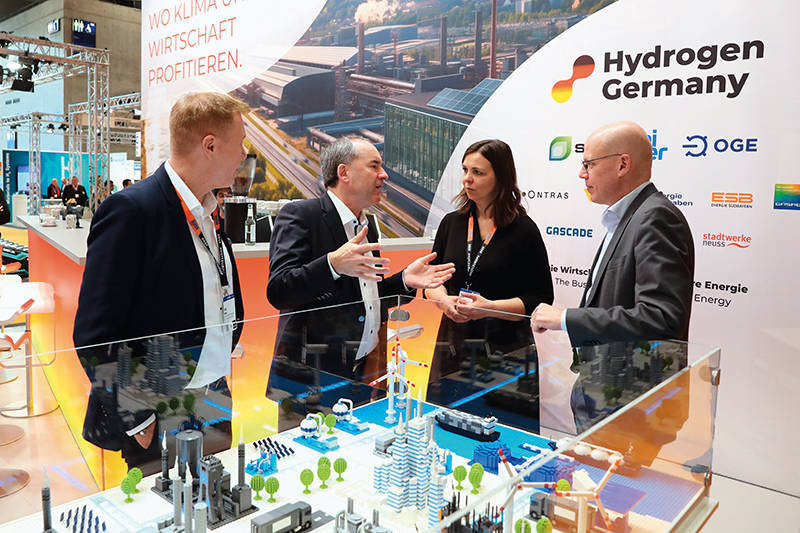
中国经济圆桌会·新华全媒头条 | 为扩大高水平对外开放作出新的示范——“中国经济圆桌会”聚焦深化国家级经开区改革创新
Xin Hua She· 2025-07-14 05:01
Core Viewpoint - The establishment of national-level economic and technological development zones is a significant measure for advancing reform and opening up in China, contributing to high-quality development and deepening reforms through high-level openness [1][2]. Group 1: Importance of National-Level Economic and Technological Development Zones - National-level economic and technological development zones are crucial for economic development and serve as important windows for foreign trade and investment, especially in the context of increasing global protectionism and unilateralism [2]. - Over 40 years, these zones have expanded from coastal cities to 232 zones across 31 provinces, with over 60,000 foreign-funded enterprises and approximately 99,000 foreign trade enterprises, accounting for about one-quarter of the national actual foreign investment and import-export volume in 2024 [3]. Group 2: Policy Measures and Development Strategies - The "Work Plan for Deepening Reform and Innovation of National-Level Economic and Technological Development Zones" outlines 16 policy measures across four areas: developing new productive forces, enhancing the level of open economy, deepening management system reforms, and strengthening factor guarantees [3][4]. - The plan supports the establishment of major industrial technology innovation platforms in qualified zones and encourages participation in high-quality Belt and Road initiatives [4]. Group 3: Role of Foreign Enterprises - Foreign enterprises, such as Panasonic, play a vital role in the development of national-level economic and technological development zones, benefiting from favorable business environments and policy support [5][10]. - Panasonic's sales revenue in China for the 2024 fiscal year is nearly 100 billion RMB, representing 24.4% of its global business, highlighting the significance of the Chinese market for foreign companies [5]. Group 4: Technological and Industrial Innovation - National-level economic and technological development zones are home to over 700 national incubators and innovation spaces, with high-tech enterprises accounting for 18.3% of the national total [7]. - The zones are focusing on integrating technological and industrial innovation, with policies aimed at enhancing innovation capabilities and solidifying the foundation for high-quality manufacturing [8]. Group 5: Future Development and Global Integration - The zones are encouraged to explore new paths for autonomous opening up and to create replicable and promotable institutional innovation results, contributing to the modernization of China [13]. - The plan emphasizes the need for a modern industrial system led by strategic emerging industries such as biomedicine, new energy materials, aerospace, and artificial intelligence [9].