
消费电子

Search documents
ETF复盘资讯|A股缩量震荡!顺周期起舞,有色ETF华宝、化工ETF逆市创新高!热门赛道遇冷,通用航空ETF华宝跌超3%
Sou Hu Cai Jing· 2026-01-15 14:01
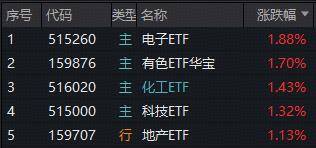
Market Overview - The A-share market experienced fluctuations on January 15, with the Shanghai Composite Index briefly falling below 4100 points before recovering at the close. The Shanghai Composite Index fell by 0.33%, while the Shenzhen Component Index rose by 0.41%, and the ChiNext Index increased by 0.56% [1] - The total trading volume in the Shanghai and Shenzhen markets was 29.388 billion yuan, significantly down by over 10 billion yuan compared to the previous day [1] Sector Performance Electronics Sector - The electronics sector saw a strong rally in the afternoon, with the electronic ETF (515260) rising by 1.88%, recovering its 5-day moving average. The sector attracted a net inflow of 16.862 billion yuan from institutional investors, leading all 31 primary industries [3][6] - Key stocks in the electronics sector included Unigroup Guowei, which hit a daily limit up of 10%, and Huazhong Microelectronics, which rose by 7.58% [4][5] Chemical Sector - The chemical sector also performed well, with the chemical ETF (516020) reaching a peak increase of 2.42% during the day and closing up by 1.43%, marking a new three-year high. The sector attracted 14.7 billion yuan in net inflows, leading the market [9][11] - Notable stocks included Tongcheng New Materials, which hit the daily limit up, and Hongda Co., which surged by 6.25% [9][13] AI and Robotics Sector - The AI and robotics sectors faced some challenges, with the general aviation ETF (159231) dropping by 3.56%. However, the ChiNext AI ETF (159363) and the Sci-Tech AI ETF (589520) also saw declines, indicating a mixed performance in this area [1][15] Investment Insights - Analysts from Huajin Securities believe that the recent adjustment of financing margin ratios will have a limited impact on A-share trends, as the market is currently in a slow bull phase supported by structural recovery in profits and low credit levels [2] - The electronics sector is expected to benefit from the U.S. government's recent imposition of tariffs on certain semiconductors, which may enhance domestic substitution sentiment [6] - The chemical industry is anticipated to experience a rebound in profitability as supply-demand dynamics stabilize, with AI-driven production capabilities expected to lead to new growth opportunities [13][14]




【窩輪透視】小米接近保力加通道底部,窩輪回顧與後市佈局參考
Ge Long Hui· 2026-01-15 12:55
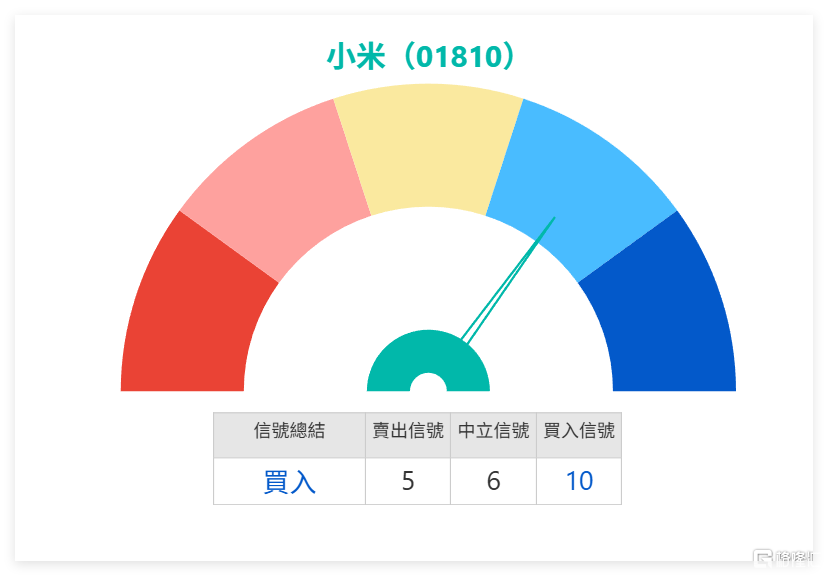
1月14日收市,小米(01810)全日報37.78元,單日微跌0.53%,成交額達66.98億元。指標方面,RSI讀數38,處於相對低位;技術指標總結信號為「買入」, 信號強度10,當中隨機震盪指標處於超賣區間給出買入信號,變動率指標出現底背離買入信號,一目均衡表亦顯示嚴重超跌可能築底的買入信號,但 MACD、保力加通道等指標仍維持賣出信號,多空信號略有分歧。 我哋【港股播報】中都有點評小米:對於投資者來說,可能有點讓人失望。不管是什麼原因,股價的表現已經說明了一切,始終在低位浮沉,雖然曾經漲過 一點點,但近期的上漲勢頭比較弱。1月14日小米的收市價是37.78元,從日線圖來看,已經比較接近保利加通道的底部了。有投資者說股價嚴重落後,雖 然"嚴重"與否不好說,但股價落後確實是事實,面對大盤,小米無可否認是落後嘅。 截至今日(15日)上午11點,小米最新報37.82元,暫升0.11%。現時阻力位分別在39.4元與42.1元,支持位則分別為36.9元及35.7元,上升概率56%,5日振 幅6.1%。 小米現時處於嚴重超跌可能築底的階段,但短期上漲勢頭仍弱,你會選擇低溢價認購證佈局反彈,定係繼續透過認沽證應對短期波 ...

存储涨价潮下的“受害者”:消费电子产商陷入成本泥潭,苹果(AAPL.US)、惠普(HPQ.US)等面临利润冲击
智通财经网· 2026-01-15 12:15
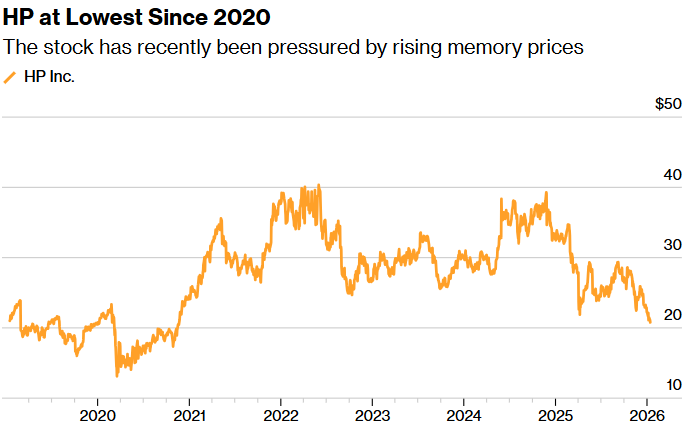
Core Viewpoint - The surge in memory chip prices has made companies like Sandisk, Micron Technology, and Western Digital popular stocks, but it has created significant challenges for their customers, including Apple and HP, as the high costs of memory components pose investment risks that are unlikely to reverse in the short term [1] Group 1: Impact on Hardware Manufacturers - Consumer hardware manufacturers are facing pressure due to high memory component costs, leading to two choices: accept lower profit margins or raise prices, which could harm demand [1] - Apple’s stock has seen only an 8.6% increase in 2025, marking its worst performance since 2022, while HP's stock has dropped nearly one-third in 2025 and hit its lowest level since November 2020 [2] - Dell Technologies' stock has decreased by 28% since reaching a historical high in October [2] Group 2: Semiconductor Manufacturers' Risks - The rising memory prices also pose risks for semiconductor manufacturers like Qualcomm and Arm, with recent downgrades in their ratings by Mizuho Securities and Bank of America [5] - The market is expected to continue pressuring these companies as long as memory prices remain high, driven by demand from artificial intelligence [5] - Dell is viewed positively due to its server business growth, which offsets the negative impact of rising memory prices [5] Group 3: Memory Price Trends and Industry Outlook - Samsung reported a more than 30% increase in average DRAM chip prices and about a 20% increase in NAND chip prices, with expectations that this trend will continue into 2026 or longer [6] - The memory cost for consumer hardware products may account for 10% to 20% of material costs, leading to concerns about profitability for companies like Apple and HP [6] - HP's earnings forecast for 2026 has been lowered by 7.1% due to rising memory costs, while Dell's performance expectations remain relatively stable due to strong demand in its server business [7] Group 4: Long-term Industry Dynamics - Analysts suggest that the current memory chip shortage is not just a cyclical issue but may indicate a permanent strategic reconfiguration of global silicon wafer capacity [6] - The anticipated significant increase in memory component costs over the next two years could impact even large companies like Apple [7] - The cyclical nature of memory prices is acknowledged, but the current supply shortage suggests that prices are unlikely to decrease in the short term [7]


A股缩量震荡!顺周期起舞,有色ETF华宝、化工ETF逆市创新高!热门赛道遇冷,通用航空ETF华宝跌超3%
Xin Lang Cai Jing· 2026-01-15 11:31
Market Overview - The A-share market experienced fluctuations on January 15, with the Shanghai Composite Index briefly falling below 4100 points before recovering at the close. The Shanghai Composite Index fell by 0.33%, while the Shenzhen Component Index rose by 0.41%, and the ChiNext Index increased by 0.56%. The total trading volume in the Shanghai and Shenzhen markets was 29.388 trillion yuan, a significant decrease of over 1 trillion yuan compared to the previous day [1][20]. Electronic Sector - The electronic sector saw a strong rally in the afternoon, with the electronic ETF (515260) rising by 1.88%. This ETF is heavily weighted in semiconductor and consumer electronics industries, and it recovered its 5-day moving average [3][23]. - The electronic sector attracted a net inflow of 16.862 billion yuan, leading all 31 primary industries in terms of capital inflow [3][23]. - Key stocks in the semiconductor sector, such as Unisoc and Huazhong Microelectronics, saw significant gains, with Unisoc hitting the daily limit of 10% [25][26]. Chemical Sector - The chemical sector also performed well, with the chemical ETF (516020) reaching a peak increase of 2.42% during the day, closing up 1.43%, marking a new three-year high [8][29]. - The basic chemical sector attracted a net inflow of 14.694 billion yuan, the highest among 30 primary industries, and has seen a cumulative net inflow of 254.049 billion yuan over the past 60 days [10][31]. - The chemical ETF has outperformed major indices since the beginning of 2025, with a cumulative increase of 48.29%, significantly higher than the Shanghai Composite Index's 22.7% and the CSI 300 Index's 20.75% [29][30]. AI and Semiconductor Trends - The U.S. government announced a 25% tariff on specific semiconductors, which may enhance domestic substitution sentiment in the market [25][27]. - The demand for AI computing power is expected to drive significant price increases in storage chips, with projections indicating a rise of up to 1800% for certain DDR chips by 2025 [27]. - The trend of "self-controllable" and AI synergy is anticipated to strengthen in the electronics industry, with a focus on domestic computing power and semiconductor equipment [27]. Investment Tools - The electronic ETF (515260) and its linked funds are effective tools for investors looking to gain exposure to core assets in the electronic sector, particularly in AI chips, automotive electronics, and 5G technologies [27]. - The chemical ETF (516020) is also highlighted as a strategic investment vehicle, covering various segments within the chemical industry, including AI computing and robotics [13][29].
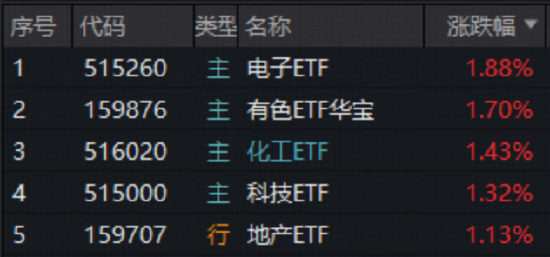
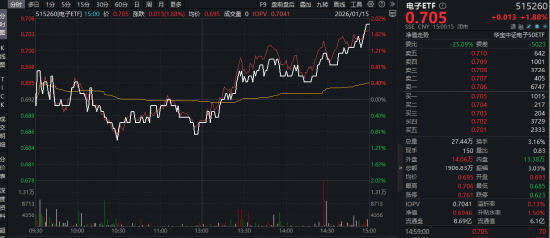
涉及英伟达和超威!美国对部分半导体加征关税!紫光国微复牌一字涨停!电子ETF(515260)逆市劲涨1.88%
Xin Lang Cai Jing· 2026-01-15 11:25
Core Viewpoint - The electronic sector experienced a significant surge, leading the market with a net inflow of 16.862 billion yuan, marking the highest absorption among 31 primary industries in the Shenwan classification [1][9]. Group 1: Macro Factors - On January 14, the U.S. White House announced a 25% tariff on specific semiconductors, including Nvidia's H200 chip and AMD's MI325X AI accelerator chip, which may enhance market sentiment for domestic alternatives [2][10]. Group 2: Industry Trends - The explosive growth in global AI computing power demand has led to a strong market for storage chips, with prices reportedly increasing by 18 times over the past year. Projections indicate that by 2025, prices for DDR4 16Gb chips could rise by 1800%, DDR5 16Gb by 500%, and 512Gb NAND flash by 300% [3][11]. Group 3: Company Developments - On January 14, chip giant Unisoc announced plans for a private placement to acquire Ruineng Semiconductor, aiming to integrate its power semiconductor product matrix and enhance its competitive position in the semiconductor industry [3][11]. Group 4: ETF and Investment Tools - The electronic ETF (515260) saw a price increase of 1.88%, recovering its 5-day moving average, and serves as an efficient tool for investors looking to gain exposure to core assets in the electronic sector, including semiconductors and consumer electronics [1][9][12].
当AI走出屏幕:CES 2026与物理智能时代的来临
Jing Ji Guan Cha Wang· 2026-01-15 11:22
Core Insights - CES 2026 highlights the intersection of technology, geopolitics, and business strategy, showcasing emerging trends that shape the future of consumer technology and economic competition [1][2] Group 1: Artificial Intelligence as a Foundation - Artificial intelligence (AI) has become the cornerstone of innovations at CES 2026, driving advancements in various technologies and products [3] - New devices like laptops, smartphones, and wearables are increasingly integrating AI capabilities, enabling them to perform tasks independently without relying on cloud services [3] - Edge AI is emphasized, allowing AI algorithms to process data locally on devices, enhancing efficiency and privacy [4] - AI is evolving into a "digital agent" role, coordinating tasks across multiple devices and applications, with a focus on continuous, context-aware workflows [4] Group 2: Physical Artificial Intelligence Takes Center Stage - The concept of "physical AI" is introduced, referring to intelligent systems that perceive, decide, and execute actions in real environments [6] - Robotics is a key pillar of physical AI, with robots transitioning from conceptual designs to practical tools for collaboration in various sectors [7] - The integration of AI and robotics is evident in products like Boston Dynamics' Atlas, which showcases advanced capabilities for industrial applications [7][8] Group 3: Automotive Industry as AI Technology Pioneer - The automotive sector is increasingly merging with AI, with companies positioning themselves as technology leaders in the field [12] - Significant market opportunities are projected in the automotive industry, with a potential market value of $123 billion by 2032, reflecting an 85% growth from 2023 [12] - Companies like Ford and Nvidia are unveiling advanced autonomous driving systems, emphasizing the need for robust onboard computing resources [13][14] Group 4: Transition from Consumer Electronics to Social Infrastructure - AI is moving beyond traditional consumer electronics boundaries, becoming integral to social infrastructure, including transportation, energy systems, and smart homes [17] - The narrative at CES 2026 indicates a shift from novelty consumer products to large-scale industrial deployments of AI [17] - Collaboration among various systems and platforms is essential for effective AI implementation in real-world environments [18]
小米1月15日回购390万股B类股份 耗资1.48亿港元
Xin Lang Cai Jing· 2026-01-15 11:14
观点网讯:1月15日,港交所披露文件显示,小米集团当日斥资1.48亿港元回购390万股B类股份,每股 购回价格在37.86港元-37.92港元之间。 免责声明:本文内容与数据由观点根据公开信息整理,不构成投资建议,使用前请核实。 ...
谨慎观望?
第一财经· 2026-01-15 10:59
2026.01. 15 作者 | 一财阿驴 ▼ 0.33% ▲ 0.41% ▲ 0.56% A股分化加剧, 沪指承压深创韧性犹存, 上证指数: 收盘跌破10日均线, 日线级别MACD死又初 现,短期调整压力加大,4100点整数关口成为关键支撑位。 2226家上涨 3121 家下跌 涨跌停比 2H 65 个股跌多涨少,赚钱效应回落,高位风险集中释 放,盘面上,半导体产业链爆发,光刻机、先进 封装方向领涨;能源金属、消费电子、化工题材 表现活跃。AI应用、商业航天概念股大幅下 挫。 两市成交额 万亿元 ▼26.28% 两市成交额大幅萎缩,市场主动攻击动能有所 衰减,资金入场步伐放缓,转为观望,代表科技 成长的创业板指和深证成指则逆势收红,显示 出市场内在结构依然存在韧性。 主力资金净流出 698.67 散户资金净流入 机构呈"调仓避险+低吸布局"特征,资金从AI应用、商业航天等前期高位热门题材果断撤离,转而加仓银 行、非银金融等低估值防御板块,以及能源金属、贵金属等顺周期领域; 散户情绪从积极入场转向谨慎观 望,资金净流入规模大幅缩减,满仓率环比回落,短线追涨热情降温,部分散户开始布局贵金属、化工等顺 周期防御标 ...

苹果:Gemini计划或将给iPhone带来新催化剂
美股研究社· 2026-01-15 10:35
如果说 iPhone 17 在没有重大 Apple Intelligence 升级的情况下依然销量强劲,这对苹果(AAPL)的多头来说还不够,那么苹果与 Alphabet(GOOGL)达成的多年合作伙伴关系 —— 即在今年晚些时候将 Google Gemini 集成到改版后的 Siri 中 —— 则为这一叙事增添 了第二个、更持久的催化剂。 分析师认为这一合作关系将带来两个关键的收入驱动因素。 首先,Apple Intelligence 目前仍仅限于 iPhone 15 Pro、iPhone 16 或更新机型,这使得很大一部分安装基础(存量用户)无法使用这些 功能。如果 Gemini 能实质性地提升 Siri 的实用性,分析师预计未来将出现一轮大规模的升级换机潮。 话虽如此,iPhone 17 的强劲势头让分析师相信,用户其实并不太在意 AI 功能。考虑到苹果每年将为 Gemini 集成花费 10 亿美元,这是一 个风险。 第二个支柱与 AI 分发有关。随着模型提供商改善商业化能力,苹果可以复制其 "默认搜索" 的策略,通过收取 "默认助手 / 模型位置" 费用 来获利。鉴于 9 月份针对谷歌反垄断案的补救措 ...
小米集团-W(01810)1月15日斥资1.48亿港元回购390万股
智通财经网· 2026-01-15 10:28
于同日,公司根据股份计划发行1.6万股股份。 智通财经APP讯,小米集团-W(01810)发布公告,于2026年1月15日,该公司斥资1.48亿港元回购390万 股股份,每股回购价37.86-37.92港元。 ...