酒店

Search documents
中年男人最隐秘的崩溃方式:去酒店“开黑”
虎嗅APP· 2025-11-07 13:45
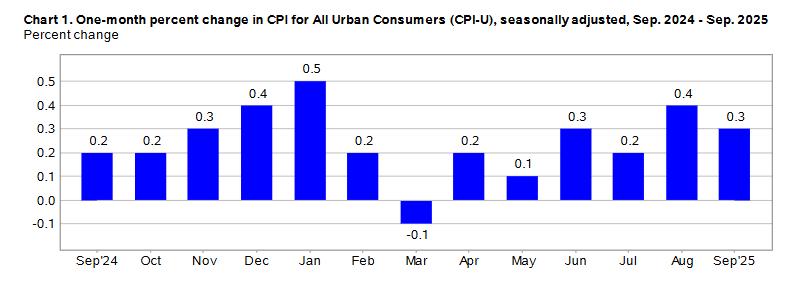
Core Viewpoint - The article discusses the trend of five-star hotels introducing "e-sports rooms" as a response to declining traditional revenue streams, highlighting the contrast between luxury accommodations and the gaming culture [50][49]. Group 1: Introduction of E-sports Rooms - Five-star hotels are increasingly opening e-sports rooms, which combine luxury hotel amenities with gaming setups, catering to the growing demand from gamers [9][10]. - The e-sports rooms are equipped with high-end gaming hardware, providing a unique experience for guests who wish to enjoy gaming in a luxurious environment [11][13]. - The pricing of these e-sports rooms is often comparable to traditional hotel suites, indicating a premium positioning within the hotel offerings [5][35]. Group 2: Challenges Faced by Five-Star Hotels - The number of five-star hotels in China has decreased from 845 to 736 between 2020 and 2024, reflecting a broader trend of declining profitability in the luxury hotel sector [53][54]. - Major hotel chains like Marriott, Hilton, and InterContinental have reported declines in RevPAR (Revenue Per Available Room), with decreases of 2% to 3.5% in the first quarter of 2025 [55]. - High operational costs and the need for a minimum occupancy rate of over 70% to remain viable are significant challenges for five-star hotels [57]. Group 3: The Rise of E-sports Hotels - The e-sports hotel sector has seen substantial growth, with over 24,000 e-sports hotels in China as of the end of 2023, marking a 28.5% increase year-on-year [67]. - E-sports hotels have become one of the few segments in the hospitality industry that can generate profits, attracting a younger demographic that contributes significantly to their revenue [65][66]. - The average daily occupancy rate for e-sports hotels reached 81.97%, indicating strong demand and market potential [67]. Group 4: Cultural and Market Implications - The introduction of e-sports rooms by five-star hotels represents an attempt to connect with younger consumers who prioritize experiences over traditional luxury [88][90]. - The gaming culture emphasizes freedom and social interaction, contrasting with the more formal and business-oriented environment of traditional luxury hotels [99][100]. - The article suggests that five-star hotels may struggle to authentically replicate the e-sports experience, as they lack the cultural understanding and community aspects that define successful e-sports hotels [84][102].

从展品到全球合作“新货币”:进博会上的文旅叙事,比想象中更深沉
Guan Cha Zhe Wang· 2025-11-07 12:28
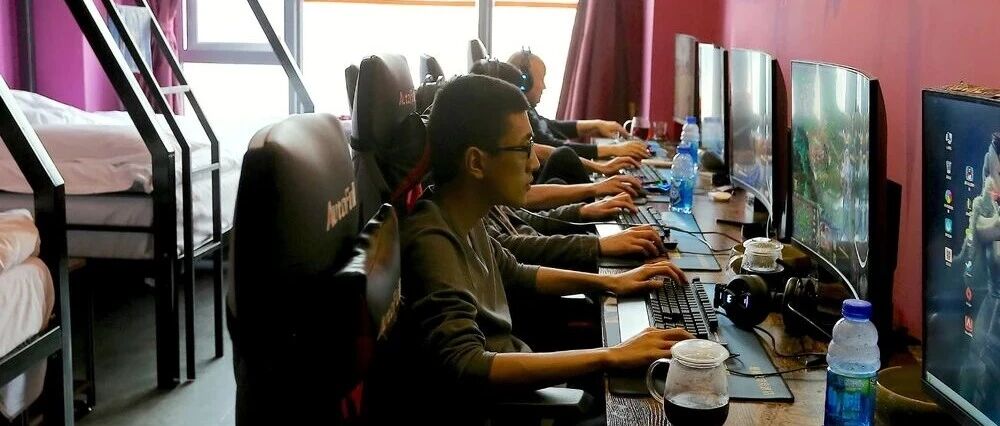
Group 1 - The China International Import Expo (CIIE) serves as a significant platform for cultural and tourism exchanges, showcasing the vitality and depth of the cultural tourism industry [1][2] - The event has attracted 4,108 foreign enterprises from 155 countries and regions, marking a historical high in exhibition area and total number of companies [2] - The participation of various countries, such as Cambodia and Azerbaijan, highlights the expo's role in promoting international trade and cultural exchange [2][3] Group 2 - The CIIE is recognized as a key platform for Kazakhstan to expand its exports and enter global markets, with over 100 enterprises participating this year [5] - Iran's participation showcases its diverse economy, with a focus on traditional crafts and modern technology, aiming to create long-term cooperation opportunities [5] - The event allows companies like Cathay Pacific to present their services and innovations, enhancing their market presence and fostering international collaboration [12][14] Group 3 - The Hong Kong Tourism Board emphasizes its role as a cultural intermediary, leveraging the CIIE to deepen collaborations with global partners [6][7] - Marriott International and InterContinental Hotels Group highlight their commitment to the Chinese market, showcasing new initiatives and products at the expo [7][11] - The CIIE is seen as a vital opportunity for companies to connect with international audiences and explore new business opportunities [18][23] Group 4 - Experts suggest that the CIIE's unique appeal lies in its ability to provide certainty in market opportunities, driven by China's large consumer base and stable regulatory environment [22][23] - The event has evolved from a focus on manufacturing and consumer goods to encompass cultural tourism and service trade, creating a comprehensive ecosystem [22][24] - There are calls for a dedicated cultural tourism exhibition area in future CIIEs to enhance visibility and collaboration among global tourism enterprises [24][25]
新消费派丨“囤旅游”如何成为“双十一”新常态?
Xin Hua Cai Jing· 2025-11-07 10:47
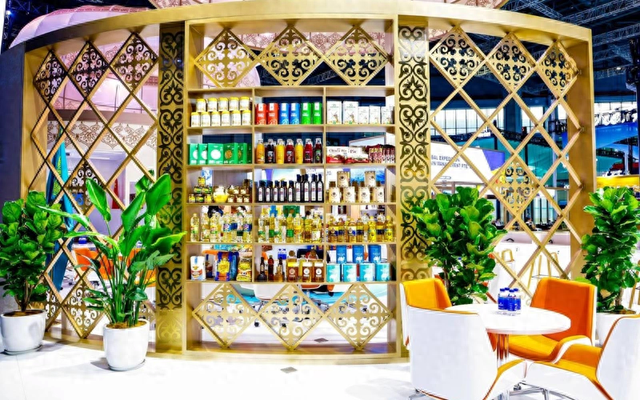
Core Insights - The "pre-purchase and use later" model is becoming a mainstream consumption trend in the tourism industry, reflecting changes in consumer behavior and market dynamics [2][4][8] Group 1: Consumer Behavior - Consumers are increasingly opting for "pre-purchase" travel products, allowing them to buy tickets and accommodations without a fixed travel date, thus providing greater flexibility [2][4] - The trend is evident in the sales of travel products during the "Double Eleven" shopping festival, with over 600,000 flight tickets sold by November 4, 2023, and nearly 80% being cross-border tickets [2][3] Group 2: Product Offerings - Airlines and hotels are extending the validity of their products, with many offering flexible cancellation policies, which alleviates consumer concerns about purchasing products they may not use [3][4] - The "value for money" aspect is increasingly prominent, with high-end hotel packages being sold at significantly reduced prices compared to regular rates, driving consumer participation [3][5] Group 3: Market Dynamics - The rise of "pre-purchase tourism" is pushing for a diversification of products and services, moving from fixed-date offerings to more flexible options [4][5] - Online travel platforms like Ctrip and Fliggy are becoming key players in this market, leveraging promotional strategies to attract consumers and boost sales during major shopping events [7][8] Group 4: Supply Chain and Inventory Management - The tourism industry is utilizing the "pre-purchase" model not just for short-term promotions but as a strategic tool for customer acquisition and inventory management [8] - The chain rate in the hotel industry has been steadily increasing, reaching 41% in 2023, which enhances resource integration and supports the scalability of online travel products [7][8]
酒店预订增超100% 全运会带火大湾区文旅市场
Yang Shi Xin Wen· 2025-11-07 10:02
Core Insights - The tourism market in the Guangdong-Hong Kong-Macao Greater Bay Area is experiencing a significant surge in activity as the 15th National Games approaches [1] Group 1: Market Trends - Travel platform data indicates a dramatic increase in search volume for hotels, flights, train tickets, and attractions related to the National Games over the past week [1] - Hotel booking enthusiasm in cities like Guangzhou, Shenzhen, Foshan, and Zhaoqing has significantly increased compared to the same period last year, with Huizhou and Qingyuan seeing over 100% year-on-year growth [1] - Shenzhen, Foshan, and Jiangmen also reported year-on-year booking increases exceeding 60% [1]
一周文商旅速报(11.03—11.07)
Cai Jing Wang· 2025-11-07 08:04
Group 1 - The State Council of China announced the holiday schedule for 2026, with the Spring Festival holiday lasting 9 days from February 15 to February 23, leading to a significant increase in travel interest, with flight search volume tripling [1] - Flight bookings for the Spring Festival period saw a year-on-year increase of 235%, indicating a strong market demand for travel during this holiday season [1] Group 2 - Ctrip's "Free City Half-Day Tour" project has successfully received over 10,000 tourists from more than 100 countries since its launch in major cities like Shanghai and Beijing, reflecting the ongoing recovery and growth in inbound tourism [2] - In the third quarter of 2025, Marriott International reported a 0.5% year-on-year increase in global RevPAR, with international markets showing a growth of 2.6%, indicating a positive trend in the hospitality industry [2]



年轻人“薅羊毛”式消费有隐忧
Sou Hu Cai Jing· 2025-11-07 03:40
Core Insights - The article discusses the rising trend of "cost-saving" consumption methods among young people through second-hand trading platforms, highlighting both the popularity and the potential legal risks involved in these practices [2][7]. Group 1: Cost-Saving Consumption Methods - Young consumers are increasingly using services like "代付" (payment on behalf) to save on expenses such as parking fees, with examples showing significant price reductions from 25 yuan to 15 yuan for parking [3]. - Similar practices are observed in the shared charging station market, where users can rent charging power banks at lower rates than the standard prices, such as 1.5 yuan per hour compared to the usual 2 yuan for 30 minutes [3]. - The purchase of "non-physical subway tickets" on second-hand platforms is also gaining traction, allowing commuters to save approximately 150 yuan per month by buying tickets at 7 yuan each instead of the standard 10 yuan [4]. Group 2: High-Risk Transactions - Some transactions resemble high-risk ventures, where sellers offer hotel breakfast vouchers and exhibition entry qualifications at discounted rates, often leading to embarrassing situations for buyers if they are caught using invalid credentials [5]. - The article highlights a specific case where sellers on second-hand platforms offer to disguise buyers as accompanying personnel for high-end exhibitions, charging around 300-400 yuan for this service, which can lead to legal repercussions if discovered [6]. Group 3: Legal Implications - Legal experts indicate that the legality of these cost-saving methods hinges on the source of the services and whether they violate any service agreements, with potential violations leading to criminal charges [7]. - Consumers are advised to verify the legitimacy of discounts and to keep transaction records to protect themselves in case of disputes, especially when engaging in transactions that may involve fraudulent practices [8].
澳门知名娱乐场,停止运营
Nan Fang Du Shi Bao· 2025-11-07 03:18
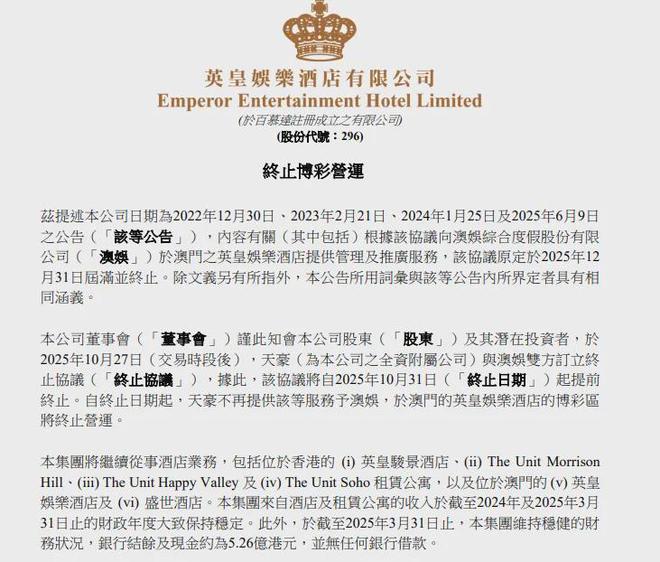
Core Viewpoint - Emperor Entertainment Hotel (00296.HK) announced the termination of its gaming operations at the Emperor Palace Casino, effective October 30, 2023, following an agreement with SJM Holdings [1][6][8]. Group 1: Termination of Operations - The Emperor Palace Casino ceased operations at 23:59 on October 30, 2023, as part of a mutual agreement between Emperor Entertainment's subsidiary, Tianhao, and SJM Holdings [6][8]. - This decision follows SJM Holdings' earlier announcement on June 9, 2023, regarding the discontinuation of gaming operations at several satellite casinos, including the Emperor Palace Casino [5][6]. Group 2: Financial Performance and Debt Issues - Emperor Entertainment Hotel reported a revenue of approximately HKD 1.2 billion for the fiscal year ending March 31, 2007, indicating strong initial performance [8]. - The company is currently facing significant financial challenges, with HKD 16.6 billion in overdue loans, raising concerns about its ongoing viability [15]. - Emperor International (00163.HK) reported total revenue of HKD 1.376 billion for the fiscal year 2024-2025, a 41.5% increase year-on-year, but also saw losses increase from HKD 20.28 billion to HKD 48.4 billion, a 138% rise [12][14]. Group 3: Future Business Direction - Despite the termination of gaming operations, Emperor Entertainment Hotel will continue its hotel business, including properties like the Emperor Scenic Hotel in Hong Kong [8]. - The company aims to maintain stable income from hotel and rental apartment operations for the fiscal years ending March 31, 2024, and 2025 [8].

杭州“百县千碗”进入旅游饭店
Hang Zhou Ri Bao· 2025-11-07 03:17
Core Insights - The "Hundred Counties Thousand Bowls" initiative is actively promoted in Hangzhou, showcasing local culinary diversity and enhancing the tourism experience [1][3][4] Group 1: Event Overview - The "Hundred Counties Thousand Bowls" culinary promotion event took place on November 5, 2025, at the Baosheng Water Park Hotel in Hangzhou, featuring 15 local hotels presenting new dishes [1] - The event aims to bring local flavors directly to tourists, creating memorable culinary experiences [1] Group 2: Culinary Highlights - Various dishes from different districts of Hangzhou were showcased, including unique combinations and traditional recipes that tell the stories of their origins [2] - Notable dishes included the Jian De Tofu Bun and the Qian Wang Banquet, which are highlighted for their cultural significance and flavor [2] Group 3: Tourism and Culinary Integration - The event emphasizes the importance of food in tourism, positioning it as a key driver of consumer engagement and experience [3] - Hangzhou has established a comprehensive food network, with 163 provincial-level food experience stores and various culinary initiatives to enhance the local food culture [3] Group 4: Cultural and Heritage Promotion - The initiative also focuses on exploring Southern Song Dynasty culinary culture and integrating traditional skills with tourism development, aiming to revitalize traditional cuisine [4]
老爸把钱烧光,我投酒店只信ROI
3 6 Ke· 2025-11-07 02:38
Core Insights - The article discusses the shift in mindset among the new generation of hotel investors, particularly focusing on the experiences of a young investor, Mr. Lin, who is navigating the challenges of the hotel industry in China [1][2][3]. Group 1: Changing Perspectives in Hotel Investment - The previous generation of hotel investors relied heavily on international brands for credibility and success, viewing hotels as status symbols rather than cash flow generators [3][5]. - Mr. Lin's family faced significant financial difficulties due to over-reliance on high-end international hotel brands, leading to a reevaluation of investment strategies [5][9]. - The new generation prioritizes cash flow and operational efficiency over brand prestige, emphasizing the need for flexible contracts and clear ROI [10][18]. Group 2: Practical Investment Strategies - Mr. Lin proposes a shift towards more adaptable hotel brands that understand the local market, such as Huazhu's City Inn and Atour's new lifestyle brand, rather than sticking to traditional high-end international brands [8][18]. - The younger generation of hotel investors is more educated in hotel management and financial modeling, leading to a more analytical approach to investment [14][15]. - Key principles for the new generation include flexible contract terms, clear investment returns, and adaptable exit strategies, reflecting a pragmatic approach to hotel management [20][22][25]. Group 3: Industry Implications - The traditional negotiation framework with international hotel brands is becoming less effective as new investors demand more control and flexibility in contracts [19][20]. - The emergence of local hotel brands that can meet the demands of the new generation is changing the competitive landscape, as these investors are less willing to accept long-term contracts that limit their options [21][25]. - The focus is shifting from brand prestige to operational performance, with an emphasis on data-driven decision-making and financial viability [26].
美国消费出现K型分化,4200万人断粮背后,贫富消费鸿沟再拉大
3 6 Ke· 2025-11-07 02:32
Core Insights - The recent CPI data for September shows a year-on-year inflation increase of 3.0%, slightly below the market expectation of 3.1%, indicating a structural split in consumer spending patterns in the U.S. [1][2] - Consumer confidence has significantly declined, particularly among low- and middle-income groups, with a 12-point drop in the confidence index reported by the University of Michigan, marking the largest single-month decline since 2020 [2][3] - The ongoing federal government shutdown has exacerbated economic losses, estimated at $18 billion, and is projected to reduce fourth-quarter GDP growth by at least 1 percentage point [2][19] Inflation Trends - The CPI data reveals a structural division between high inflation in essential goods and low inflation in discretionary spending, highlighting a "K-shaped" recovery where wealthier consumers thrive while lower-income households struggle [3][11] - Essential goods such as energy and food have seen significant price increases, with energy prices rising by 2.8% year-on-year and food prices increasing by 2.7% [4][15] - In contrast, discretionary items like used cars and clothing have experienced price declines, indicating a weakening demand in non-essential sectors [5][15] Consumer Behavior - The disparity in consumer spending is evident, with high-income households experiencing a "wealth effect" from rising asset prices, while low-income households face increasing costs for essentials [10][12] - The "inflation pain index" for households earning below $30,000 reached 4.2%, compared to just 0.8% for those earning above $150,000, illustrating the uneven impact of inflation [10][12] - The government shutdown has led to the suspension of food assistance programs, affecting millions of low-income individuals and further straining their purchasing power [19][20] Retail and Market Response - Retailers are adapting to the changing consumer landscape by focusing on high-end and low-cost products, while mid-tier brands struggle to maintain market share [20][27] - Sales of high-end organic foods have surged by 18%, while basic food items have seen minimal growth, reflecting a shift in consumer preferences towards premium products [20][27] - The automotive market shows a similar trend, with luxury vehicle sales increasing by 18%, while the volume of lower-priced vehicles has declined [21][27] Economic Outlook - The concentration of wealth among the top 20% of households, who hold 70% of financial assets, continues to widen the gap between income groups, leading to a potential "false prosperity" scenario [12][31] - If the wealth distribution remains imbalanced, there is a risk of a "differentiated recession" occurring by 2027, characterized by a decline in high-end consumption alongside a collapse in lower-income spending [31][32] - The ongoing economic trends highlight the need for policy interventions to address the growing disparities and ensure a more equitable distribution of economic growth [31][32]