投资银行

Search documents
伟伟道来| 如何面对8月7日之后的世界
Jing Ji Guan Cha Bao· 2025-08-06 06:45
(原标题:伟伟道来| 如何面对8月7日之后的世界) 已经和美国达成关税协议的国家,要向美国缴纳3种费用:一是输美商品被征收关税,二是承诺向美国 投资,三是承诺购买数额巨大的美国商品。 4个月的关税战中出现了一些匪夷所思的现象,尤其是特朗普的率性而为、朝令夕改给人印象深刻,但 总体而言,美国政府的逻辑是清晰的、步骤是正常的,也基本取得了他们希望取得的结果。 至于这个结果对美国及全世界而言利弊如何,众声喧哗、莫衷一是。 笔者试分析如下: 第一,美国的关税围墙既然立起来了,就不大可能降低或撤销。接下来,如何进入、经营美国市场,是 企业各显神通的时候了。 关税围墙既立,关税收入将大幅度提高,这个效果可以说是立竿见影。事实上,从4月份开始,美国的 关税收入已经节节攀升了。根据美国财政部公布的数据,4月份美国海关净收入为156亿美元,5月份为 222亿美元,6月份为273亿美元。摩根士丹利在其最新研报中预测,美国海关净收入年化后高达3270亿 美元。 可以预料的是,2028年之后,不论谁当美国总统,这块每年3000多亿美元的蛋糕,美国政府只会想办法 让其增加,不可能减少。 不出意外的话,8月7日之后,由美国总统特朗普发起 ...
香港精品投行思博控股(SIBO.US)递交美股IPO申请,拟募资700万美元
Zhi Tong Cai Jing· 2025-08-06 06:26
Core Viewpoint - Sibo Holding, a Hong Kong boutique investment bank and financial services provider, has filed for an IPO with the SEC, aiming to raise up to $7 million [1] Company Overview - Sibo Holding operates through its subsidiary StormHarbour HK, which has raised over $900 million for clients through various transactions over the past three years [1] - The company generates revenue primarily from service fees and commissions, including those earned as an introductory broker [1] Business Segments - StormHarbour HK divides its operations into two main segments: - Capital Markets, focusing on private equity, private debt financing, and financial advisory services [1] - Asset Management, which includes fund management, investment solutions, wealth management, and private banking account consulting [1] Financial Performance - The company reported revenue of $7 million for the 12 months ending December 31, 2024 [1] IPO Details - Sibo Holding plans to list on NASDAQ under the ticker symbol SIBO and submitted its application confidentially on March 25, 2025 [1] - R.F. Lafferty is the sole bookrunner for this transaction [1]
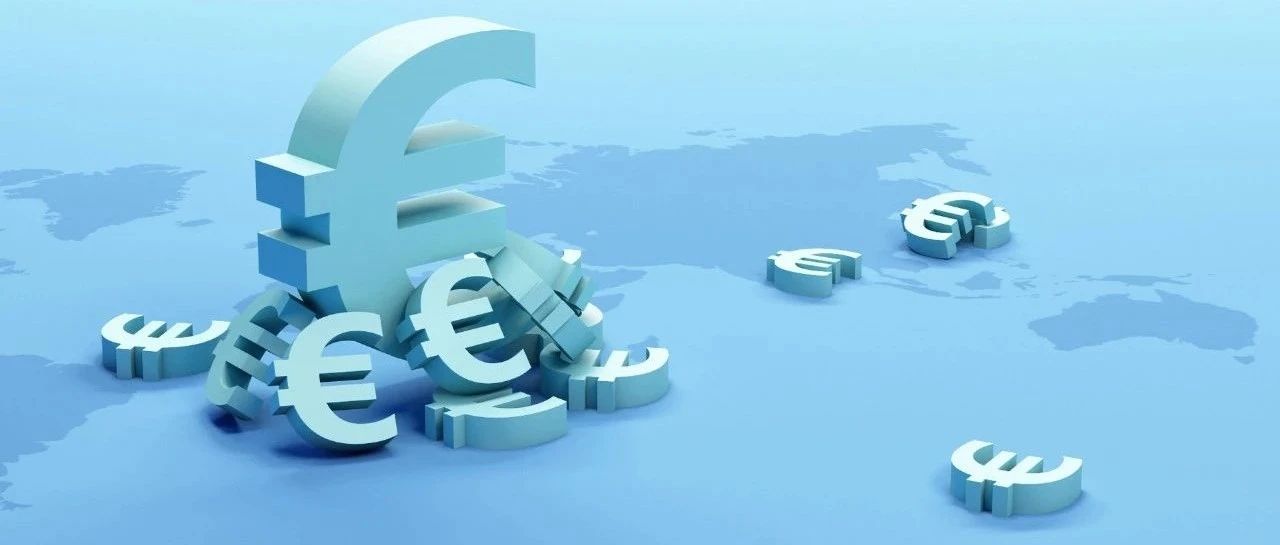
中金 | 欧盟财政:改革还是革命?
中金点睛· 2025-08-05 23:37
点击小程序查看报告原文 近年来,欧盟成员国财政体系正经历深刻变革。 自欧债危机后建立的严格财政纪律框架,在疫情冲击、能源危机及俄乌冲突的连续压力下被迫阶段性突 破,暴露了原有规则在公共投资、战略自主与危机响应上的结构性缺陷。2024年新版《稳定与增长公约》改革标志着欧盟财政治理的重要转向,但这一改 革未触及3%赤字率与60%债务率的核心红线,中期内超三分之一国家计划削减国内资助的公共投资,难以弥合欧洲长期存在的投资缺口。德国虽突破性 修改宪法"债务刹车"机制,设立万亿欧元特别基金支持国防与基建,但法国、意大利和西班牙等大国却深陷高债务与高宏观税负的困境,增量改革空间有 限,更多需要在财政重整、结构性改革等诸多方面寻求平衡与空间。 在成员国外,欧盟超国家主权层面的预算同步开启深度重构。 现行2021-2027年多年财政框架(MFF)叠加"下一代欧盟"(NGEU)计划形成超2万亿欧元 资金池,但难以匹配绿色转型、数字主权与安全防务的新优先级。2028-2034年新MFF提案试图突破瓶颈,如拓展自有资源收入渠道、设立欧洲竞争力基 金聚焦产业前沿、建立常态化4000亿欧元危机贷款机制等,但这一雄心受制于成员国分歧,未 ...

Vatee万腾:华尔街多家巨头同步预警美股回调 美股会掉头向下吗?
Sou Hu Cai Jing· 2025-08-05 10:23
Group 1 - Major financial institutions like Morgan Stanley, Deutsche Bank, and Evercore ISI have issued warnings about the current valuation of the U.S. stock market, suggesting a potential significant correction is imminent [1][3][4] - The S&P 500 index has risen over 20% since its low in April, driven by trends such as artificial intelligence, declining inflation expectations, and bets on Federal Reserve rate cuts, but recent economic data raises concerns [3][4] - Morgan Stanley's chief strategist Mike Wilson predicts a possible decline of up to 10% in the S&P 500 index due to rapid market gains, while Evercore ISI suggests a more aggressive correction of 15% [3][4] Group 2 - Deutsche Bank highlights that the stock market's nearly one-sided rise over the past three months indicates a short-term adjustment is imminent, with investor confidence and positioning levels nearing extremes [4] - The current valuation increase is not supported by broad earnings growth, as significant capital has flowed into a few tech-heavy stocks, creating structural vulnerabilities in the market [4] - Some analysts believe the upcoming correction may be more of a technical adjustment rather than a trend reversal, but market sentiment often shifts when investors are least vigilant [4][5] Group 3 - The market is pricing in at least one rate cut from the Federal Reserve this year, contingent on a "moderate slowdown" in the economy rather than a sudden halt [5] - If employment or consumer data continues to deteriorate without action from the Federal Reserve, the market may reassess the likelihood of a "soft landing," which could lead to volatility [5] - Vatee suggests that the next few trading weeks will be crucial in determining the sustainability of the current bull market, urging investors to focus on fundamentals and prepare for potential fluctuations [5]


百利好晚盘分析:美经济数据走弱 黄金短期获支撑
Sou Hu Cai Jing· 2025-08-05 09:18
黄金方面: 智昇研究资深分析师辰宇认为,倘若特朗普对俄罗斯的二级制裁没有落地,那么印度以及东方大国将继续大幅购买俄罗斯石 油,叠加在第二季度中国和印度已经囤了大量的石油,后续原油需求降低叠加产油国加大增产,油价将进一步下行,甚至有跌 破60美元的风险。 倘若美国对俄罗斯二级制裁落地,那么印度购买俄罗斯石油可能减少150万-200万桶/日,东方大国从俄罗斯购油量也会有一定的 影响,叠加产油国本身的补偿性减产协议,产油国增产幅度将达不到220万桶/日,难以弥补俄油缺口,则油价极有可能再度强 势走高。 技术面:日线上,连续多个交易日行情下行,显示近期行情偏弱势,指标上看,行情处于62日均线下方运行,警惕进一步下行 风险,日内关注下方65美元一线支撑情况。 日经225方面: 日线上,行情回调测试62日均线获得支撑并且收阳线,显示短期回调有望企稳,后续进一步走高机会较大。日内关注下方40400 一线支撑情况。 周一(8月4日)公布美国6月工厂订单月率录得-4.8%,市场预期-4.8%,前值8.3%。美国6月工厂订单月率虽然符合市场预期, 但远低于前值的8.3%,暗示在特朗普的关税政策之下,美国制造业极有可能面临衰退风险 ...

从金融危机到疫情再到贸易战:高盛揭示市场最怕的不是炮火 而是不确定性
智通财经网· 2025-08-05 07:33
如果一位投资者在看完对于市场交易逻辑影响重大的新闻后立刻查看自己的投资组合,或许会非常希望 自己的持仓之中不要有将受到该事件负面影响的股票或其他资产。当美国和以色列对伊朗发动打击后油 价飙升,而4月初特朗普政府重磅宣布的面向全球激进对等关税也曾令股市大幅下挫。然而在每一种情 形中,市场都在经历吸收并定价冲击、趋于稳定并最终反弹。美国经济增长预期总体仍然保持韧性,像 英伟达、博通以及微软这样的受益于史无前例AI热潮的科技股甚至屡次创下历史新高。 即便是经验丰富的华尔街金融市场分析师,也难以精准预测任何一项事件具体在何时带来显著影响以及 将会造成具体持续多久的市场扰动。不过,随着时间推移,某些市场规律开始浮现。 来自高盛的华尔街最顶级分析师们详细汇总并研究了自2008年全球金融危机以来最重要的地缘政治事 件,包括阿拉伯之春、俄罗斯与乌克兰之间的两次局部战争、新冠疫情以及当下的全球贸易争端。 该机构主要通过追踪事件前五天与后十天的全球核心资产变动——即股票、货币、债券和大宗商品在此 期间整体价格水平的变化来衡量具体影响。这一分析让我们对哪些类型冲击通常会对市场产生重大且持 久的影响以及哪些冲击往往不足为惧有了清晰认 ...

高盛预警:关税冲击+消费投资双疲弱 美国Q4 GDP增速或骤降至1.1%
Zhi Tong Cai Jing· 2025-08-05 06:37
Core Viewpoint - Goldman Sachs warns that the U.S. economy may lose momentum in the coming quarters, predicting a GDP growth of only 1.1% year-on-year in Q4 2025, significantly below the estimated potential growth rate of 2% [1] Group 1: Economic Indicators - U.S. domestic demand is weak, with consumer spending expected to grow only 0.8% in the second half of the year, which is typically a major driver of the U.S. economy [1] - The July non-farm payroll report showed only 73,000 new jobs added, far below expectations, with previous months' figures also revised down significantly [1] Group 2: Impact of Tariffs - The report indicates that the uncertainty caused by Trump's tariff policies is dragging down the economy, with tariffs expected to rise to double digits for most countries next week [1] - Corporate investment is projected to decline at an annualized rate of 0.6%, partly due to companies reducing spending after preemptively purchasing equipment before tariff increases [2] Group 3: Short-term Support Factors - Despite weak consumer and business spending, Goldman Sachs notes that corporate inventory replenishment and a narrowing trade deficit may provide some short-term support to overall GDP [2] - The trade deficit is expected to shrink from 3.1% of GDP at the end of 2024 to 2.4% by the end of 2025, as high tariffs may reduce imports and a weaker dollar, along with limited retaliatory measures from other countries, could support U.S. exports [2]
时报观察丨持续释放内生动力 提升中国资产韧性
Zheng Quan Shi Bao· 2025-08-04 23:57
一方面,自7月中央政治局会议召开以来,"以我为主"的导向越发明确,宏观政策要持续发力、适时加 力。统筹短期稳增长与中长期结构优化,政策的定力为市场提供了"稳预期"的基石。另一方面,中国经 济内生动力持续释放,上半年国内生产总值同比增长5.3%,新消费亮点频现,新产业加速成长,新动 能澎湃迸发,高质量发展引擎强劲,不断提振投资者信心。 外资机构也以实际行动投出"信任票",一边对相关上市公司进行密集调研,一边唱多并持续上调中国股 票评级。如高盛年内已经多次上调中国主要股指目标点位,持续维持对中国股市"超配"立场。 人民币资产"磁性"不断增强,今年上半年,外资净增持境内股票和基金101亿美元,特别是5月、6月, 净增持规模增加至188亿美元,显示全球资本配置境内股市的意愿增强。 美国非农就业数据不及预期,本质上是全球经济周期切换的缩影。中国资产的韧性亦非偶然,而是政策 定力、经济结构升级与全球资本再平衡共同作用的结果。当全球资本转向"多元配置"和"寻找价值",中 国资产的低估值、经济政策的广阔空间与科技创新潜力,恰与这一趋势形成共振。可以预期的是,随着 中国经济政策效能持续释放、科技创新不断突破,这种韧性有望释放对 ...
美元退潮与美联储降息预期点燃风险偏好! 新兴市场资产吹响反攻号角
智通财经网· 2025-08-04 23:56
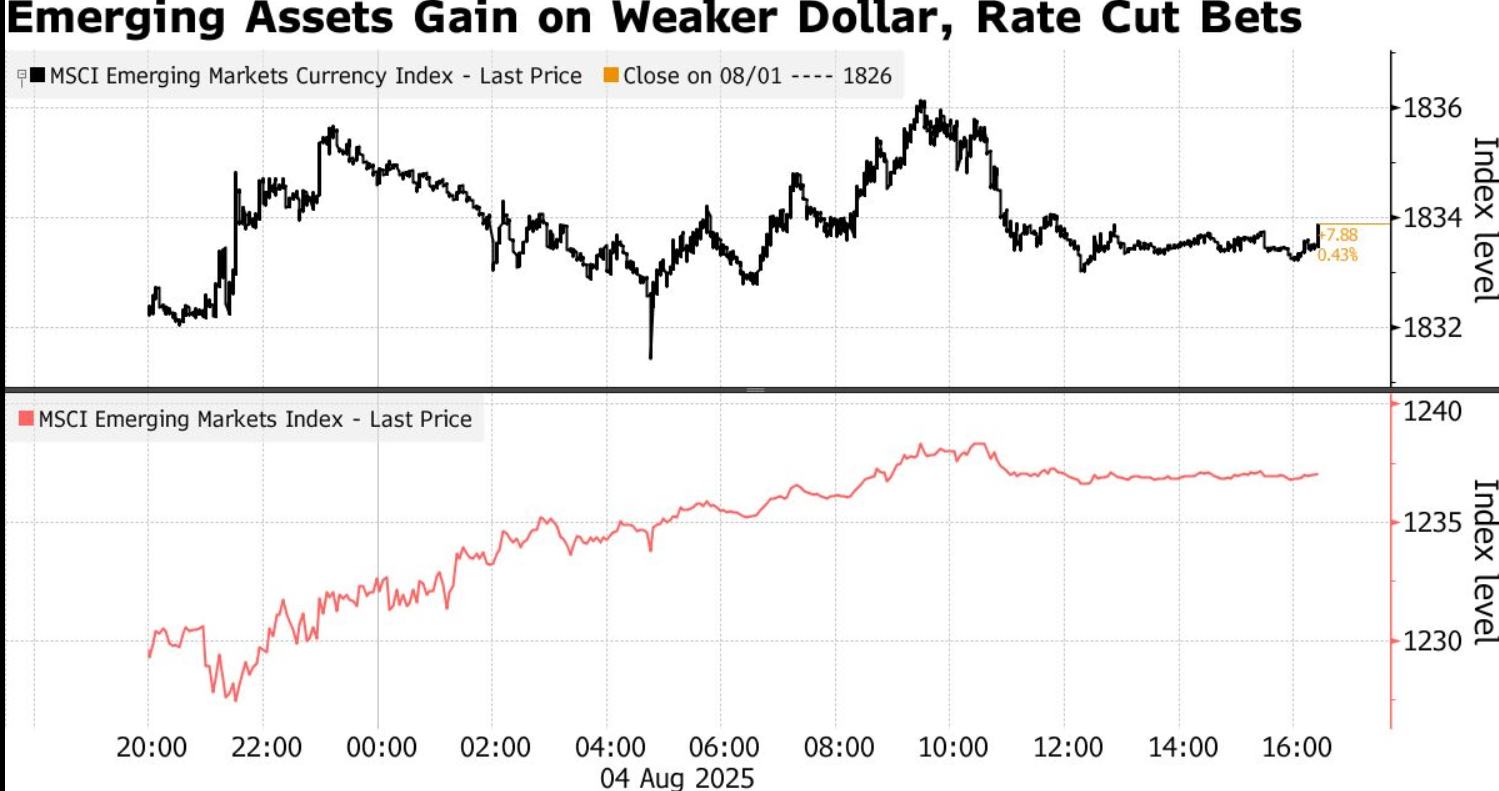
Group 1 - The benchmark index measuring sovereign currencies and stocks in developing economies has risen, marking its best performance in recent months due to a rebound in risk assets amid speculation of an imminent interest rate cut by the Federal Reserve and a weakening dollar [1][2] - Investment institutions are increasingly optimistic about emerging market assets, with firms like JPMorgan and Amundi SA shifting their focus from developed markets to emerging markets like China, driven by favorable macroeconomic conditions [1][8] - The MSCI Emerging Markets Currency Index has increased by nearly 0.5%, achieving its largest single-day gain in over a month, while the MSCI Emerging Markets Stock Index rose by 0.9%, outperforming developed market indices [1] Group 2 - Investors are betting that the Federal Reserve will cut the benchmark interest rate as early as next month, with market concerns about the independence of the Fed and statistical agencies growing due to recent personnel changes [2][7] - The non-farm payroll report for July showed only 73,000 jobs added, with downward revisions to previous months' data totaling 258,000 jobs, leading to a significant increase in expectations for Fed rate cuts [5][6] - The Philippine peso has performed best among emerging market currencies, with most Asian currencies strengthening against the dollar, supported by expectations of a Fed rate cut [7] Group 3 - The argument for a bearish dollar index remains valid, as expectations of Fed rate cuts are likely to support emerging markets despite potential market volatility [5] - The ongoing trade policies and immigration restrictions under the Trump administration have contributed to the decline of the "American exceptionalism" narrative, prompting a shift in investment strategies towards emerging markets [8][9] - JPMorgan has reaffirmed its bullish stance on emerging market stocks, citing strong performance and favorable macroeconomic drivers, while Amundi SA has also shifted its asset allocation towards Europe and emerging markets [8][9]

时报观察丨持续释放内生动力 提升中国资产韧性
证券时报· 2025-08-04 23:50
日前,美国非农就业数据"爆雷",搅动全球资本市场。中国资产则因经济内在稳定性与全球资本 再配置共振, 再度彰显韧性十足。 版权声明 证券时报各平台所有原创内容,未经书面授权,任何单位及个人不得转载。我社保留追 究相关 行 为主体 法律责任的权利。 转载与合作可联系证券时报小助理,微信ID:SecuritiesTimes END 人民币资产"磁性"不断增强,今年上半年,外资净增持境内股票和基金101亿美元,特别是5月、6月,净增持 规模增加至188亿美元,显示全球资本配置境内股市的意愿增强。 美国劳工部公布的数据显示,7月美国非农就业增长放缓,劳工部还大幅下修5月和6月的新增非农就业数据, 劳动力市场显著降温。数据公布当日,美股三大指数下挫,美元指数单日大跌逾100点,黄金价格再度突破 3300美元/盎司。相比之下,中国资产走出独立行情,8月4日,A股、港股主要指数稳中有升,这背后是多重结 构性力量的支撑。 美国非农就业数据不及预期,本质上是全球经济周期切换的缩影。中国资产的韧性亦非偶然,而是政策定力、 经济结构升级与全球资本再平衡共同作用的结果。当全球资本转向"多元配置"和"寻找价值",中国资产的低估 值、经 ...