
母婴

Search documents
2025中国新消费品牌势能创新增长研究白皮书
Sou Hu Cai Jing· 2025-09-22 15:57
Core Insights - The report highlights the failure of traditional brand marketing models in the new commercial era, emphasizing that new consumer brands achieve exponential growth through innovative strategies [1][10][16] - It introduces the PMC (Potential Marketing Communication) model, which focuses on customer value innovation, niche market penetration, and content marketing as key drivers for brand growth [1][16][48] Group 1: Market Environment Changes - The competitive landscape has dramatically shifted, leading to the decline of traditional brands and the rise of new consumer groups and consumption ideologies [1][10][14] - New consumer brands are not relying on traditional advertising but are instead focusing on value innovation and brand engagement to drive growth [1][10][46] Group 2: Case Studies of New Consumer Brands - High Fan achieved the top position in high-end down jackets within three years, breaking the 2000 price barrier with innovative materials and marketing strategies [1][18] - Li Du created the most expensive light bottle liquor in China, becoming the first liquor stock in Hong Kong, with a tax revenue increase of 100 times over ten years [1][19][21] - Orange Du led the domestic makeup market, achieving significant sales growth by expanding product categories and targeting diverse consumer demographics [1][22][24] - Babycare entered the top tier of the mother and baby market within three years, offering a wide range of products and achieving over 50 billion in sales by 2024 [1][26][28] - Three Dots Half surpassed Nestlé in the instant coffee market, achieving a valuation of 4.5 billion with innovative product offerings and marketing strategies [1][29][30] - Lululemon's market value surpassed Adidas, becoming the third-largest sports brand globally, with a revenue increase of 19% in 2023 [1][31][35] - Tineco achieved a valuation of 10 billion within five years by redefining the cleaning appliance market through user-centric innovations [1][36][37] - De You created a new category in wet toilet paper, achieving over tenfold growth in four years, with a market share exceeding 50% [1][38][40] - NIO became the highest-valued car company in China within six years, surpassing traditional automotive giants through innovative branding and customer engagement strategies [1][41][42] Group 3: New Marketing Strategies - The shift from advertising to customer value innovation is a fundamental change in brand building, with a focus on creating star products and enhancing consumer experience [1][47] - Niche market selection has become the primary path for new consumer brands, allowing them to build competitive advantages in less saturated markets [1][48] - High-end strategies have led to exponential growth for many new consumer brands, emphasizing the importance of brand equity and emotional connection with consumers [1][49]


消费前查黑猫投诉有用吗?怎么查才靠谱?
Xin Lang Cai Jing· 2025-09-22 12:38
Core Viewpoint - The article emphasizes the importance of using the Black Cat Complaint platform as a proactive tool for consumers to avoid potential pitfalls in their purchasing decisions, highlighting its role as a reliable reference guide for consumer rights and service evaluations [1][6]. Group 1: Benefits of Using Black Cat Complaint - Black Cat Complaint is not just a complaint handling platform; it accumulates millions of real complaint data, serving as a "consumer risk manual" that helps users identify service shortcomings and potential issues with merchants [2]. - The platform provides real-time updates on complaint statuses, such as "resolved," "pending response," and "enterprise response rate," allowing consumers to gauge the service quality of merchants before making a purchase [2]. - By searching for specific brands or services on Black Cat Complaint, consumers can uncover common issues like high service fees or poor customer service, which are more informative than traditional advertising [2][7]. Group 2: Effective Search Strategies - To maximize the reference value of Black Cat Complaint, consumers should use precise keywords when searching, avoiding vague terms to find relevant complaint information quickly [3]. - It is crucial to focus on the types of complaints and their resolution outcomes, as this can indicate the severity of issues and the merchant's responsiveness to problems [4]. - Consumers should also consider the merchant's response to complaints, as a lack of engagement may signal poor service quality, while proactive responses indicate a willingness to resolve issues [5]. Group 3: Reliability of Black Cat Complaint - Black Cat Complaint stands out as a reliable consumer reference due to its requirement for users to submit real purchase evidence, ensuring the authenticity of complaints [7]. - The platform publicly shares complaint handling data, such as total complaints, resolution rates, and average handling times, which cannot be manipulated by merchants, providing an objective view of service levels [7]. - Increasingly, consumers are adopting the habit of checking Black Cat Complaint before making purchases, reinforcing its role as a standard practice for informed and rational spending [7][8].
不同集团赴港上市 高端母婴品牌BeBeBus以洞察破局
Zheng Quan Ri Bao Wang· 2025-09-22 09:11
Group 1 - BeBeBus's parent company, Different Group, is set to go public with an IPO scheduled for September 23, following a successful public offering from September 15 to 18, attracting $15 million in subscriptions from cornerstone investors [1] - BeBeBus has rapidly established itself as a leading brand in the domestic maternal and infant industry within five years, leveraging original design aesthetics and differentiated products to rise to prominence [1] - The company has experienced significant valuation growth, from 300 million yuan to 2 billion yuan, following three rounds of financing between 2020 and 2021, indicating strong commercial value [1] Group 2 - The high-end parenting market in China is expanding, driven by the upcoming national childcare subsidy policy set to be implemented by 2025, leading to a shift from homogeneous competition to a more refined market structure [1] - BeBeBus emphasizes "self-expression" over "functional attributes," utilizing user co-creation to link deeply with consumer needs, which drives continuous product iteration and innovation [2] - Financially, Different Group has shown remarkable growth, with revenue increasing from 507 million yuan in 2022 to 1.249 billion yuan in 2024, and adjusted net profit CAGR soaring to 236.8% during the same period [2]
育儿补贴来了 部分母婴产品价格波动引关注
Xin Hua She· 2025-09-22 08:17
Core Points - The National Health Commission announced the official opening of the childcare subsidy application, with a subsidy of 3,600 yuan per year for each child until the age of three starting from January 1, 2025 [1] - Some consumers reported price increases in maternal and infant products and prenatal check-up items following the announcement of the subsidy plan [1] Group 1: Subsidy Implementation - The childcare subsidy will be available for families with one, two, or three children, providing financial support to encourage childbirth [1] - The subsidy aims to alleviate the financial burden on families and promote a supportive environment for child-rearing [1] Group 2: Price Monitoring and Market Response - Investigations revealed that the price of a popular infant formula remained stable at 240 yuan per can, while some retail points in Henan saw prices rise to 251 yuan per can [1] - Some manufacturers attributed price fluctuations to rising costs and product upgrades, while others denied any price increases [1] - Experts recommend that government departments enhance monitoring and regulation of key areas to prevent unjustified price hikes that could undermine the policy's effectiveness [1]
不同集团赴港上市,高端母婴品牌BeBeBus以洞察破局
Sou Hu Wang· 2025-09-22 02:22
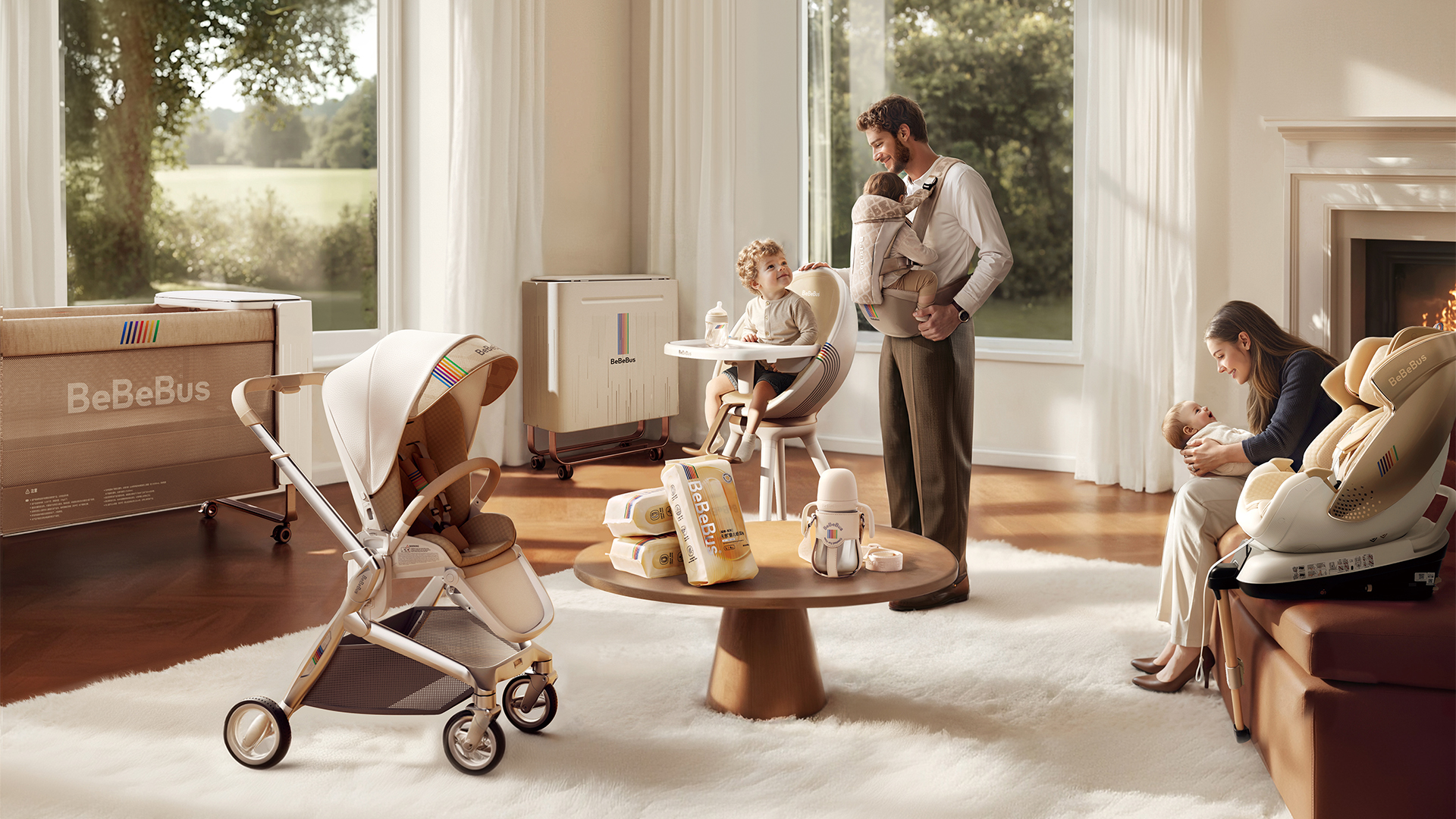
Core Insights - BeBeBus, a high-end maternal and infant brand, is set to go public on September 23, following a successful public offering that attracted $15 million in subscriptions from cornerstone investors [1] - The company has rapidly ascended to a leading position in the domestic maternal and infant industry within five years, with its valuation skyrocketing from 300 million to 2 billion yuan [1][4] - BeBeBus is recognized as the top brand in durable parenting products for mid-to-high-end consumers in China, according to data from Frost & Sullivan [1] Market Dynamics - The Chinese mid-to-high-end parenting market is experiencing growth, driven by the implementation of a national childcare subsidy policy by 2025, leading to a shift from homogeneous competition to more refined market structures [5] - Traditional maternal and infant brands often focus on functionality at the expense of aesthetics, leaving a gap that BeBeBus aims to fill by addressing both practical and emotional needs of consumers [5][6] Product Innovation - BeBeBus emphasizes the integration of practical and emotional value in its product design, transforming parenting products into lifestyle symbols rather than mere tools [6][7] - The brand has established a "User Experience Research Center" to gather insights from social media, identifying deeper emotional needs of modern parents [8] - BeBeBus has developed a unique aesthetic system, focusing on minimalism and original design, which resonates with contemporary home decor [8][9] Brand Strategy - The company has introduced a new brand philosophy, "One Step Less, Easier," which prioritizes emotional value over redundant functionalities, allowing parents to focus on their emotional needs [9][10] - BeBeBus has engaged diverse parenting representatives in co-creation processes, ensuring that the brand remains rooted in real-life experiences of users [9][10] Financial Performance - BeBeBus has demonstrated significant financial growth, with revenue increasing from 507 million yuan in 2022 to 1.249 billion yuan in 2024, reflecting a compound annual growth rate (CAGR) of 56.9% [16] - The gross profit also rose from 242 million yuan to 629 million yuan during the same period, with an even higher CAGR of 61.3% [16] - Adjusted net profit saw an extraordinary CAGR of 236.8% from 2022 to 2024 [16] Global Expansion - BeBeBus is accelerating its global expansion, targeting major international markets such as Europe, North America, and Japan, while adapting its strategies to local needs [12][15] - The company has initiated its own R&D efforts since 2021, focusing on material innovation and process optimization to enhance product competitiveness [12][13] User-Centric Approach - BeBeBus's approach centers on user insights, ensuring that product development is driven by the actual needs and emotional expressions of parents [11][17] - The brand's ability to understand and respond to user needs has resulted in a high repurchase rate, increasing from 45.7% in 2022 to 53.3% in 2024 [11]
“高端母婴消费科技第一股”不同集团冲刺IPO:多赛道打开增长空间
Zheng Quan Shi Bao Wang· 2025-09-21 10:01
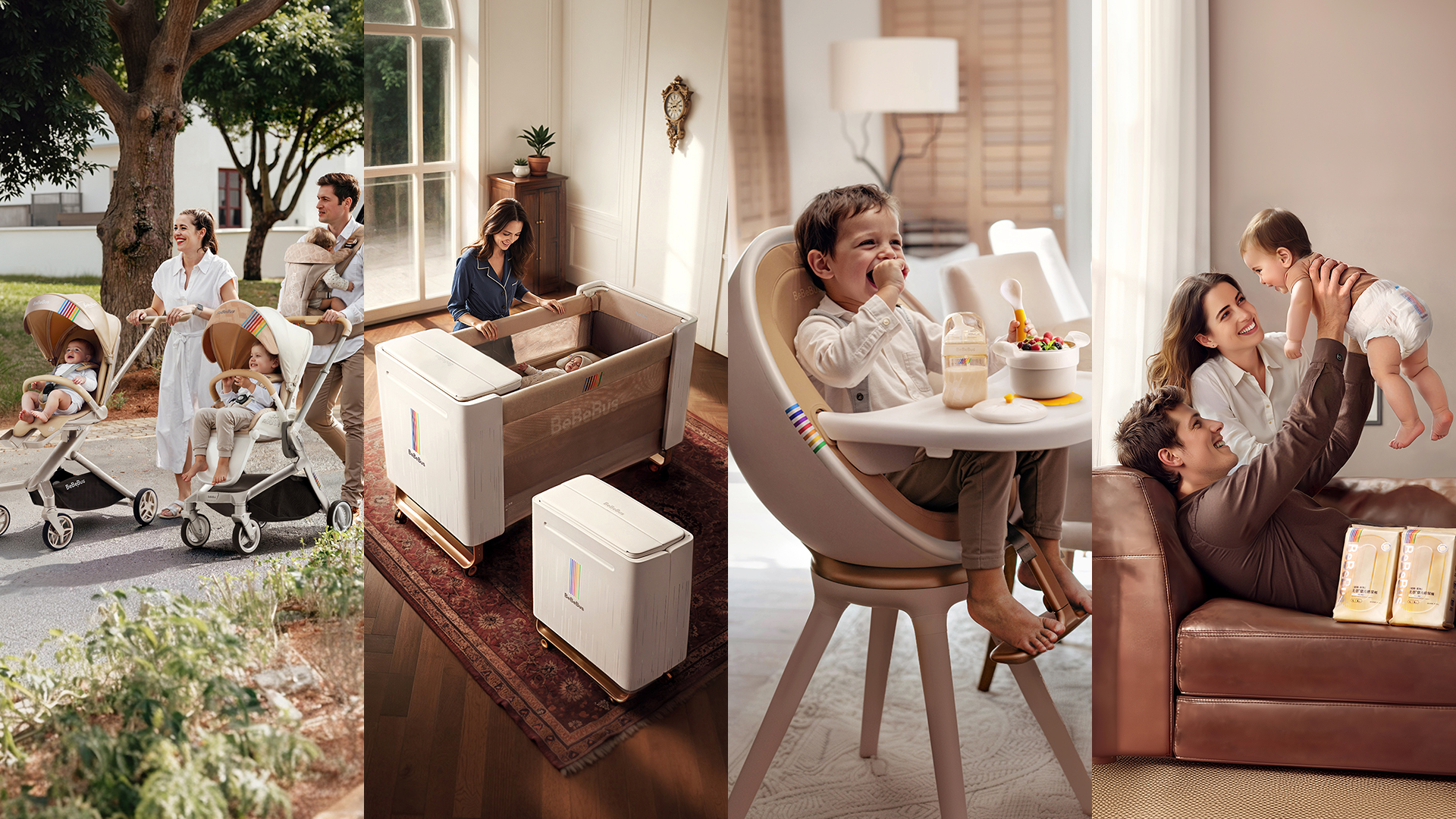
Core Insights - The new generation of parents, particularly those born after 1995 and 2000, is becoming the main force in the parenting market, with BeBeBus, a maternal and infant brand, preparing for its IPO with an expected market value of HKD 6 billion [1] - Over the past three years, the parent company, Different Group, has experienced rapid growth, with a compound annual growth rate (CAGR) of 56.9% in revenue and 236.8% in adjusted net profit [3] - Different Group aims to become the "first high-end maternal and infant consumption technology stock" by focusing on innovative product designs that meet the emotional and practical needs of new-generation parents [3][4] Product Differentiation - Different Group's core brand, BeBeBus, integrates original aesthetic design with the emotional needs of new-generation parents, focusing on products like baby strollers and child safety seats [4] - The BeBeBus space capsule car seat features a unique design that enhances safety and comfort, utilizing advanced materials like Cobra memory foam for impact resistance [6] - The brand's products not only fulfill basic functions but also carry emotional value and social attributes, appealing to parents' desire for both practicality and aesthetic expression [6] Market Strategy - Different Group categorizes its products into four key scenarios: parent-child travel, sleep, feeding, and hygiene care, allowing for a targeted approach to product development [7] - The company has cultivated a loyal community of over 3 million members, with a private platform repurchase rate increasing from 45.7% in 2022 to 52.3% in the first half of 2025, indicating strong customer engagement [8] - The "Butterfly Car" product was developed through collaboration with a diverse group of mothers, showcasing the company's commitment to user co-creation and addressing hidden consumer needs [8][9] Expansion Plans - Different Group is strategically expanding into fast-moving consumer goods and international markets, with the IPO expected to accelerate growth [10] - The company is also enhancing its product lineup with consumer goods that maintain high design and functional standards, such as the Diamond Milk Bottle and travel-friendly diapers [11] - Revenue from child care products exceeded RMB 300 million in the first half of 2025, with a year-on-year growth rate of over 70%, while maintaining a focus on durable parenting products [13] Global Reach - Different Group is establishing subsidiaries in various international markets, including Europe, North America, and Japan, while leveraging platforms like Amazon for localized distribution [13] - A new production facility in Ningbo is under construction, expected to be completed by 2026, with an annual capacity of 800,000 units for various baby products [13] - The company's growth strategy emphasizes continuous innovation to meet modern family needs, aiming to lead the global high-end maternal and infant brand market [14]
成都生活博览会现“抢购潮”:珠宝展区挤满外地采购商,直播街区线上成交火爆
Sou Hu Cai Jing· 2025-09-20 14:12
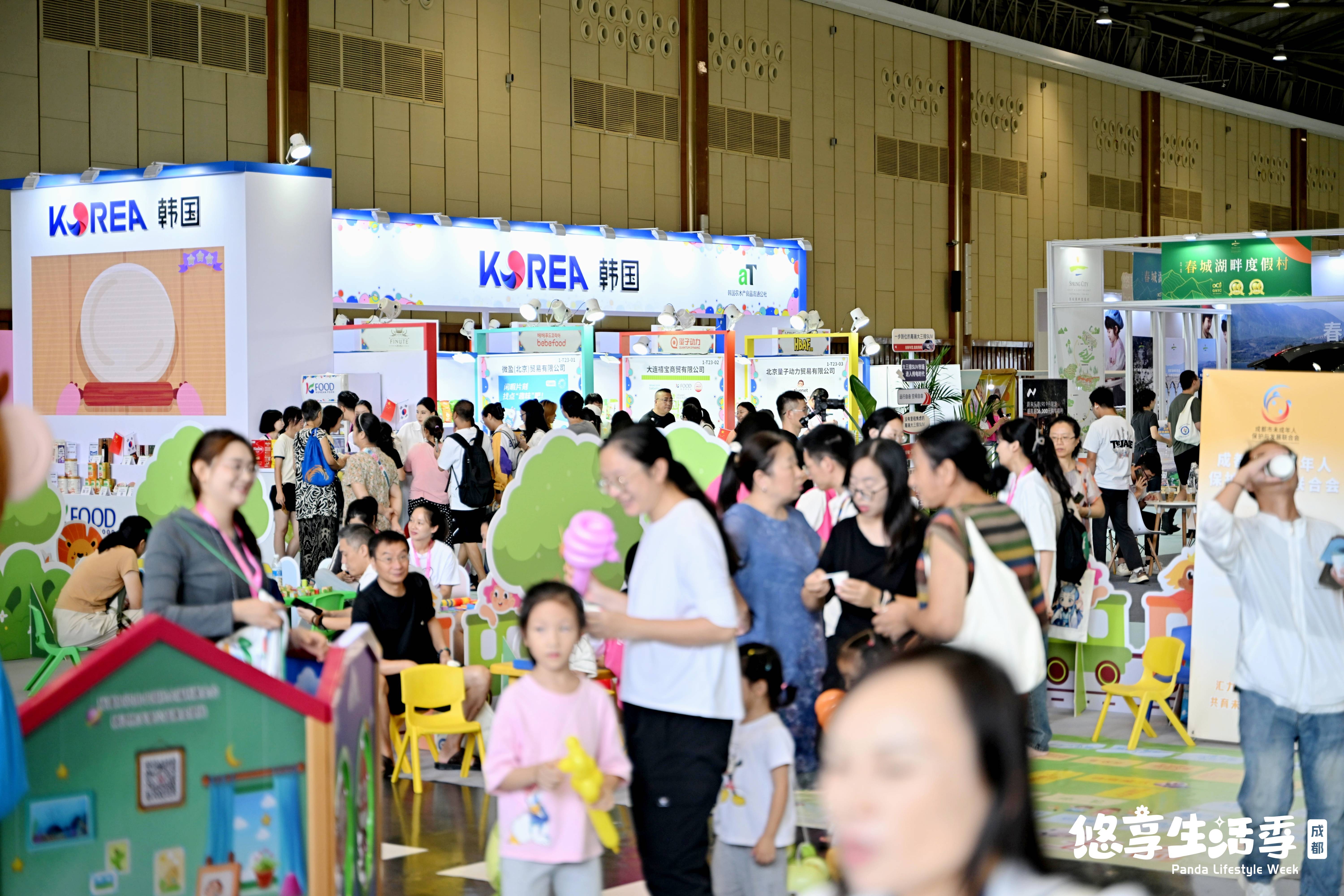
Group 1 - The Chengdu Enjoy Life Expo and Rongcheng Shopping Season commenced on September 19, attracting significant attendance and interest from various sectors, particularly in jewelry and oral health [1][5] - The jewelry exhibition area saw a large number of external buyers, with one vendor reporting over 100,000 yuan in orders within the first few hours [5] - The oral health section was also popular, with many young attendees seeking consultations, indicating a strong consumer focus on appearance management [5] Group 2 - The expo featured an innovative "dual scene" model, incorporating an outdoor experience area in Gui Xi Eco Park, appealing to families looking for a combination of shopping and leisure [9] - The event will run until September 21, focusing on key consumer sectors such as maternity and baby products, tourism, jewelry, and oral health, with over 260 exhibitors and an exhibition area exceeding 30,000 square meters [9] - In addition to the exhibition, a series of themed salons and health lectures will be held concurrently, enhancing the overall experience for attendees [9]
BeBeBus母公司不同集团即将上市:“创造不同”跑出母婴界的增长奇迹
Sou Hu Cai Jing· 2025-09-19 12:12
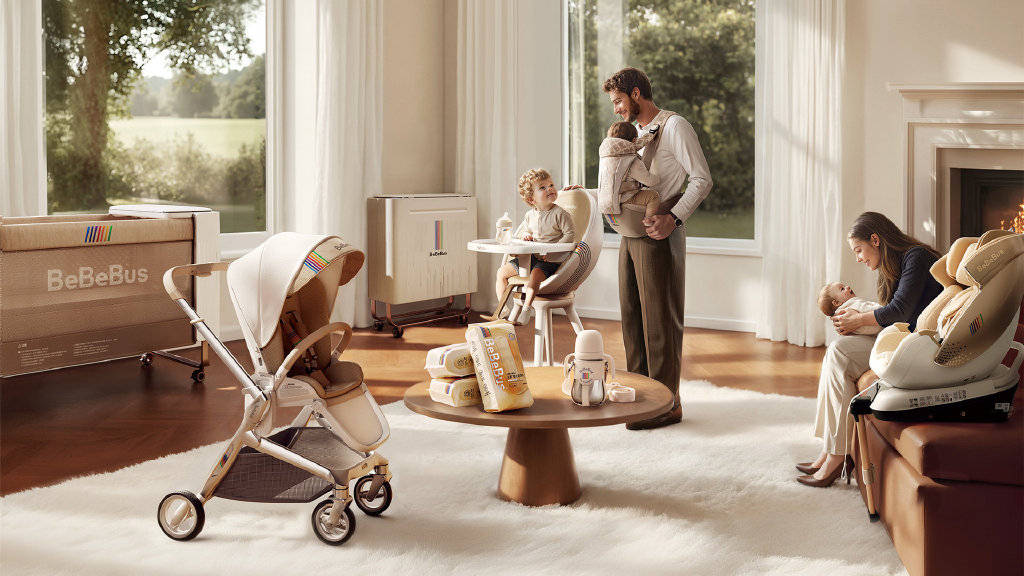
Core Viewpoint - The company, Different Group, is set to launch an IPO for its brand BeBeBus, aiming to raise capital to further expand its presence in the high-end parenting products market, which is experiencing significant growth in China [1][3]. Financial Performance - Different Group's revenue is projected to grow from 507 million yuan in 2022 to 1.249 billion yuan in 2024, reflecting a compound annual growth rate (CAGR) of 56.9% [3]. - Gross profit is expected to increase from 242 million yuan to 629 million yuan during the same period, with a CAGR of 61.3% [3]. - Adjusted net profit is forecasted to rise at a CAGR of 236.8% from 2022 to 2024 [3][18]. Market Position - BeBeBus ranks first among durable parenting product brands targeting mid-to-high-end consumers in China, according to data from Frost & Sullivan [3]. - The high-end parenting market in China is projected to grow from 25.6 billion yuan in 2020 to 34 billion yuan in 2024, with expectations to reach 50.9 billion yuan by 2029 [5]. Product Innovation - Different Group emphasizes a differentiated product strategy, focusing on high quality, aesthetics, and technology to meet the needs of new-generation parents [5][6]. - The company has introduced innovative products like a modular folding crib and a smart children's safety seat, which address common pain points in traditional designs [7][12][16]. User Engagement and Community Building - BeBeBus has established a user co-creation model, engaging over 16,000 influencers and conducting in-depth research with more than 2,000 mothers to identify parenting pain points [9][10]. - The brand has successfully built a community that enhances user loyalty and drives repeat purchases, with over 3.5 million online platform members [10]. ESG and Sustainability - Different Group is advancing its ESG initiatives, focusing on supply chain management and sustainable practices, with several products already certified for carbon footprint [14]. Global Expansion - The company is expanding its distribution channels, increasing the number of third-party stores from 742 at the end of 2022 to 3,400 by mid-2025, and is exploring international markets [19]. Future Outlook - Different Group aims to integrate its brand ethos of "Creating Different" into every aspect of modern family life, leveraging continuous innovation and user insights to drive sustainable growth [20].
调研速递|金发拉比接受投资者调研,聚焦摘帽、业绩目标及投资进展等要点
Xin Lang Cai Jing· 2025-09-19 10:41
Group 1 - The company held an online performance briefing on September 19, 2025, to discuss key development issues with investors [1][2] - The management team included Chairman Lin Haoliang, Vice Chairman Tang Dianqin, General Manager Lin Guodong, Independent Director Ji Chuanming, CFO Lin Guixian, and Board Secretary Xue Ping'an [2] - Investors expressed concerns about the company's confidence in removing the "hat" status and the success of its restructuring efforts, to which the Chairman responded positively [3] Group 2 - The company aims to achieve a turnaround in net profit and exceed 300 million yuan in revenue for the 2025 fiscal year, supported by various strategic initiatives [3] - Strategies include brand revitalization, IP-enabled product strategies, launching IP collaboration plans, enhancing new product development, expanding e-commerce channels, and improving medical beauty services [3] - The company is also exploring the integration of AI technology into its mother and baby products to enhance interactivity and engagement [3] Group 3 - The company is in the process of increasing its investment in Cangqiong Digital by 50 million yuan, with updates to be disclosed in accordance with legal requirements [3]

*ST金比(002762) - 002762*ST金比投资者关系管理信息(20250919)
2025-09-19 09:54
Group 1: Financial Performance - The company reported a revenue of 1.58 billion yuan in the first half of 2025, representing a year-on-year increase of 102% [2][3] - The company aims to achieve a net profit turnaround and exceed 3 billion yuan in revenue for the full year 2025 [3] Group 2: Strategic Initiatives - The company is implementing several strategies to improve performance, including brand revitalization, IP collaboration, and expanding e-commerce channels [3] - There is a focus on enhancing product offerings by extending maternal and infant products for family use and improving the quality of medical beauty services [3] Group 3: Investor Engagement - The company is committed to transparency and will disclose the progress of its investment in Cangqiong Digital as required by regulations [3] - The management expressed openness to integrating AI technology into maternal and infant products to enhance interactivity and engagement [3]