
外卖

Search documents
调研显示:“外卖大战”冲击堂食,近八成消费者因外卖更便宜而放弃堂食
2 1 Shi Ji Jing Ji Bao Dao· 2025-08-08 12:19
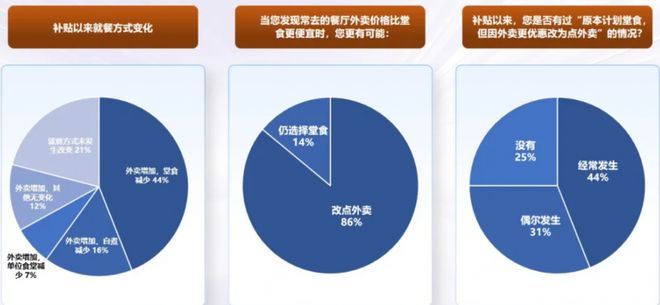
Core Insights - The "takeout war" has led to a significant increase in takeout orders but has caused a notable decline in dine-in traffic, lowering the price anchor in the restaurant industry and reinforcing consumers' mindset towards low-cost consumption [1][5]. Consumer Behavior Changes - 75% of consumers have opted for takeout over dine-in due to lower prices [3]. - Since July, 80% of respondents have changed their dining habits, with 44% increasing takeout frequency and decreasing dine-in frequency [3]. - 86% of respondents are more likely to choose takeout if they find it cheaper than dine-in options [3]. Price Perception and Market Dynamics - Half of the respondents believe that subsidized takeout prices are closer to normal prices, indicating that businesses can still profit at current price levels [3]. - Over 60% of respondents expect takeout prices to remain at current levels even after subsidies end, suggesting a long-term shift in price perception [3][5]. - 86% of respondents would reduce their takeout frequency if prices rise in the future, indicating a risk of order volume decline as subsidies decrease [5]. Consumer Experience and Market Impact - Over 70% of respondents reported a decline in takeout experience, citing longer delivery times, food safety issues, reduced portion sizes, lower food quality, and poor service as primary concerns [5]. - Experts warn that the intense competition among takeout platforms has distorted prices and disrupted market order, leading to a potential "quantity and price damage" cycle in the restaurant industry [6]. Industry Expert Opinions - Economists highlight that the ongoing subsidy wars have led to severe price distortions and a failure of market regulation mechanisms, negatively impacting consumers, merchants, and the overall market order [6]. - The consensus among experts is that the subsidy wars do not yield winners and pose a significant threat to the restaurant industry, necessitating a rational response from the sector [6].

京东押宝供应链,七鲜美食MALL开业一个月,听听商家怎么说?
Bei Jing Shang Bao· 2025-08-08 11:32
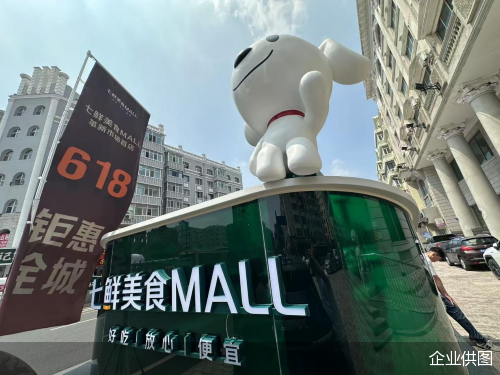
Core Insights - JD.com has launched a new food delivery service, JD Takeout, which has gained significant traction since its inception on March 1, 2023, with a zero-commission model and employee benefits attracting many merchants [3][11] - The Seven Fresh Food MALL, a hybrid of offline dining and online delivery, opened on June 18, 2023, and has quickly become a popular destination, generating over 20,000 daily foot traffic and tripling its growth [3][8] - The integration of quality dining and delivery services at Seven Fresh Food MALL has established a new standard in the restaurant industry, focusing on supply chain innovation and cost reduction for merchants [4][13] Group 1: Business Model and Strategy - The Seven Fresh Food MALL combines over 30 dining brands, including traditional and trendy options, creating a unique culinary experience that appeals to both locals and tourists [3][4] - Merchants at the MALL benefit from JD's supply chain capabilities, which have significantly reduced their operational costs, allowing them to focus on quality and customer experience [11][12] - The MALL's model encourages cross-store ordering, enhancing customer convenience and increasing overall sales for participating brands [5][9] Group 2: Merchant Success Stories - Coffee Bear, a brand under the Microcosm Group, has successfully transitioned from B2B to B2C, achieving an average daily sales of 300 cups, which is double the sales of leading coffee chains [5][6] - Le Shou Yufang, a duck brand, reported a sales increase of 2-3 times after joining the MALL, selling 1,800 ducks in a week, equivalent to a month's sales at other locations [6][8] - The MALL has facilitated the launch of new products, such as the popular Erba Sauce Milk Tea, which has become a local sensation, driving additional sales for the brand [8][9] Group 3: Supply Chain and Operational Efficiency - JD's supply chain has enabled merchants to reduce their initial investment from 3 million to 200,000 yuan, allowing for a more agile business model [11][12] - The integration of real-time kitchen streaming and a dual evaluation system enhances transparency and quality control for both dine-in and delivery services [4][5] - The MALL's operational model has led to a significant increase in efficiency, with some brands reporting sales growth of 3-5 times after adopting a smaller footprint and streamlined processes [9][11]

Uber第二季度业绩强劲,分析师表示值得强力买入
美股研究社· 2025-08-08 10:40
Core Viewpoint - Uber has transformed into a "cash cow" with significantly improved financial health and stable free cash flow generation, leading analysts to rate it as "strong buy" rather than just "buy" [1] Financial Performance - In Q2, Uber's revenue exceeded expectations by $230 million, and GAAP EPS surpassed expectations by $0.01, showcasing impressive long-term performance despite not being outstanding in the short term [2] - Key performance indicators (KPIs) such as monthly user growth rate increased from 14% to 15%, and ride frequency grew by 18%, indicating sustained growth potential amid intensifying competition [2] - Total bookings and revenue both grew by 18% [3] - Adjusted EBITDA rose by 35% year-over-year, with a profit margin increase of 0.6 percentage points compared to Q2 2024, highlighting strong cash generation capabilities [4] Cash Flow and Projections - Over the past 12 months, Uber generated $8.5 billion in free cash flow, with an adjusted EBITDA growth rate of 35% and a market capitalization of $180 billion, indicating robust financial health [4] - The outlook for Q3 is strong, with total bookings expected to grow by 17% to 21%, and adjusted EBITDA projected to increase by 30% to 36% [5] Ecosystem Development - Uber is evolving from two main businesses (ride-hailing and food delivery) to a broader platform, with Uber One membership service becoming a key growth driver, boasting 36 million members and a 60% year-over-year increase [6] - Members of Uber One spend three times more than non-members, enhancing customer loyalty and reducing competitive risks [6] Future Investments - Uber is focusing on autonomous vehicles, partnering with over 20 companies, including Waymo and Lucid Group, to establish itself as a leading commercial platform in the industry [7] - The company has sufficient cash flow to support investments in new technologies while providing substantial returns to shareholders [9] - A $20 billion stock buyback plan has been approved, reflecting a commitment to both future investments and shareholder value [9] Internal Rate of Return - Under reasonable assumptions, Uber's internal rate of return (IRR) could reach around 10%, with potential for higher returns if revenue growth and profit margins exceed expectations [10]

外卖平台,七月激战
雷峰网· 2025-08-08 09:54
Core Viewpoint - The article discusses the intense competition between Taobao and Meituan in the food delivery market, highlighting the strategies and responses of both companies during a significant battle in July 2025 [2][10]. Group 1: Market Dynamics - Taobao's flash delivery service achieved a daily order volume of 60 million, challenging Meituan's dominance in the market [4][6]. - On July 5, Meituan responded with a "0 Yuan Self-Pickup" strategy, reaching a daily order volume of 120 million, maintaining a competitive ratio of 3:2 against Taobao [6][7]. - The competition intensified as both platforms engaged in aggressive subsidy strategies, with Taobao reportedly offering up to 20 billion in daily subsidies [32][41]. Group 2: Operational Strategies - Meituan's strategy involved maintaining its position as the market leader by ensuring that it would not incur losses while competing aggressively [9][10]. - Both companies focused on enhancing their delivery capacity, with Meituan and Ele.me competing for rider resources through subsidies [17][25]. - The operational efficiency of delivery services became crucial, with predictions that overall order volumes could double, but delivery capacity was lagging behind [14][15]. Group 3: Financial Implications - The article notes that the intense competition led to significant financial implications, with Meituan's unit economics (UE) reportedly dropping to around 0.2 Yuan per order due to high subsidy costs [46][70]. - Despite the fierce competition, Meituan maintained a market share of over 50%, while Taobao and Ele.me's combined share rose to approximately 40% [48][49]. - The overall market for food delivery expanded significantly, with daily orders increasing from 100 million to 200 million during the competition [52]. Group 4: Impact on Merchants - The article highlights that while the competition was fierce, many top-tier merchants benefited from increased order volumes, with some reporting order growth of 4-5 times [53][56]. - However, smaller merchants faced challenges as the burden of subsidies shifted, leading to reduced profit margins [57][59]. - The overall market dynamics changed, with larger brands gaining more from the subsidies compared to smaller players, who struggled to maintain profitability [56][60].


年轻人:毕业可以不成功吗?
Hu Xiu· 2025-08-08 07:42
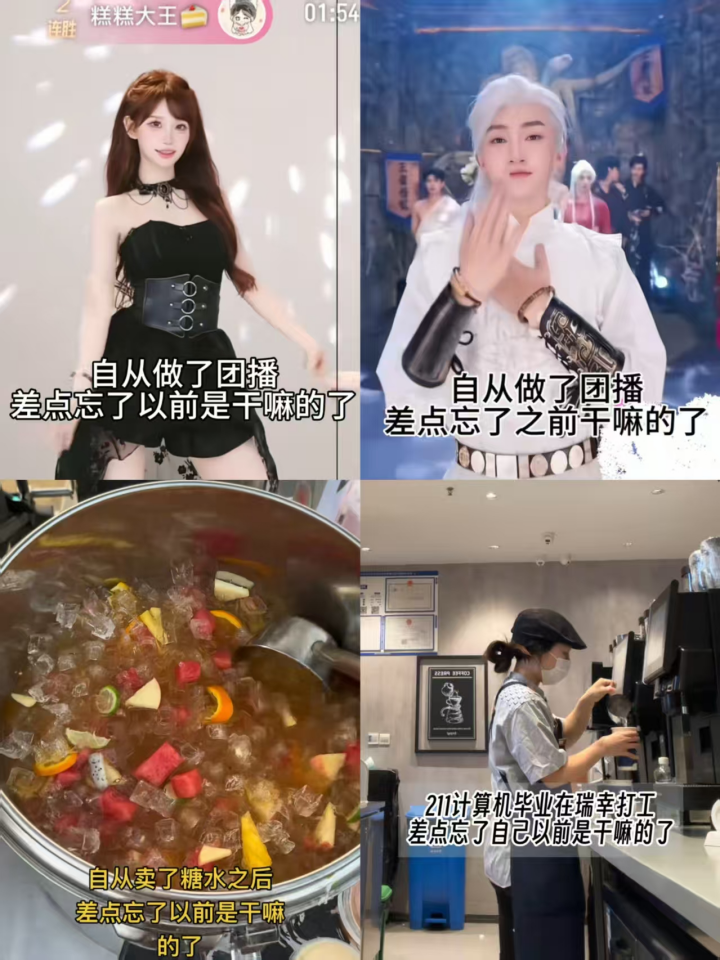
Group 1 - The article highlights the shift in career choices among young graduates, with many opting for less traditional roles such as live streaming and delivery services due to a challenging job market [6][24][50] - The average salary for recent graduates is reported to be 6199 yuan, which contrasts sharply with the high spending observed in live streaming, where individuals can spend millions on virtual gifts [2][4] - There is a growing trend of highly educated individuals entering jobs perceived as less desirable, indicating a significant change in societal values and expectations regarding employment [6][49][50] Group 2 - The narrative of "graduation can be unsuccessful" is explored, suggesting that success and value in careers have been redefined, moving away from traditional metrics like prestigious degrees and stable jobs [39][49] - The article discusses the emotional and psychological impact on graduates who feel pressured to meet societal expectations, leading to a sense of disillusionment and the need to adapt to new realities [28][29][51] - The rise of short video content, such as the "I almost forgot what I used to do" series, reflects a cultural shift where individuals share their experiences in navigating the modern job landscape, gaining popularity and engagement in the process [48][52]
“秋天第一杯奶茶”收官,美团停发战报:不想向奶茶注入更多泡沫
Mei Ri Jing Ji Xin Wen· 2025-08-08 05:53
Group 1 - The promotional event "First Cup of Milk Tea in Autumn" has concluded, with significant sales increases reported by major brands like Bawang Tea and Kudi Coffee [1] - Bawang Tea reported a 200% month-on-month increase and a 28% year-on-year increase in sales for the "First Cup of Autumn" promotion [1] - Kudi Coffee's sales on the day of the event were 2.5 times higher than the same day last year, with a 628% increase in orders for its popular product [1] Group 2 - Meituan's CEO indicated that the total order volume in the instant retail market has reached 250 million, but much of it is considered "bubble" [2] - Following a collective commitment to "regulate promotions," major platforms like Meituan and Taobao shifted their competitive strategies from price wars to focusing on quality and service [2] - Economic experts suggest that post-regulation, promotions will become more rational and focused on quality, with increased marketing investments in storytelling and service optimization [2]

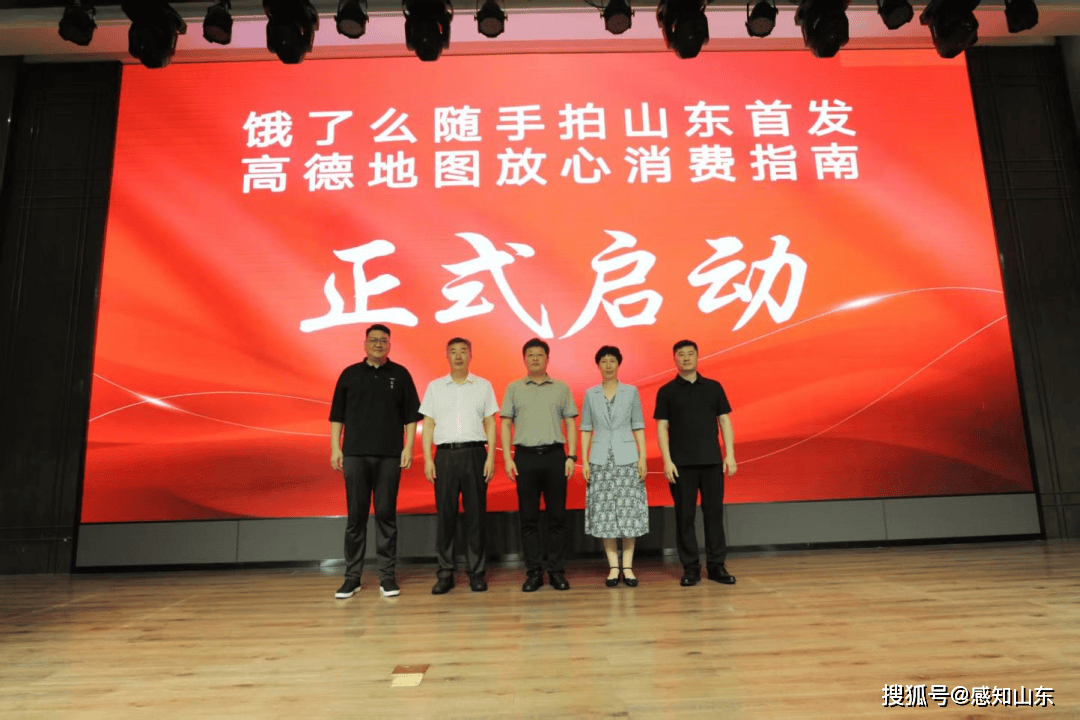
饿了么随手拍山东首发暨高德地图放心消费指南启动仪式在烟台举行
Sou Hu Cai Jing· 2025-08-08 05:06
Group 1 - The event marks a new step for Yantai in establishing a food safety governance system that integrates government regulation, industry self-discipline, platform collaboration, and public participation [3] - The "Ele.me Snap" project empowers delivery riders to act as "mobile food safety monitors," creating a closed-loop management system for identifying and reporting food safety issues [5] - Approximately 1,500 full-time delivery riders will have access to the "Snap" feature to report hygiene and storage issues in real-time [5] Group 2 - The launch of the "Assured Consumption Guide" by Amap complements the "Snap" project by digitizing information about restaurants, allowing consumers to make informed choices [6] - The guide will feature 20 local restaurants, including well-known hotels and chain eateries, and will officially launch on August 8 [6] - Amap will also distribute a total of 10 million ride-hailing red envelopes and 5 million designated driver red envelopes to promote the guide [6] Group 3 - Twenty delivery riders were appointed as "Food Safety Sentinels," enhancing the role of new employment groups in urban governance [8] - The platform has established a "Rider Food Safety Incentive Fund" to reward riders who provide valuable information, ensuring their motivation and rights are protected [8] - The initiative reflects Yantai's commitment to implementing national food safety regulations and integrating digital governance with platform economy and social management [10] Group 4 - The ongoing efforts in food safety governance in Yantai aim to meet public expectations for a better quality of life through digital management practices [11] - Yantai is setting a new benchmark for food safety governance in the country, emphasizing the importance of community involvement in ensuring food safety [10][11]
内地大厂,抢滩香港
创业邦· 2025-08-08 03:41
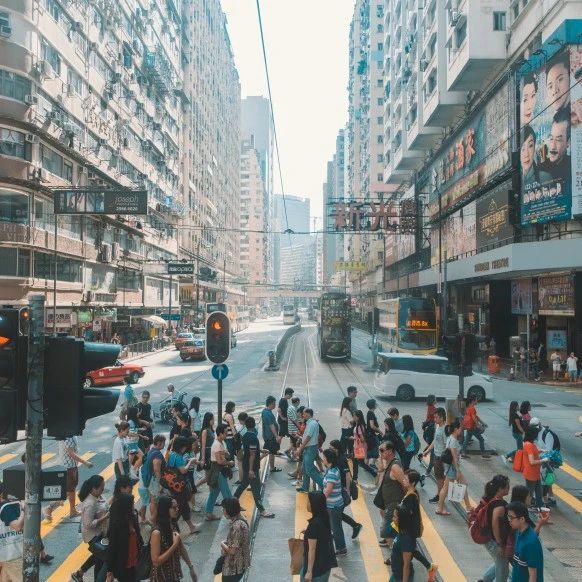
Core Viewpoint - The article discusses the aggressive expansion of major Chinese internet companies into the Hong Kong market, highlighting their strategies and the implications for local businesses and the overall market landscape [5][6]. Group 1: Market Entry Strategies - Major internet companies like JD.com and Meituan are increasingly targeting Hong Kong as a strategic market for expansion, with JD.com planning to acquire a local supermarket chain for approximately HKD 4 billion [8]. - Over 1,300 overseas and mainland companies have established operations in Hong Kong from January 2023 to mid-2025, with nearly half coming from mainland China [8]. - The shift from cloud services and AI to direct consumer engagement in Hong Kong signifies a new phase of competition among these companies [9]. Group 2: Competitive Landscape - Meituan's Keeta launched in Hong Kong in May 2023, quickly gaining market share and competing with established players like Foodpanda and Deliveroo [10][22]. - By December 2023, Keeta captured approximately 27% of the market share in food delivery, positioning itself as a strong competitor against Deliveroo [22]. - The entry of these companies has led to significant changes in consumer behavior and market dynamics, with local businesses feeling the pressure [12][29]. Group 3: Financial Investments and Subsidies - Keeta initiated its market entry with substantial subsidies, offering promotions that included HKD 300 coupons for new users, which significantly boosted order volumes [15]. - In 2024, Alibaba announced a HKD 1 billion investment for shipping services in Hong Kong, while JD.com committed to an initial investment of HKD 1.5 billion for logistics and service enhancements [15][19]. - The scale of these investments is comparable to much larger sums in mainland China, given Hong Kong's smaller user base [16]. Group 4: Challenges and Market Characteristics - Despite the high potential, the Hong Kong market presents challenges such as high labor costs and entrenched consumer habits, which complicate the expansion efforts of mainland companies [27][29]. - The online retail penetration in Hong Kong remains low, with only 9.3% of total retail sales attributed to online sales, compared to 26.8% in mainland China [28]. - The competitive environment is characterized by both local and international players, making it a complex market for new entrants [29]. Group 5: Future Outlook - Success in Hong Kong is viewed as a stepping stone for these companies to enter more complex international markets, with Meituan already expanding into the Middle East [30]. - The strategies and experiences gained in Hong Kong are expected to inform future operations in other regions, enhancing the companies' global competitiveness [30][31].

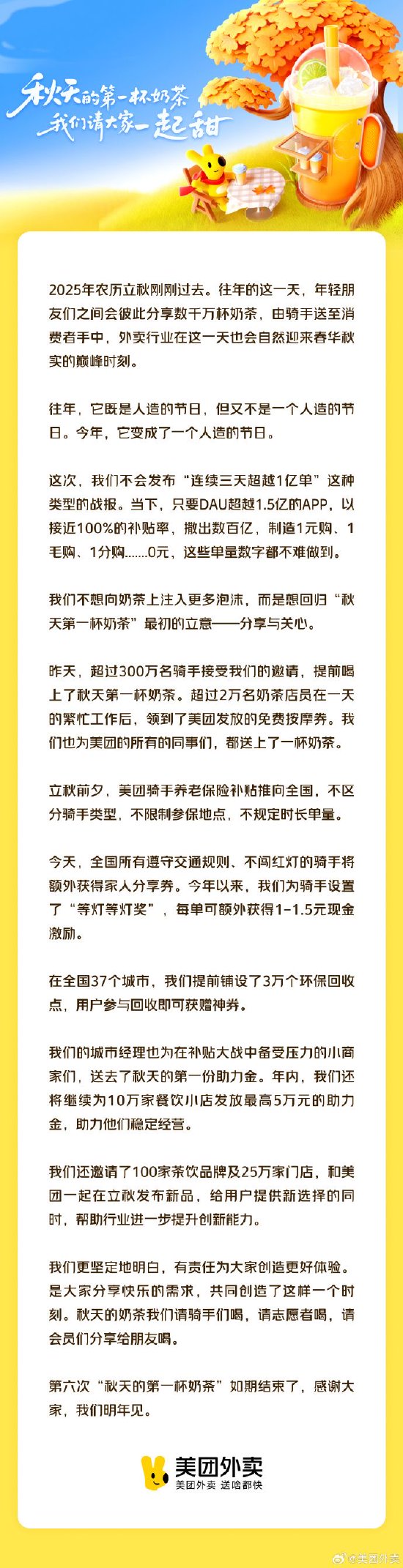
美团宣布“秋天的第一杯奶茶”收官:请300万名骑手喝奶茶,邀请超2万名奶茶店员按摩
Xin Lang Ke Ji· 2025-08-08 02:04
昨天,超过300万名骑手接受我们的邀请,提前喝 上了秋天第一杯奶茶。超过2万名奶茶店员在一天 的繁忙工作后,领到了美团发放的免费按摩券。我 们也为美团的所有的同事们,都送上了一杯奶茶。 立秋前夕,美团骑手养老保险补贴推向全国,不区 分骑手类型,不限制参保地点,不规定时长卑量。 此外,美团还为小商家送去了秋天的第一份助力金。年内,美团还将继续为10万家餐饮小店发放最高5 万元的助力金,助力他们稳定经营。 8月7日晚,美团外卖官方微博发文宣布今年"秋天的第一杯奶茶"活动如期结束。 文章称,今年立秋,美团共请客300万名骑手提前喝上了秋天第一杯奶茶,邀请了超过2万名奶茶店员按 摩,同时,还联合了100家茶饮品牌及25万家门店携手发布新品等。 今天,全国所有遵守交通规则,不闯红灯的骑手将 额外获得家人分享券。今年以来,我们为骑手设置 了"等灯等灯奖",每单可额外获得1-1.5元现金 激励。 在全国37个城市,我们提前铺设了3万个环保回收 点,用户参与回收即可获赠神券。 我们更坚定地明白,有责任为大家创造更好体验。 是大家分享快乐的需求,共同创造了这样一个时 刻。秋天的奶茶我们请骑手们喝,请志愿者喝,请 会员们分享给朋 ...
外卖大战“卷”上天
Mei Ri Shang Bao· 2025-08-08 01:46
Core Insights - The phenomenon of "food delivery competition" has become a significant topic in 2023, with major platforms like JD.com entering the market and leading to aggressive promotional strategies [1][3] - Regulatory bodies have intervened to address issues of irrational competition and low pricing strategies, emphasizing the need for platforms to adhere to laws and promote a healthier ecosystem [1][4] Group 1: Market Dynamics - The food delivery war initiated in February has transformed the landscape of instant retail in China, with daily orders increasing from 100 million to 250 million within three months [3] - JD.com utilized a "100 billion subsidy" strategy, significantly boosting order volumes for partners like Luckin Coffee, while Meituan leveraged its 70% daily active user base to enhance its market position [3] - Ele.me capitalized on Alibaba's supply chain to expand its nighttime market, achieving a 25% share of night orders, with a 60% repurchase rate for its "3 AM fresh delivery" service [3] Group 2: Regulatory Actions - Following initial regulatory discussions in May, further meetings in July reinforced the need for platforms to standardize promotional activities and ensure algorithm transparency [4] - On August 1, major platforms announced measures to improve transparency and rider welfare, leading to positive stock market reactions for Meituan, Alibaba, and JD.com [4] Group 3: Business Strategies - Different restaurant sizes exhibit varied survival strategies, with chain brands like Xinbailu successfully adapting to consumer needs through innovative single-serving meal options [6][7] - Xinbailu's "one-person meal" concept saw a 23% increase in delivery revenue, highlighting the importance of catering to specific consumer segments [6][7] - Seafood restaurant Da Tang has adopted a "limited distance delivery" strategy to maintain food quality, focusing on a 3-kilometer delivery radius and developing suitable menu items for delivery [7][8]