外卖

Search documents
对话北大薛军:治理平台内卷式竞争,应注重平衡多方主体利益
Sou Hu Cai Jing· 2025-08-07 09:40
图为北京大学教授薛军(受访者供图) 在接受南都采访时,薛军强调,应避免将"内卷式"竞争这一概念予以标签化,不能将企业的所有的竞争行为都视 为"内卷",而是要具体问题具体分析。对于平台"慷他人之慨",转嫁补贴成本,强制或变相强制商家参与补贴活 动,监管部门应及时介入纠正,甚至立案调查;但如果不触及法律,则应当尊重企业在价格竞争方面的自主经营 权。薛军还认为,在推进平台生态治理中,应注重平衡保护以及兼顾平台、平台内经营者、消费者等多方主体的 利益。 治理 "内卷式"竞争不应标签化 近两年来,治理"内卷式"竞争引发高度关注。从光伏、汽车、水泥、钢铁再到电商、金融等领域,"反内卷"浪潮 席卷多个行业。 7月30日召开的中央政治局会议明确,依法依规治理企业无序竞争,推进重点行业产能治理,规范地方招商引资行 为。在纵深推进全国统一大市场建设的背景下,反"内卷式"竞争进一步落实落细。 破除"内卷式"竞争,如何规范地方政府和企业行为?平台告别"内卷"竞争的出路在哪里?日前,南都·反垄断前沿 专访多位业内专家,策划推出反"内卷式"竞争系列对话。北京大学法学院教授、北大电子商务法研究中心主任薛 军长期关注电商领域,是《电商法》起 ...


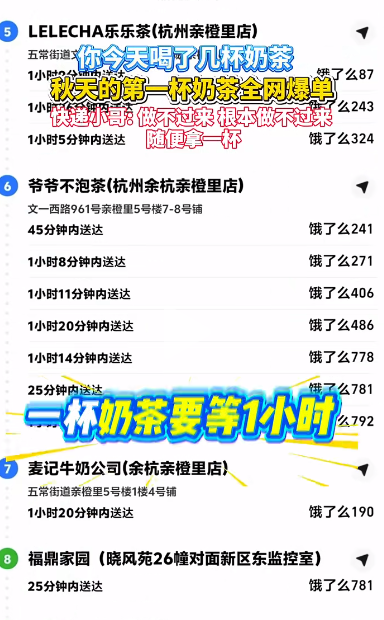
“秋天第一杯奶茶”大战开启!多地奶茶店爆单,上海有门店排队超3小时,午间高峰时段饿了么系统崩溃
Jin Rong Jie· 2025-08-07 09:37
Core Insights - The "First Cup of Milk Tea in Autumn" promotional event has led to significant competition among major food delivery platforms, particularly Meituan and Ele.me, resulting in system crashes for Ele.me during peak hours [1][2][3] - The event, which has become a staple marketing strategy since 2020, is crucial for the platforms as they engage in a subsidy war to attract customers [3][4] - Both Meituan and Ele.me have launched aggressive marketing campaigns, with Meituan offering 1 million discount coupons worth approximately 20 million yuan, while Ele.me introduced a 15-minute free order activity [1][4] Company Strategies - Meituan and Ele.me have been preparing for the "First Cup of Milk Tea in Autumn" event since late July, indicating the importance of this marketing initiative [3] - Meituan has partnered with various tea brands for new product launches and has engaged celebrities for promotional activities, enhancing its brand visibility [4] - Ele.me faced significant operational challenges during the event, with reports of system crashes and delivery issues, highlighting the risks associated with high-demand promotions [2][6] Industry Trends - The competition among food delivery platforms is intensifying, with all major players, including JD.com, emphasizing the need for fair competition and responsible promotional practices [6][7] - Recent regulatory changes in China's pricing law aim to address issues related to unfair competition and price manipulation, which could impact promotional strategies in the food delivery sector [7][8]


外卖补贴战总会结束,但拼好饭会一直便宜
乱翻书· 2025-08-07 09:28
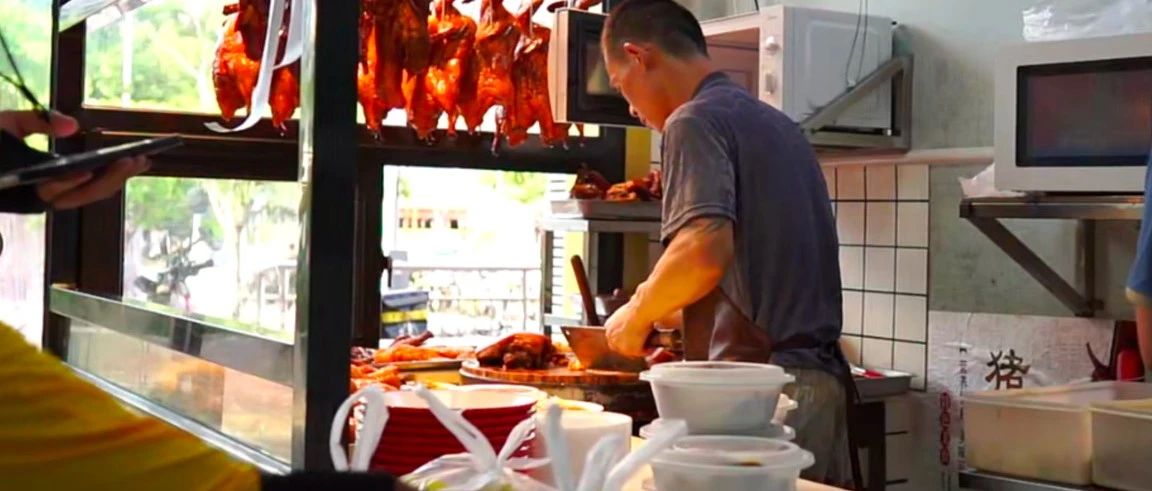
Core Viewpoint - The article emphasizes the growing demand for affordable and high-quality food options across various market segments, highlighting the success of Meituan's "Pin Hao Fan" as a response to this demand [1][3][20]. Group 1: Market Trends - The demand for cost-effective meals is not limited to lower-tier cities; even high-tier cities have a significant need for affordable options, which has been historically overlooked [1]. - The rise of "two dishes rice" in Hong Kong reflects a broader trend where consumers are increasingly valuing affordable yet satisfying meals, indicating a shift in dining preferences [3][20]. Group 2: "Pin Hao Fan" Overview - "Pin Hao Fan" was launched in June 2020 and has rapidly grown to over 270 million users, with daily orders increasing from 1 million in 2022 to over 35 million by July 2025 [5][13]. - The service operates on a simplified model, offering a limited number of fixed-price meal options, typically ranging from 10 to 15 yuan, which enhances efficiency and reduces costs [13][16]. Group 3: Operational Efficiency - The model focuses on reducing SKU variety, concentrating on a few popular items, which streamlines operations and enhances profitability for merchants [16][17]. - By aggregating orders and optimizing delivery routes, "Pin Hao Fan" significantly improves operational efficiency compared to traditional food delivery services [16][18]. Group 4: Consumer Trust and Brand Quality - To address consumer concerns about hygiene and quality, "Pin Hao Fan" has initiated the "Million Bright Kitchen" program, promoting transparency in food preparation environments [24][27]. - The platform aims to shift the perception that low prices equate to low quality, ensuring that consumers can trust the affordability of the meals offered [22][27]. Group 5: Competitive Landscape - Unlike traditional platforms that rely heavily on subsidies, "Pin Hao Fan" focuses on sustainable pricing strategies that do not compromise merchant profitability [28][29]. - The service is positioned as a long-term solution to the challenges faced in the food delivery market, moving away from unsustainable subsidy wars [28][30].
饿了么,冲上热搜!
中国基金报· 2025-08-07 08:55
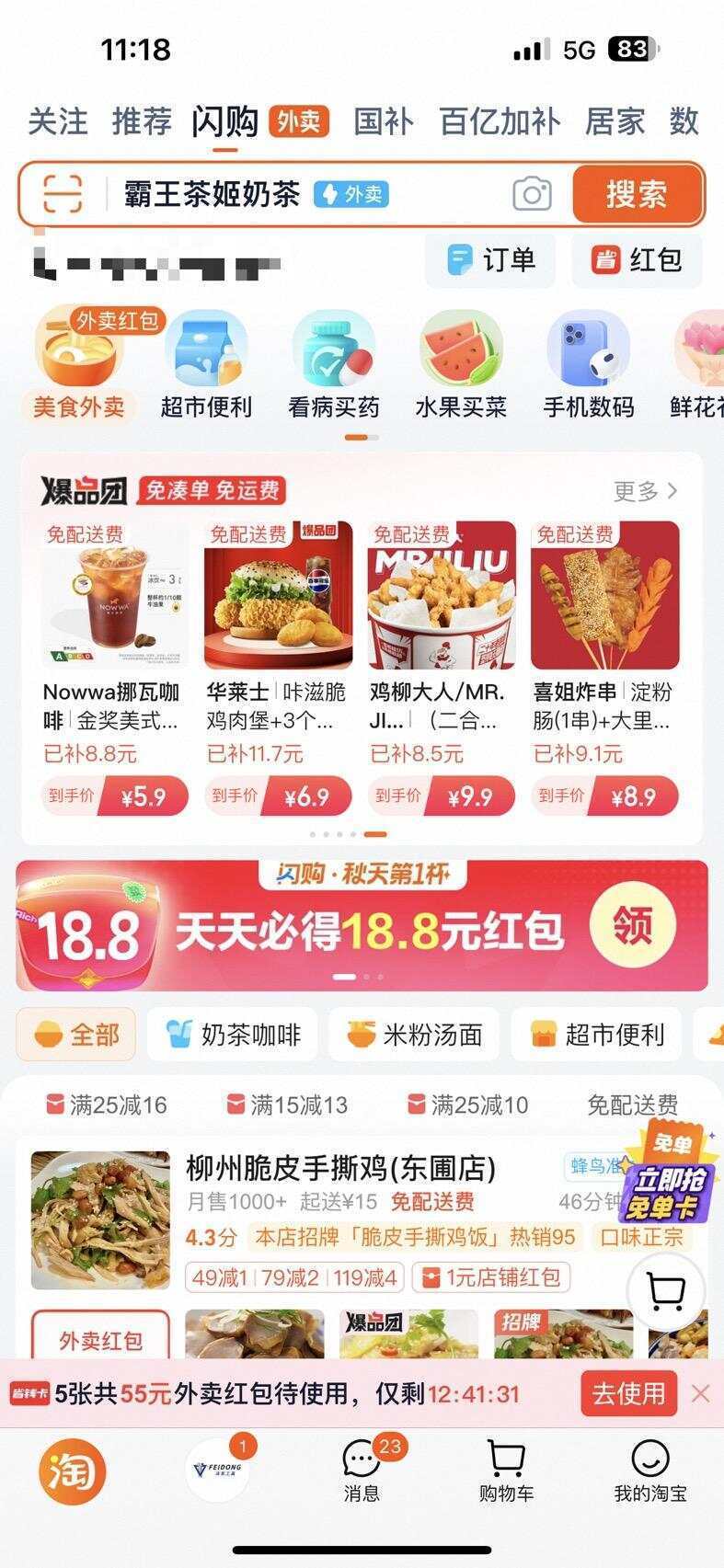
Core Viewpoint - The article discusses the recent issues faced by the food delivery platform Ele.me, which has been trending on social media due to service disruptions and user complaints about order cancellations and delivery delays [3][5]. Group 1: Service Disruptions - On August 7, the topic "Ele.me crashed" became a hot search on Weibo, with many users expressing frustration over the inability to cancel orders and delays in delivery [3]. - Users reported long wait times for delivery riders to accept orders, as well as issues with order cancellations and refunds [5]. Group 2: Promotional Activities - On the same day, Ele.me launched a promotional campaign in collaboration with Taobao Flash Sale, offering "free milk tea" to attract users [8]. - The official Weibo account of Ele.me announced a limited offer of 10,000 free milk tea vouchers, which quickly gained attention on social media [9][11]. - Other platforms like Meituan and JD.com also initiated similar promotional activities, with Meituan offering discounts on milk tea and JD.com providing subsidies for fried chicken delivery [15][17]. Group 3: Market Impact - According to Galaxy Securities, the ongoing competition in the food delivery market, particularly in the beverage sector, is expected to benefit leading tea brands, as delivery subsidies are likely to concentrate on these brands due to their capacity to handle increased demand [21].

“饿了么崩了”冲上热搜!秋天的第一杯奶茶你喝到了吗
2 1 Shi Ji Jing Ji Bao Dao· 2025-08-07 07:12
Group 1 - The hashtag "饿了么崩了" (Ele.me crashed) has become a trending topic on Weibo, with users reporting issues such as unresponsive customer service and disappearing orders [1] - Ele.me's official Weibo account announced a promotional campaign from August 7 to August 10, offering over one million free cups of milk tea daily and a surprise coupon package worth 188 yuan [1] - Users have expressed frustration over delayed orders, with one user stating that after an hour of waiting for their first milk tea of the season, the order vanished and the merchant claimed they did not receive it [1] Group 2 - As of now, Ele.me has not responded to the "Ele.me crashed" situation [2] - The recent promotional season for "the first cup of milk tea in autumn" has been launched by various food delivery platforms [2] - Taobao Shanguo denied rumors of aiming for 100 million orders on August 8, clarifying that the claims were fabricated and that their operational strategies are based on market demand and merchant collaboration [2] - Taobao Shanguo stated that they have never set a "rush order target" and emphasized that their marketing activities prioritize reasonable profits for merchants to avoid unhealthy competition [2] - A new membership system is set to launch by Taobao, integrating resources from Ele.me, Fliggy, and Hema, enhancing the benefits for 88VIP users across various sectors [2]
外卖平台频现AI假图,小作坊用虚假排队图骗你下单?
Nan Fang Du Shi Bao· 2025-08-07 06:42
Core Viewpoint - The rise of AI-generated images in food delivery platforms has led to significant consumer dissatisfaction, as many restaurants use these images to misrepresent their actual offerings, creating a deceptive experience for customers [2][9][12]. Group 1: AI Image Usage in Food Delivery - Numerous food delivery platforms have been found to host restaurants that utilize AI-generated images for storefronts and menu items, leading to a stark contrast between the advertised and actual dining experience [7][9]. - Consumers have reported that many of these AI-generated images depict vibrant and bustling dining environments, while the reality is often a starkly different, less appealing setup [9][12]. Group 2: Consumer Reactions and Complaints - Many consumers have taken to social media to express their frustration over the discrepancies between AI-generated images and the actual food received, with some labeling these establishments as "takeout workshops" lacking proper dining facilities [2][9]. - Specific complaints include instances of receiving poorly prepared food that does not match the quality suggested by the AI images, leading to negative reviews and calls for better transparency [12][13]. Group 3: Emergence of an AI Image Industry - A burgeoning industry has emerged around the creation of AI-generated images for food delivery businesses, with services offering complete packages for restaurant branding, including storefront and menu images [13][15]. - Some platforms are providing tools for restaurant owners to generate these images, often requiring payment for each image created, which further incentivizes the use of misleading visuals [15][17]. Group 4: Regulatory and Legal Implications - Legal experts have indicated that restaurants using AI-generated images may be violating consumer rights, as these practices can mislead customers and infringe upon their right to accurate information [17][18]. - There are calls for food delivery platforms to enhance their image verification processes to prevent the proliferation of misleading AI-generated content, with potential legal repercussions for failing to do so [18][19].

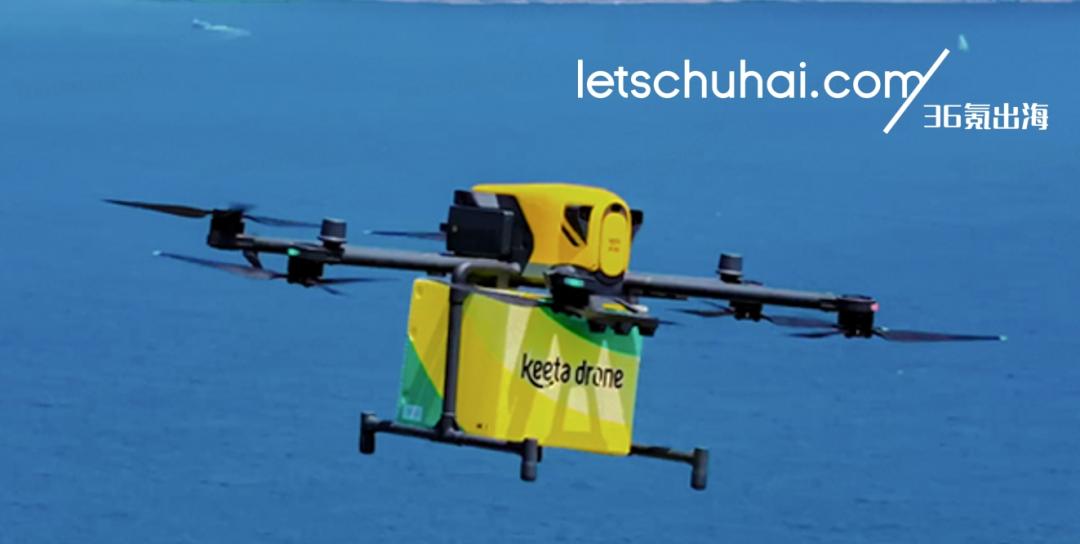
美团Keeta中东提速 阿联酋卡塔尔开城在即
3 6 Ke· 2025-08-07 06:35
Group 1 - Meituan officially launched in Saudi Arabia in September last year, marking its second international expansion [1] - Within a year, Meituan has established a presence in Saudi Arabia and is expanding into other Middle Eastern markets [1][5] - Keeta, a service under Meituan, has entered a new phase of expansion in Saudi Arabia, adding 11 new cities and partnering with nearly 7,500 merchants [3] Group 2 - Keeta's service now covers 20 cities in Saudi Arabia, with over 18,000 additional riders deployed, creating flexible job opportunities [3] - Keeta has achieved approximately 10% market share in Saudi Arabia within five months of entering the market, ranking third [3] - The overall food delivery market in Saudi Arabia is expected to grow by about 23% in GMV in 2024, driven by Keeta's entry [3] Group 3 - Meituan is also testing its supply chain capabilities in Saudi Arabia with the launch of its self-operated retail business, Keemart [4] - The company has a three-year plan to cover the six Gulf Cooperation Council (GCC) countries, including Saudi Arabia, UAE, Qatar, Kuwait, Oman, and Bahrain [6] - Keeta has initiated recruitment for teams and merchants in UAE, Qatar, and Kuwait, with plans to launch services in Kuwait by late 2025 or early 2026 [6] Group 4 - The GCC region, despite a population of less than 60 million, has high GDP per capita and strong consumer purchasing power, making it a digitally advanced market [6][7] - The infrastructure in Gulf cities provides advantages for instant delivery services, with high acceptance rates among local residents [7] - The online food delivery market in the GCC is projected to reach $30 billion by 2028, with an annual growth rate of 15% [8] Group 5 - Meituan's international expansion is not limited to the Middle East; it has also entered Hong Kong, achieving a 44% market share within a year [10] - The company plans to invest $1 billion in Brazil over the next five years as it prepares to enter the Latin American market [10] - Meituan faces challenges in scaling and efficiency as it navigates complex and open markets across Asia, Africa, and Latin America [10]
“规范补贴”后首周末:免单消失但红包仍在,外卖攻防战转向深水区|热财经
Sou Hu Cai Jing· 2025-08-07 06:26
Core Viewpoint - Major food delivery platforms in China, including Meituan, Taobao Flash Sale, Ele.me, and JD, have called for a halt to irrational competition and the regulation of promotional subsidies, yet substantial discounts and promotions continue to be offered, indicating that the "pause" on subsidies has not been effectively implemented [1][2][9]. Group 1: Industry Response to Subsidy Wars - The food delivery industry has seen a dramatic increase in order volume, with instant retail orders surging from approximately 100 million to 250 million [1]. - Despite the call for regulation, platforms like Taobao Flash Sale and JD continue to issue substantial coupons, albeit at reduced levels compared to previous weeks [2][5][9]. - Merchants are experiencing overwhelming order volumes, leading to operational challenges, while consumers are taking advantage of the discounts, sometimes excessively [1]. Group 2: Merchant Challenges - Merchants are facing a paradox where increased sales do not translate into higher profits, with many reporting that they bear a significant portion of the subsidy costs, often between 30% to 70% [12]. - The sudden influx of low-priced orders has created operational strain, with some merchants unaware of the promotional activities until after they occur, forcing them to participate to avoid losing business [12]. - The competitive landscape is pushing many small and medium-sized restaurants towards financial distress, as they struggle to manage costs associated with both regular operations and participation in subsidy programs [12]. Group 3: Shift in Competitive Strategies - The competition is shifting from online price wars to offline innovations, focusing on supply chain integration and operational model improvements [13][14]. - JD has launched a new self-operated model called "Seven Fresh Kitchen," aimed at enhancing food safety and quality, while Meituan is testing "Raccoon Canteen" to improve infrastructure for merchants [13][14]. - The ongoing competition indicates a transition to a more complex battle for market share, emphasizing quality, efficiency, and user experience over mere price competition [14].
36氪出海·全球化公司|美团Keeta中东提速,阿联酋卡塔尔开城在即
3 6 Ke· 2025-08-07 05:35
Core Insights - Meituan has successfully established its presence in Saudi Arabia within a year of launching its international expansion, and is now accelerating its growth in other Middle Eastern markets [2] Group 1: Meituan's Expansion in Saudi Arabia - Meituan's service in Saudi Arabia has expanded to cover 20 cities, including 11 new cities, and has partnered with nearly 7,500 merchants [3] - The company has deployed over 18,000 additional riders, creating flexible employment opportunities and new economic prospects [3] - Meituan's entry into the Saudi market has led to a market share of approximately 10% for its platform Keeta within five months, ranking it third in the market [3][5] Group 2: Market Dynamics and Competition - The entry of Keeta has stimulated growth in the overall food delivery market in Saudi Arabia, with an expected GMV growth of about 23% in 2024 [3] - Major competitors in the region include Hungerstation and Jahez, which have seen minimal impact on their market shares so far, but are expected to face increased competition as Keeta expands [5][10] - The GCC region, while having a population of under 60 million, boasts high GDP per capita and strong consumer spending power, making it an attractive market for instant delivery services [9] Group 3: Broader Middle Eastern Strategy - Beyond Saudi Arabia, Meituan is planning to enter additional Middle Eastern markets, including the UAE, Qatar, and Kuwait, with a three-year plan to cover all six Gulf Cooperation Council (GCC) countries [7] - Keeta has initiated a "Founding Vendor Program" in the UAE and Qatar, offering incentives for early merchant partnerships [7] - The GCC market presents opportunities for growth due to its digital infrastructure and high acceptance of instant delivery services, despite existing local competition [9][10] Group 4: Global Expansion Efforts - Meituan has also entered the Hong Kong market, achieving a market share of 44% within a year, and is planning to invest $1 billion in Brazil over the next five years [11] - The company is focusing on enhancing its supply chain capabilities through its retail business, Keemart, which has launched in Riyadh [6]
「零工时代」!美国四大「自由职业」平台同日发财报,自由现金流都大幅上涨
Hua Er Jie Jian Wen· 2025-08-07 04:40
Core Insights - The U.S. gig economy is demonstrating strong profitability, with major platforms Uber, DoorDash, Lyft, and Airbnb collectively generating $4.2 billion in free cash flow, exceeding expectations [1][10] Group 1: Company Performance - Uber leads the industry with $2.475 billion in free cash flow, a 44% year-over-year increase, and revenue of $12.7 billion, up 18% [2][3] - DoorDash's revenue grew 25% to $3.28 billion, surpassing expectations, with a total market value of orders reaching $24.2 billion, a 23% increase [6][7] - Airbnb reported a 13% revenue increase to $3.1 billion and a net profit of $642 million, with a new $6 billion stock buyback plan announced [8][9] - Lyft's revenue of $1.59 billion was slightly below expectations, but it achieved a free cash flow of $329 million, indicating a higher profitability level than Uber [4][5] Group 2: Industry Trends - The gig economy is experiencing deep expansion, with non-employer businesses growing at an average rate of 2.7% annually from 2012 to 2023, significantly outpacing traditional employer businesses at 1.1% [11][12] - The transportation and warehousing sectors are primary drivers of this growth, with over 200,000 new non-employer businesses added between 2022 and 2023 [11] - Despite some sectors like retail contracting, non-employer businesses contribute approximately $1.8 trillion to GDP, accounting for 6.4% of the U.S. economy [12]