啤酒

Search documents
啤酒板块,跌到头了吗
格隆汇APP· 2025-09-27 08:01
Group 1 - The core viewpoint of the article is that the liquor industry, particularly the white liquor sector, is showing signs of recovery as demand improves, while the beer sector continues to struggle with declining sales and market challenges [1][2][3]. - The white liquor market is expected to see a gradual improvement in sales velocity as the peak season approaches [2]. - In contrast, the beer sector has not shown any signs of recovery, with production in 2024 expected to decline by 0.6% compared to the previous year, reaching 35.213 million kiloliters, which is only 70% of the peak production capacity seen a decade ago [6]. Group 2 - The beer industry's financial performance is under pressure, with total revenue for the beer sector in the first half of 2025 reaching 41.534 billion yuan, a year-on-year increase of 2.75%, while net profit rose by 11.81% to 6.512 billion yuan [8]. - Major beer companies are experiencing a divergence in performance, with Qingdao Beer reporting a revenue of 20.491 billion yuan, a year-on-year increase of 2.11%, while Chongqing Beer saw a slight decline in revenue [9]. - Budweiser APAC, once the leader in the domestic beer market, reported a total beer sales volume of 4.363 billion liters in the first half of 2025, a decline of 6.1%, with revenue dropping by 5.6% to 3.136 billion USD [10][11]. Group 3 - The beer market has shifted from a phase of rapid growth to one of stock competition, with the peak in beer sales occurring in 2013, leading to overcapacity issues [15]. - The high-end beer market has become increasingly competitive, with domestic brands struggling to maintain their market share against foreign brands [17][19]. - Despite the challenges, the average price of beer in China remains low compared to global standards, indicating potential for future price increases [29][31]. Group 4 - The rise of the Z generation as a key consumer group is driving demand for craft and low-alcohol beers, with expected consumption of craft beer reaching 230,000 kiloliters by 2025, growing at a compound annual growth rate of 17% [33][36]. - Beer companies are exploring new growth avenues, including diversifying into other alcoholic beverages like yellow wine and soft drinks [39][40]. - The instant retail channel is emerging as a significant sales avenue for beer, with sales in this channel expected to reach 780 billion yuan in 2024, growing at a compound annual growth rate of 23% [50][52]. Group 5 - The article concludes that after several years of valuation adjustments, some leading beer companies now present attractive investment opportunities due to their stable cash flows and generous dividends [56][58]. - The beer sector is showing signs of bottoming out, but a full recovery will depend on improvements in the overall consumption environment [59].



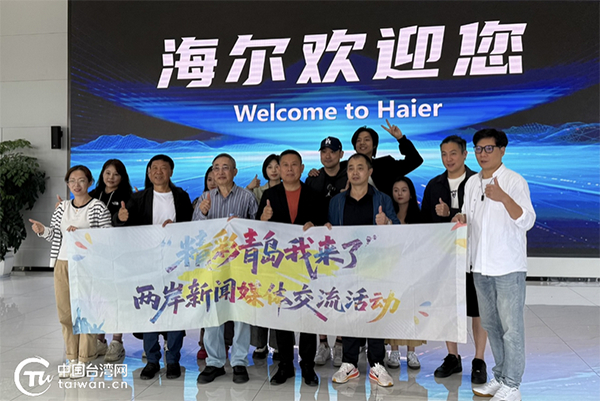
探智造、品青啤、赏夜景 “精彩青岛我来了” 两岸媒体交流活动圆满落幕
Guan Cha Zhe Wang· 2025-09-27 07:01
Group 1 - The event "Exciting Qingdao, Here I Come" is a cross-strait media exchange activity that highlights Qingdao's innovation and cultural charm through immersive experiences [1] - Media representatives visited Haier Industrial Park, observing advanced automation and smart manufacturing technologies, which showcased the transformation in modern industry [3] - The visit to the Qingdao Beer Museum allowed participants to explore the history and development of Qingdao beer, enhancing their understanding of the local beer culture [5] Group 2 - The media group explored historical sites such as the Anna Villa and the Zhongshan Road Urban Memory Museum, gaining insights into Qingdao's architectural evolution and commercial history [8] - A night cruise in Fushan Bay showcased Qingdao's vibrant coastal scenery, with impressive light displays that reflect the city's modern and romantic atmosphere [10] - The event aimed to promote cultural exchange and emotional connection between the two sides, providing rich reporting material and fostering a narrative around Qingdao's development achievements [10]
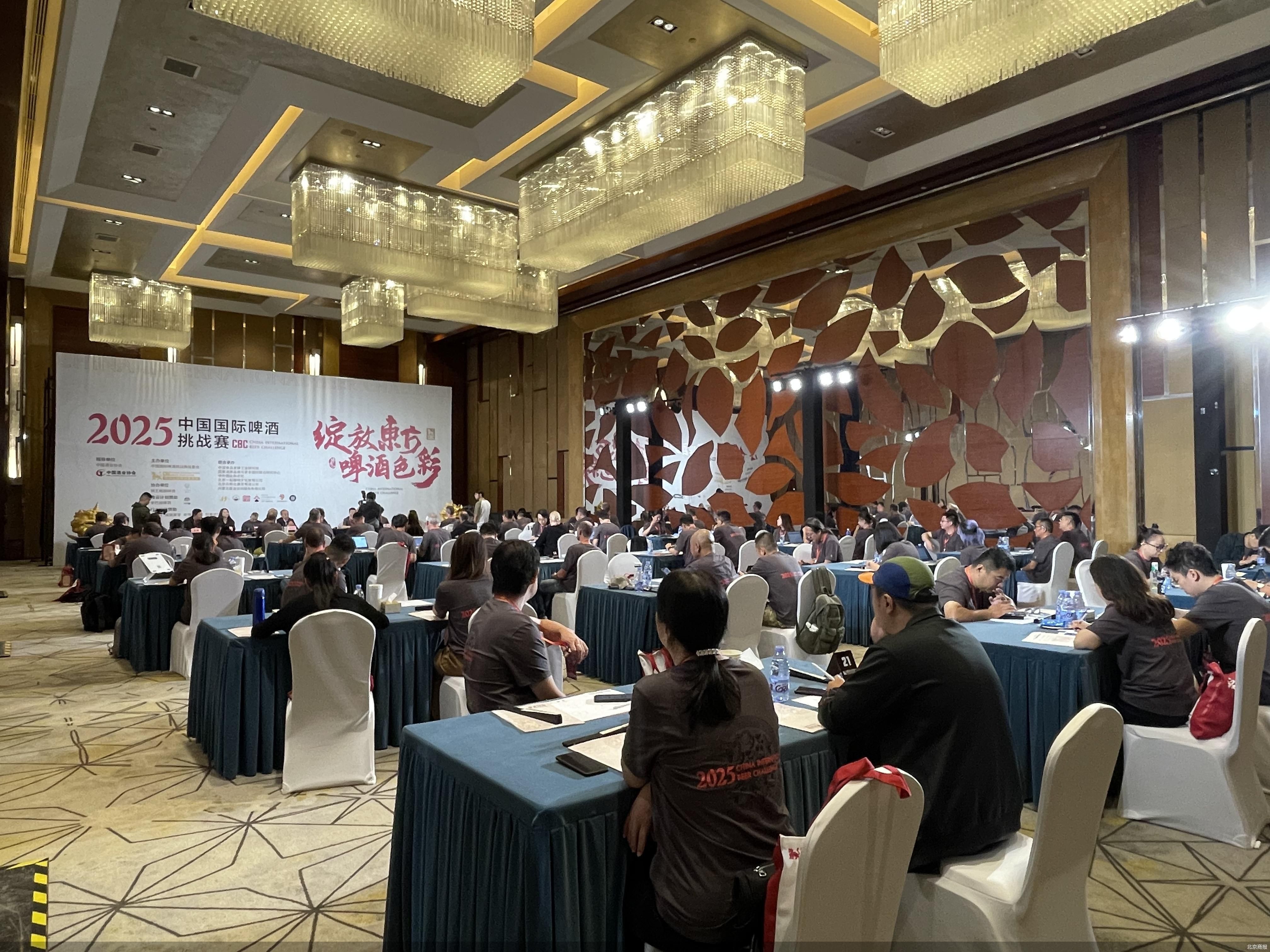
开启啤酒国际对话 2025中国国际啤酒挑战赛开赛
Bei Jing Shang Bao· 2025-09-26 15:42
Core Insights - The 8th China International Beer Challenge is promoting the internationalization of Chinese beer, with a judging panel from 15 countries and regions [1][5] - The competition has seen record participation, with 75 judges evaluating 2709 entries, utilizing a new online scoring system for objective assessments [3][5] - The event serves as a platform for innovation in Chinese brewing, encouraging brewers to explore local ingredients and traditional brewing techniques [4][6] Event Details - The competition is divided into commercial and homebrew categories, with entries classified into 12 major groups and an additional "Qingyun Group," covering 78 specific beer styles [1] - The judging process employs a blind tasting method to ensure impartiality, with all entries identified only by numbers [5] Industry Impact - The event has become a significant driver for the awakening and innovation of Chinese beer styles, showcasing the diversity and cultural richness of Eastern flavors [4][6] - Increased participation from international brands and brewing institutions has enhanced the event's global perspective, responding to rising consumer demand for quality and diverse flavors [6][7] Future Outlook - The focus on internationalization is crucial for the craft beer sector, with the challenge serving as a platform for dialogue and integration into global standards [7] - China's craft beer market has rapidly evolved, becoming the largest producer and consumer globally, indicating a potential for further international engagement [7]
外资加码广东
2 1 Shi Ji Jing Ji Bao Dao· 2025-09-26 14:00
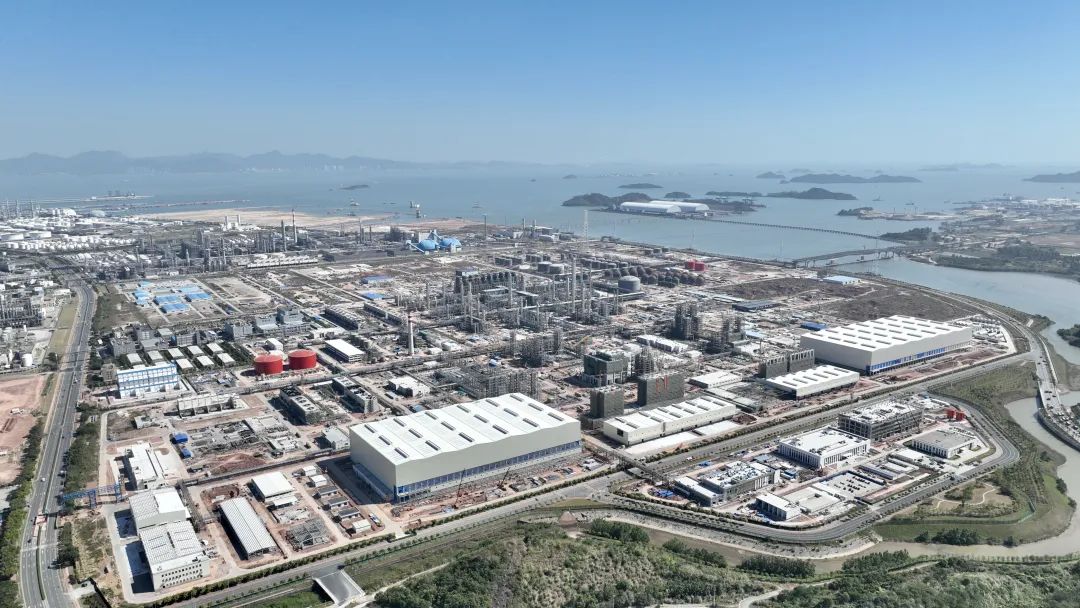
Core Viewpoint - Guangdong is becoming a preferred investment destination for multinational companies, showcasing significant growth in foreign direct investment (FDI) and new foreign enterprises, driven by its evolving economic landscape and strategic advantages [1][2]. Foreign Investment Growth - In the first eight months of this year, Guangdong established 21,000 new foreign enterprises, a year-on-year increase of 34%, with actual foreign investment amounting to 70.87 billion yuan, up 9.4% year-on-year [1]. - These growth rates significantly outpace the national averages of 14.8% and -12.7% for new foreign enterprises and FDI, respectively [1]. Investment in New Technologies - ExxonMobil's recent $10 billion investment in the Huizhou ethylene project represents a major shift towards high-end chemical production in Guangdong, featuring advanced technology and significant production capacity [3][4]. - The project will produce 1.6 million tons of ethylene annually and includes the world's largest single-unit low-density polyethylene facility, enhancing Guangdong's position in the global chemical supply chain [3][4]. Industry Transformation - The global petrochemical industry is undergoing a transformation towards reducing oil production and increasing chemical output, with Guangdong's robust industrial base supporting this shift [5]. - The region's extensive coastline and port infrastructure provide significant cost advantages for importing raw materials and exporting products, making it an attractive location for foreign investment [5]. Automotive Industry Development - The automotive sector is a key area for multinational investment, with companies like ZF Friedrichshafen establishing R&D centers in Guangdong to leverage the region's automotive ecosystem [7][8]. - The collaboration between ZF and local automotive manufacturers is fostering innovation in smart and electric vehicles, positioning Guangdong as a hub for automotive technology [9]. Consumer Market Dynamics - Guangdong's large and youthful population is driving demand for high-quality products, including beer, with foreign companies like Carlsberg investing in local production facilities to meet this demand [11][12]. - The region's beer market is experiencing growth, with Carlsberg's new brewery in Foshan expected to significantly enhance supply chain efficiency and profitability [11][12]. Strategic Investment Initiatives - Guangdong is enhancing its investment environment through targeted policies and initiatives aimed at attracting foreign capital, particularly in high-tech and emerging industries [14][15]. - The province's focus on "new quality investment" and the establishment of R&D headquarters for multinational companies reflect its commitment to fostering innovation and economic development [14][15]. Conclusion - The combination of Guangdong's market potential, strategic location, and supportive government policies is making it a focal point for foreign investment, particularly in high-tech and innovative sectors [17].

外资加码广东
21世纪经济报道· 2025-09-26 13:54
Core Viewpoint - Guangdong is becoming a preferred investment destination for multinational companies, driven by its strong economic indicators, innovative ecosystem, and large consumer market [3][4][10]. Investment Trends - In the first eight months of this year, Guangdong established 21,000 new foreign-funded enterprises, a year-on-year increase of 34%, with actual foreign direct investment (FDI) amounting to 70.87 billion yuan, up 9.4% year-on-year [3]. - The FDI growth rate in Guangdong is significantly higher than the national average, indicating a robust investment climate [3][4]. Industry Transformation - The shift from being a "world factory" to a hub for global technological innovation and emerging industries is evident, with Guangdong's population of 150 million providing a vast consumer base [4][10]. - Multinational companies are reassessing the value of investing in Guangdong, focusing on new fields and markets, and integrating advanced technologies with local innovation [4][10]. Major Projects - ExxonMobil's Huizhou Ethylene Project represents a significant investment of $10 billion, marking it as the first major wholly-owned petrochemical project by a U.S. company in China [6][9]. - The project will produce 1.6 million tons of ethylene annually and is expected to enhance Guangdong's production capacity for high-value basic chemical raw materials [6][10]. Environmental and Technological Innovations - The project incorporates advanced environmental technologies, aiming to reduce nitrogen oxides and sulfur oxides emissions by approximately 50% [7]. - ExxonMobil's R&D center in Daya Bay will focus on local development of materials recycling and carbon footprint reduction [7][10]. Automotive Industry Developments - ZF Friedrichshafen AG has established a research center in Guangzhou, aligning with Guangdong's automotive industry, which produced over 5 million vehicles in 2023, including 2.53 million new energy vehicles [12][13]. - The collaboration between ZF and local automotive companies is fostering innovation in smart driving technologies [12][13]. Consumer Market Dynamics - Guangdong's large and youthful population is driving demand for high-quality products, making it an attractive market for foreign beer companies like Carlsberg [20][21]. - Carlsberg's new brewery in Foshan is expected to significantly enhance its operational efficiency and market reach in Guangdong [20][21]. Strategic Investment Initiatives - Guangdong is enhancing its investment environment through targeted policies and initiatives aimed at attracting high-end manufacturing and innovative industries [26][27]. - The province is focusing on sectors such as artificial intelligence, new energy vehicles, and biomedicine as key areas for foreign investment [26][27]. Conclusion - The combination of a large consumer base, strong industrial support, and favorable investment policies positions Guangdong as a critical hub for multinational companies seeking growth and innovation opportunities in China [29].
投资广东:中国经济第一大省的价值重估
2 1 Shi Ji Jing Ji Bao Dao· 2025-09-26 11:44
Core Viewpoint - Guangdong's economy remains resilient despite external challenges, with significant foreign investment and a shift towards high-tech and innovative industries driving growth [3][4][10]. Foreign Investment Trends - In the first eight months of the year, Guangdong established 21,000 new foreign-funded enterprises, a 34% increase year-on-year, with actual foreign investment amounting to 70.87 billion yuan, up 9.4% [4]. - Guangdong's foreign direct investment (FDI) growth rate is significantly higher than the national average, indicating its attractiveness as an investment destination [4][12]. Industry Developments - ExxonMobil's Huizhou ethylene project represents a $10 billion investment, marking a significant shift in the region's industrial landscape with a focus on high-value chemical production [6][10]. - The project will produce 1.6 million tons of ethylene annually and is expected to enhance Guangdong's capacity for high-performance polyethylene, reducing reliance on imports [6][7]. Technological Advancements - The Huizhou project incorporates advanced technologies, including a unique external pre-treatment mode for environmental protection and a comprehensive energy station for clean energy utilization [7][8]. - The establishment of a research center in Daya Bay will facilitate local R&D on material recycling and carbon footprint reduction, further integrating local innovation with global standards [8][10]. Automotive Industry Insights - ZF Friedrichshafen AG's investment in a research center in Guangzhou aligns with the region's booming automotive sector, particularly in electric and smart vehicles [13][14]. - The center has become a hub for collaboration with major local automakers, enhancing the development of integrated systems for smart vehicles [14][17]. Market Dynamics - Guangdong's large consumer market, with a population of 150 million, is a key driver for foreign companies, particularly in sectors like beer production, where Carlsberg has invested in a new brewery to meet local demand [19][20]. - The province's young demographic and evolving consumer preferences are fostering a robust market for high-quality products, further attracting foreign investment [20][22]. Investment Strategies - Guangdong's government is actively enhancing its investment environment through targeted policies and initiatives aimed at attracting high-tech and innovative industries [24][25]. - The province's focus on "new quality investment" emphasizes high-end manufacturing and the establishment of R&D headquarters, reflecting a strategic shift from traditional manufacturing to innovation-driven growth [24][28].
国际经济顾问为重庆打造AI应用高地出谋划策
Zhong Guo Xin Wen Wang· 2025-09-26 11:01
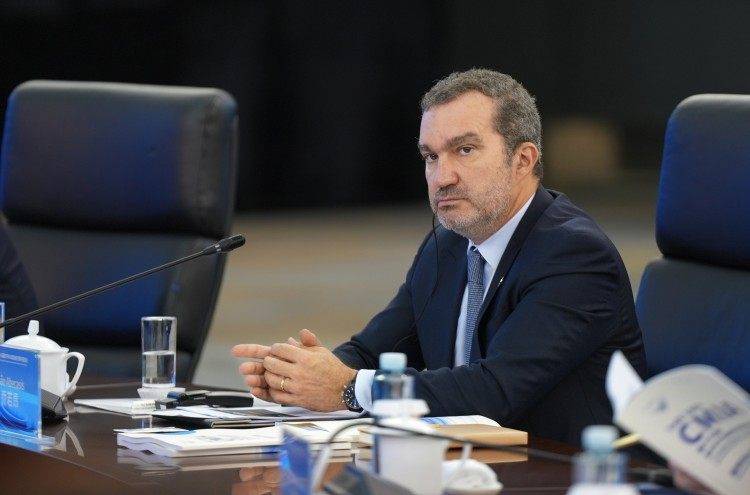
Group 1 - The 19th International Economic Advisory Council meeting in Chongqing focused on "building an AI application hub to empower high-quality industrial development" with representatives from 21 global Fortune 500 companies [1] - A total of 71 forward-looking suggestions were made, primarily in three areas: constructing a systematic AI application mechanism, enhancing talent recruitment and training, and deepening open cooperation [1] - Companies like Signify and Hitachi Energy expressed intentions to deepen investment cooperation, with Hitachi's CEO emphasizing the need for stable power supply to unlock AI's potential [1] Group 2 - Carlsberg has invested over 20 billion yuan in China, with more than 10 billion yuan in Chongqing, and is leveraging its global "AI+" experience in its local operations [2] - Carlsberg's executive vice president proposed the establishment of an "AI+ agriculture and food" innovation platform, advocating for government-led initiatives to enhance international standards and support AI applications across various business processes [2] - The proposal includes creating a tiered talent cultivation system leveraging local educational resources to support the "AI+ agriculture and food" sector [2] Group 3 - Siemens has been involved in Chongqing's industrialization since 1925 and is a long-standing advisor in the International Economic Advisory Council [3] - Siemens' executive vice president highlighted the transition of industrial AI from "technology heat" to "application depth," aligning with Chongqing's robust manufacturing base and the new "industrial brain + future factory" model [3] - The focus is on promoting applications, nurturing talent, and building ecosystems to fully realize the potential of "manufacturing + AI" in Chongqing [3]
市长顾问团会议|嘉士伯集团执行副总裁:以“AI+”赋能重庆食农产业高质量发展
Sou Hu Cai Jing· 2025-09-26 09:43
Core Insights - Carlsberg views Chongqing as its home in China and is committed to leveraging its global "AI+" experience to enhance the quality of the food and agricultural processing industry in the region [1][4]. Investment and Operations - Carlsberg has invested over 100 billion yuan in Chongqing, part of a total investment exceeding 200 billion yuan in China, contributing to the growth of Chongqing Brewery Co., Ltd. into one of China's top five beer companies with nearly 15 billion yuan in annual revenue and approximately 2.6 billion yuan in taxes [4]. - The company operates a production network of 27 breweries and a nationwide sales network [4]. AI Integration - The "AI+" initiative is integrated throughout Carlsberg's operations, enhancing production efficiency and sustainability by enabling smarter brewing processes and closer consumer connections [4]. - In production, AI facilitates real-time monitoring and management through systems like MES, optimizing equipment performance and reducing waste [4]. - In energy management, AI acts as a "smart steward," optimizing resource usage and minimizing emissions through EMS [5]. Recommendations for Chongqing - Carlsberg suggests establishing an "AI+ Agriculture and Food" innovation platform led by the Chongqing government to enhance international collaboration and standard-setting [6]. - The company recommends creating special funds to support AI applications across the supply chain, from procurement to marketing, to develop replicable success models [6]. - It advocates for building a talent cultivation system leveraging local educational resources to supply skilled professionals for the "AI+ Agriculture and Food" sector [6]. - Carlsberg proposes hosting high-level international summits to gather global expertise and enhance Chongqing's innovative city brand [7].
白酒关注中秋国庆动销,大众品把握结构性机会
Dongguan Securities· 2025-09-26 09:40
Investment Rating - The report maintains an "Overweight" rating for the food and beverage industry, expecting the industry index to outperform the market index by over 10% in the next six months [53]. Core Viewpoints - The report highlights the focus on liquor sales during the Mid-Autumn Festival and National Day, suggesting that consumer demand remains under pressure, particularly for high-end liquor brands like Kweichow Moutai [4][48]. - The report indicates a structural opportunity in mass-market products, with varying performance across different sub-sectors, emphasizing the importance of monitoring demand and cost indicators in the beer sector and consumption recovery in the condiment sector [4][48]. Summary by Sections Market Review - From September 12 to September 25, 2025, the SW food and beverage industry index fell by 5.76%, underperforming the CSI 300 index by approximately 6.76 percentage points [11]. - All sub-sectors underperformed the CSI 300 index during this period, with the baking sector experiencing the largest decline at -7.80% [13][14]. - Approximately 7% of stocks in the industry recorded positive returns, with notable gainers including Qianwei Yangchu (+21.90%) and Yangyuan Beverage (+16.80%) [15] . Industry Important Data Tracking Liquor Sector - As of September 25, 2025, the price of Feitian Moutai decreased to 1,765 RMB per bottle, while the price of Guojiao 1573 increased to 840 RMB per bottle [22]. Condiment Sector - As of September 25, 2025, the price of soybean meal was 2,988 RMB per ton, down 72 RMB from September 11, while the price of white sugar was 5,780 RMB per ton, down 110 RMB [25]. Beer Sector - As of September 25, 2025, the average price of barley was 2,230 RMB per ton, while the price of aluminum ingots was 20,710 RMB per ton, down 100 RMB [30]. Dairy Sector - The average price of fresh milk remained stable at 3.03 RMB per kilogram as of September 19, 2025 [37]. Meat Products Sector - The average wholesale price of pork was 19.44 RMB per kilogram as of September 25, 2025, down 0.49 RMB from September 11 [39]. Industry News - The report notes a slight decline in the national liquor price index in early September 2025, indicating ongoing market adjustments [41]. - The number of registered beer-related enterprises increased by 10.83% year-on-year from January to August 2025, reflecting a growing market [42]. Weekly Industry Perspective - The report emphasizes the importance of monitoring liquor sales during the upcoming holidays and suggests focusing on high-certainty liquor brands and mass-market products that benefit from policy catalysts [48].




区领导走访区内重点企业
Sou Hu Cai Jing· 2025-09-26 07:59
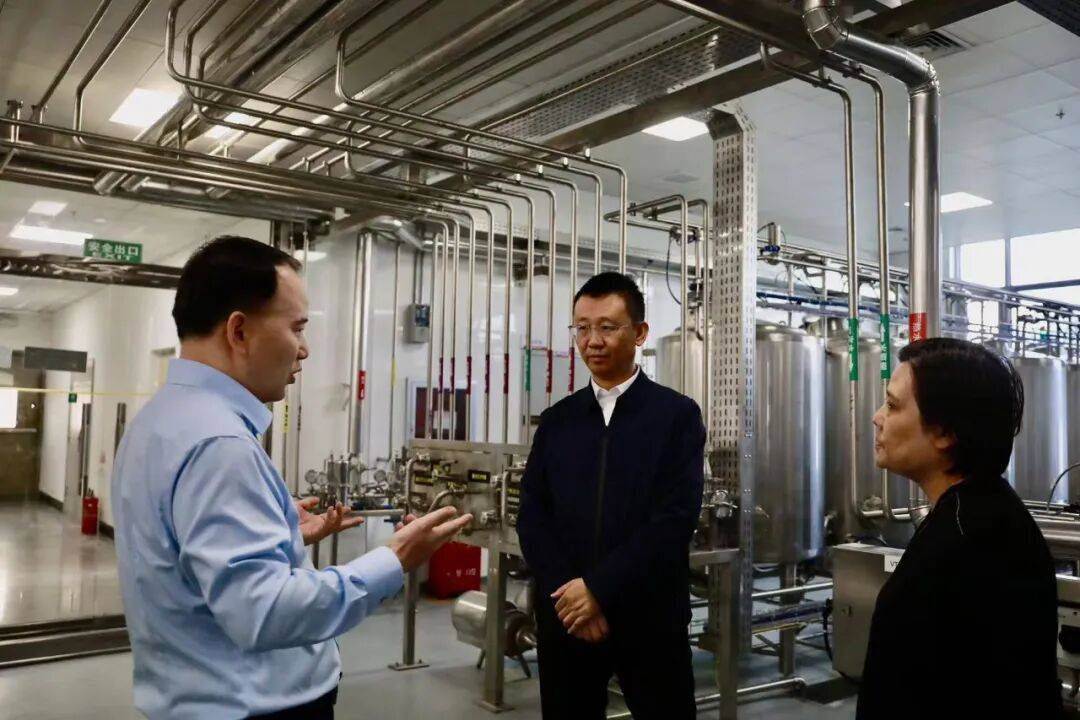
Group 1 - The recent visit by the director of the local People's Congress, Bao Jian, to Shunxin Agriculture Pengcheng Food Company and Yanjing Brewery aimed to understand the operational status and challenges faced by these enterprises [1][3]. - At Shunxin Agriculture, the focus was on the pig slaughtering and meat processing production line, with an emphasis on recent operational data, market supply stability, and safety production measures [3][4]. - At Yanjing Brewery, the visit highlighted the efficiency of the beer production line and the progress in new product development, including discussions on brand upgrades and market feedback [3][4]. Group 2 - Bao Jian emphasized the need for a continuous communication mechanism to identify and address the challenges faced by enterprises, ensuring better support for innovation and development [4]. - The importance of aligning government and enterprise efforts to create a synergistic environment for innovation and market responsiveness was stressed [4]. - The role of the People's Congress in monitoring policy implementation and service efficiency was highlighted as crucial for supporting the construction of an integrated urban and industrial development [4].