
进出口贸易

Search documents
湖北前5月进出口总值超3287亿 民营企业占70.9%成外贸主力军
Chang Jiang Shang Bao· 2025-06-16 00:43
Core Insights - Hubei Province's foreign trade continues to show high growth, with a total import and export value of 328.74 billion RMB in the first five months of 2025, representing a year-on-year increase of 26.9% [1][2] Group 1: Trade Performance - Exports reached 238.37 billion RMB, a significant increase of 36.3%, while imports totaled 90.37 billion RMB, growing by 7.4% [1] - Private enterprises have become the main driving force behind Hubei's foreign trade growth, accounting for 70.9% of the total import and export value, with a year-on-year increase of 31.1% [2] - The general trade method accounted for 80.6% of the total trade, with a value of 264.96 billion RMB, showing a growth of 36.5% [3] Group 2: Trade Partners and Markets - ASEAN and the EU are Hubei's top two trading partners, with import and export values of 78.21 billion RMB and 41.05 billion RMB, reflecting increases of 64.3% and 41.6% respectively [3] - Exports to emerging markets such as India and Brazil also saw significant growth, increasing by 34.3% and 14.4% respectively [3] Group 3: Regional Contributions - Wuhan City led the province with an import and export value of 178.77 billion RMB, accounting for 54.4% of the total [3] - Other cities like Huangshi, Yichang, and Xiangyang also contributed significantly, with respective import and export values of 30.82 billion RMB, 21.12 billion RMB, and 19.96 billion RMB [3] Group 4: Export and Import Structure - The export of electromechanical products reached 120.59 billion RMB, growing by 23%, making up over half of the total exports [4] - Major imports included bulk commodities, with a total import value of 29.93 billion RMB, representing over 30% of total imports, and significant increases in copper ore and coal imports [4]
前五月陕西进出口总值同比增长6%
Shan Xi Ri Bao· 2025-06-16 00:27
Group 1: Overall Trade Performance - In the first five months of this year, Shaanxi's total import and export value reached 202.7 billion yuan, a year-on-year increase of 6%, outpacing the national growth rate of 3.5% [1] - Exports amounted to 141.72 billion yuan, reflecting a year-on-year growth of 9.2%, with a trade surplus of 80.74 billion yuan during the same period [1] - General trade saw significant growth, with a total import and export value of 82.49 billion yuan, up 19.5% year-on-year [1] Group 2: Trade by Region - Shaanxi's imports and exports with ASEAN reached 34.43 billion yuan, a year-on-year increase of 22.1% [1] - Trade with Taiwan surged by 67.7% to 24.73 billion yuan, while trade with the EU grew by 30.1% to 24.36 billion yuan [1] - Exports to the United States totaled 11.25 billion yuan, indicating a stable trade relationship [1] Group 3: Trade by Enterprise Type - Foreign-invested enterprises accounted for 118.07 billion yuan in imports and exports, a year-on-year increase of 10.2%, representing 58.2% of the total [1] - Private enterprises contributed 70.03 billion yuan, making up 34.5% of the total trade [1] - State-owned enterprises saw a significant increase in trade, with a total of 13.98 billion yuan, up 23.4% year-on-year [1] Group 4: Export Products - Mechanical and electrical products exports reached 121.85 billion yuan, a year-on-year increase of 11.2%, constituting 86% of the province's total exports [2] - Integrated circuit exports were 51.39 billion yuan, growing by 8.3%, while automobile exports surged by 51% to 26.67 billion yuan [2] - Steel exports saw a remarkable increase of 96.7%, totaling 2.97 billion yuan [2]
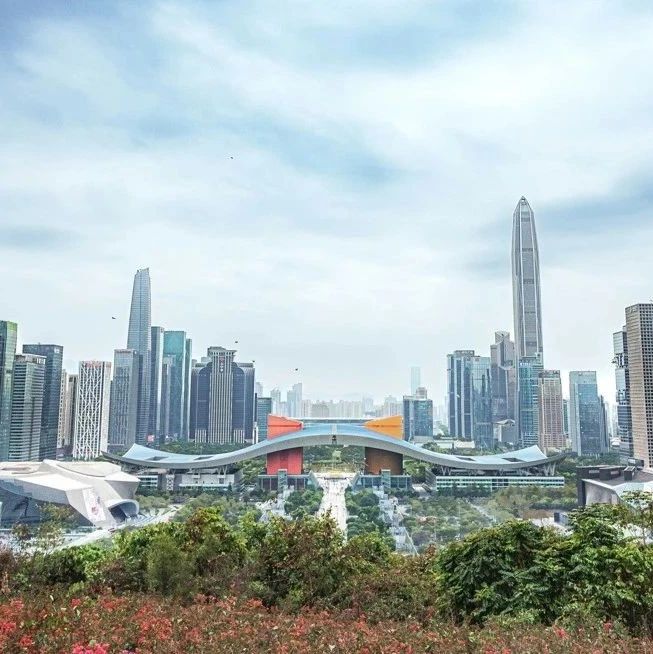
进一步全面深化改革,深圳打算这么干!这场发布会,干货多多→
证券时报· 2025-06-13 07:56
Core Viewpoint - Shenzhen is advancing its comprehensive reform pilot program, focusing on high-quality development and innovation through a series of significant reform measures outlined in the "Opinions" document [1][4]. Group 1: Reform Areas - The reform will be implemented in four main areas: innovation and talent mechanisms, integration of innovation and industrial chains, expansion of cooperation with Hong Kong and Macau, and the construction of a modern, international city [4][5]. - Shenzhen aims to enhance its innovation ecosystem by attracting and nurturing talent, with over 7 million total talents and more than 26,000 high-level talents currently in the city [4][5]. Group 2: Economic Development - The city plans to deepen the integration of financial, technological, and data resources to support high-quality economic development, with a focus on key industries and products [5][7]. - Shenzhen's foreign trade is projected to reach 4.5 trillion yuan in 2024, representing a 16.4% year-on-year increase, with 9,738 new foreign enterprises established, accounting for 16.5% of the national total [5][8]. Group 3: Market Access and Standards - Shenzhen will further relax market access and implement special measures in sectors like artificial intelligence and smart connected vehicles, aiming to create a sandbox regulatory environment [7][8]. - The city will align with international high-standard trade rules, such as CPTPP and RCEP, to enhance its economic openness and competitiveness [8]. Group 4: Implementation Mechanisms - To ensure the effective execution of the reform tasks, Shenzhen will implement five mechanisms: classified promotion, reform scheduling, supervision and evaluation, and publicity [8]. - The city will adopt a "four ones" standard for reform implementation, ensuring each reform task has a corresponding plan, operational norms, application scenarios, and evaluation system [8].

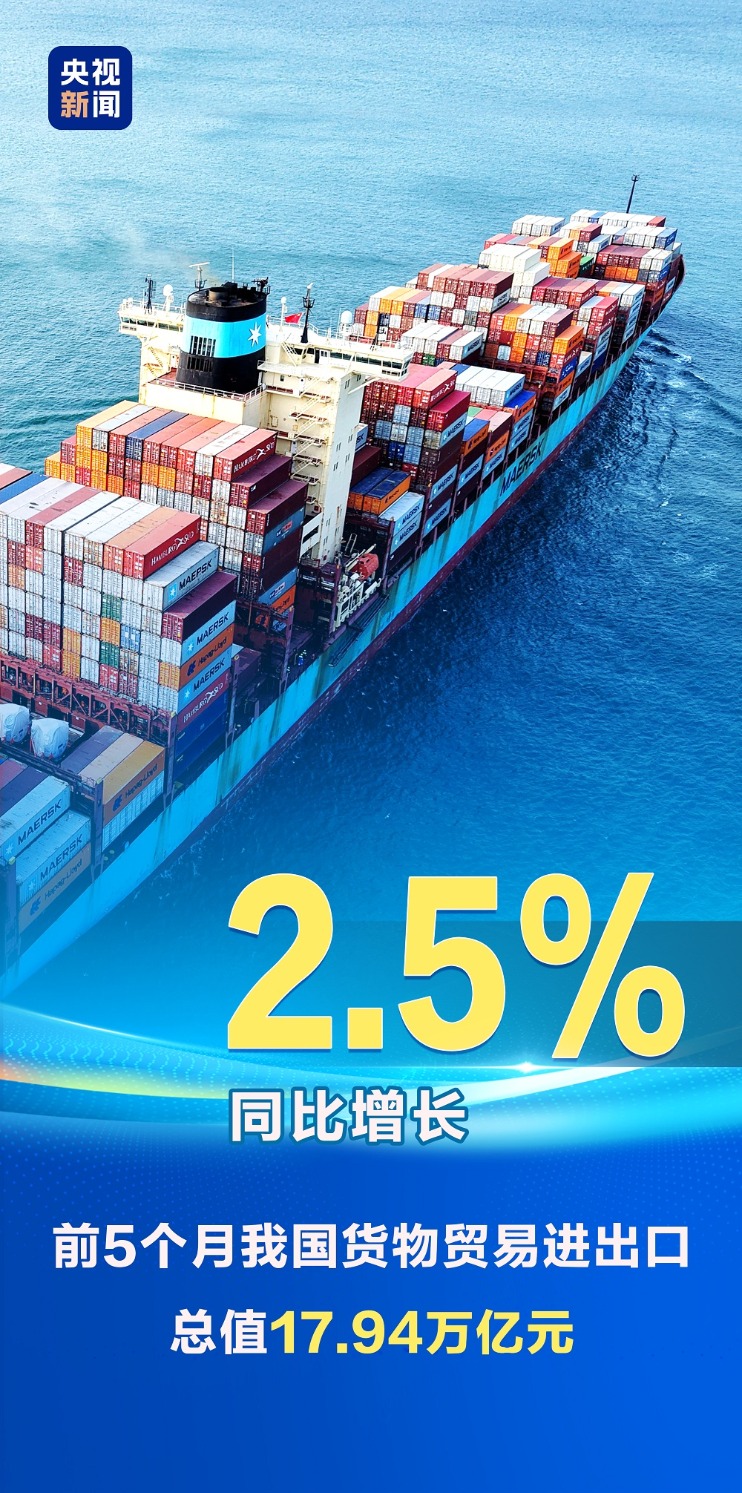
2.5%、116%、12.4%……第一、新高!“数”里行间感知经济活力
Yang Shi Xin Wen Ke Hu Duan· 2025-06-13 06:59
Trade Performance - In the first five months of the year, China's total goods trade value reached 17.94 trillion yuan, marking a year-on-year growth of 2.5% [4] - In May alone, the trade value was 3.81 trillion yuan, with a growth rate of 2.7% [4] - Exports in May amounted to 2.28 trillion yuan, reflecting a growth of 6.3%, with significant increases in exports to ASEAN (16.9%), EU (13.7%), Africa (35.3%), and Central Asia (8.8%) [4] Tax Refund Policy Impact - The first month of the new departure tax refund policy saw a 116% year-on-year increase in the number of tax refund applications processed [12] - The number of tax refund stores increased significantly, with a 56% rise in sales [12] - The "immediate refund" pilot program expanded nationwide, resulting in a 32-fold increase in processed applications and a 50-fold increase in sales compared to the previous year [12] Automotive Industry Growth - In the first five months, China's automobile production and sales reached 12.82 million and 12.75 million units, respectively, with year-on-year growth of 12.7% and 10.9% [16] - New energy vehicles accounted for 44% of total new car sales, with production and sales of 5.70 million and 5.61 million units, reflecting growth rates of 45.2% and 44% [16] - Exports of automobiles reached 2.49 million units, a year-on-year increase of 7.9%, with new energy vehicle exports at 855,000 units, growing by 64.6% [16] Trade with Africa - In the first five months, trade between China and Africa reached 963.21 billion yuan, a year-on-year increase of 12.4%, marking a historical high for the same period [19] - Exports to Africa totaled 599.57 billion yuan, growing by 20.2%, while imports from Africa were 363.64 billion yuan, increasing by 1.6% [19] - Since the establishment of the China-Africa Cooperation Forum in 2000, China has maintained its position as Africa's largest trading partner for 16 consecutive years [19] E-commerce Growth - Since the opening of the Hong Kong-Zhuhai-Macao Bridge Zhuhai road port in October 2018, cross-border e-commerce exports have surpassed 200 billion yuan [20] - In the first five months of this year, exports through the bridge port reached 35.5 billion yuan, reflecting an 82.6% year-on-year growth [20] - The customs inspection platform at the port allows for an average inspection time of six seconds per package, facilitating trade with over 130 countries and regions [20]
多元布局奏效 中国外贸继续增长
Zhong Guo Qing Nian Bao· 2025-06-13 00:54
Core Insights - The article emphasizes the importance of multilateral frameworks and regional cooperation in response to U.S. protectionism and unilateralism, as highlighted by Lin Yifu from Peking University [1] - China's trade data for May shows resilience despite external pressures, with exports to ASEAN, EU, Africa, and Central Asia growing significantly [2][4] - The decline in China's exports to the U.S. by 34.5% in May underscores the need for diversification in trade partnerships [3][4] Trade Performance - In May, China's total exports increased by 6.3% year-on-year, with notable growth rates of 16.9% to ASEAN, 13.7% to the EU, 35.3% to Africa, and 8.8% to Central Asia [1][2] - The World Bank has downgraded global economic growth expectations from 2.7% to 2.3% due to trade barriers and policy uncertainties [2] Structural Changes in Trade - China's trade structure is optimizing, with increasing exports to ASEAN, Africa, and Central Asia, which are seen as new growth points outside traditional markets [4] - The trade relationship between China and the EU is strengthening, with exports to the EU growing faster than overall exports, indicating a high degree of economic complementarity [6] Regional Cooperation - The article discusses the significance of regional cooperation, particularly with ASEAN, as a stabilizing factor for the Asia-Pacific economy and a model for multilateral free trade [4] - The ongoing economic dialogue between China and the UK reflects a renewed focus on cooperation, despite geopolitical tensions [7] Future Opportunities - Companies are encouraged to leverage the benefits of the Regional Comprehensive Economic Partnership (RCEP) to enhance competitiveness and market access [10] - There is a call for continued support for private enterprises in foreign trade, particularly in financing and risk management [11]
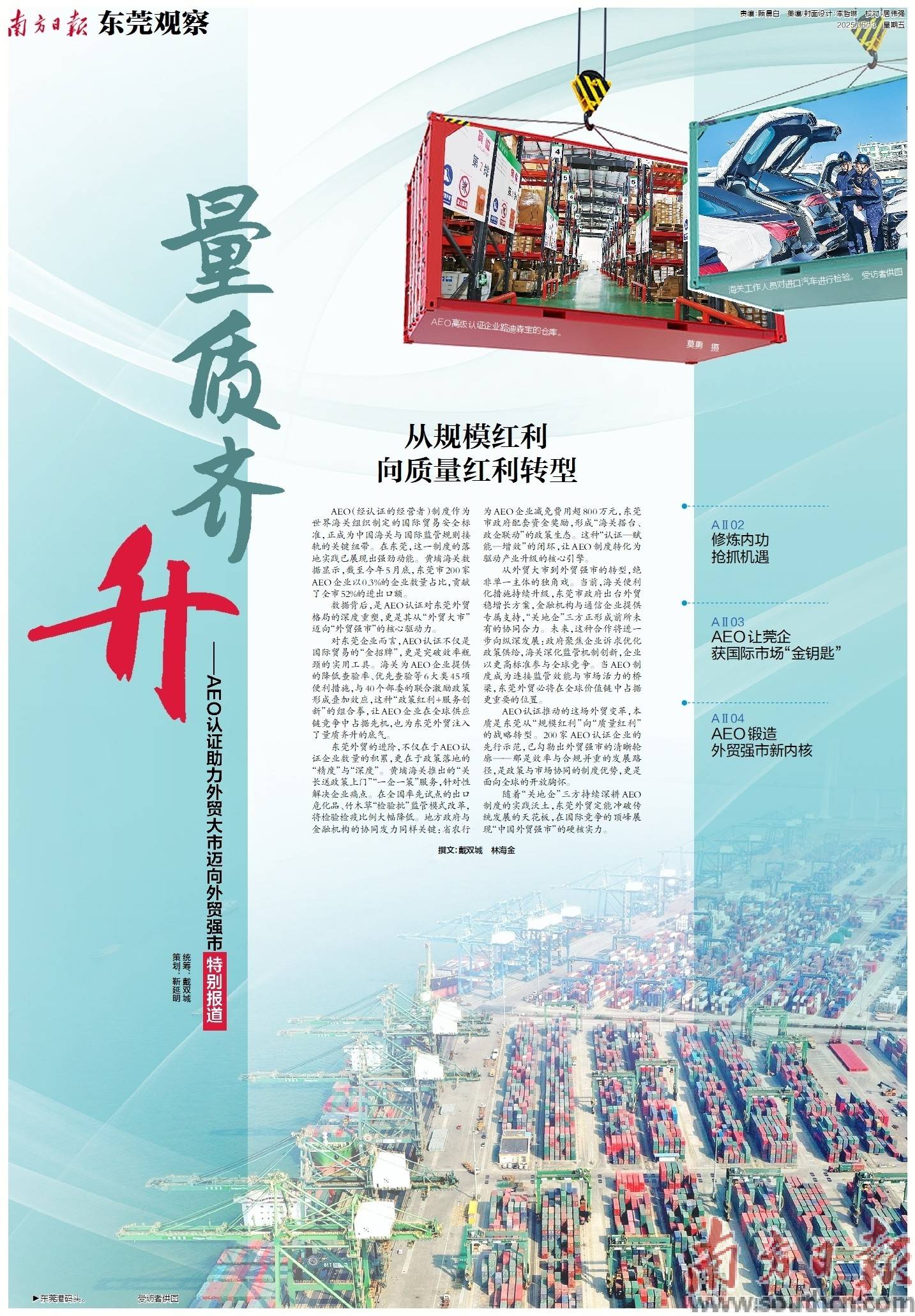
从规模红利 向质量红利转型
Sou Hu Cai Jing· 2025-06-13 00:48
Core Viewpoint - The AEO (Authorized Economic Operator) system is transforming Dongguan's foreign trade landscape, shifting the city from a "foreign trade giant" to a "foreign trade powerhouse" through enhanced efficiency and compliance measures [3][9][10]. Summary by Relevant Sections AEO System Impact - As of May this year, 200 AEO-certified enterprises in Dongguan, representing only 0.3% of the total number of enterprises, contributed 52% of the city's total import and export value [8][9]. - The AEO certification serves as a "golden signboard" for international trade, providing practical tools to overcome efficiency bottlenecks [9]. Policy and Support Measures - The customs authority offers 45 facilitation measures across six categories, including reduced inspection rates and prioritized inspections, which, combined with incentives from 40 government ministries, create a synergistic effect [9][10]. - Local government and financial institutions are collaborating effectively, with the provincial Agricultural Bank providing over 8 million yuan in fee reductions for AEO enterprises, supported by government funding [4][10]. Strategic Transformation - The transition from a "scale dividend" to a "quality dividend" is central to Dongguan's foreign trade evolution, with AEO certification driving industry upgrades [4][10]. - The collaboration among customs, local government, and enterprises is forming an unprecedented synergy, enhancing policy precision and depth to meet enterprise needs [10]. Future Outlook - The ongoing development of the AEO system is expected to further elevate Dongguan's position in the global value chain, showcasing its robust capabilities in international competition [10].
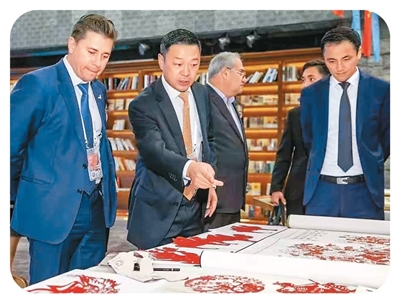
奔走于中国—中亚合作的“双向车道”(侨界关注)
Ren Min Ri Bao Hai Wai Ban· 2025-06-12 22:48
Core Insights - The relationship between China and Central Asian countries has seen significant growth and vitality, with increased trade and cultural exchanges being highlighted as key developments [8]. Group 1: China-Kazakhstan Relations - The introduction of a visa exemption agreement in 2023 has led to the establishment of multiple direct flight routes between China and Kazakhstan, facilitating easier business travel [10]. - Chinese products are increasingly popular in Kazakhstan, with local consumers showing a preference for Chinese goods, leading to a rise in cross-border shopping activities [10]. - The upcoming second China-Central Asia Summit is expected to further enhance practical cooperation between China and Kazakhstan [10]. Group 2: China-Tajikistan Relations - There has been a notable increase in Chinese enterprises investing in Tajikistan, particularly in international trade and construction sectors [12]. - A shift from "sitting merchants" to "traveling merchants" is observed, with Chinese companies now conducting market research and adapting their offerings to local needs [12]. - Cultural exchanges, such as the establishment of a Chinese library in Tajikistan, are seen as vital for enhancing mutual understanding and cooperation [13]. Group 3: China-Uzbekistan Relations - The "Two Zones and One Park" industrial technology zone project is underway, aimed at attracting Chinese investments in green energy and high-end manufacturing [14]. - The growing presence of Chinese nationals in Uzbekistan reflects the strengthening ties between the two countries, with local governments eager to collaborate with Chinese businesses [15]. - Plans for establishing vocational training schools and promoting traditional Chinese medicine in Uzbekistan indicate a commitment to long-term bilateral cooperation [16].
2025年1-5月中国进出口分析:关税边际影响有望下降,高科技产品需求增长
Jianghai Securities· 2025-06-12 08:21
Trade Performance - In the first five months of 2025, China's total goods trade value reached 17.94 trillion RMB, a year-on-year increase of 2.5%[3] - Exports amounted to 10.67 trillion RMB, growing by 7.2%, while imports were 7.27 trillion RMB, declining by 3.8%[3] - In May 2025, the total trade value was 3.81 trillion RMB, with exports at 2.28 trillion RMB (up 6.3%) and imports at 1.53 trillion RMB (down 2.1%) [3] U.S.-China Trade Relations - In May 2025, trade between China and the U.S. was valued at 39.63 billion USD, with a cumulative total of 239.71 billion USD from January to May, reflecting an overall decline of 9.1% year-on-year[5] - Exports to the U.S. decreased by 9.7%, while imports fell by 7.4% during the same period[5] - The decline in trade is attributed to trade frictions, but there are expectations for a recovery in June following a consensus on tariffs reached in mid-May[5] Sector Contributions - Private enterprises showed strong performance with a 7% increase in imports and exports, accounting for 57.1% of total trade, while foreign-invested enterprises grew by 2.3%[5] - State-owned enterprises experienced a 12.7% decline in trade, with imports dropping significantly by 19.1%[5] Product Structure - Mechanical and electrical products, which accounted for 60% of exports, saw a growth of 9.3%, with integrated circuits increasing by 18.9%[5] - Labor-intensive products declined by 1.5%, although textiles still grew by 3.7%[5] Import Trends - Agricultural imports decreased significantly, with a 12.5% drop in value, while demand for high-tech products remained strong, particularly in natural and synthetic rubber, which saw a 50.4% increase in import value[5] - Integrated circuits also showed growth in both volume and value, indicating a robust demand for high-tech imports[5] Future Outlook - Following the Geneva meeting, expectations for improved U.S.-China trade relations are anticipated, with a potential reduction in tariff impacts[6] - However, the cancellation of the tax exemption for small packages from China by the U.S. may delay a full trade recovery[6] Risk Factors - The external trade environment is complex and variable, necessitating close monitoring of economic policies, exchange rate fluctuations, and market competition to mitigate uncertainties[6]
直击进出口现场!前5月我国货物贸易进出口总值17.94万亿元|中国口岸行
Hua Xia Shi Bao· 2025-06-12 08:19
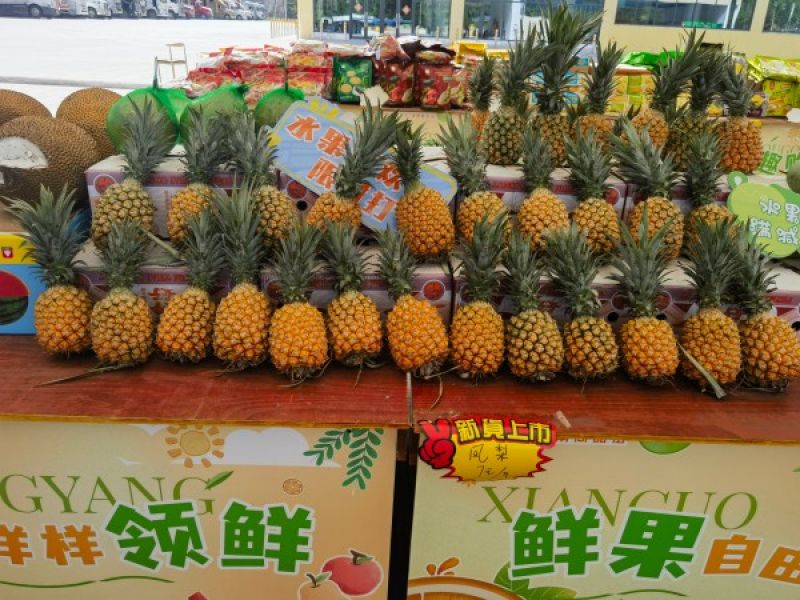
华夏时报(www.chinatimes.net.cn)记者 张智 石家庄、崇左摄影报道 "越南榴莲,19块一斤,要不要来看看?"广西凭祥友谊关口岸之外,水果商贩大声招呼着往来游客。 在凭祥,来自东盟的水果随处可见,这里是中国与东盟水果进出口贸易最大的口岸城市,同时,凭祥站也是全国 首个可以办理进出口水果直通运输业务的铁路口岸车站。 6月4日,一列运载174吨榴莲、山竹等水果的中越跨境货物列车,从越南同登站经凭祥口岸抵达中国,随后在铁路 凭祥站发往全国各地。 与此同时,千里之外的石家庄国际陆港专用线内,巨大的龙门吊在轰鸣声中伸出长长的吊钩,将装满货物的集装 箱抓起,从货运堆场运送至中欧班列车体上。当一节一节车体全部装满集装箱后,工作人员一声令下,不远处的 火车头倒退着向车体靠拢,伴随着咔嗒一声,车头和车体无缝连接,在铁路工人固定并检查无误后,铁路发车正 式进入倒计时。 6月11日11时58分,这列满载着机械设备、汽车零配件、服装等货物的中欧班列,正式从石家庄国际陆港专用线出 发,几天以后,它将经过二连浩特口岸,最终驶向俄罗斯首都莫斯科。 这样的一进一出,彰显出我国对外贸易的活力。 而从全国范围来看,东盟也是我国 ...
前5个月广东进出口同比增长4% 贸易摩擦影响初显
2 1 Shi Ji Jing Ji Bao Dao· 2025-06-12 05:24
Core Insights - Guangdong's foreign trade import and export reached 3.75 trillion yuan in the first five months of the year, a 4% increase year-on-year, outpacing the national growth rate by 1.5 percentage points [1] - Exports totaled 2.37 trillion yuan, growing by 0.9%, while imports were 1.38 trillion yuan, increasing by 9.7% [1] - In May, Guangdong's import and export value was 790.12 billion yuan, a 0.8% growth, with exports declining by 3.1% [1] Trade Partners - The top three trading partners for Guangdong were ASEAN, Hong Kong, and the EU, with growth rates exceeding the overall growth [1] - In the first five months, trade with ASEAN, Hong Kong, and the EU amounted to 622.63 billion, 470.77 billion, and 441.5 billion yuan, growing by 6.2%, 7.8%, and 7.1% respectively [1] - Despite a 9.6% decline in exports to the US, it remained one of Guangdong's top five trading partners, with total trade value of 378.48 billion yuan [1] Product Structure - The export of electromechanical products increased, accounting for 67.7% of Guangdong's total exports, up 3.7 percentage points from the previous year [2] - In the first five months, Guangdong exported 1.6 trillion yuan worth of electromechanical products, a 6.7% increase [2] - Key exports included computers and components, electrical equipment, and integrated circuits, with growth rates of 16.2%, 15.7%, and 23.1% respectively [2] Import Trends - Electromechanical products accounted for nearly 70% of imports, with a growth rate exceeding 20% [2] - Guangdong imported 965.65 billion yuan worth of electromechanical products, a 20.7% increase [2] - Significant imports included integrated circuits, computers and components, and semiconductor manufacturing equipment, with growth rates of 14.1%, 108.5%, and 52.7% respectively [2]