
茶产业

Search documents
一杯茶“泡”出传统产业的创新转型
Jin Rong Shi Bao· 2025-08-27 02:40
Core Viewpoint - The current consumption environment is challenging, yet the company remains unaffected, showcasing steady growth and the transformation of traditional agriculture [1] Quality Foundation - The company's robust development is rooted in its commitment to product quality, reflecting the overall quality upgrade of the Fuding white tea industry [2] - Fuding promotes the "two good and two replacements" standard, focusing on high-quality tea leaves and processing while replacing chemical pesticides and extensive processing [2] - By 2024, 80% of tea gardens will be ecological, significantly improving tea quality, with a 100% product qualification rate ensured through a city-level tea quality testing center [2] - A comprehensive big data traceability platform has been established, covering 360,000 acres of tea gardens and 77,000 tea farmers, enhancing transparency and trust in the production process [2] Intelligent Tea Production - The company operates an automated white tea production line, capable of processing the equivalent workload of 50 skilled workers per hour, ensuring efficiency and quality control [3] - The entire Fuding tea industry is advancing towards intelligent manufacturing, with a 40% increase in production efficiency through standardized production methods [3] - Fuding has been recognized as a "National Tea Technology Innovation Demonstration County," promoting technological advancements in tea production [3] Channel Innovation - The company is actively engaging with new consumer groups, becoming the exclusive tea partner for the China Open Tennis Tournament to attract younger consumers [4] - The Fuding government is expanding the "Z generation" consumer base through digital nomad projects and e-commerce live streaming, with over 5 billion views on Douyin in 2024 [4] - The involvement of younger demographics is revitalizing the tea industry, allowing traditional tea culture to be communicated in more engaging ways [4] Scene Extension - Fuding is expanding the value of tea through the "white tea+" model, integrating tea with sports, culture, and cuisine [5] - The "Tea BA" event combines competition with tea culture, while immersive tea culture experiences are being developed in tourism [5] - Fuding has been recognized by the FAO as a "Globally Important Agricultural Heritage System," positioning white tea as a cultural symbol of Eastern aesthetics and a healthy lifestyle [5] - The successful practices in Fuding demonstrate that traditional industries can achieve sustainable development through quality enhancement, technological innovation, channel renewal, and cultural integration [5]
福建南平 加快推动资金流信息平台应用
Zheng Quan Ri Bao Zhi Sheng· 2025-08-24 14:39
Group 1 - The People's Bank of China Nanjing Branch is promoting the national small and micro enterprise fund flow credit information sharing platform to enhance financial inclusion and facilitate financing for small and micro enterprises [1] - As of the end of July, the Nanjing Branch has organized 2,097 queries through the fund flow information platform, resulting in loans of 2.282 billion yuan benefiting 776 small and micro enterprises [1] - The platform aims to break the information barrier between banks and enterprises by converting transaction data into accessible funding, thus broadening financing channels for small and micro enterprises [1] Group 2 - A packaging company in Wuyishan faced financing challenges due to lack of traditional collateral and being a "credit white household," but received a 2 million yuan loan after the People's Bank of China Nanjing Branch facilitated data verification through the fund flow information platform [2] - A tea company in Wuyishan, also struggling with financing due to being a "credit white household," successfully obtained a 7 million yuan loan after the People's Bank of China Nanjing Branch helped create a tailored financial service plan using the fund flow information platform [3] Group 3 - The People's Bank of China Nanjing Branch has introduced an innovative "dual flow model" that integrates fund flow and information flow to address financing needs in the tea industry [4] - This model allows for one-click information queries for tea enterprises, enhancing the efficiency and accuracy of financing processes [4] - The implementation of the "dual flow model" has led to loans of 2.8 million yuan and 2 million yuan being provided to specific tea companies at preferential interest rates, thereby reducing financing costs [4]


云南拾山茶业有限公司成立 注册资本100万人民币
Sou Hu Cai Jing· 2025-08-23 09:45
Group 1 - Yunnan Shishan Tea Industry Co., Ltd. has been established with a registered capital of 1 million RMB [1] - The legal representative of the company is Zheng Di [1] - The business scope includes tea planting, tea utensils sales, wholesale of edible agricultural products, and internet sales of pre-packaged food [1] Group 2 - The company is also involved in retail and wholesale of daily necessities, personal internet live streaming services, and the purchase and sale of traditional Chinese medicine materials [1] - Other activities include the wholesale and retail of fresh fruits and hardware products [1] - The company operates independently based on its business license, except for projects that require approval [1]
“两山”转化涌 “金浪”乡村蝶变焕生机————四川乐山沐川县打造长江上游“生态共富标杆”美丽乡村先行区
Zhong Guo Huan Jing Bao· 2025-08-21 01:39
Core Viewpoint - The article emphasizes the successful implementation of the "Green Water and Green Mountain is Gold Mountain and Silver Mountain" concept in Muchuan County, Sichuan Province, showcasing its ecological achievements and sustainable development strategies [1][16]. Group 1: Strategic Development - Muchuan County has adopted a systematic approach to build a new pattern of green development, focusing on ecological priority and green growth [2]. - The county's strategic layout includes a core urban area, a sub-center, and four growth poles in bamboo, tea, konjac, and cultural tourism, promoting differentiated development [2]. - A three-year action plan for building a beautiful Muchuan has been established, integrating production, living, and ecological spaces while implementing pollution reduction measures [2][3]. Group 2: Ecological Protection Actions - The county has initiated a "Green Water" campaign, establishing a responsibility system for river and lake management, resulting in all monitored water sources meeting quality standards [6]. - Soil remediation efforts have increased the comprehensive utilization rate of industrial solid waste to 23.5%, with a target of over 50% by year-end [7]. - Biodiversity initiatives have led to the establishment of a breeding center for the endangered crested ibis, with successful reintroduction efforts [6][9]. Group 3: Industrial Development - The bamboo industry, leveraging 1.62 million acres of bamboo forest, has achieved a comprehensive output value of 6.8 billion yuan, with significant contributions from bamboo shoots and bamboo products [10]. - The tea industry, particularly the rare "Ziyuan" tea, has reached a comprehensive output value of 3.6 billion yuan, positioning Muchuan as a key player in China's tea market [11]. - The konjac industry has expanded to 30,000 acres, generating an annual export revenue of 22 million USD, showcasing the global reach of Muchuan's agricultural products [12]. Group 4: Rural Development and Community Well-being - The county has improved rural living conditions, achieving 100% compliance in drinking water quality and enhancing waste management across 129 villages [14]. - Employment opportunities have been created through the integration of tourism and agriculture, establishing a 15-minute employment circle for residents [15]. - Cultural initiatives have been developed to enhance community engagement and satisfaction, with a 96% public cultural satisfaction rate reported [15].


“绿色红利”富了百姓!“两山”理念“绿色密码”让茶园更绿、茶农日子更甜
Yang Shi Wang· 2025-08-15 02:55
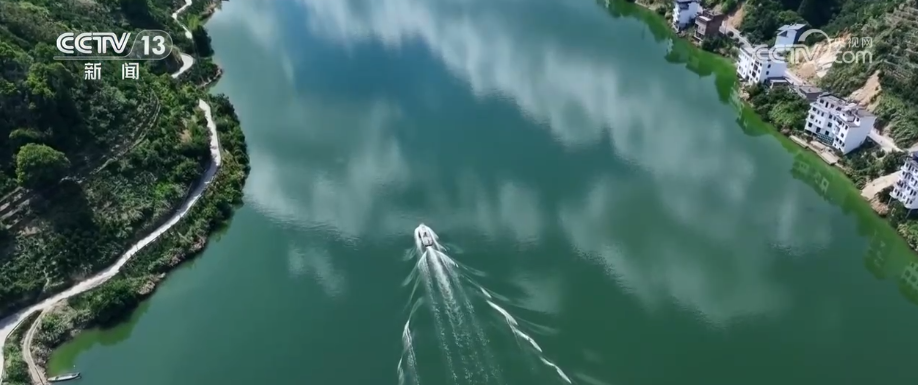
Core Viewpoint - The New Anjiang River's water quality is crucial for the safety and development of the entire watershed, with efforts focused on balancing ecological protection and economic development in the region [1] Group 1: Ecological and Economic Development - The New Anjiang River has become a significant tourist attraction, receiving over 300,000 visitors annually, benefiting local fishing villages by shifting from fishing to tourism [4] - The implementation of fishery retirement and the cessation of fishing activities have significantly slowed the process of water eutrophication, with the region's tourism generating 77.68 billion yuan in comprehensive income from 7.166 million visitors [7] - Over 30 polluting enterprises have been eliminated, and more than 200 policies have been introduced, with an investment of 4.6 billion yuan for pollution control [9] Group 2: Water Quality Management - A smart system has been established to manage wastewater from boats, achieving near-zero discharge of sewage from passenger and cargo ships since 2018 [10] - The water quality at the cross-province boundary of the New Anjiang River has consistently met Class II surface water quality standards, supplying nearly 7 billion cubic meters of high-quality water to the downstream Qiandao Lake annually since 2012 [10] Group 3: Agricultural and Industrial Development - The ecological civilization construction is seen as a "green code" for common prosperity, with significant ecological and economic value emerging from the New Anjiang River basin [12] - Over 200 high-quality agricultural and cultural products have been launched under the "Shicai Binfen" regional public brand, with deep health tourism and ecological study tourism becoming new highlights [15] - The tea industry has transformed agricultural products into industrial products, increasing prices significantly, with 1 kg of tea powder priced at 800 yuan, showcasing the industrialization of traditional tea [17] Group 4: Future Prospects - The tea industry in Huangshan is attracting upstream enterprises for investment, leading to continuous upgrades in the industry, with an expected comprehensive annual output value of nearly 30 billion yuan in 2024 [19] - The "Two Mountains" concept is enhancing the ecological environment and improving the livelihoods of 800,000 tea farmers [19]
澜沧古茶预期中期收入约1.17亿元至1.2亿元
Zhi Tong Cai Jing· 2025-08-08 14:35
Core Viewpoint - The company, Lancang Ancient Tea (06911), anticipates a significant decline in revenue and a net loss for the upcoming reporting period ending June 30, 2025, primarily due to slow recovery in the consumer market and internal management adjustments [1] Revenue Summary - The expected revenue for the six months ending June 30, 2025, is projected to be between RMB 117 million and RMB 120 million, representing a year-on-year decrease of approximately 38.5% to 40.0% [1] Profitability Summary - The company expects to report a net loss of approximately RMB 28 million to RMB 32 million for the same period, a decline from a profit of RMB 5.1 million in the previous year [1] Operational Challenges - The decline in revenue is attributed to the slow recovery of the terminal consumer market, which continues to impact the operations and sales of physical stores [1] - Additionally, the management adjustments within the company have led to transitional delays, affecting the development of business operations during the reporting period [1]
八马茶业第四次冲击IPO,招股书背后的“富豪姻亲圈”
YOUNG财经 漾财经· 2025-08-08 11:05
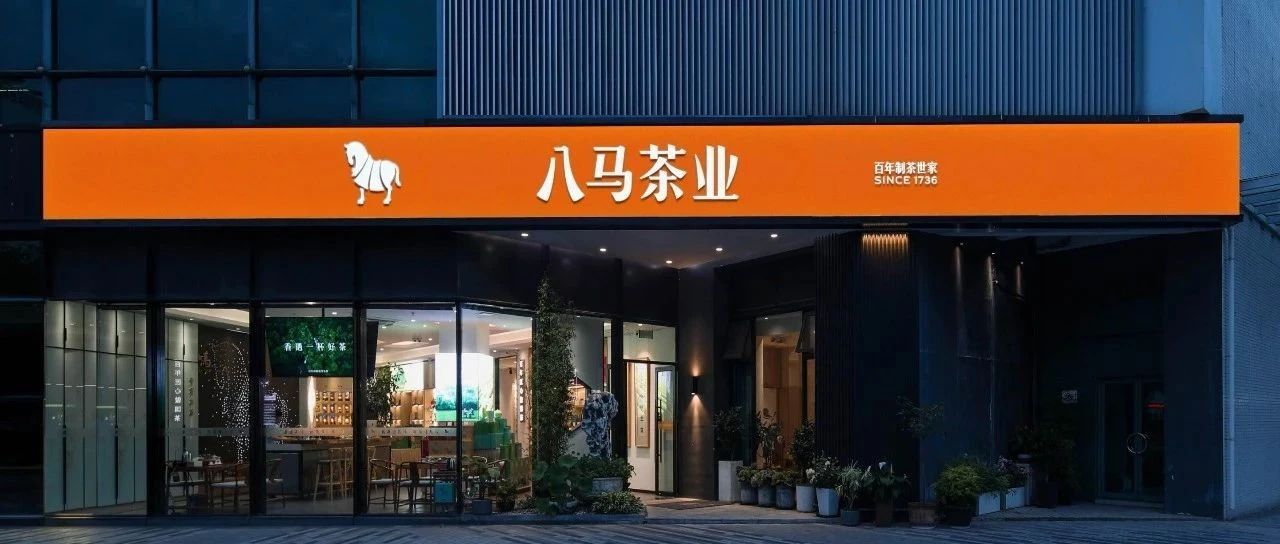
Core Viewpoint - Eight Horses Tea Industry is making its fourth attempt to go public, with its latest prospectus revealing a significant "wealthy in-law circle" among its executives and shareholders [2][8]. Group 1: IPO Attempt - On July 17, 2025, Eight Horses Tea received the CSRC's filing notice, marking a step forward in its pursuit of a Hong Kong listing [2]. - This marks the company's fourth attempt at an IPO in the past decade [2]. Group 2: Shareholding Structure - The company's executive structure exhibits a typical family characteristic, with major shareholders holding 55.9% of the voting rights [2]. - Key shareholders include Wang Wenbin, Wang Wenli, Chen Yajing, Wu Xiaoning, Wang Wencao, and Wang Xiaoping, who are closely related [2]. Group 3: Family Connections - Wang Wenbin, Wang Wenli, and Wang Wencao are brothers, while Chen Yajing is Wang Wenbin's spouse, and Wu Xiaoning is Wang Wenli's spouse [2]. - The board also includes cousins and children of the Wang family, indicating a strong family influence in the company's governance [2]. Group 4: Business Relationships - Eight Horses Tea has numerous connections with other companies, such as Anta and Septwolves, which also originated in Fujian [8]. - Wang Wenbin's daughter is married to a vice president of Septwolves, and his son is the son-in-law of Anta's founder [8]. - The company engages in various business dealings with these "in-law" companies, including shareholding, tea procurement, and leasing [9].


各地特色信贷稳住就业“基本盘”
Jin Rong Shi Bao· 2025-08-08 07:59
Core Viewpoint - Financial institutions across various regions are intensifying support for employment and entrepreneurship through innovative financial products and policies, injecting more financial power into these areas [1][2][4]. Group 1: Financial Support for Employment and Entrepreneurship - Many regions have prioritized support for employment and entrepreneurship in their economic work plans, with initiatives like the People's Bank of China's "Five Major Financial Articles" focusing on services for small and micro enterprises, rural revitalization, and key employment groups [2]. - Financial institutions are innovating to create targeted credit products for specific entrepreneurial groups, such as college graduates, homemakers, returning migrant workers, and veterans, with over 20 new products launched in Shandong province alone [2][4]. - The implementation of entrepreneurship guarantee loans has significantly stimulated entrepreneurial potential, with Shandong Linyi City issuing 2.972 billion yuan in such loans, directly supporting over 10,000 entrepreneurs and creating 35,200 jobs [4]. Group 2: Tailored Financial Products for Specific Industries - The booming cultural and tourism industry is being supported by financial institutions through customized credit products, such as "Lejia Tour" and "Minshu Loan" in Sichuan Yaan, which have collectively issued approximately 370 million yuan to enhance employment in the sector [3]. - The rise of e-commerce and live streaming has created new job opportunities for returning youth, prompting banks to focus on supporting local specialty industries, with the China Bank in Hebei launching "E-commerce Loans" that have supported over 300 e-commerce businesses with 12 million yuan in funding [6][7]. - Financial support for specialty industries, such as tea and forestry, is being enhanced, with significant credit agreements established to support local agricultural initiatives, including a 339 million yuan agreement in Fujian for medicinal herb cultivation [7]. Group 3: Policy Initiatives and Collaboration - Financial institutions are actively participating in local government projects and entrepreneurship training to better understand the financial needs of entrepreneurs, exemplified by the collaboration of Shandong Yucheng Rural Commercial Bank with local women's organizations to create credit profiles for women entrepreneurs [5]. - Recent policy initiatives from the Ministry of Human Resources and Social Security aim to lower the barriers for entrepreneurship guarantee loans and expand the scope of special loans to support job retention and expansion [5].
165万茶农人均增收1.83万元 浙江多元解锁茶产业“共富密码”
Zhong Guo Chan Ye Jing Ji Xin Xi Wang· 2025-07-30 06:05
Core Viewpoint - Zhejiang province is accelerating the high-quality development of its tea industry, aiming to enhance employment and income for tea farmers while promoting the region's tea culture and brand recognition [1][2]. Group 1: Employment and Income - In 2022, Zhejiang had 1.65 million individuals engaged in tea production, with an average income increase of 18,300 yuan per tea farmer, contributing to over 100 million jobs and 10 billion yuan in income [1]. - During the spring tea picking season, Zhejiang attracts over 500,000 tea pickers from other provinces, with an average monthly income exceeding 6,000 yuan [1]. Group 2: Industry Development Goals - The government aims to expand tea garden area to 3.2 million acres and achieve an agricultural output value of 31.5 billion yuan in 2023, with plans to cultivate 20 nationally influential tea brands and target a comprehensive output value of 130 billion yuan [2]. - By 2027, the tea garden area is expected to reach 3.3 million acres, with an agricultural output value of 35 billion yuan and an increase in influential tea brands to 30, aiming for a comprehensive output value of 150 billion yuan [2]. Group 3: Product and Brand Strategy - The strategy focuses on strengthening four major tea production areas: Longjing tea, Baihua tea, early tea, and other specialty teas, with green tea as the primary product [2][3]. - The development will include a variety of tea products such as tea beverages, tea foods, and tea health products, enhancing the overall brand strength of Zhejiang tea [2][3]. Group 4: Technological and Market Innovations - The province plans to promote the global marketing of premium green tea and support the export of tea products, targeting an export value of over 500 million USD [3]. - Emphasis will be placed on digital transformation across the entire tea industry chain, from cultivation to consumption, to enhance efficiency and value [3]. Group 5: New Tea Products and Standards - New tea beverages and foods are emerging as growth areas, with established brands like Nongfu Spring and Gu Ming leading the market [5]. - Zhejiang aims to develop a standardized production system for new tea beverages, focusing on quality and traceability, with 23 companies already participating in the traceability program [6]. Group 6: Export and Internationalization - In 2022, Zhejiang exported 156,000 tons of tea worth 470 million USD, maintaining a leading position nationally [7]. - The province plans to expand its export portfolio to include premium teas and new tea beverages, enhancing international standards and quality management systems [7].
跻身全国前十 2025上半年湖北存款余额突破10万亿
Chang Jiang Shang Bao· 2025-07-30 06:05
Core Viewpoint - The financial sector in Hubei Province is effectively supporting economic development, with significant growth in social financing and deposits, indicating a positive financial environment for high-quality economic growth [1][2]. Financial Performance - As of June, the social financing scale in Hubei reached 13.58 trillion yuan, a year-on-year increase of 9.6%, surpassing the national growth rate by 0.7 percentage points [2][3]. - The balance of domestic and foreign currency deposits in Hubei exceeded 10 trillion yuan, marking a 9.3% year-on-year growth, making it the 10th province in China to achieve this milestone [1][2]. - The balance of domestic and foreign currency loans stood at 9.29 trillion yuan, with a year-on-year growth of 7.9%, also higher than the national average [2][3]. Loan Distribution and Support - Hubei's financial institutions have increased support for key sectors, with medium and long-term loans to the manufacturing sector growing by 11.8% year-on-year, and loans to small and micro enterprises increasing by 15.8% [3][4]. - The province has implemented various structural monetary policy tools, with a total balance of 1.997 trillion yuan, up 37% year-on-year, to enhance credit allocation towards technology innovation and green development [4][5]. Policy Implementation - Since May 15, Hubei has fully implemented a reserve requirement ratio cut, releasing approximately 2.73 billion yuan for medium and long-term funding to support key sectors [4][5]. - The average interest rate for new corporate loans decreased by 48 basis points year-on-year to 3.2%, while personal loan rates fell by 46 basis points to 3.09% [3][4]. Sector-Specific Initiatives - Hubei has allocated 20 billion yuan specifically for agricultural and small enterprise re-loans, with 10 billion yuan directed towards supporting technology enterprises in the Wuhan East Lake High-tech Zone [6]. - The province has also facilitated the issuance of green bonds, with a total of 137 billion yuan issued, ranking first in Central China [3][5].